Kichijoji Guide: Tokyo's Best Neighborhood for a Day
Why Kichijoji tops Tokyo livability polls: Inokashira Park boating, Harmonica Yokocho bars, and why it's a smarter Ghibli Museum base than Mitaka Station.
On this page
Last updated July 2026. Kichijoji has topped livability polls for Tokyo residents since the 1990s, and a single afternoon here explains why. A boating lake and shrine-filled park sit a few minutes' walk from covered shopping arcades and a maze of standing bars. This guide breaks down how to reach Kichijoji, what to do once you arrive, and why it makes a smarter Ghibli Museum base than neighboring Mitaka Station.
Why Kichijoji Is Tokyo's Most Desirable Neighborhood
Kichijoji's appeal comes from a balance few Tokyo districts pull off. Inokashira Park provides sprawling green space, Sun Road adds everyday shopping, and Harmonica Yokocho supplies a gritty nightlife scene. All three sit within a few minutes of the station. That combination sets it apart from the neon intensity of Shinjuku's alley bars and the boutique-heavy, slower pace of Nakameguro's canal district. Where those neighborhoods lean into one identity, Kichijoji functions as a genuine residential town that happens to also be one of the best day trips in western Tokyo.
Getting to Kichijoji Station: Trains, Buses, and Local Navigation
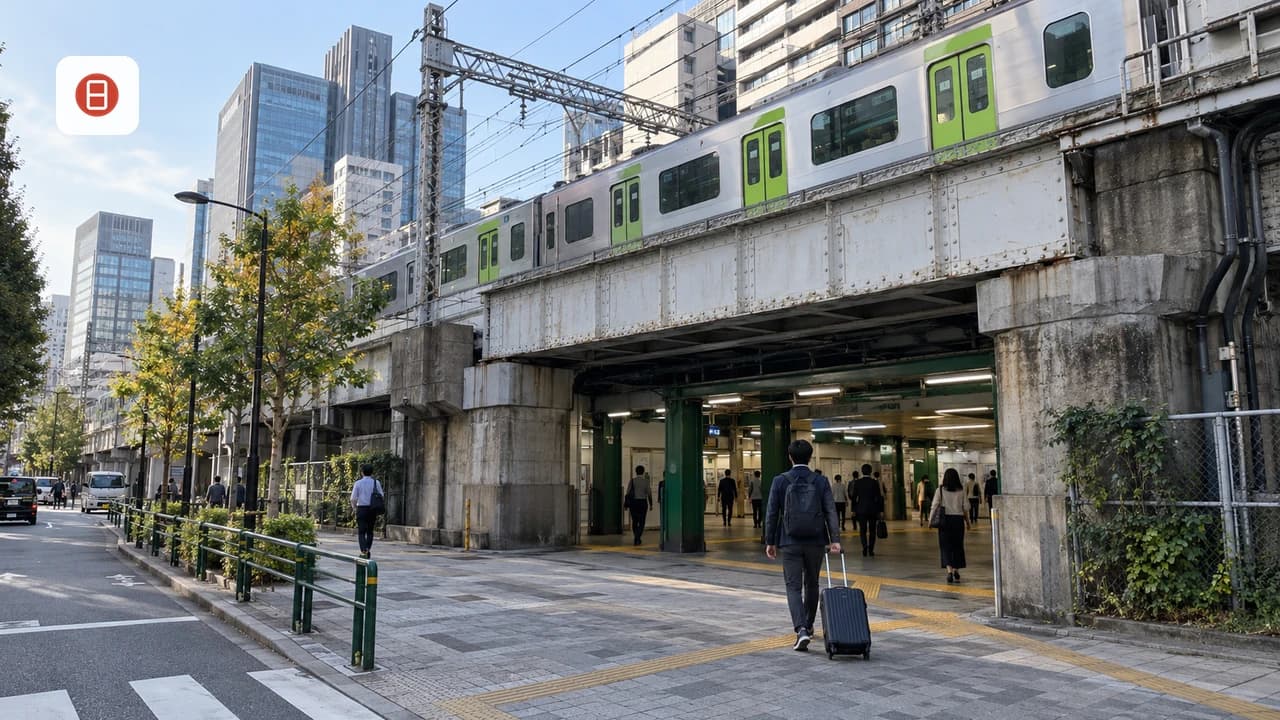
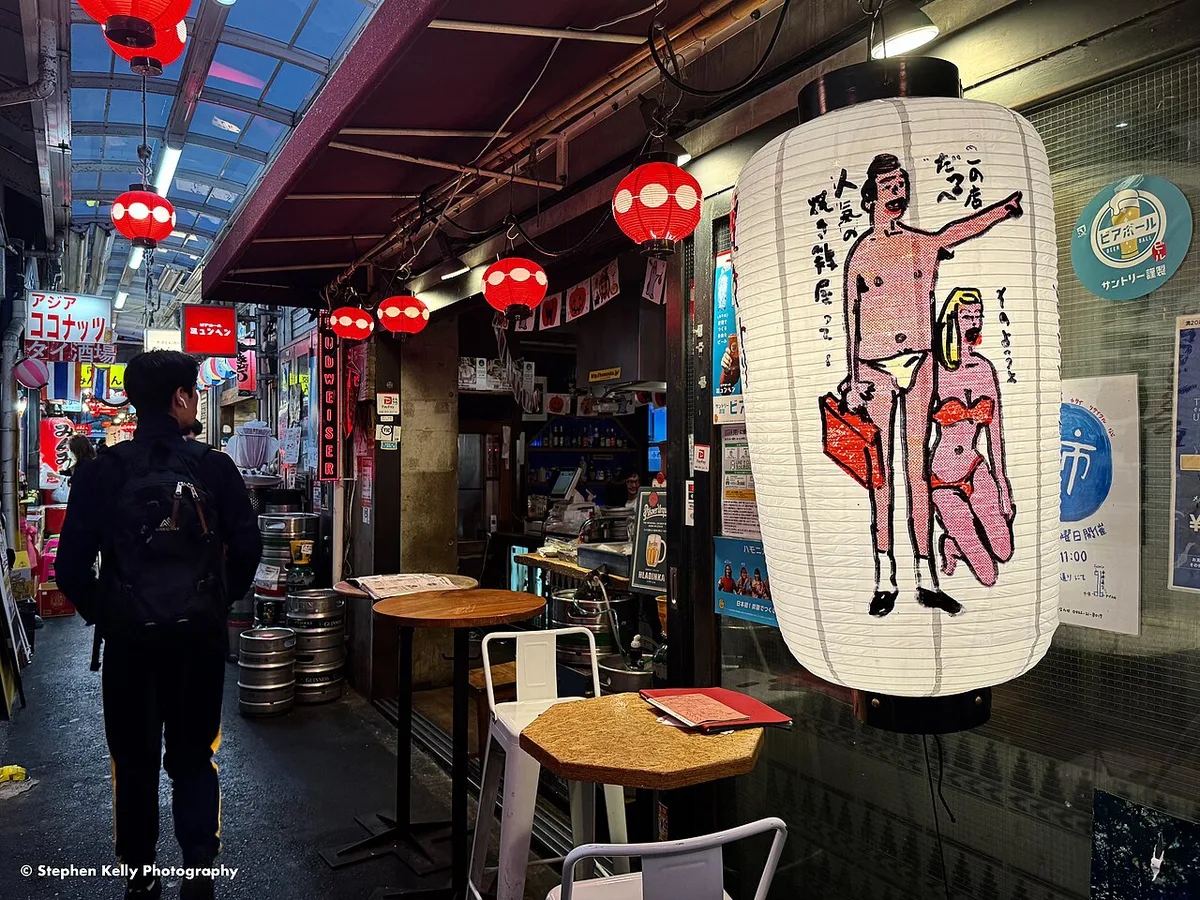
Kichijoji Station sits on the JR Chuo and Chuo-Sobu lines as well as the Keio Inokashira Line, making it easy to reach from most parts of the city. Budget a few extra minutes for airport transfers and note that the station has two distinct sides: the north exit leads into the shopping streets and Harmonica Yokocho. At the same time, the south exit opens directly onto Inokashira Park.
Kichijoji Station's two exits serve different purposes: the south exit opens onto Inokashira Park with its lake, shrine, and zoo, while the north exit leads to Sun Road's shopping arcades and Harmonica Yokocho's nightlife.
- From Shinjuku Station: about 14 minutes on the JR Chuo Line Rapid
- From Shibuya: about 20 minutes on the Keio Inokashira Line express service
- From Tokyo Station: about 28 minutes on the JR Chuo Line Rapid
- From Haneda Airport: about 1 hour 10 minutes by train, or 1 hour 20 minutes by limousine bus
- From Narita Airport: about 1 hour 55 minutes by train, or 2 hours by limousine bus
- Local mobility: the pink Moo-bus, run by Musashino City, circulates through the district for travelers who prefer not to walk
Inokashira Park: The Heart of Western Tokyo
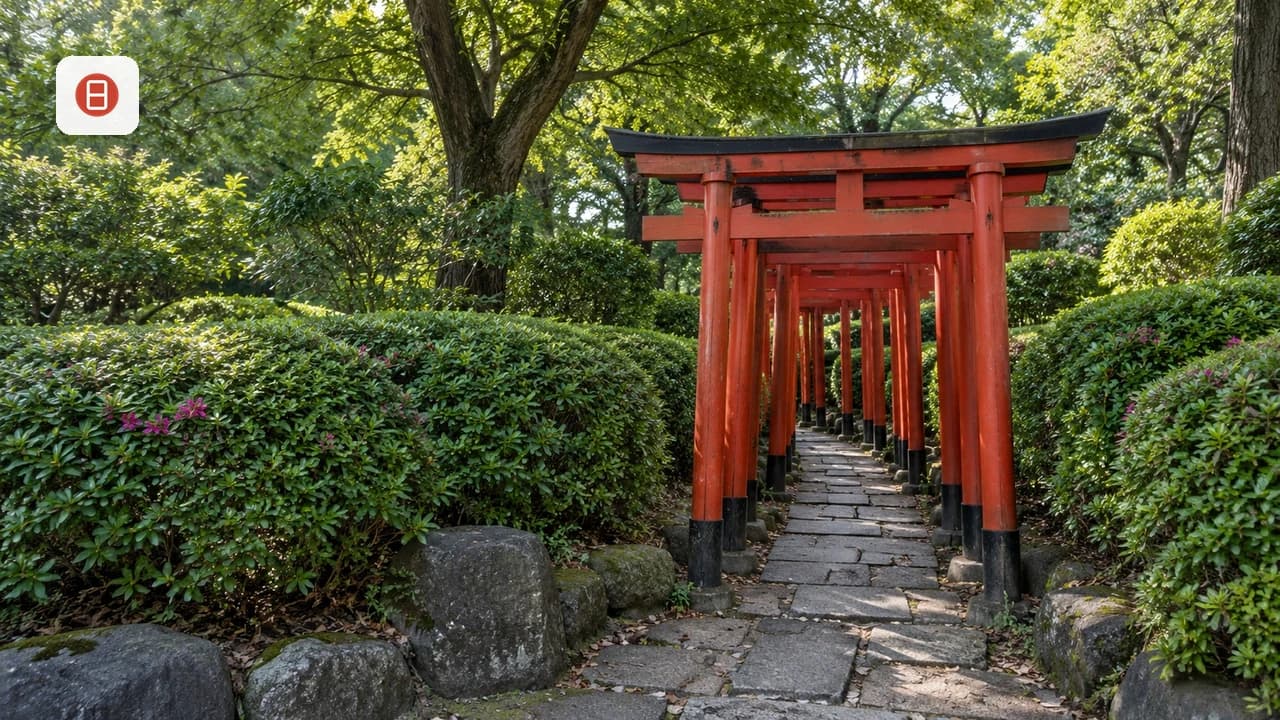
Inokashira Park opens right off the station's south exit and centers on a large boating lake where rowboats and swan-shaped pedal boats are available to rent. Paths circle the water past cafes, food vendors, and street performers, leading to the red-lacquered Benten Shrine dedicated to the goddess of water, music, and good fortune. The park draws large crowds for cherry blossoms in early April and for autumn foliage in November, so a weekday visit is worth planning if a quieter, more local atmosphere is the goal. Inokashira Park Zoo sits on the park's west side and suits families traveling with children. At the same time, the wider grounds function as a genuine escape-to-the-country moment inside the city, with wild birdsong filling the tree canopy year-round. Compared with the more manicured Shinjuku Gyoen or the wide-open lawns of Yoyogi Park, Inokashira's lake, shrine. Zoo combination gives it more to do in a single loop without needing to leave the park.
Shopping in Kichijoji: Sun Road, Nakamichi-dori, and Department Stores
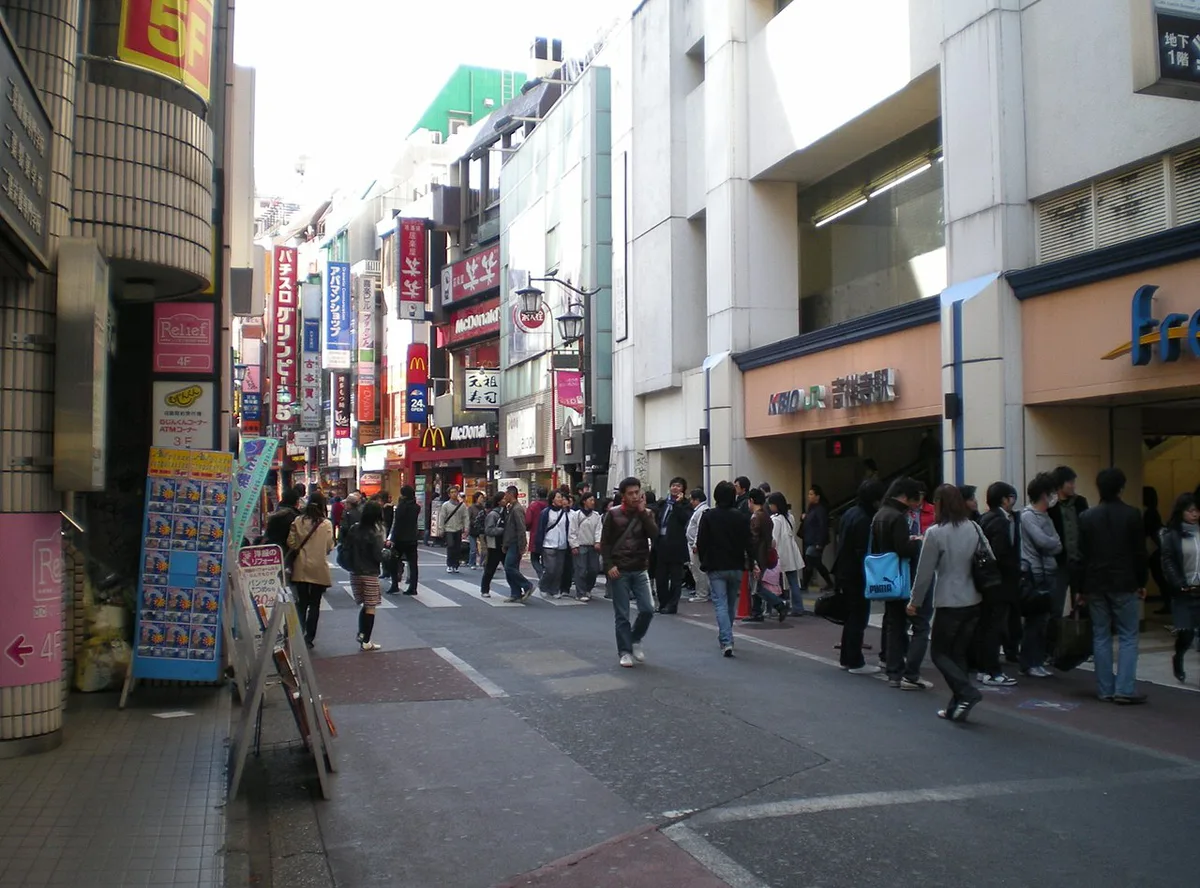
Kichijoji's shopping splits into two very different moods. Sun Road is the district's main covered arcade, running north from the station and packed with bakeries, casual restaurants, clothing shops, and everyday goods stores that stay dry regardless of weather. A few streets over, Nakamichi-dori and the surrounding backstreets trade that convenience for a quieter, more curated feel, with zakka (miscellaneous goods) shops, select boutiques, and independent cafes tucked into residential blocks. For larger-format shopping, Kirarina Keio Kichijoji connects directly to the station, alongside Parco, Tokyu Department Store, Marui, and Uniqlo.
| Shopping Area | Best For | Atmosphere |
|---|---|---|
| Sun Road | Convenience, everyday goods, quick bites | Covered arcade, high foot traffic |
| Nakamichi-dori | Boutique browsing, zakka shops, cafes | Quieter side streets, residential feel |
| Kirarina Keio Kichijoji | One-stop fashion and gourmet shopping | Modern department store, station-connected |
Harmonica Yokocho: Nightlife and Standing Bars
North of the station, Harmonica Yokocho is a dense grid of post-war alleys lined with tiny standing bars, yakitori grills, and gyoza counters that light up as the sun goes down. The lanes are narrow enough that ordering a drink often means striking up conversation with whoever is standing next to you at the counter. Set against Shinjuku's Golden Gai, Harmonica Yokocho reads as less geared toward tourist foot traffic and more focused on food, with grilled skewers and standing-bar culture taking center stage over themed drinking dens.
Kichijoji in Pop Culture and the Ghibli Museum Connection
Kichijoji has deep ties to Japan's anime and manga industry: Coamix and Bee Train both keep their headquarters here, and Studio Ghibli itself was previously based in the neighborhood. That legacy makes the district a natural pairing with the Ghibli Museum, which sits about a 15-minute walk from Kichijoji Station through Inokashira Park. Most guides point travelers toward neighboring Mitaka Station instead. However, Kichijoji makes the stronger entry and exit point: the walk over cuts through the park itself rather than along a plain sidewalk. Kichijoji's food and shopping options give visitors somewhere worthwhile to land before or after a museum visit. Mitaka's smaller station area does not match that range.
Planning Your Visit: Itinerary, Costs, and Mistakes to Avoid
A half-day visit covers Inokashira Park and a walk through Sun Road; a full day adds the Ghibli Museum walk, Nakamichi-dori boutique browsing, and an evening in Harmonica Yokocho. Budget for boat rentals at the lake, a few rounds of yakitori and gyoza at standing bars, and casual meals along Sun Road. This is because most of the day's costs come from food and drink rather than paid attractions. A few planning notes separate a smooth visit from a frustrating one.
Peak seasons (early April for cherry blossoms and November for autumn foliage) draw crowds to Inokashira Park and shopping arcades, so plan a weekday visit to avoid heavy foot traffic.
- Book Ghibli Museum tickets in advance through the official Studio Ghibli Museum ticketing page; walk-up entry is not available
- Avoid arriving before 11:00 AM, since many shops and cafes in the shopping streets open later in the morning
- Visit on a weekday if possible; weekends bring heavy crowds to both the park and the shopping arcades
- Save Harmonica Yokocho for the evening, when the standing bars are actually open and the alleys come alive
Who Is Kichijoji For? A Quick Decision Matrix
Kichijoji's mix of park, shopping, and nightlife means different travelers get value from different parts of the district. Use this quick breakdown to prioritize a visit.
| Traveler Type | What to Prioritize |
|---|---|
| Families | Inokashira Park Zoo, the boating lake, and open lawns for downtime |
| Vintage and boutique shoppers | Nakamichi-dori's zakka shops and independent boutiques |
| Nature lovers | Inokashira Park's woodland paths and Benten Shrine, especially on a weekday |
| Foodies | Harmonica Yokocho's standing bars, yakitori, and gyoza counters after dark |
Pair Kichijoji With Nearby Neighborhoods
Kichijoji sits on the Keio Inokashira Line just a short ride from Shimokitazawa's vintage shopping streets, making it easy to combine both into one western Tokyo day. Travelers with more time can also work in Gotokuji Temple's lucky cat statues for a fuller loop through the area's parks, shopping streets, and lesser-visited temples. Worth noting for trip planning: Kichijoji is technically part of Musashino City rather than one of Tokyo's 23 special wards, though in practice it functions as a core part of western Tokyo's neighborhood circuit.
Why There Is No Kichijo-ji Temple in Kichijoji
One useful piece of local context: Kichijoji is named after Kichijo-ji Temple, but the temple is not in the neighborhood today. The original temple was associated with the Suidobashi area of Edo and was destroyed during the Great Fire of Meireki in 1657. Residents connected to that area were later resettled farther west, in what became present-day Musashino City, and the new settlement kept the Kichijoji name.
For visitors, this explains a small puzzle: unlike Asakusa or Yanaka, Kichijoji is not built around a major temple precinct. Its identity developed instead around the station, Inokashira Park, shopping streets, and postwar food alleys. If you want to see the present Kichijo-ji Temple itself, it is in Bunkyo near Komagome, not near Kichijoji Station.
For the wider city context, see our complete Tokyo tourism attractions guide.
Planning sources: GO TOKYO Kichijoji guide · Kichijoji visitor guide. Further reading: Tokyo on Wikivoyage · Tokyo on Wikipedia
Continue planning with Tokyo Trip Planner 2026: Attractions, Neighborhoods and Itineraries.
Frequently Asked Questions
How do you get to Kichijoji from Shinjuku or Shibuya?
From Shinjuku Station, the JR Chuo Line Rapid reaches Kichijoji in about 14 minutes. From Shibuya, the Keio Inokashira Line express service takes about 20 minutes.
Is Kichijoji better than Mitaka for visiting the Ghibli Museum?
Kichijoji Station is about a 15-minute walk from the Ghibli Museum through Inokashira Park. This gives travelers a scenic route plus access to Kichijoji's shopping and dining before or after the museum, an advantage Mitaka Station's smaller surrounding area doesn't offer.
What is the best day of the week to visit Kichijoji?
Weekdays offer a noticeably calmer experience, since Kichijoji gets extremely crowded on weekends across both Inokashira Park and the shopping arcades.
What time do shops and bars open in Kichijoji?
Many shops along Sun Road and Nakamichi-dori rarely open before 11:00 AM, while the standing bars of Harmonica Yokocho are an evening activity rather than a daytime one.
Is Kichijoji part of Tokyo's 23 wards?
No. Kichijoji is located in Musashino City, outside the 23 special wards, though it's commonly grouped into western Tokyo itineraries alongside ward neighborhoods.
Do you need to book Ghibli Museum tickets in advance?
Yes. Tickets go through the official Studio Ghibli Museum ticketing page ahead of time; there is no walk-up entry, so this should be arranged before building the rest of a Kichijoji itinerary.
Free: The Tokyo Essentials guide
Top things to do, where to stay, a perfect day plan, getting around, and the best time to go — a Tokyo mini-guide you can take offline.
You might also like


Continue reading
More guides you'll find useful