Philosopher's Path Kyoto: Complete Walking Guide (2026)
Plan your walk on the Philosopher's Path in Kyoto: route, timing, temple stops like Honen-in and Eikan-do, seasonal strategy, and where to stay in 2026.
On this page
Last updated July 2026, this guide to the philosophers path kyoto walk covers everything needed to plan the route with confidence. It includes realistic timing, the temples worth a detour, and the seasonal trade-offs that separate a rushed photo stop from an unhurried afternoon. Tetsugaku-no-michi, the stone canal-side path through Kyoto's northern Higashiyama district, rewards a bit of planning more than almost any other Kyoto walk, since its short length hides a wide range of pacing options. Whether the goal is a brisk 30-minute stroll or a slow 2-3 hour temple-hopping afternoon. The sections below break down direction, timing, and stops so the walk matches the traveler rather than the other way around.
What Is the Philosopher's Path? A 2km Walk Through Higashiyama
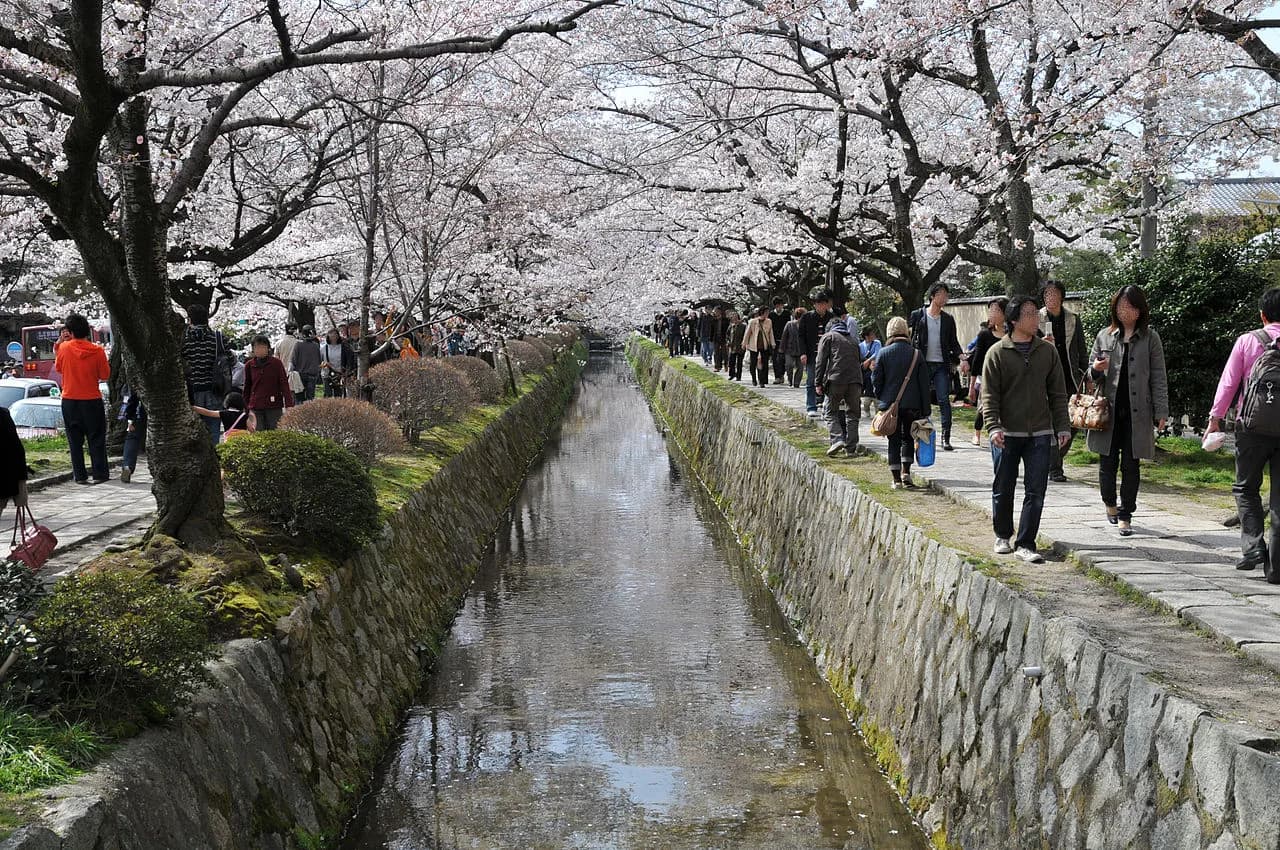
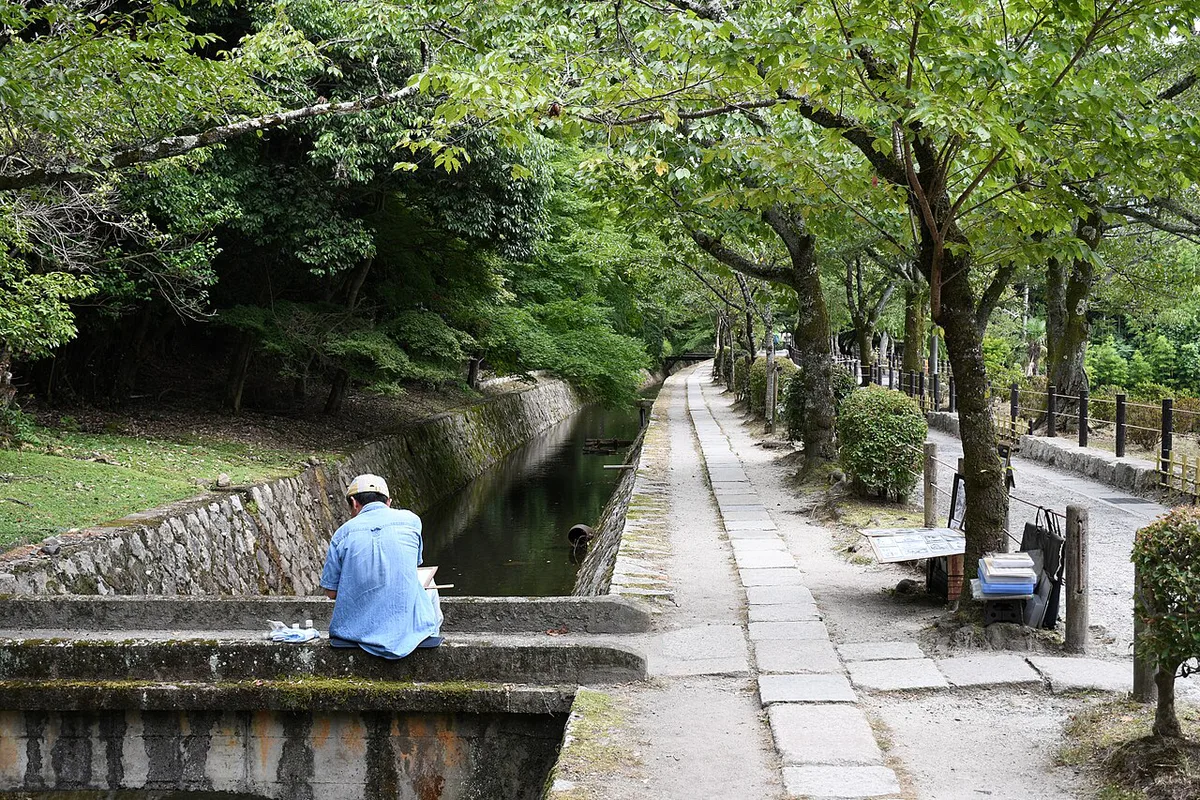
The Philosopher's Path (Tetsugaku-no-michi) is a stone walkway that follows a narrow canal through Kyoto's northern Higashiyama district. It runs roughly two kilometers between Ginkaku-ji (Silver Pavilion) in the north and the Nanzen-ji neighborhood in the south. Walked at a steady pace with no stops, the path takes about 30 to 60 minutes; budget 2 to 4 hours if temple detours, cafes, and photo breaks are part of the plan. The canal itself is a branch of the Lake Biwa Canal, engineered during the Meiji Period (1868-1912) to bring water and transport capacity from Lake Biwa in neighboring Shiga Prefecture into Kyoto. A section of the associated brick aqueduct is visible near Nanzen-ji. The path takes its name from Nishida Kitaro, a philosophy professor at Kyoto University who reportedly used the walk as a daily meditation on his commute. It now ranks among the city's most visited hanami (cherry blossom viewing) spots each spring.
Who Was Nishida Kitaro? The Philosopher Behind the Path
Nishida Kitaro (1870-1945) built his career at Kyoto University during a period when Japan was rapidly absorbing Western philosophy alongside its own Buddhist and East Asian intellectual traditions. He spent his career trying to bridge the two, and the resulting body of work made him one of the most influential Japanese thinkers of the twentieth century. Walking was reportedly part of his working method: he is said to have paced his lectures and used long walks through the Higashiyama hills, including this canal-side route, to work through difficult ideas. A poem stone dedicated to him sits along the path today, a quiet marker for a route that was, for its namesake, a working tool rather than a tourist attraction.
Philosophers Path Kyoto: Getting There and Choosing a Direction
The path has two natural starting points, and which one to use is a real planning decision, not just a preference. From the north, Ginkaku-ji is reachable via city buses 5, 17, or 103 from Kyoto Station. From the south, the Nanzen-ji and Eikan-do end is best reached via Keage Station on the Tozai subway line. Many first-time visitors are steered toward starting at Ginkaku-ji and walking south: the route finishes near Keage Station and drops walkers directly into the denser temple cluster around Nanzen-ji and Eikan-do. As a result, the day's sightseeing builds toward its most rewarding stops rather than trailing off. Starting at Nanzen-ji and walking north works just as well for travelers prioritizing an early arrival at Eikan-do before its gardens fill up. Travelers combining this walk with central Kyoto sightseeing, such as the Kyoto Imperial Palace, should note the Higashiyama district sits well east of the palace grounds. As a result, factor in cross-town transit time when sequencing a single-day itinerary.
- Ginkaku-ji (north start): Bus 5, 17, or 103 from Kyoto Station
- Nanzen-ji / Eikan-do (south start): Keage Station, Tozai subway line
- Suggested flow: Ginkaku-ji to Nanzen-ji, finishing near the subway and the denser temple cluster
Key Stops Along the Philosopher's Path
The path itself is only a few dozen minutes of walking, but the temples and shrines just off the canal are what turn it into a half-day outing. Picking two or three rather than attempting all of them keeps the pace unhurried.
- Ginkaku-ji (Silver Pavilion): the essential northern anchor and one of Kyoto's most-visited sights, best tackled at the start or end of the walk
- Honen-in Temple: a short detour off the canal, known for its thatched moss-covered gate and raked sand mounds at the entrance; noticeably quieter than the path's better-known temples
- Otoyo-jinja Shrine: a small shrine along the route recognizable for its guardian mouse statues rather than the more common lion-dogs or foxes
- Eikan-do Temple: famous for the Mikaeri Amida, a statue of Amida Buddha carved with its head turned to look back over its shoulder; entry is approximately 600 yen, with seasonal pricing possible during peak autumn foliage, open 9:00 am to 4:00 pm
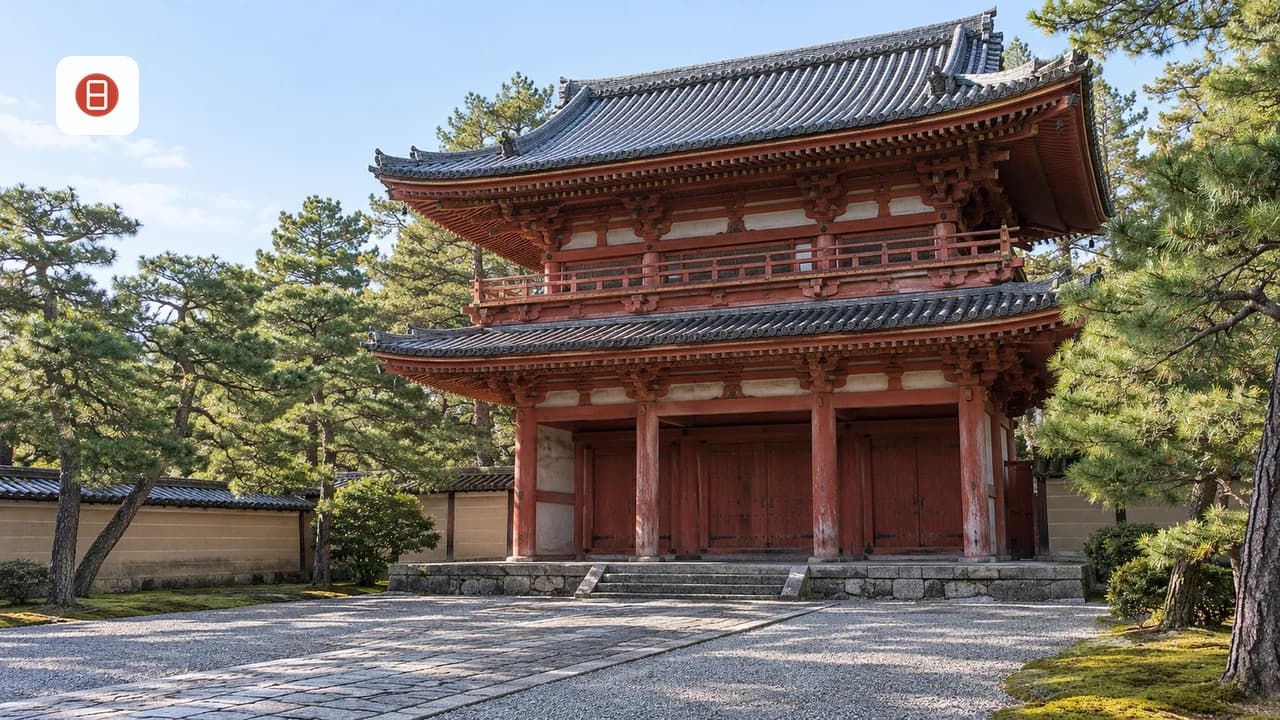
- Nanzen-ji Temple: the southern terminus, anchored by a massive Sanmon gate and a brick Meiji-era aqueduct that carries the Lake Biwa Canal through the temple grounds
Seasonal Strategy: Cherry Blossoms, Autumn Leaves, and the Quiet Rainy Season
Timing the visit by season changes the experience more than almost any other decision on this walk. Early April brings the path's famous cherry blossom tunnel, when the canal-side trees are in full bloom and the route becomes one of Kyoto's premier hanami spots. Expect the densest crowds of the year during this window, especially on weekends. Late November brings a second peak as the maples along the canal and around Eikan-do and Nanzen-ji turn red and gold, drawing a similarly heavy crowd focused on the temple gardens. Between those two peaks sits an underrated option: June, Kyoto's rainy season, thins the crowds substantially and replaces the spring blossoms with lush greenery and hydrangeas. This makes it a strong choice for travelers who prioritize a contemplative, uncrowded walk over peak-season color.
Peak sakura and autumn foliage seasons draw the year's heaviest midday crowds. Visitors prioritizing a contemplative walk during these seasons must arrive before 9:00 am or after mid-afternoon to linger at temples rather than rush between gates.
- Early April: cherry blossoms in full bloom, path at its most crowded, best for classic hanami photos
- Late November: peak autumn foliage around Eikan-do and Nanzen-ji, second-heaviest crowd period
- June: rainy season, lush and quiet, hydrangeas along the canal, minimal crowds
Best Time of Day to Walk the Philosopher's Path
Beyond season, time of day makes a significant difference on a path this popular. Arriving before 9:00 am, ahead of most tour groups and before Eikan-do and other paid sites open for the day, gives the closest thing to a quiet walk during peak season. Late afternoon is the other strong window, once day-trip groups have moved on, though this narrows the light available for temple interiors that close by 4:00 or 5:00 pm. Midday, particularly during cherry blossom and autumn foliage peaks, sees the heaviest foot traffic and is the least comfortable window for anyone prioritizing a slow, contemplative walk over people-watching.
An early arrival before 9:00 am—the day's quietest window—works best when paired with breakfast at Demachiyanagi or Kyoto Station rather than canal-side cafes. These areas west of the path have more everyday coffee shops than narrow residential lanes.
- Early morning (before 9:00 am): quietest option, best light, temples not yet open
- Late afternoon: fewer tour groups, but limited window before temple closing times
- Midday: busiest period, best avoided during sakura and autumn foliage peaks
Dining, Cafes, and Practical Amenities on the Path
Small cafes, galleries, and boutiques line stretches of the canal, and some of the best options sit one block off the main path rather than directly on it. As a result, a short side-street detour is often worth the extra few minutes. Public restrooms are available along the route, and the stone path itself is mostly flat and manageable for strollers, though sections narrow and can be uneven in places. As a result, travelers with wheelchairs or bulky strollers should expect occasional slow going rather than a fully level surface throughout.
Where to Stay Near the Philosopher's Path: Higashiyama vs Central Kyoto
Staying in Higashiyama near the path suits travelers who want quiet mornings, easy access to the canal before the crowds arrive, and a more traditional ryokan atmosphere. Staying closer to Kyoto Station or central Kyoto instead trades that proximity for stronger transit links to sights like Nijo Castle or the Kyoto Railway Museum. Both sit well outside walking distance of Higashiyama. The table below compares accommodation types in and around the Higashiyama area by general distance from the path and Kyoto's main hubs.
| Property type | Example | Distance context | Best for |
|---|---|---|---|
| Luxury ryokan | Ryokan Mugen (adults only) | Roughly 1 km from Nijo Castle, around 1.1 km from Imperial Palace | Travelers prioritizing a traditional ryokan stay near central sights |
| Mid-range ryokan | Ryokan Tori | Around 2.3 km from Nijo Castle and the Imperial Palace | Balanced access to both central Kyoto and Higashiyama temples |
| Budget-friendly guesthouse | Guesthouse Kyoto Compass | 3 minutes' walk from Shichijo Onmae bus stop; 4.5 km from Imperial Palace, 2.2 km from Kyoto Station | Budget travelers relying on bus access across the city |
Mistakes to Avoid on the Philosopher's Path
A handful of avoidable missteps account for most disappointing visits to the path. Trying to see every temple along the route in one pass is the most common mistake. Picking two or three stops, such as Honen-in and Eikan-do, leaves room to actually slow down rather than rushing between gates. Footwear matters more than it seems from photos; the path itself and several temple grounds are stone or gravel, so comfortable walking shoes beat sandals. Finally, staying strictly on the canal misses some of the best small cafes and shops, many of which sit just one block off the main path on quieter side streets. Travelers craving a more physically demanding walking day beyond this gentle stroll can compare it against the Kurama to Kibune hike, a considerably longer forest route north of the city. Those traveling with kids who want a break from temple-hopping might pair the walk with the Toei Kyoto Studio Park or the Railway Museum instead. Travelers building a broader temple itinerary can add the Daigoji Temple as a next stop.
- Don't try to see every temple: pick two or three stops instead of rushing the whole cluster
- Wear proper walking shoes: sections of the path and nearby temple grounds are stone or gravel
- Check side streets one block off the canal for cafes and shops missed by walkers who stay on the main path
Breakfast Strategy Before the 9:00 AM Temple Openings
For the quietest walk, eat before reaching the canal rather than expecting a full breakfast on the Philosopher’s Path itself. Many small cafes and sweet shops along Tetsugaku-no-michi open later in the morning, while Ginkaku-ji, Honen-in, and Eikan-do generally become the day’s main focus from about 9:00 am onward.
The most practical plan is to start near Kyoto Station, Sanjo, or Demachiyanagi, have breakfast there, then ride toward the Ginkaku-ji side and begin walking south. Demachiyanagi and the Kyoto University area are especially useful because they sit west of the path and have more everyday coffee shops and bakeries than the narrow residential lanes beside the canal. If you prefer to eat after walking, finish near Nanzen-ji and Keage Station, then continue toward Okazaki or Sanjo, where lunch choices are broader and transit onward is easier.
For trip-planning details, see Philosopher's Walk - Wikipedia and Kyoto - Wikivoyage.
For the wider city context, see our complete Kyoto tourism attractions guide.
Frequently Asked Questions
How long does it take to walk the Philosopher's Path?
Walking the roughly 2km path start to finish without stopping takes about 30 to 60 minutes. With temple detours, cafe stops, and photos factored in, plan on 2 to 4 hours for a relaxed visit.
Should you start at Ginkaku-ji or Nanzen-ji?
Starting at Ginkaku-ji in the north and walking south toward Nanzen-ji is generally preferred, since the route ends near Keage Station and close to the denser temple cluster around Nanzen-ji and Eikan-do. Starting at Nanzen-ji instead suits travelers who want to reach Eikan-do early, before its gardens get busy.
What is the best time of year to walk the Philosopher's Path?
Early April delivers the famous cherry blossom tunnel but also the heaviest crowds of the year. Late November brings comparably striking autumn foliage around Eikan-do and Nanzen-ji. June, Kyoto's rainy season, trades that peak color for a quiet, lush walk with far fewer visitors.
Is the Philosopher's Path suitable for strollers or wheelchairs?
The stone path is mostly flat and manageable, but sections narrow and can be uneven. As a result, travelers with strollers or wheelchairs should expect occasional slow-going stretches rather than a fully level surface for the entire route.
How much does it cost to enter Eikan-do Temple?
Eikan-do's standard entry fee is approximately 600 yen, though prices can rise during peak autumn foliage season. The temple is open from 9:00 am to 4:00 pm. As a result, an early-morning or early-afternoon visit avoids the latest entry crunch.
How do you get to the start of the Philosopher's Path?
For the northern start at Ginkaku-ji, take city bus 5, 17, or 103 from Kyoto Station. For the southern start near Nanzen-ji and Eikan-do, take the Tozai subway line to Keage Station.
Free: The Kyoto Essentials guide
Top things to do, where to stay, a perfect day plan, getting around, and the best time to go — a Kyoto mini-guide you can take offline.
You might also like


Continue reading
More guides you'll find useful