Daitokuji Temple Kyoto: Guide to the Best Sub-Temples & Zen Gardens
Plan your visit to Daitokuji Temple in Kyoto. Sub-temple picks (Daisen-in, Koto-in), entry costs in yen, bus and subway access, and seasonal openings.
On this page
Last updated October 2026. Daitokuji temple Kyoto is not one building but a walled Rinzai Zen precinct in the north of the city, with roughly two dozen sub-temples inside. Most of them charge their own admission, so a little planning decides whether you see a famous garden or a locked gate.
What Daitokuji Temple Kyoto Actually Is
Daitoku-ji is the head temple of the Daitokuji school of the Rinzai sect of Zen Buddhism. The North American Japanese Garden Association describes it as one of fourteen autonomous branches of Rinzai. Its mountain name is Ryuhozan, and the precinct covers more than 23 hectares (57 acres).
The address is 53 Murasakino Daitokujicho in Kita Ward. That puts it in northern Kyoto, away from the busiest central sights. Our Kyoto attractions guide shows where this area fits in a wider trip.
Kyoto Tourism Lab says Emperor Godaigo gave the temple special status alongside Nanzenji. It later declined after burning during the Onin War. Zen Master Ikkyu rebuilt it with support from Sakai merchants.
Tea culture is part of the story too. Sen no Rikyu is linked with Daitokuji, and Soken-in has a connection to Oda Nobunaga. If you like temples with a human story behind them, this precinct rewards a slow visit.
How the Tatchu System Works
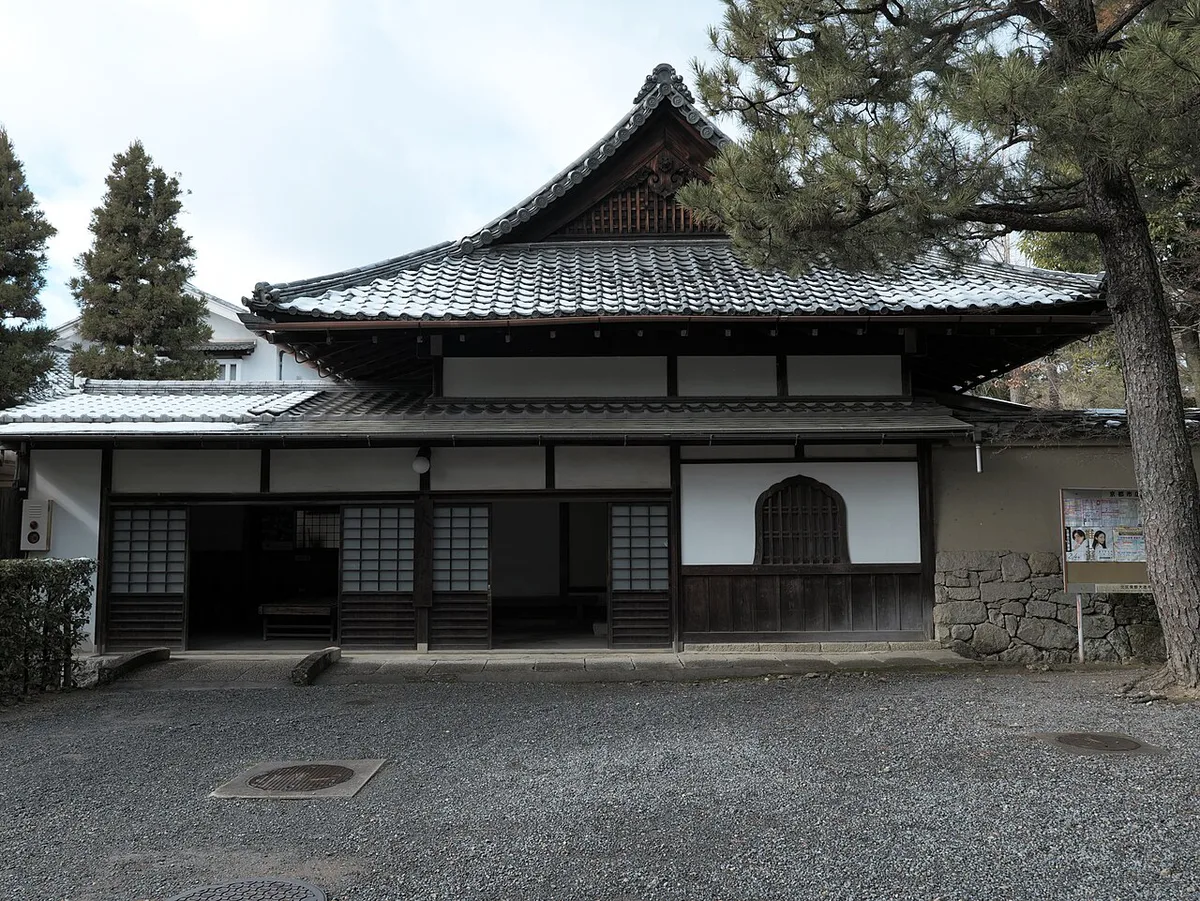
A tatchu is a sub-temple on the grounds of a larger temple. Kyoto Tourism Lab counts 23 of them at Daitokuji. The NAJGA list names 24 entries, so counts vary by source. Treat "22 or more" as a safe description.
The key point is the pay-per-view structure. The main grounds are free to walk through, and the Kyoto Tourism Lab page lists entry as free. The fee for each tatchu is different, and each sets its own hours.
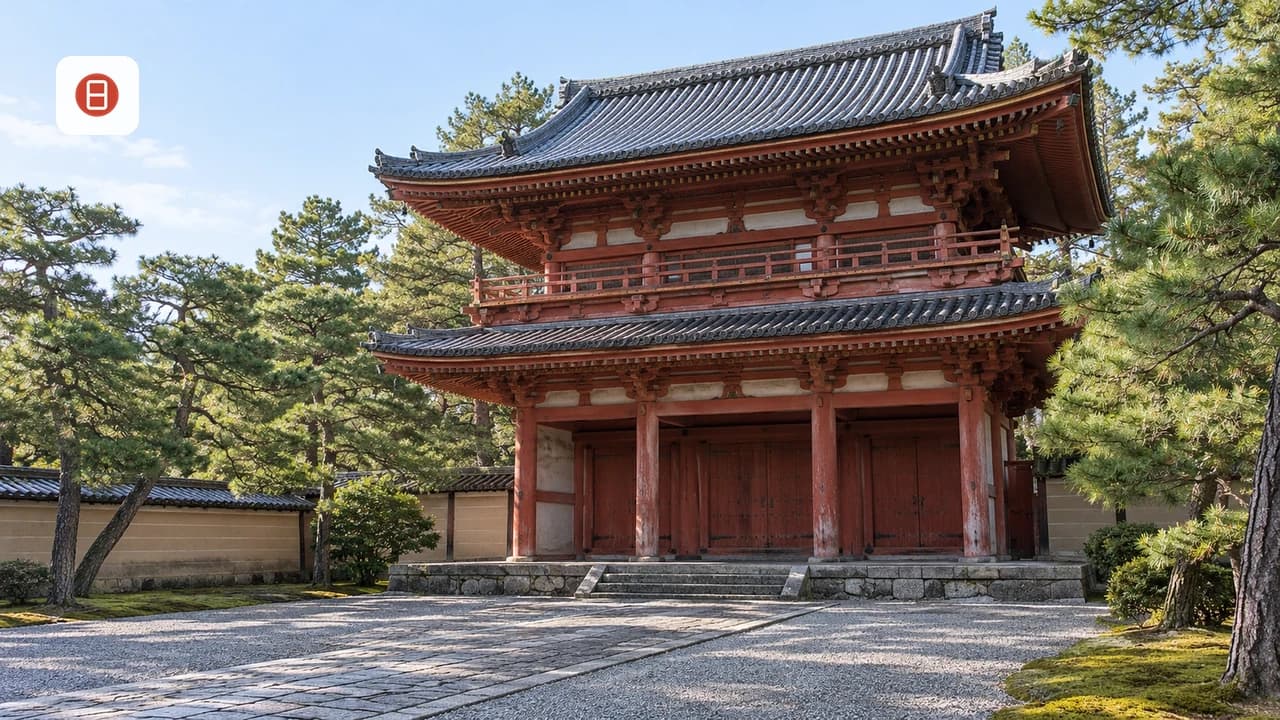
The big public buildings are mostly not part of a standard visit. The Sanmon Gate, Butsuden and Hatto sit inside the precinct. The Hatto ceiling carries a huge dragon painted by Kano Tanyu. Public viewing of the Hatto is not confirmed in the sources we used, so check the official Daitokuji visitor information before you count on seeing it.
- Free: walking the lanes and grounds between the tatchu.
- Paid: the gardens and halls inside each open sub-temple.
- Varies: opening days, since NAJGA notes hours differ for each sub-temple.
Best Sub-Temples to Visit at Daitokuji
Four sub-temples are listed as always open: Daisen-in, Koto-in, Zuiho-in and Ryogen-in. Soken-in, Korin-in and Obai-in open in spring and fall. Pick by garden style, not by name recognition.
Daisen-in is known for a 16th-century karesansui, or dry rock garden. It enforces a strict no-photo policy. NAJGA lists it among the most significant sub-temples. Choose it if you want the classic Zen garden experience.
Ryogen-in is described as holding the smallest rock garden in Japan. It suits moss, quiet and short, focused looking. Zuiho-in has a cross-shaped garden designed by Mirei Shigemori. It is the pick if you prefer modern design within an old temple.
Koto-in is the usual choice for autumn colour and maple-lined paths. Its renovation status has been flagged as something to verify, so confirm it is fully open before you plan around it. Kyoto Tourism Lab also pairs Koto-in with Genkoan on a momiji course.
| Sub-temple | Open status | Best for |
|---|---|---|
| Daisen-in | Always open | 16th-century dry garden; no photos |
| Ryogen-in | Always open | Smallest rock garden, moss, quiet |
| Zuiho-in | Always open | Shigemori cross garden design |
| Koto-in | Always open (verify renovation status) | Autumn maples |
| Soken-in | Spring and fall | Oda Nobunaga connection |
| Korin-in | Spring and fall | Seasonal visit |
| Obai-in | Spring and fall | Seasonal visit |
Daitokuji Costs, Hours and Time Needed
Budget about ¥400–¥800 per sub-temple, which is the range in our brief. These are estimates, so check each gate for the current price. Walking the free grounds costs nothing.
Sub-temples generally open from 9:00 AM and close at 4:30 PM or 5:00 PM. Plan to arrive before 4:00 PM so you are not turned away at the ticket window. Seasonal temples may only open for set weeks.
Bring cash. Most sub-temples take cash only for entry. Carry small bills and coins, since you will pay at several gates.
Two hours is enough for the grounds plus two sub-temples. A half day lets you add a third or fourth garden and a slow walk between them. Entry for three paid temples at ¥400–¥800 each would run roughly ¥1,200–¥2,400.
- Free: main grounds.
- ¥400–¥800: typical range per sub-temple.
- 9:00 AM–4:30 or 5:00 PM: typical opening window.
- 2 hours: grounds plus two gardens.
- Half day: three or four gardens at a relaxed pace.
Getting to Daitokuji from Kyoto Station
From Kyoto Station, plan on about 35 minutes by city bus to the Daitokuji-mae stop. Kyoto Tourism Lab names this as the nearest bus stop. Brief sources list routes 101, 205 and 206.
Buses can run slower during cherry blossom and autumn weekends. Add a buffer on those days. Traffic in northern Kyoto builds quickly in peak season.
The subway is the steadier option. Take the Karasuma Line to Kitaoji Station and walk about 15 minutes. That route is better when roads are jammed.
If you are still choosing a base, our guide to where to stay in Kyoto compares areas by transit. Hotel picks are in our Kyoto hotels roundup. For a traditional stay, see Kyoto ryokan options.
Kyoto Tourism Lab notes a charged parking lot is available. Public transit is still the simpler plan for most visitors.
Daitokuji Itineraries and Nearby Stops
Three routes cover most needs. Pick the one that matches your season and energy.
The Zen Purist route is the tightest. Start at Ryogen-in for moss and the small garden, then walk to Daisen-in for the dry landscape. Add Zuiho-in if time allows.
The North Kyoto Loop links Kinkaku-ji, Daitokuji and Imamiya Shrine. Kyoto Tourism Lab lists a Kinkakuji–Imamiya Shrine course that passes through Daitokuji grounds. Imamiya Shrine is about 438 m from the temple in a straight line and is tied to aburi-mochi.
The Autumn Foliage route runs from Genkoan to Koto-in. Kyoto Tourism Lab calls this the Genkoan–Kotoin Momiji Course. Go early in the day in November, when crowds build.
Want a different spiritual stop? Our Heian Shrine guide covers a large shrine in a different part of the city. The official Heian Shrine site lists current visitor details. For a shrine near the Kamo River, read our Shimogamo Shrine guide. Opening details are on the Shimogamo Shrine website.
For wider planning across Japan, our Japan Travel Guide: Plan Your Trip with Expert Tips & Itineraries links the regions.
Mistakes to Avoid and Visitor Tips
Do not assume the whole precinct is one ticket. Each tatchu charges separately, and some are shut outside spring and fall. Check the open list before you commit to a route.
Sub-temples open from 9:00 AM, yet a 4:15 PM arrival leaves little time before closing, so a late start wastes the morning.
Photography rules are strict. Many sub-temple interiors and specific gardens ban photos. Daisen-in is the clearest example. Put the camera away unless a sign says otherwise.
Expect to remove your shoes often. Wear socks and shoes that slip on and off easily. Bare feet on old wooden corridors are uncomfortable in cold months.
Do not arrive late. With closing at 4:30 PM or 5:00 PM, a 4:15 PM arrival leaves little time. Start by 10:00 AM if you want two or three gardens without rushing.
Finally, keep cash on hand. A card will not help at most gates.
Frequently Asked Questions
Is Daitokuji Temple free?
Walking the main grounds is free. Each sub-temple charges its own fee, with a typical range of about ¥400–¥800. Gardens and halls sit behind those paid gates.
How many sub-temples are in Daitokuji?
Sources differ slightly. Kyoto Tourism Lab counts 23 tatchu, while NAJGA says about twenty-two. Only a handful are open to the public year-round.
Is Daisen-in worth it?
Daisen-in is worth it if you want a 16th-century dry rock garden. It bans photography, so you will rely on memory. If you want fewer rules and more moss, try Ryogen-in instead.
How do I get to Daitokuji from Kyoto Station?
Take a city bus to Daitokuji-mae, about 35 minutes. Routes 101, 205 and 206 are listed in our brief. In busy seasons, the subway to Kitaoji Station plus a 15-minute walk can be steadier.
Which Daitokuji sub-temples are always open?
Daisen-in, Koto-in, Zuiho-in and Ryogen-in are listed as always open. Soken-in, Korin-in and Obai-in open in spring and fall. Confirm Koto-in's renovation status before you go.
Free: The Kyoto Essentials guide
Top things to do, where to stay, a perfect day plan, getting around, and the best time to go — a Kyoto mini-guide you can take offline.
You might also like


Continue reading
More guides you'll find useful