Kyoto Aquarium Guide: Tickets, Highlights & Access (2026)
Plan your aquarium Kyoto visit: giant salamander, jellyfish gallery, dolphin shows, ¥2,200 adult tickets, hours, walking route from Kyoto Station and family tips.
On this page
Last updated October 2026: an aquarium Kyoto trip means about 15,000 animals across roughly 250 species, inside Umekoji Park. It sits a 15-minute walk west of Kyoto Station, so it fits easily between temple days and the other Kyoto sights. This guide covers exhibits, tickets, hours, access and family logistics so you can decide quickly and plan well.
Kyoto Aquarium at a Glance
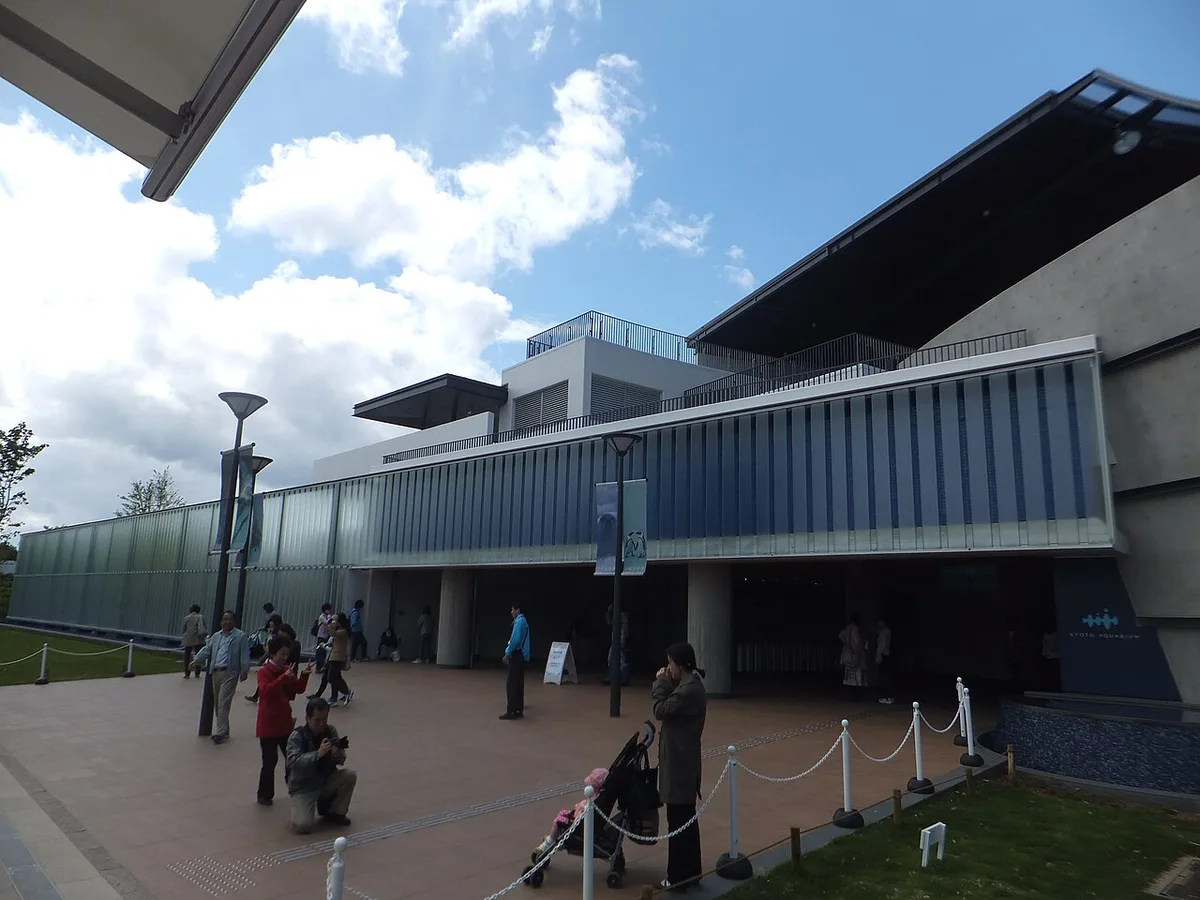
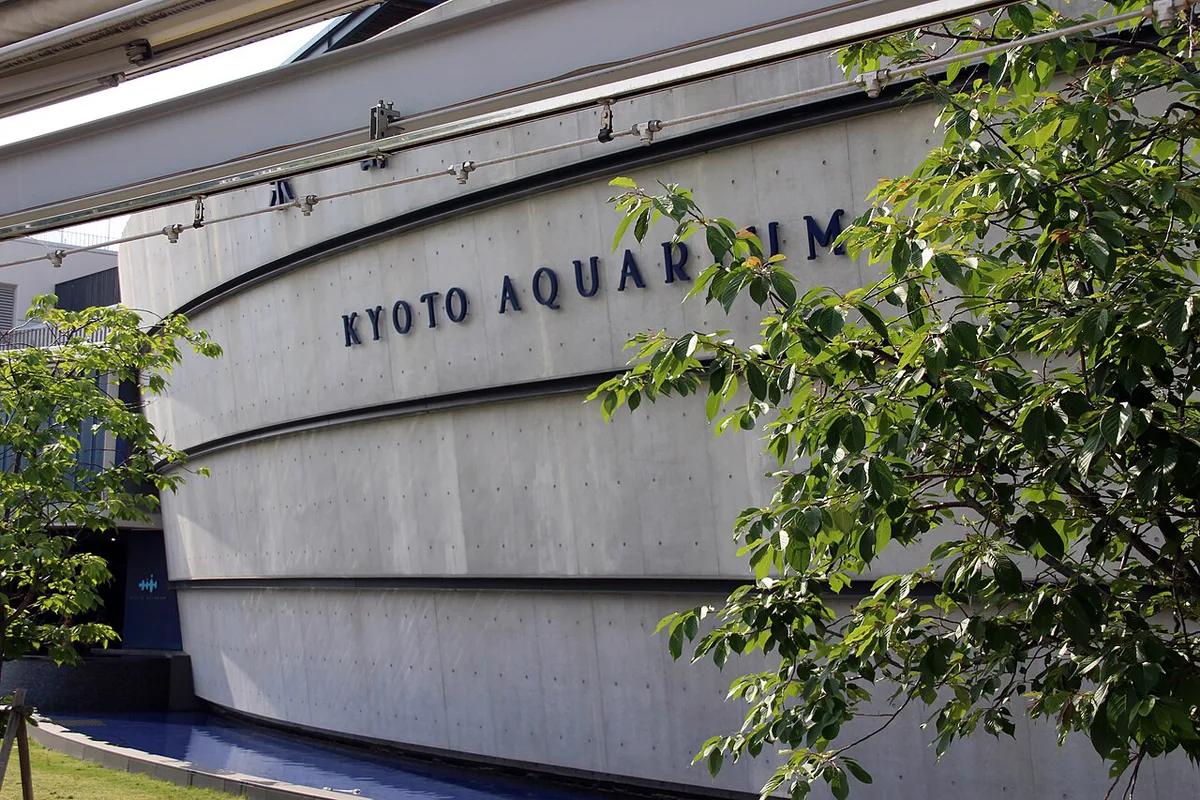
Kyoto Aquarium is an inland aquarium with three floors, at 35-1 Kankiji-cho in Shimogyo-ku. Listings describe it as one of Japan's larger inland aquariums, and it opened in the Umekoji area in 2012. It uses only artificial seawater, which is unusual for a facility this far from the coast. Kyoto's official aquarium visitor page is the place to confirm anything that changes day to day.
| Detail | What to know |
|---|---|
| Location | Umekoji Park, Shimogyo-ku, Kyoto |
| Animals | About 15,000 animals, about 250 species |
| Weekday hours | 10:00–18:00 |
| Weekend and peak hours | 9:00–20:00, subject to change by day |
| Adult ticket | ¥2,200 |
| Parking | None on site |
| Closed days | Listed as open all year |
Aquarium Kyoto Highlights: What Not to Miss
Plan your route around five exhibits. Each one shows something different about Japan's waters, from the Kamo River to open sea. Start with the local zones, then move to the shows and the quieter galleries.
- Japanese giant salamander: found around the Kamo River and shown in the Kyo no Kawa zone. Japan protects the species, and it is the aquarium's signature animal.
- Jellyfish Gallery: dimly lit tanks with slowly drifting jellyfish. A jellyfish laboratory-style display lets you see how staff study and care for them.
- Sea of Kyoto: a large tank about 6 meters (roughly 20 ft) high, representing the Sea of Japan. It gives an underwater feel from the viewing area.
- Kyoto Satoyama Zone: a recreated rural landscape showing the original look of Japan. Expect rice-paddy and canal-style habitats rather than ocean life.
- Dolphin stadium: a 180-degree panoramic arena that doubles as a performance space. Competitor reviews praise the show and the staff effort.
Giant Salamander and Kamo River Zone
Giant salamanders live in the Kamo River area, and the Kyo no Kawa zone shows their ecology up close. Visitors often come for this animal first, since few Japanese aquariums feature it so prominently. Watch for slow, almost motionless behavior. The animal looks odd on first sight, and one recent reviewer called it truly strange and fascinating. The souvenir shop sells a stuffed salamander about 170 cm (5.5 ft) long. Treat that as a photo prop for children rather than a carry-on item.
Jellyfish, Penguins and Other Zones
Jellyfish draw the most praise in visitor reviews. A September 2026 reviewer on Good Luck Trip singled out the variety of species and the laboratory-style display. Low lighting makes this gallery a calm break after the crowded shows. Elsewhere, you can find clown fish in Sango Sea and green turtles in Kyo no Umi. Seals appear in the Kaiju Zone, and Cape penguins have their own Penguin Zone. Iso no Classroom covers crabs, shrimp, rays and sharks, which suits children who like to point and name animals.
Tickets and Opening Hours in 2026
A published listing shows adult admission at ¥2,200, including college students. High school students pay ¥1,700, and junior high and elementary students pay ¥1,100. Children aged 3 and older pay ¥700. Check the official site before you go, because older pages list lower prices. One 2019 listing showed adults at ¥2,050, so fees have moved over time.
- Adults (including college students): ¥2,200
- High school students: ¥1,700
- Junior high and elementary school students: ¥1,100
- Infants aged 3 and older: ¥700
- Weekdays: 10:00–18:00
- Weekends and peak season: 9:00–20:00
Is the Kyoto Aquarium Ticket Worth It?
One recent reviewer found the price slightly high for the number of species on display. That reviewer still recommended it for visitors with children. A third-party e-ticket listing on Live Japan showed ¥2,080 for admission through Klook. That is below the ¥2,200 adult walk-up price, but check the voucher rules first. The listing says you must show the voucher on a device with internet access. It also shows no cancellation. If your plans may change, buying at the gate keeps things simple.
Getting to Kyoto Aquarium from Kyoto Station
Walking is the simplest route. Listings put the aquarium about 15 minutes west of Kyoto Station's central exit, and the walk is free. The route passes through Umekoji Park, which helps if children need to burn off energy first. A second option is JR Umekoji-Kyoto-Nishi Station on the San-in Line. From there, expect about 7 minutes on foot. Confirm the exact train time and transfer in a journey planner on the day. For most travelers, walking from Kyoto Station is easier than transferring for a short hop.
- On foot from Kyoto Station: about 15 minutes west from the central exit.
- By JR San-in Line: Umekoji-Kyoto-Nishi Station, then about 7 minutes on foot.
- By car: no parking lot is listed, so use public transit.
How to Plan Your Time and Family Logistics
Allow 1.5 to 2.5 hours. Add more if you want to catch a dolphin show and a feeding session. Weekday mornings usually suit families, since school groups tend to arrive at set times. Dolphin shows fill quickly, so one guide advises taking a seat early. Shows are mainly in Japanese. Reviewers note they lean toward explanation rather than interaction, so younger visitors may enjoy the visuals more than the commentary. The brief also describes the building as stroller and wheelchair friendly. Confirm lifts and access routes on the official page before you go.
Factor in about 15 minutes for the walk from Kyoto Station, plus 1.5 to 2.5 hours inside the aquarium, for a total of roughly two hours.
- Arrive near opening on a weekday for lighter crowds.
- Take the dolphin seat early, then explore the quieter zones.
- Bring a stroller if needed, but confirm access details first.
- Leave the car at your hotel, since there is no parking lot.
Pairing the Aquarium with Other Kyoto Stops
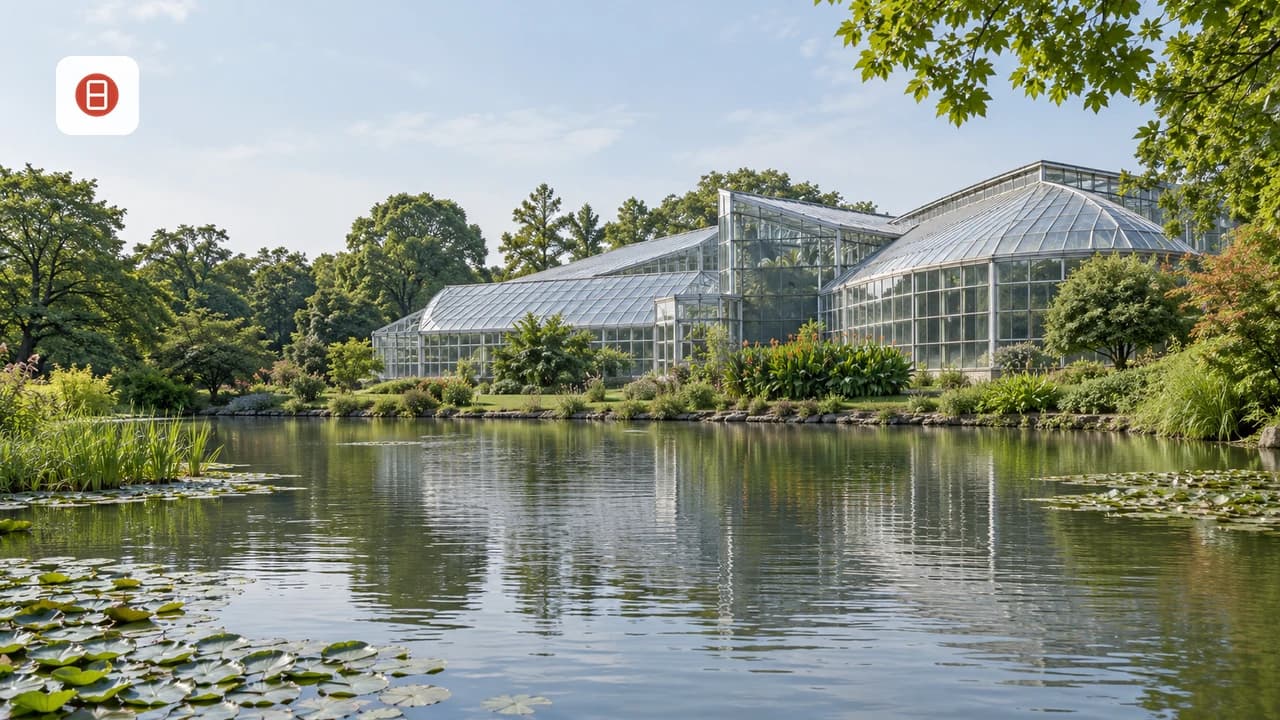
Pair the aquarium with other stops that suit a half-day plan. Kyoto Railway Museum is another large attraction in the same part of Kyoto, so rail fans can combine both. If you prefer plants over animals, Kyoto's botanical garden makes a calmer second stop. For wet days, indoor choices matter. The Kyoto International Manga Museum is an indoor option listed by the museum itself. Our manga museum planning guide covers it in more depth. For broader trip planning across the region, see wider Japan planning.
Kyoto Aquarium vs Osaka Kaiyukan
Kyoto Aquarium is smaller and more local in focus. It leans on Kamo River ecology, a satoyama landscape and a relaxing jellyfish gallery. Osaka's Kaiyukan is the larger, Pacific-focused choice. In our editorial assessment, choose Kyoto if you have small children or limited time. Its three floors and 1.5 to 2.5 hour visit are easy to fit between temples. Choose Osaka if you want a mega-aquarium day and are already staying near Osaka Bay. If you are visiting both cities, you can skip Kyoto without missing the giant-tank experience. You would miss the giant salamander, though.
Where to Stay Near the Aquarium
Staying near Kyoto Station keeps the 15-minute walk simple, with Shimogyo-ku as the surrounding ward. Use which Kyoto area suits you to compare neighborhoods. For rooms close to the station, start with Kyoto hotel picks. If you prefer tatami and a traditional feel, read about a traditional ryokan stay. A trip report on Trip.com mentions The Royal Park Hotel Kyoto Umekoji as a one-minute walk from the station, though it did not say which station. Check the map before booking.
Mistakes to Avoid and Practical Tips
Avoid driving. The aquarium lists no parking, so plan on foot or by train. Do not assume weekday hours on a weekend, since weekends and peak season run 9:00–20:00. Check events before visiting, as summer programs have included a yokai-themed event. Night openings may also run in summer, so confirm dates on the official site. Cafe items may include salamander-themed snacks, but check the current menu. Finally, do not rely on old prices from blogs. Use the official page for current tickets.
Weekends and peak seasons run 9:00–20:00, opening two hours earlier and closing two hours later than weekday 10:00–18:00.
Frequently Asked Questions
How long does a Kyoto Aquarium visit take?
Plan 1.5 to 2.5 hours. Add time if you want a dolphin show or feeding session. Families with young children may prefer a weekday morning visit.
How much are Kyoto Aquarium tickets?
A published listing shows adults at ¥2,200 and high school students at ¥1,700. Junior high and elementary students pay ¥1,100. Children aged 3 and older pay ¥700. Verify current prices on the official site.
How do I get to Kyoto Aquarium from Kyoto Station?
Walk about 15 minutes west from the central exit. Alternatively, use JR Umekoji-Kyoto-Nishi Station on the San-in Line. From there, it is about 7 minutes on foot.
Is there parking at Kyoto Aquarium?
No parking lot is listed for the aquarium. Use public transit or walk from Kyoto Station. Leave any rental car at your hotel.
Is Kyoto Aquarium good for children?
Yes, according to reviewers who visited with children. Dolphin shows, penguins and the salamander are the main draws. Shows are mainly in Japanese, so expect the visuals to carry the experience.
Should I visit Kyoto Aquarium or Osaka Kaiyukan?
Choose Kyoto for a shorter, local-focused visit near the station. Choose Osaka for a larger aquarium day. If time is tight, Kyoto is the easier fit.
Free: The Kyoto Essentials guide
Top things to do, where to stay, a perfect day plan, getting around, and the best time to go — a Kyoto mini-guide you can take offline.
You might also like

Continue reading
More guides you'll find useful