Kyoto Botanical Garden Guide: Greenhouse, Sakura, Night Visits and Tickets
Plan a Kyoto Botanical Garden visit with 2026 ticket prices, greenhouse hours, sakura timing, Kitayama Station directions and Light Cycles night details.
On this page
Last updated October 2026. The Kyoto Botanical Garden covers about 24 hectares in northern Kyoto and costs far less than most temple admissions. This guide covers the greenhouse, sakura timing, ticket prices, Kitayama Station directions, and whether the evening Light Cycles event is worth your night.
Kyoto Botanical Garden at a Glance
Opened in 1924, this is described as Japan's oldest prefectural botanical garden. It holds about 12,000 plant species across roughly 24 hectares. Kyoto's temple districts fill with tour groups. This park is wide, flat, and easy to walk with children. It works as a break from temple fatigue. Use the table below to plan your day.
| Detail | What to know |
|---|---|
| Opening hours | 9:00am to 5:00pm, last admission 4:00pm |
| Greenhouse hours | 10:00am to 4:00pm, last admission 3:30pm |
| Closed | December 28 to January 4 |
| Garden admission | Adults ¥500; high school students and seniors 65+ ¥250; junior high and younger free |
| Nearest station | Kitayama Station, Karasuma Line, Exit 3 |
| Time needed | About 1.5 hours for a stroll; 3+ hours with the greenhouse |
What to See in the Kyoto Botanical Garden
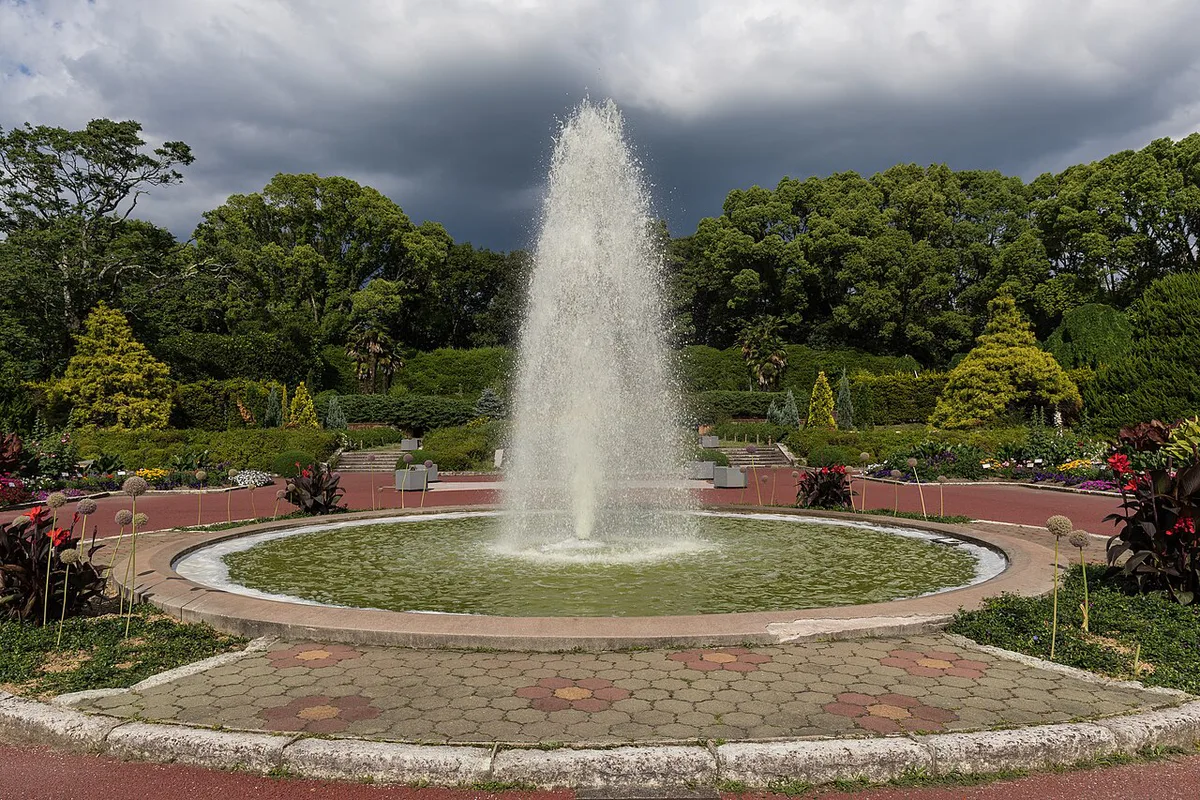
Start at the main gate, where seasonal beds change through the year. A 200 m camphor tree avenue runs through the grounds. It makes a shaded walk in summer and a good photo line in autumn. Other features include a rose garden, a vivarium, carp lakes, and a Japanese-style watermill. A small unmanned shrine and paths through a temperate woodland section sit further in. Wide lawns give children room to run, which most temple grounds do not allow. Plan 1.5 hours if you only walk the main avenue and the lawns. Allow 3 hours or more if you add the conservatory and the cherry sections.
- Camphor tree avenue: 200 m long, best for shade and photographs.
- Rose garden and main gate beds: seasonal planting changes through the year.
- Cherry sections: about 500 trees, mostly in the northern part of the park.
- Open lawns: space for picnics and for children to run.
- Greenhouse: a separate admission and shorter hours.
Seasonal Highlights: When to Visit
Spring is the peak season. The garden lists about 500 cherry trees across roughly 170 species, including Somei-yoshino and Yae-benishidare. Because the species flower at different times, the bloom runs for over a month. Tulips planted along the main route add colour beside the blossoms. Autumn turns the camphor avenue and maple sections red and gold, though a camphor is an evergreen, so expect mostly maple colour. Winter is quieter. One visitor review from February 2026 mentions plum blossoms and camellias already blooming before the end of the month. The greenhouse is the main draw once temperatures drop. For the wider sightseeing picture across seasons, see our Kyoto sightseeing planning guide.
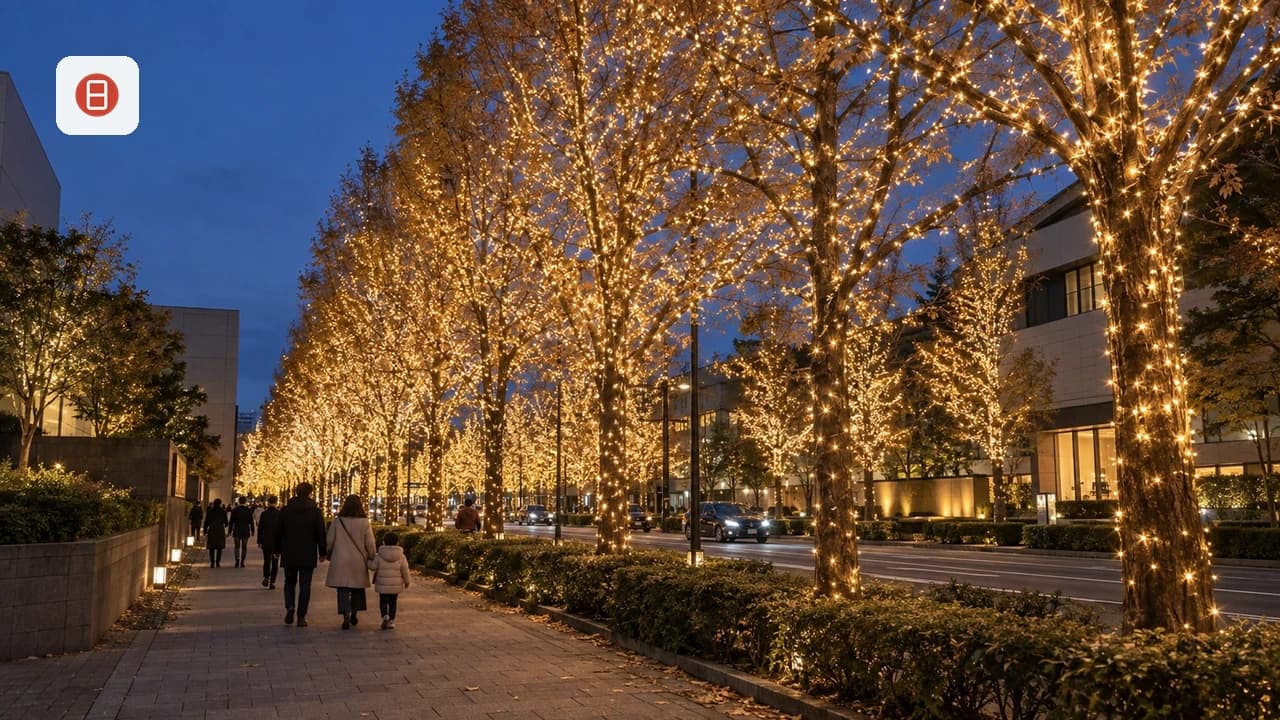
Cherry bloom extends over a month thanks to staggered flowering across 170 species, letting visitors escape Gion's peak-week crowds.
The Conservatory: Japan's Largest Greenhouse
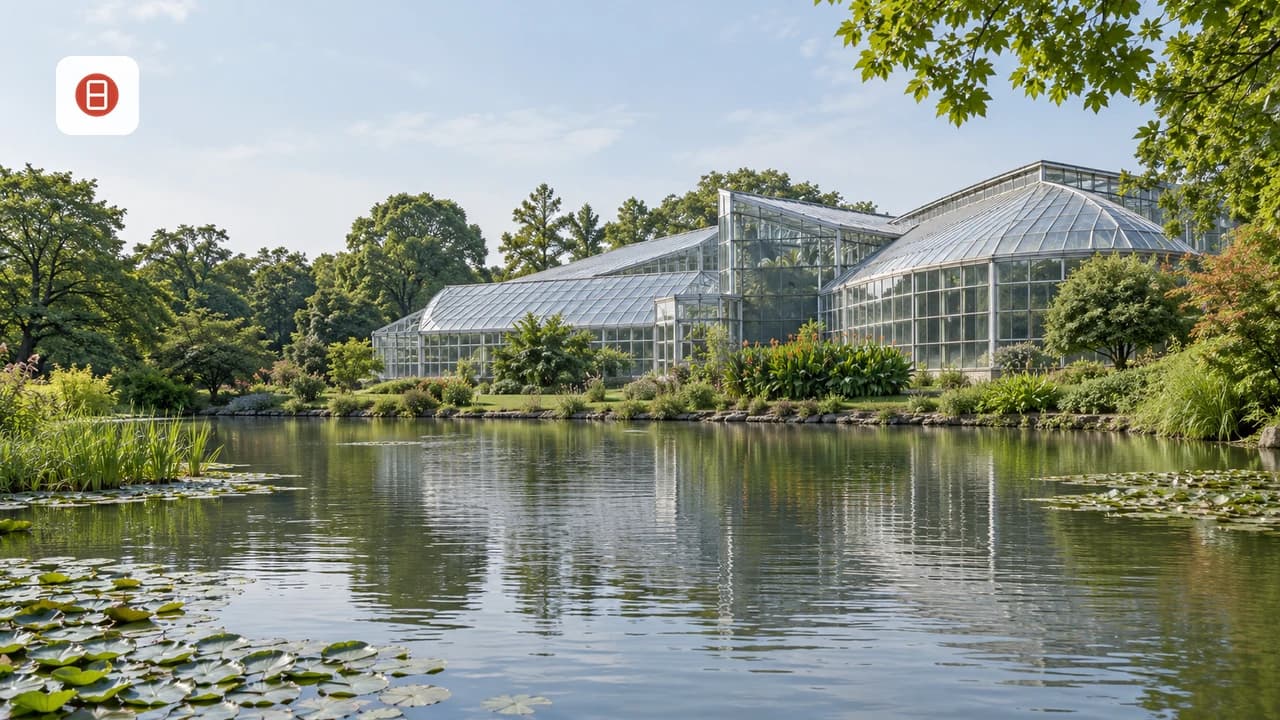
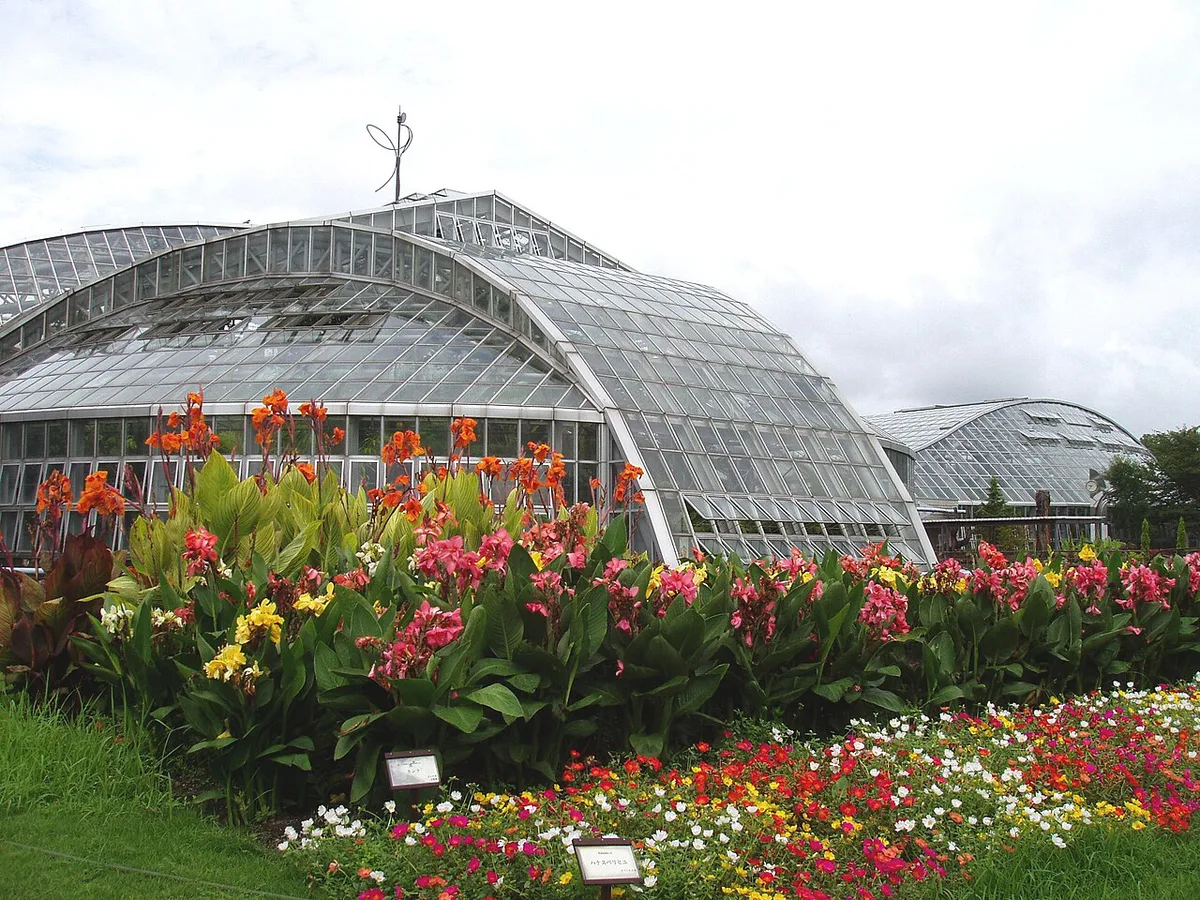
The circuit-style conservatory is described as the largest greenhouse in Japan. It holds about 4,500 plant species. A visitor path winds through a series of recreated environments. Japan Journeys describes it as more overgrown than manicured, which is part of the appeal. Winter wind off the northern mountains makes Kyoto's outdoor temples cold. This heated space offers warmth, benches, and a quiet walk. Budget about 1 hour inside, and arrive before 3:30pm for last admission.
- Rainforest dome: giant creepers overhead and signs warning about falling seed pods.
- Plantation section: banana, plantain, and cocoa trees.
- Cactus room: a desert painted backdrop and a wagon-wheel bench.
- Alpine room: cooler air and small rock-bound plants.
- Night creatures section: ultraviolet lighting and a damp, dark atmosphere.
- Temperate zone near the exit: orchids that photograph well.
- Seasonal exhibitions: tuberous begonia, orchids, and insect-eating plants appear in some events.
Kyoto Botanical Garden Tickets and Prices in 2026
A recent listing, updated May 2026, gives adults ¥500 for the garden. High school students and seniors aged 65 and over pay ¥250. Junior high students and younger enter free. The greenhouse has its own admission and shorter hours. A 2022 report listed a ¥200 greenhouse fee. Older articles also mention a garden-only price of ¥200, so treat older figures as stale. Confirm today's rates on the official garden information page before you go. One reviewer notes that holders of the Kyoto subway one-day pass get a discount, along with senior, child, and student categories. Cards are listed as accepted, including Visa, Mastercard, and JCB. Even with the greenhouse added, the brief puts the combined cost under ¥500, which keeps this among the cheapest major sights in the city.
| Visitor | Garden entry |
|---|---|
| Adult | ¥500 |
| High school student or senior (65+) | ¥250 |
| Junior high and younger | Free |
| Greenhouse | Separate fee; confirm on the official page |
Light Cycles Kyoto: Visiting at Night
Light Cycles Kyoto is a night multimedia event produced by the Montreal studio Moment Factory. It takes place inside the covered conservatory, so rain does not cancel the plan. Time Out reported it was running through March 31, 2026. That date has passed. Check the event website for the current schedule before planning an evening around it. Tickets are sold separately from daytime garden admission. Adults paid ¥2,500 and elementary and middle school children paid ¥1,200. Buying online in advance saved ¥100 to ¥200.
Light Cycles tickets at ¥2,500 for adults dwarf regular garden entry at ¥500, so budget separately for this multimedia add-on.
- Light Will Find You: dappled light inspired by komorebi, sunlight through leaves.
- Memory of Water: light waves with thunder and rain sounds.
- Invisible: playful light frequencies that form patterns and rhythms.
- Forest Frequencies: layered natural sounds that evoke calm.
- Reported hours: Tuesday to Sunday, 7:00pm to 9:30pm through August.
- Reported hours: 6:00pm to 9:30pm from September to March.
- Last entry was listed as 8:30pm in both periods.
Getting to the Garden from Central Kyoto
Take the Karasuma Line subway to Kitayama Station and use Exit 3. That exit puts you near the garden entrance and the Garden of Fine Arts. Kitaoji Station on the same line is another option, with a walk of about 10 minutes from its Exit 3. A bus works too. From Demachiyanagi Station on the Keihan Oto Line, ride Kyoto city bus No. 1 and walk about 5 minutes from the stop. Japan Journeys also notes bus No. 205 from Kyoto Station passes nearby, but it calls the subway the better option. Walkers can follow the Kamo River north to the point where two rivers meet. The garden lies north of Shimogamo Shrine. The route is pleasant on a clear day, though it takes longer than the subway.
Facilities, Food and Nearby Stops
Cafés sit inside the grounds. The garden also has a children's library that visitors describe as the mushroom library. Confirm its current opening on the official page. Next door is the Garden of Fine Arts, a concrete building by architect Tadao Ando. Japan Journeys lists a combined ticket for the garden and the Garden of Fine Arts at ¥250 in 2022, so check the current price. Shimogamo Shrine is nearby if you want a shrine on the same outing. If you plan to base yourself near these northern areas, read our notes on which Kyoto neighborhood suits you. Looking for a place to sleep after a long day? Compare Kyoto hotel picks or Kyoto ryokan options.
How It Compares: Crowds, Rain Plans and Family Options
Kiyomizu-dera and Fushimi Inari draw heavy crowds through most of the year. Here, you can walk wide lawns without queueing. That is the key difference for a slow or family-focused day. Bad weather is easy to handle. The greenhouse covers a wet afternoon, and so does the Kyoto International Manga Museum. The Manga Museum has its own official visitor information. Families comparing indoor options can also read about the Kyoto Aquarium for families. The Aquarium publishes its own visitor details. Those two sites suit a rainy day. This garden suits a day when children need open space. For the broader country context, our Japan trip planning page helps you fit Kyoto into a longer route.
Visit or Skip? A Practical Call
Visit if you travel with children and want space to run. Visit if you are on a budget, since ¥500 for adults is low. Visit in spring if you want cherry blossoms away from Gion. Visit in winter or rain if you need a warm, dry place. Skip it if you have only 24 hours in Kyoto. In that case, spend the time on UNESCO shrines and temples. Also skip it after 4:00pm if you want the greenhouse, because last admission is 3:30pm.
Frequently Asked Questions
How much does the Kyoto Botanical Garden cost?
A listing updated May 2026 gives adults ¥500. High school students and seniors aged 65 and over pay ¥250. Junior high students and younger enter free. The greenhouse is charged separately, so confirm both prices on the official page.
How long should I spend at the garden?
Plan about 1.5 hours for a quick walk. Allow 3 hours or more if you add the greenhouse and the cherry sections. Greenhouse last admission is 3:30pm, so start early.
How do I get to the Kyoto Botanical Garden?
Take the Karasuma Line to Kitayama Station and use Exit 3. Kitaoji Station is another option, with a walk of about 10 minutes. A bus is possible from Demachiyanagi Station, followed by a walk of about 5 minutes.
Is Light Cycles Kyoto still running?
Time Out reported it ran through March 31, 2026. That date has passed. Check the event website for current dates and ticket prices. Past tickets cost ¥2,500 for adults and ¥1,200 for children.
When is the best time to see cherry blossoms?
Spring is the peak, with about 500 trees across roughly 170 species. Bloom lasts over a month because species flower at different times. Tulips add colour near the cherry trees.
Free: The Kyoto Essentials guide
Top things to do, where to stay, a perfect day plan, getting around, and the best time to go — a Kyoto mini-guide you can take offline.
You might also like


Continue reading
More guides you'll find useful