Kyoto International Manga Museum Guide: Tickets, Hours & Tips
Plan your Kyoto manga museum visit: ¥1,200 adult tickets, 10:00–17:00 hours, Wednesday closures, language reality check, lawn reading and Wall of Manga tips.
On this page
Last updated October 2026: the Kyoto manga museum is a former primary school turned reading library, and it rewards the right visitor. Adult entry is ¥1,200, and the doors close on Wednesdays. This guide covers prices, hours, the Wall of Manga, language limits and the rules for taking books outside.
Kyoto Manga Museum: Is It Worth Visiting?
Kyoto International Manga Museum works as a hybrid of museum and library. Visitors pull comics off open shelves and read them in the building. Displays of historical material sit alongside those shelves. It opened in November 2006 on the site of the former Tatsuike Primary School.
A quick verdict helps you decide. Go if you like comics, if you travel with kids who read, or if you want a rainy-day stop near central Kyoto. Skip it if you want polished, English-labelled exhibits throughout. Much of the reading material is in Japanese, so your enjoyment depends on how you plan to use your time.
Our editorial assessment is that it suits readers more than box-tickers. If you only want a photo of a famous building, an hour is plenty. If you want to sit down with a stack of volumes, block out an afternoon.
Tickets, Hours and Access: Know Before You Go
Prices below come from published listings and the museum's official visitor information. Verify them before you travel, because admission fees can change. Adults pay ¥1,200. Junior high and high school students (roughly ages 13–18) pay ¥400. Elementary school children (roughly ages 6–12) pay ¥200.
Hours run from 10:00 to 17:00, with last entry at 16:30. Arrive by mid-afternoon at the latest if you want to read rather than rush. Wednesday is the weekly closing day. When a Wednesday falls on a public holiday, the museum opens that day and closes on the following day instead. It also closes over the New Year holidays.
Getting there is simple. It is a 2-minute walk from exit 2 at Karasuma Oike Station, which is served by the Karasuma and Tozai subway lines. The address is 452 Kinbuki-cho, Nakagyo-ku, Kyoto. For the wider city picture, see our Kyoto attractions guide.
| Detail | What to know |
|---|---|
| Adult ticket | ¥1,200 |
| Teen ticket | ¥400 |
| Child ticket | ¥200 |
| Opening hours | 10:00–17:00 |
| Last entry | 16:30 |
| Weekly closure | Wednesday |
| Station | Karasuma Oike, exit 2 |
- Adults: ¥1,200
- Teens (13–18): ¥400
- Children (6–12): ¥200
- Hours: 10:00–17:00, last entry 16:30
- Closed: Wednesdays (next day if Wednesday is a holiday) and New Year
- Access: 2-minute walk from exit 2, Karasuma Oike Station
What to See Inside the Museum
Plan the visit around five main features. Each one suits a different kind of traveler. Special exhibitions may carry extra fees, so check the official site for what is running during your dates.
Spread them across your time rather than doing them in one sweep. Readers should front-load the shelves. Families may prefer to start with the live demonstrations and portraits.
- Wall of Manga: open shelves of volumes you can pull down and read.
- Manga Expo: translated and local comics from Russia, the US, Spain, France, Germany and Korea.
- Manga Studio: professional artists work on site.
- Portrait corner: artists sketch your portrait in manga style.
- Kamishibai: traditional paper-drama storytelling, so check the day's schedule.
How the Wall of Manga Works
Our research notes describe a collection of around 50,000 volumes along the wall. Confirm the current figure with the museum, since collections grow. You browse the shelves yourself, take a volume, and read it in the building.
The wall holds around 50,000 volumes, so a 1-hour visit only scratches the surface for readers wanting depth.
A practical routine helps. Walk the full wall once before you pick anything. Look for titles whose art you recognize, because you can follow a story from images even without Japanese. Return books to the shelf where you found them so others can find them too.
There is also a historical hall. It traces the form from early caricatures and 19th-century scrolls up to series still being published. Spend time here if you care about how manga evolved rather than only what is popular now.
Language Reality Check for Non-Japanese Speakers
Be realistic. Most of the shelf material is Japanese, and we cannot give a reliable percentage of English content. The Manga Expo section is your best bet. It gathers translated and local comics from six countries and regions, so French, Spanish, German and Russian readers may find familiar editions there.
English-language support exists on the museum's website, and the gift shop sells manga in both Japanese and English. Visual storytelling carries a lot on its own. Pick action or sports series with clear art if you cannot read Japanese.
Your verdict should depend on expectations. If you hope to read a full English series on the shelves, you may be disappointed. If you enjoy the atmosphere, the artwork and the live demonstrations, the language barrier matters less.
The Tatsuike School Building and the Manga Lawn
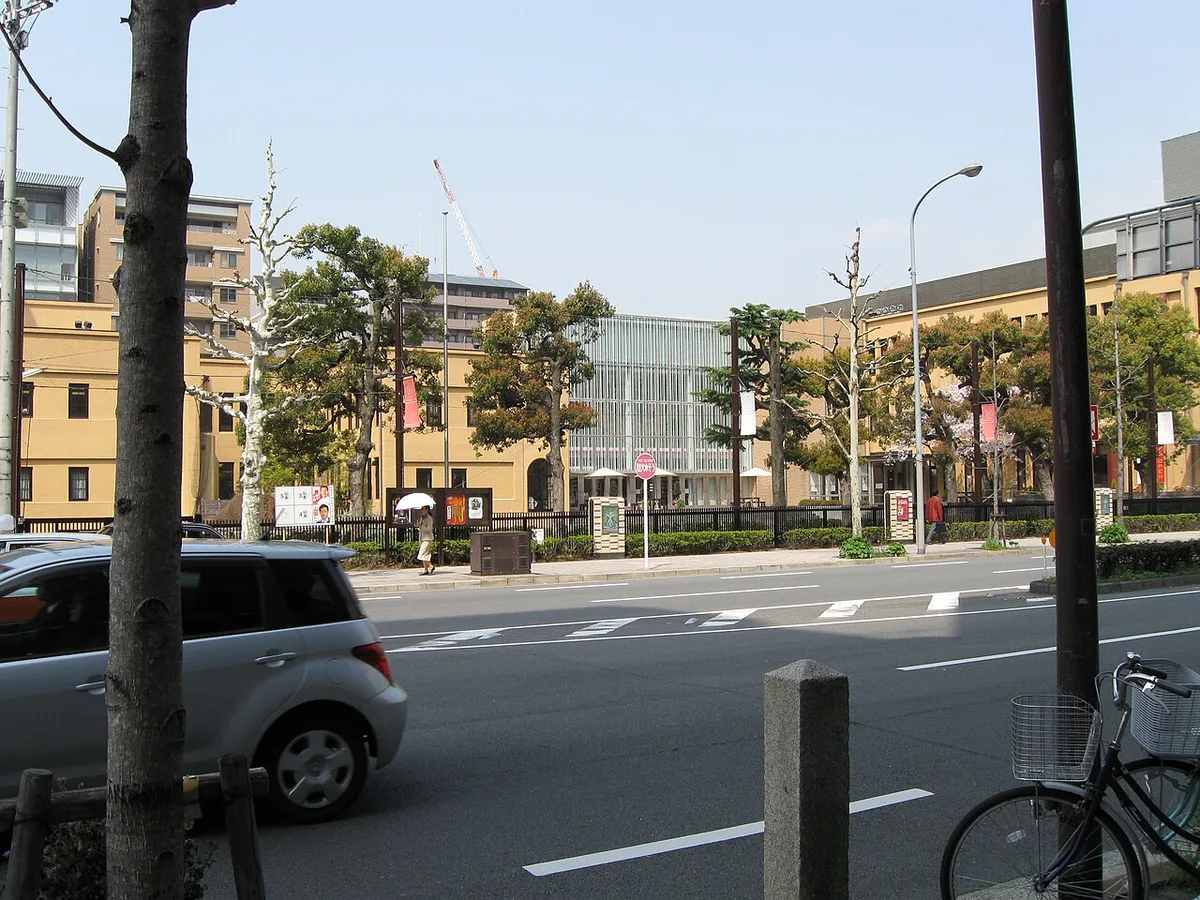
The museum occupies the old Tatsuike Primary School. Our planning notes date the building to 1929. The school site was developed through a joint project between Kyoto City and Kyoto Seika University. The city provided the land and building, and the university runs the museum.
That history shapes the visit. You walk through a school-scale building of three stories, with corridors and rooms repurposed for shelves and displays. Kyoto Seika University also hosts an international manga research centre linked to the museum, which explains the scholarly side of the collection.
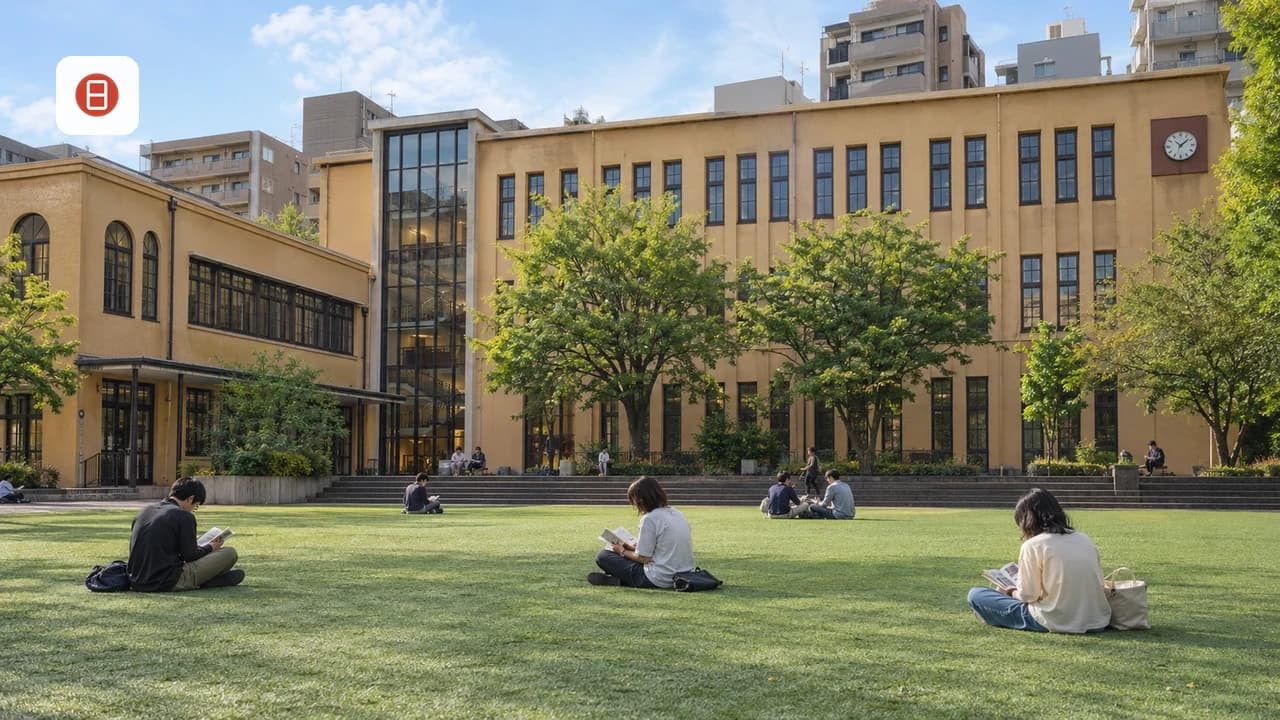
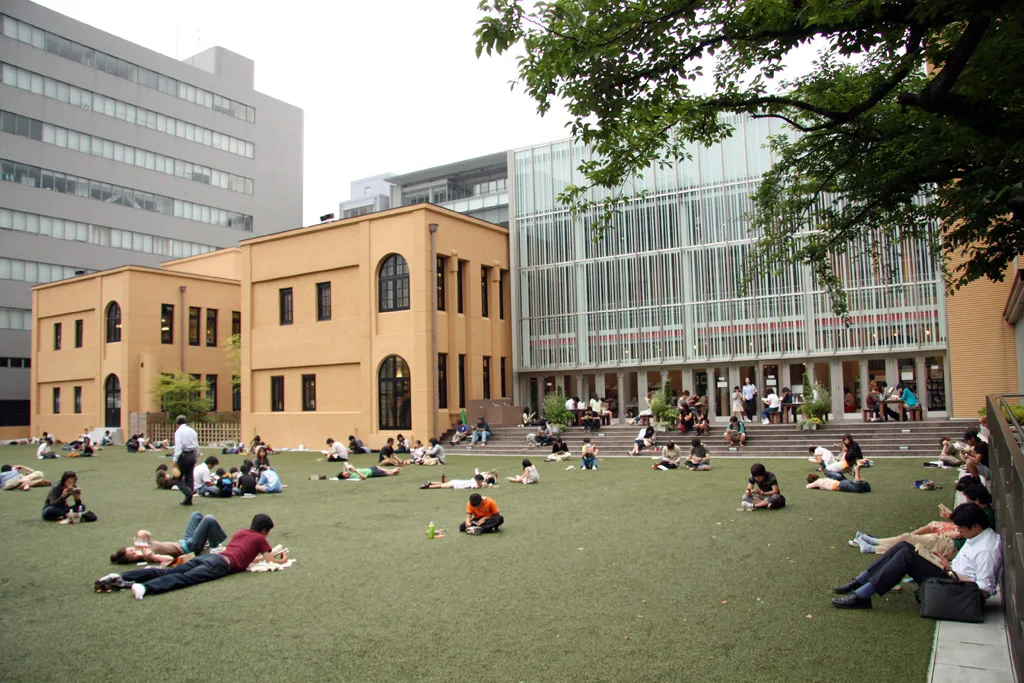
The lawn is the other draw. Reading on grass is rare in central Kyoto. We cannot confirm the exact procedure for taking books outside, so ask staff at the entrance about current rules. Do not assume every volume can leave the building. Weather matters too, so check conditions before you plan to read outdoors.
How Much Time to Plan
A quick walkthrough takes about 1 hour. That covers the Wall of Manga, one demonstration, and the shop. Readers should allow 3 hours or more. Last entry at 16:30 leaves only 30 minutes before closing, so arriving then wastes your ticket.
Readers need 3 hours to enjoy the shelves meaningfully, but last entry at 16:30 limits afternoon arrivals.
School groups can fill the building on weekday mornings. Our editorial advice is to try early afternoon on a weekday. Re-entry is often allowed with a hand stamp, but confirm at the desk before you leave for lunch. If it is allowed, a midday break in Nakagyo-ku can split a long visit neatly.
Accessibility notes are limited. The Tokyo Art Beat listing mentions disabled access, a library, a shop and a cafe. If you travel with a stroller or wheelchair, contact the museum about elevators and routes through the historic building.
Where to Stay Near Nakagyo-ku
Nakagyo-ku is central and well linked by the Karasuma and Tozai lines. Staying near Karasuma Oike Station lets you reach the museum on foot. Our guide to the 9 Best Areas to Stay in Kyoto Travel Guide (2026) compares neighborhoods by trip style.
If you want a full list of properties, read our 8 Best Areas and Hotels in Kyoto 2026 roundup. Prefer a traditional stay? Browse the 10 Best Ryokan in Kyoto 2026: The Ultimate Guide picks. One traveler post on Trip.com mentions a ryokan stay in Nakagyo Ward, which shows the district mixes both options.
Mistakes to Avoid and Pro Tips
Do not arrive on a Wednesday. That is the most common planning error, and holiday exceptions can shift the closure to Thursday. Check the calendar before you commit.
Do not skip the gift shop. It sells manga in Japanese and English, merchandise such as figures, keychains, pins and t-shirts, and limited-edition artbooks reported to be exclusive to the museum. Budget for it before you enter.
Photography rules vary by gallery. Treat reading rooms and exhibits as no-photo zones unless a sign says otherwise. Ask staff which areas allow photos, and never assume. Check whether the portrait corner needs a reservation, since we could not confirm that. Go to the portrait corner early if you want a session.
Nearby Attractions and What's Next
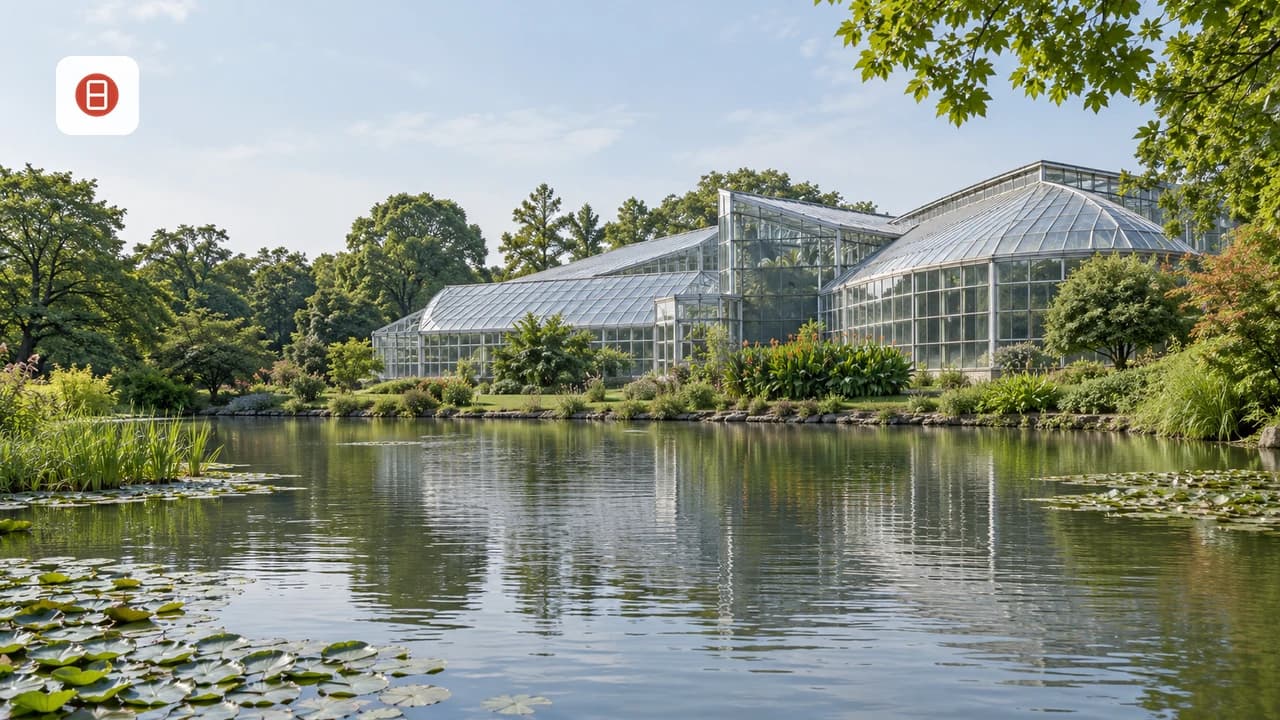
Pair the museum with another stop rather than filling the whole day with manga. For something green, see our Kyoto Botanical Garden Guide: Greenhouse, Sakura, Night Visits and Tickets. Check the garden's official information for hours.
For a family day, consider our Kyoto Aquarium Guide: Tickets, Highlights & Access (2026). Confirm details on the aquarium's official page. Check a map app for the route between stops, since both lie in different parts of the city.
Nijo Castle is described as within walking distance of the museum. Verify the route on a map app before you set out. Planning a longer trip? Our Japan Travel Guide: Plan Your Trip with Expert Tips & Itineraries shows how Kyoto fits into a wider route.
Frequently Asked Questions
How much does the Kyoto International Manga Museum cost?
Adults pay ¥1,200. Junior high and high school students pay ¥400. Elementary school children pay ¥200. Verify prices on the official site before you go.
What are the opening hours and closing days?
Hours are 10:00 to 17:00, with last entry at 16:30. Wednesday is the closing day. If Wednesday is a public holiday, the museum opens and closes the next day. It also closes over New Year.
How do I get to the Kyoto manga museum?
Take the Karasuma or Tozai subway line to Karasuma Oike Station. Use exit 2. From there it is a 2-minute walk.
Is the museum worth it if I cannot read Japanese?
It can be, with the right expectations. Most shelf material is Japanese. Manga Expo holds translated and local comics from several countries. The shop also sells English manga, and the demonstrations need no language.
Can I read books on the lawn?
The lawn is a known draw. We could not confirm the exact process for taking books outside. Ask staff at the entrance for current rules.
How long should I plan to stay?
Plan about 1 hour for a quick walkthrough. Allow 3 hours or more if you want to read. Arrive well before the 16:30 last entry.
Free: The Kyoto Essentials guide
Top things to do, where to stay, a perfect day plan, getting around, and the best time to go — a Kyoto mini-guide you can take offline.
You might also like


Continue reading
More guides you'll find useful