Tofukuji Temple Kyoto: Autumn Crowds, Tickets & Tips
Planning Tofukuji Temple in Kyoto? Compare autumn and off-season visits, get access tips and time-saving routes before you go.
On this page
Last updated November 2026: this guide covers Kyoto Tofukuji Temple (Tōfuku-ji, 東福寺), a Rinzai Zen head temple in southeastern Kyoto that was founded in 1236. Visitors come for Tsutenkyo Bridge, the Hojo gardens by Shigemori Mirei and a long reputation for autumn leaves. Your biggest planning choice is season, because peak foliage weeks change the whole experience.
Tofukuji at a Glance
Use this box to decide quickly whether the temple fits your Kyoto plan. Every practical detail below should be confirmed on the official site before you travel.
- What it is: the head temple of the Tofukuji school of the Rinzai sect of Zen Buddhism, in southeastern Kyoto.
- Known for: autumn leaves, Tsutenkyo Bridge and the Hojo gardens.
- Best season: autumn for color, but expect crowds and possible entry controls at peak.
- Time needed: roughly one hour for a quick stop and longer for the gardens. Treat both as estimates.
- Before you go: check the official visitor information for hours and fees.
What to See at Tofukuji: Tsutenkyo Bridge and the Hojo Gardens
Tofukuji rewards visitors who pick two or three features rather than trying to see everything. The two named below are the ones worth building a visit around. Other halls and subtemples exist, so confirm what is open on the day before you commit your time.
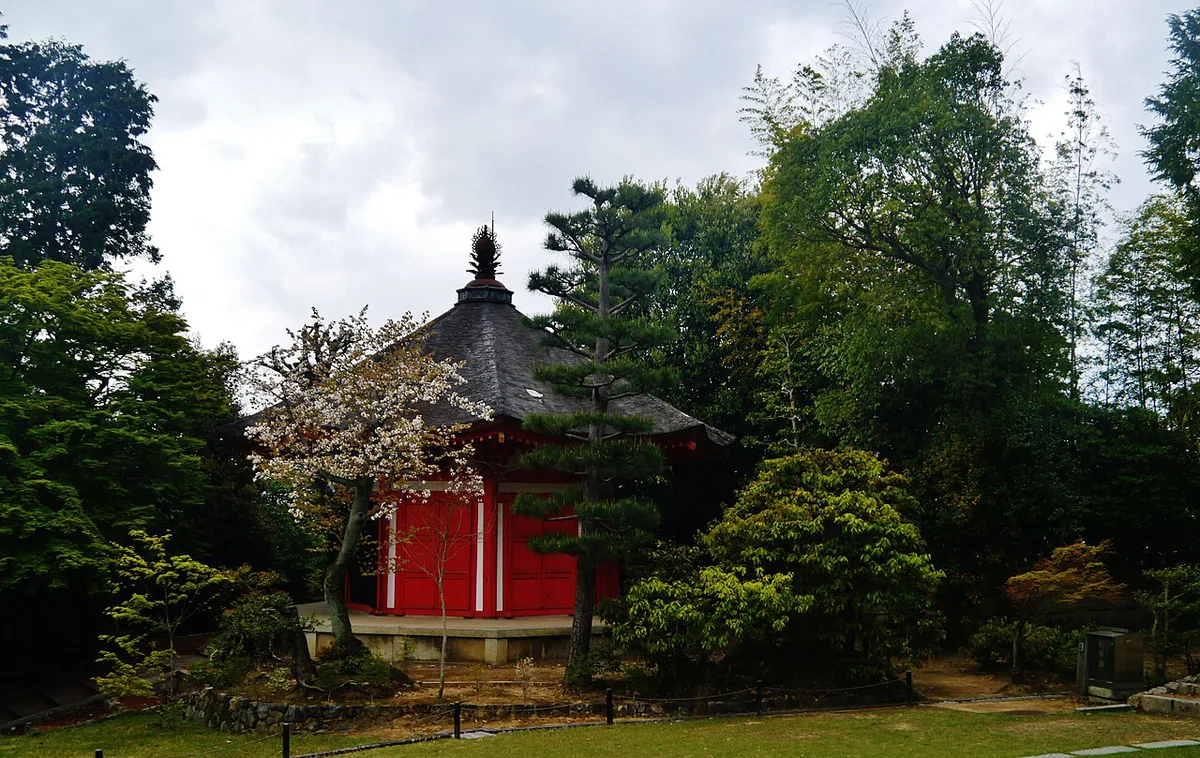
Tsutenkyo Bridge
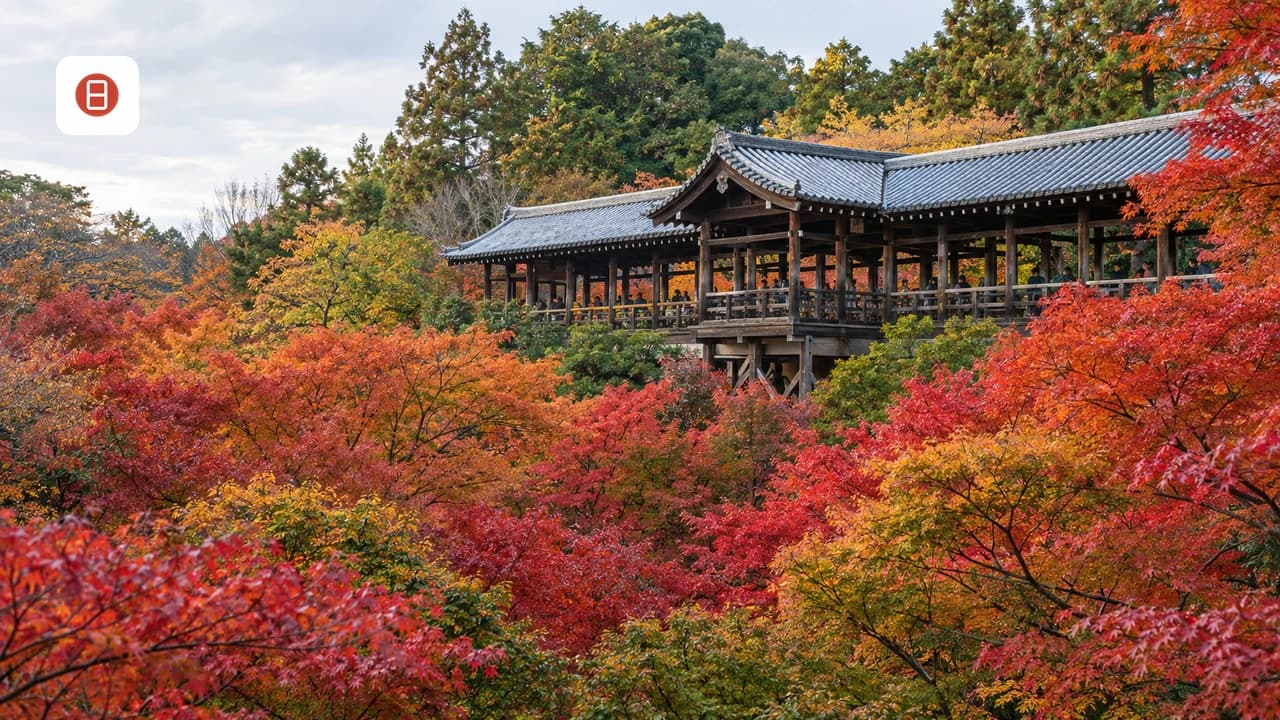
Tsutenkyo Bridge is the foliage viewpoint most visitors have in mind. It crosses a valley of maple trees, so the scene changes sharply by season. Worth it if you want the classic autumn view. Skip it at peak if standing in a slow queue would ruin your morning. Check the official site for current access rules and any crowd-control measures on the bridge.
Hojo Gardens by Shigemori Mirei
The Hojo gardens were designed by Shigemori Mirei and suit anyone who prefers Zen design over foliage. Stone and moss arrangements read best when you sit quietly and look for a while. Worth it if you like modern Zen garden design. Admission to this area is separate from other paid areas, so do not assume one ticket covers everything. Photography rules can differ by area, so look for signs on site.
Best Time to Visit Kyoto Tofukuji Temple: Peak Autumn vs. the Rest of the Year
Autumn leaves drive most of the interest in this temple. That reputation brings crowding and possible entry controls at peak. Off-peak visits trade bright color for calm. Use the table to match a season to your priorities. The values are qualitative because the brief supplies no verified crowd figures.
| Visit type | Crowds | Flexibility | Photo conditions | Best for |
|---|---|---|---|---|
| Peak autumn week | Heaviest, with possible entry controls | Low; plan around queues | Strong color, but people in most frames | Visitors who want the classic foliage view and accept waiting |
| Off-peak autumn | Lighter than peak | Moderate | Good color on many days, fewer people | Travelers who can choose their dates |
| Spring, summer or winter | Generally calmer | High | Green or bare scenery; quieter gardens | Garden and Zen-design fans who dislike crowds |
Non-Autumn Visits
Outside foliage season, Tofukuji becomes a garden and architecture stop. Tsutenkyo Bridge still overlooks the same valley, only with green leaves or bare branches. The Hojo gardens do not depend on maples at all. If you dislike crowds, a non-autumn visit may suit you better. Foliage chasers who cannot travel in autumn should consider another season for a different reason entirely.
How to Plan Your Time
Pick a tier before you arrive. Both durations are estimates, not official figures.
- Quick stop (roughly one hour): walk to Tsutenkyo Bridge, take your photos and leave.
- Full visit (allow longer): add the Hojo gardens and sit for a while. Confirm the separate admission first.
- Peak autumn: go early or accept a queue. Midday is the most likely time for crowding.
Pairing Tofukuji With Other Kyoto Stops
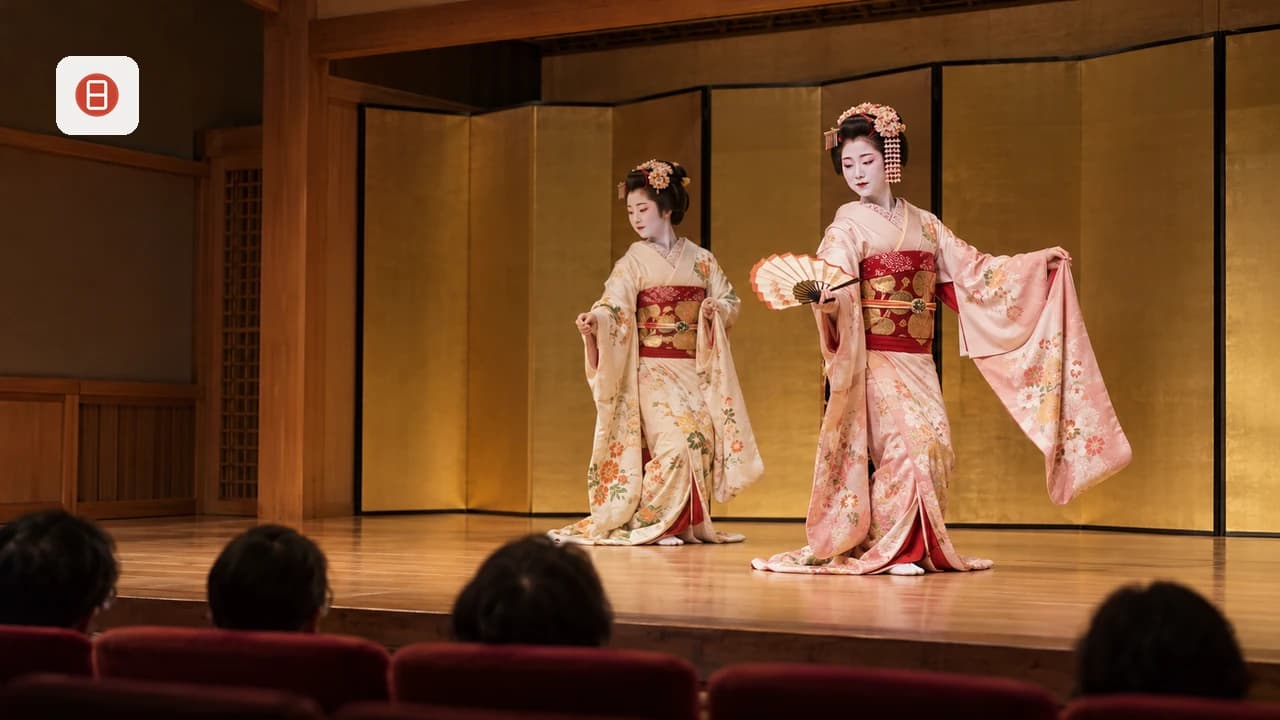
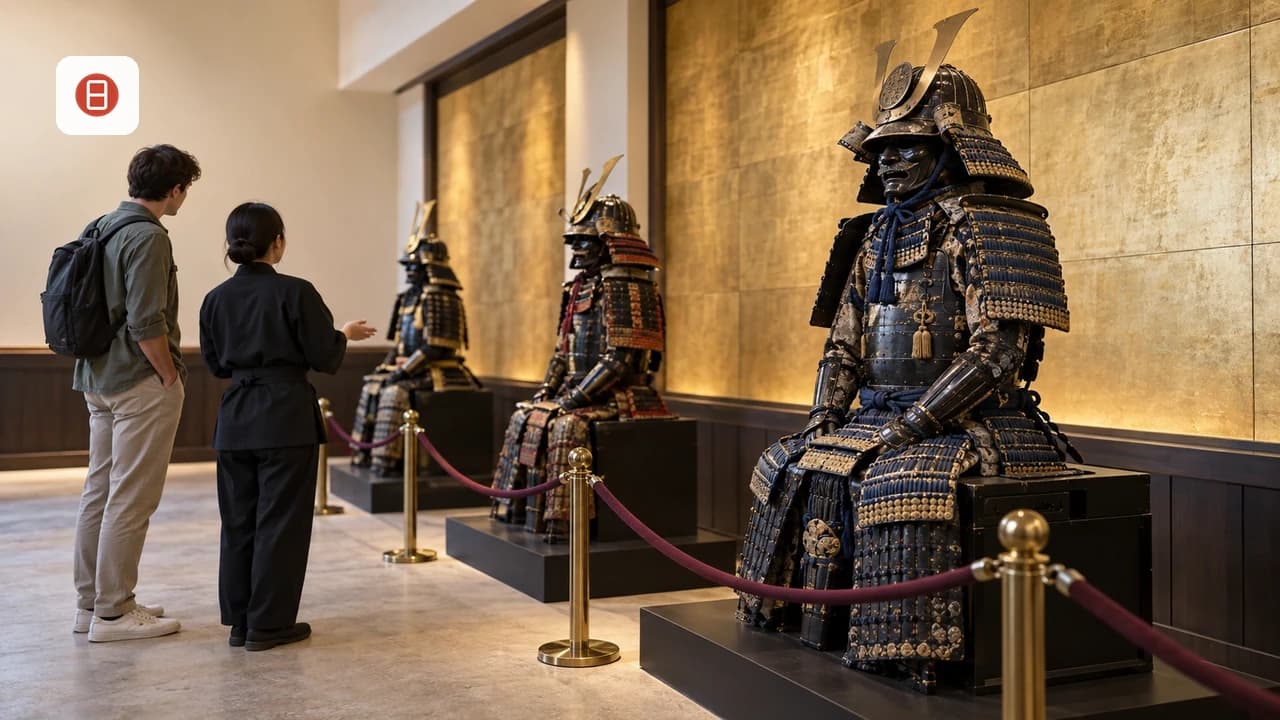
Tofukuji sits in southeastern Kyoto, so it works as a morning stop before a different part of the city. For other major sights, start with our Kyoto attractions guide. Evening culture is a separate option, and Gion Corner is one example. Check the official Gion Corner page for performance times. For something more hands-on, see the Samurai and Ninja Museum. Treat these as separate trips, not neighbors, until you have checked the map and timing yourself.
Tickets, Hours, and Getting There
This guide does not list verified fees, opening hours or the nearest-station route. Confirm all of them on the official Tofukuji site and a current rail operator page before you go.
| Item | Where to check | Last checked |
|---|---|---|
| Admission, including separate areas | Official Tofukuji site | Add date before publishing |
| Opening hours and last entry | Official Tofukuji site | Add date before publishing |
| Autumn special openings | Official Tofukuji site | Add date before publishing |
| Nearest station and walking route | Rail operator or Kyoto tourism page | Add date before publishing |
Where to Stay and Base Yourself
A central base gives you more dining and transit options, but it adds travel time to the southeast side. A base closer to Tofukuji shortens an early start before the crowds arrive. Our guide to Kyoto areas explains the trade-offs. Compare Kyoto hotel options if you want a conventional room. Choose a traditional ryokan stay if you want a Japanese-style night. Planning more than Kyoto? Our Japan Travel Guide: Plan Your Trip with Expert Tips & Itineraries covers the wider trip.
Mistakes to Avoid
A few planning errors cause most of the frustration at this temple.
- Arriving at midday in peak foliage season, when crowding is most likely.
- Assuming every area shares one ticket. Hojo admission is separate.
- Skipping the timing check on the official site before you leave.
- Underestimating the walk between areas on the grounds.
- Treating Tofukuji as a quick add-on when you want the full garden experience.
Frequently Asked Questions
Is Tofukuji worth visiting if I can't go in autumn?
Yes, if you like Zen gardens and quiet. Tsutenkyo Bridge and the Hojo gardens do not depend on foliage. You will see fewer crowds outside autumn.
How long should I spend at Tofukuji?
Plan roughly one hour for a quick stop. Allow longer if you add the Hojo gardens. These are estimates, so adjust them after checking the official site.
When is the best time to see the autumn leaves, and how bad are the crowds?
Autumn is the main draw, and peak weeks bring crowding and possible entry controls. This guide has no verified crowd numbers. Check the official site for current foliage information and arrive early.
How much does it cost to enter, and are there separate fees?
Admission to the Hojo gardens is separate from other paid areas. This guide does not list a verified fee. Confirm current prices on the official Tofukuji page.
Can I pair Tofukuji with other sights in one half-day?
Possibly, but verify the geography and timing first. Browse the Kyoto attractions list for options. Keep the plan light at peak foliage.
Free: The Kyoto Essentials guide
Top things to do, where to stay, a perfect day plan, getting around, and the best time to go — a Kyoto mini-guide you can take offline.
You might also like

Continue reading
More guides you'll find useful