Shimogamo Shrine Kyoto: Forest Walk, Festivals and Access Guide (2026)
Plan a visit to Shimogamo Shrine in Kyoto. Hours from 6:30, free grounds, ¥1,000 special visit, Keihan and bus access, Kawai Shrine and festival timing.
On this page
Last updated October 2026. Shimogamo Shrine Kyoto sits at the end of a 500-meter forest approach, and it rewards visitors who arrive early and walk slowly. This guide covers the forest path, the small shrines inside the grounds, festival dates, costs and the two main ways to get there.
Shimogamo Shrine Kyoto at a Glance
Shimogamo-jinja is a Shinto shrine in Sakyo Ward, north of central Kyoto. Its formal name is Kamomioya Shrine. It is listed as a UNESCO World Heritage Site under the Historic Monuments of Ancient Kyoto. A local guide site notes it was registered as a World Heritage Site in 1994. Shimogamo is paired with Kamigamo Shrine, and both shrines honor the ancient Kamo clan deities. Visit one and you will hear about the other.
The grounds sit at the junction of the Kamo and Takano rivers. Brief sources describe the shrine's history as more than 2,000 years old, with a record of fence repairs dating to the 1st or 2nd century BC. Sources differ on the exact year, so treat the age as approximate. Two deities are enshrined. Tamayori-hime is in the east hall, and her father Kamotake-tsunumi is in the west hall.
Use this quick list to decide how much time to give it.
- Address: 59 Shimogamo Izumikawa-cho, Sakyo-ku, Kyoto
- Hours: 6:30 AM to 5:00 PM, subject to change for ceremonies
- Grounds: free to enter
- Special visit to the Daitakuden and other areas: ¥1,000 per person
- Time needed: about 1.5 to 2 hours with the forest walk
Tadasu-no-mori: Walking the Sacred Forest
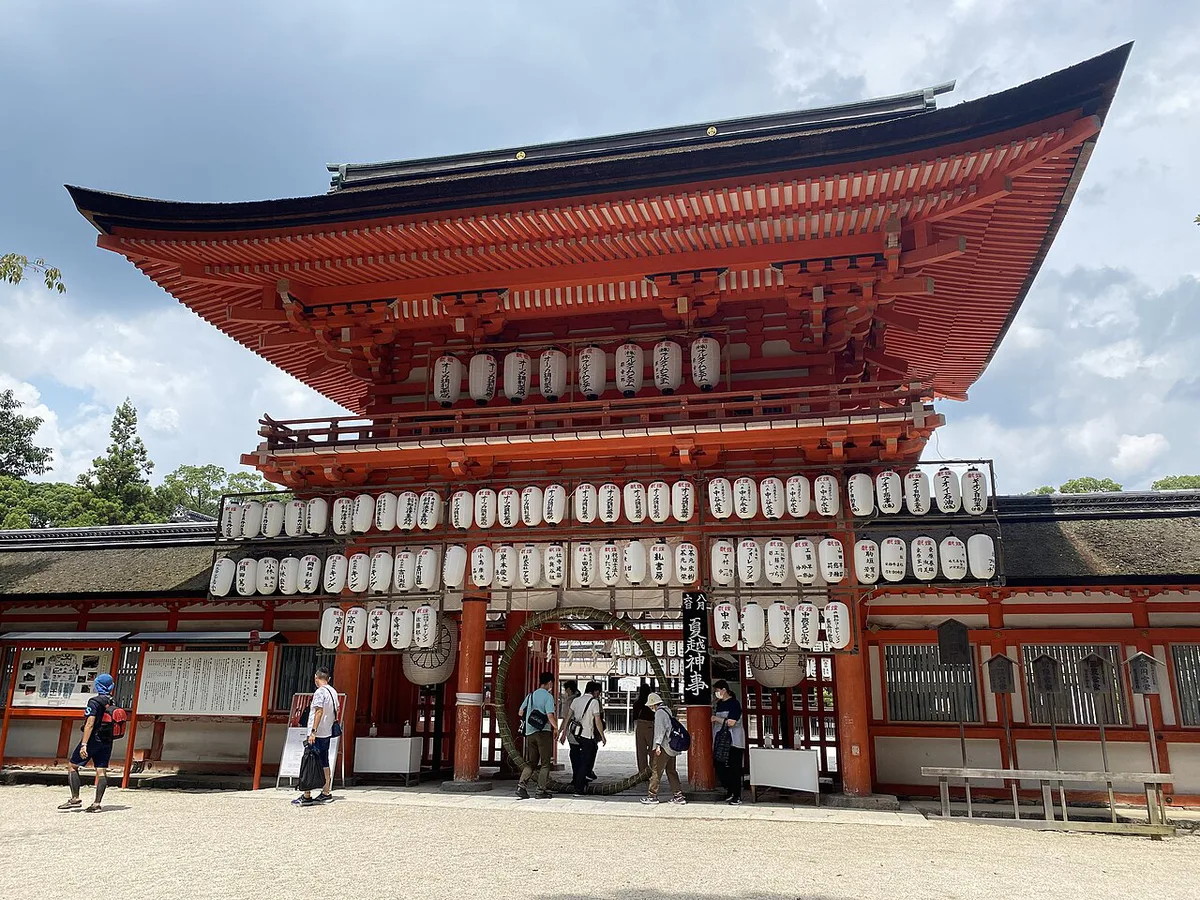
Most visitors arrive through Tadasu-no-mori, the forest that wraps the approach to the shrine. The path runs roughly 500 meters. Stone lanterns, old zelkova trees and maples line the way, and city noise drops away within a few minutes.
The name is often translated as the Forest of Correction. Locals link it to the idea of setting yourself straight before you face the deity. You do not need to follow any ritual. A slow pace and a quiet voice fit the setting.
Timing matters here. The shrine opens at 6:30 AM. Tour groups tend to arrive around 10:00 AM, so the early hours give you the forest at its calmest. Once the path fills, the primeval feel fades.
Season changes the forest sharply. Late spring and early summer bring deep green canopy. Autumn color arrives late, which sets Shimogamo apart from many Kyoto sites. A Kyoto local guide says the best foliage runs from early to mid-December. That makes it a useful stop when other maples have already dropped.
The forest also hosts events. Horseback archery (yabusame) is held in Tadasu-no-mori during the Aoi Matsuri. Light installations have also been staged in the forest at times, so check the official calendar before you plan around one.
Highlights Inside the Shrine Precincts
Past the forest, the vermilion Romon gate marks the main precinct. Inside, plan a loop through four spots. Each is small, and the loop takes about 45 minutes at an unhurried pace.
- Main halls (Honden): the east and west halls house the two Kamo deities. Both are listed as National Treasures.
- Mitarashi-sha: a small shrine beside a spring-fed stream. It is linked to the origin of mitarashi dango, the skewered rice dumplings.
- Aioi-sha: known as a matchmaking shrine. Look for the Renri-no-sakaki, two trees that have grown together.
- Kawai Shrine: a shrine for beauty, near the southern entrance, with mirror-shaped votive plaques.
Kawai Shrine and the Mirror Ema
Kawai Shrine is a short detour that many guides skip. It is a beauty shrine, and its signature offering is the kagami-ema. This is a hand mirror-shaped wooden plaque. You paint a face on it with the colors and features you want to match yourself, then leave it at the shrine.
Plan about 15 minutes. Bring your own pens or use the ones provided if available. Offering prices vary, so confirm the amount on site or on the official Shimogamo Shrine website. The official site also lists a 2026 beauty collaboration involving Kawai Shrine, which suggests the shrine's cosmetic theme draws regular events.
Mitarashi-sha is a quick walk away. Water from the stream is used in ritual purification. A local guide notes the shrine is said to be the birthplace of mitarashi dango, so it pairs naturally with the snack stop described below.
Festivals and Seasonal Events
Three dates shape most trips. Check the official calendar before you fix your plans, because ceremony dates shift with the year.
Aoi Matsuri on May 15 includes horseback archery in Tadasu-no-mori, so the forest walk is worth adding to your festival day.
Aoi Matsuri, held on May 15, is the best-known event. Its procession recreates Heian-period court dress and travels from the Kyoto Imperial Palace to Shimogamo and Kamigamo shrines. It is counted among Kyoto's three major festivals. Expect crowds along the route and arrive early for a viewing spot.
Mitarashi Festival falls in late July. Visitors wade into the shrine's stream to cleanse themselves and pray for health. Brief sources do not list the exact 2026 dates, so verify them before you travel. Wear shoes that slip off fast, and bring a small towel.
December foliage closes the year. Early to mid-December is the stated peak at Tadasu-no-mori. Weekends will be busiest, so aim for a weekday morning.
Other events include Kemari Hajime and Hina Nagashi. These are smaller seasonal rites, and the shrine's news page is the safest place to confirm timing.
How to Get to Shimogamo Shrine and What It Costs
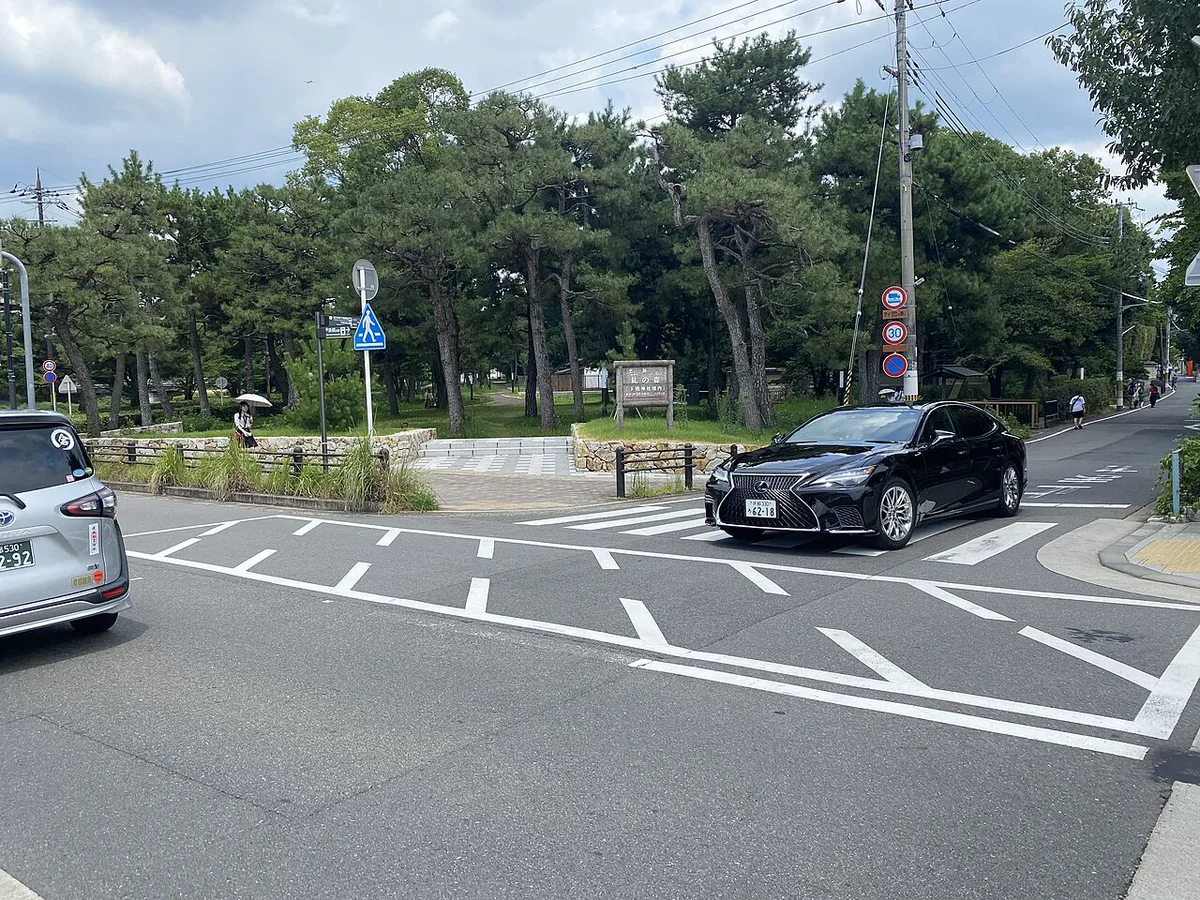
Two routes dominate. The Keihan Line to Demachiyanagi Station gives you a walk of about 7 minutes from Exit 5, according to a Kyoto guide. Another source says 12 minutes, so allow up to that if you walk slowly. The route follows the river delta and approaches the forest from the south.
City buses are the direct option. Bus 4 or 205 stops at Shimogamo-jinja-mae, and a Kyoto guide lists a 3-minute walk from the Shimogamo Shrine and Tadasu-no-mori stops. Buses from central Kyoto can be crowded. A DiGJapan listing describes bus 205 as a roughly 30-minute ride.
Driving is possible. A paid lot holds about 150 cars. The shrine's own site asks visitors to use public transit, so treat the car park as a backup.
Costs stay low. The grounds are free. A special visit to the Daitakuden and related areas is ¥1,000 per person, and junior high school students and younger are free. Special visit hours are 10:00 to 16:00.
Bring cash. Older listings say credit cards are not accepted, and the brief flags this as unconfirmed for the amulet office. Treat the policy as unverified until you see it on site.
| Route | Details | Notes |
|---|---|---|
| Keihan Line | Demachiyanagi Station, about 7 to 12 minutes on foot | Scenic walk along the rivers |
| City Bus 4 or 205 | Shimogamo-jinja-mae stop, about 3 minutes on foot | Direct but often crowded |
| Car | Paid lot, about 150 spaces | Shrine asks visitors to use public transit |
Best Time of Day and a Sample Route
Start at 6:30 AM if you can. Walk Tadasu-no-mori first, then enter through the Romon gate. Finish the Aioi-sha, Mitarashi-sha and Kawai Shrine loop before 9:30 AM. You will beat the tour groups expected near 10:00 AM.
The four-spot loop takes 45 minutes, so an early start lets you finish before tour groups reach the forest around 10:00 AM.
If you want the Daitakuden special visit, schedule it after 10:00 AM, when those areas open. Some visitors use that gap for the dango stop. A split morning also helps you avoid the midday crowd in the forest.
Weekday visits feel noticeably calmer than weekends. Aoi Matsuri day and December foliage weekends are the exceptions, so skip them if you want solitude.
Food and Neighborhood Pairings Nearby
Kamo Mitarashi Chaya is the historic tea house linked to the original mitarashi dango. Expect to pay with cash and confirm opening hours before you go, as the brief does not supply them. Order the dango and a hot tea, and sit for a short break after the forest.
The Kamo River delta is a short walk from the shrine, near Demachiyanagi. Its stepping stones (tobi-ishi) let you cross the water and are a favorite local rest spot. Watch your footing after rain.
For a second shrine, consider Heian Shrine's gardens and gate. The official Heian Shrine page lists its visitor details. It suits a separate half-day because it sits in a different part of Kyoto.
If you prefer Zen temples, read about the sub-temples at Daitokuji. The Rinzai head temple page gives its official overview. Daitokuji is in northern Kyoto, so it can pair with Kamigamo Shrine in one day.
For wider planning, our Kyoto attractions guide places Shimogamo among the city's major sights. Travelers building a longer route can also check the Japan travel planning guide.
Where to Stay Near Shimogamo
Shimogamo is in Sakyo Ward, which feels quieter than downtown Kyoto. If early mornings appeal, staying close shortens your commute to the 6:30 AM opening. Our guide to the best area to stay compares neighborhoods in more detail.
For a wider choice of rooms, browse the 8 Best Areas and Hotels in Kyoto 2026. If you want tatami floors and a traditional breakfast, see the 10 Best Ryokan in Kyoto 2026: The Ultimate Guide. Confirm transit times from any property to Demachiyanagi Station before you book.
Common Mistakes to Avoid
A few small errors spoil an otherwise easy visit. Avoid these.
- Skipping Kamigamo Shrine. The two shrines are a pair, and seeing both gives the full picture.
- Arriving after 10:00 AM. The forest loses its quiet once tour groups arrive.
- Wearing laced boots during the Mitarashi Festival. You will remove shoes to wade into the stream.
- Assuming cards work everywhere. Carry cash for offerings, amulets and tea house snacks.
- Relying on old fee listings. One older listing shows ¥500 for adults, while newer sources say grounds are free. Check the official site.
Frequently Asked Questions
Is Shimogamo Shrine free to visit?
Entering the grounds is free. A special visit to the Daitakuden and related areas costs ¥1,000 per person. Junior high school students and younger are free for that special visit. Special visit hours are 10:00 to 16:00.
What time does Shimogamo Shrine open?
Shimogamo Shrine opens at 6:30 AM and closes at 5:00 PM. Hours can change for religious ceremonies. Check the official site before you travel.
How do I get to Shimogamo Shrine from central Kyoto?
Take the Keihan Line to Demachiyanagi Station and walk about 7 to 12 minutes. Alternatively, take City Bus 4 or 205 to Shimogamo-jinja-mae. Buses are direct but can be crowded.
When is the best time to see autumn leaves at Shimogamo Shrine?
A local Kyoto guide says foliage peaks from early to mid-December. That is later than many Kyoto sites. Weekday mornings are calmer.
Do I need to visit Kamigamo Shrine as well?
It is worth pairing them. Both shrines honor the Kamo clan deities and share festivals such as the Aoi Matsuri. If time is short, Shimogamo alone still gives a full forest and shrine experience.
Free: The Kyoto Essentials guide
Top things to do, where to stay, a perfect day plan, getting around, and the best time to go — a Kyoto mini-guide you can take offline.
You might also like


Continue reading
More guides you'll find useful