Kyoto in January: Winter Travel Guide, Events & Weather Tips
Kyoto in January means quiet shrines after January 3, plum blossoms at Kitano Tenmangu, and lows near 1°C. Here's what to pack, see, and skip this month.
On this page
Last updated September 2026, Kyoto in January rewards travelers willing to trade cherry-blossom crowds for cold air and open temple grounds. Hatsumode crowds fill the thousands of torii at Fushimi Inari Taisha and climb the steps of Yasaka Shrine through the first three days of the month. By January 4, the crowds thin, hotel rates ease, and the city turns quiet for the rest of the month.
Kyoto in January: The Quick Verdict
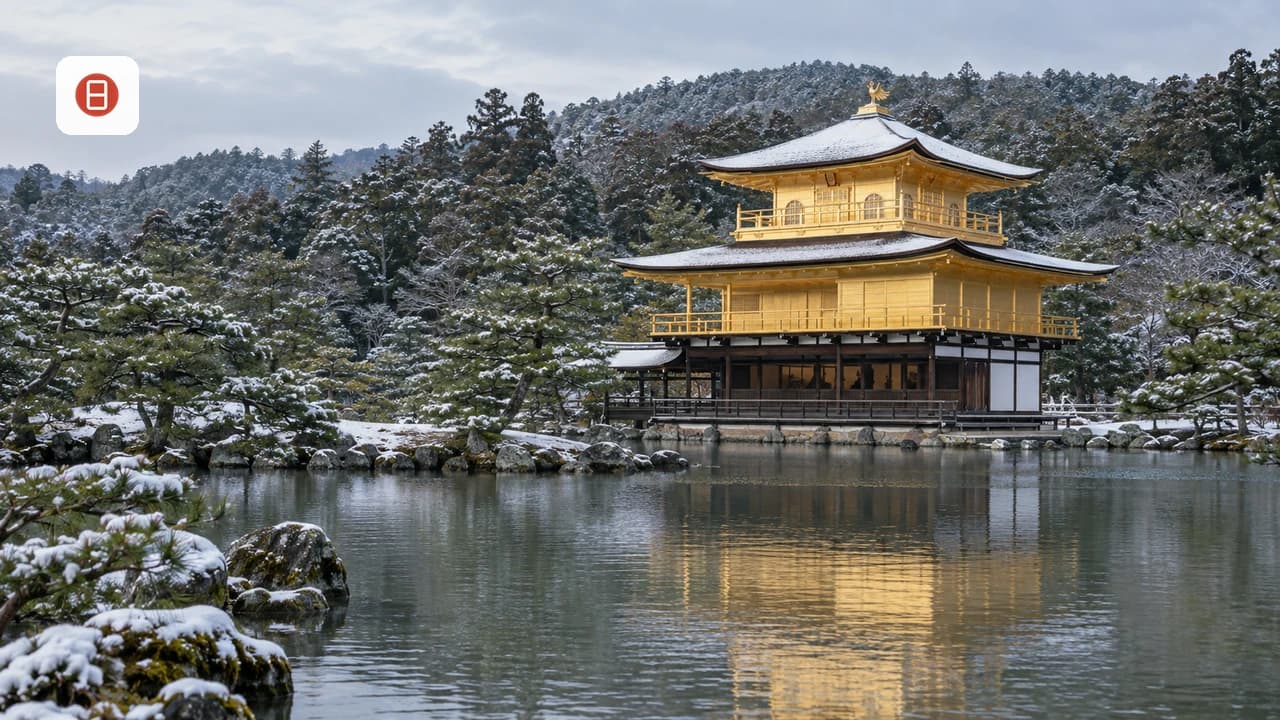
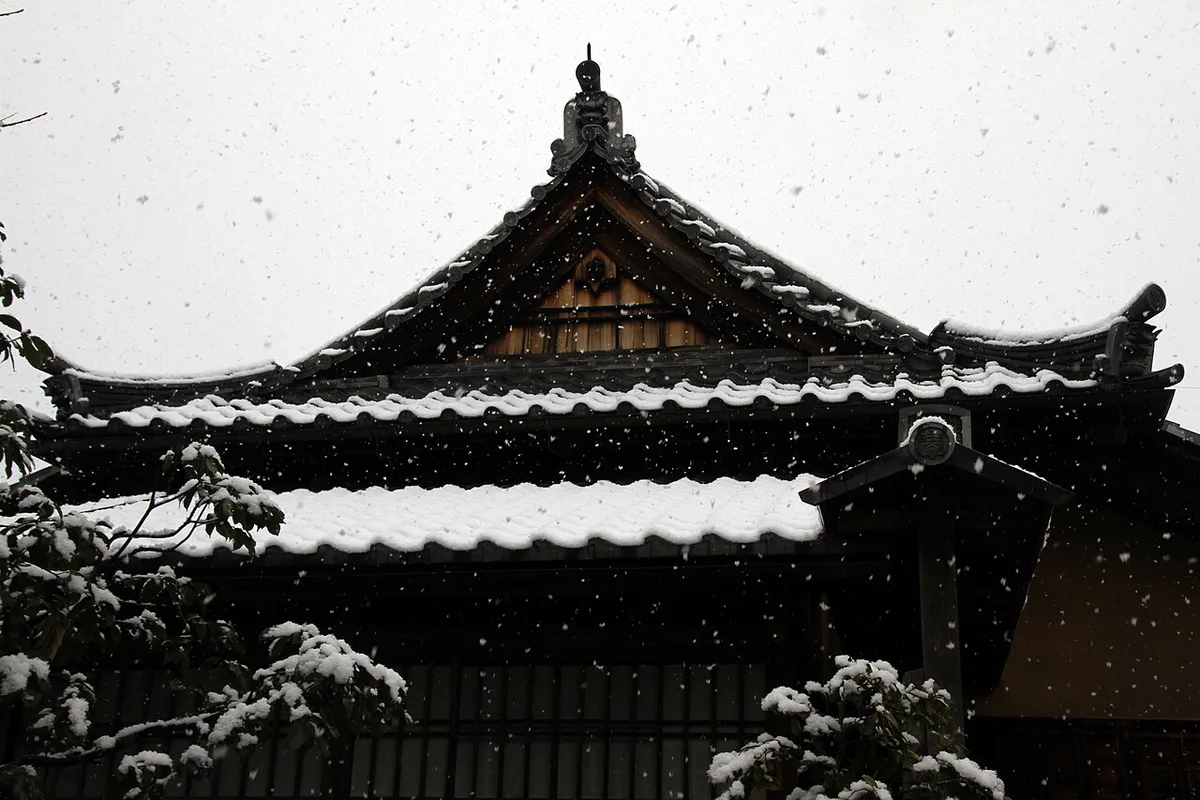
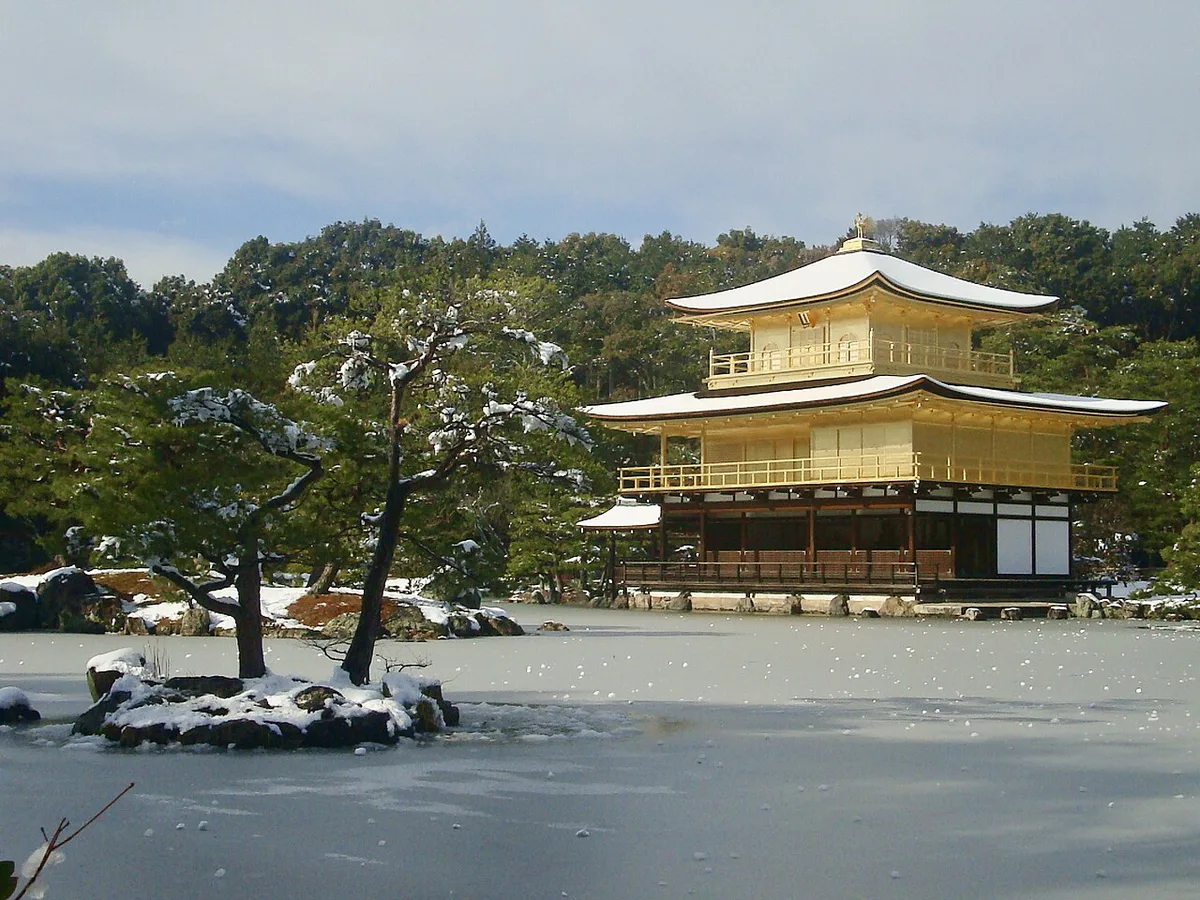
January splits into two distinct halves. The first three days pack shrines with hatsumode visitors, while the remaining weeks after January 3 count among the quietest of the year for sightseeing citywide. Average daytime highs hover around 9°C (48°F), with lows near freezing. Cold is the trade-off for empty temple courtyards and rare snow dustings on tiled roofs. Midweek mornings after the New Year rush leave Fushimi Inari's upper trail far emptier than the packed lower gates seen on January 1. This stretch counts among the least crowded weeks of the year for temple visits, since domestic tourism also dips once the holidays end. January suits you if you value photography, New Year rituals, or a slower pace over cherry-blossom and autumn-foliage crowds. For a broader seasonal comparison, see Kyoto's winter travel guide. Compare month-by-month conditions using the best time to visit Kyoto guide before booking.
Kyoto Weather in January: What to Pack
Kyoto's January weather is dry, clear, and consistently cold. Average highs sit near 9°C (48°F) by afternoon, dropping to lows around 1°C (34°F) after dark. Snow falls a handful of times most winters, though it rarely settles for more than a day in the city center. Humidity keeps the chill sharper than the numbers suggest, especially near the Kamo-gawa riverbanks and inside stone temple courtyards. Daylight runs short in January, so outdoor temple visits work best earlier in the day before the light fades. Locals combat the cold with kairo, disposable heat packs sold at every convenience store. Pack a few for your pockets and shoes. For a drier, hotter contrast, Kyoto in Summer What to Do Guide: 11 Best Tips swings the other direction entirely. See month-by-month Kyoto weather data for the full annual swing.
- Thermal base layers under a warm sweater and a windproof coat, so you stay warm without bulk.
- Slip-on shoes or boots, since temples and traditional restaurants ask you to remove footwear at the entrance.
- Thick socks, since unheated wooden and tatami temple floors turn frigid within minutes.
- A few kairo heat packs for your pockets and shoe insoles.
- A hat, scarf, and gloves for early-morning shrine visits before the sun clears the valley.
Navigating Hatsumode and the New Year Closures
Kyoto shuts down for its own holiday before it opens up for everyone else's. Most independent restaurants, small shops, and Nishiki Market stalls close from December 29 through January 3, the core shogatsu holiday period. Nishiki Market's covered arcade, normally lined with open stalls, looks noticeably different during the shutdown, with shutters down along much of the street. Department stores and convenience stores generally stay open, and shrines never close. Convenience store staples and hotel breakfasts fill the gap for travelers arriving during the shutdown window, since most izakaya and family-run kitchens stay closed until January 4. Shrines run at their busiest during exactly those days. Hatsumode, the first shrine visit of the new year, is the closures' spiritual counterpart. Crowds concentrate at Fushimi Inari Taisha and Yasaka Shrine on January 1 through 3, then thin gradually through the rest of the first week. Heian Shrine draws similar first-week crowds without Fushimi Inari's climbing trail, which suits travelers who want the ritual without the hike. On New Year's Eve, temple bells across the city ring out through joya-no-kane. Some temples let visitors queue for a turn, first-come, first-served. That queue is a different experience from the packed shrine grounds on January 1. Plan your trip's opening days around New Year's Eve in Kyoto: Traditions, Closures & Survival Guide logistics. See Kyoto in December 2026: Weather, Illuminations, Markets, and Year-End Closures for exactly what closes before the holiday begins. Check Christmas in Kyoto: Illuminations, Events, and Local Tips for 2026 for the days just before the shutdown starts.
Things to Do in Kyoto in January
January opens a short list of experiences unavailable the rest of the year. Plum blossoms below extend into Kyoto in February: Weather, Setsubun, and Plum Blossom Guide, weeks before cherry trees even bud. Pair any of the list with a walk through Kyoto's major attractions to fill out your day.
With January average highs of 9°C (48°F), a trip to Kurama Onsen—just 40 minutes away—provides a practical warm escape between cold shrine visits.
- Plum blossoms at Kitano Tenmangu. About 1,500 plum trees begin blooming from mid-January, roughly a month before any cherry blossoms appear. Bloom timing shifts with the weather, so check the Kitano Tenmangu official site before visiting.
- Onsen day trips. Kurama Onsen sits about 40 minutes from central Kyoto, and Arashiyama Onsen is roughly 30 minutes away with mountain views. Confirm Kurama Onsen's current opening status directly before the trip, since some of its facilities have had intermittent closures in recent years.
- Fresh sake in Fushimi. Kyoto counts about 50 sake breweries, with 19 clustered in the Fushimi district alone. December and January are peak brewing months, when several breweries pour freshly pressed sake straight from the tank.
- Kyo no Fuyu no Tabi. This exhibition opens rooms and treasures inside about 15 city temples that stay closed to the public the rest of the year. It has run every winter for more than 50 years, typically from mid-January through mid-March, though the participating temples can change annually.
- Snow-day lanterns at Kifune Shrine. From January into February, the shrine lights lanterns along its steps only on days it actually snows, pairing rare snowfall with a rare illumination.
- Snow lanterns at Kayabuki-no Sato. For about a week from late January, this thatched-roof heritage village lights handmade snow lanterns and runs food stalls, mochi pounding, and dance performances.
- A heated boat ride on the Hozugawa River. Winter river tours run with heated seating, passing snow-dusted rock formations and mountain views along the way.
January Festival Calendar in Kyoto
Beyond hatsumode, six rituals fill the rest of January with a distinct rhythm, cataloged in detail on Kyoto's January event calendar. In our editorial assessment, Tōka Ebisu and the Ōmato archery competition draw the thickest crowds of the group. Yutate Kagura and Musha Jinji stay small enough to watch from the front row. Most of these events are free to watch from a respectful distance, though a few reward an early arrival for a clear view. For festivals in other months, cross-reference Kyoto's festival calendar before locking in dates.
| Event | Typical Dates | Location | Notes |
|---|---|---|---|
| Tōka Ebisu | January 8–12 | Kyoto Ebisu Shrine | Business-success festival with five days of stalls and prayers |
| Gafūten Shōhin Bonsai Exhibition | January 10–12 | Pulse Plaza | Miniature bonsai show aimed at collectors and specialists |
| Ōmato Archery Competition | Around January 12, exact date shifts yearly | Sanjusangen-do | About 2,000 archers compete; check the current-year date before planning, since it usually falls the Sunday closest to Coming of Age Day |
| Hadaka Odori | January 14 | Hokkai-ji Temple, Hino | Loincloth-clad ritual dance praying for a good harvest |
| Musha Jinji | January 16 | Kamigamo Shrine | Military archery ritual meant to dispel bad luck |
| Yutate Kagura | January 20 | Jonan-gu Shrine | Boiling-water purification ritual, once used for divination |
Where to Stay and How to Get Around in Kyoto in January
Downtown Kyoto and the Kyoto Station area keep you close to heated shops, indoor arcades, and the subway when the cold cuts through an outdoor sightseeing day. Kyoto Station's underground concourse offers a warm shortcut between platforms, shops, and bus terminals on the coldest days. Arashiyama makes sense if the onsen experience is the priority, since Arashiyama Onsen sits inside the neighborhood itself. Buses and trains run heated seating in winter, which helps on longer rides north. Snow occasionally delays the Shinkansen or slows local buses heading to higher-elevation spots like Kifune. Build a buffer into your day trip plans past early January. Hotel rates typically ease once the New Year holiday clears on January 5. Rates undercut cherry blossom season pricing by a wide margin, though savings depend on the property and how far ahead you book.
During closure period December 29 through January 3, restaurants shutter but hotels stay pricey; rates drop after January 5.
Mistakes to Avoid in Kyoto in January
A handful of small missteps cause most of the frustration in Kyoto during January.
- Skipping the last-entry check. Many temples and gardens stop admitting visitors well before the posted closing time once winter daylight runs short.
- Underestimating the floor. Temple floors are unheated wood or tatami, and thick socks make the difference between comfort and numb feet within minutes.
- Assuming everything is open. Independent restaurants, boutique shops, and some cafes stay shut through the first days of January, even though shrines and department stores do not.
- Booking without checking the calendar. Hotel rates and availability tighten around January 1 to 3 for hatsumode, then loosen again once the New Year holiday clears on January 5.
Warm Up With Kyoto Winter Food
Kyoto’s winter dishes make a cold sightseeing day easier to enjoy. Look for kaburamushi, a classic kaiseki dish with fish or seafood covered in steamed grated turnip. Its light, thickened sauce is especially common on seasonal menus when Kyoto turnips are at their best.
For a faster lunch, order Kyoto-style tanuki udon. It usually arrives in a warm dashi broth with chopped fried tofu, Kujo negi, and plenty of grated ginger. The exact preparation varies by shop, so ask if you prefer a stronger ginger flavor.
- Choose a set lunch near Nishiki Market or downtown for an easy indoor break.
- Try yudofu in the Arashiyama or Nanzen-ji areas after visiting nearby temples.
- Reserve popular kaiseki restaurants early, especially around weekends and New Year closures.
Hot tea, roasted green tea, and amazake are useful warm-ups between outdoor stops. Check opening days carefully during the first week of January.
Frequently Asked Questions
Is Kyoto in January worth visiting?
Yes, if quiet tops your priority list for the trip. Crowds thin out fast after January 3, and average highs near 9°C (48°F) still allow for full days of sightseeing with warm layers.
What should you pack for Kyoto in January?
Pack thermal base layers, a windproof coat, and slip-on shoes for temple visits. Add thick socks for cold floors, plus a few kairo heat packs for your pockets and gloves.
Are Kyoto's shrines and temples open during the New Year holiday?
Shrines stay open and get busier than any other week of the year. Independent restaurants, small shops, and Nishiki Market stalls are the ones that close, typically from December 29 through January 3.
When do Kyoto's plum blossoms bloom?
Kitano Tenmangu's roughly 1,500 plum trees typically start blooming from mid-January. Blooms usually continue toward mid-March, well ahead of cherry blossom season.
How cold does Kyoto get in January, and is snow common?
Average lows hover around 1°C (34°F), and daytime highs reach about 9°C (48°F). A little snow falls most winters, but it rarely sticks for long in the city center.
What is Kyo no Fuyu no Tabi?
It is an annual exhibition that opens about 15 Kyoto temples' private rooms and treasures to public view. The event typically runs from mid-January through mid-March and has continued for more than 50 years, though the participating temples can change each year.
Free: The Kyoto Essentials guide
Top things to do, where to stay, a perfect day plan, getting around, and the best time to go — a Kyoto mini-guide you can take offline.
You might also like
Continue reading
More guides you'll find useful