Kyoto in February: Weather, Setsubun, and Plum Blossom Guide
Plan Kyoto in February with Setsubun dates, where to see plum blossoms at Kitano Tenmangu, current weather, and tips for the cold.
On this page
Last updated September 2026. Kyoto in February pairs plum blossoms at Kitano Tenmangu with citywide Setsubun bean-throwing rituals on February 2 and 3. Expect daytime highs near 10°C, quiet temple halls, and the season's first blooms opening well ahead of the spring crowds.
Is Kyoto in February Worth Visiting?
February rewards travelers who prioritize space over guaranteed sunshine. Crowds thin out once the New Year holidays end, and temple courtyards go quiet. Plum blossoms at Kitano Tenmangu give an early, low-key preview of spring, weeks before the cherry blossom rush arrives. This is also the year's coldest month, with short daylight hours and most gardens still dormant apart from the early bloomers. Photography benefits too, with clean shots of major sites unblocked by the crowds that fill frames from March onward. A broader Kyoto in Winter: 8 Best Things to Do & Travel Guide overview covers the full season, useful if other winter months are also on the table. For a full season-by-season comparison, see the Best Time to Visit Kyoto: Monthly & Seasonal Guide (2026) guide.
- Kyoto in January: Winter Travel Guide, Events & Weather Tips: colder on average, with New Year mood lingering into early month.
- Kyoto in December 2026: Weather, Illuminations, Markets, and Year-End Closures: illuminations and end-of-year events fill the calendar instead of plum blossoms.
- Christmas in Kyoto: Illuminations, Events, and Local Tips for 2026: holiday lights and markets, no bean-throwing or ume season yet.
- New Year's Eve in Kyoto: Traditions, Closures & Survival Guide: hatsumode shrine crowds dominate the first week of January.
- Kyoto in Summer What to Do Guide: 11 Best Tips: heat and humidity replace February's cold, clear-sky days.
Kyoto Weather in February: What to Pack
Daytime highs in February average close to 10°C (50°F), while overnight lows drop near 2°C (35°F). Mornings regularly dip toward freezing, leaving a light frost across temple gardens before midday sun clears it. Rain or light snow can pass through a few times during the month, though accumulation is rare and skies clear quickly. When snow dusts the roofline at Kinkaku-ji, it typically melts within a day and rarely disrupts trains or buses. Most temples require shoes off at the entrance, and their wooden floors stay unheated through winter. Thick socks, or an extra pair layered on for temple stops, make a real difference on a cold afternoon inside a drafty hall. Dry winter air also means layering works better here than during Kyoto's humid months, since a warm coat comes off easily indoors. The month-by-month Kyoto Weather By Month: 14 Essential Seasonal Insights chart is worth checking before finalizing a packing list.
- Insulated coat and gloves for mornings near 2°C (35°F)
- Thick socks, or a spare pair, for temple floors where shoes come off at the entrance
- Kairo (disposable heat packs) for pockets, shoes, or under clothing
- Waterproof or thick-soled shoes in case of light snow or rain
- A compact umbrella for the occasional winter shower
Setsubun: Kyoto's Bean-Throwing Festival
Setsubun marks the symbolic end of winter and typically falls on February 2 or 3, with mamemaki bean-throwing rituals held at shrines across the city. Roasted soybeans get thrown to chase off bad luck and invite good fortune for the year ahead, often by performers dressed as oni, or demons. Each major shrine puts its own spin on the ritual, from theatrical dance to neighborhood bonfires. Courtyards fill fast once the oni appear, so arriving well before a scheduled bean-throwing is the only reliable way to get a sightline. Cross-check exact 2026 ceremony times against the 10 Best Kyoto Festivals and Events to Plan Around in 2026 calendar before setting out. Individual shrines can adjust their schedule from year to year.
- Yasaka Shrine: geiko and maiko perform traditional dances before the bean-throwing, drawing the biggest crowds of the day.
- Yoshida Shrine: a build-up that spans several days, with bonfires, food stalls, and evening energy that locals favor over Yasaka's more polished event.
- Mibu-dera: traditional Mibu Kyogen theater accompanies the ritual, a quieter alternative focused on performance over spectacle.
Where to See Plum Blossoms Before the Cherry Blossom Crowds
Kitano Tenmangu is Kyoto's premier plum-viewing site. More than 1,500 plum trees grow across the grounds, according to the Kitano Tenmangu official site, with varieties opening from early through late February. The shrine is dedicated to Sugawara no Michizane, a Heian-era scholar and poet. That is why plum blossoms carry academic associations here, and why students often visit to pray for exam success. Its Baikasai plum festival falls on February 25 and includes an outdoor tea ceremony attended by geiko and maiko. That same day hosts the monthly Tenjin-ichi market, which makes February 25 the busiest day of the month at the shrine. Arriving right at opening, or waiting until late afternoon, avoids the heaviest overlap between festival and market crowds. Jonan-gu, in Fushimi, is known for shidare-ume, or weeping plum trees, arching low over garden ponds. Blooms typically peak mid-to-late February, with far smaller crowds than Kitano Tenmangu. Kyoto Imperial Palace Park scatters plum trees across open lawns with mountain views, better suited to a casual stroll than a focused blossom hunt.
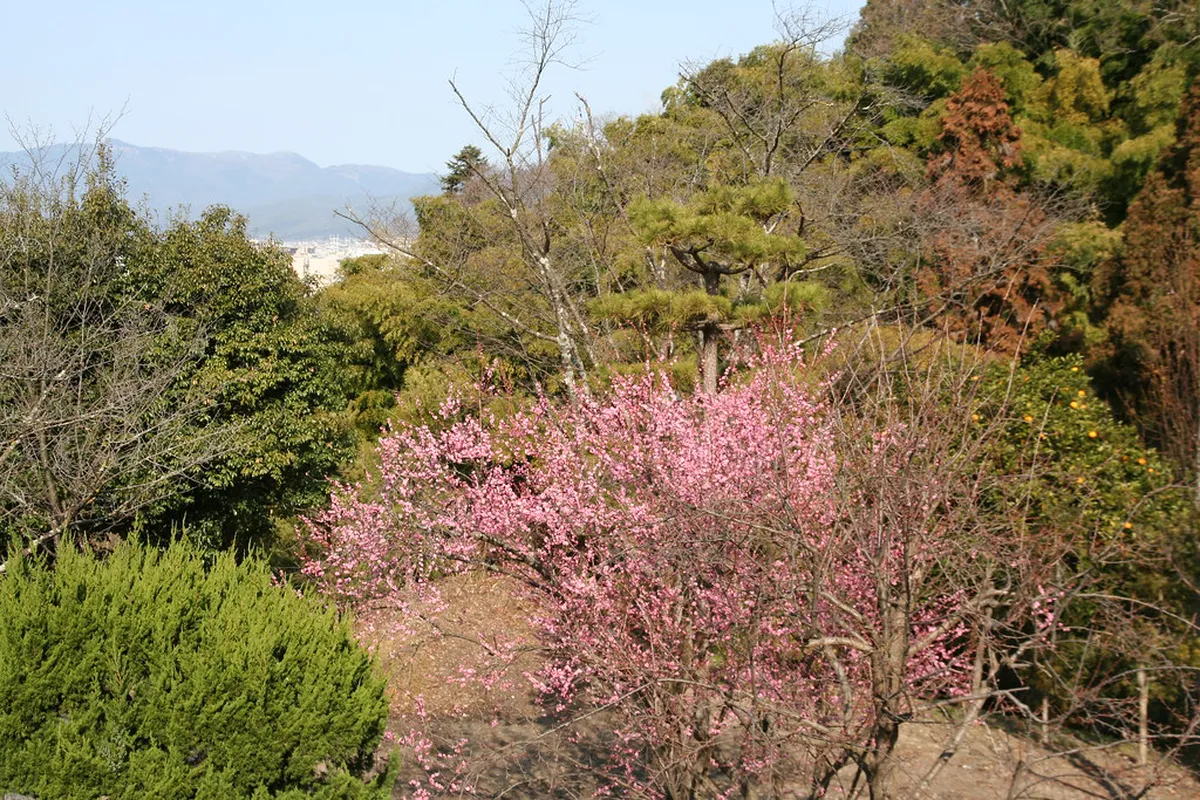
| Feature | Plum Blossoms (Ume) | Cherry Blossoms (Sakura) |
|---|---|---|
| Bloom timing | Opens gradually, early February through early March | Opens fast, arriving later in spring |
| Fragrance | Noticeably sweet scent | Little to no scent |
| Visual style | Dense, gnarled branches; blossoms open one at a time | Airy canopies; blossoms open in a rush, nearly all at once |
| Mood | Contemplative, uncrowded viewing | Festive, crowded viewing |
More February Events Worth Planning Around
Setsubun and the plum blossoms anchor the month, but several smaller events are worth building a day around. Kobo-san, held on the 21st of every month at To-ji Temple, mixes antiques, street food, and local crafts into one market. Shimogamo Shrine's Winter Mantoro lantern festival, held February 14, lights stone lanterns across the grounds for a quiet evening atmosphere. For the most current schedule, check the Kyoto City Tourism Association guide, since ceremony times can shift from year to year.
| Date | Event | Location |
|---|---|---|
| Feb 2-3 | Setsubun bean-throwing rituals | Citywide, including Yasaka Shrine, Yoshida Shrine, and Mibu-dera |
| Feb 11 | National Foundation Day ceremonies | Shrines and temples citywide |
| Feb 14 | Winter Mantoro lantern festival | Shimogamo Shrine |
| Feb 21 | Kobo-san monthly market | To-ji Temple |
| Feb 25 | Baikasai plum festival and Tenjin-ichi market | Kitano Tenmangu |
Warming Up: Onsen, Tea Ceremony, and Winter Food
A tea ceremony session, typically around 60 minutes, works well as an indoor warm-up between temple stops. February sessions often build in plum-blossom motifs, and the wagashi sweets served alongside the tea shift shape as the month progresses, from bud-like early on to full-bloom designs by late February. Funaoka Onsen, one of Kyoto's older neighborhood bathhouses, is a straightforward way to warm up after a day of walking. Kurama's onsen is also worth considering if the mountain train to Kurama is running on its normal schedule. Nanzen-ji's temple-adjacent restaurants serve yudofu, hot tofu simmered in kombu broth, a dish that reflects the temple's Buddhist vegetarian roots. Hot pot restaurants around the city also lean into the cold, with shabu-shabu and sukiyaki both common choices for a sit-down warm-up after dark.
With overnight lows near 2°C, a tea ceremony session around 60 minutes becomes essential climate control between temple visits—practical necessity, not cultural luxury.
Quiet Corners Worth the Detour
The Philosopher's Path runs along a stone-lined canal linking several lesser-known temples. February's thin crowds make it one of the better months to walk it slowly. Craft workshops around the city, covering pottery and textile arts, tend to offer more individual attention during the slow winter season than in peak months. University districts also run smaller festivals of their own in February, blending traditional customs with a more contemporary campus energy.
Getting Around Kyoto in Winter
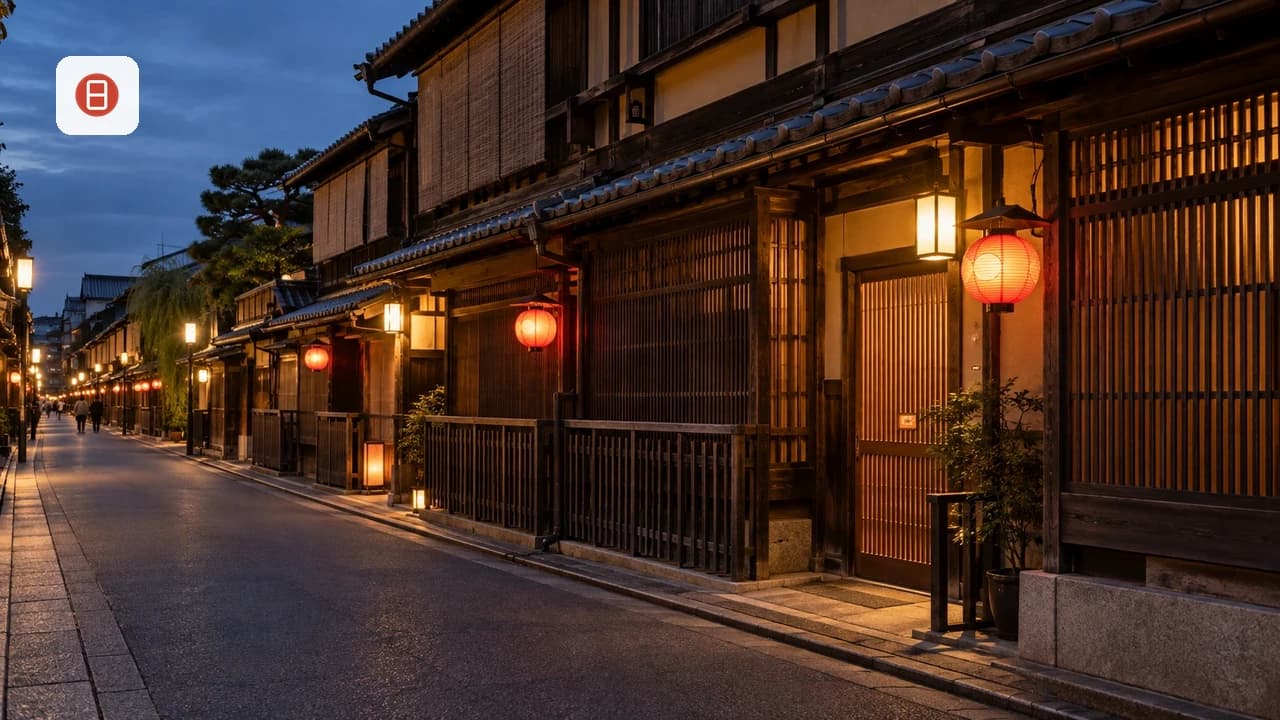
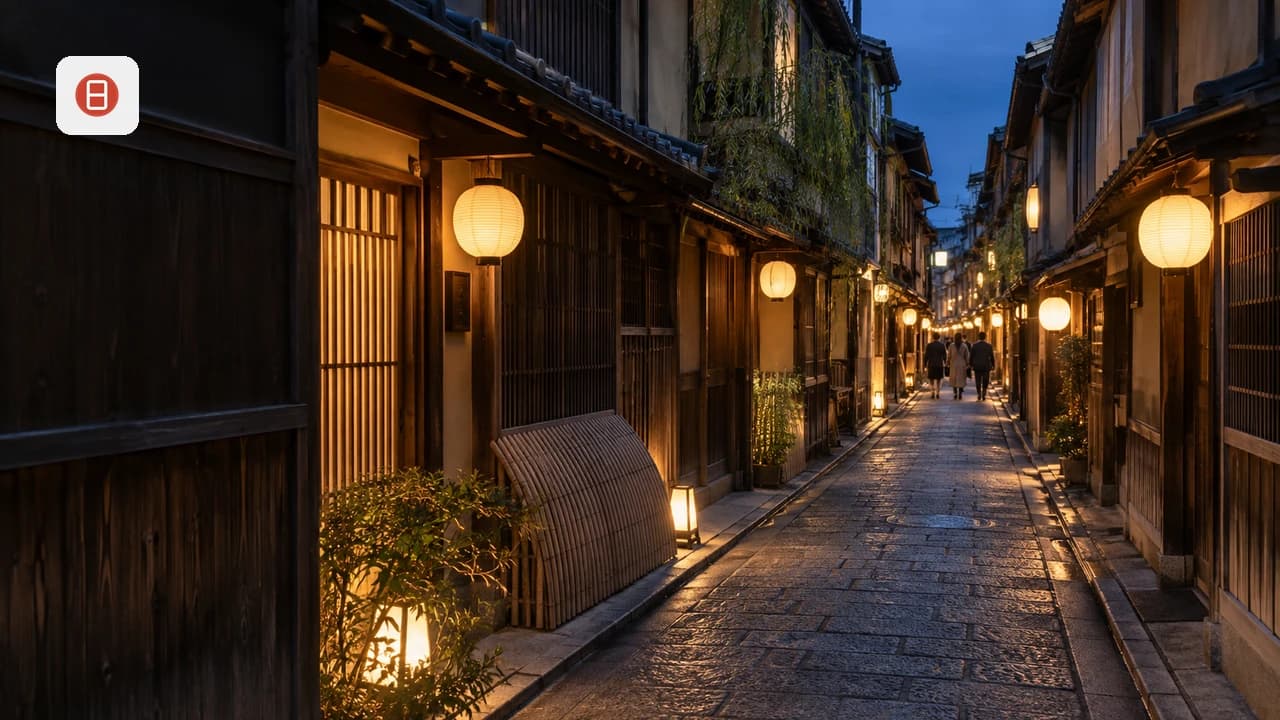
Arashiyama's bamboo grove and Gion's lantern-lit lanes both thin out in February. It is one of the few months either can be walked without dodging tour groups. Kyoto Station serves as the main transit hub and keeps heated waiting areas open during the cold months, a useful stop between train connections. The Keihan Main Line connects central Kyoto to the Fushimi area, including Fushimi Inari Station. Gion Shijo Station, on the same line, provides access to Yasaka Shrine and the surrounding district. The Tozai Line subway also reaches several major attractions, without the cold wait a bus stop involves. Both subway lines run heated cars, a real advantage on the coldest mornings. Fushimi Inari's torii-gate paths photograph cleanest in February, before spring brings the umbrellas and selfie sticks that crowd the trail from April onward. Shrine hours and access details are on the Fushimi Inari Taisha official site. Kinkaku-ji, Kiyomizu-dera, and most major temples typically keep standard winter closing times of around 16:30 or 17:00. Confirm exact hours before the last entry of the day, since some sites trim hours further in deep winter. Beyond temples and festivals, the 20 Best Kyoto Attractions in 2026 guide covers additional sights worth adding to the itinerary.
Where to Stay in February
Central districts such as Gion, Kawaramachi, and Higashiyama keep the shortest walk to temples, dining, and train lines during the year's shortest daylight hours. Ryokan stays gain extra appeal in February, since many offer heated tatami rooms and seasonal set-course meals suited to a cold-weather stay. Northern areas such as Ohara or Kurama sit quieter and more scenic, but colder and less convenient unless paired with guided transport. Book well ahead for the last week of February, when Baikasai and Tenjin-ichi both draw visitors to the Kitano Tenmangu area on the same day. Hotels near Kyoto Station also work well for early starts, with direct access to the Keihan Main Line covered above.
Kitano Tenmangu's 1,500 plum trees concentrate both Baikasai festival and Tenjin-ichi market crowds on February 25—accommodation in the area requires booking weeks ahead, not days.
A Sample One-Day February Itinerary
A one-day route through Kitano Tenmangu, Nishiki Market, and Higashiyama covers the month's highlights without backtracking across the city. Adjust the order around Setsubun or Baikasai if either festival lands during the stay.
- Morning: Kitano Tenmangu for plum blossoms, arriving near opening to beat the crowds if visiting on or near February 25.
- Midday: Nishiki Market for hot street food, a practical way to warm up between outdoor stops.
- Afternoon: a Higashiyama temple walk, with an extra pair of socks ready for any unheated wooden floors.
- Evening: Setsubun festivities at Yoshida Shrine on February 2 or 3, or a sit-down yudofu or nabe dinner in Gion on other nights.
Frequently Asked Questions
Is Kyoto cold in February?
Yes, February is Kyoto's coldest month, with daytime highs near 10°C (50°F) and overnight lows near 2°C (35°F). Morning frost is common on temple gardens, and light snow is possible but usually melts within a day.
When do plum blossoms bloom in Kyoto?
Plum blossoms typically open from early February through early March, depending on the variety and shrine. Kitano Tenmangu's Baikasai festival, held February 25, marks peak viewing alongside the shrine's outdoor tea ceremony.
What is Setsubun and when does it happen in Kyoto?
Setsubun is a bean-throwing ritual marking the symbolic end of winter, usually held February 2 or 3. Yasaka Shrine, Yoshida Shrine, and Mibu-dera each host a distinct version, from dance performances to bonfires and traditional Kyogen theater.
Do temples keep their normal hours in February?
Most major temples, including Kinkaku-ji and Kiyomizu-dera, typically keep standard winter closing times of around 16:30 or 17:00. It is worth confirming exact hours before visiting, since some sites adjust for the season.
Is Fushimi Inari crowded in February?
February is one of the quieter months at Fushimi Inari, with thinner crowds along the torii-gate paths than in spring or autumn. It is also a strong month for clean photos of the gates, without the crowds that fill the paths from April onward.
How does February compare to March for cherry blossoms?
March and April bring Kyoto's cherry blossom season, while February belongs to plum blossoms and Setsubun instead. Travelers set on cherry blossoms should plan for those later months rather than February.
What should you pack for Kyoto in February?
Pack a proper coat, gloves, and thick-soled shoes for temperatures between about 2°C and 10°C (35°F to 50°F). Bring thick socks or a spare pair for temple visits, since shoes come off at the entrance and floors stay unheated, plus a few kairo heat packs for extra warmth.
Can you see geiko or maiko in Kyoto in February?
Sightings are possible but not guaranteed, especially in Gion and Kamishichiken, since these districts see fewer tourists in February than in spring. Geiko and maiko also perform at scheduled events, such as Yasaka Shrine's Setsubun ceremony and Kitano Tenmangu's Baikasai tea ceremony.
Free: The Kyoto Essentials guide
Top things to do, where to stay, a perfect day plan, getting around, and the best time to go — a Kyoto mini-guide you can take offline.
You might also like
Continue reading
More guides you'll find useful