

Hatsumode: A Traveler's Guide to Japan's New Year Shrine Visit
What hatsumode is, when to go, which shrines to pick, what it costs, and how to do it respectfully: a practical guide for visiting Japan over New Year.
On this page
Last updated September 2026, hatsumode is Japan's first shrine or temple visit of the new year, typically made between January 1 and January 3. Visitors pray for the year ahead, pick up a fortune slip or protective charm, and often follow the visit with family meals at home. This guide compares when to go, which shrine or temple suits different travelers, and what the etiquette, costs, and common mistakes look like across Japan, not only Tokyo.
What Is Hatsumode?
Hatsumode (初詣) combines two kanji: the first means 'first' and the second means 'visiting a shrine or temple.' The custom centers on the first three days of January, though any early-year visit technically counts. Accounts of its origins vary. Some trace it to Edo-period direction-based visits called ehomairi, others to a Meiji-era custom promoted by railway companies, and still others place its roots in the Heian period. Rather than treat any one version as settled, plan around the modern window: most residents visit between January 1 and January 3, before daily routines resume. For the fuller New Year calendar around hatsumode, see the New Year in Japan overview. Cultural context on related customs, from omisoka to ehomairi, sits in Japan's New Year traditions.
When to Go: Midnight, New Year's Day, or Later?
Timing hatsumode is mostly a trade-off between atmosphere and comfort. Midnight on December 31 delivers the loudest ritual moment: temple bells ring 108 times in a practice called joya no kane. Shrine gates at major sites often open specifically for the changeover. Waits for the main prayer hall commonly run an hour or longer during this window, so dress for the cold. Choose a later slot and the visit gets calmer without losing the tradition. Countdown events and broader travel logistics get a fuller rundown in the New Year's Eve guide. Seasonal timing more broadly is covered in the January travel window. If hatsumode is anchoring a longer New Year trip, cross-check dates against broader seasonal timing for Japan.
The midnight joya no kane ritual rings temple bells 108 times, though some temples now offer paid ¥1,000 ceremonies to participate directly.
- Midnight, December 31 into January 1: peak atmosphere, joya no kane bell-ringing at major temples, the longest queues, and the coldest wait.
- January 1 daytime: still busy, but daylight makes crowds and photos easier to manage.
- January 2-3: shorter lines at most shrines, with charms and stalls still available.
- Later in January: the quietest option, though some temporary stalls and special ceremonies have already wrapped up.
Where to Go: Major Shrines and Temples vs. Neighborhood Options
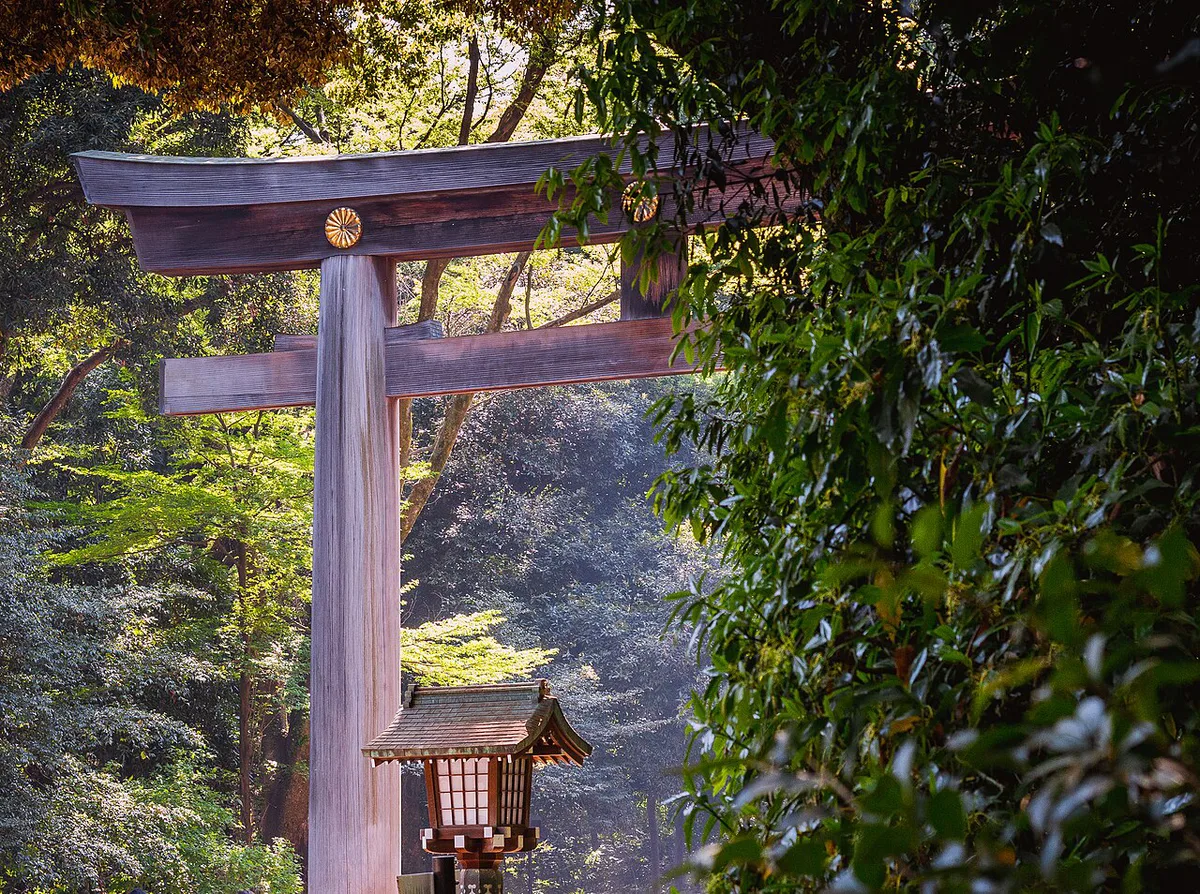
Shrine choice comes down to the kind of first visit wanted. Match the pick to traveler type below. Current visiting details for the shrine appear on the Meiji Jingu official site. Fushimi Inari Taisha's access notes are posted on its official Fushimi Inari site. Seasonal Kyoto context is available from Kyoto's official travel site.
- Spectacle-seekers: Meiji Jingu in Shibuya, Senso-ji in Asakusa, Kawasaki Daishi, Narita-san Shinshoji, and Dazaifu Tenmangu all draw dense hatsumode crowds and strong festival energy.
- Quiet first-timers: a neighborhood shrine or temple offers the same ritual sequence with a much shorter wait.
- Sunrise combiners: Tokyo's Mt Takao pairs hatsumode with sunrise viewing, about 50 minutes by train from Shinjuku Station; its cable car has started operating from 5am on January 1 in recent seasons, so confirm current hours before planning around it.
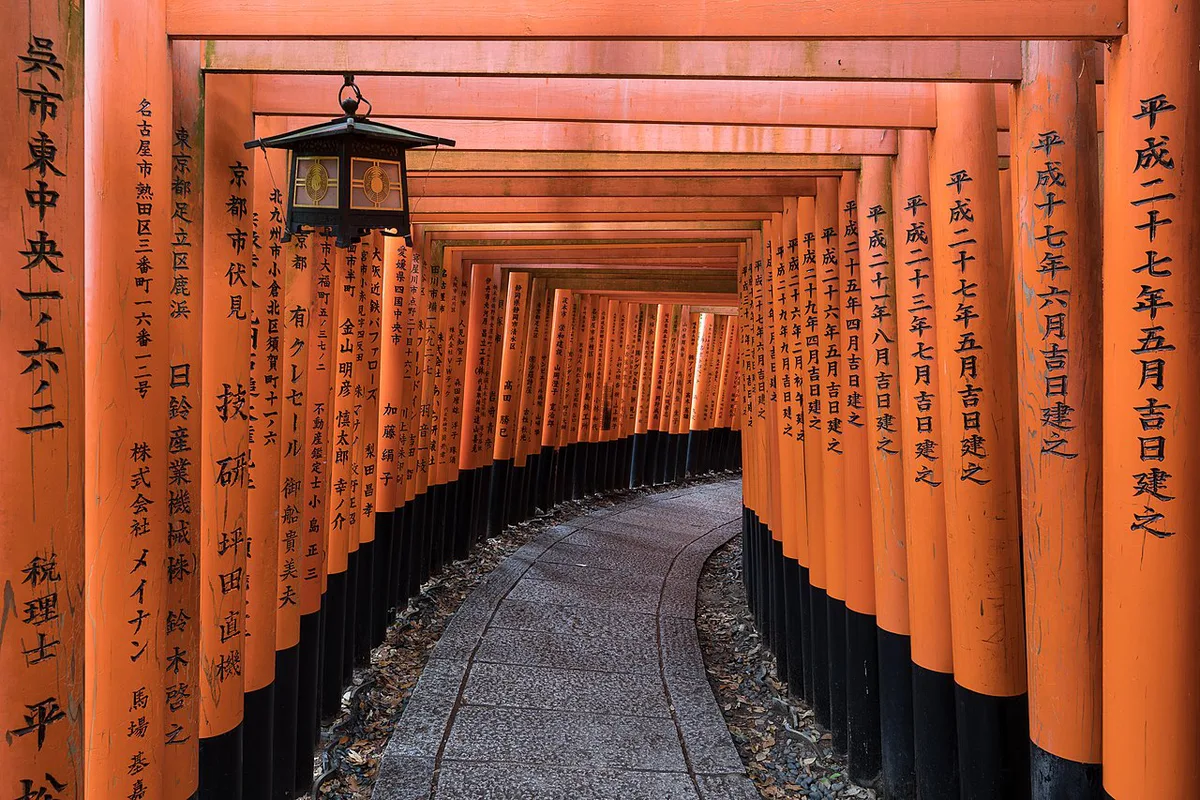
- Regional travelers: Kyoto's Fushimi Inari Taisha is a common Kansai pick, its approach lined with thousands of vermilion torii gates.
Shinto Shrine Etiquette vs. Buddhist Temple Etiquette
Shrine and temple etiquette overlap at the start and diverge at the prayer itself. The table below lines up each step side by side. Both traditions expect quiet, unhurried movement near the altar or main hall.
Both Shinto shrines and Buddhist temples accept five yen as the customary offering, making this modest coin appropriate across both traditions.
| Step | Shinto Shrine | Buddhist Temple |
|---|---|---|
| Entrance | Bow before passing through the torii gate | Bow at the gate; no torii bow needed |
| Purification | Wash hands and mouth at the temizuya fountain | Wash hands and mouth at the temizuya fountain |
| Offering | Place a coin in the offering box | Place a coin in the offering box |
| Bell or incense | Ring the bell, if the shrine has one | Light incense instead; no bell ritual |
| Prayer | Bow twice, clap twice, pray silently, bow once more | Press palms together silently; no clapping |
What to Buy: Omikuji, Omamori, Ofuda, and Hamaya
Four items define the hatsumode shopping list. Omikuji are randomly drawn fortune slips, sorted into as many as seven luck categories from daikichi (great luck) to daikyo (great misfortune). A bad draw is commonly tied to a rack or tree on the grounds rather than taken home. Omamori are small cloth charms for specific wishes such as health, travel safety, or exam success, and custom holds that they return to a shrine after about a year. Ofuda are paper or wooden talismans meant for a household altar, representing the enshrined deity. Hamaya are arrow-shaped charms said to ward off evil, typically displayed alongside an ofuda and also renewed yearly.
Food and Atmosphere at Hatsumode
Food stalls line the approach at most major shrines and temples, selling oden, yakisoba, takoyaki, and amazake, a warm, low-alcohol rice drink offered at several sites. Stall hours vary by location and by season. At busy temples, stalls often wind down by early evening even when the grounds themselves stay open all night, so confirm timing locally before a visit. Many families follow the shrine visit with home cooking tied to the New Year rather than to hatsumode itself. Osechi ryori's lacquered-box dishes, ozoni soup with mochi, and toso spiced sake are the standard staples. For help putting that meal together, see the guide to assembling an osechi spread.
Costs to Expect at Hatsumode
Hatsumode costs break down by category rather than a single ticket price. A small coin, often five yen, is the customary shrine or temple offering. Omikuji fortune slips and omamori charms are priced individually by each shrine, so check the stall price rather than assume a fixed rate. Festival food from stalls adds a real, if modest, cost per item. Optional paid extras exist at some temples. Tokyo's Gohyaku Rakanji Temple, for example, listed a ¥2,000 seasonal soba tasting and a ¥1,000 joya no kane bell-ringing ticket for its 2025-2026 season. Treat those figures as one temple's snapshot rather than a national rate, and confirm current pricing before counting on it. Bring cash; card acceptance at shrine stalls is inconsistent. Cash and IC card logistics for the rest of the trip are covered in the guide to managing cash and IC cards.
Getting There: Transport and Timing
Most major train lines serving stops near popular shrines and temples typically extend service through the night on December 31. That eases the trip home after a midnight visit. Confirm the current schedule with the operator on your route, since exact hours are set season by season. Layer up: waits at the prayer hall commonly stretch past an hour at popular sites, and temperatures drop fast after dark in early January. A packing list built around warm layers and hand warmers matters more for hatsumode than for most winter sightseeing. See the guide to packing for winter travel for specifics. Broader trip-planning logistics, from regional transport to accommodation timing, sit in the broader Japan trip planning guide.
Mistakes to Avoid at Hatsumode
A handful of repeat mistakes show up across hatsumode visits, most avoidable with a little planning.
- Walk to the side of the shrine approach, not the center; that path is reserved for the deity.
- Skip clapping at a Buddhist temple. The Shinto bow-clap-bow sequence does not apply there.
- Do not skip hand-and-mouth purification at the temizuya before praying.
- Carry cash. Offering boxes and charm stalls mostly expect coins or small bills.
- Budget real time for the queue; waits of an hour or more are common at popular shrines on peak days.
- Dress for real cold; early January nights make a long outdoor wait uncomfortable without proper layers.
Beyond Tokyo: Regional Notes on Hatsumode
Hatsumode happens nationwide, not only in Tokyo. The same when-to-go and etiquette logic applies whether the destination is Kyoto's Fushimi Inari Taisha, a Kansai neighborhood shrine, or a temple in Kyushu or Hokkaido. Shrine size and regional popularity drive crowd size more than location does. In the Kansai region specifically, the older ehomairi custom of visiting a shrine in the year's lucky direction still shapes some family traditions. Most travelers today simply pick a convenient or well-known shrine instead. Lunar New Year celebrations are easy to confuse with hatsumode, but the two sit on separate calendars and separate dates. Kobe's Nankinmachi district holds its own Chinese New Year celebration weeks later, tied to the lunar calendar rather than the Gregorian one. General seasonal travel planning across the country is covered by the Japan National Tourism Organization.
Frequently Asked Questions
What is hatsumode and when does it happen?
Hatsumode is the first shrine or temple visit of the Japanese New Year, made mainly between January 1 and January 3. Some visitors go right at midnight on December 31, while others wait until later in January when lines are shorter.
Is hatsumode only celebrated in Tokyo?
No, hatsumode happens at shrines and temples across Japan, from Kyoto's Fushimi Inari Taisha to neighborhood shrines in every region. Tokyo's shrines get outsized international attention, but the custom itself is nationwide.
What's the difference between visiting a shrine vs. a temple for hatsumode?
At a Shinto shrine, the sequence is bow, purify hands and mouth, offer a coin, then bow twice, clap twice, pray, and bow once more. Buddhist temple visitors skip the clapping, press palms together silently, and use incense rather than a bell for purification.
How much does a hatsumode visit typically cost?
Costs break down by category: a small coin offering, often five yen, an omamori or omikuji priced individually by each shrine, and festival food from stalls. Some temples also sell optional ceremony tickets. Tokyo's Gohyaku Rakanji listed a ¥1,000 bell-ringing ticket for its 2025-2026 season, though pricing varies by temple and year.
What should you avoid doing during hatsumode?
Skip walking down the center of the shrine approach; that path is reserved for the deity. Do not clap at a Buddhist temple, and do not skip the hand-and-mouth purification before praying. Bring cash, since offering boxes and charm stalls mostly expect coins or small bills, and plan for a wait of an hour or more at popular sites.
What is ninenmairi?
Ninenmairi, or two-year visit, is a style of hatsumode that starts before midnight on New Year's Eve and continues into New Year's Day, spanning two calendar years in one visit. Some visitors write wishes on an ema plaque and eat toshikoshi soba shortly before midnight as part of the same outing.
Free guide: Japan's Hidden Gems
12 under-the-radar places beyond Tokyo & Kyoto — with the best season to visit each and a local tip you won't find in the guidebooks.
You might also like


Continue reading
More guides you'll find useful


