
Japan in January: Weather, Events, New Year Traditions & Travel Tips
Plan a January trip to Japan with regional weather patterns, New Year traditions, ski-season timing, and a practical packing checklist.
On this page
Last updated September 2026, Japan in January means cold, dry weather across most of Honshu and steady snow in Hokkaido. The country is also easing out of its biggest holiday, so shops, restaurants, and attractions run reduced hours through the first week of the month. This guide covers regional conditions, New Year customs to plan around, where to go, ski access trade-offs, and a practical packing list.
Japan in January at a Glance
January in Japan splits into two windows. The first week is a holiday hangover, with gradual reopenings and thinner transit schedules. Crowds thin out and rates settle down once the back half of the month arrives. Most shops and restaurants reopen gradually between January 2 and January 4, though many keep shorter hours through the first week. Central Japan stays cold and dry for most of the month, while the north sees steady snow. First-time visitors comparing seasons should also check the seasonal comparison guide for how January stacks up against spring and autumn. Anyone arriving in early January should plan around New Year closures more than around the weather. Travelers building a full itinerary can pair this with trip-length and transport planning for the rest of the country.
- Reopening window: most shops and restaurants resume gradual, full operation between January 2 and January 4
- Coldest, driest stretch of the year in central and western Japan, with the heaviest snow in Hokkaido
- Coming of Age Day falls on the second Monday of January every year
- The year's first Grand Sumo Tournament, one of six annual meets, runs in Tokyo this month
Weather in Japan in January, by Region
January is one of Japan's coldest, driest months, with clear skies common in central and western cities and heavy snow dominating the north. Exact daily highs shift from year to year, so check a current seasonal forecast before packing rather than relying on any single site's averages. Snow accumulation in Tokyo, Osaka, and Hiroshima stays rare, while Sapporo and the rest of Hokkaido see consistent snowfall through the month. Kyoto sits between the two extremes, with occasional light snow settling on temple roofs more often than on city streets. Its own visitor site, the Kyoto travel guide, publishes updated temple hours each winter and is worth checking closer to a January trip. January's dry air also means fewer rain delays than Japan's early-summer rainy season brings, even in regions that see occasional snow.
| Region | Typical January Conditions | Snow Likelihood | Good For |
|---|---|---|---|
| Tokyo | Cold, mostly dry, frequent sunshine | Low, rarely settles | Winter illuminations, New Year shrine visits |
| Kyoto | Cold mornings and evenings, occasional light snow | Low to moderate | Quieter temples, snow-dusted shrine photos |
| Osaka | Cool and comparatively dry | Low | Street food in Dotonbori, indoor markets |
| Sapporo / Hokkaido | Subfreezing with consistent snowfall | High, accumulates all month | Skiing, snow-festival prep, onsen soaks |
| Hiroshima | Cool, relatively dry, brisk mornings | Low | Peace Memorial Park, Miyajima day trips |
New Year in Japan: Shogatsu, Hatsumode & What to Plan Around
Shogatsu, Japan's New Year holiday, gets full coverage in the Japan's New Year season guide, and it shapes nearly everything about visiting the country this month. Families gather at home for the first few days, so many small businesses close or trim their hours right when travelers arrive. Hatsumode, the year's first shrine visit, is the Shogatsu custom most travelers can join. Tokyo's Meiji Jingu is among the country's most visited hatsumode sites each New Year. For full etiquette and timing, see how a hatsumode visit works. New Year meals built around osechi ryori, layered boxes of symbolic dishes, are explained further in the osechi ryori dishes guide. Anyone arriving on or before December 31 should also check New Year's Eve countdown events and last-train timing. For deeper customs behind Shogatsu, from mochi pounding to New Year cards, see the wider New Year traditions rundown. Shops typically start reopening for New Year sales on January 1 or 2, drawing lines outside department stores in districts like Ginza, Shibuya, Harajuku, and Aoyama. Many of those stores sell fukubukuro, sealed lucky bags priced well under the combined value of what's inside, as part of the same reopening rush. Coming of Age Day, a national holiday for 20-year-olds, falls on the second Monday of January and fills city halls with young adults in kimono. Sightseers cannot join the ceremony itself, but the kimono-clad crowds around train stations and shrines are visible to anyone in town that day. Miyajima's Itsukushima Shrine has run a New Year program in past years on January 1 through 3 and January 5, with traditional dance and music; confirm current dates with the shrine before building a trip around it. Convenience stores and train lines typically keep operating through the holiday, even as department stores and small restaurants scale back. Postal services, banks, and government offices also close for the first few days of January, which matters most for an in-person errand rather than sightseeing. Reserve a restaurant well ahead if a specific spot matters during the first week, since seating runs scarcer while businesses scale back.
Best Places to Go in Japan in January
Snow, quiet temples, or warmer weather each point to a different base for the month. Kyoto, Sapporo, Tokyo, Hakone, and Shirakawa-go cover the main options, while Okinawa and Kobe add two regional variations.
- Kyoto: temple and shrine crowds thin out compared with cherry blossom or autumn foliage season. Fushimi Inari Taisha's torii gates are easier to walk and photograph without a queue this time of year.
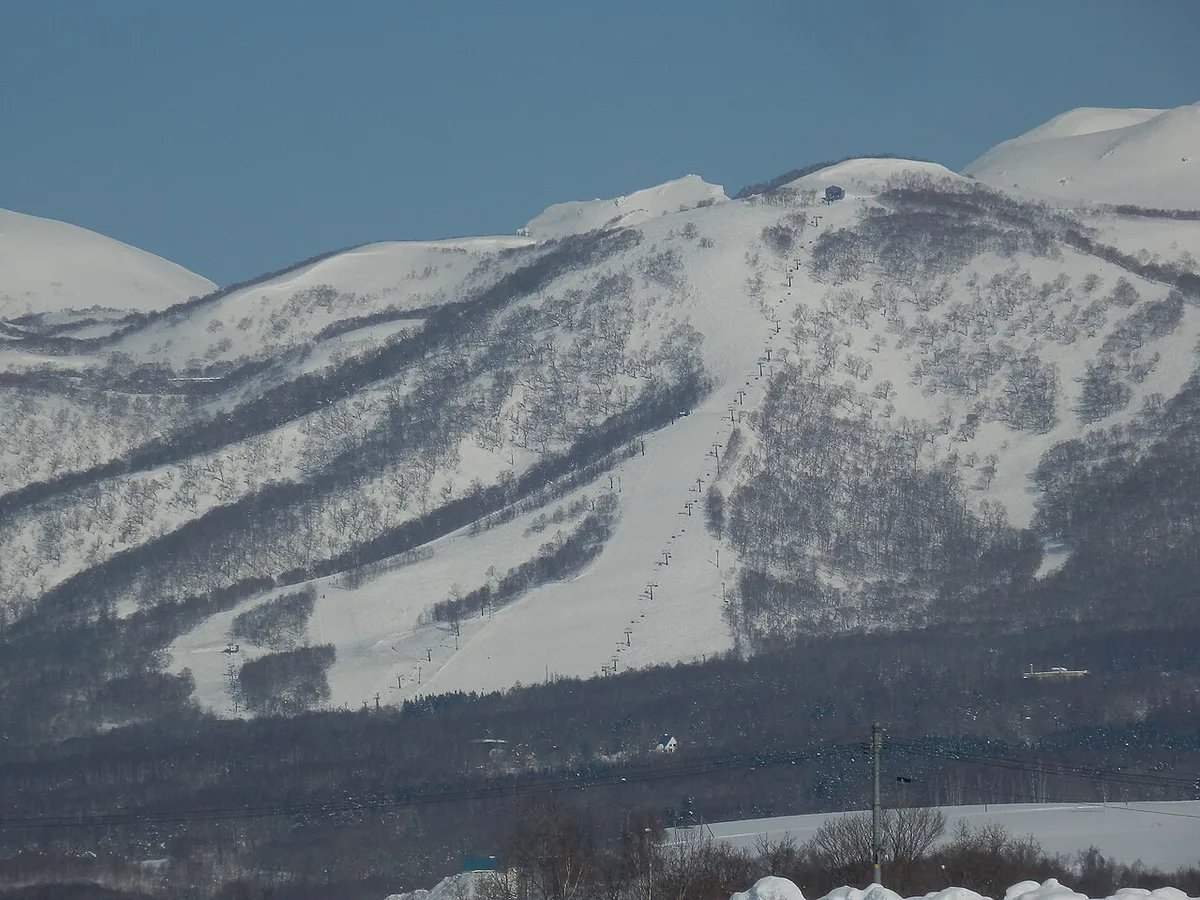
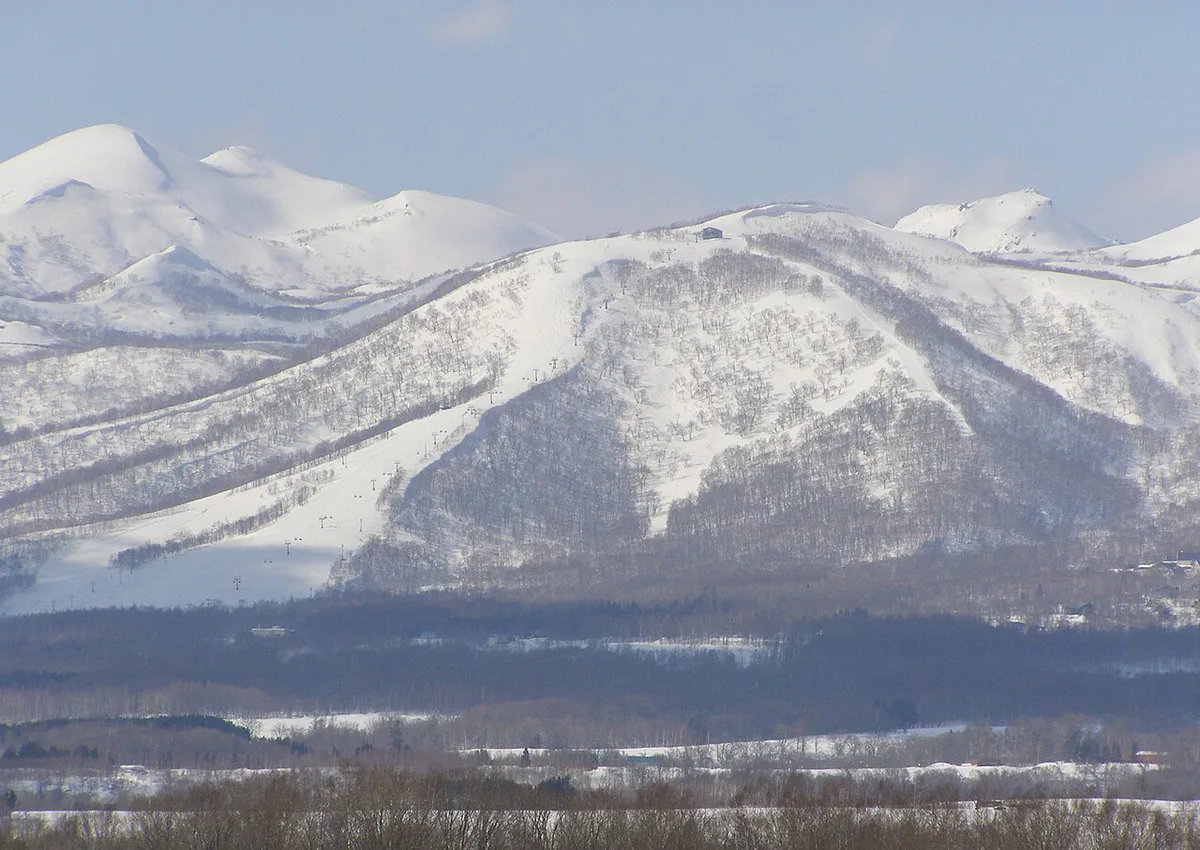
- Sapporo and Hokkaido: consistent snowfall makes this the country's most reliable base for skiing and snowboarding. Local ski areas trace back to the 1972 Winter Olympics, and onsen towns nearby make an easy add-on after a day on snow.
- Tokyo: illuminated shopping streets, hatsumode crowds at major shrines, and the year's first Grand Sumo Tournament, one of six held annually, all fall in January. Ginza, Shibuya, Harajuku, and Aoyama draw the biggest post-holiday shopping crowds.
- Hakone: hot-spring baths against cold mountain air, with some of the clearest winter views of Mt. Fuji from Lake Ashi. Fewer visitors in January can mean shorter waits for the Lake Ashi boat cruise.
- Shirakawa-go: snow-covered thatched-roof farmhouses, plus a Light-Up Event that has typically illuminated the village for about two hours after dark. The event draws heavy demand, so confirm current-year reservation rules before planning a visit around it.
- Okinawa: roughly 400 miles south of the mainland, this island group stays Japan's warmest January option, with an off-season lull in crowds. Humpback whale season is also beginning around this time of year.
- Kobe: Kobe's Chinatown New Year event is worth checking as an optional add-on, though it follows the lunar calendar and does not land in January every year. Confirm the date for the specific year before building a Kansai itinerary around it.
Skiing & Winter Activities: Cost and Access Trade-offs
Skiing is one of January's biggest draws, but the right base depends on time and budget, not just snow quality. Nagano and the Myoko mountains sit close enough to Tokyo for a day trip by direct train, which skips the extra cost of flights and multiple hotel nights. Hokkaido delivers longer, drier powder and a full winter season, but reaching it means booking a flight plus several nights of lodging rather than a same-day return. Sapporo's ski areas include slopes first developed for the 1972 Winter Olympics, and the region holds snow reliably from early in the month through the end of January. A short Nagano trip suits travelers who want one or two ski days without leaving a Tokyo-based itinerary. Travelers who want powder conditions and don't mind extra flights and nights should lean toward a longer Hokkaido stay. Either base works for a first January ski trip; the deciding factor is usually how many ski days are planned against how much time should stay in cities.
Sapporo's -3.2°C average demands warmer gear than Tokyo or Osaka bases; insulated outerwear and snow boots transition from nice-to-have to essential.
Costs, Crowds & Booking Timing: Early vs. Late January
Japan's national tourism board notes that the New Year travel week brings higher prices and tighter flight, train, and hotel availability. That squeeze eases once the reopening wave described above finishes. Booking arrival on or after January 4 usually means more room choice and steadier pricing than booking for January 1 through 3. Crowds follow a similar curve. The first week draws the year's heaviest domestic travel. Quieter travel takes over during the back half of January, until ski weekends pick up. Carry more cash than usual during the closure window, since some smaller shops and ATMs run reduced hours too. The IC card and cash basics guide covers which cards and machines stay reliable that week. Late January also lines up with the emptiest ski-resort weekdays, before the pre-Sapporo-Snow-Festival crowds of February build. For a first visit, arriving a few days after New Year's Day usually balances cost, crowd size, and convenience better than arriving right on January 1. Late bookings in the back half of the month also leave more flexibility if a ski forecast or event date shifts.
Booking January 4 or later aligns with when most shops and restaurants return to full hours, opening more dining and shopping options.
What to Pack for Japan in January
Layering matters more than any single heavy coat, since heated trains and shops swing warm against freezing platforms outside. Hokkaido and mountain ski bases call for warmer gear than Tokyo or Osaka ever need. For a complete rundown by category, a category-by-category packing checklist breaks down layers, footwear, and electronics for winter travel.
- Base layers plus a mid-weight sweater for heated indoor spaces
- A windproof or insulated coat for outdoor cold
- Waterproof boots and thick socks for Hokkaido or ski resorts
- Hand and foot warmers, sold cheaply at convenience stores
- A compact umbrella or packable shell for sudden coastal showers
Mistakes to Avoid in Japan in January
Most January problems come from timing, not weather. A few recurring mistakes catch first-time visitors off guard, and most are easy to avoid with a little planning.
- Booking a flight or hotel for January 1 through 3 and expecting typical pricing and availability, when the national tourism board flags this window as the tightest of the month.
- Assuming every shop reopens by January 2; many stay on reduced hours through January 4 and beyond.
- Skipping cash withdrawal before the holiday, when some ATMs and smaller shops run shorter hours.
- Planning a Kobe trip specifically around the Chinatown New Year event without checking the date, since the lunar calendar means it does not always fall in January.
- Treating Coming of Age Day, the second Monday of January, as a spectator event; the ceremonies themselves stay closed to visitors, though kimono-clad crowds outside are easy to see.
- Picking a ski base by name recognition alone instead of weighing a Nagano day trip against a multi-night Hokkaido stay.
- Expecting the same weather everywhere; Hokkaido's winter has little in common with Osaka's cooler but largely snow-free January.
- Leaving New Year's Eve travel plans until the last minute, when countdown events and last trains both fill up fast.
Typical January Temperatures by City
Japan Meteorological Agency 1991–2020 climate normals provide a consistent January baseline. These are monthly averages, not a daily forecast. Check current forecasts before departure, especially for mountain routes and Hokkaido.
- Tokyo: 5.4°C average temperature
- Kyoto: 4.6°C average temperature
- Osaka: 6.2°C average temperature
- Sapporo: -3.2°C average temperature
- Hiroshima: 5.7°C average temperature
Tokyo, Kyoto, Osaka, and Hiroshima usually have cold mornings but many dry, bright days. Sapporo remains below freezing on average, so insulated outerwear and snow-ready footwear matter far more there. Wind, shade, and evening temperatures can make cities feel colder than these averages suggest.
Frequently Asked Questions
Is January a good time to visit Japan?
January works well if travelers plan around the New Year closures during the first few days. Crowds and prices are generally lower than during cherry blossom or autumn foliage season, once the holiday rush passes. Skiing, hatsumode shrine visits, and quieter temples are the month's biggest draws.
What is the weather like in Japan in January?
Central and western Japan stay cold and dry, with clear skies common in cities like Tokyo, Kyoto, and Osaka. Hokkaido sees subfreezing temperatures and consistent snowfall through the month. Exact daily highs shift year to year, so check a current forecast rather than a single travel site's averages.
Does it snow in Japan in January?
Snow is common and reliable in Hokkaido and mountain ski areas throughout January. Snow accumulation in Tokyo, Osaka, and Hiroshima stays rare, though Kyoto sometimes gets a light dusting on temple grounds.
Is January good for skiing in Japan?
Yes. January sits in the middle of ski season, with reliable snow in Hokkaido and the Nagano and Niigata mountains. A Nagano day trip suits a short ski add-on from Tokyo, while a Hokkaido stay suits a dedicated powder trip.
Are crowds lower in Japan in January?
Crowds run highest during the New Year holiday itself, especially around shrines and shopping districts. They ease noticeably once the back half of the month arrives, before ski weekends pick up again.
Is January expensive in Japan?
Flights, trains, and hotels cost more and sell out faster during the New Year travel week. Booking arrival for January 4 or later typically means better availability and steadier pricing than booking for the first days of the month.
What's open or closed in Japan during the New Year holiday?
Most shops and restaurants reopen gradually between January 2 and January 4, though many run shorter hours through the first week. Convenience stores and train lines typically keep operating throughout. Department stores reopen for New Year sales, sometimes as early as January 1 or 2, in districts like Ginza and Shibuya.
What should travelers pack for Japan in January?
Layering matters most: base layers, a mid-weight sweater, and a windproof or insulated coat cover most cities. Hokkaido and ski bases call for a warmer parka, waterproof boots, and thicker gloves. Hand and foot warmers are cheap and widely sold at convenience stores.
How long does the New Year closure last in Japan?
Most businesses begin reopening between January 2 and January 4, though some keep reduced hours through the first week. Major attractions, trains, and convenience stores typically stay open throughout the holiday.
Free guide: Japan's Hidden Gems
12 under-the-radar places beyond Tokyo & Kyoto — with the best season to visit each and a local tip you won't find in the guidebooks.
You might also like


Continue reading
More guides you'll find useful


