
Japan New Year Traditions: A Traveler's Guide to Oshogatsu Customs
What Japan's new year traditions actually involve, from hatsumode and joya no kane to osechi and otoshidama, plus which customs visitors can actually see.
On this page
Last updated September 2026. Japan new year traditions blend private household rituals with public moments any visitor can watch or join. This guide sits under the New Year in Japan overview and separates home customs from public ones.
Japan New Year Traditions: What Is Oshogatsu?
Oshogatsu is the Japanese New Year, and it has fallen on January 1 under the Gregorian calendar since 1873. Public celebrations typically run from December 31 through January 3, with some decorations and closures lingering to January 4. Many Japanese households treat it as the year's central holiday, built around purification, gratitude, and a fresh start. For travelers, the useful split is what happens on the street, where you can watch, and what happens behind a closed door at a family dinner table.
When These Traditions Happen and How Lunar New Year Differs
Japan's Oshogatsu calendar has used the Gregorian date since 1873, replacing the older lunisolar system. Chinese, Korean, and Vietnamese communities still mark Lunar New Year on a different date each year. Japan largely does not follow suit today. A handful of Okinawa and Amami Islands communities once kept the lunar date too, though that practice is rare today. Kobe keeps a visible exception: the city's Chinatown district hosts its own Nankinmachi Lunar New Year celebration each year. If a trip could land on either the solar or lunar holiday, compare the calendar against the Best Time To Visit Japan: A Seasonal & Monthly Travel Guide before booking flights.
Before the New Year: Oosouji Cleaning and Decorations
Deep cleaning, called oosouji, traditionally happens between December 13 and December 28, clearing a home before the holiday begins. Once cleaning wraps up, homes, shops, and hotel lobbies fill with New Year decorations. Visitors will see all of them from mid-December onward without needing an invitation. Decorations typically come down around January 15, the traditional Koshogatsu date, when many are burned in a bonfire called Dondoyaki.
Decorations remain visible through hatsumode's peak (January 1-3), only coming down around January 15, so shrine-visiting overlaps with full seasonal scenery.
- Kadomatsu: pine and bamboo arrangements placed at entrances to invite good fortune
- Shimekazari: a woven rope wreath hung on doors
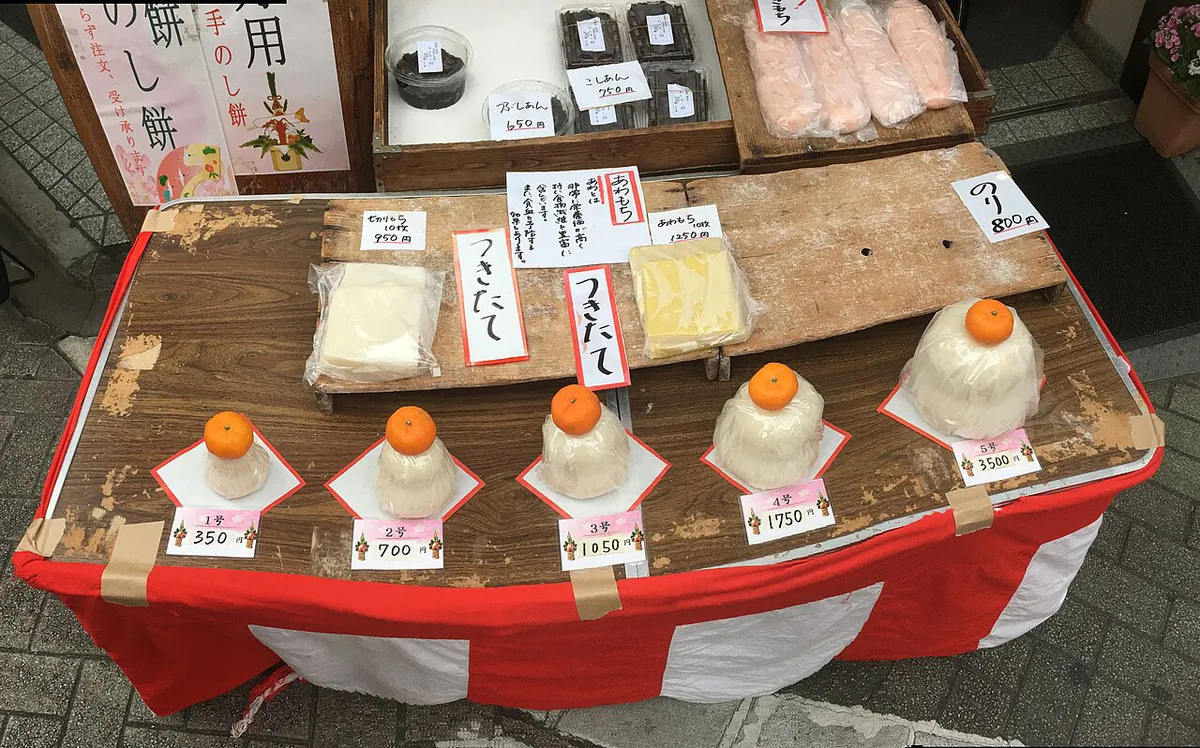
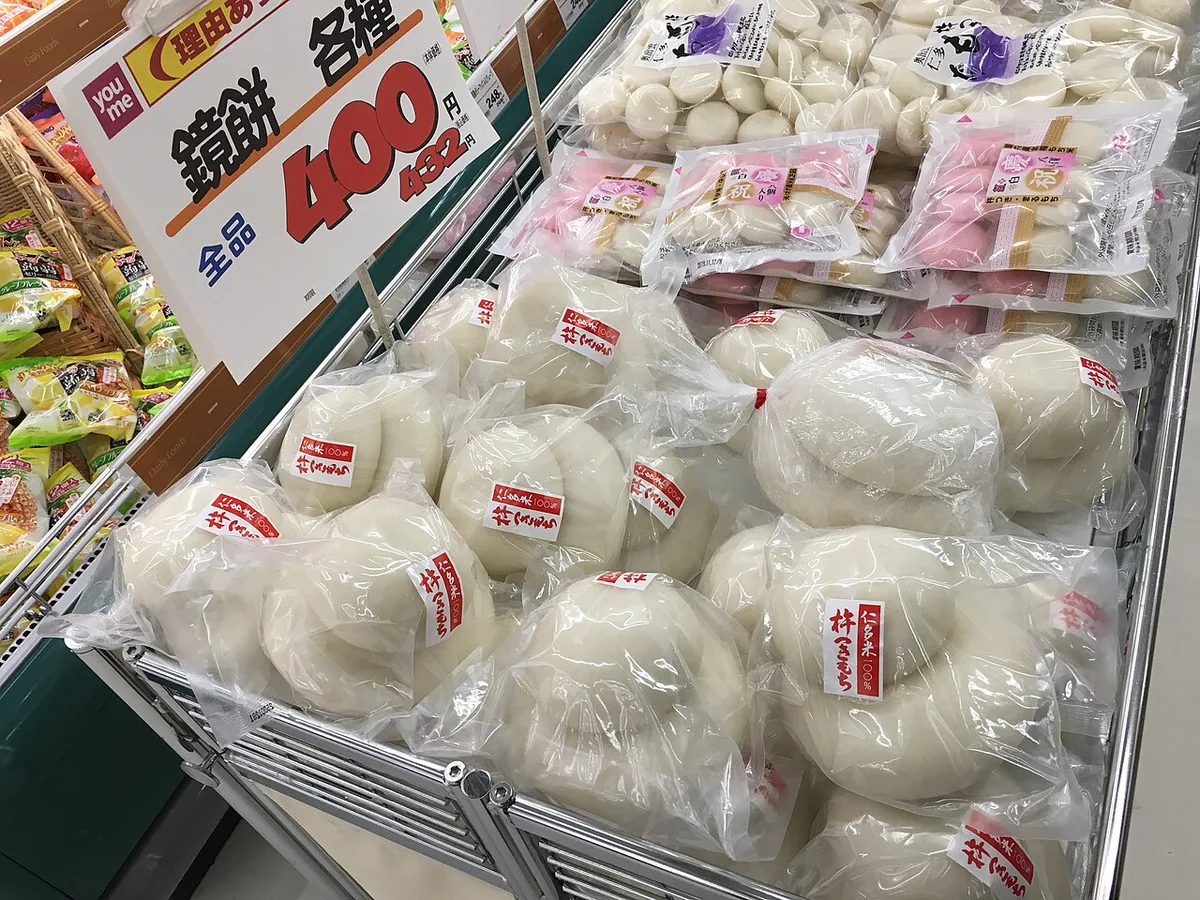
- Kagami mochi: two stacked rice cakes topped with a small citrus
New Year's Eve Customs: Toshikoshi Soba, Joya no Kane, and Kohaku Uta Gassen
On the evening of December 31, families eat toshikoshi soba, long buckwheat noodles meant to symbolize a long life crossing into the new year. Just before midnight, Buddhist temples across the country begin ringing their bells, a practice called Joya no Kane. Each temple strikes the bell 108 times, a count tied to the 108 earthly desires in Buddhist belief. Many households also keep the television on for Kohaku Uta Gassen, an NHK singing competition that airs every New Year's Eve. The New Year's Eve countdown guide covers the full night, including where to watch a bell-ringing in person.
New Year's Day Traditions: Hatsumode and Hatsuhinode
Hatsumode, the year's first shrine or temple visit, usually happens within the first three days of January. Worshippers pray for health and good fortune, draw an omikuji fortune slip, and pick up a new charm for the year ahead. Large shrines fill with dense lines through January 3. In Tokyo, Meiji Jingu is a common hatsumode stop. Kyoto's Fushimi Inari Taisha posts its own New Year visiting hours on its official site. Hatsuhinode, watching the year's first sunrise, is a separate custom practiced from mountaintops, beaches, and city rooftops. The hatsumode etiquette guide covers shrine manners and timing in full.
Traditional New Year Food: Osechi-ryori, Ozoni, and Regional Differences
Osechi-ryori is a boxed assortment of symbolic dishes, many of them sweet, sour, or dried so they keep without refrigeration. That habit traces back to an era when most stores closed for the holidays and households needed food that would last. Ozoni, a mochi soup, is the other fixture of New Year's Day, and its ingredients change from region to region. On January 7, many households cook nanakusa-gayu, a seven-herb rice soup meant to rest the stomach after days of rich food. Public mochi-pounding demonstrations occasionally show up at shrines or community events, making mochitsuki one of the few food customs staged outdoors. This section stays brief on purpose; the osechi-ryori guide covers individual dishes one by one.
Gift-Giving Customs: Otoshidama and Nengajo
On New Year's Day, adult relatives hand children small decorated envelopes called pochibukuro containing otoshidama cash gifts. The amount usually scales with a child's age, and competitor sources commonly cite ¥5,000 or more per envelope as typical, though families set their own norms. Nengajo, New Year postcards, are the written counterpart. They often carry that year's zodiac animal design or a personal greeting, and are mailed so the post office holds and delivers every marked card on January 1. Cards need to go in the mail by mid-December to make that delivery date. Because so much of this season runs on cash rather than cards, the Japan cash and IC card guide is worth reading before otoshidama season starts.
Otoshidama typically contains ¥5,000 or more per envelope, but cash needs extend beyond gifts to shrine offerings and fukubukuro shopping.
Games, Entertainment, and Shopping: Hanetsuki to Fukubukuro
Family games fill the first days of January. Fukubukuro lucky bags go on sale at retailers nationwide soon after New Year's Day. Shoppers pay a fixed price without knowing what is inside, and the contents are typically worth more than the bag costs. Beethoven's Ninth Symphony gets performed by orchestras around the country every New Year's season, a tradition with roots reaching back to the early 20th century. Football fans can catch the Emperor's Cup final, held on New Year's Day since 1969 and typically broadcast on NHK.
- Hanetsuki: a paddle game similar to badminton
- Karuta: a matching card game played in teams
- Fukuwarai: a blindfolded player pins paper facial features onto a blank face
- Takoage: kite flying over parks and riverbanks
Which Japan New Year Traditions Can Visitors Actually Experience?
Some customs happen in public where any traveler can watch or join. Others stay inside private homes and are not really accessible unless you are visiting Japanese family. This table sorts the traditions in this guide into those two groups.
| Tradition | Visitor Access | Where to See It |
|---|---|---|
| Hatsumode (shrine visit) | Public | Major shrines nationwide, January 1-3 |
| Hatsuhinode (first sunrise) | Public | Beaches, mountains, city rooftops |
| Joya no Kane (bell ringing) | Public; some temples let visitors ring | Buddhist temples, just before midnight Dec 31 |
| Fukubukuro shopping | Public | Department stores and shops, early January |
| Kadomatsu and decorations | Public, visible from the street | Homes, shops, hotel lobbies, mid-December on |
| Osechi-ryori preparation | Private | Inside homes |
| Otoshidama gift-giving | Private | Inside families |
| Nengajo postcards | Private | Mailed between relatives and friends |
| Oosouji cleaning | Private | Inside homes and workplaces |
| Mochitsuki (mochi-pounding) | Sometimes public | Occasional shrine or community events |
Practical Tips for Traveling in Japan Over New Year
Plan around three realities: closures, crowds, and cash. Oshogatsu runs from December 31 through around January 4, and some restaurants, small shops, and attractions post reduced hours or close somewhere in that window. Shrines popular for hatsumode get their heaviest crowds January 1 through 3. Arriving at opening time or waiting until later in the week both cut down the wait. Bring cash. Offerings at shrines, fukubukuro lines, and many smaller vendors don't take cards. A broader look at what else is open around the holiday sits in the January trip-planning guide. Pack for cold mornings if hatsuhinode or an early hatsumode visit is on the itinerary. The winter Japan packing list has the specifics. Beyond the holiday itself, the Japan Travel Guide: Plan Your Trip with Expert Tips & Itineraries covers general trip logistics. Before finalizing plans, check the Japan National Tourism Organization site for any updated holiday notices.
Mistakes to Avoid Around Japan's New Year
A few planning mistakes come up again and again for first-time visitors.
- Assuming every restaurant is open January 1-3 - many close or run shortened hours, so check ahead or plan a picnic-style New Year's Day.
- Skipping cash - shrine offering boxes, fukubukuro lines, and pop-up stalls are cash-first even where cards work the rest of the year.
- Treating hatsumode like a five-minute stop - popular shrines see dense lines through January 3, so budget real time or go outside peak hours.
- Confusing Oshogatsu with Lunar New Year - Japan's national holiday is fixed to the solar calendar, and Kobe's Chinatown Lunar New Year events run on a separate date.
- Booking a short trip without checking the calendar - a visit landing entirely inside December 31 to January 3 will meet different hours than the rest of the year.
Frequently Asked Questions
What is Oshogatsu and when is it celebrated in Japan?
Oshogatsu is the Japanese New Year, celebrated on January 1 under the Gregorian calendar since 1873. Public festivities generally run from December 31 through around January 3 or 4.
What is the difference between Japanese New Year and Lunar New Year?
Japan's Oshogatsu falls on a fixed solar date, January 1, in place since the 1873 calendar change. Lunar New Year moves with the lunar calendar and is celebrated separately, including at Kobe's Nankinmachi Lunar New Year event in the city's Chinatown district.
Can tourists take part in hatsumode or joya no kane?
Yes. Hatsumode, the first shrine visit of the year, is open to anyone, and major shrines expect large crowds January 1 through 3. Joya no Kane, the midnight bell-ringing, happens at public temples, and some let visitors ring the bell themselves.
What food is traditionally eaten for Japanese New Year?
Toshikoshi soba noodles mark New Year's Eve, and osechi-ryori, a boxed set of symbolic dishes, is the centerpiece of New Year's Day. Ozoni, a mochi soup with ingredients that vary by region, usually appears alongside it. The osechi-ryori guide breaks down individual dishes in more detail.
How much money is typically given as otoshidama?
Amounts scale with a child's age, and competitor sources commonly put typical envelopes at ¥5,000 or more. Families set their own norms, so treat that figure as a general reference rather than a fixed rule.
Are shops, restaurants, and attractions open in Japan during New Year?
Some places stay open, but reduced hours and closures are common somewhere between December 31 and January 4. Confirm hours for anything specific before counting on it, especially January 1 through 3.
Is visiting Japan over New Year worth it on a short trip?
It can work well if the itinerary plans around closures and crowds rather than fighting them. Pairing a hatsumode visit or hatsuhinode sunrise with the quieter, decoration-filled streets of early January makes for a full short trip. The Japan Travel Guide: Plan Your Trip with Expert Tips & Itineraries has the logistics for the rest of the visit.
Free guide: Japan's Hidden Gems
12 under-the-radar places beyond Tokyo & Kyoto — with the best season to visit each and a local tip you won't find in the guidebooks.
You might also like


Continue reading
More guides you'll find useful


