
New Year in Japan: 10 Things to Know Before You Visit (2026 Guide)
What New Year in Japan (Oshogatsu) looks like in 2026: traditions, food, closures, costs, and whether it's worth visiting during the holiday.
On this page
Last updated September 2026. New Year in Japan, known locally as Oshogatsu, is the country's biggest annual holiday, closing most shops and services from December 31 through January 3. The quiet, family-focused days that follow reward travelers who plan around the closures, and this guide covers the traditions, food, costs, and timing worth knowing before a visit.
10 Things to Know About New Year in Japan (Oshogatsu)
New Year in Japan, or Oshogatsu, closes most everyday businesses from December 31 through January 3, and the atmosphere shifts from tourist-paced to family-focused almost overnight. For a trip built around the 2026-2027 turn of the year, that closure window runs December 31, 2026, through January 3, 2027. Some businesses stay shut into January 4 as well. None of that makes the season worse to visit, only different. Shrines fill with hatsumode crowds, and the traditions below replace a typical countdown-party New Year's Eve. Most searches for this topic want a fast verdict plus the closures math, not encyclopedia-length history. Each item below links to a dedicated guide for anyone who wants full planning detail on that subtopic.
- What Oshogatsu Is and When It Falls
- Shogatsu, also called Oshogatsu, is Japan's traditional New Year celebration and its most important holiday of the year.
- Since 1873, Japan has marked the official New Year on January 1 under the Gregorian calendar, replacing the earlier lunisolar system.
- The core holiday window runs from December 31 through January 3, with some businesses staying closed into January 4.
- Is Visiting Japan During New Year Worth It?
- Expect a trade-off: most shops, restaurants, banks, and many museums close from December 31 through January 3, and residential neighborhoods go quiet.
- In exchange, travelers gain access to hatsumode crowds, temple bell-ringing, and a version of Japan that feels domestic rather than tourist-driven.
- Prioritize mid-to-late January instead if nightlife and full restaurant access matter more than tradition.
- Japan's New Year Traditions and Customs
- Temples nationwide ring bells 108 times at midnight in a ritual called joya no kane, a Buddhist practice tied to releasing worldly desires.
- Families give children cash gifts called otoshidama in decorated envelopes, often more than ¥5,000 for older kids.
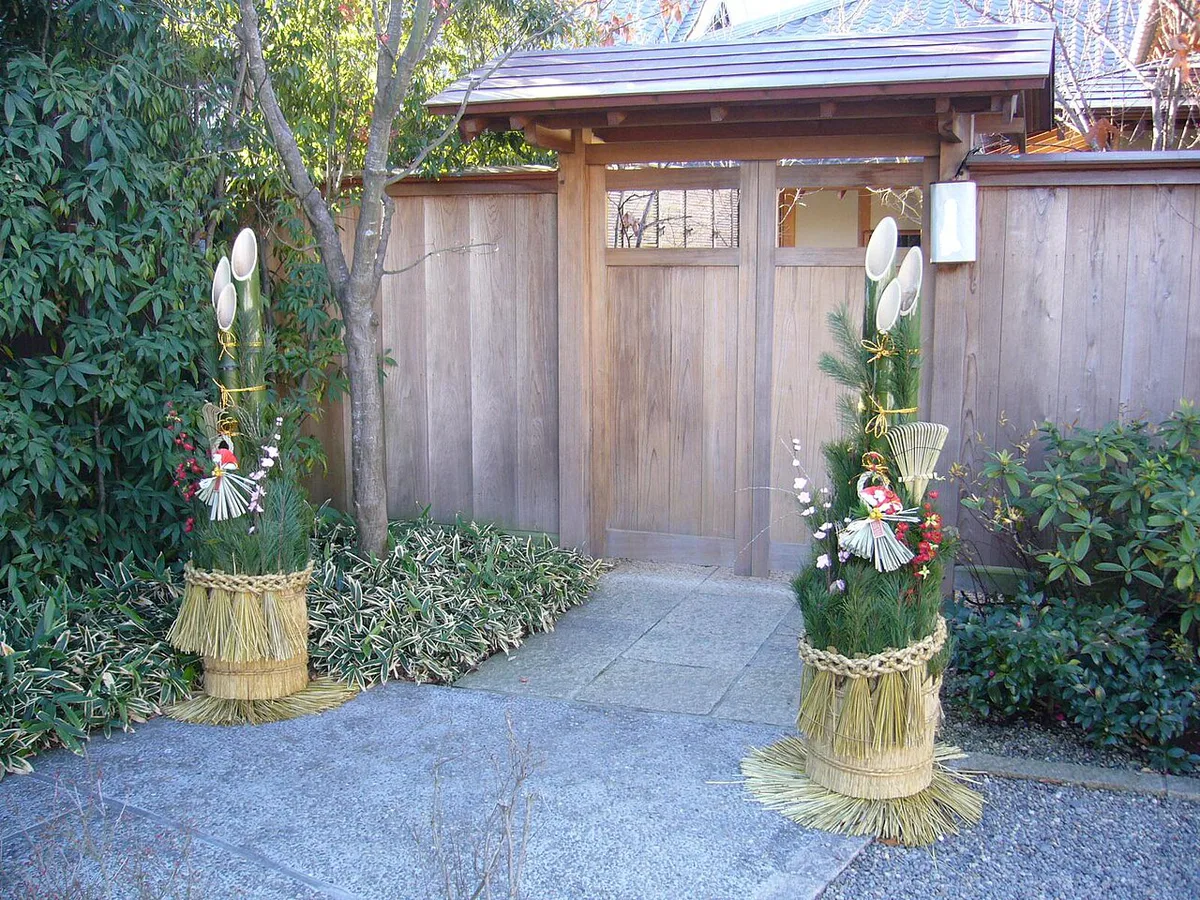
- Households also send New Year's cards called nengajo and decorate entrances with kadomatsu, and the Japanese New Year traditions guide covers each custom in more depth.
- New Year's Eve in Japan: What to Expect
- Most households eat toshikoshi soba, a buckwheat noodle dish eaten just before midnight to mark a long, resilient year ahead.
- Many families watch Kohaku Uta Gassen, an NHK music special pairing red and white teams of top artists against each other.
- Unlike Western New Year's Eve, fireworks, countdown parties, and champagne toasts are not typical, and the New Year's Eve guide covers what replaces them.
- Hatsumode: The First Shrine Visit of the Year
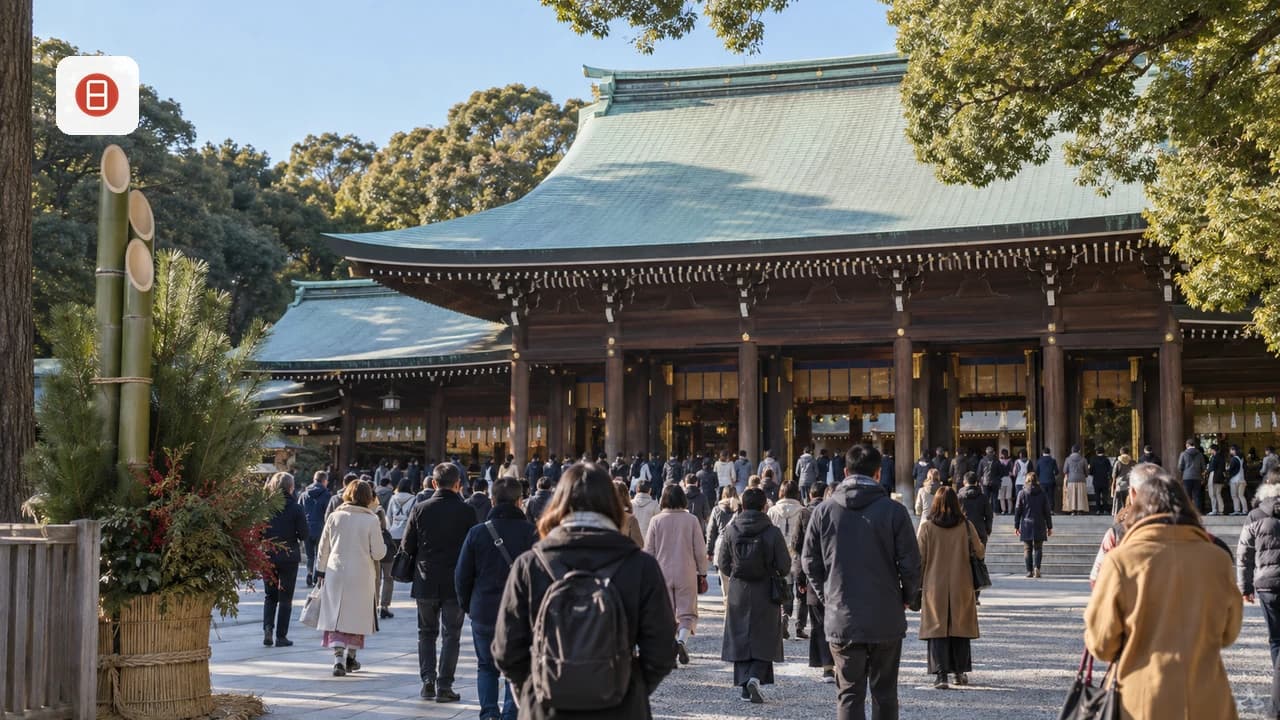
- Hatsumode is the year's first shrine or temple visit, usually made within the first three days of January.
- The hatsumode timing guide breaks down when to go for the shortest waits.
- Tokyo's Meiji Shrine has reported crowds in the millions across those three days in past years, and details on hours sit on the Meiji Shrine official site.
- Kyoto's Fushimi Inari Taisha draws its own hatsumode crowds outside Tokyo, and lines at both sites are shortest a few days after January 3.
- Osechi Ryori and Other New Year Foods
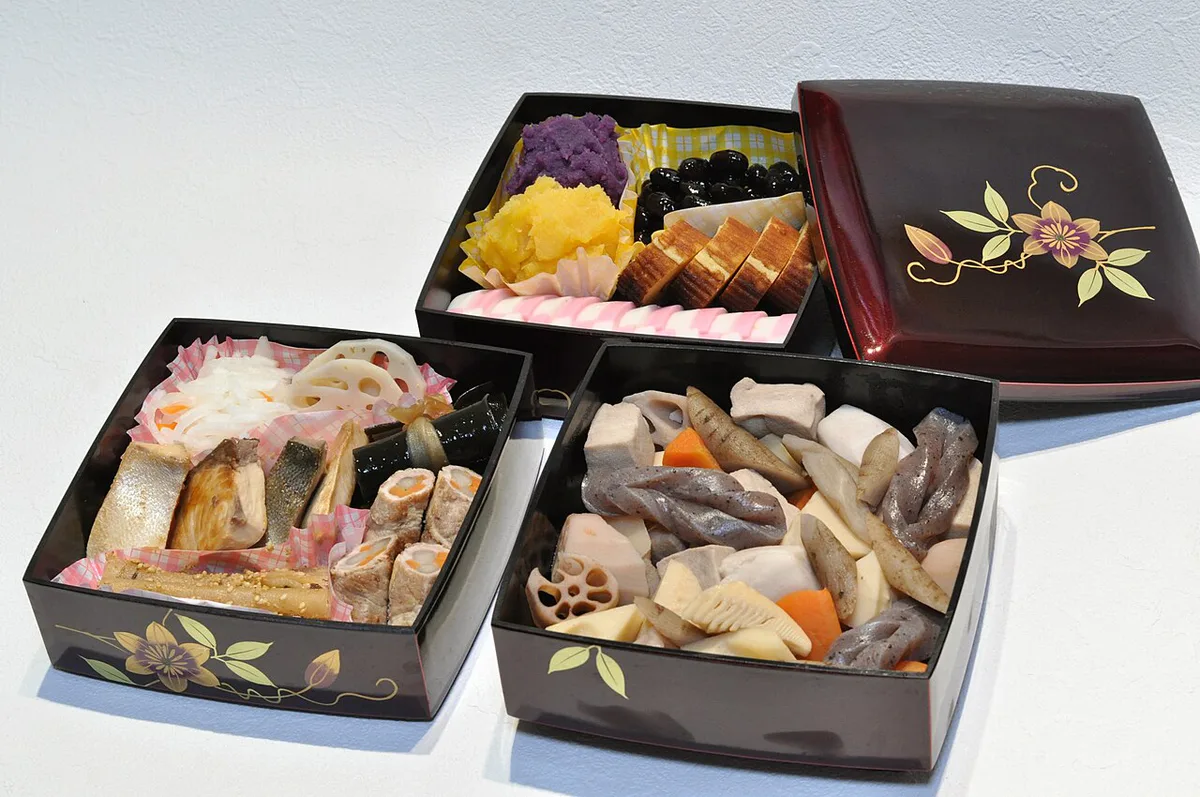
- Osechi ryori is a multi-tier lacquer box of cold, preserved dishes, each item chosen for a symbolic meaning like long life or prosperity.
- Ozoni, a mochi soup with broth that changes by region, and otoso, a spiced sake, round out the New Year's table.
- Pre-made osechi boxes range from single-tier sets to elaborate multi-tier versions costing several times more, and the Osechi Ryori Guide: Japan's New Year Food, Explained lists what to expect at each tier.
- Costs, Closures, and Money Logistics
- Most shops, restaurants, banks, and many museums close from December 31 through January 3, and some stay shut into January 4.
- Bank branches and many affiliated ATMs close for the holiday, so plan cash withdrawals several days ahead rather than relying on January 1 through 3.
- IC transit cards keep working for trains and buses through the holiday, and full cash-vs-card guidance sits in the money and IC card guide.
- Chinese New Year Celebrations in Japan
- Japan's own New Year moved to the Gregorian January 1 date in 1873.
- Okinawa and the Amami Islands historically kept a lunar calendar tradition that's rarely observed today, and Chinese New Year runs on a separate lunar calendar unrelated to Oshogatsu.
- Kobe's Nankinmachi district holds its own Chinese New Year celebrations on that lunar date, and its Nankinmachi Chinese New Year guide covers the dates and events.
- When to Go: New Year vs. the Rest of January
- Early January means the deepest closures and the fullest shrines, while mid-to-late January reopens most restaurants and museums and eases hotel rates from the holiday peak.
- Check the Japan in January guide for a week-by-week breakdown of what reopens.
- Compare that month against the rest of the year using the best time to visit Japan guide.
- Planning Checklist: What to Pack and Mistakes to Avoid
- Book trains and accommodations well ahead of December 31, since the year-end travel rush fills seats and rooms nationwide.
- Pack cold-weather layers for shrine visits using the Japan Packing List: Seasonal & Essential Travel Guide as a starting checklist.
- Broader trip logistics beyond the New Year window live in the Japan Travel Guide: Plan Your Trip with Expert Tips & Itineraries.
New Year Closures at a Glance
Japan's national tourism board publishes holiday-period advisories worth checking before departure, since exact hours can shift slightly by business and by year. Kyoto's official travel guide lists shrine and temple hours for the New Year period, useful for comparing against Tokyo's schedule.
Trains and subways run on holiday schedules through January 3, but seats fill fast during year-end rush, so book well ahead of December 31.
| Category | Status Dec 31 – Jan 3 |
|---|---|
| Banks and bank ATMs | Closed for the holiday; plan cash ahead |
| Shops and restaurants | Most close; hotel restaurants are the most reliable exception |
| Museums | Many close; some reopen January 3 or 4 |
| Trains and subways | Keep running on holiday timetables |
| Major shrines and temples | Open, and at their busiest of the year |
Japanese New Year vs. Chinese New Year in Japan
Japan's own New Year and Chinese New Year are separate holidays that both get marked on Japanese soil. Confusing the two means missing either the quiet, nationwide Oshogatsu closures or a specific, local lunar-calendar celebration.
| Aspect | Japanese New Year (Oshogatsu) | Chinese New Year in Japan |
|---|---|---|
| Calendar basis | Gregorian calendar, fixed to January 1 since 1873 | Lunar calendar, date changes every year |
| Where it's marked | Nationwide | Specific communities, including Kobe's Nankinmachi district |
| Effect on businesses | Most shops, restaurants, banks, and museums close nationwide | Local festival events, not nationwide closures |
Mistakes to Avoid When Planning a New Year Trip
A few planning slips show up again and again for first-time visitors during Oshogatsu. Catching them ahead of time saves a wasted afternoon or an unplanned cash shortage.
Waiting until January 4 or later provides shorter shrine lines and reopened restaurants and museums, combining better access with the authentic New Year atmosphere.
- Assuming restaurants stay open as usual
- Independent restaurants largely close from December 31 through January 3.
- Hotel restaurants and a handful of chains are the more reliable options during that window.
- Relying on cards alone for cash
- Banks and many affiliated ATMs close for the holiday.
- Convenience-store ATMs and IC cards cover some gaps, but carrying extra cash ahead of December 31 avoids the shortfall.
- Visiting Meiji Shrine only on January 1
- Crowds peak hardest on January 1 and stay heavy through January 3.
- Waiting until January 4 or later trims the line considerably at major shrines.
- Expecting a countdown-party New Year's Eve
- Fireworks, countdown crowds, and champagne toasts are not typical across most of Japan.
- Toshikoshi soba and quiet time at home replace that scene for most households.
- Booking trains or hotels close to the date
- Seats and rooms fill fast during the year-end travel rush nationwide.
- Booking well ahead of December 31 protects both budget and flexibility.
Frequently Asked Questions
Is it worth visiting Japan during New Year?
It depends on what a trip prioritizes. Travelers who want hatsumode crowds, quiet neighborhoods, and a family-focused atmosphere find the trade-off worthwhile. Those who want full restaurant access, nightlife, or countdown parties should shift toward mid-to-late January instead.
What's open and closed in Japan on New Year's Day?
Most shops, restaurants, banks, and many museums close from December 31 through January 3, sometimes into January 4. Trains and subways keep running on holiday timetables, and convenience stores generally stay open. Major shrines and temples stay open and see the year's busiest crowds.
What is hatsumode and when should you go?
Hatsumode is the year's first shrine or temple visit, typically made within the first three days of January. Meiji Shrine in Tokyo and Fushimi Inari Taisha in Kyoto draw the largest crowds during that window. Lines are shortest a few days after January 3, once the initial rush eases.
Is Japanese New Year the same as Chinese New Year?
No. Japan moved its official New Year to the Gregorian January 1 date in 1873 and no longer follows a lunar calendar nationally. Chinese New Year runs on a separate lunar calendar, usually landing in late January or February. It's celebrated locally in places like Kobe's Nankinmachi district, not nationwide.
What food do Japanese people eat on New Year's?
Osechi ryori, a multi-tier box of cold, symbolic dishes, is the centerpiece of the New Year's table. Ozoni, a mochi soup with broth that varies by region, and otoso, a spiced sake, round out the meal. Toshikoshi soba, eaten just before midnight on New Year's Eve, is a separate tradition tied to a long, resilient year ahead.
What should first-time visitors pack or plan for a New Year trip to Japan?
Reserve trains and accommodations well ahead of December 31, since the year-end travel rush fills seats and rooms nationwide. Carry more cash than usual, since many bank-affiliated ATMs close for the holiday window. Winter layers matter too, since shrine visits often mean standing in line outdoors.
How crowded are shrines like Meiji Shrine over New Year?
Meiji Shrine has reported crowds in the millions across the first three days of January in past years. Crowds peak on January 1 and stay heavy through January 3, with wait times shortest in the early morning or after January 3. Fushimi Inari Taisha in Kyoto sees comparable crowds during the same window.
Explore New Year in Japan
Dive deeper into Oshogatsu customs, countdown events and practical planning for a Japan trip over the New Year holiday.
Shrine Visits & Rituals
- A Traveler's Guide to Japan's New Year Shrine Visit
- Japan New Year Traditions: A Traveler's Guide to Oshogatsu Customs
Food & Feasting
New Year's Eve & Countdown
Planning Your Trip
- Japan in January: Weather, Events, New Year Traditions & Travel Tips
- Japan Travel Guide: Plan Your Trip with Expert Tips & Itineraries
- Best Time To Visit Japan: A Seasonal & Monthly Travel Guide
- Japan Packing List: Seasonal & Essential Travel Guide
- Japan Money Guide 2026
Nearby Celebrations
Free guide: Japan's Hidden Gems
12 under-the-radar places beyond Tokyo & Kyoto — with the best season to visit each and a local tip you won't find in the guidebooks.
You might also like


Continue reading
More guides you'll find useful


