Chinese New Year in Nankinmachi, Kobe: 2026 Festival Guide
Plan Chinese New Year in Nankinmachi, Kobe: lion and dragon dances, the Kotei parade, crowd timing, and how it fits your Kobe trip.
On this page
Last updated August 2026, Chinese New Year in Nankinmachi, Kobe turns the district's narrow lanes into a stage for lion dances, dragon processions, and lanterns. Locally called Shunsetsusai, the festival's dates shift every year with the lunar calendar, and Chinese New Year 2026 falls on February 17. Nankinmachi's narrow streets get crowded fast around the central pavilion during peak performances, so plan your visit time deliberately.
Chinese New Year in Nankinmachi, Kobe: What Is Shunsetsusai?
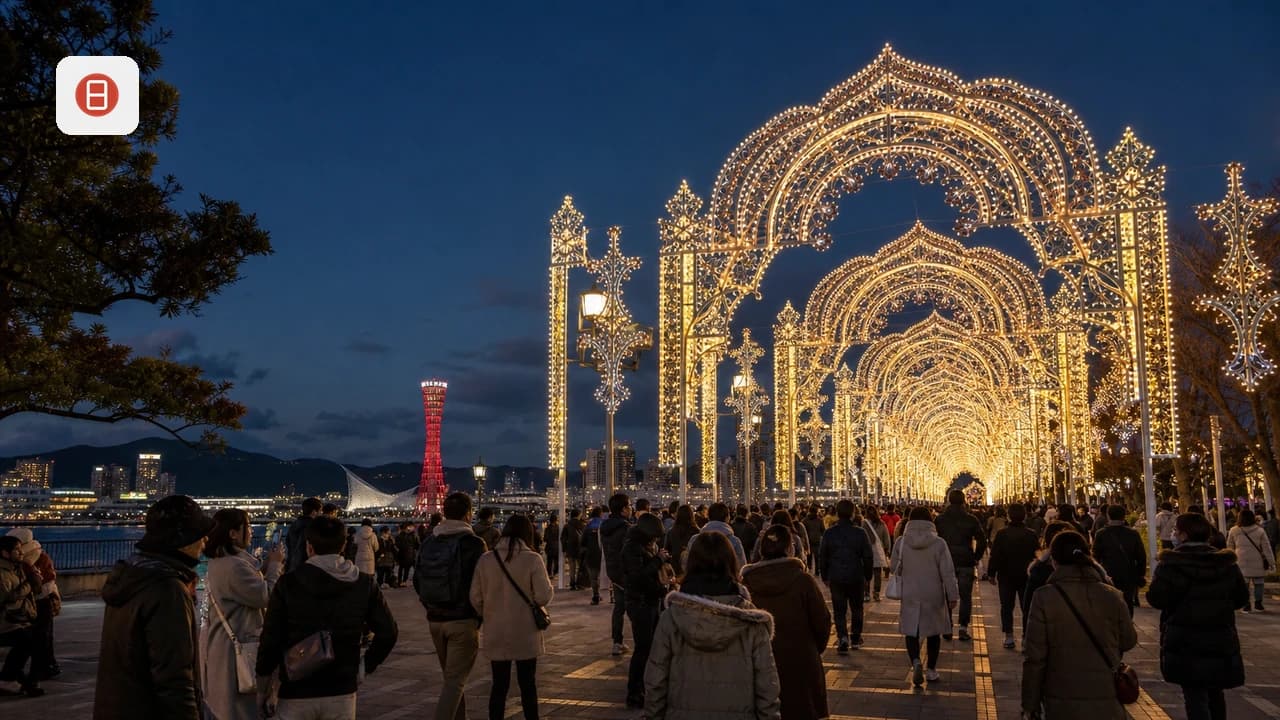
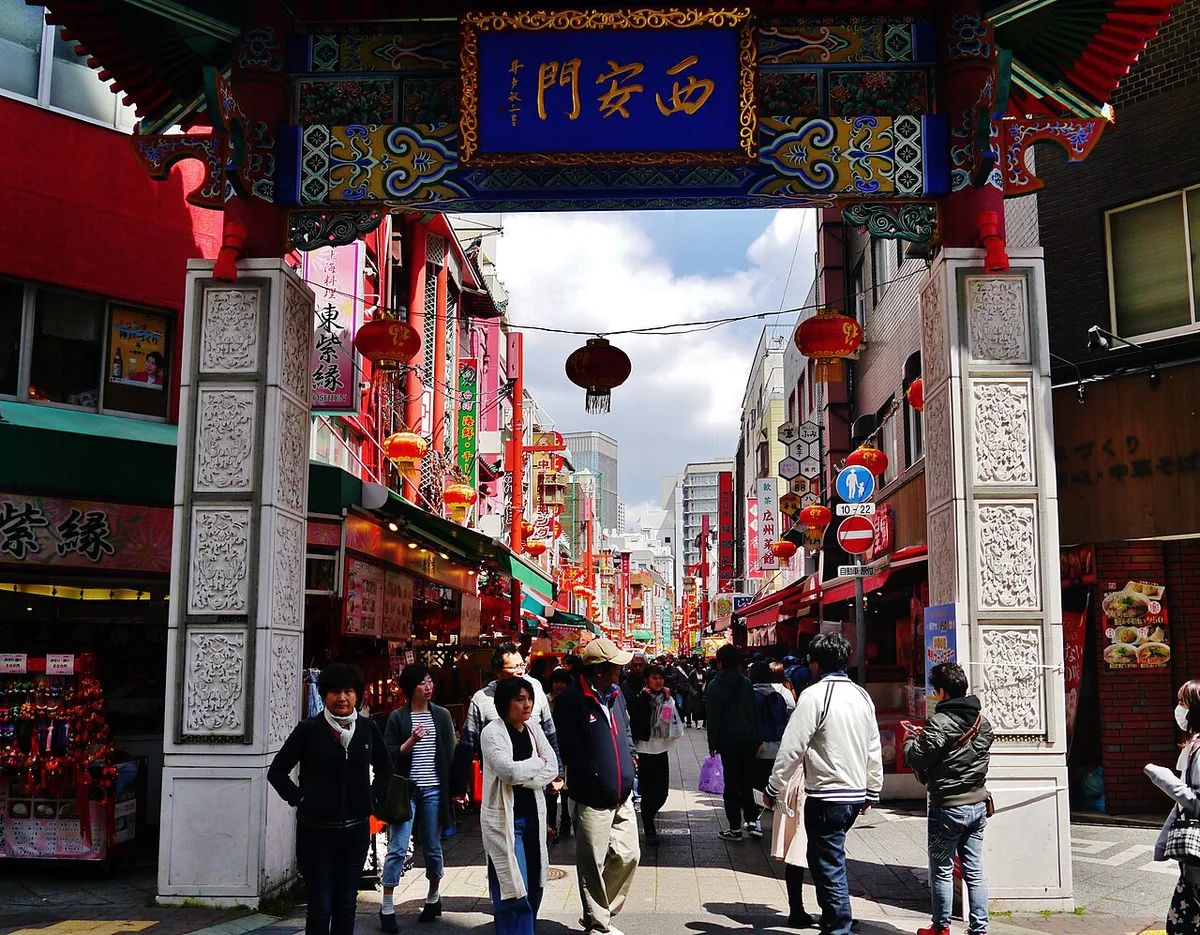
Shunsetsusai is Nankinmachi's Chinese New Year celebration, held in Kobe's compact Chinatown between Motomachi and Sannomiya. Event calendars and local write-ups often group Shunsetsusai with Kobe Luminarie and Kobe Matsuri as among the city's most prominent annual festivals. Kobe's official tourism site, Feel KOBE, catalogs Shunsetsusai alongside the city's other seasonal festivals. Paper lanterns and red decorations line the lanes throughout the celebration, giving Nankinmachi a different feel from its everyday market atmosphere. Outside the festival, Nankinmachi functions as a compact market street lined with restaurants and grocers. During Shunsetsusai, that same footprint absorbs performances, a parade route, and lottery stalls all at once. Exact dates move every year, because Chinese New Year follows the lunar calendar rather than a fixed day. The Kobe festivals overview covers Shunsetsusai alongside every other seasonal celebration in the city. For a quick check on whether the dates line up with your trip, use the month-by-month event calendar. Chinese New Year 2026 falls on February 17, so Shunsetsusai programming typically clusters in mid-to-late February around that date. Confirm the published schedule close to your trip, since exact program days can shift. The district's narrow streets, easy to enjoy on a quiet weekday, become the main logistical challenge once Shunsetsusai's crowds arrive. Travelers researching things to do in Kobe during winter often find Shunsetsusai listed as a seasonal highlight, precisely because it fits into a single afternoon.
Essential Festival Highlights: Lion Dances, Dragon Dances, and the Kotei Parade
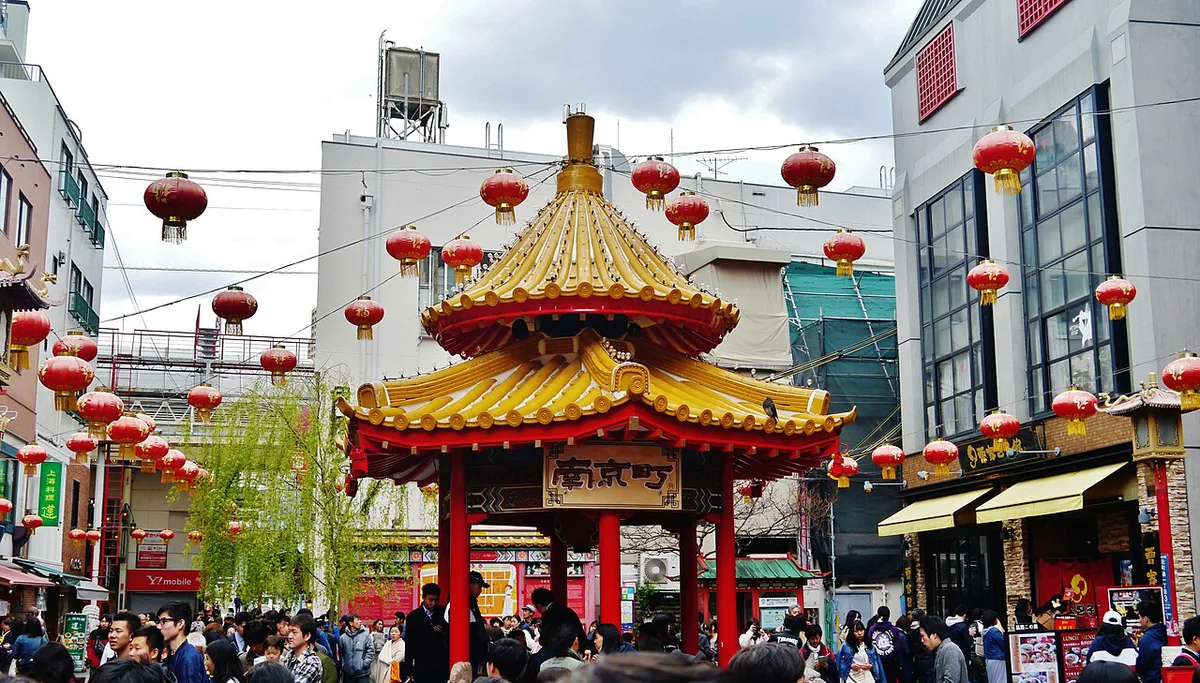
Shunsetsusai's program centers on four recurring highlights, cycling through Nankinmachi Hiroba, the district's central square, in front of the Azumaya pavilion. Nankinmachi is far smaller than Yokohama's Chinatown, so these performances create a genuine bottleneck around the central square. Arrive before the scheduled start time if you want a clear sightline. Latecomers often end up several rows back, or unable to see at all. Because the lanes are so narrow, stand off to one side rather than directly in the puppet's path. That gives you a clear photo angle and leaves room for the dragon team to pass safely.
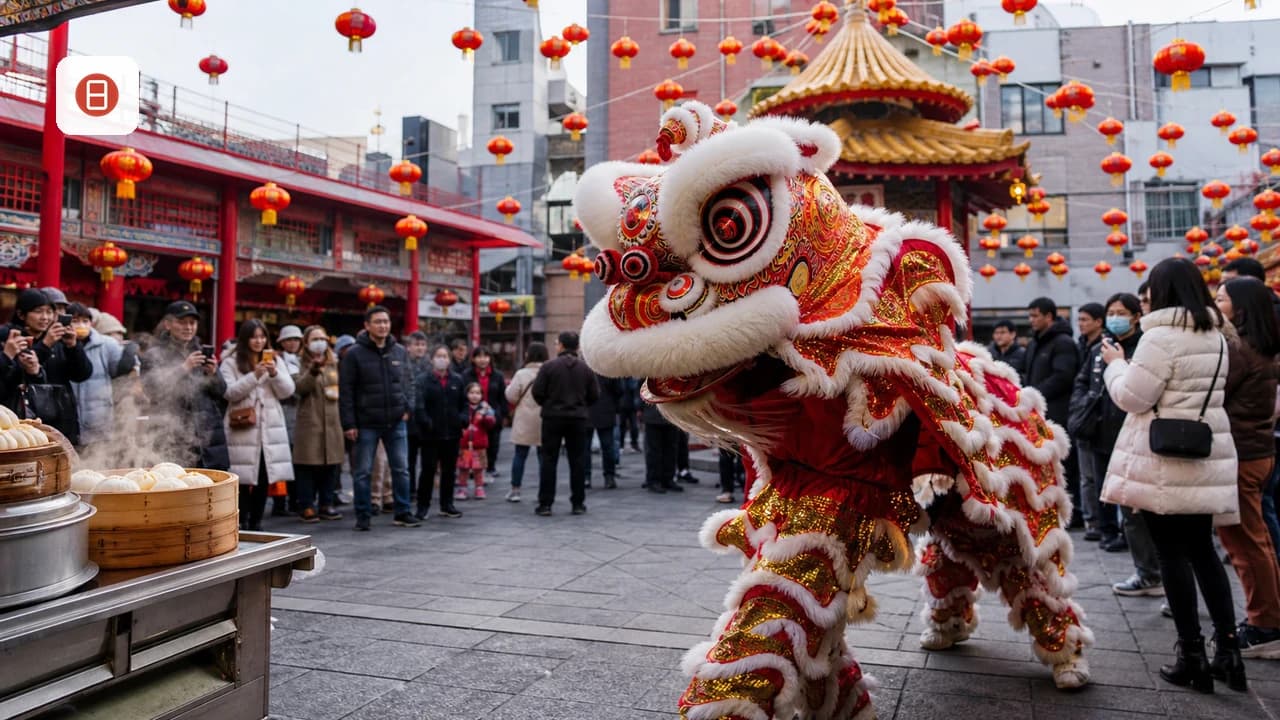
- Shishi-mai (lion dance): performers move acrobatically through the crowd and playfully bite the heads of onlookers for good luck. The custom is rooted in traditional Chinese lion dance.
- Ryuryu (dragon dance): a long dragon puppet winds through Nankinmachi's narrow lanes. The visual scale is most dramatic where the streets pinch tightest near the central square.
- Kotei parade, meaning Emperor's Parade: a costumed procession in historical Chinese imperial dress moves through the district and draws dense crowds along its route.
- Pochi-bukuro lottery: visitors enter red-envelope prize draws at designated stalls, a Lunar New Year custom adapted into a festival activity.
Main Stage Performances vs. Off-Peak Weekday Visits
Two different ways to experience Shunsetsusai suit two different travelers. Weekend and evening slots deliver the full spectacle. Lion dances, the dragon procession, and the Kotei parade all draw their largest crowds during these windows. Nankinmachi Hiroba fills in tight around the Azumaya pavilion when that happens. Weekday, off-peak visits trade that energy for elbow room. You can move stall to stall, sample butaman without a queue, and photograph the decorated lanes at a slower pace. If watching a specific performance matters most, plan around its scheduled slot and arrive early. If unhurried food exploration matters more, a weekday afternoon outside performance hours is the better call.
During peak hours, waits at popular food stalls stretch 60 to 90 minutes; weekday off-peak visits or side-lane vendors provide faster dining access.
Getting to Nankinmachi and Timing Your Visit
Nankinmachi sits within walking distance of Motomachi Station, served by both JR and Hanshin lines. Sannomiya Station is also close enough to reach on foot. For full transit context across the city, including subway and rail connections, see the getting around Kobe guide. You can approach Nankinmachi from either Motomachi or Sannomiya Station. Check crowd flow at both if the main entrance looks packed. When the crowd around the main stage feels too dense, the Sakaemachi-dori side of the district works as a quieter route out. It leads away from the packed central square. Morning visits before midday suit travelers who want to photograph the decorated gates and try food stalls without a crush. Evening visits reward you with lit paper lanterns strung across the lanes, though the busiest performance slots also land in the evening. That overlap means a trade-off between atmosphere and elbow room, so pick a time based on which matters more to you. Photographers usually get cleaner lantern shots right after dusk, before the evening performance crowd fully arrives. Entry to Nankinmachi and its Chinese New Year program costs nothing, since there's no gate or admission fee for the district itself. Food purchases and the pochi-bukuro lottery draws are paid separately, priced individually by each stall. Many festival stalls handle a high volume of quick transactions, so carrying cash speeds things along even where cards work elsewhere in the city. The free things to do in Kobe guide is a useful companion if you want to build a no-cost day around the free festival program. The table below summarizes the practical details covered in this guide for quick reference.
| Detail | What to Know |
|---|---|
| Entry cost | Free to enter Nankinmachi and watch the general festival program |
| Paid extras | Street food and pochi-bukuro lottery draws, priced per stall |
| Nearest stations | JR/Hanshin Motomachi Station; Sannomiya Station is also walkable |
| Quieter route | Sakaemachi-dori side of the district |
| Peak wait times | 60 to 90 minutes at popular stalls during peak performance hours |
| 2026 Chinese New Year date | February 17, 2026 |
| Central performance venue | Nankinmachi Hiroba, in front of the Azumaya pavilion |
Dining and Street Food Strategy During Shunsetsusai
Butaman, Kobe-style steamed pork buns, are Nankinmachi's signature street food and worth the stop on any visit, festival or not. Peking duck wraps and festival-exclusive sweets round out the lineup at stalls that only appear during Shunsetsusai. Vendors along the main lane through Nankinmachi Hiroba tend to draw the longest lines. Stalls in the side lanes toward Sakaemachi-dori often move faster. During peak performance hours, wait times at popular stalls and restaurants can stretch past 60 to 90 minutes, so factor that into a tight schedule. Takeaway-style stalls move faster than sit-down restaurants, an important distinction when lanes are this narrow and every doorway becomes a pinch point. Seating is limited at most Nankinmachi stalls, so plan to eat while walking or standing during the festival's busiest hours. Because seating is scarce, many visitors treat Nankinmachi as a grazing stop rather than a sit-down meal, pairing a few stalls with a longer restaurant meal elsewhere in Kobe later in the day. The best hotels in Kobe guide can help you find a base close enough to Nankinmachi for an early-morning or late-night visit when lines run shorter.
Safety, Etiquette, and Crowd Navigation During Shishi-mai
Event staff and volunteers typically manage rope lines or barriers around the performance area during Shishi-mai and the dragon dance. Following their direction is the fastest way to stay safe in a dense crowd. Keep clear of any roped-off performance lane once a dance begins, since lion and dragon dancers move through tight space at speed. If you're traveling with young children, keep them close and consider watching from the edges of Nankinmachi Hiroba rather than pushing toward the front. Mid-February in Kobe runs cold, so dress in layers for standing outdoors through an evening performance. Lanes can also feel damp or uneven underfoot after winter weather, so footwear with grip matters more here than on an ordinary shopping visit. If the main square becomes too packed to move comfortably, the Sakaemachi-dori side of the district remains the most direct way out. Specific crowd-control measures can change year to year, so check Nankinmachi's official event channels close to your visit for any updated safety protocols.
Planning Your Kobe Trip Around the Festival
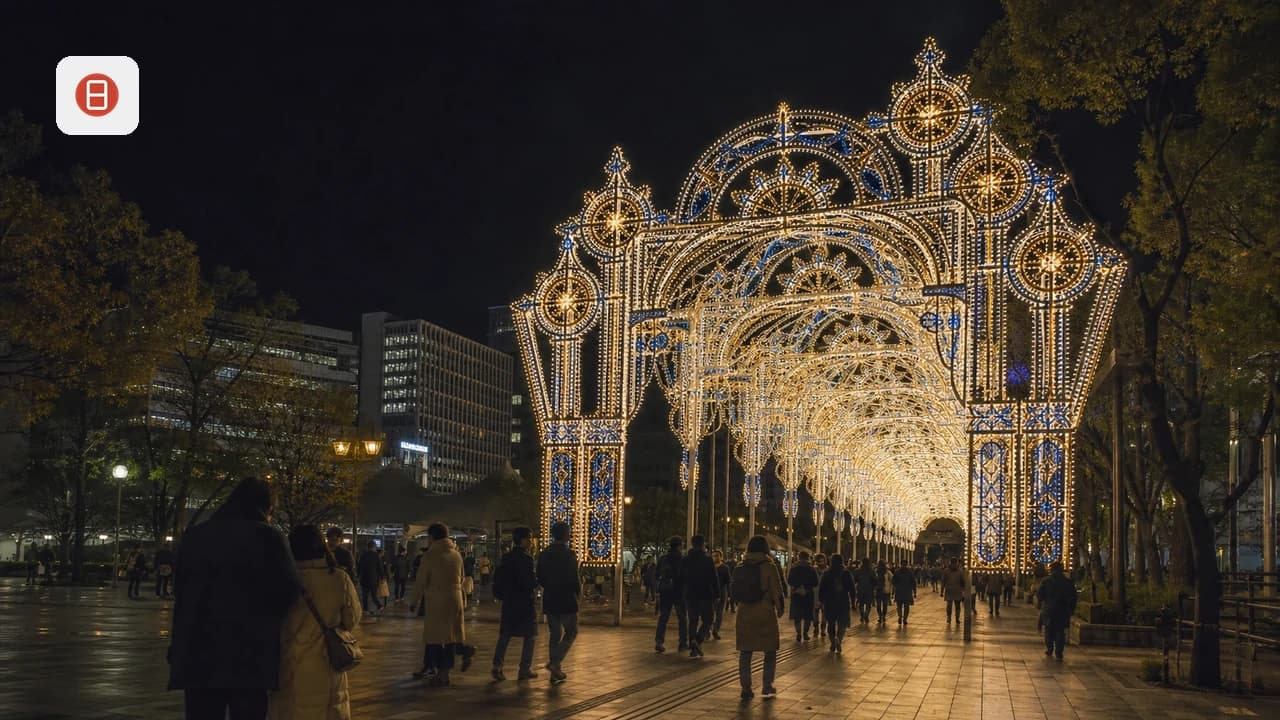
In our editorial assessment, two to three days in Kobe gives enough room to pair a Nankinmachi visit with the city's other neighborhoods. The how many days in Kobe guide breaks down fuller itinerary options for different trip lengths. Because Nankinmachi sits between Motomachi and Sannomiya, a Chinese New Year visit slots easily into a day that also covers central Kobe shopping and dining near either station. Shunsetsusai and Kobe Luminarie sit on different points of Kobe's festival calendar, so both are realistic to add across separate trips in the same year. The official Kobe Luminarie site publishes exact dates each year, useful if you're weighing both events for the same trip. It also falls on a different point on the calendar from Kobe Matsuri, so the three events rarely overlap on one visit. Because Chinese New Year timing changes every year, check the best time to visit Kobe guide before locking in flights. Since the Chinese New Year travel period draws visitors from across Japan and overseas, booking accommodation well ahead of your visit reduces the risk of limited availability near the festival dates. Travelers building a longer Japan itinerary around Chinese New Year sometimes also weigh Kobe against nearby cities with their own winter festival calendars, so confirm Nankinmachi's dates against your full route before booking transport.
Nankinmachi vs Other Japan Chinatowns and Festivals
Nankinmachi is Kobe's Chinatown, but it's a fraction of the size of Yokohama's Chinatown. Where Yokohama spans multiple city blocks with room to disperse, Nankinmachi's footprint is essentially two main streets and their connecting lanes. That difference makes crowd density during Shunsetsusai's headline performances far more concentrated than a comparable event in a larger district. Nankinmachi's small size also means performers and the crowd share the same tight space, giving the festival a communal feel that larger Chinatown districts can lose at scale. Lottery stalls, parade viewing, and dining all sit within easy walking distance of each other in Nankinmachi, which cuts down on backtracking compared with larger festival districts. Nankinmachi's small size works well for a short, focused visit fit into a broader Kobe itinerary. Yokohama better suits travelers setting aside a full day just for Chinatown. If your trip covers other regional festival calendars, the Naha festivals and events guide is a useful comparison point for Okinawa's own event lineup.
| Feature | Nankinmachi (Kobe) | Yokohama Chinatown |
|---|---|---|
| Footprint | Two main streets plus connecting lanes | Multiple city blocks |
| Crowd feel during Chinese New Year | Concentrated bottleneck at the central square | More room to disperse across a larger area |
| Best for | A short, focused visit inside a broader Kobe trip | A full day set aside for Chinatown browsing |
Frequently Asked Questions
Is Nankinmachi open every day during Chinese New Year?
Nankinmachi's shops and restaurants operate daily throughout the Shunsetsusai period. The headline lion dance and parade performances run on a scheduled program rather than continuously. Check the festival's published schedule for exact performance times before you go.
What is the best spot to see the lion dance?
The area around the central square, in front of the Azumaya pavilion, offers the clearest view of the Shishi-mai performances. Arrive before the scheduled start time, since this spot fills in fast. Latecomers often end up watching from the edges.
Is Nankinmachi's Chinese New Year celebration family-friendly?
Families do visit, but stroller access gets difficult once the central square fills in for a performance. Narrow lanes and dense crowds make it easier to navigate with kids during off-peak weekday hours. Alternatively, watch from a wider side street instead of pushing into the main crowd.
How does the crowding compare to cherry blossom season in Kobe?
Shunsetsusai's crowding is sharper but shorter, concentrated into specific performance windows within a small footprint. Cherry blossom season spreads crowds across parks and riverbanks over several weeks. Peak density per square foot is usually lower during cherry blossom season, even though total visitor numbers are high.
How much time should you plan for a Nankinmachi visit during the festival?
In our editorial assessment, a couple of hours covers a relaxed loop through the food stalls and one performance viewing. Add extra buffer time if you plan to queue for a specific restaurant during peak evening hours.
Do you need to pay to join the pochi-bukuro lottery?
Participation in the pochi-bukuro red envelope draws is paid, priced per stall running the draw. Check the specific stall's signage for its entry cost and prize details, since terms vary by vendor.
What should you wear to Nankinmachi's Chinese New Year festival?
Dress for cold, changeable winter weather, since Chinese New Year in Kobe falls in February. Layers work best for a day that moves between crowded, warmer stalls and open, colder squares.
Can you combine a Nankinmachi visit with other Kobe sightseeing on the same day?
Yes, since Nankinmachi sits close to both Motomachi and Sannomiya, two of central Kobe's main transit and shopping hubs. Build the festival visit around a broader day in central Kobe rather than treating it as a standalone trip.
Free: The Kobe Essentials guide
Top things to do, where to stay, a perfect day plan, getting around, and the best time to go — a Kobe mini-guide you can take offline.
You might also like
Continue reading
More guides you'll find useful