Tokyo in January: Weather, Events, and What to Know Before You Go
What to expect in Tokyo in January: real weather numbers, New Year closures, festivals worth planning around, and honest costs and trade-offs.
On this page
Last updated September 2026, Tokyo in January centers on Oshogatsu, the New Year period, when hatsumode crowds fill Meiji Jingu, Senso-ji in Asakusa, and Kanda Myojin during the first days of January. Cold temperatures and short daylight shape the month more than genuine snow risk, and the sales, sumo, and shrine calendar reward travelers willing to dress for winter. This guide sits inside the broader Tokyo in Winter: What to Expect, What to Do, and How to Plan overview and breaks down weather, closures, festivals, and costs for the month specifically.
Is January a Good Time to Visit Tokyo?
January is a good time to visit Tokyo if New Year tradition, winter sales, and lighter general crowds outweigh cold temperatures and short daylight. Hatsumode draws huge crowds to shrines in the first few days of the month, then the city settles into a quieter rhythm for the rest of January. Tokyo in December: A Complete 2026 Travel Guide leans on illuminations and holiday markets, while January leans on temple crowds and department store sales instead. Setsubun and early plum blossoms arrive the following month, which is the main cultural difference from Tokyo in February: Weather, Events, and What to Know Before You Go. Read the full Best Time To Visit Tokyo Month By Month 2026 guide for a year-round comparison.
Tokyo Weather in January: Temperature, Rain, and the Snow Question
Two widely cited sources disagree on exactly how cold Tokyo gets in January. Official figures from Go Tokyo's official travel guide list highs of 11.6°C (52.8°F) and lows of 2.6°C (36.7°F), a daytime average near 6.6°C (43.9°F), about 26.0mm of rainfall, and little chance of snow. Other trip-planning sources put daytime highs closer to 10°C (50°F) and lows near 5°C (41°F) early in the month. Temperatures drop toward 3°C (37°F) by late January, and these sources note that Tokyo still sees snow on occasion. Treat the numbers as a range, not a contradiction. Expect a cold, mostly dry month with a small but real chance of snow rather than none at all. Daylight is short too, with roughly 6 hours of useable daylight a day by one recent estimate, so outdoor sightseeing plans should wrap up well before dusk. For the fuller answer on snowfall frequency and past snow events, see Does It Snow in Tokyo? Frequency, Best Months, and Where to Find Snow Nearby. Check the Japan Meteorological Agency for a live forecast closer to the trip, rather than relying on either guidebook figure.
| Source | Daytime high | Nighttime low | Snow note |
|---|---|---|---|
| Go Tokyo (official) | 11.6°C / 52.8°F | 2.6°C / 36.7°F | Little chance of snow |
| Other trip-planning sources | ~10°C / 50°F | ~3-5°C / 37-41°F | Occasional snow |
New Year Holiday Closures and Crowd Timing
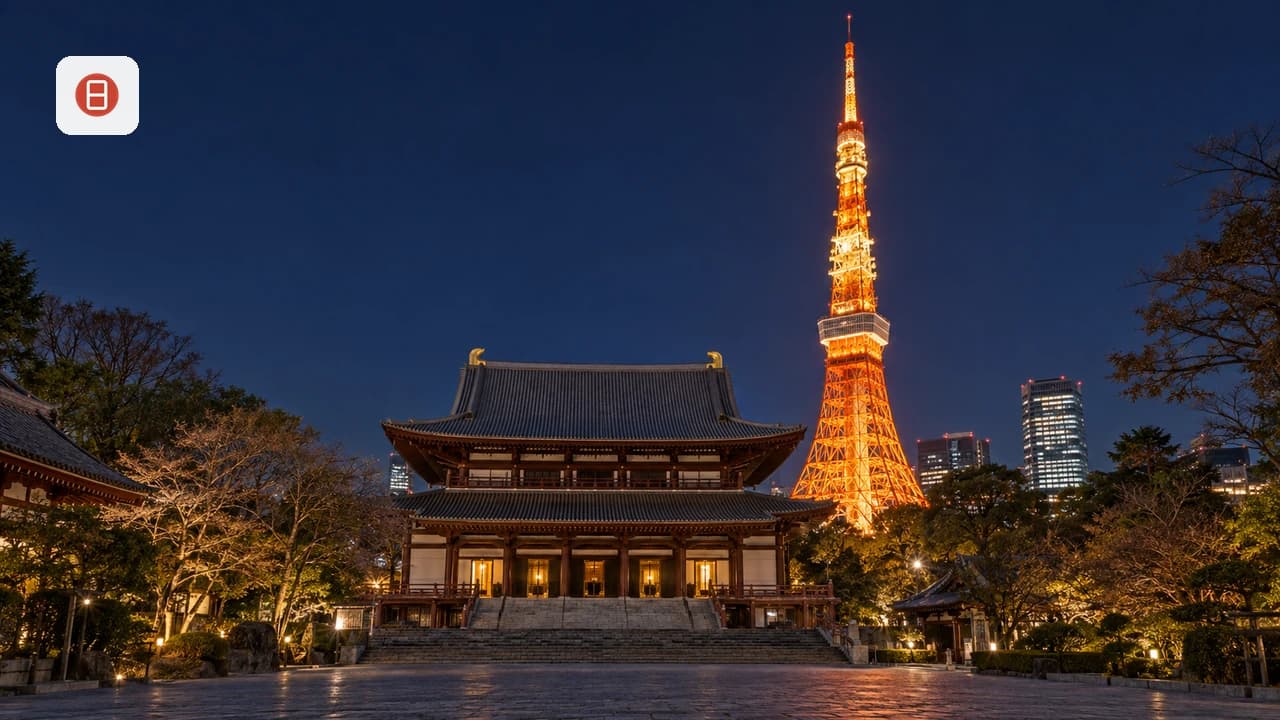
Oshogatsu, Japan's New Year period, shapes the whole month, especially the opening week. Core closures fall January 1 through 3, when many restaurants, shops, and some museums shut for the holiday. A number of businesses close even earlier, starting around December 29, so a trip beginning in the final days of December needs flexible dining plans. Hatsumode, the year's first shrine or temple visit, draws the heaviest crowds during this same window. Meiji Jingu, Senso-ji in Asakusa, and Kanda Myojin see the largest lines in the opening days of January, and Zojo-ji Temple offers a comparable hatsumode experience with typically shorter waits. Anyone arriving for the countdown itself should read the dedicated Tokyo New Year's Eve guide for bell-ringing and midnight-visit logistics. Closures ease and hatsumode crowds thin after January 3, though the busiest shrines stay more crowded than a typical weekend through mid-month.
| Dates | What to expect |
|---|---|
| Dec 29 - Dec 31 | Some shops and restaurants close early for the holiday |
| Jan 1 - Jan 3 | Core New Year closures; heaviest hatsumode crowds at major shrines |
| Jan 4 onward | Most businesses reopen; shrine crowds ease but stay elevated through mid-January |
Best Events and Festivals in Tokyo in January
Beyond hatsumode, several events run only in January. On January 2, Shinnen Ippan Sanga opens the Imperial Palace grounds to the public, and the Emperor, Empress, and other imperial family members make scheduled appearances through the day. Ueno Toshogu Peony Garden, closed to the public most of the year, opens inside Ueno Park for the Fuyu Botan winter peony display. Daruma markets sell the round, weighted good-luck dolls tied to the new year, with the main markets running in Hamura City, Hino City, and Ome City. Tondo-yaki, held at Torikoe-jinja Shrine, burns the past year's New Year decorations on a bonfire, and locals eat mochi grilled over the flames for protection in the year ahead. Four more events anchor the second half of the month. Check the Japan Sumo Association's official schedule for exact January tournament dates and ticket release windows before booking travel around sumo. Setagaya Boro-ichi costs nothing to browse beyond what a visitor buys, making it one of the better 15 Best Free Things to Do in Tokyo 2026 during the New Year period. For a broader shortlist of what else is open that month, the Tokyo attractions guide rounds up sights beyond the New Year calendar. The Tokyo events calendar tracks additional dates as they are confirmed closer to January.

- Setagaya Boro-ichi (Jan 15-16, 9am-6pm, Boroichi-dori, Setagaya, nearest station Kamimachi on the Tokyu Setagaya Line): a flea market dating to the late 16th century, recognized as a Tokyo Intangible Folk Cultural Property, with more than 700 stalls.
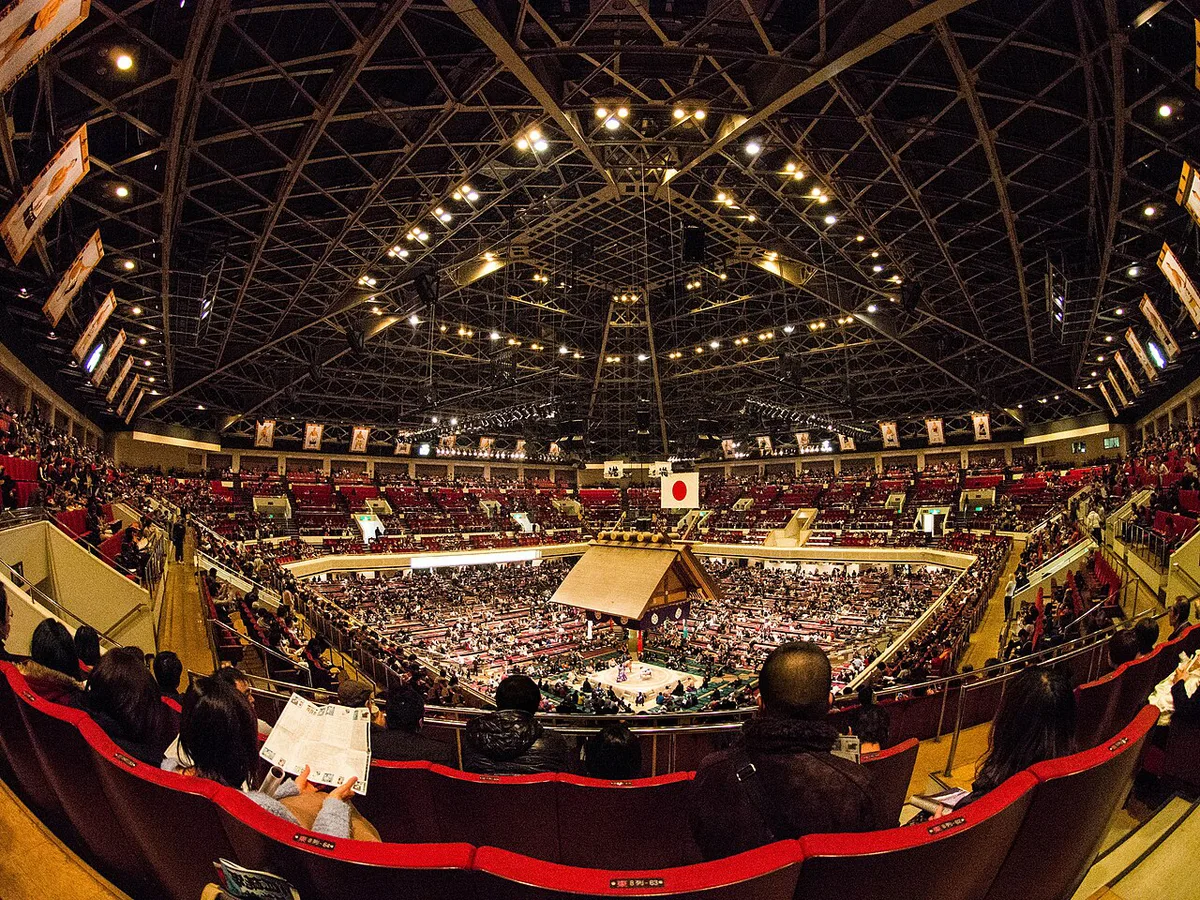
- Hatsu Basho, the New Year Grand Sumo Tournament, at Ryogoku Kokugikan: one of six grand tournaments held in Japan each year, with chanko-nabe stew served at nearby restaurants.
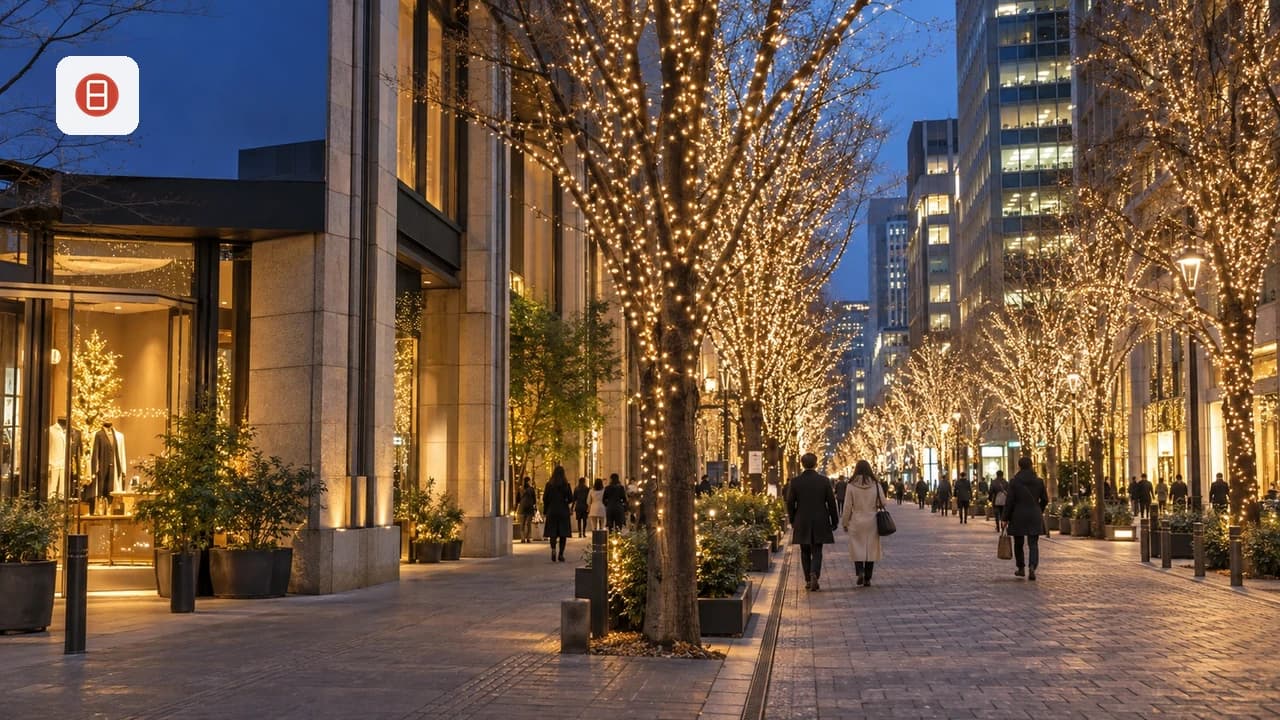
- Winter illuminations: many November-started displays continue into January, though end dates vary by venue. Meguro River's lights ran into the final days of January in a recent season.
- A winter sake and nabe hotpot festival at Yoyogi Park Events Square in the back half of January, with sake tastings, a tuna-carving demonstration, and regional hotpot variations.
January Sales and Winter Shopping in Tokyo
January sales run alongside the festival calendar and are one of the month's clearest draws. Department stores across the city drop prices starting around January 2, right after the New Year holiday, with some of the lowest prices of the year on clothing, homewares, and electronics. Fukubukuro, mystery grab bags packed with a set value of merchandise, sell out fast on the first sale days, and shoppers often queue before opening to get one. Most stores close on January 1 itself, so plan shopping trips for January 2 onward instead.
Department stores drop prices starting January 2, but dining options remain limited as many restaurants stay closed through January 3.
Tokyo in January: Costs and Booking Notes
Budget for Tokyo in January across three categories instead of one lump sum. Shopping costs only what a visitor chooses to spend, and fukubukuro grab bags are typically priced below the combined value of their contents. Festival access is largely free. Hatsumode, Shinnen Ippan Sanga, Tondo-yaki, and Setagaya Boro-ichi charge no entry. The main cost for this category is local transport to reach each site. Guided day trips outside the city are the one category with fixed, bookable pricing. Current listings put a guided Kamakura and Enoshima day trip around ¥23,300 per person, with mountain and hot-spring-region tours running from about ¥21,800 to ¥29,200 depending on distance and itinerary. Reserve bullet-train and limited-express seats well ahead of the New Year window, since long-distance trains sell out as locals travel to see family over the holiday.
Where to Stay and Getting Around Tokyo in January
January crowds concentrate around hatsumode sites and the Boro-ichi market rather than spreading evenly across the city, unlike the cherry blossom season crush. A base near a JR Yamanote Line station keeps both the Imperial Palace grounds and Ueno Park within a short ride for New Year events. Subways and trains run full schedules through most of the month, though some lines shift to a reduced or holiday timetable specifically on January 1, so check individual operator schedules for that date. Walking between hatsumode sites and nearby neighborhoods is realistic in January's dry, cold weather, since the roughly 26.0mm of average monthly rainfall rarely disrupts a full day outdoors.
Winter Day Trips from Tokyo in January
Leaving the city for a day is one of the better ways to see snow without booking a ski trip. Kamakura and Enoshima sit closest to central Tokyo, just over 60 minutes from Shinjuku Station by direct train. Both combine coastal temples with Enoshima Island, where illumination displays have run into late February in a recent season. Hakone, Mount Fuji and Lake Kawaguchiko, and Mount Takao sit further out and work best as full-day guided trips or a self-planned train itinerary booked in advance. Guided pricing gives a useful cost benchmark even for travelers who plan to go independently. The Winter Day Trips From Tokyo Travel Guide guide breaks down independent train routes and timing for each of these in more depth.
With only roughly 6 hours of daylight and 60 minutes of travel to reach Kamakura, day trips demand early departure and quick pacing.
| Destination | Known for | Guided day tour pricing |
|---|---|---|
| Kamakura & Enoshima | Great Buddha, coastal temples, Enoshima Island | Around ¥23,300 per person |
| Mount Fuji & Lake Kawaguchiko | Multiple Fuji viewpoints, lake ropeway | Around ¥26,800 per person |
| Hakone | Lake Ashinoko cruise, Owakudani volcanic valley | Around ¥29,200 per person |
| Mount Takao | Hiking trail, mountain cable car, Japanese snow monkeys on one tour route | Around ¥21,800 per person |
Mistakes to Avoid in Tokyo in January
January suits travelers who want New Year tradition, sales, and thinner crowds outside the holiday window, but it is not the right month for everyone. Cold weather and short daylight are the clearest reasons to skip it, since useable daylight runs to roughly 6 hours a day and outdoor plans need to end well before dusk. Travelers chasing cherry blossoms or mild temperatures should wait for spring instead, when the 11 Best Spots and Timing Tips for Tokyo Cherry Blossoms 2026 becomes the more useful planning tool. Arriving January 1 through 3 without a backup dining plan is a common mistake, since core New Year closures affect many restaurants and some museums during exactly those days. Skipping train reservations is another, since holiday travel crowds fill bullet-train and limited-express seats fast around the New Year period. Treating hatsumode as a five-minute stop is a third mistake. The biggest shrines draw hours-long lines in the first days of January. Budget real time, or visit a smaller option such as Zojo-ji instead.
Frequently Asked Questions
Is January a good time to visit Tokyo?
Yes, if New Year tradition, sales, and thinner crowds outside the holiday window matter more than cold weather. Skip it if you want cherry blossoms or milder temperatures instead.
What is the weather like in Tokyo in January?
Expect a cold, mostly dry month. Official figures put highs near 11.6°C (52.8°F) and lows near 2.6°C (36.7°F), though other sources report slightly colder nights.
Does it snow in Tokyo in January?
Snow is possible but not common in central Tokyo. Sources disagree on frequency, so check the Does It Snow in Tokyo? Frequency, Best Months, and Where to Find Snow Nearby guide for a fuller answer.
What's closed in Tokyo over New Year's?
Many restaurants, shops, and some museums close January 1 through 3. A number of businesses close even earlier, from around December 29.
Which Tokyo winter festivals are worth planning a trip around?
Hatsumode, Setagaya Boro-ichi, and Hatsu Basho sumo are the three biggest draws. Shinnen Ippan Sanga, the Daruma markets, and Tondo-yaki add smaller-scale culture if the schedule allows.
How much should you budget for Tokyo in January?
Shopping and festival entry cost little beyond transport, since most New Year events are free. Guided day trips run from about ¥21,800 to ¥29,200 per person, which is a useful benchmark even if you travel independently.
Free: The Tokyo Essentials guide
Top things to do, where to stay, a perfect day plan, getting around, and the best time to go — a Tokyo mini-guide you can take offline.
You might also like
Continue reading
More guides you'll find useful