Does It Snow in Tokyo? Frequency, Best Months, and Where to Find Snow Nearby
Does it snow in Tokyo? See how often it happens, the best months to catch it, and the closest day trips for guaranteed snow near the city.
On this page
Last updated September 2026: does it snow in Tokyo? Yes, but only briefly, and the city typically sees just one or two days of snowfall a year, concentrated between January and early February. This guide breaks down how often it happens, when to time a visit for the best odds, and where to find guaranteed snow within day-trip range.
Quick Answer: Does It Snow in Tokyo?
Tokyo gets snow most winters, but rarely much of it. A typical year brings only one or two days of scattered snowfall, and even then it is usually a light dusting rather than a storm. Building a snowman is not a realistic plan in most winters, since accumulation to any real depth is uncommon. Travelers hoping to see snow fall on a specific date should treat it as a bonus rather than something to plan an entire trip around. If snow is a priority for the trip, plan around this pattern rather than around Tokyo itself. For the full seasonal picture, from temperatures to packing, see the Tokyo winter guide.
How Often and How Much Does It Snow in Tokyo
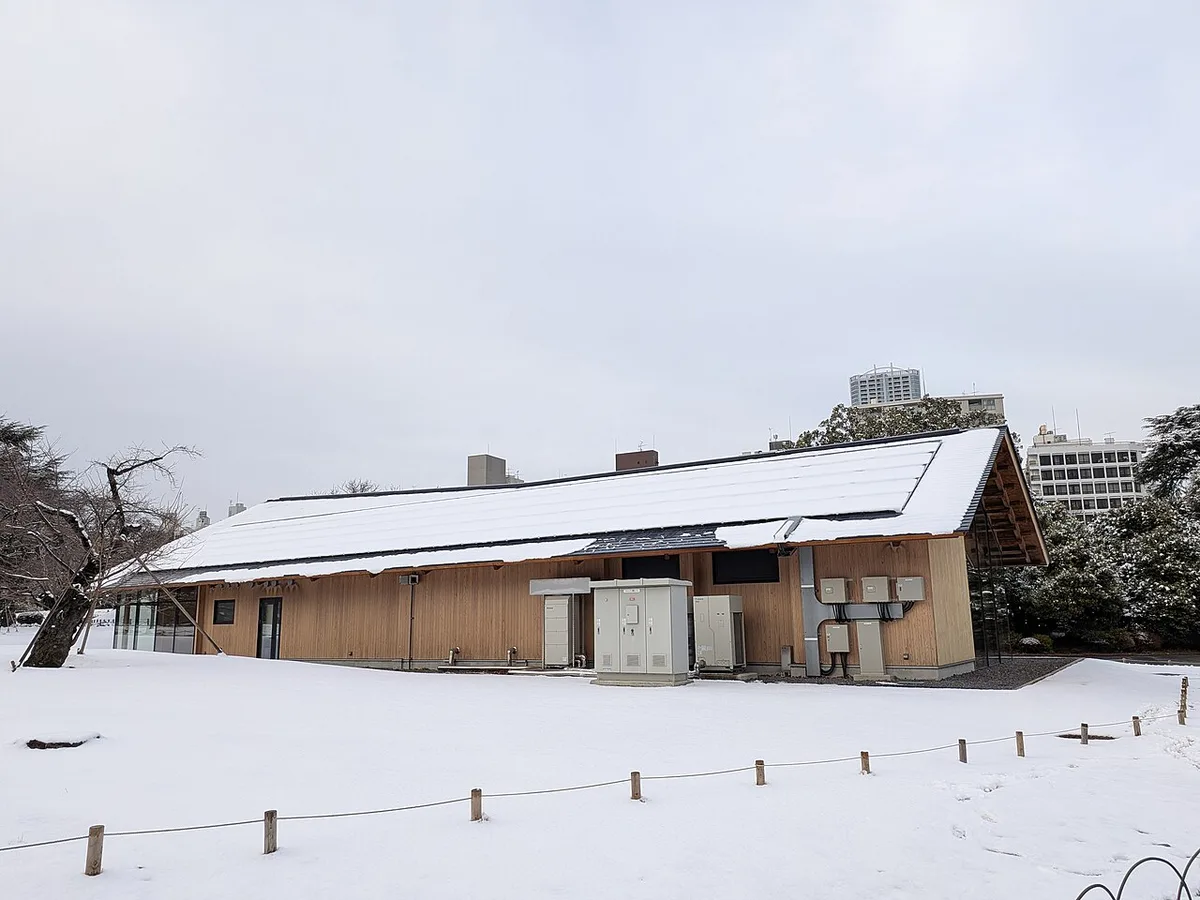
Snowfall in Tokyo is light and infrequent compared with much of the rest of Japan. Central Tokyo sits at low elevation near the coast, which keeps winter temperatures a few degrees milder than the mountains inland, so heavy accumulation is uncommon even in a cold year. When snow does fall, it typically melts within a few hours to a couple of days rather than settling into a lasting layer. Some winters pass with barely a flurry, while others bring a bit more, but neither extreme is typical. Farther north and inland, Japan's mountain regions see far heavier, more reliable snowfall than the capital ever does. A serious snow trip from Tokyo usually means leaving the city rather than waiting inside it. For the latest seasonal outlook before booking, check the Japan Meteorological Agency.
When to Expect Snow in Tokyo (Best Months)
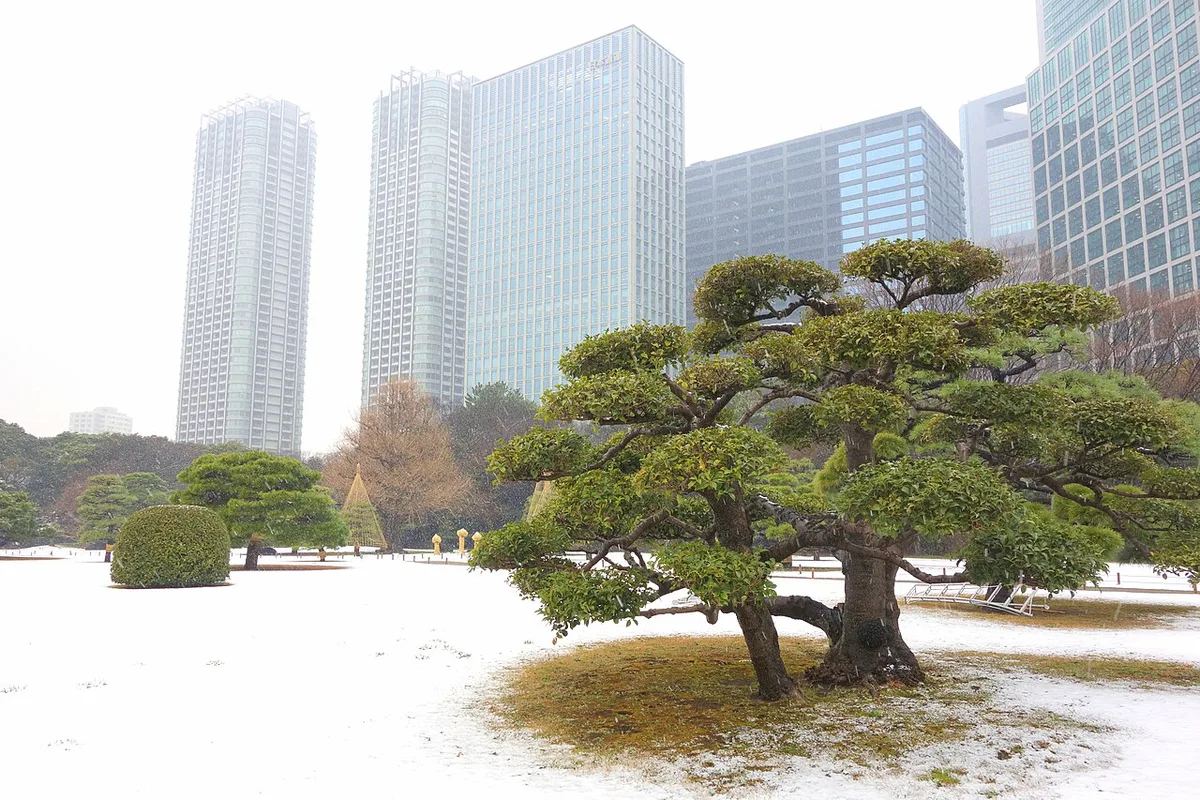
January and February are the coldest months in Tokyo and carry the best odds of catching snow. December usually stays too mild for snow. Check the December weather guide for what to expect that month instead. By January, overnight temperatures drop enough for occasional flurries, and the Tokyo in January guide has month-specific details. February is typically the snowiest of the three months. Setsubun, the bean-throwing festival marking winter's end, falls on February 3 that month. Pack accordingly using the Tokyo in February guide, which breaks down what to expect. Comparing weather across every season is easier with the best time to visit Tokyo guide, which weighs crowds and prices too.
What Winter in Tokyo Feels Like (Temperatures and What to Pack)
Tokyo's official tourism board lists average temperatures of 6 to 9 degrees Celsius, or 43 to 48°F, from December through February, according to Go Tokyo. Nights and shaded spots feel noticeably colder than that daytime average. Days are often dry and sunny even when cold, which makes for clear visibility from the city's observation decks. Pack a heavy jacket, scarf, gloves, and a warm hat for the season. Convenience stores across the city sell disposable heating pads that stick inside shoes, gloves, or jacket linings, useful if the cold catches a traveler unprepared.
Does Snow Disrupt Tokyo Transportation?
Trains, subways, and buses run on normal schedules through most of a Tokyo winter, since accumulating snow is rare enough that the transit network is not built around it. Railway operators may schedule planned suspensions if heavy snow or strong winds are forecast, according to Go Tokyo. These suspensions are announced ahead of time rather than sprung on travelers mid-journey. Checking a train operator's website or app on the morning of a snow forecast is the practical move. Even on the rare day when flakes do fall, delays are usually measured in minutes rather than hours, and major lines resume quickly once conditions clear. Outside of that scenario, do not build extra transit buffer time into a winter itinerary.
Where to Find Real Snow Near Tokyo (Day Trips)
Tokyo itself rarely delivers reliable snow, but several destinations within day-trip range guarantee it. Karuizawa in Nagano Prefecture is the fastest option, reachable in 65 to 80 minutes via the Hokuriku Shinkansen. Yuzawa in Niigata Prefecture is close behind at 75 to 90 minutes via the Joetsu Shinkansen. It is generally the most convenient choice for guaranteed snow, with more than 20 ski resorts and snow parks built for non-skiers. Okunikko in Tochigi Prefecture, about 3 hours away by train and bus, pairs snow with culture. Nikko's town center often sees little snow, but the higher Okunikko area near Lake Chuzenji is usually snow-covered, with frozen waterfalls in the coldest weeks. Travelers prioritizing hot springs should consider Kusatsu Onsen or Manza Onsen in Gunma Prefecture, both about 3 hours away by train and bus. Manza Onsen sits 1,800 meters up the slopes of Mount Shirane and sees heavy snowfall, making it one of the more reliable spots for an outdoor bath in the snow. Minakami Onsen, also in Gunma and reachable by local train or shinkansen, is known for Takaragawa Onsen's large outdoor baths, among the closest mixed-gender hot springs to Tokyo. Mount Fuji and the Fuji Five Lakes region offer scenery rather than guaranteed powder. Snow covers the mountain for more than half the year, but access to it is not guaranteed, and roads near the summit can close. The Tateyama Kurobe Alpine Route is a special case. It closes for winter and reopens only in spring. Its snow-wall corridor, cut up to 20 meters high, is best seen in late April. Full trip planning for all of these routes is covered in the winter day trips from Tokyo guide. If snow is essential to the trip, treat Tokyo as the base and budget one day for a snow destination. Do not wait for snow to fall in the city itself. Staying in Tokyo and hoping for snow is a low-odds bet, since most years bring only one or two snow days total. Day-tripping to Yuzawa or Karuizawa turns snow from a maybe into a near-certainty in January and February.
Yuzawa sits 75 to 90 minutes via the Joetsu Shinkansen with 20+ ski resorts, a stark contrast to Tokyo's typical one or two annual snow days.
| Destination | Prefecture | Travel Time | One-Way Cost | Access | Best For |
|---|---|---|---|---|---|
| Yuzawa | Niigata | 75–90 min | ¥6,500 | Joetsu Shinkansen | Fastest guaranteed snow, 20+ ski resorts |
| Okunikko | Tochigi | ~3 hrs | ¥2,500–5,000 | Train + bus | Snow and culture mix; higher elevation more reliable |
| Kusatsu Onsen | Gunma | ~3 hrs | ¥6,000 | Train + bus | Top-ranked onsen town, usually snow-covered |
| Manza Onsen | Gunma | ~3 hrs | ¥7,000 | Train + bus | 1,800m altitude, heavy snowfall, outdoor baths |
| Minakami Onsen | Gunma | ~3 hrs | ¥3,000–6,000 | Local train or shinkansen | Takaragawa Onsen's large outdoor baths |
| Karuizawa | Nagano | 65–80 min | ¥5,500 | Hokuriku Shinkansen | Fastest access from Tokyo |
| Mount Fuji / Fuji Five Lakes | Chubu | ~2 hrs | ¥2,000 | Train or bus | Scenery; snow access not guaranteed |
| Tateyama Kurobe Alpine Route | Toyama/Nagano | ~3.5 hrs | ¥10,000 | Train | Spring-only, 20m snow-wall corridor |
- Fastest access: Karuizawa or Yuzawa
- Deepest, most reliable snow: Yuzawa or Manza Onsen
- Onsen-first trip: Kusatsu Onsen, Minakami Onsen, or Manza Onsen
- Scenery over skiing: Mount Fuji or the spring-only Tateyama Kurobe Alpine Route
What to Do in Tokyo During Winter (Illuminations, Hot Pot, Onsen, Festivals)
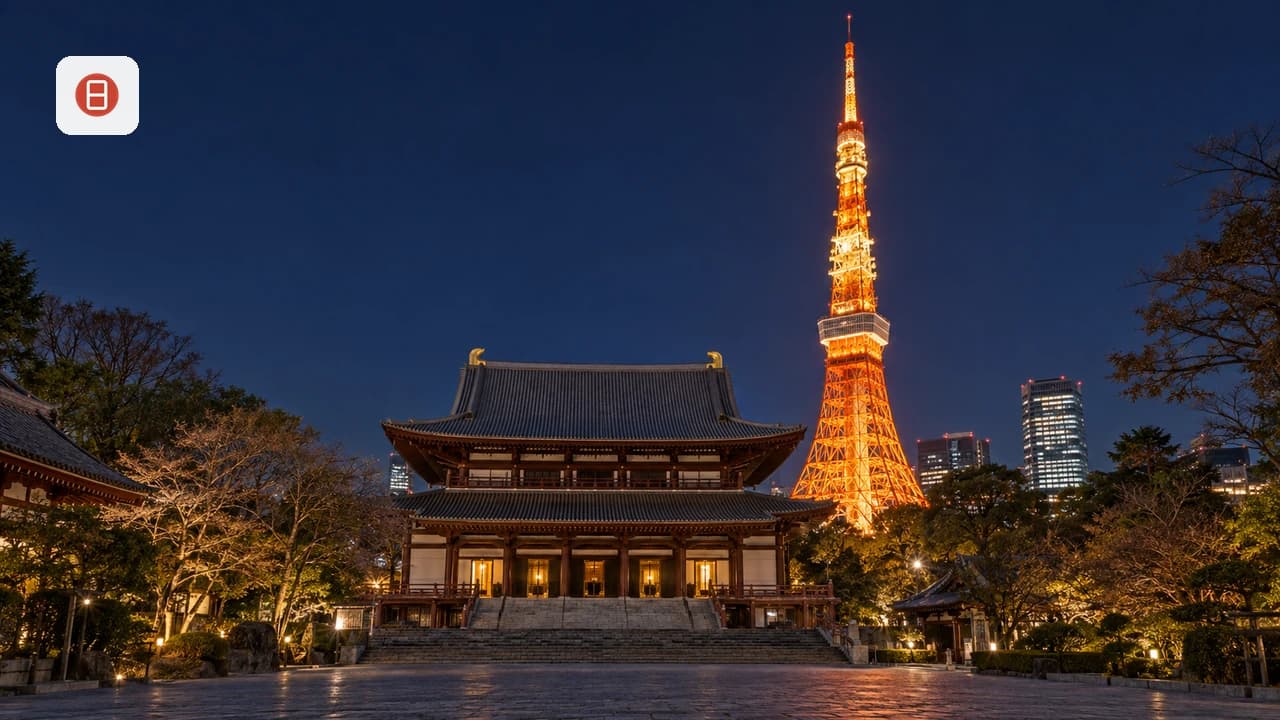
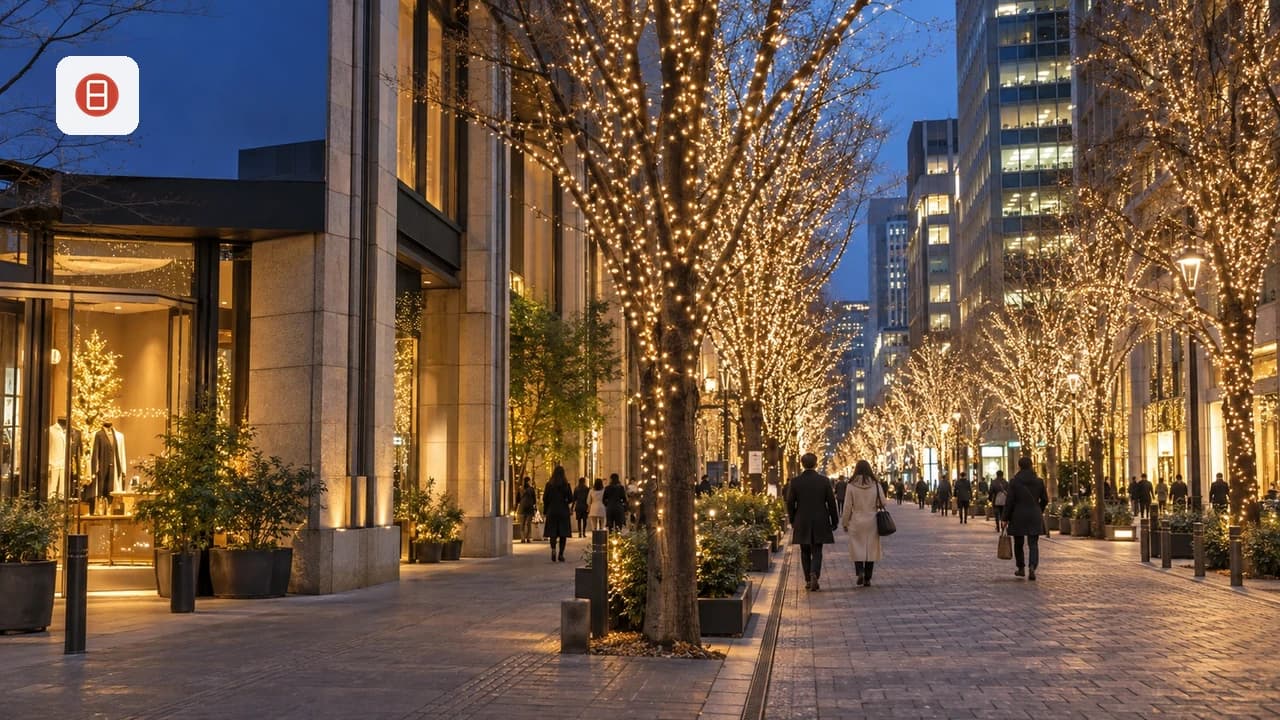
Winter in Tokyo carries its own food and festival calendar, separate from the snow question itself. Ryogoku, home to the Ryogoku Kokugikan sumo arena, is the place to try chanko nabe, the hot pot sumo wrestlers eat to build bulk. Check the Japan Sumo Association's tournament schedule when timing a visit around a match. Convenience stores across the city sell oden, stewed fish cakes, meat, and vegetables, by the piece from pots at the register, a cheap way to warm up between sights. Illumination displays light up Omotesando, Ginza, Ebisu, Marunouchi, and Tokyo Midtown in Roppongi from December into February. Strolling the illumination routes costs nothing. See the 15 Best Free Things to Do in Tokyo 2026 guide for more no-cost winter options. Meiji Jingu Shrine draws more than 3 million visitors in the first three days of January for hatsumode, the year's first shrine visit. Planning around those crowds is covered in the Tokyo New Year's Eve guide. On February 3, Setsubun marks the last day of winter with bean-throwing ceremonies at temples and shrines around the city, including Zojoji Temple. Track these and other seasonal happenings month by month with the Tokyo events guide. Winter is also onsen season, and Tokyo has its own bathhouses and hot springs for travelers who do not want to leave the city for a soak. For travelers who would rather skip the cold, Tokyo's other headline season is spring cherry blossoms, covered in the cherry blossom guide.
More than 3 million visitors in the first three days of January attend hatsumode celebrations amid 6 to 9 degrees Celsius, or 43 to 48°F, temperatures and thick crowds.
Frequently Asked Questions
Does it snow in Tokyo?
Yes, but only lightly. Most years bring one or two days of scattered snowfall, concentrated in January and February, and it rarely piles up.
How often does it snow in Tokyo?
Tokyo typically records snowfall on just one or two days a year. Some winters pass with barely a flurry, while a few bring slightly more, but heavy snow years are uncommon.
Does snow settle or stick in Tokyo?
Rarely. When snow falls, it usually melts within a few hours to a couple of days rather than building into a lasting layer. A snowman is not a realistic plan in most winters.
What month does it snow in Tokyo?
Snow is most likely in January and February, the coldest months of the year in the city. December usually stays too mild for snow, and temperatures start climbing again by March.
Does it snow more in Japan overall than in Tokyo?
Yes, significantly. Regions like Hokkaido and the Tohoku mountains get heavy, reliable powder all winter, while Tokyo sees only occasional light snowfall by comparison. A day trip or a longer stay outside the city is the better plan for travelers chasing deep snow rather than a light dusting.
Does snow disrupt trains in Tokyo?
Rarely, and only when a real storm is forecast. Train and bus services run on normal schedules through most of winter. Operators announce planned suspensions in advance of forecast heavy snow or strong winds.
Is Tokyo cold enough for snow in winter?
Yes, but only just. Average winter temperatures hover a few degrees above freezing, which is cold enough for occasional snow but too mild for it to last.
Free: The Tokyo Essentials guide
Top things to do, where to stay, a perfect day plan, getting around, and the best time to go — a Tokyo mini-guide you can take offline.
You might also like
Continue reading
More guides you'll find useful