Tokyo in February: Weather, Events, and What to Know Before You Go
Plan Tokyo in February with verified weather figures, Setsubun and plum blossom dates, crowd-timing tips, and a day-trip comparison for 2026 travel.
On this page
Last updated September 2026. Tokyo in February trades New Year crowds for lower hotel rates, thinner sightseeing lines, and a run of plum-blossom festivals most itineraries skip. Daytime highs hover in the low double digits Celsius, while nights turn cold enough for a real coat.
Is February a Good Time to Visit Tokyo?
February suits travelers chasing lower prices, shorter lines, and specific festival dates rather than warm weather or cherry blossoms. Airfare and hotel rates typically ease once New Year demand fades in mid-January, and that dip usually carries through most of February. Photographers and budget-focused travelers get the best of this month. Travelers hoping for garden color or beach weather should look toward spring or summer instead. Most deciduous trees stay bare until the plum and cherry blossoms arrive. Anyone set on cherry blossoms specifically should wait for cherry blossom season instead. For a full seasonal comparison, the best time to visit Tokyo breaks down how February stacks up against spring and autumn. Within winter itself, covered in the Tokyo winter guide, February sits between January's post-holiday lull and March's early cherry-blossom rush.
Tokyo Weather in February
Tokyo's official tourism board lists February's average high at 12.0°C (53.6°F) and average low at 1.9°C (35.4°F), with average daytime temperatures near 6.5°C (43.7°F), based on 2025 data. Average rainfall runs about 6.5 millimeters for the month, so most days stay dry with a mix of sun and cloud. Some independent travel guides cite a narrower, slightly cooler range, closer to 10°C (50°F) by day, so pack for the colder end of whatever figure you read. Snow falls rarely in central Tokyo. For the deeper explanation, including how often it actually settles, see Does It Snow in Tokyo? Frequency, Best Months, and Where to Find Snow Nearby. Closer to your travel dates, check the Japan Meteorological Agency directly rather than relying on any single seasonal guide.
| Metric | February average |
|---|---|
| Daytime high | 12.0°C (53.6°F) |
| Overnight low | 1.9°C (35.4°F) |
| Average daytime temperature | 6.5°C (43.7°F) |
| Average rainfall | about 6.5 mm |
- Insulated jacket or heavy coat for wind off Tokyo Bay and near-freezing evenings
- Layers you can shed indoors, since trains and shops run warm
- Closed, sturdy shoes for sidewalks that stay dry more often than wet
- Gloves and a scarf for early-morning shrine visits and outdoor festivals
- A compact umbrella for the occasional February shower
Best Events and Festivals in February
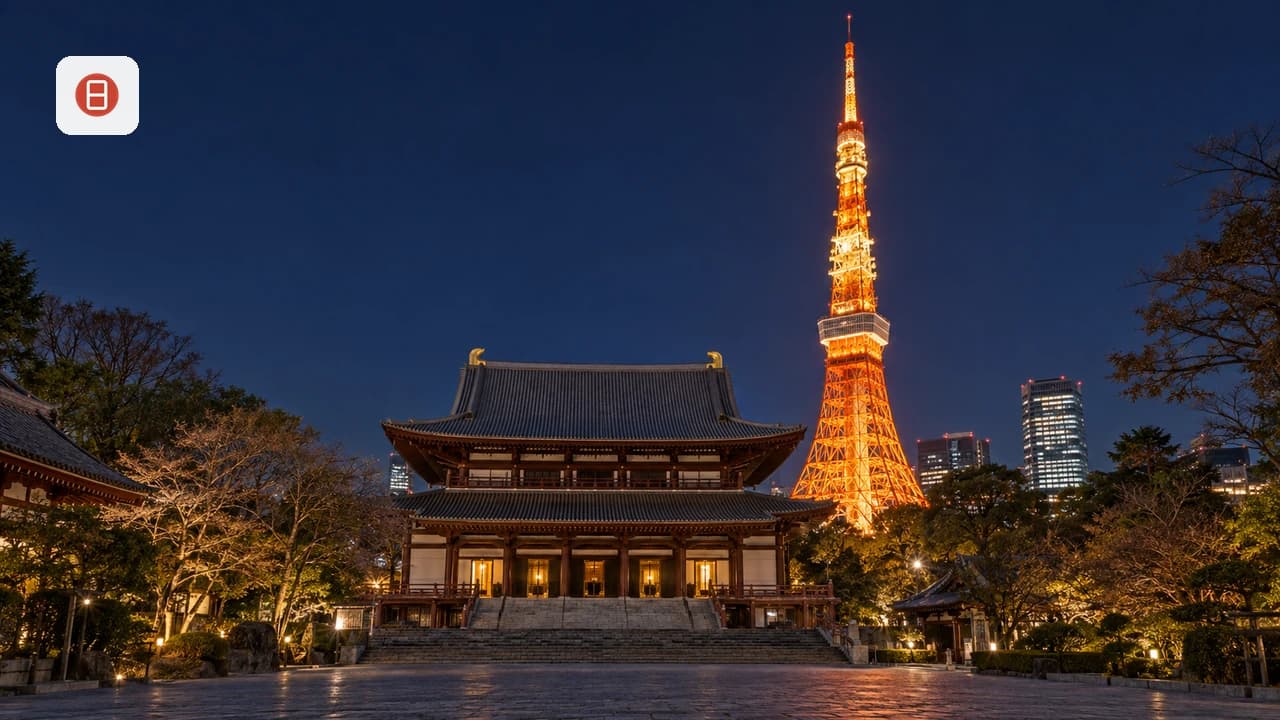
Setsubun, Tokyo's bean-throwing festival marking the shift to spring, falls on February 3rd every year. The best-known public ceremony runs from 12:00 to 13:00 at Zojoji Temple, next to Tokyo Tower. Arrive by late morning for a sightline to the stage, since the ceremony draws a dense crowd and does not repeat later in the day.
Setsubun runs 12:00 to 13:00 at Zojoji Temple; like most February festivals, it sits close to a train station, keeping a full sightseeing day walkable between stops.
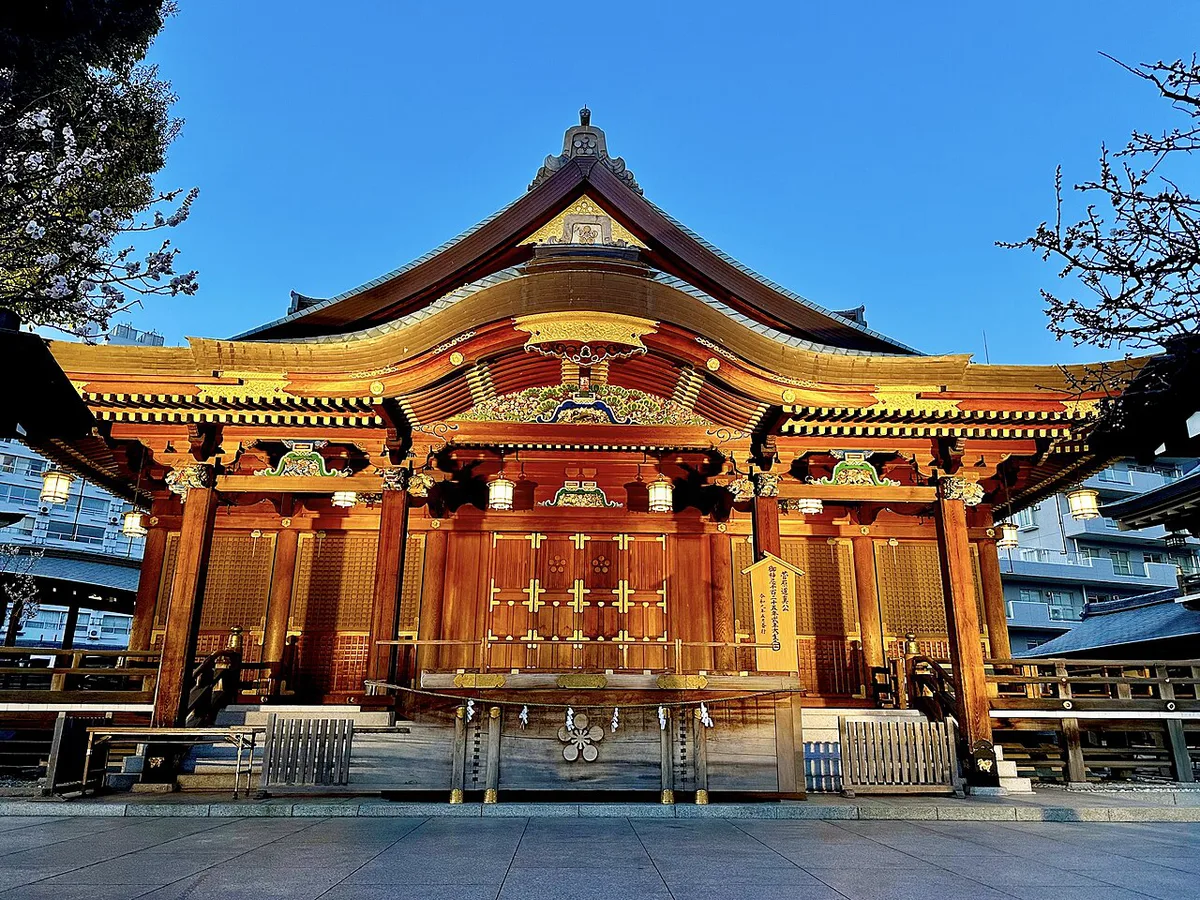
Plum blossom season opens in early February and continues into March, well ahead of cherry blossoms. Kyodonomori Park, the Setagaya Ume Matsuri, and the Bunkyo Ume Matsuri rank among the city's best-known plum festivals. These blossoms range from pale pink to a deep pinkish red, with rounder, unnotched petals that set them apart from cherry blossoms. Travelers planning around that later bloom instead should use the cherry blossom guide. Kasai Rinkai Park's daffodils also peak in February, with views across Tokyo Bay and, on clear days, Mt. Fuji.
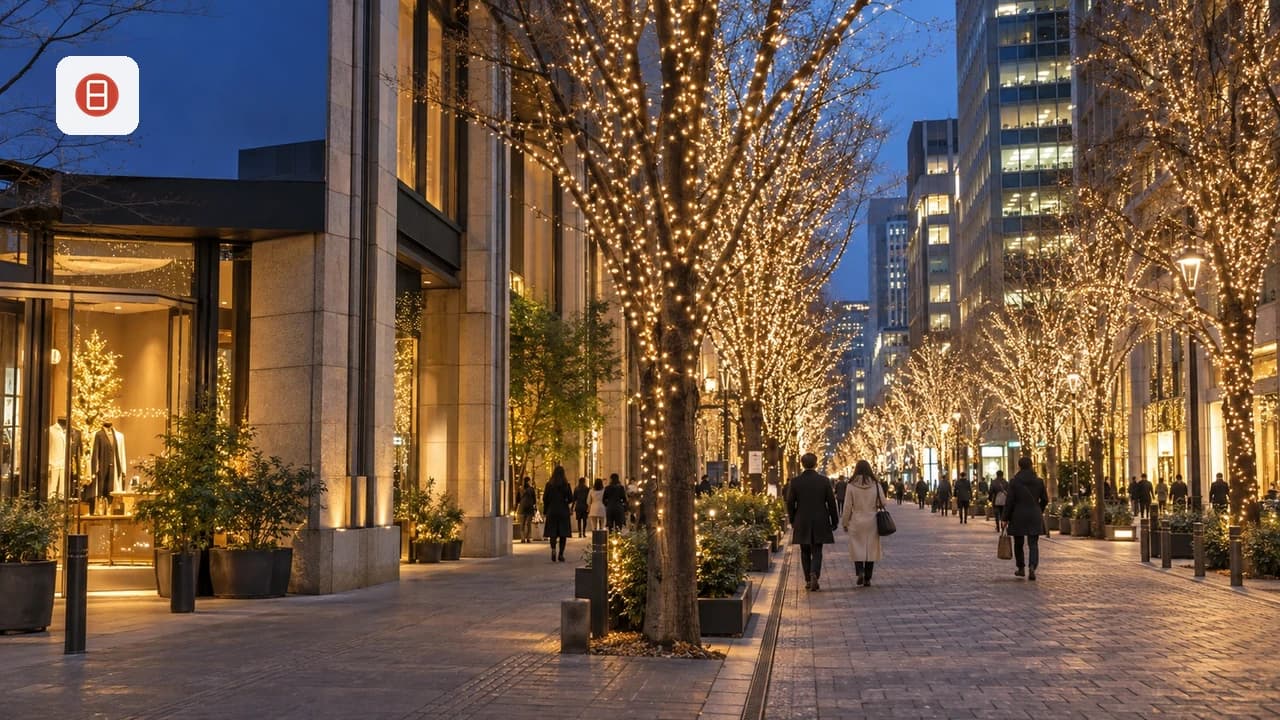
A handful of winter illuminations carry into February before coming down for the year. Most debut in November and peak the following month, covered in the Tokyo in December guide. Some of the same displays lit the city's New Year's Eve countdowns weeks earlier, detailed in the Tokyo New Year's Eve guide.
The Ohme Road Race has run every February since 1967 and stays open to any registered participant, not just elite athletes. Runners split into 30-kilometer and 10-kilometer groups, and spectating is free with no advance ticket required.
Yokohama, reachable from central Tokyo, hosts its own early-February craft beer festival at Yokohama Hammerhead, with brewers from Japan and abroad pouring more than 300 beers. The nearest station is Sakuragicho, about 40 minutes from Shinjuku Station. Exact dates shift each year, so confirm the current schedule before planning a day around it.
Yoyogi Park hosts the Sakana (fish) and Japan Festival in late February, with close to 100 booths selling seafood dishes such as seafood ramen and paella. The event draws large crowds, so arrive with time to spare and an appetite.
On Valentine's Day, Japan's custom runs opposite the Western one. Typically, women give chocolate to men, and department stores build seasonal chocolate displays featuring brands from Japan and abroad. Browsing those free pop-up chocolate fairs pairs well with the budget ideas in 15 Best Free Things to Do in Tokyo 2026.
Because several of these events land on a single fixed date, weekday visits or an early arrival beat showing up at peak weekend hours. Check exact dates each year against Tokyo's events calendar, since festival scheduling shifts annually.
- Marunouchi Illumination: lit through February 15th
- Shinjuku Station area lights: lit through February 15th
- Tokyo Dome: lit through March 1st
- Yebisu Garden Place: lit through March 1st
- Enoshima's Samuel Cocking Garden (Kanagawa): lit through February 28th
Costs, Tickets, and Opening Hours
February's value shows up before you land. Flights and hotel rates typically ease once New Year demand fades in mid-January, and that dip usually holds through the month. Shrine and temple visits, including the Setsubun ceremony at Zojoji Temple, cost nothing to watch from the crowd. Organized day tours out of Tokyo commonly run from about ¥21,000 to ¥29,200 per person, according to published rates from Tokyo-based tour operators. Price depends on distance and group size. Independent travel by train costs a fraction of that for anyone comfortable navigating stations without a guide. Festival entry for events like the Yoyogi seafood festival or the Yokohama beer festival appears free based on published event details, with attendees paying per dish or sample instead of an entry ticket. Confirm current terms on each event's own listing before you go, since policies can shift year to year. Some museums and gardens also trim their winter opening hours for shorter daylight, so check hours on the venue's own site before building a same-day itinerary around it.
Organized day tours cost ¥21,000 to ¥29,200 per person; independent mountain trips to Hakone or Mt. Fuji by train cost a fraction of that.
Where to Stay and How to Get Around
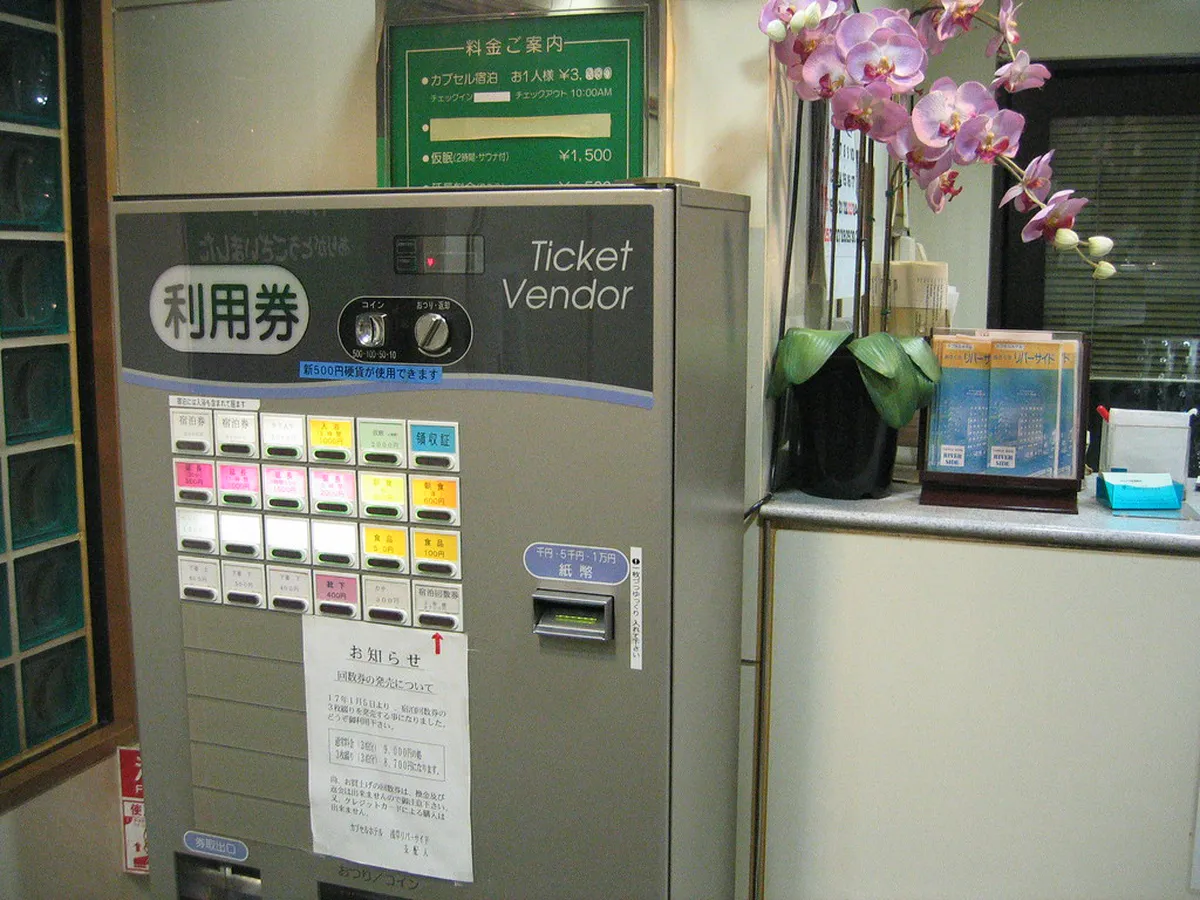
Hotel availability generally loosens in February compared with the New Year period. Rooms in central areas like Shinjuku, Shibuya, or Ueno are easier to book without months of lead time. Public transit runs on its usual year-round schedule, so a rechargeable IC card covers subways, JR lines, and most buses without separate tickets. Trains toward snow regions and ski areas fill up faster in February, since ski season overlaps with the month. Reserve any seat-assigned service, such as a bullet train, a few days ahead. Many of the festival venues covered in this guide sit close to a train station, which keeps a full sightseeing day walkable between stops. Basing near a central train hub keeps most Tokyo Trip Planner 2026: Attractions, Neighborhoods and Itineraries and February's festival sites within easy reach.
Day Trips from Tokyo in February
Central Tokyo rarely holds snow in February, so day trips are the reliable way to see it. Winter Day Trips From Tokyo Travel Guide covers the full roster of options. Three worth weighing against each other for a single day are below.
Kamakura and Enoshima cost the least travel time and pair temple visits with a coastal walk, but do not expect snow at sea level. Kamakura's most-visited stop is the Great Buddha, a large bronze statue that also draws temple and shrine visitors year-round. The Nagatoro boat ride trades a full day for a slower countryside pace under a heated table, with hillside snow more likely than around Kamakura. This kotatsu boat option runs only from January through February, so it is not available outside that window. Mountain routes toward Hakone or the Mt. Fuji area take about the same time as Nagatoro. They offer the best chance of visible snow without checking into a ski resort.
| Day trip | Travel time from Tokyo | What you get |
|---|---|---|
| Kamakura & Enoshima | just over 60 minutes from Shinjuku Station | temples, coastal views, no snow at sea level |
| Chichibu/Nagatoro kotatsu boat | about 2 hours | heated river-boat ride, quiet countryside, hillside snow more likely |
| Hakone/Mt. Fuji area | about 1-2 hours | best odds of visible snow without a ski-resort stay |
Mistakes to Avoid in Tokyo in February
A few planning errors show up repeatedly in February trip reports.
- Expecting cherry blossoms: February is plum season, and the two blooms differ in petal shape and color.
- Underdressing for wind: daytime highs near 12.0°C (53.6°F) feel colder with wind off the bay, so pack a real coat rather than a light jacket.
- Arriving late to timed events: the Zojoji Setsubun ceremony runs a single 12:00-13:00 window, and a late arrival means a blocked sightline.
- Skipping the shoulder-month comparison: February runs warmer overnight than January's coldest stretch but colder than early spring, per the Tokyo in January guide.
- Assuming festival dates repeat exactly: event and illumination dates shift year to year, so confirm the current schedule before building a day around one.
Using an IC Card vs. a Tokyo Transit Pass
For most February itineraries, load a rechargeable IC card and pay as you go. It works on Tokyo Metro, Toei subway lines, JR trains, buses, and many convenience stores. That flexibility matters when festival stops sit on different rail networks.
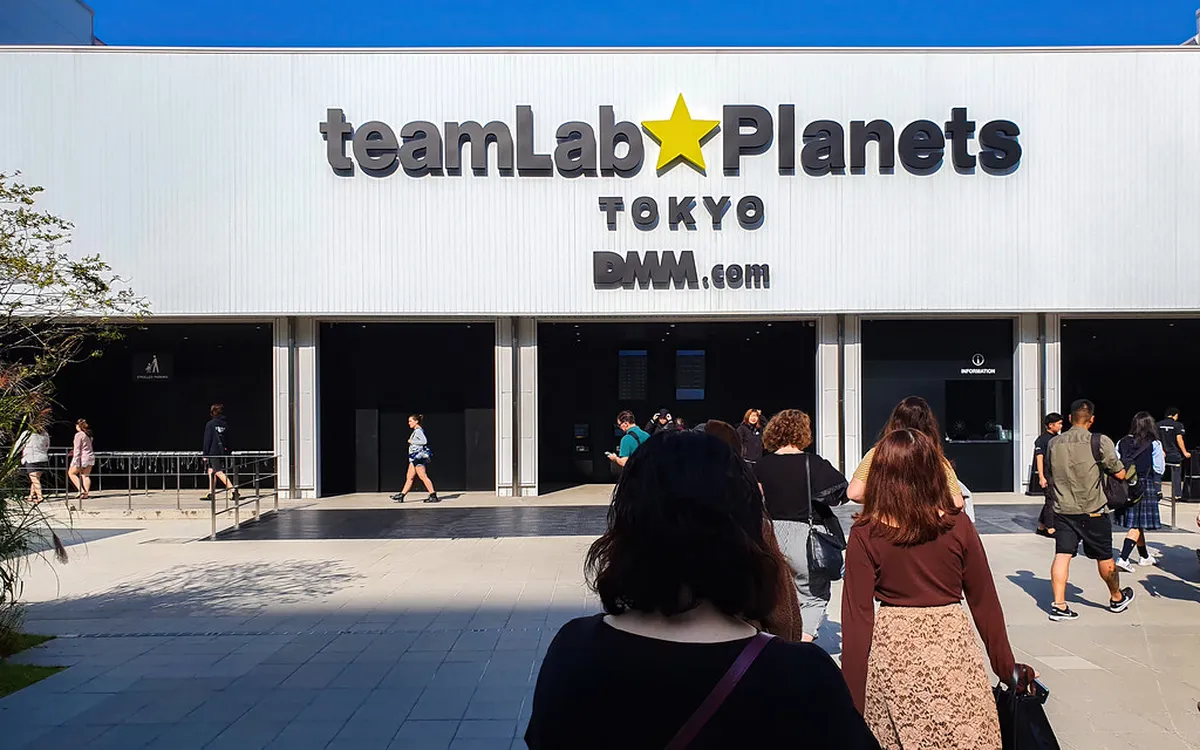
A subway day pass can help only if your plan involves several rides on the included Tokyo Metro and Toei lines. It does not cover JR trains or private railways. Check each pass’s coverage before buying it, especially for trips to Kamakura, Enoshima, Hakone, or Chichibu.
- Use an IC card for mixed sightseeing days across Shinjuku, Ueno, Asakusa, and Shibuya.
- Consider a subway pass for a dense central-city day with repeated Metro and Toei rides.
- Buy separate rail tickets or use your IC card for day trips beyond Tokyo.
Avoid assuming one ticket covers every train with the word “Tokyo” in its name. Rail operators are separate, and a quick route check prevents an unexpected extra fare at the gate.
Frequently Asked Questions
Is February a good time to visit Tokyo?
Yes, especially for travelers prioritizing value and festivals over warm weather. Hotel rates and flights typically ease once New Year demand fades, and Setsubun, plum blossoms, and the Ohme Road Race all fall inside the month. Anyone set on cherry blossoms should wait for spring instead.
What is the weather like in Tokyo in February?
Tokyo's official tourism board lists an average high of 12.0°C (53.6°F) and an average low of 1.9°C (35.4°F) for February, with about 6.5 millimeters of average rainfall. Some independent travel sites report slightly cooler figures, closer to 10°C (50°F) by day. Either way, days call for a real coat and nights get cold enough for gloves.
Does it snow in Tokyo in February?
Snow falls rarely in central Tokyo during February and is not reliable enough to plan around. Day trips into the mountains an hour or two outside the city raise the odds of seeing snow on the ground. Average highs and lows for the month are covered earlier in this guide.
What should you pack for Tokyo in February?
Pack an insulated coat and closed, sturdy shoes for cold sidewalks and wind. Add layers you can shed indoors, plus a scarf or gloves for early-morning festival lines. A compact umbrella covers the occasional shower, since the month sees only light average rainfall.
Are there fewer crowds in Tokyo in February?
General sightseeing crowds thin out compared with the New Year period and spring cherry blossom season. Specific festival days are the exception. Setsubun on February 3rd, and weekend plum-blossom viewing, can both draw dense crowds at a single time and place, so arrive early or go on a weekday instead.
What festivals happen in Tokyo in February?
Setsubun bean-throwing ceremonies open the month on February 3rd, with a major public version at Zojoji Temple. Plum blossom festivals run at parks across the city through March, and a handful of winter illuminations stay lit into mid-February. Ohme Road Race and Valentine's Day chocolate displays round out the month's calendar.
Is February too cold to visit Tokyo?
Not for most travelers who dress correctly and don't mind occasional wind off the bay. Daytime highs average around 12.0°C (53.6°F), warm enough for extended walking with a real coat. Nights are colder, dropping toward 1.9°C (35.4°F) on average, so plan fewer late-evening outdoor stops.
What's the cheapest way to see snow near Tokyo in February?
Independent day trips by train cost far less than a guided tour package. Traveling an hour or two outside the city by regional train raises the odds of seeing snow on higher ground. Mountain routes toward Hakone or the Mt. Fuji area tend to offer the best combination of accessible snow views and reasonable travel time.
Free: The Tokyo Essentials guide
Top things to do, where to stay, a perfect day plan, getting around, and the best time to go — a Tokyo mini-guide you can take offline.
You might also like
Continue reading
More guides you'll find useful