Kishiwada Danjiri Festival Guide: Viewing Tips, Dates & Logistics
Plan your Kishiwada Danjiri Festival visit: best yarimawashi viewing spots, transport tips, safety advice, and 2026 dates for this Osaka float festival.
On this page
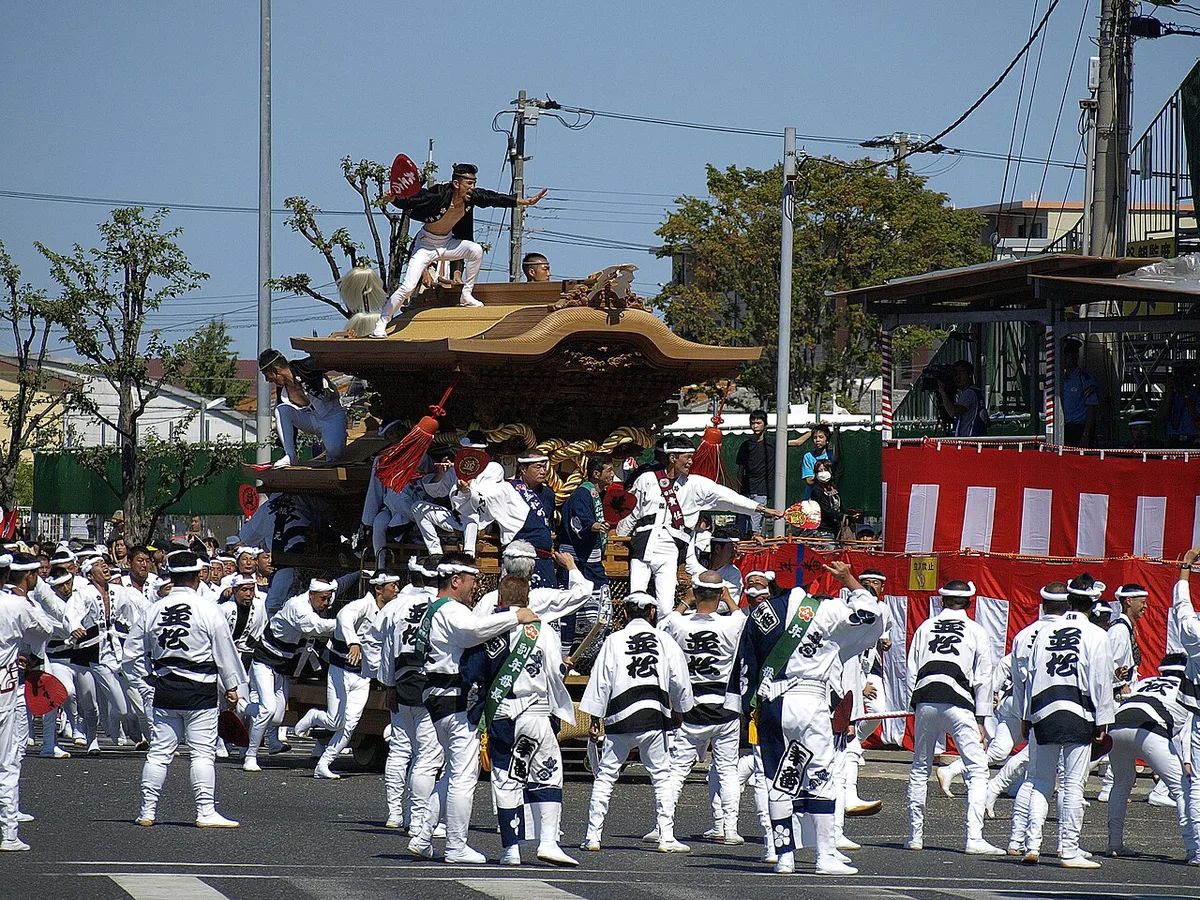
Last updated September 2026, this guide covers everything you need to plan a visit to the kishiwada danjiri festival, from viewing strategy to train logistics. Held over a weekend in mid-September in Kishiwada, a coastal city in southern Osaka Prefecture, the event centers on hand-carved wooden floats called danjiri that crews pull at running speed through narrow streets. Roof-top dancers known as daiku-gata guide each float through 90-degree corner turns called yarimawashi, and the tradition has continued in roughly this form for around 300 years.
What Is the Kishiwada Danjiri Festival?
Kishiwada sits in southern Osaka Prefecture, a Nankai Line stop south of central Osaka's downtown core. Danjiri are hand-carved wooden floats that local crews build, maintain, and pull through the streets year after year. Crews practice the pulls and turns for months beforehand, since a mistimed run risks damage to the float or injury to the people pulling it. Its roots reach back roughly 300 years, making it one of the longer-running float festivals in the Kansai region. Daiku-gata, the roof-top performers, stand atop each float and use their movements to help direct the pulling crew through corners without losing momentum. The role carries real physical risk, since a performer who loses balance during a turn has nowhere soft to land. Compare that danger and speed to Osaka's Tenjin Matsuri, a calmer, more ceremonial event on the city's festival calendar. NHK World's coverage frames the event around the pulling teams' speed and commitment, calling it a dynamic two-day spectacle.
- Location: Kishiwada, southern Osaka Prefecture, near Kishiwada Castle
- History: roughly 300 years of tradition
- Signature move: yarimawashi, 90-degree turns at running speed
- Access: Nankai Line to Kishiwada Station or Haruki Station
Yarimawashi: The 90-Degree Turns That Define the Festival
Yarimawashi is the maneuver that draws crowds to specific street corners along the route. Crews sprint the float toward an intersection at speed, then pivot it through a 90-degree turn without stopping, using ropes, wooden beams, and coordinated pulling from the full crew. Daiku-gata read the crowd and the crew from the roof, timing their signals as the turn unfolds beneath them. A clean turn draws applause from the surrounding crowd, while the margin for error stays thin the entire way through. Organizers close certain corners to non-participants for this reason, and staff mark exactly where the public can safely stand. Daytime running is loud and physical, with drums and whistle signals timed to each pull and each turn. After dusk, crews light paper lanterns on each danjiri, and the same streets shift to a slower, more subdued procession. Watching both halves of the day, where the schedule allows, shows two different sides of the same festival.
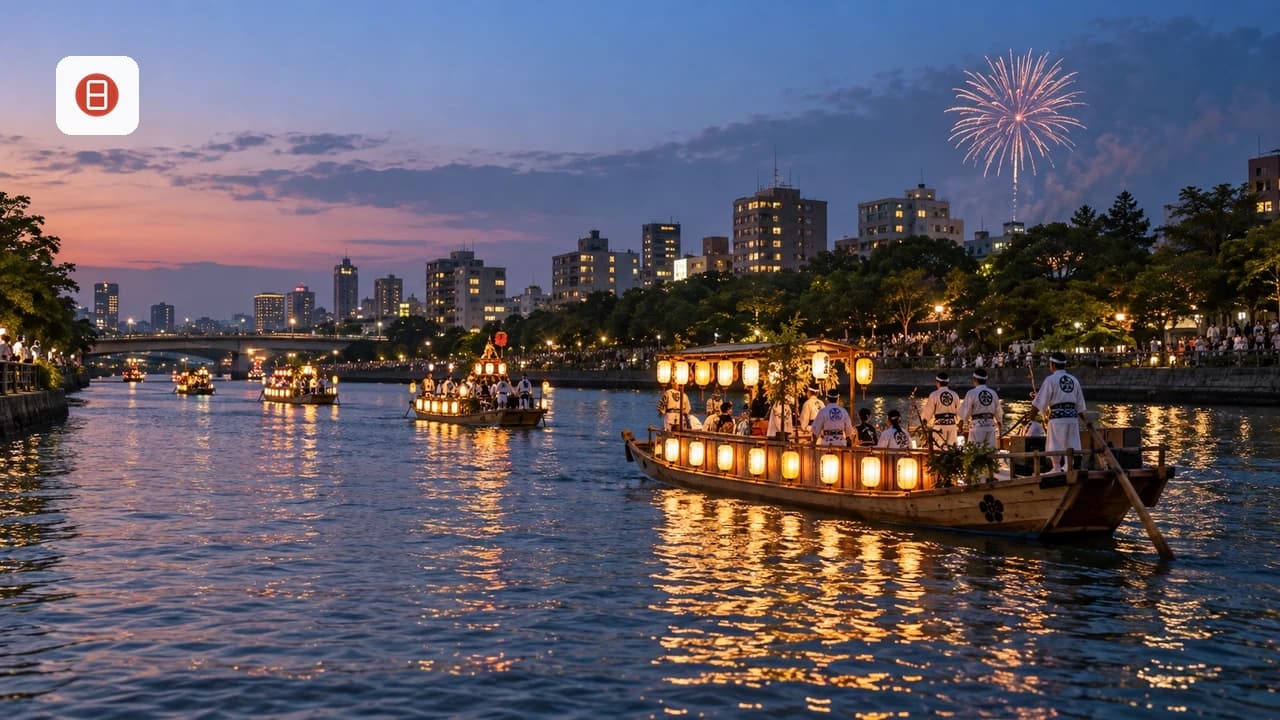
The procession runs until 10 PM both days; after dusk, lanterns replace daylight intensity and the pace shifts to a slower, more meditative progression through town.
Kishiwada Danjiri Festival Dates and Daily Schedule for 2026
Kishiwada's main festival runs on a Saturday-and-Sunday weekend in mid-September, with past editions clustering around September 15 and 16. Exact 2026 dates are confirmed by Kishiwada City each year, so check the official city site before booking trains or a hotel. Floats start running as early as 6 AM on the first morning, and the pace does not let up until the evening lantern displays take over. See the daily breakdown below for both festival days. A separate, smaller festival takes place in Kishiwada in October, run by different neighborhood groups on a reduced scale. Travelers who show up in October expecting September's crowds and route closures are consistently disappointed by the smaller footprint. Confirm which festival a listing refers to before building a trip around it, since the two get confused often in casual write-ups. Because the main festival falls during Osaka's still-humid mid-September stretch, pack for heat. Check typical September temperature and humidity patterns before committing to hours of outdoor standing.
- First day (Saturday): running from about 6 AM to around 10 PM
- Second day (Sunday): running from about 9 AM to around 10 PM
- General street viewing: free
- October festival: smaller scale, different neighborhood groups, lighter crowds
Best Places to Watch the Kishiwada Danjiri Floats
Kishiwada Station's surrounding streets deliver the most famous turns, but they also draw the thickest crowds and the tightest sightlines. Arriving with only a general sense of being near the station usually means watching through a wall of shoulders. Can-Can Bayside, a waterfront viewing area, offers another popular vantage point for watching yarimawashi turns with more room to stand and move. Standing along the public route is free. Some organizers and local businesses sell reserved seating with better sightlines, at an added cost that varies by year. Check current listings before booking a paid spot, and weigh the cost against how much a guaranteed view matters to the trip. Police mark safe viewing boundaries with green lines and temporary barriers. Staying behind them matters, since a moving danjiri cannot stop or swerve quickly once a pull is underway. Photographing the turns is popular, but keep phones and cameras low enough that they do not block sightlines or drift past the marked boundary. Follow every instruction from police and festival staff, keep small children within arm's reach, and never step into the street while a float is moving or about to turn.
| Viewing Spot | Crowd Level | Best For |
|---|---|---|
| Kishiwada Station area | Heaviest | First-time visitors who want the classic turns up close |
| Can-Can Bayside | Busy, somewhat lighter | More room to watch turns comfortably |
| Reserved or paid seating | Varies by vendor | Visitors who want a guaranteed sightline over free standing room |
Getting to Kishiwada and Where to Stay
Nankai Electric Railway's Nankai Line connects central Osaka to the festival area, with direct service to both Kishiwada Station and Haruki Station. Expect standing-room crowds heading south from Namba in the hours before the floats start, since crowds build early on festival weekends. Build extra time into the journey rather than cutting it close, particularly for the first morning run. Police manage pedestrian flow near Kishiwada Station with one-way routes on festival days, so follow posted signs and staff directions rather than doubling back through the crowd. Lodging inside Kishiwada itself is limited, and rooms near the route can sell out well before the weekend once dates are announced. Namba and central Osaka carry far more hotel inventory, and a Nankai Line ride back into the city stays available even after the lanterns come out in the evening. Basing yourself in central Osaka also keeps the rest of a trip flexible, since Kishiwada has fewer restaurants and evening options than the city center. Decide on a base early, and read Osaka's best-time-to-visit guide for how festival timing fits into a broader trip.
Floats start 6 AM Saturday and 9 AM Sunday; crowds board trains from Namba hours before, so arrive very early to secure a standing spot with any sightline.
Kishiwada Danjiri Kaikan Museum: See the Floats Without the Crowds
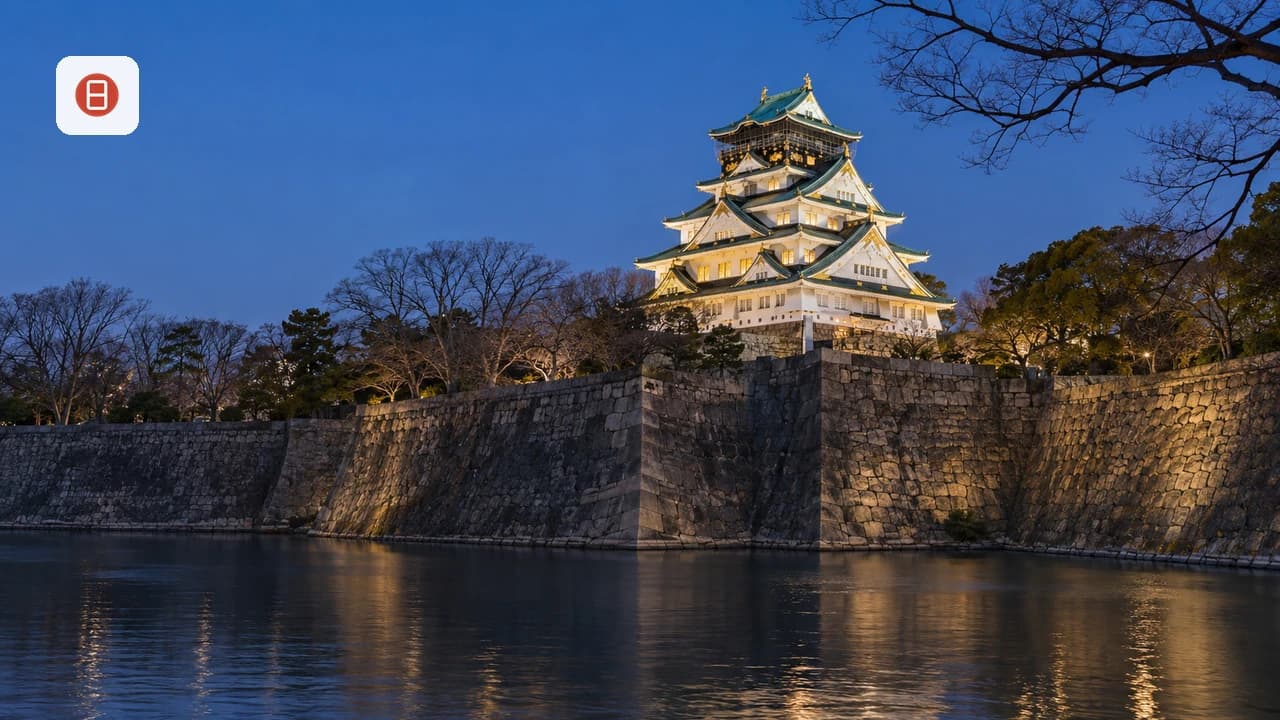
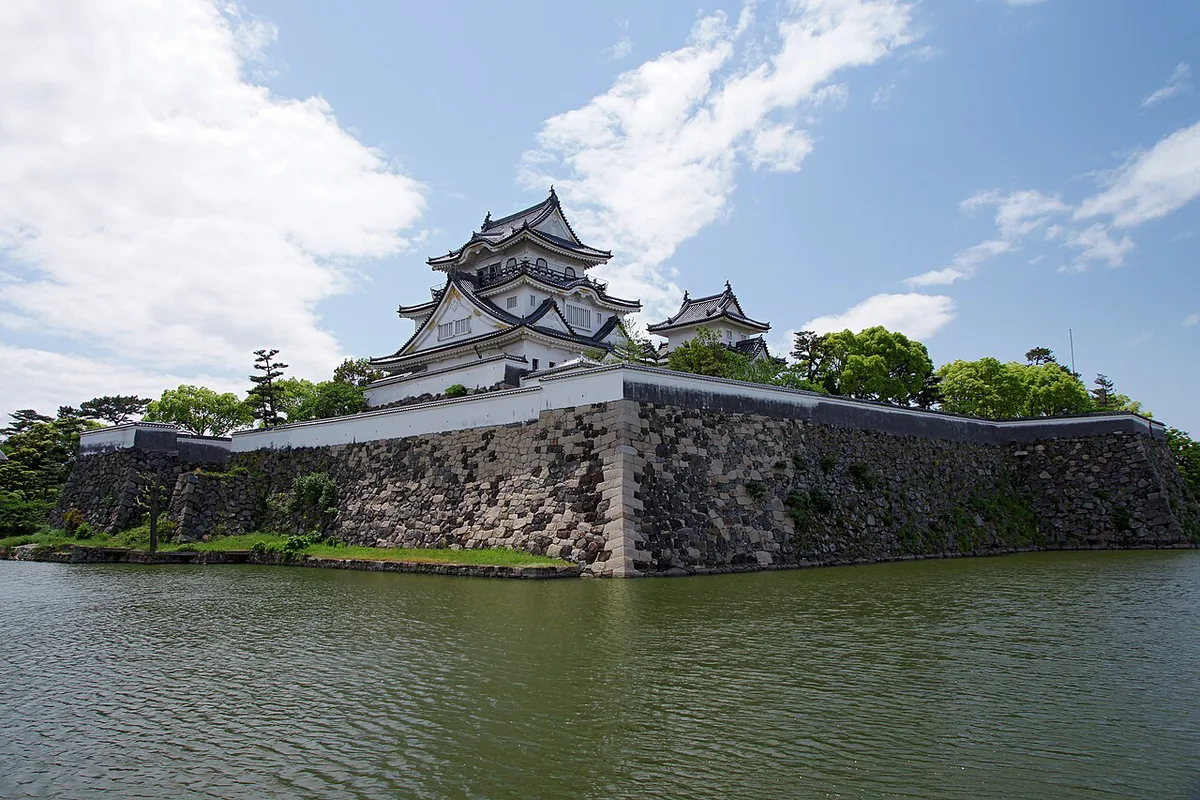
Kishiwada Danjiri Kaikan sits near Kishiwada Castle, a short walk from the station area. The museum displays danjiri up close year-round, along with craftsmanship details that are impossible to make out once a float is moving at speed. Exhibits cover the carving techniques, historical background, and float dimensions behind each build, context the festival itself moves too fast to explain. Visiting outside festival weekends means no crowds, no barriers, and time to examine the carving work on each float's panels at a normal walking pace. Confirm current hours and admission before visiting, since museum schedules can change season to season. Pair the museum stop with a walk around Kishiwada Castle grounds, which sit within walking distance of the exhibit and add a quieter counterpoint to the festival's pace.
Mistakes to Avoid at the Kishiwada Danjiri Festival
A handful of avoidable mistakes account for most bad experiences at this festival. Review the list below before finalizing plans, since several of these are safety issues rather than simple inconveniences.
- Bringing a large umbrella: open umbrellas near a moving float are a hazard and get restricted in dense viewing areas
- Crossing the street during a run: roads close for a reason, and a moving float cannot stop quickly once a pull starts
- Booking accommodation late: rooms near the route and inside Kishiwada itself sell out well before festival weekend
- Underestimating the intensity: the noise, crowd density, and pace make this a demanding event for small children or anyone with limited mobility
Combining Kishiwada with the Rest of Your Osaka Trip
Kishiwada Castle sits within walking distance of the main festival route, making it an easy add-on before or after watching a run. Pair the visit with a broader look at Osaka's other attractions so the trip covers more than one afternoon near Kishiwada. Check Osaka's full events calendar to see what else overlaps with festival season, since September carries other citywide events worth timing a trip around. Building a day around the castle and the danjiri route gives the visit a rhythm. Start with history and architecture in daylight, then let the noise and speed of the floats take over as the afternoon builds toward evening. If a September trip does not line up, Osaka's summer Tenjin Matsuri offers a calmer alternative built around a different kind of procession. Whichever attractions you add, keep the itinerary light on extra walking before the festival starts, since September afternoons in Osaka run warm and humid.
Frequently Asked Questions
When is the Kishiwada Danjiri Festival held in 2026?
Kishiwada's main festival runs on a Saturday-and-Sunday weekend in mid-September, with recent editions falling around September 15 and 16. Exact 2026 dates are set by Kishiwada City, so confirm them on the official city site before booking travel. A separate, smaller festival takes place in October, run by different neighborhood groups.
What is yarimawashi?
Yarimawashi is the maneuver where a danjiri float takes a 90-degree corner turn at running speed without stopping. Daiku-gata, the roof-top performers, help time and guide the turn from above the float. It is the signature moment crowds gather to watch at specific intersections.
Is it free to watch the Kishiwada Danjiri Festival?
Standing along the public viewing route is free. Some organizers and local businesses sell reserved seating with better sightlines for an added cost that varies by year. Check current listings before booking a paid spot.
Where is the best place to watch the floats?
Kishiwada Station's surrounding streets carry the most famous turns and the heaviest crowds. Can-Can Bayside offers another popular vantage point with a bit more room to stand. Arrive early either way, since good sightlines fill up hours before the first run.
Is the festival safe for children or visitors with mobility limitations?
Crowd density, noise, and unpredictable float movement make this a demanding event for small children. Visitors with mobility limitations should also plan carefully, since viewing areas involve standing for hours on uneven streets. Anyone attending with kids should keep them within arm's reach at all times and stay well behind the police-marked lines.
How do you get to the festival from Osaka?
Take the Nankai Line from central Osaka directly to Kishiwada Station or Haruki Station. Trains get crowded in the hours before the floats start, so build in extra time. Staying in Namba or central Osaka gives you more hotel options than Kishiwada itself.
What's the difference between the September and October festivals?
September hosts the main event, centered on Kishiwada Station with the largest crowds and the full yarimawashi program. October's edition is smaller, run by different neighborhood groups, with lighter crowds and a shorter route. Most visitors researching this festival are picturing the September event, so confirm the month before booking travel.
Free: The Osaka Essentials guide
Top things to do, where to stay, a perfect day plan, getting around, and the best time to go — a Osaka mini-guide you can take offline.
You might also like


Continue reading
More guides you'll find useful