Tenjin Matsuri 2026 Guide: Osaka's Festival of Fire and Water
Plan your 2026 trip to Tenjin Matsuri, Osaka's July 24-25 festival of fire and water, with the schedule, top viewing spots, and seating prices.
On this page
Last updated September 2026. Tenjin Matsuri fills central Osaka every July 24 and 25 with a land procession, a river parade, and a fireworks finale over the Okawa River. Locals rank it among Japan's three largest Shinto festivals, so evenings near Osaka Tenmangu Shrine get crowded fast. This guide breaks down both festival days, the bridge rules police enforce, and where to find paid seating.
What Is Tenjin Matsuri? Osaka's Festival of Fire and Water
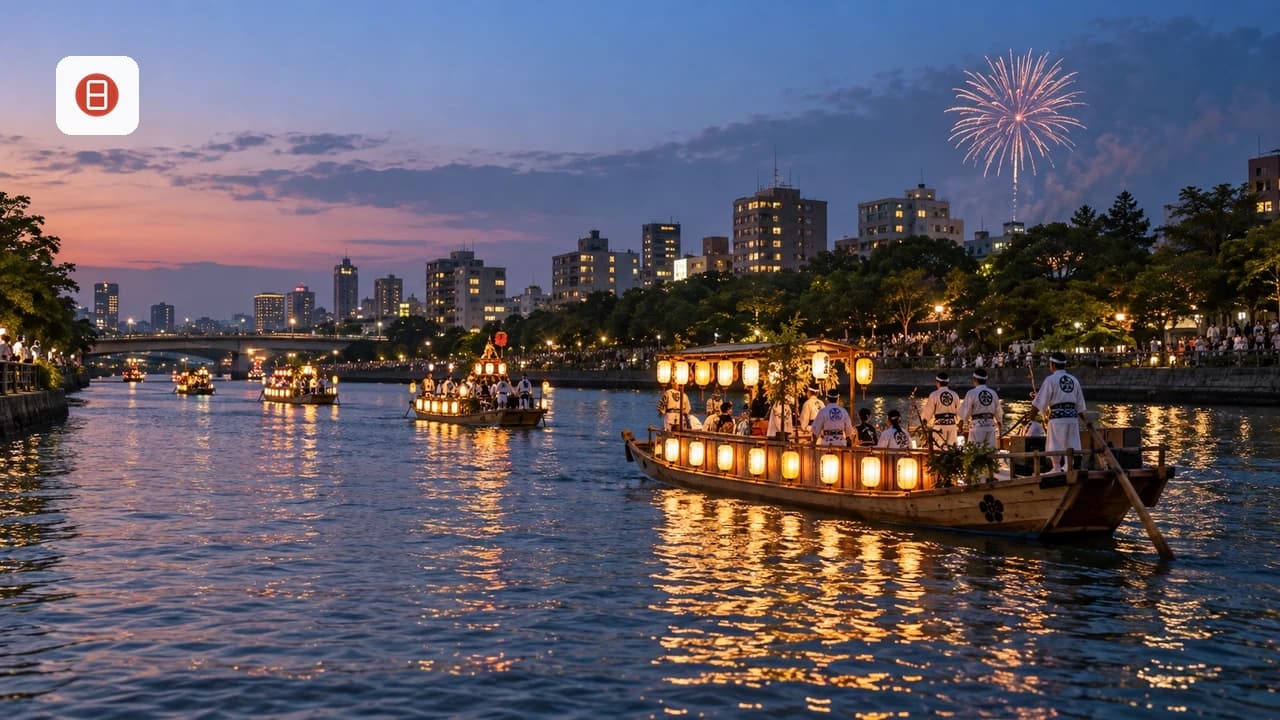
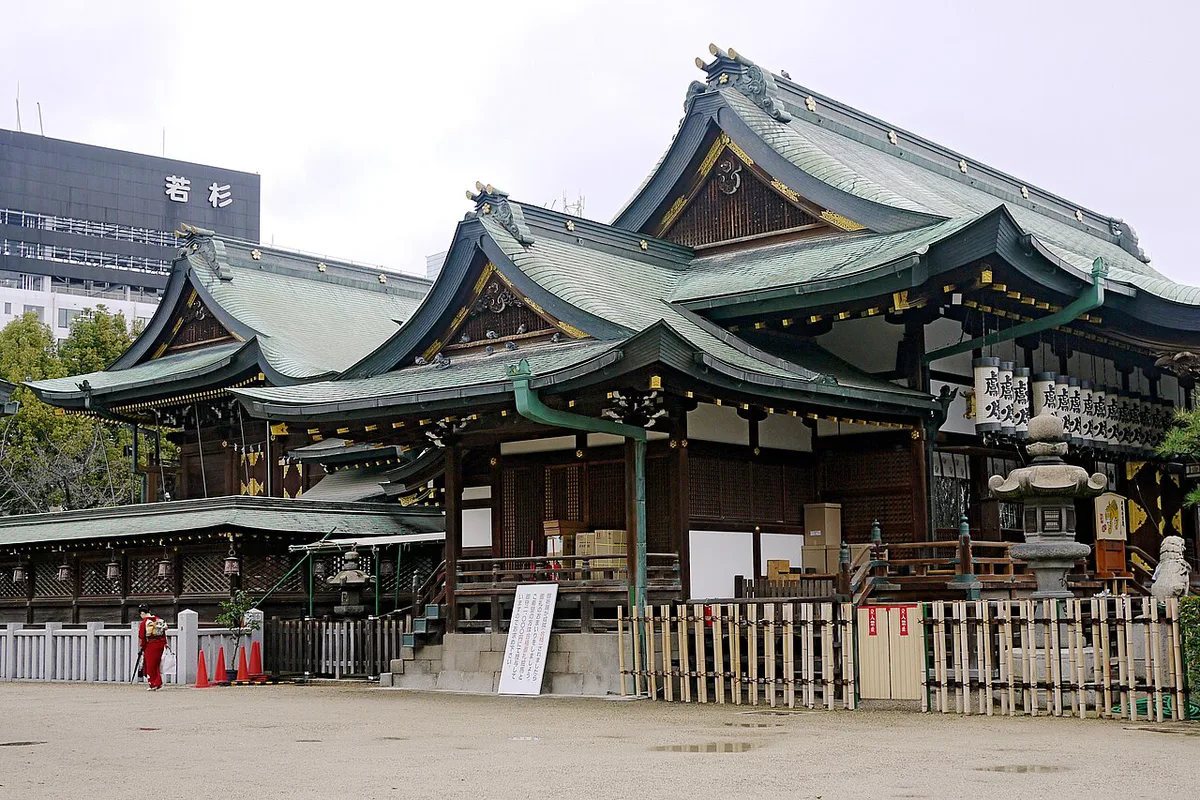
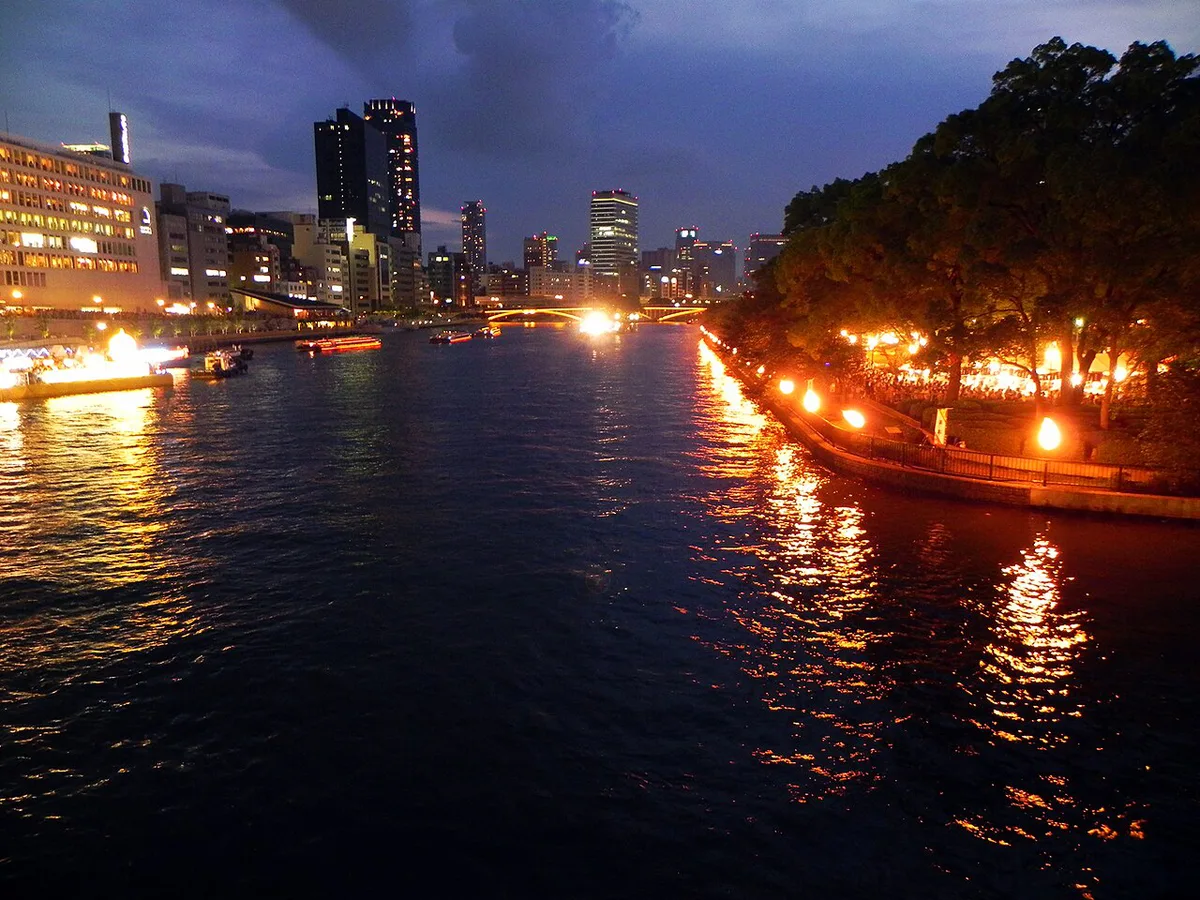
Tenjin Matsuri began at Osaka Tenmangu Shrine in 951, two years after the shrine's founding, and has continued through the centuries with occasional historical interruptions. Sugawara Michizane, the deity of scholarship, is the festival's honoree, which explains the students and graduates visible in the shrine crowd. Held every July 24 and 25, it ranks alongside Kyoto's Gion Matsuri and Tokyo's Kanda Matsuri as one of Japan's three largest Shinto festivals. Fireworks and lantern-lit boats reflected on the Okawa River give the festival its nickname, Festival of Fire and Water. Roughly 100 boats take part in the river procession, carrying performers, musicians, and the deity's own portable shrine downriver after dark.
| Detail | 2026 Info |
|---|---|
| Dates | July 24-25, every year |
| Location | Osaka Tenmangu Shrine and the Okawa River |
| Land procession (Rikutogyo) | Departs 15:30, July 25 |
| River procession (Funatogyo) | Boats depart around 18:00 |
| Fireworks | About 19:30-21:00, roughly 90 minutes |
Tenjin Matsuri 2026 Schedule: Day One vs. Day Two
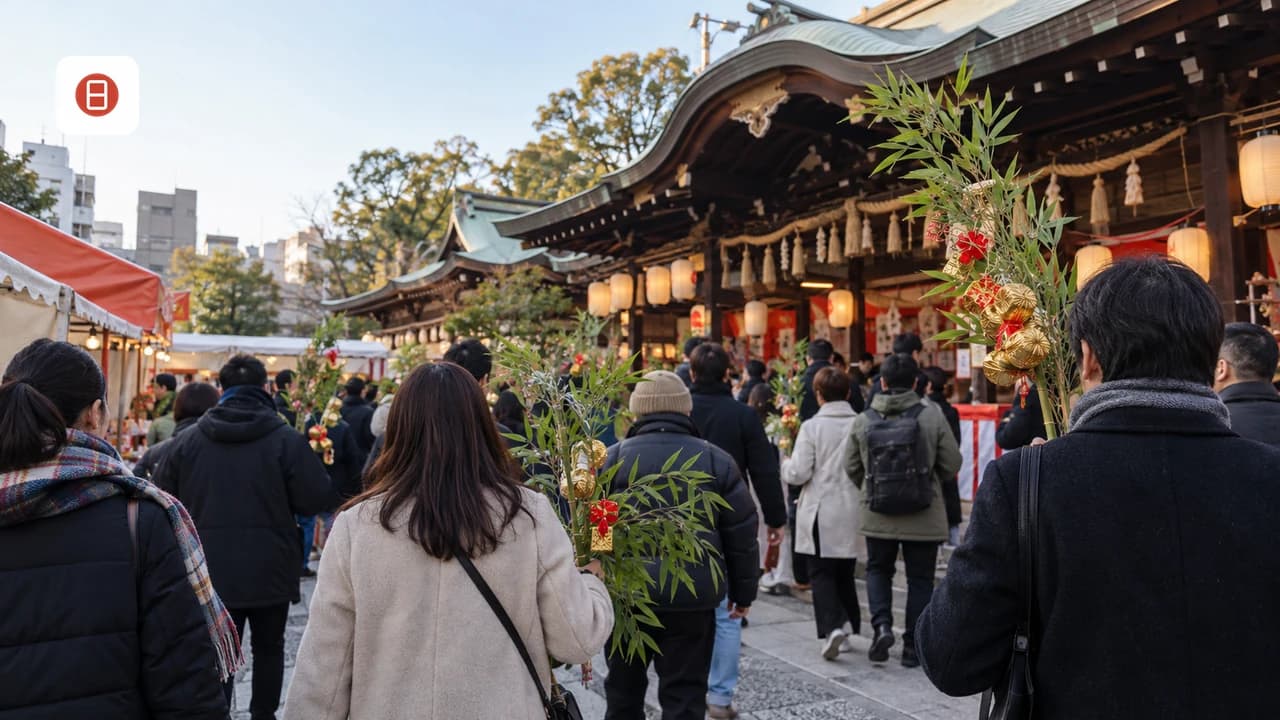
July 24, called Yomiya, opens with the Hokonagashi ritual at dawn. A chosen student floats a sacred spear on the Okawa River, a ritual that determines where that year's temporary shrine will stand. Priests then perform lion dances and drum rituals at Tenmangu Shrine through the afternoon. This quieter day suits close-up shrine photography better than the crowds of day two. July 25, Honmatsuri, carries the festival's two headline events, the land procession in the afternoon and the river procession after dark. The land procession, rikutogyo, leaves the shrine at 15:30 behind red-hatted Moyoshi-daiko drummers. It reaches the Okawa River around 18:00, where participants and portable shrines transfer onto boats for the river procession, funatogyo. Fireworks then run from about 19:30 to 21:00, roughly 90 minutes, over the river.
The rikutogyo departs at 15:30, precisely when late-July Osaka heat peaks above 86°F (30°C)—a detail that explains why sun protection ranks as festival-goers' most frequent regret.
- July 24 (Yomiya): dawn Hokonagashi ritual, afternoon lion dances and drum rituals at Tenmangu Shrine
- July 25, 15:30: Rikutogyo land procession departs the shrine
- July 25, about 18:00: procession reaches the Okawa River and boards boats for Funatogyo
- July 25, 19:30-21:00: fireworks display, about 90 minutes
- July 25, about 21:00: boats disembark
- July 25, 22:00: mikoshi returns to Osaka Tenmangu Shrine, closing the festival
Land and River Procession Highlights
Sarutahiko, a long-nosed goblin figure, rides a horse near the front of the rikutogyo, followed by lion dancers and umbrella dancers in the costumed procession. About an hour in, a boy and girl lead a sacred ox ahead of the first portable shrine, and two more mikoshi follow later. Watch for the one topped with a gilded phoenix. It carries Sugawara Michizane's spirit and photographs well in late-afternoon light before the boats depart. Rikutogyo travels roughly from Osaka Tenmangu Shrine through the Tenjimbashi and Nakanoshima areas before reaching the Okawa River, where the mikoshi and their attendants transfer onto boats. Crowds pack both the Tenjimbashi and Nakanoshima stretches through the afternoon, so pick one section and settle in rather than trying to follow the whole route on foot. Late afternoon light near Osaka City Central Public Hall catches the gilded phoenix mikoshi well, just before boats depart for the river procession. This is one of the better photo windows of the day, if you already have a spot staked out. On the river, stage boats carry noh and bunraku performers for the crowds on the banks. Nimble Dondoko boats, rowed by young crews, dart between the larger vessels. Locals treat the fireworks as an offering to the shrine's deity, not pure entertainment. That framing helps explain why the display keeps a steady, ceremonial pace rather than building to one big finale.
Where to Watch: Free Spots, Bridge Rules, and Paid Seating
Kema Sakuranomiya Park and the open banks of the Okawa River offer free views of both the boats and the fireworks. Arrive hours early. Good spots along the river fill up well before the 18:00 boat procession begins, since demand for riverside space far outweighs supply. Temma-bashi and Tenjin-bashi bridges give elevated views, but police require pedestrians to keep moving rather than stand still. Treat them as a walk-through vantage point, not a place to camp for the night. Kawasaki Bridge closes to pedestrians entirely during the river procession. Paid seating for the 2026 season runs from about ¥3,000 for a basic bench to roughly ¥30,000 for premium riverside seats. Comfort and sightline explain most of that price gap. Basic seats face the boats from a distance, while premium packages add table service and a closer, more direct view of the mikoshi boats passing by. In past seasons, English-language bookings ran through sites like Klook, but no confirmed English booking route exists yet for 2026. Build in extra time to book through a Japanese-language site or ask a hotel concierge for help. Check Osaka's official tourism bureau page for the current year's booking channels before assuming an English-language option exists.
- Free: Kema Sakuranomiya Park and the Okawa riverbanks (arrive hours early)
- Keep-moving only: Temma-bashi and Tenjin-bashi bridges
- Closed to pedestrians: Kawasaki Bridge
- Paid seating: about ¥3,000 to ¥30,000
Getting There and Where to Stay
JR Osaka-Tenmangu Station and the Minami-Morimachi subway stop, served by the Tanimachi and Sakaisuji lines, both sit closest to the festival grounds. Minami-Morimachi is roughly a 6-minute walk from Osaka Tenmangu Shrine, according to the Japan National Tourism Organization. Osaka Metro and JR trains both run frequently through the evening, but expect standing-room-only cars leaving the area after the 21:00 fireworks end. Umeda offers easier access to a wider range of hotels and a quick subway ride in on festival evenings, without the noise once you are back in your room. Staying around Tenmangu or Tenjimbashi puts you inside the festival itself, but expect loud crowds well past the 22:00 shrine-return ceremony. Factor in extra walking time back to a hotel, since streets close to cars during the festival. Book accommodation for late July well ahead of your trip, since this is peak summer travel season across Osaka on top of the festival crowds.
What to Wear, Eat, and Drink
Wearing a yukata and geta sandals helps you blend in, and rental shops around Umeda and Tenjimbashi make it easy to pick up both for the day. Geta are not built for long walks, so budget extra time if your hotel sits more than a few blocks from the shrine or river. Rows of yatai food stalls line the Okawa River banks, selling festival standards alongside two dishes tied specifically to this event. Chilled somen noodles and hamo, a pike conger prized in Osaka's summer cooking, are the two to look for. Beyond those two specialties, expect the usual matsuri lineup of grilled skewers, shaved ice, and cold drinks sold along the riverside stretch. Both dishes suit the heat better than heavier festival fare.
Beat the Heat: Weather and Timing
Late July in Osaka runs hot and humid, with daytime temperatures regularly above 86°F (30°C) and little relief after dark. Check Osaka's month-by-month weather before packing. Plan for sun protection during the daytime rikutogyo and hydration through the evening funatogyo. Shade is scarce along the open riverbanks, so a hat and a handheld fan do more good than an umbrella in the evening crowds. Travelers weighing whether July suits their trip at all should compare it against the Best Time to Visit Osaka: Seasonal Guide & Monthly Weather guide, since cooler shoulder-season months trade the festival for smaller crowds. Carry water, and treat the evening riverbank crowds as several hours of standing in humidity, not a quick photo stop.
Mistakes to Avoid at Tenjin Matsuri
Skipping sun protection is the most common regret, since the rikutogyo runs through the hottest part of the afternoon before the river procession even starts. Expecting to plant a chair on a bridge for the fireworks is another. Police keep foot traffic moving on Temma-bashi and Tenjin-bashi, and officers are strict about it, so treat any bridge crossing as transit, not a viewing platform. Underestimating the walk back matters too, since festival crowds slow every route away from the river well after the fireworks end. Most visitors leave right after the 21:00 fireworks finish. That means missing the boats disembarking and the mikoshi's quieter return to Osaka Tenmangu Shrine at 22:00.
- Pack sun protection and water; the afternoon rikutogyo runs through the hottest part of the day
- Don't plan to stand still on Temma-bashi or Tenjin-bashi for the fireworks
- Stay past 21:00 to see the boats disembark and the 22:00 return to the shrine
- Kawasaki Bridge is closed to pedestrians during the river procession
How Tenjin Matsuri Compares to Osaka's Other Festivals
For a higher-energy contrast, the Kishiwada Danjiri Festival pulls multi-ton wooden floats through tight turns at speed, a sharper adrenaline hit than Tenjin Matsuri's slower ritual pace. Danjiri runs in the city of Kishiwada, and its official city website is the place to check current festival details. Tenjin Matsuri instead builds toward ceremony, layering a land procession, a river procession, and fireworks offered to a Shinto deity rather than staged purely for spectators. Both festivals draw large summer crowds, but the pacing differs enough that visiting both in the same trip gives a fuller picture of Osaka's festival calendar. If you are mapping out a longer trip, browse the wider calendar of Osaka events to see what else overlaps with late July. Check Osaka's top attractions guide for daytime plans before the evening procession begins.
Frequently Asked Questions
When is Tenjin Matsuri 2026 and where does it take place?
Tenjin Matsuri runs every July 24 and 25 in Osaka, centered on Osaka Tenmangu Shrine and the Okawa River. July 24, Yomiya, covers quieter shrine rituals. July 25, Honmatsuri, carries the land procession, the river procession, and the fireworks finale.
What time does the land procession start on the second day?
The rikutogyo, or land procession, leaves Osaka Tenmangu Shrine at 15:30 on July 25. It reaches the Okawa River around 18:00, when participants board boats for the river procession.
How much does paid seating for Tenjin Matsuri cost?
Paid seating along the Okawa River generally runs from about ¥3,000 for a basic bench seat up to roughly ¥30,000 for premium spots. The higher-priced seats often include dinner or drinks and a clearer sightline to the boat procession. Book through official channels well ahead of July, since English-language booking options are not guaranteed every year.
Is Kawasaki Bridge open during the festival?
No. Kawasaki Bridge closes to pedestrians during the river procession, unlike Temma-bashi and Tenjin-bashi, which stay open for foot traffic that keeps moving. Police enforce a no-standing rule on those two bridges as well, so plan to view the fireworks from the riverbank or a paid seat instead.
What should visitors wear and eat at Tenjin Matsuri?
A yukata and geta sandals fit the occasion, and both are available to rent around Umeda and Tenjimbashi. For food, look for yatai stalls along the river serving chilled somen noodles and hamo, a pike conger dish tied to this specific festival season.
How do you get to Tenjin Matsuri by train?
Take the JR Osaka Loop Line to Osaka-Tenmangu Station, or the Osaka Metro Tanimachi or Sakaisuji lines to Minami-Morimachi Station. Minami-Morimachi sits about a 6-minute walk from Osaka Tenmangu Shrine.
Why is Tenjin Matsuri linked to scholarship and students?
The scholarship connection comes from Sugawara Michizane, honored as the deity of learning at Tenmangu shrines nationwide. Students and graduates visit Osaka Tenmangu Shrine during the festival to pay their respects, a tradition tied directly to that connection.
Free: The Osaka Essentials guide
Top things to do, where to stay, a perfect day plan, getting around, and the best time to go — a Osaka mini-guide you can take offline.
You might also like


Continue reading
More guides you'll find useful