YOSAKOI Soran Festival Sapporo 2026: Dates, Venues, and How to Join
Plan the 2026 YOSAKOI Soran Festival in Sapporo: June 10-14 dates, Odori Park and Susukino venues, free vs paid seats, and how to join a dance team.
On this page
Last updated September 2026, the YOSAKOI Soran Festival remains Sapporo's largest dance event, filling Odori Park with dance teams for several days every June. Roughly 30,000 dancers from across Japan compete at venues citywide, from the park's main stage to the neon-lit streets of Susukino. This guide covers the 2026 schedule, free versus paid viewing, and how to join a team without months of practice.
What Is the YOSAKOI Soran Festival?
A team from Kochi Prefecture inspired the festival's founders, who launched the event in 1992 by fusing two traditions into one show. Every performing team must carry naruko, the wooden hand clappers born in Kochi's Yosakoi Festival. Each team must also set at least one phrase from Soran Bushi, a Hokkaido fishermen's folk song, into its music. Beyond those two rules, teams design their own costumes, choreography, and music, so no two performances look alike. YOSAKOI-style festivals now appear in cities across Japan beyond Hokkaido, a spread that traces back to Sapporo's event and Kochi's original Yosakoi Festival. Roughly 1,000 dancers took part in that first year. By now, the festival draws about 30,000 dancers and an estimated 2 million visitors annually, according to the official YOSAKOI Soran Festival site. This 2026 edition marks the festival's 35th year.
- Dance with naruko, the wooden hand clappers, throughout the performance
- Include a phrase from Soran Bushi in the team's music
2026 YOSAKOI Soran Festival Dates and Schedule
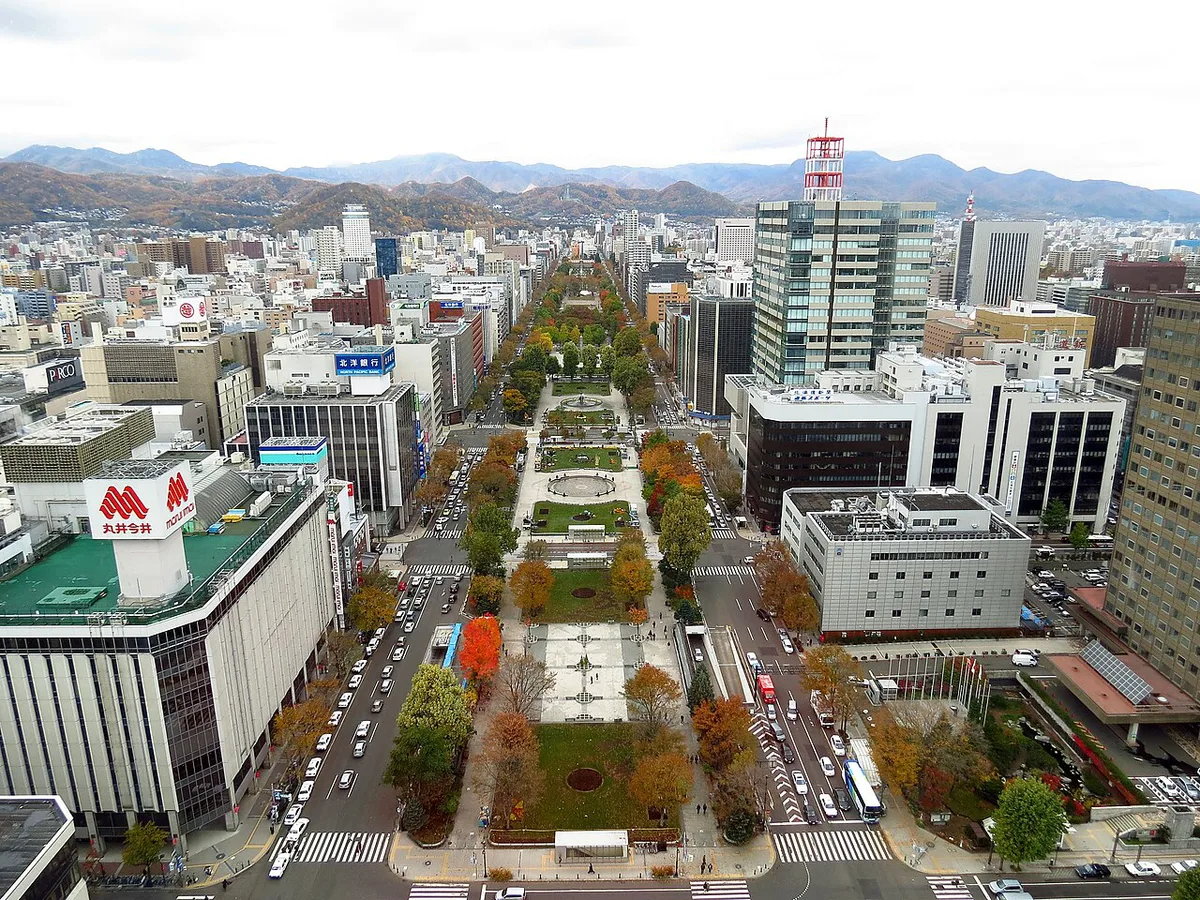
This 2026 edition runs June 10 to 14, a five-day run from Wednesday through Sunday, per the official festival site. Judging concentrates on the final two days, with finalist teams performing at the Odori Park main stage on Sunday evening. Early June in Sapporo falls at the edge of Hokkaido's short rainy stretch known as Ezo Tsuyu. Pack a poncho rather than count on clear skies, and check month-by-month Sapporo weather for typical June conditions before booking. This festival lands early in the month, right after the city's Lilac Festival. Travelers combining both events need to plan for back-to-back late-May and June dates. Anyone weighing when to fly in should review timing a Sapporo trip. June sits between the spring lilac bloom and Sapporo's peak summer festival run.
Best Places to Watch: Odori Park, Susukino, and Neighborhood Venues
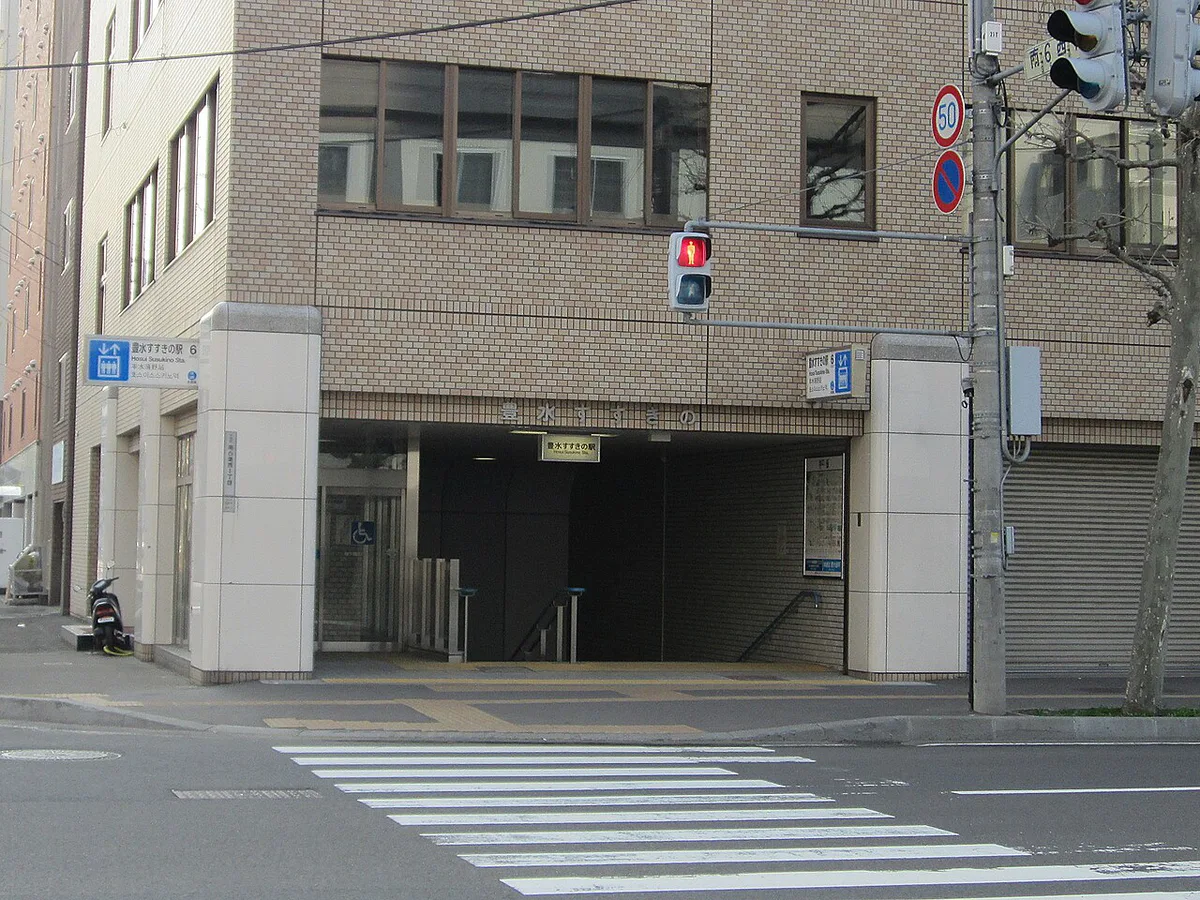
Odori Park, maintained by the City of Sapporo, runs from Nishi 1-chome through Nishi 12-chome downtown. Its Nishi 8-chome block hosts the festival's main stage and paid seating area. This same block also serves as the judging area, where teams compete for placement in the finalist round. Official festival organizers count about 17 performance sites, while Hokkaido's tourism board lists closer to 20 venues across the city. Teams of up to 150 dancers move through the Odori parade route alongside decorated jikatasha music trucks. That block draws the heaviest crowds during peak afternoon and evening slots. Susukino's site trades production value for atmosphere. Neon signage and night crowds make it the better choice for evening photography once the sun goes down. Neighborhood venues near JR Sapporo Station and the Sapporo Factory area carry a smaller-scale, local feel. Crowds run noticeably lighter than the Odori core, which suits visitors who want a close view without pushing through the busiest blocks.
| Venue | Best For | Trade-off |
|---|---|---|
| Odori Park Nishi 8-chome (Main Stage) | Judged performances, big-name teams, paid seating | Most crowded; extra cost for reserved seats |
| Odori Parade Route | Jikatasha trucks, street parade energy | Heavy crowds, especially afternoon and evening |
| Susukino | Night photography, neon backdrop | Moderate crowds, best after dark |
| Neighborhood venues (near JR Sapporo Station, Sapporo Factory area) | Local teams, lighter crowds | Smaller-scale performances, less production value |
Crowd Patterns and Photography Tips
The busiest blocks cluster around the Nishi 8-chome main stage and the Odori parade route, where judged performances and jikatasha trucks draw the thickest crowds. Blocks further from that core, including the neighborhood venues near JR Sapporo Station, stay noticeably lighter. Cutting between the two areas balances a big-stage view against breathing room. Photographers get easier light in early morning and early evening than under Sapporo's midday sun, when hard shadows fall across dancers' faces. Jikatasha trucks add a layer worth planning around. Painted panels and mounted speakers make each truck a strong subject on its own, separate from the dance teams walking beside it. Susukino changes character after dark during the festival, with performance crowds adding to the district's usual evening foot traffic under its neon signage. That shift makes Susukino's evening site read differently than an ordinary night out on the same streets.
Photography planning shifts by venue: 30,000 dancers compress at Nishi 8-chome with harsh midday shadows, while neighborhood venues offer softer light and breathing room for shots.
Free Viewing vs Paid Seats: What to Expect
Standing viewing is free at every festival venue, including Odori Park and Susukino. Paid seating is limited to the Nishi 8-chome main stage and the Odori parade route. Reserved chairs guarantee a clear sightline instead of standing three-deep at the barrier. Exact seat pricing and on-sale dates appear each spring on the official festival site. Check there before booking rather than relying on last year's figures. Paying for a seat mostly buys comfort and a guaranteed sightline, not access to a different show. Free and paid vantage points feature the same performing teams. For the Sunday finale, when finalist teams take the main stage, plan to arrive at least an hour early if going the free-standing route. That block fills first. Paid seats cost more than the free option, but they remove the need to stake out a spot early. That trade-off matters most on the festival's final evening.
How to Join the Dance as a Visitor
Wa-Odori Square offers the lowest-pressure way to dance in the festival. Located at Odori Park Nishi 7-chome, it runs June 13 and 14, 2026, from 10:00 to 17:00. It is the only site where the audience is invited to join dancers directly. Naruko clappers and happi coats are available to rent on-site, so no equipment or advance sign-up is required. For a role inside the actual parade, the Banzai! Naruko Carnival temporary team is the standard route for visitors. Registration costs ¥4,000 per person, with deadlines falling around May 29 per the official festival site. Email in a name and contact details weeks before arriving in Sapporo. On the day, the team follows a tight schedule, from reception through the final performance. Pay the ¥4,000 fee in cash at the assembly point. Show up already dressed, since organizers give teams no changing area before the performance window.
| Option | Location | Date / Time | Cost | Commitment |
|---|---|---|---|---|
| Wa-Odori Square | Odori Park Nishi 7-chome | June 13-14, 2026, 10:00-17:00 | Free | Walk-in, no registration |
| Banzai! Naruko Carnival | Reception at Odori Park; performs at the main stage and parade site | June 13, 2026, 14:30-17:00 | ¥4,000 | Advance registration by May 29 |
- 14:30 — reception at Odori Park
- 15:30 — performance at the Odori Park main stage
- 16:40 — performance at the Odori parade site
- 17:00 — performances end and the team disbands
Where to Stay and How to Get Around
Staying near Susukino or Odori puts hotels within walking distance of the main stage and the district's nightlife energy. Rooms in both areas book up fast, and prices climb during festival week. Reserve well before June if this location matters to your trip. Susukino runs at a very different pace each winter during its winter ice festival, so hotel strategy there shifts by season. Hotels around Sapporo Station connect to the festival core via that same short subway ride, and rates there are worth comparing against Susukino or Odori for the week. Namboku Line service reaches Odori Station from Sapporo Station in about two minutes. Odori Station sits within a five-minute walk of the festival's main stage area. Tozai Line service crosses the same downtown corridor. Pairing both lines lets visitors reach neighborhood venues without doubling back through the busiest blocks. Once inside Odori Park, the Sapporo Clock Tower sits close enough to fold into the same afternoon. See nearby Sapporo sightseeing for a fuller list of attractions near the festival grounds.
Festival Food and Nearby Events
Food stalls operate inside Odori Park for the length of the festival, alongside the park's usual vendors. Nearby sightseeing listings for the festival area include soup curry restaurants, dessert parlors like Sapporo Shime-Parfait, and the Odori BISSE shopping complex. Hokkaido Shrine Festival Guide: Dates, Parade Route & Tips dates often fall around the same period. Travelers building a June itinerary can check both events through Sapporo's events calendar before locking dates. Later in the season, Odori's summer beer gardens take over the same park. A fall food festival follows in autumn with its own lineup in the same space. Visitors building a longer Hokkaido trip can string these Odori Park events together across a single summer and fall.
Who This Festival Suits Best
First-time visitors to Hokkaido in early June get a high-energy anchor between the spring lilac season and Sapporo's summer festival run. A five-day event like this fits neatly into a short trip. Cultural travelers interested in Japanese performing arts find variety here that a single fixed program cannot offer. Every team choreographs its own routine around just two shared rules. Photographers benefit from the mix of stage lighting at Nishi 8-chome, street-level shots along the parade route, and Susukino's neon backdrop after dark. Expat residents already living in Japan have the lowest-barrier path into the festival itself. Wa-Odori Square requires no advance sign-up. Its Banzai! Naruko Carnival counterpart needs only a short registration process ahead of the ¥4,000 fee.
Mistakes to Avoid and Pro Tips
Crowds during the festival's final push make umbrellas impractical. A poncho lets viewers move through packed blocks without jabbing neighbors or blocking sightlines. Early June sits inside Hokkaido's short Ezo Tsuyu rainy stretch, so expect scattered showers rather than guaranteed sun across all five days. Arriving late on Sunday is the most common planning mistake. Sunday's finalist round at the main stage draws the festival's biggest crowd, and space fills well before showtime. Getting to Odori Park an hour ahead secures a workable view, while arriving after the performance starts means watching from well behind the barrier. Hokkaido's June nights run cooler than mainland Japan's summer, even though daytime temperatures feel like early summer. A light jacket is worth packing for evening viewing. This is not the deep winter cold of the Snow Festival in February, but it runs cooler than a typical June evening farther south.
The Namboku Line connects Sapporo Station to Odori in about two minutes, so hotels farther out still allow arriving an hour early for the crowded Sunday finale.
Frequently Asked Questions
When does the YOSAKOI Soran Festival take place in 2026?
Organizers have scheduled the 2026 edition for June 10 through 14, a five-day run from Wednesday to Sunday. Finalist teams perform at the Odori Park main stage on the closing Sunday evening.
Is the YOSAKOI Soran Festival free to attend?
Standing viewing is free at every festival venue, including Odori Park and Susukino. Paid seating exists only at the Nishi 8-chome main stage and the Odori parade route. Exact pricing appears each spring on the official festival site.
Can visitors without dance experience join in?
Wa-Odori Square is the easiest entry point, open June 13 and 14, 2026, from 10:00 to 17:00 at Odori Park Nishi 7-chome. Naruko clappers and happi coats rent on-site, so no experience or equipment is required. Visitors wanting a parade role can register for the Banzai! Naruko Carnival instead. Registration costs ¥4,000 per person, with a deadline around May 29.
How is this different from Kochi's Yosakoi Festival?
Every Sapporo team must carry naruko clappers and include a phrase from Soran Bushi, a Hokkaido fishing song, unlike Kochi's original event. That fusion of Kochi's clapper tradition and Hokkaido's folk music is the festival's defining rule. Teams still design their own costumes, choreography, and music beyond those two requirements.
Where is the best spot to watch for photos?
Susukino delivers the strongest photos after dark, when neon signage lights the dancers and jikatasha trucks. Odori Park works better in daylight, especially near the Nishi 8-chome main stage. Neighborhood venues near JR Sapporo Station offer a quieter angle with far fewer people in the frame.
What should visitors pack for the YOSAKOI Soran Festival?
Pack a poncho rather than an umbrella, since Hokkaido's early-June Ezo Tsuyu rains show up alongside festival crowds. A light jacket helps for evening viewing, since Hokkaido nights stay cooler than mainland Japan's summer. Comfortable shoes matter too, since a full circuit of Odori Park's Nishi 1-chome to 12-chome stretch covers real distance on foot.
Free: The Sapporo Essentials guide
Top things to do, where to stay, a perfect day plan, getting around, and the best time to go — a Sapporo mini-guide you can take offline.
You might also like


Continue reading
More guides you'll find useful