Yosakoi Matsuri Kochi: Festival Dates, Tickets & 2027 Plan
Yosakoi Festival in Kochi runs August 9-12 across 16 venues with about 200 teams. Get ticket prices, the best viewing spots and how to join the dance.
On this page
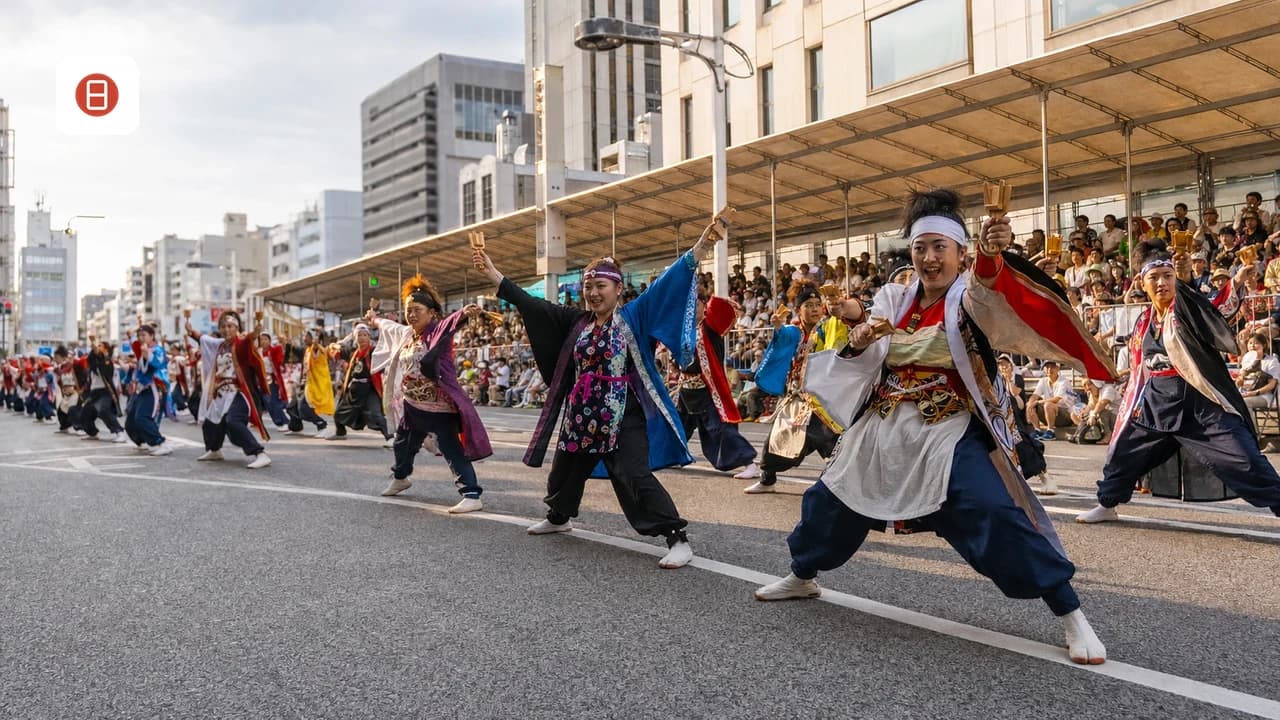
Last updated September 2026: the Yosakoi Festival in Kochi turns four days each August into a citywide dance parade with naruko clappers, decorated trucks, and free street performances. Kochi is the birthplace of yosakoi, and the festival still draws about 200 teams and roughly 18,000 dancers to 16 venues across the city. This guide uses the 2026 festival's confirmed schedule and prices as the planning reference, since organizers had not yet released full 2027 details at the time of this update.
What Is the Yosakoi Festival in Kochi?
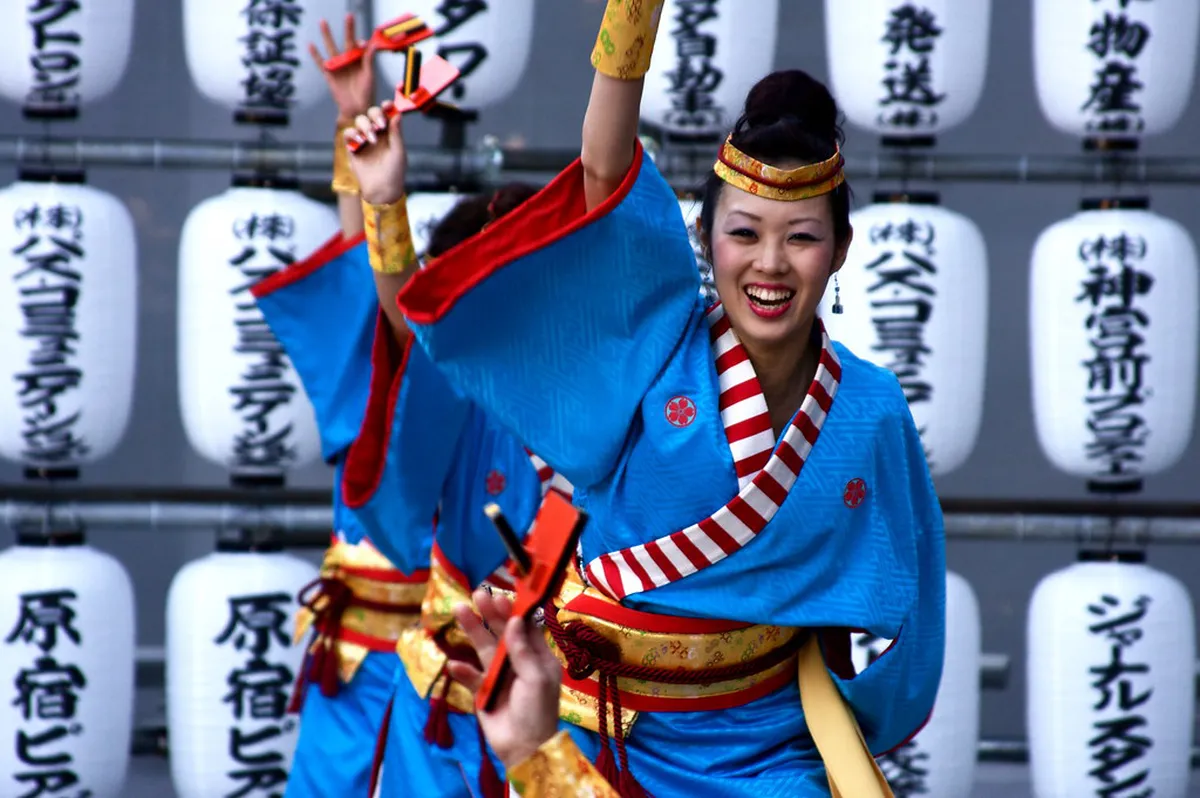
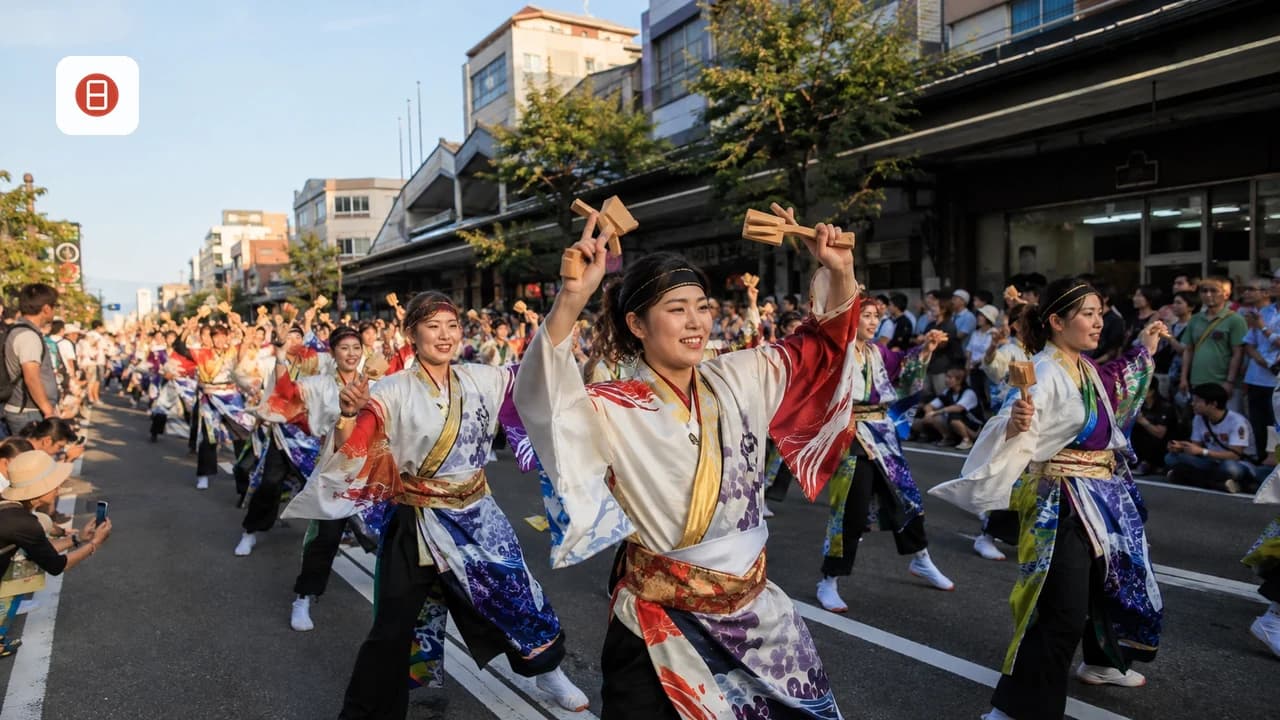
Kochi is the birthplace of yosakoi dance. The Yosakoi Festival began in 1954, when volunteers from the Kochi Chamber of Commerce and Industry organized a street dance to lift local spirits during the post-war recession. In 1992, Hokkaido students who saw the festival started their own version in Sapporo, and yosakoi-style festivals have since spread to other Japanese cities. Every team follows four simple rules. Dancers carry naruko, the wooden clappers that give the festival its rhythm. Music must include part of the official song, Yosakoi Naruko Dance, though the rest of the arrangement is open to jazz, rock, or J-pop. Teams cap out at 150 members, and each one is led by a decorated flatbed truck, called a jikata-sha, that carries live musicians and speakers. Groups often form around companies, neighborhood associations, or the izakaya pubs that fill central Kochi. Dancers can switch teams from year to year, and serious groups spend months choreographing new routines and costumes before August. That freedom sets yosakoi apart from more scripted festival dances. Tokushima's Awa Odori festival keeps dancers in fixed formations and traditional music, while yosakoi teams rework their choreography and costumes every year. Travelers pairing both festivals can browse 15 Best Things to Do in Tokushima, Japan (2026) for the connecting leg of the trip. For a full list of city celebrations, see the Kochi festival calendar.
Yosakoi Festival Dates: The Four-Day Schedule
Yosakoi runs every year from August 9 to August 12, no matter which weekday those dates land on. This year's dates already passed by the time of this update, since the festival always lands in August. Organizers had not confirmed exact 2027 scheduling at publication time, so check Visit Kochi Japan before booking flights. Travelers building a longer Shikoku trip can cross-check the month-by-month festival calendar for other events worth combining with the trip. Recent editions have kept the same four-day structure: an eve celebration, two main parade days, and a national finale. Roughly 200 teams and about 18,000 dancers take part across the full four days. Attendance across the festival has reached approximately 1 million spectators in recent years. About 49 groups from Japan and overseas competed in the 2026 National Tournament on August 12, judged separately from the main festival's rankings. A separate award ceremony afterward recognized 22 teams for standout performances that year. The festival closes with the So Odori Parade around 9:00 PM at Otesuji, when the remaining teams dance together to the tournament's official song, Naruko Hana.
| Date | Event | Time |
|---|---|---|
| August 9 (Eve) | Tosa Student Yosakoi Contest, Kochi Castle Otemon Gate | 11:00 AM - 3:00 PM |
| August 9 (Eve) | Eve Festival, Central Park | 6:00 PM - 9:30 PM |
| August 9 (Eve) | Kochi City Summer Fireworks Festival, Kagami River | 7:45 PM - 9:00 PM |
| August 10-11 (Main) | Parades across central Kochi | Approx. 11:00 AM - 10:00 PM, varies by venue |
| August 12 (Finale) | Yosakoi National Tournament, four venues | 12:30 PM opening - 10:00 PM |
| August 12 (Finale) | Award ceremony and after-party, Central Park | 6:30 PM - 10:00 PM |
Venue Guide: Where to Watch in Kochi
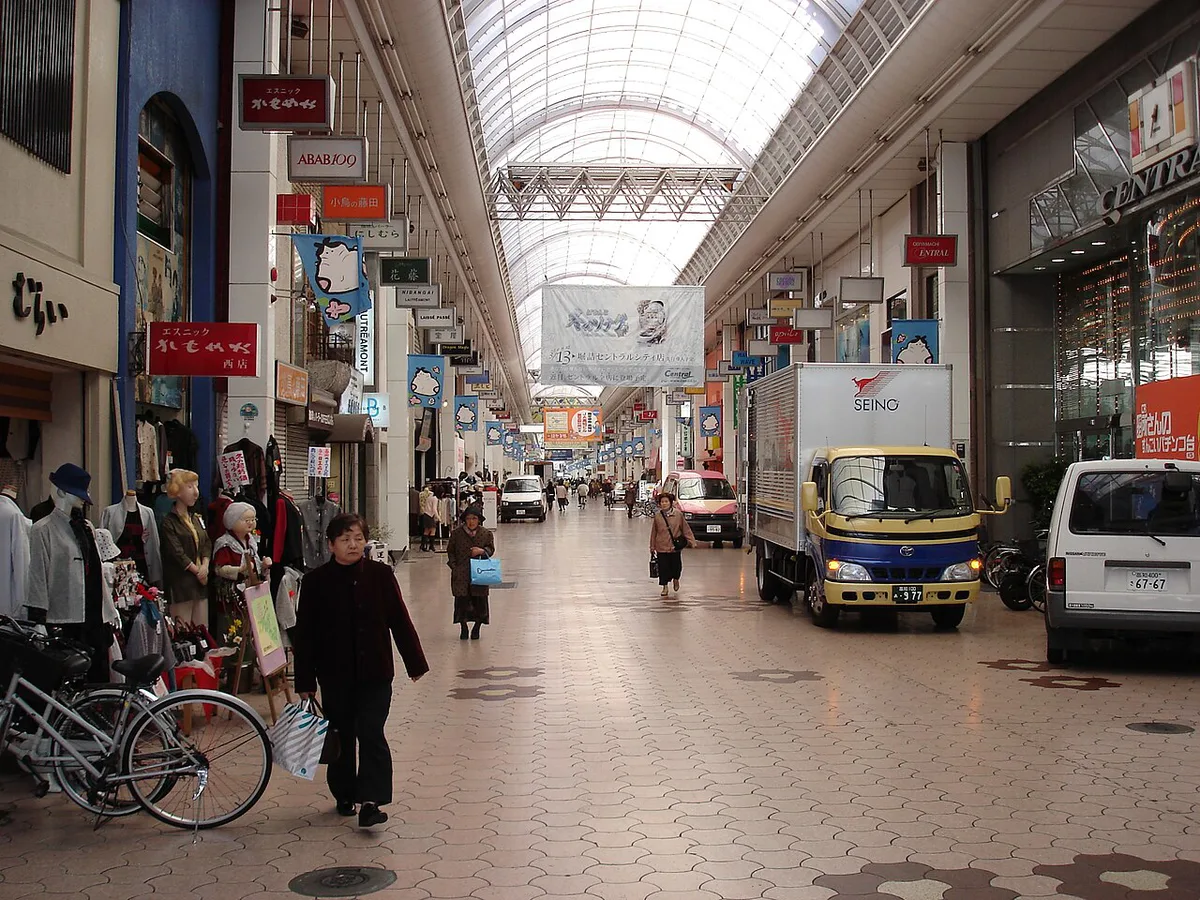
Yosakoi spreads across 16 venues in central Kochi. Ten operate as judged competition stages, and six run as open performance stages with no ranking. The other competition stages include Kamimachi, Masugata, Harimaya Bridge, and Kochi Station Front, each drawing a mostly local crowd. A festival website called Dokoiko Service Neo tracks each team's location and estimated wait time in real time during the parade days. Heat and crowd size vary block by block, so check when to visit Kochi before choosing a viewing spot for the day. Road closures reroute traffic across the parade footprint each day, so budget extra walking time between venues.
- Otesuji-dori Avenue: the main stage with reserved seating, alternating performances on its north and south sides.
- Obiyamachi and Kyomachi arcades: covered shopping streets that block the sun and put dancers within arm's reach.
- Central Park (also called Chuo Park): the festival's largest stage, with a big video screen and open standing room.
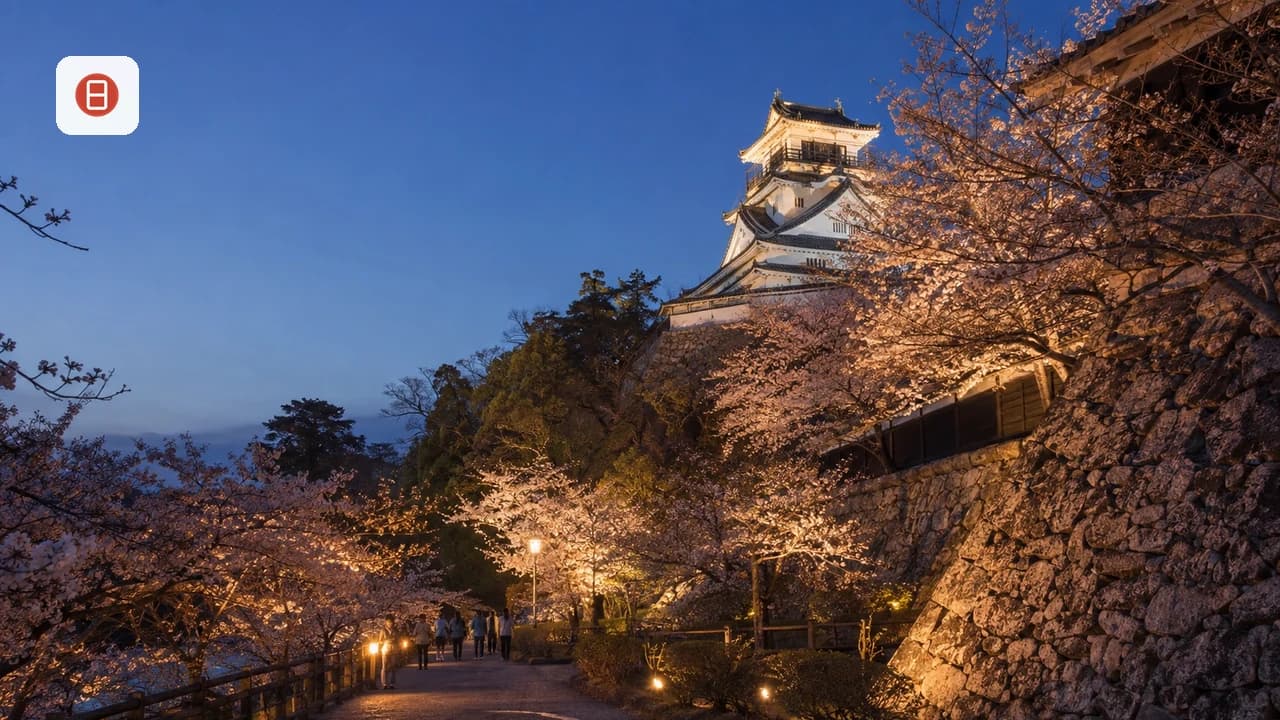
- Kochi Castle Travel Guide 2026: the historic venue for the Tosa Student Yosakoi contest and the August 12 national finale.
Tickets and Costs for the Yosakoi Festival
Street viewing at every venue is free, and no ticket is required to watch from open areas. Comfort costs money, though, since reserved seating fills up fast at the busiest stages. As of the 2026 festival, Otesuji Main Stage daytime seats were priced at ¥2,000 for Seat A and ¥1,000 for Seat B, with evening seats at ¥3,000 and ¥2,000. Otesuji's ticket categories also include a wheelchair area, parasol seating, and group blocks alongside the standard numbered seats. Central Park's reserved seats cost more: ¥8,000 for Seat S and ¥5,000 for Seat A. Advance tickets for both stages typically go on sale in late June through Lawson Ticket and Ticket Pia. Chuo Park's 2026 sales window ran from July 5 through August 6, while same-day tickets at Otesuji sold only at Nishi-Shikichi if seats remained. Naruko cost ¥1,500 for a pair at the festival's handmade workshop, a roughly 15-minute session near the jump-in registration desk. A paper happi coat for jump-in dancers costs ¥1,000.
| Venue | Seat Type | 2026 Price |
|---|---|---|
| Otesuji Main Stage (daytime) | Seat A / Seat B | ¥2,000 / ¥1,000 |
| Otesuji Main Stage (evening) | Seat A / Seat B | ¥3,000 / ¥2,000 |
| Central Park | Seat S / Seat A | ¥8,000 / ¥5,000 |
How to Join the Dance: The Citizens' Charter Yosakoi Dancing Team
Visitors do not need dance experience or a team invitation to join in. On August 10 and 11, the city forms a walk-up group called the Citizens' Charter Yosakoi Dancing Team, open to any age for free. Registration happens at the gymnasium entrance of Kochi Prefectural Kochi Ote-mae High School on Otesuji. Registration happens only in person on the day, since there is no advance online sign-up for the walk-up team. Bring a health insurance card or copy, plus your own naruko, since organizers sell them nearby rather than lending them out. Elementary-age children must dance alongside a parent or guardian. Expect about an hour of practice before the group departs to perform at three of the festival's stages in sequence. The same sign-up runs on both festival days, so you can join either one if plans change. Full sign-up details are posted by Kochi City's official site ahead of each festival.
Walk-up dancers can only join the Citizens' Charter team on August 10 and 11, missing both the opening Tosa Student contest and the national finale.
- 2:00 PM: registration opens at the high school gymnasium entrance.
- 2:30 PM: group practice begins, teaching a simplified version of the routine.
- 4:00 PM: departure ceremony sends the group out to dance.
- 5:00 PM: first performance at the Otesuji main stage.
- 6:00 PM: second performance in the Obiyamachi arcade.
- 7:00 PM: final performance on the Central Park stage, closing the group's day.
Where to Stay and How to Get Around
OMO7 Kochi by Hoshino Resorts sits about a 4-minute walk from the nearest tram stop, inside the main festival zone, and runs its own nightly show for guests. Called Yosakoi Rakuen Live, the free show runs about 30 minutes starting at 9:00 PM in the hotel's lobby lounge, with staff members dancing to original music. Hotel staff double as local guides, since several of the dancers in the nightly show are Kochi natives who work at the property. The hotel's restaurant also runs a buffet built around Kochi's regional food. Published rates start around ¥7,500 per person per night, though festival-week demand pushes prices higher well before August. Book six months or more ahead if possible, since Kochi's limited hotel supply sells out completely during festival week. Compare neighborhoods and other options in the guide to Where To Stay in Kochi, Japan: 2026 Guide. Kochi's tram network is the easiest way around the city center, though routes and stops shift for festival-week road closures. Check Getting Around Kochi Travel Guide for current tram routes before festival week. Travelers extending the trip can build a full Kochi Itinerary: 2 Days in Shikoku, Japan 2026 around festival dates. Outside festival week, browse the guide to the Kochi Sunday Market Travel Guide for a quieter look at the same streets.
At ¥7,500 per person per night, Kochi's limited hotels fill fast during the festival's expected 1 million spectator surge—reserve six months ahead.
The Festival Eve and Kochi City Summer Fireworks
August 9 opens the festival with three separate events before the main parade days begin. Daytime brings the Tosa Student Yosakoi Contest inside Kochi Castle's Otemon Gate, running from 11:00 AM to 3:00 PM. Evening shifts to the Eve Festival at Central Park, where past festival winners perform starting around 6:00 PM. The Kochi City Summer Fireworks Festival follows at the Kagami River, firing roughly 4,000 shots between 7:45 PM and 9:00 PM. Seating covers about 4,000 seats for roughly 7,500 spectators, plus around 100 food and craft stalls around the grounds. As of 2026, folding chair seats were priced at ¥2,000, with box seats starting from ¥4,800 and an early-bird discount for purchases made by early July. All fireworks viewing-area seats require advance purchase, since there is no box office at the venue on the day. If weather cancels the show on August 9, organizers move it to August 13 at the same time, and cancel entirely only if that date is also unusable. Its finale includes a long Niagara-style waterfall segment and a rapid Starmine sequence, among the larger fireworks displays in western Japan. Viewing close to the launch site delivers the most impact, though the eve festival is close enough to combine both in one evening.
- Date and time: August 9, 7:45-9:00 PM.
- Shots: approximately 4,000.
- Seating: about 4,000 seats for roughly 7,500 spectators.
- Folding chair seats: ¥2,000.
- Box seats: from ¥4,800.
Mistakes to Avoid and Pro Tips
A few planning mistakes repeat every year among first-time visitors. Pairing festival days with Kochi's other attractions also rounds out a shorter trip.
- Skipping tickets at Otesuji-dori: reserved rows fill from advance sales, so walk-up viewers stand outside the barriers.
- Booking a hotel too late: Kochi's small room supply sells out well ahead of August, so reserve six months or more in advance.
- Missing the off-season option: the Yosakoi Information Museum, Kochi Yosakoi Joho Koryukan, displays costumes and naruko outside festival dates, though hours are worth confirming first.
- Wandering without tracking: Dokoiko Service Neo shows real-time team locations, so you can head to a favorite group instead of guessing.
- Assuming every stage looks the same: Central Park's screens and Otesuji's reserved rows feel very different from the arcades' close-up crowds, so scout more than one venue type.
Frequently Asked Questions
When is the Yosakoi Festival in Kochi held?
Yosakoi runs every year from August 9 to August 12. The 2026 festival already took place on those dates, and organizers typically confirm the next year's exact schedule by spring.
Do you need to buy tickets to watch the festival?
No, street viewing at every venue is free and does not require a ticket. Reserved seating at Otesuji-dori and Central Park costs extra, with 2026 published prices ranging from ¥1,000 to ¥8,000 depending on the seat and session.
How can tourists join the dance instead of just watching?
Sign up for the Citizens' Charter Yosakoi Dancing Team on August 10 or 11 at Kochi Prefectural Kochi Ote-mae High School. Registration is free. Expect about an hour of practice before you join the parade. Bring your own naruko and a health insurance card or copy.
How does Yosakoi differ from Tokushima's Awa Odori?
Yosakoi allows modern music and freely choreographed routines that change every year. Awa Odori keeps dancers in traditional formations set to shamisen and taiko music. Compare the two directly in the Awa Odori 2026: Tokushima Festival Travel Guide before deciding which trip to prioritize.
Where should visitors stay for festival week?
OMO7 Kochi sits inside the festival zone and runs a free nightly Yosakoi show for guests. Published rates start around ¥7,500 per person, though festival-week pricing runs higher. Kochi's hotel supply is small and sells out months before August. Plan the stay as part of a full Kochi Itinerary: 2 Days in Shikoku, Japan 2026 rather than booking last minute.
How hot is Kochi during the festival, and how should you prepare?
August in Kochi is hot and humid, with parade days spent mostly outdoors. Carry water and take breaks in shaded arcades like Obiyamachi and Kyomachi between performances. Central Park and Otesuji-dori offer little shade, so plan viewing blocks around cooler morning or evening sessions.
What should you bring to watch or join the festival?
Bring water and a hand fan or towel for the heat. Carry some cash for food stalls and naruko purchases. If you plan to jump in, bring a health insurance card or copy as well.
Free guide: Japan's Hidden Gems
12 under-the-radar places beyond Tokyo & Kyoto — with the best season to visit each and a local tip you won't find in the guidebooks.
You might also like
Continue reading
More guides you'll find useful