4 Best Kochi Festivals and Events to Plan Around in 2026-2027
A practical guide to Kochi festivals in Japan: Yosakoi Matsuri dates and ticket prices, plus three more Shikoku events worth building a trip around.
On this page
Last updated September 2026, this guide covers kochi festivals in Kochi, Shikoku — not Kochi, Kerala, India, which runs its own separate festival calendar. Kochi City's calendar peaks each August with the Yosakoi Matsuri, then continues through autumn with smaller events in Akaoka, Susaki, and Cape Muroto. Check the Best Time To Visit Kochi, Japan: 2026 Guide before locking in dates, since August hotels book out months ahead.
Fast Answer: Kochi, Japan vs. Kochi, India
Kochi festivals means two different things online, and mixing them up wastes research time. Kochi, Japan, sits on Shikoku island and built its festival identity around dance and drumming. Kochi, India, sits in Kerala state and is known instead for snake boat races and Onam harvest feasts. Every festival on this page — Yosakoi, Ekin, Susaki, and Cape Muroto — takes place in the Japanese city. If snake boat races or Onam feasts are what you searched for, Kerala's tourism board is the better resource. Double-check any hotel or flight booking against the country field before paying, since some booking sites list both cities under a single search suggestion. Nothing on this page applies to travel in India. Flight searches, hotel filters, and even some translation apps can default to whichever Kochi has more listings, so a quick country check avoids booking the wrong trip entirely.
4 Best Kochi Festivals and Events
These four events anchor the kochi festivals calendar, from Shikoku's largest dance parade to a quiet lantern-lit art show. Each one draws a different crowd and a different kind of energy.
- Yosakoi Matsuri (August 9-12)
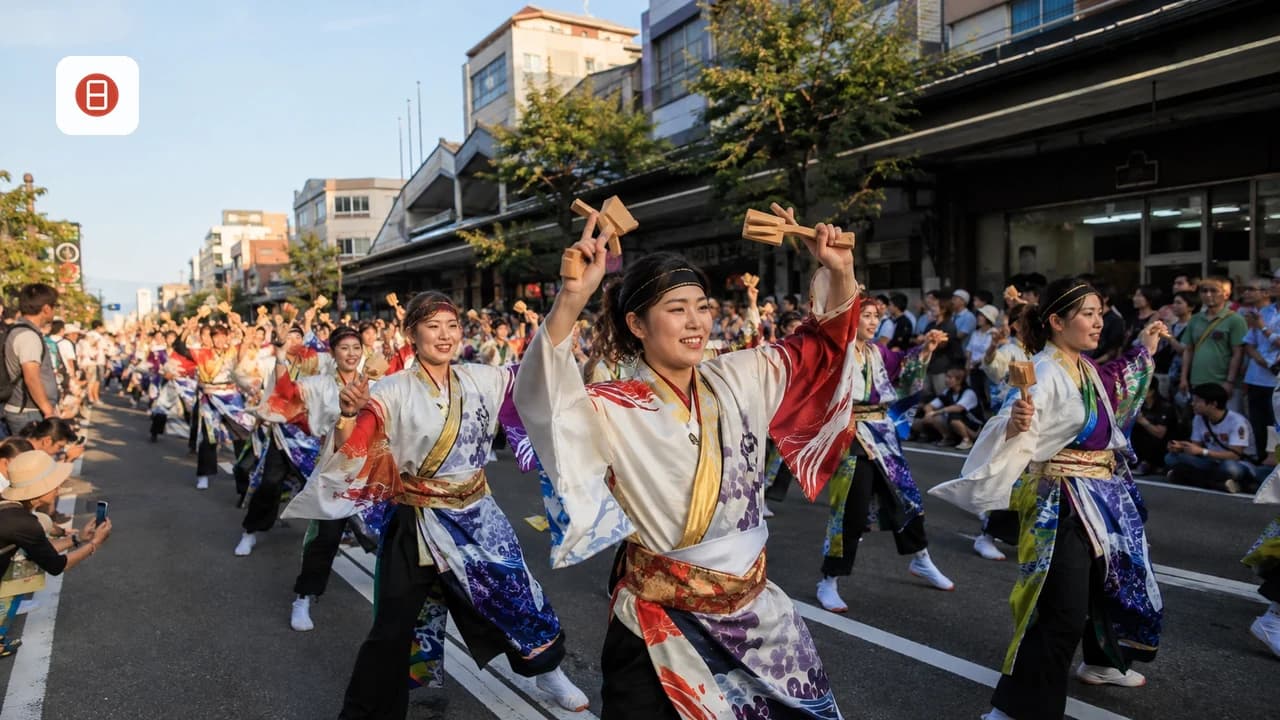
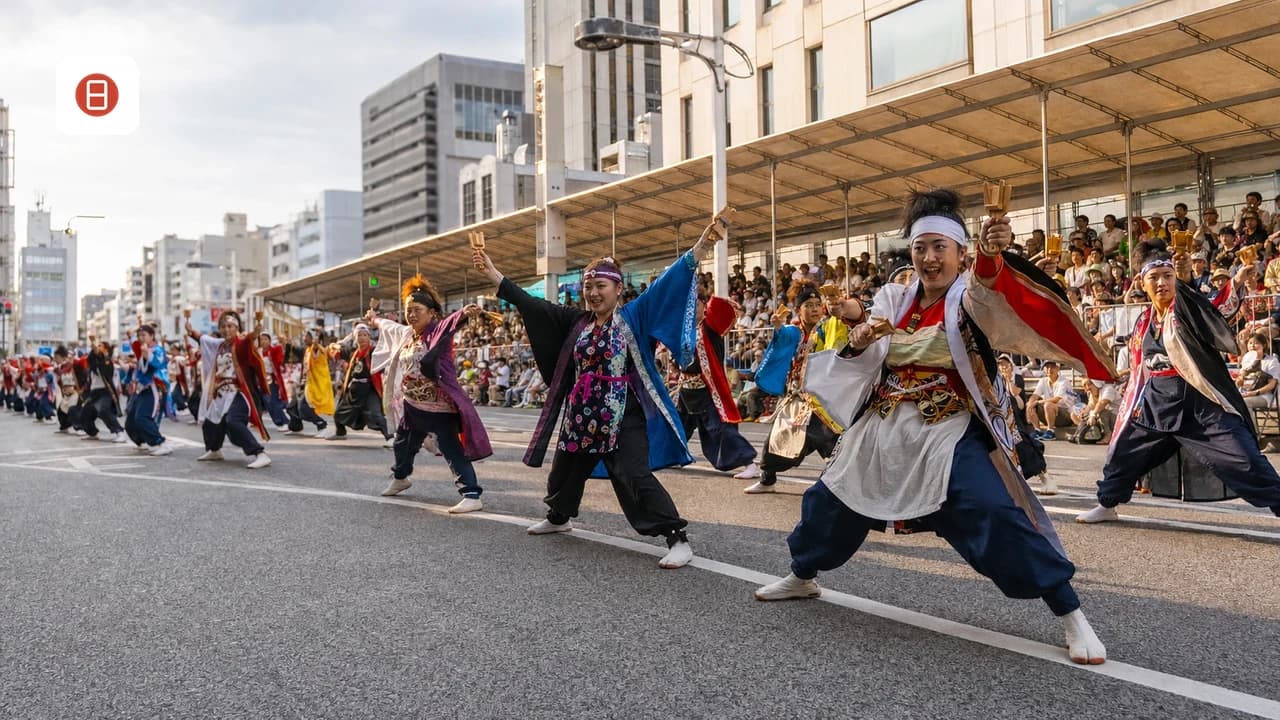
- Held August 9 to 12 in central Kochi City, Yosakoi draws more than 18,000 dancers across roughly 200 teams. Streets throughout central Kochi City fill with music and color for four straight days, including pre- and post-festival events.
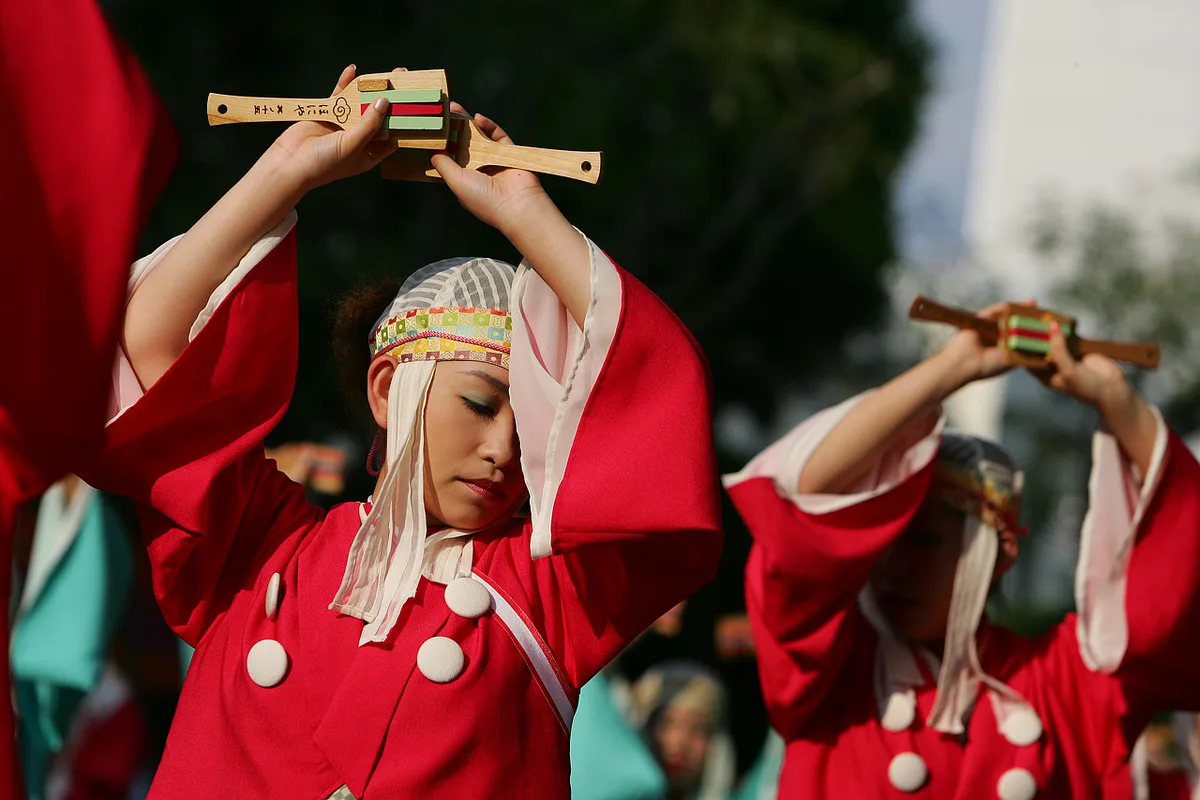
- Teams parade down Otesuji-dori Avenue clapping wooden naruko clappers, led by decorated jigisha trucks blasting music, and every routine must include part of the official Yosakoi Naruko Dance song.
- Paid seating at Otesuji Kyoenjo runs roughly ¥2,000 to ¥5,000, and tickets through Ticket Pia and Lawson Ticket usually go on sale in late June. See the Yosakoi Matsuri guide for same-day ticket odds. Reserved seating provides comfort, but standing room along the route still delivers a full view of the parade for free.
- Ekin Festival (Third Weekend of July)
- Held the third weekend of July in Akaoka, the Ekin Festival displays macabre ukiyo-e paintings by candlelight after dark. Painted panels come out only for this one weekend each year, lining the shopping street after sunset.
- The paintings are attributed to the folk artist Ekin and hang along a shopping street lit only by lanterns. Local volunteers maintain the display, and admission remains free throughout the evening hours.
- Entry is free, and the atmosphere stays quieter and more contemplative than Yosakoi's daytime crowds. It works well as a same-trip contrast if Yosakoi's crowds start to feel overwhelming.
- Susaki Local Character Festival (Mid-September)
- Susaki hosts this festival in mid-September, celebrating Japan's yuru-chara mascot culture with local characters such as Shinjokun. Local businesses and neighborhood groups sponsor most of the costumed mascots that appear.
- Expect costumed parades, photo sessions, and food stalls rather than large-scale dance performances. Stalls typically sell regional Kochi produce alongside festival snacks.
- There's no entry fee, which makes it an easy add-on for families traveling with young kids. The pace stays relaxed enough for strollers and older visitors alike.
- Cape Muroto Lighthouse Festival (Late October-Early November)
- Cape Muroto opens its working lighthouse from late October into early November for interior access it doesn't normally allow. The lighthouse overlooks open ocean at the cape's southern tip.
- Climbing the lighthouse is a rare chance to see the coastline from inside a structure that stays closed the rest of the year. Staff typically guide small groups up the tower during open hours.
- No ticket is required, and the cape pairs well with a same-day stop on a Kochi Itinerary: 2 Days in Shikoku, Japan 2026 built around festival dates. Fewer crowds here make it a good counterpoint to Yosakoi's density earlier in August.
The Story Behind Yosakoi's Naruko Dance
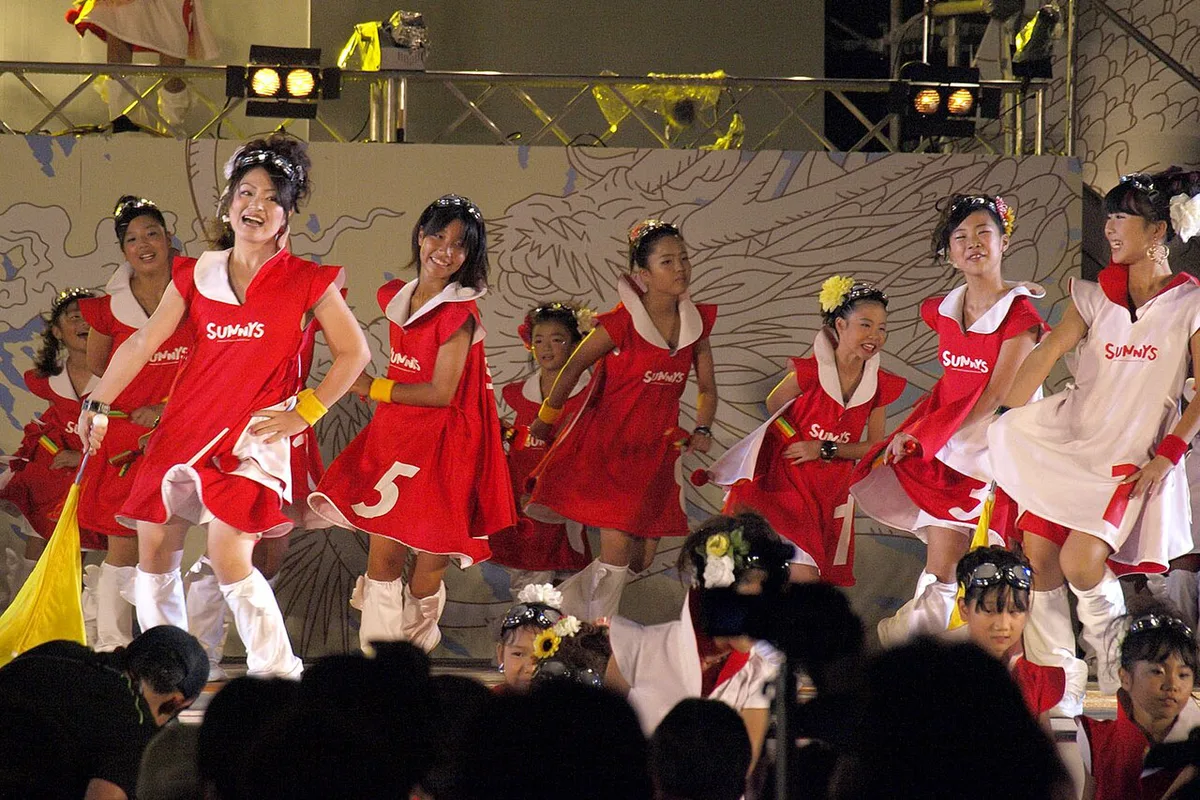
Yosakoi originated in Kochi and later spread to festivals across Japan, including versions now held in other cities. The name is commonly explained as a rough equivalent of 'let the good times roll,' reflecting the festival's loose, party-first spirit. Judges award ribbons to standout dancers, and one team wins an overall title each year. Because arrangement rules are loose, music ranges from traditional Japanese ballads to funk, as long as part of the official Yosakoi Naruko Dance song appears somewhere in the routine. Dancers are free to switch teams season to season, and many spend months rehearsing before the four days in August. This history is part of why locals treat Yosakoi as something closer to a citywide celebration than a scheduled tourist show. That backstory is part of why Kochi markets the festival as central to local identity, not just a summer tourist draw.
What Kochi Festivals Cost: Free Viewing vs. Paid Seating
Every festival on this list is free to attend at its core; nothing charges general admission. Yosakoi is the exception with an optional layer: reserved seating at Otesuji Kyoenjo for the August 10-12 window costs roughly ¥2,000 to ¥5,000, depending on category. Those categories include daytime and nighttime general seating, wheelchair-accessible sections, parasol seating, and group blocks, plus S and A seats for the central-park stage. Standing along Otesuji-dori for free gets you the same parade and fireworks, just without a reserved spot to sit. Same-day tickets are rarely available, so buying in late June through Ticket Pia or Lawson Ticket is the reliable route if a seat matters. For the other three festivals, budget only for transport, food, and the sake or snacks sold streetside, since none of them charge for entry. Third-party platforms such as Klook and KKday also resell some of these seats, which can help if official outlets sell out first. Comparing paid seating cost against a mid-range hotel night puts the ticket price in perspective. Even the top end of the range is a small fraction of typical Kochi lodging costs during festival week. Group seating at Otesuji Kyoenjo is worth considering for families or groups of four or more, since it consolidates a party into one reserved block instead of scattered single seats.
Yosakoi attracts more than 18,000 dancers across roughly 200 teams, providing a massive spectacle whether viewed free from standing areas or from reserved seating at roughly ¥2,000 to ¥5,000.
Which Kochi Festival Fits Your Trip?
Not every trip should build around Yosakoi's crowds, so the table below compares what each event actually delivers. Energy level, crowd density, and photo potential vary sharply across the four events, based on our editorial assessment of each festival's format. Use it to match festival choice to travel style before finalizing the rest of a trip. Solo photographers usually get more usable shots at Ekin or Cape Muroto, where crowds thin out and light is easier to control. Yosakoi still wins on raw spectacle, and pairing it with one quieter event balances an itinerary. Families balancing energy and comfort often do best pairing Yosakoi's opening days with the calmer Susaki festival later in September. Cape Muroto suits travelers who prefer one dedicated day trip over a citywide crowd experience. None of these labels come from an official ranking; they reflect a straightforward read of each event's format and typical turnout.
| Festival | Energy Level | Crowd Density | Photo Potential |
|---|---|---|---|
| Yosakoi Matsuri | Highest: citywide parade and drumming | Very high near Otesuji-dori | Strong: costumed teams and jigisha trucks |
| Ekin Festival | Low: candlelit and still | Light | Moderate: low-light, tripod-friendly |
| Susaki Local Character Festival | Moderate: family-paced parade | Light to moderate | Moderate: mascot costumes |
| Cape Muroto Lighthouse Festival | Low: single-site open house | Light | Strong: coastal lighthouse views |
The Tosa Spirit: Why Kochi's Festivals Feel Different
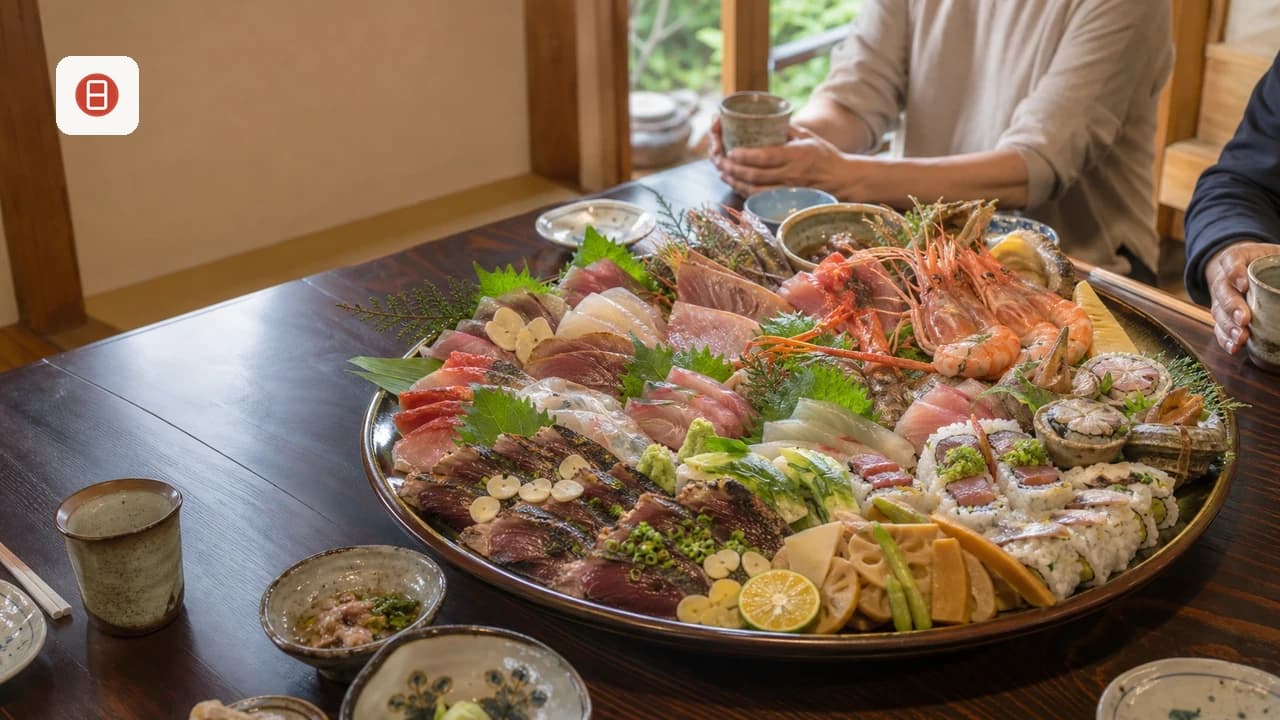
Kochi's old provincial name, Tosa, still describes the local character: loud, sake-loving, and openly irreverent. Yosakoi reflects that directly, since teams choose their own music and choreography instead of following one fixed traditional script. That freedom sets it apart from more formal festival traditions in Kyoto or Tokyo, where set rituals and dress codes govern performances. Teams are typically organized by companies, neighborhoods, and izakaya pub-restaurants, and women take center stage in choreography and lead positions. Dancers can switch teams year to year, and serious teams spend most of the year rehearsing next year's routine before performing it once. Sake culture threads through the celebration off the parade route. Sawachi, Kochi's tradition of large shared platters piled with sashimi and local dishes, turns festival nights into open-air group meals. Street-side sake stalls near the parade route sell local brews by the cup, and that informal drinking culture is part of what locals mean by Tosa spirit. This banquet style is sometimes called Tosa-no-Okyaku, and festival nights are when it shows up most visibly, spilling from restaurants onto side streets near the parade. None of this requires a separate ticket or reservation; walking Otesuji-dori after dark during festival week is enough to see it. None of this etiquette is written down anywhere official; it's simply how Kochi residents treat festival week. Visitors are welcome to join the informal drinking and eating culture, not just watch it from the sidelines. That same directness shows up in how locals talk about the festival, without much modesty about how loud or long the celebration gets.
Kochi's Yosakoi vs. Tokushima's Awa Odori
Shikoku's other major dance festival, Awa Odori in Tokushima, runs on a similar summer calendar but follows a different philosophy entirely. Awa Odori's traditional steps stay fixed year to year, while Yosakoi teams rewrite their choreography annually. That contrast is the clearest way to feel Tosa's irreverence against a more classical Shikoku tradition. If a side trip fits the schedule, Tokushima's sights pair naturally with a festival week based in Kochi. Comparing the two back to back also shows why Yosakoi spread to other Japanese cities, since its free-form format travels more easily than a fixed local tradition. Both festivals draw large summer crowds, so some travelers split a Shikoku trip between the two host cities instead of choosing only one. Neither festival is objectively better; the choice comes down to whether freeform energy or fixed tradition fits the trip better.
Planning Around Kochi's Festival Calendar
Most visitors plan around Obon, August 10 to 12, when the national Yosakoi competition and the grand parade both fall. Hotel rooms in Kochi City routinely sell out roughly six months ahead of that window, so lock in lodging before flights. A dedicated guide covers hotel picks near Otesuji-dori for festival-week walkability. Roads around the parade route close to cars during performance hours, so plan on the My Yu Bus loop or JR Shikoku trains instead of driving. Kochi's public transit basics break down those changes for festival week in full. Beyond festival dates, Kochi's year-round attractions fill out a longer stay if you arrive a few days early. Because exact 2027 festival dates were not finalized at review time, confirm them on the official Kochi tourism site before booking transport. Kochi City's official site also lists smaller neighborhood events that skip national listings entirely. Same-day festival tickets are rarely available, so treat the ticket on-sale date, not the festival date, as the real planning deadline. Weekday arrivals a few days before August 9 typically find calmer restaurants and shorter lines than the festival weekend itself. Local izakaya restaurants near the route get reserved out for festival nights, so calling ahead works better than walking in. Public holidays around Obon add domestic travelers on top of the festival crowd, which compounds the hotel and train demand. If flights are already booked before hotels, prioritize neighborhoods within walking distance of Otesuji-dori over cheaper options farther out. A short taxi ride becomes far less reliable once parade-hour road closures start, so walking distance matters more than usual during festival week. Travelers arriving by air typically connect through a regional airport before reaching Kochi City, so building in a buffer for that final leg helps. Building a couple of buffer days into the trip helps absorb any last-minute schedule shifts announced by organizers.
| Factor | What to Know |
|---|---|
| Timing | Yosakoi falls within Obon, August 10-12; confirm exact dates yearly |
| Accommodation | Book Kochi City hotels roughly six months ahead of August |
| Transport | Parade-route roads close to cars; use the My Yu Bus loop or JR Shikoku |
| Tickets | Otesuji Kyoenjo seating runs about ¥2,000-¥5,000; sales open in late June |
Practical Tips: Heat, Crowds, and the Sunday Market
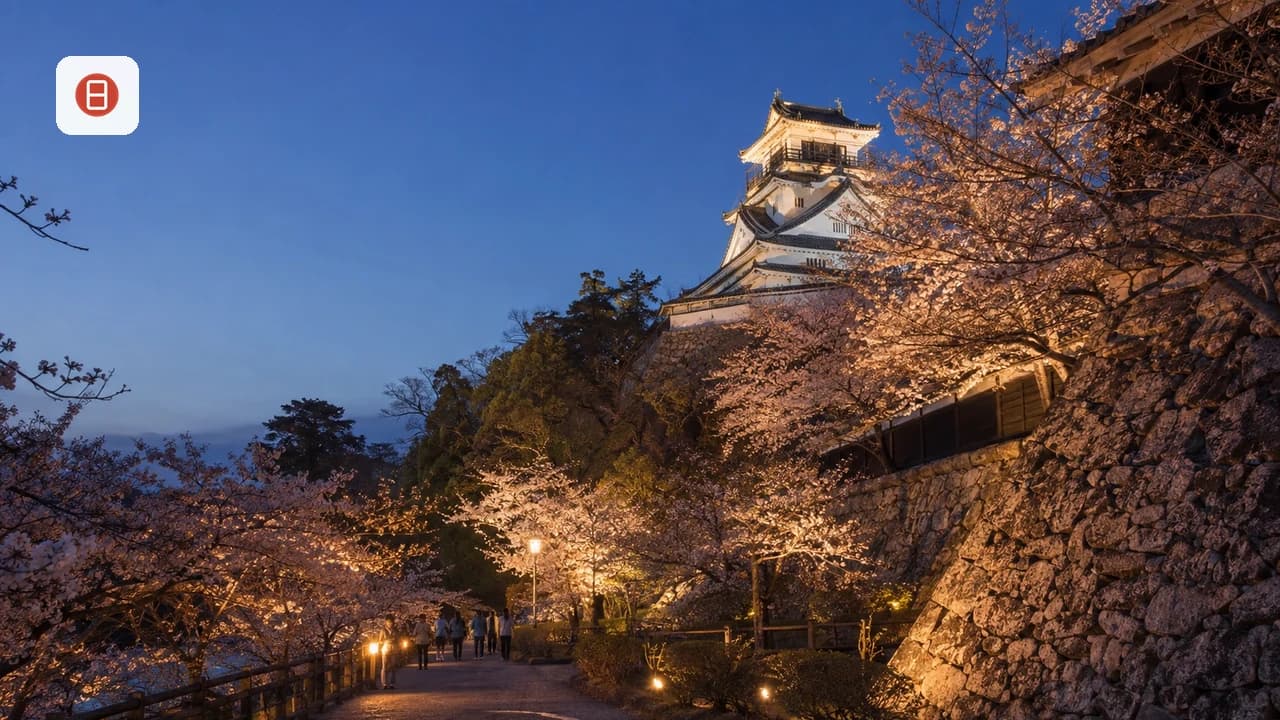
Kochi summers run hot and humid straight through the Yosakoi dates, so carry water and a cooling towel rather than counting on shade. Otesuji-dori gets packed shoulder-to-shoulder during the main parade, so families with young kids often do better at the quieter central park stage instead. Photographers chasing the decorated jigisha trucks get clearer shots near the parade's starting sections, before the crowd thickens later in the route. Kochi Castle Travel Guide 2026 sits close enough to the route to work as a backdrop for photos between performances. Sunday mornings pair naturally with a festival trip. Kochi's Sunday Market runs along Otesuji-dori and stocks local produce and street food you won't find at festival stalls. Combining a Sunday Market visit with an evening festival session covers both food and spectacle in one day. Check the month-by-month festival calendar for exact dates before booking flights, since Yosakoi, Ekin, and Susaki dates can shift slightly year to year. Bring cash for festival food stalls and sake vendors, since not every stand accepts cards during peak crowds. Convenience stores along the route sell cooling sheets and salt tablets during festival week, which help more than plain water alone in Kochi's summer humidity. Public restroom lines get long near the main stages, so plan bathroom breaks between performance sets rather than during the headline acts. Evening temperatures drop only slightly after dark, so lightweight, breathable clothing matters as much at night as during the day. Charge phones and cameras fully before heading out, since festival-night crowds make finding an outlet difficult. Keep a printed or offline map of the parade route, since cell signal can slow down in dense festival crowds. None of these precautions require special gear beyond what a typical summer trip to Japan already calls for. A portable phone battery pack is worth packing too, since photos and navigation both drain power fast during a full festival day.
Kochi's Sunday Market has operated since 1690, providing a multi-century-old tradition to pair with festival evening sessions.
Where to Watch Yosakoi’s Fireworks Finale
Yosakoi’s parade spectacle extends beyond Otesuji-dori. The festival programme traditionally includes a fireworks display over the Kagami River, which offers a wider, less compressed view than the main dance routes. Check the official schedule shortly before travel, since the exact launch time and viewing arrangements can change.
- Best for dancers: use Otesuji-dori or the central stages earlier in the evening.
- Best for fireworks: head toward the Kagami River with time to spare.
- Bring: water, a portable battery, and a light ground sheet if you plan to wait outdoors.
Do not leave the parade route at the last minute. Pedestrian flows become slow after performances end, and nearby restaurants fill quickly. A river-side viewing stop works especially well for travelers who want the festival atmosphere without spending the entire night in the densest Otesuji-dori crowds.
Explore festivals and events in other cities
Frequently Asked Questions
Is Kochi, Japan the same place as Kochi, India?
No, they're different countries entirely. Kochi, Japan, is a city on Shikoku island, and Kochi, India, is in Kerala state. This guide covers only the Japanese city's festival calendar.
When is the Yosakoi Matsuri held?
Yosakoi traditionally runs August 9 through 12, falling within the Obon holiday period. Confirm exact 2027 dates on the official tourism site before booking flights, since organizers announce them later than many travelers expect. If reserved seating matters, buy through Ticket Pia or Lawson Ticket once sales open in late June, since same-day availability is limited.
How much do Yosakoi festival tickets cost?
Watching the dancers along the route is free, and most visitors never buy a ticket at all. Reserved paid seating at Otesuji Kyoenjo runs roughly ¥2,000 to ¥5,000, and those tickets usually go on sale in late June through outlets like Ticket Pia and Lawson Ticket. Paid seating only covers designated areas at Otesuji Kyoenjo and the central park stage, so skipping it still means seeing the full parade and fireworks.
How far ahead should you book a hotel for festival week?
Book Kochi City hotels roughly six months ahead of the August dates. Rooms near Otesuji-dori sell out first, so reserve lodging before finalizing flights.
Which Kochi festival works best for families or photographers?
Families often prefer the free, lower-crowd Susaki Local Character Festival in mid-September. Photographers get clearer shots of Yosakoi's jigisha trucks near the parade's starting sections, before crowds build later on. Cape Muroto's lighthouse festival in late October suits travelers who want one quiet, single-site event instead of a citywide crowd.
Is the Ekin Festival family-friendly?
Ekin Festival leans artistic rather than crowd-pleasing, with candlelit ukiyo-e paintings displayed after dark in Akaoka. Older kids interested in art or ghost stories tend to enjoy it more than toddlers. Entry is free, so it costs nothing to stop by briefly even if it isn't the main event of a trip.
Is Yosakoi the same as Awa Odori?
No, they're separate festivals in separate Shikoku cities. Yosakoi is freeform and competitive, based in Kochi, while Awa Odori follows fixed traditional steps in Tokushima. Yosakoi is generally credited as the format that later inspired similar freeform dance festivals elsewhere in Japan.
What should you pack for Kochi's festival season?
Pack light, breathable clothing and sun protection for daytime heat. Add a cooling towel, a refillable water bottle, and cash for food stalls and sake vendors. A lightweight rain layer is worth carrying too, since Shikoku's summer weather can turn without much warning.
How hot does Kochi get during festival season?
August in Kochi runs hot and humid, consistent with typical Japanese summer conditions across Shikoku. Carry water, sun protection, and a cooling towel if you plan to stand outdoors for the parade or fireworks. Evening temperatures drop only slightly, so lightweight clothing works better than heavier layers after dark.
Explore More Kochi and Shikoku Festival Guides
Time a Kochi trip around yosakoi or the Sunday market, then use the castle and planning guides for the rest.
Signature Festival
Markets and Castle
Plan Your Visit
- Month-by-Month Festival Guide (Japan)
- Best Time To Visit Kochi, Japan
- Kochi Itinerary: 2 Days in Shikoku, Japan 2026
- Where To Stay in Kochi, Japan
More Shikoku Festival Guides
Free guide: Japan's Hidden Gems
12 under-the-radar places beyond Tokyo & Kyoto — with the best season to visit each and a local tip you won't find in the guidebooks.
You might also like
Continue reading
More guides you'll find useful