
Kochi Castle Travel Guide 2026
Plan your visit to Kochi Castle with admission prices, opening hours, history highlights, and practical travel tips for a rewarding Shikoku trip.
On this page
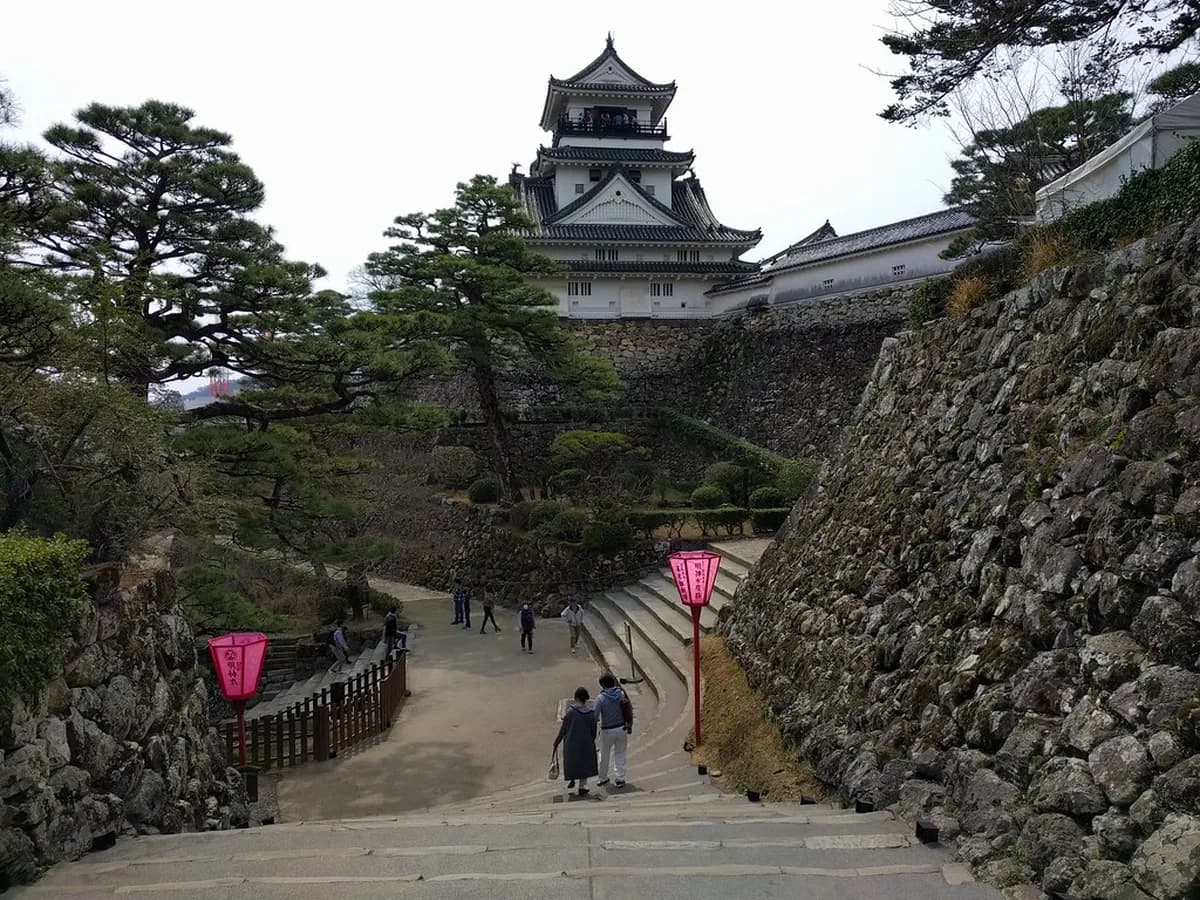
Kōchi Castle is one of only 12 castles in Japan where the original wooden tenshu, or main keep, still stands. It sits on a forested hilltop in Kōchi City on the island of Shikoku. Both the tenshu and the honmaru palace survive here intact, a combination found at no other original castle in Japan.
Visitors climb roughly 90 steep wooden steps to reach the top floor of the keep. Wide windows at the top frame views over the Niyodo River and the surrounding Kōchi City skyline. The castle grounds also include a cherry blossom park, a weekend street market, and easy access to lively Hirome Market for lunch. This guide covers ticket prices, opening hours, and transit directions so you can plan an efficient visit.
What Makes Kōchi Castle a Must-See
Out of roughly 100 original Japanese castle sites, only 12 retain their original wooden tenshu. Most castles visible across Japan today are reinforced-concrete reconstructions built after World War II. Kōchi's tenshu dates to 1747, rebuilt in traditional wood after a fire in 1727, and it remains structurally authentic to that era.
The honmaru palace is what truly elevates Kōchi Castle above its peers among the 12 surviving keeps. At every other original-keep castle in Japan, the palace where the domain lord lived was destroyed after the Meiji Restoration. Kōchi's honmaru palace survived intact, giving visitors a rare chance to walk through the chambers where Yamauchi lords governed. These two survivors together place Kōchi firmly in first-tier territory for Japanese feudal history.
Yamauchi Kazutoyo received Tosa Domain as a reward from Tokugawa Ieyasu after the Battle of Sekigahara in 1600. The Yamauchi clan ruled from this hilltop until the Meiji Restoration in 1868, when feudal domains were formally dissolved. Their legacy is visible throughout the grounds in original stone walls, gatehouses, and storehouses that required minimal reconstruction. If you plan to explore several top Kōchi City attractions, the castle is the natural centrepiece of any itinerary.
Inside the Castle: Museum and History
The interior of the tenshu functions as a museum spread across six floors. Exhibits trace the castle's construction, the Yamauchi clan's rule, and daily life in feudal Tosa. Displays include original armour, swords, scrolls, and model reconstructions of the complex at its height. English captions are available throughout, making the exhibits accessible without a specialist guide.
The steepest stairs appear on the upper two floors, where treads narrow to near-ladder angles. Grip the side rails and wear flat shoes, as sandals and heels create real difficulties on descent. Most visitors spend 30 to 45 minutes inside the keep and another 20 minutes in the honmaru palace.
The top floor opens on four sides to low windows framing 360-degree views over Kōchi City. On clear days you can see the Niyodo River valley to the west and the Pacific coast to the south. The view justifies the climb on its own terms. For historical context before your visit, the Kōchi Castle Wikipedia article offers a detailed timeline of the castle's construction and major fires.
Castle Park, Gardens, and Cherry Blossoms
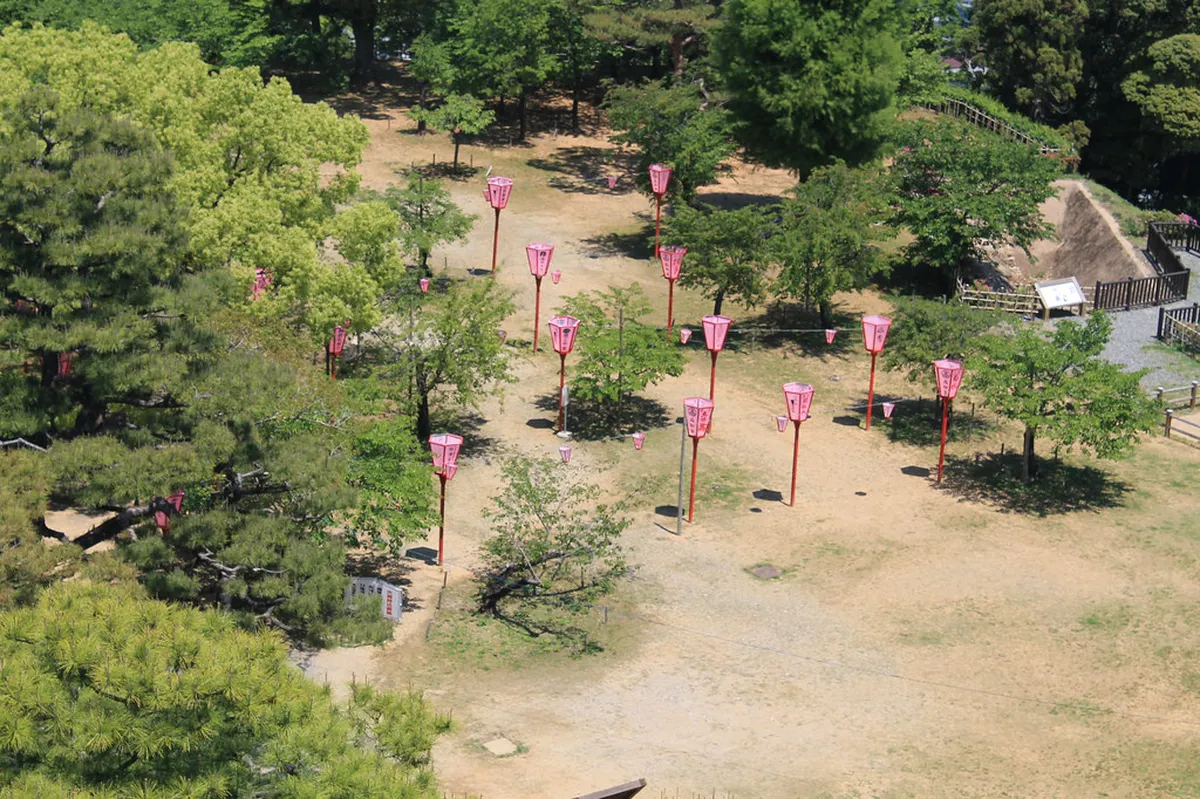
Kōchi Castle Park surrounds the hilltop complex with open lawns, shaded paths, and about 300 cherry trees. The trees bloom in late March to early April, drawing large crowds for hanami (blossom-viewing) season. Entry to the park grounds is free, even if you choose not to pay for the castle interior. During peak blossom weeks, food stalls and lanterns appear along the main approach road.
Outside cherry blossom season, the park provides a calm green space popular with local joggers and families. Otesuji arcade, the main approach road to the castle, hosts the Sunday Ichi street market every Sunday. The market draws over 600 stalls selling fresh produce, handmade crafts, dried seafood, and local ceramics. A Sunday castle visit paired with a walk through the market makes for a well-rounded morning.
Visitors looking for a longer day can add Katsurahama Beach, which sits about 12 km south of the castle. The beach is known for its dramatic rocky coastline, the Sakamoto Ryoma memorial, and Pacific views. Combining the castle with Katsurahama gives you both Kōchi's main cultural landmark and its most scenic shoreline in one day.
Admission, Hours, and Visitor Tips
Adult admission to the castle interior is ¥420, which covers both the tenshu and the honmaru palace. High school students pay around ¥200, while junior high school students and younger enter free. The official Kōchi Castle website lists current rates and any special event closures. Cherry blossom season brings larger crowds, so a weekday morning visit keeps the tenshu stairs more manageable.
The castle is open daily from 9:00 to 17:00, with the last entry accepted at 16:30. It closes annually from December 26 through January 1 for the New Year holiday. Outside those dates, unexpected closures for maintenance or special events are rare but possible. The best time to visit Kōchi guide can help you plan around peak periods and seasonal festivals.
Cruise ship passengers calling at Kōchi Port should check their arrival and departure times carefully. The busiest hours inside the castle typically run from 10:00 to 14:00, when group tours move through the narrow stairways. Heading straight to the castle at opening time secures a calmer climb and better photos without crowds on the stairs.
- Adult admission to the tenshu and palace
- The standard adult ticket costs ¥420 and covers the keep and honmaru palace.
- High school students typically pay around ¥200 with valid student identification.
- Opening hours and annual closure dates
- The castle opens at 9:00 and closes at 17:00, with final entry accepted at 16:30.
- Annual closure runs from December 26 through January 1 for the New Year period.
- Best time to visit for lighter crowds
- Weekday mornings between 9:00 and 11:00 typically see the lightest visitor numbers.
- Cherry blossom season in late March to early April draws the largest local crowds.
- Photography rules inside the castle
- Photography is permitted throughout the interior and on the grounds of the castle.
- Flash photography near certain artefacts may be restricted, so follow posted signs inside.
Getting There and Planning Your Day
The Tosa-den tram (streetcar) is the most convenient way to reach the castle from Kōchi Station. Board at Kōchi Station and ride to the Kōchi-jō-mae stop, a journey of about 10 minutes costing roughly ¥200. From the tram stop, a short uphill walk of around 10 minutes reaches the castle entrance. Check Japan Guide's Kōchi Castle access page for current timetables and any route changes.
Taxis from Kōchi Station take around five minutes and cost approximately ¥700 to ¥900. Walking the full distance from the station takes about 20 minutes along a flat, well-signed city route. For a full overview of local transit options, our getting around Kōchi guide covers the tram network, day passes, and rental bicycles.
Allow two to three hours for the castle itself, including the park grounds and the honmaru palace. After the castle, Hirome Market is a five-minute walk away and typically opens from around 11:00. The market serves katsuo tataki (seared bonito), grilled meats, and locally brewed sake under one lively roof. Most visitors find the castle, Hirome Market, and one more Kōchi sight fill a comfortable full day.
Frequently Asked Questions
Is Kōchi Castle worth visiting?
Yes, Kōchi Castle is genuinely worth visiting. It is one of only 12 castles in Japan with its original wooden tenshu, and the surviving honmaru palace — where the domain lord actually lived — exists at no other original-keep castle in the country. Even a half-day visit delivers a level of historical authenticity that is rare in Japan.
Who lived in Kōchi Castle?
The Yamauchi clan governed Tosa Domain from Kōchi Castle for more than 260 years, beginning with Yamauchi Kazutoyo, who received the domain after the Battle of Sekigahara in 1600. Their living quarters in the honmaru palace remain one of the castle's most compelling features and can still be toured today.
How many stairs are there in Kōchi Castle?
Kōchi Castle's tenshu has approximately 90 steps leading to the top floor, and many of them are notably steep by modern standards. Wear flat, grip-soled shoes and allow extra time on the descent. The climb takes most visitors five to ten minutes and ends with panoramic views over Kōchi City.
What can I do near Kōchi Castle for the rest of the day?
Hirome Market, a lively covered food hall just five minutes on foot from the castle gates, is the natural lunch stop after your visit. The Sunday Ichi street market lines Otesuji arcade every Sunday with fresh produce, local crafts, and street food. Kōchi's food scene also centres on katsuo tataki, the city's signature seared bonito dish.
Kōchi Castle rewards visitors who value genuine historical artefacts over modern reconstructions. The simultaneous survival of the tenshu and the honmaru palace makes this one of the most significant feudal sites in all of Japan. A complete Kōchi itinerary can weave the castle into a full day covering Katsurahama Beach, Hirome Market, and Godaisan hill.
Plan two to three hours at the castle, add lunch nearby, and you have a standout morning few cities in Japan can rival. Check the official Kōchi tourism page for current events and any seasonal closures before you travel. Whether you are on a day trip from Matsuyama or a longer Shikoku adventure, the castle tends to be the visit people remember longest.
Free guide: Japan's Hidden Gems
12 under-the-radar places beyond Tokyo & Kyoto — with the best season to visit each and a local tip you won't find in the guidebooks.
You might also like


Continue reading
More guides you'll find useful

