

Hakodate Port Festival Guide: Ika Odori Squid Dance & Parade Routes
Plan the Hakodate Port Festival with the Ika Odori (Squid Dance) schedule, parade route comparison, fireworks viewing spots, and Hakodate transit logistics.
On this page
Last updated September 2026, this guide covers the Hakodate Port Festival, Hakodate's five-day summer celebration held every August 1 to 5. Fireworks light up Hakodate Bay, Wasshoi Hakodate parades march through two different neighborhoods, and the city dances its signature Squid Dance. Admission is free, and this guide breaks down the day-by-day schedule, the August 2 versus August 3 route choice, and how to actually join the dance.
What Is the Hakodate Port Festival?
Hakodate's Port Festival began in 1935, a year after the Great Hakodate Fire destroyed roughly one-third of the city. Organizers created the event to lift local spirits and mark the anniversary of the port's opening. It stands as Hakodate's largest annual summer event. Today it runs five days, from August 1 to 5, centered on Hakodate Port and the Goryokaku area. Every event is free to attend, and the festival pairs naturally with the rest of Hakodate's free things to do.
- Dates: August 1-5, 2026 (Doshin Fireworks August 1; Wasshoi Hakodate parades August 2-3; backup dates August 4-5)
- Locations: Hakodate Port and Green Island for fireworks; Jujigai/Matsukaze-cho and Chiyodai/Goryokaku for the parades
- Cost: Free admission to every event
- Origin: Founded 1935, one year after the 1934 Great Hakodate Fire
- Fireworks: about one hour, launched from Green Island in Hakodate Harbor, typically after sunset on August 1
Festival Schedule: Day by Day
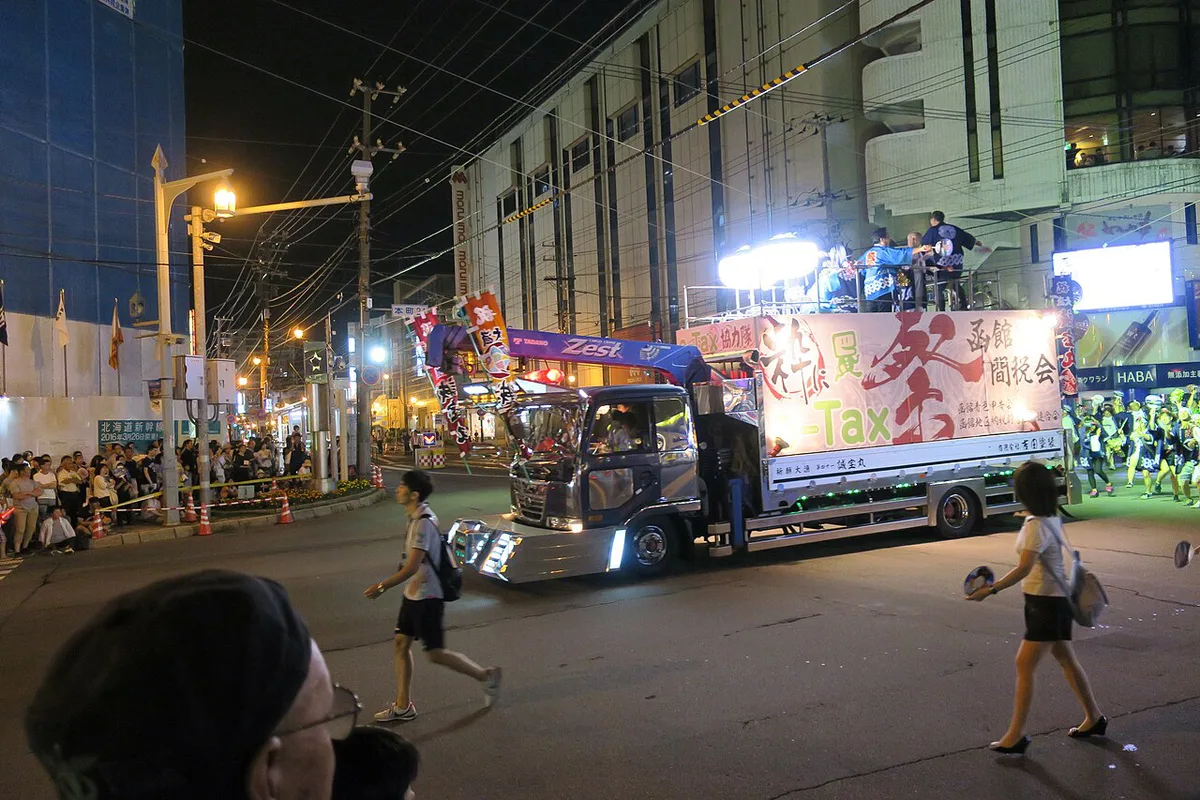
Street stalls run every day of the festival, from August 1 through August 5. Two headline events anchor the schedule: the Doshin Fireworks Display on the first night, then parades on the second and third. Recent listings describe the Doshin Fireworks Display as the largest fireworks show of its kind in Hokkaido. In recent years, organizers built the show around six segments choreographed to music. Fireworks ran from about 19:45 to 20:50, with both parade days running roughly 17:30 to 21:00. Bad weather can push the fireworks to the backup date, so confirm exact timing on the festival's official site close to your travel dates.
| Date | Event | Typical Hours | Location |
|---|---|---|---|
| August 1 | Doshin Fireworks Display | ~19:45-20:50 | Hakodate Port / Green Island (Midori no Shima) |
| August 2 | Wasshoi Hakodate Parade - Jujigai/Matsukaze Route | ~17:30-21:00 | Near Hakodate Station |
| August 3 | Wasshoi Hakodate Parade - Chiyodai/Goryokaku Route | ~17:30-21:00 | Chiyodai / Goryokaku |
| August 4-5 | Backup dates plus street stalls | Varies | Citywide |
Choosing Your Parade Route: August 2 vs. August 3
Both parade days feature the same Wasshoi Hakodate lineup: mikoshi portable shrines, decorated floats, and the Squid Dance. August 2's route runs Jujigai to Matsukaze-cho, a 1.4km (0.9-mile) course near Hakodate Station that takes about 40 minutes to pass. Chiyodai and Goryokaku host the August 3 route instead, covering roughly 1km (0.6 mile) in about 40 minutes alongside the Goryokaku fort area. Daytime visitors can walk the Goryokaku star fort grounds before the evening parade begins there. Mikoshi and floats lead both parades, with the free-participation Squid Dance closing each one. Neither route needs a ticket or reservation, so arriving before the parade's start matters more than booking ahead. Pick August 2 if you're staying near the station or Bay Area. Choose August 3 instead if your hotel sits closer to Goryokaku. For route-specific hotel picks either way, see Where to Stay in Hakodate: 8 Best Areas and Travel Tips (2026).
August 2's route covers 1.4km (0.9-mile) near the station, while August 3 is shorter but leads to Goryokaku-koen-mae's wider sightlines; route choice balances distance against viewing advantages.
How to Join the Ika Odori (Squid Dance)
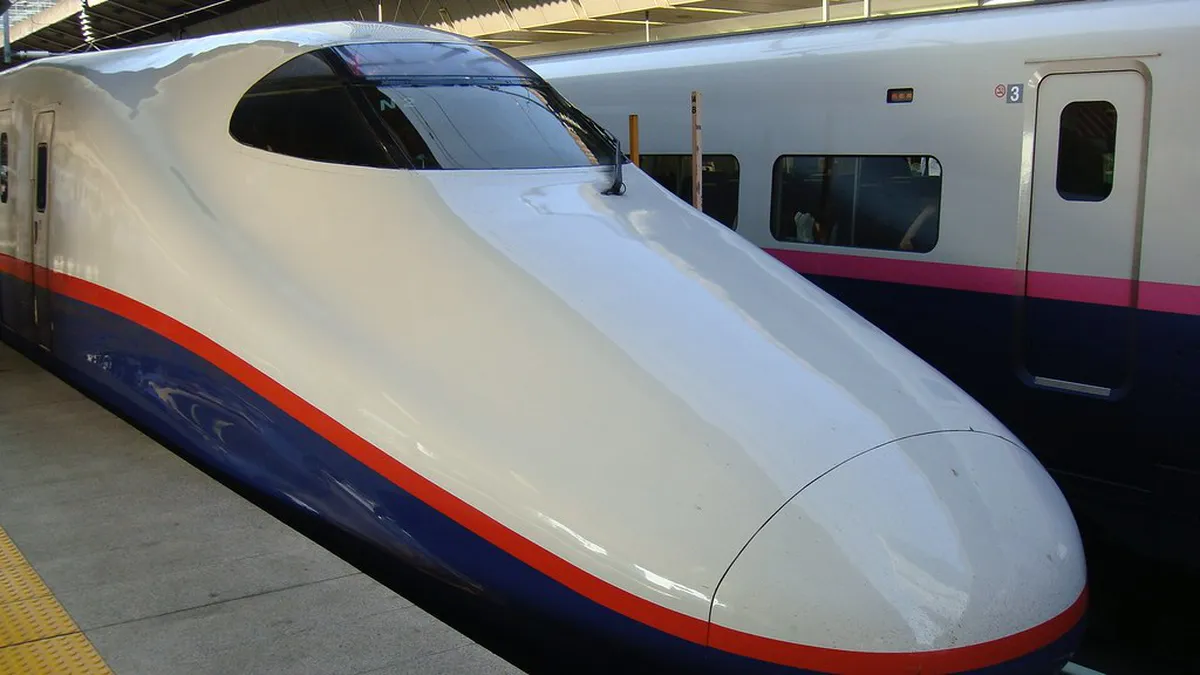
Local volunteers created the Ika Odori in 1980, naming it for Hakodate's signature squid catch. It joined the official Hakodate Port Festival program in 1981, organized then by a committee of about 25 residents. Participation numbers have grown every year since, according to the festival's own history. Choreography stays simple: arms spread and swaying like squid tentacles, timed to a repetitive, easy-to-catch rhythm. Free participation sections close each day's parade, and anyone can step in near the back the way locals do. Arrive at the meeting point well before the parade's scheduled start, since free-participation groups begin moving as soon as the preceding float clears the block.
The Ika Odori dance was created in 1980, arriving nearly 45 years after the Port Festival's 1935 founding, and became an official program component just a year later.
- August 2 free participation gathers at Jujigai Ginza Street; a separate children's Squid Dance slot runs there too, for kindergarten and elementary-age kids, with parents welcome to join in
- August 3 free participation gathers between the Nakajima-cho intersection and the Chiyodai tram stop
- Dress code is informal: a yukata or happi coat fits the mood, but comfortable shoes matter more than authenticity, since geta sandals can be unsteady once the dancing speeds up
- The Flower Tram, a decorated streetcar, runs on the Hakodate City Tram's regular timetable during the festival and along part of the parade route; it suspends operation in rainy weather
Best Spots for Fireworks, Parade Photos, and Street Food
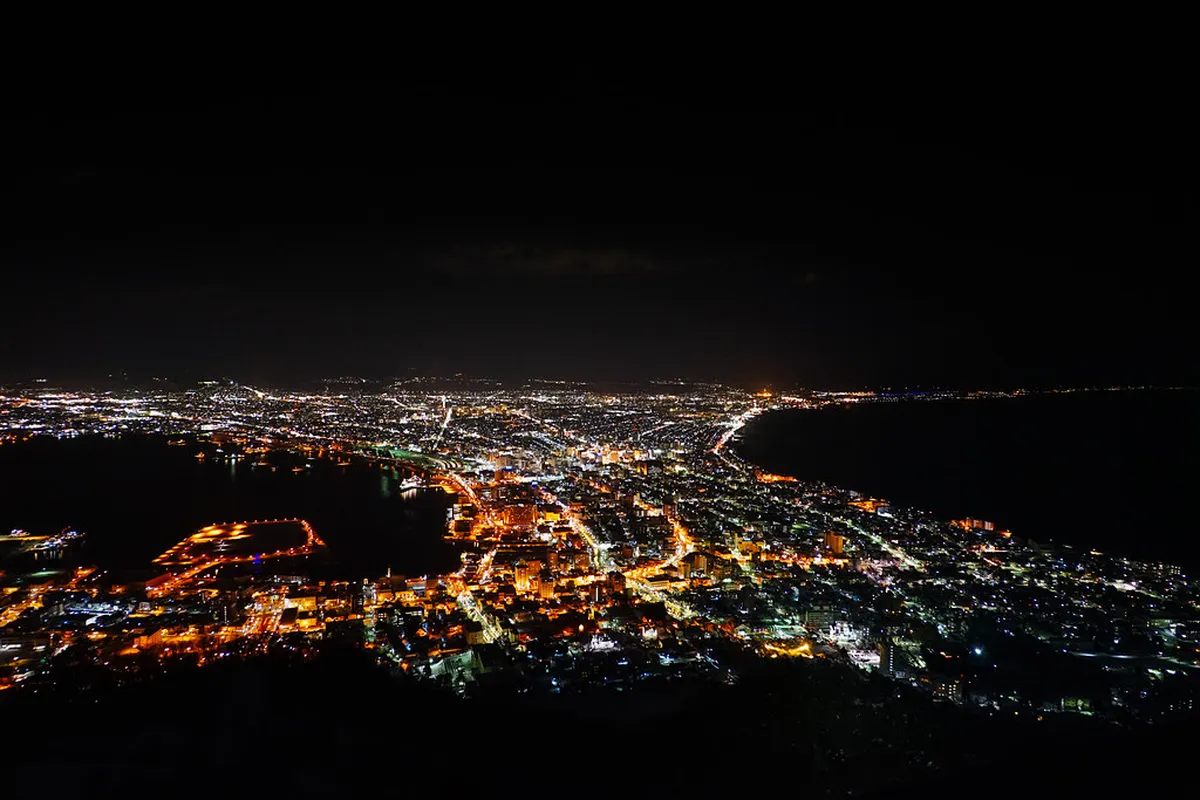
Fireworks launch from Green Island (Midori no Shima) in Hakodate Harbor and last about one hour. Kanamori Red Brick Warehouse, in the Bay Area, gives a retro streetscape foreground, and it also anchors many of Hakodate's other Things To Do In Hakodate Travel Guide. For elevation instead of proximity, the summit of Mount Hakodate pairs the fireworks with the mountain's regular night view. Expect the ropeway to get crowded fast, so plan to arrive well before sunset. Between Wakamatsu Pier and Toyokawa Pier, near the Mashu-maru memorial ship, sits closest to the launch site. That spot suits travelers who want the loudest, brightest fireworks view. Traffic restrictions may also apply near Tomoe Bridge on fireworks night, so follow on-site staff guidance if you're walking that area. For the parade, Goryokaku-koen-mae offers wider sightlines, and Daimon stays closer to the station with a livelier stall-lined atmosphere. Roughly 90 stalls line the route across the five days, according to Hakodate's official travel guide.
- Ika-yaki (grilled squid): a festival staple made with Hakodate's own catch
- Hakodate shio ramen: the city's signature light salt-broth ramen
- Zangi: Hokkaido-style fried chicken, seasoned and fried to order
- Carnival games: goldfish scooping, shooting galleries, and water-balloon yo-yo fishing round out the roughly 90 stalls
Getting to Hakodate for the Festival
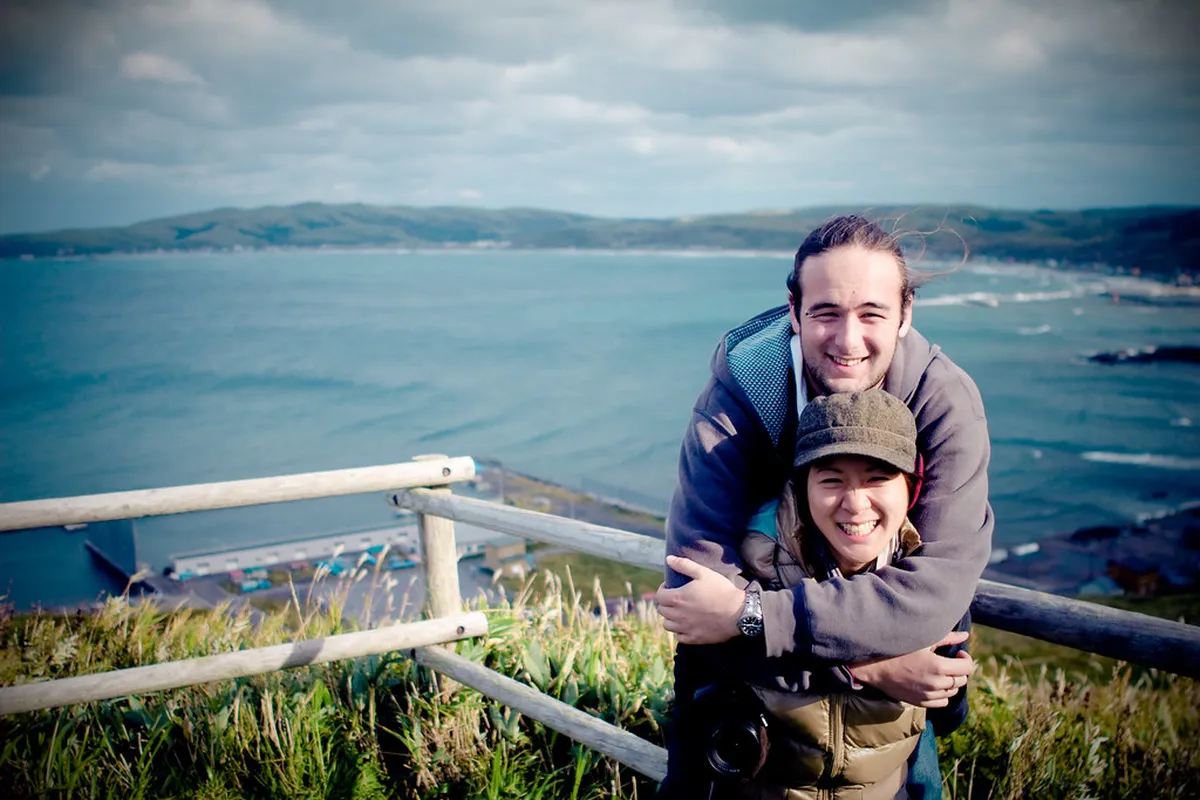
From Tokyo, the Hokkaido Shinkansen reaches Shin-Hakodate-Hokuto in about 4 to 4.5 hours. A two-stop local transfer on the Hakodate Line then adds roughly 17 minutes into Hakodate Station. Flying instead cuts travel to about 90 minutes in the air, though total door-to-door time depends on airport transfers on both ends. From Hakodate Airport, a shuttle bus reaches central Hakodate in about 20 minutes. Low-cost carriers can undercut the Shinkansen fare on some routes, so compare both before booking. From Sapporo, the JR Limited Express Hokuto covers the distance in about 3.5 to 4 hours. Driving the Hokkaido Expressway instead takes roughly 4.5 to 5 hours, and no parking is available at the fireworks venue itself. Hakodate Station sits about a five-minute walk from the festival grounds. The Hakodate City Tram reaches the Goryokaku parade route directly. For total trip length, see How Many Days In Hakodate: 8 Essential Planning Tips. A full The Perfect 2-Day Hakodate Itinerary Travel Guide can slot festival days around Goryokaku, Mount Hakodate, and the Bay Area.
| From | Option | Travel Time |
|---|---|---|
| Tokyo | Hokkaido Shinkansen + local transfer | ~4-4.5 hrs to Shin-Hakodate-Hokuto, plus ~17 min transfer |
| Tokyo | Flight | ~90 min in the air |
| Sapporo | JR Limited Express Hokuto | ~3.5-4 hrs |
| Sapporo | Car via Hokkaido Expressway | ~4.5-5 hrs |
Mistakes to Avoid: Crowds, Transit, and Timing
A common misstep is heading straight for Hakodate Station the moment fireworks end. Thousands make the same move at once, and the station area jams fast. Waiting out the initial rush at a nearby café makes the walk back easier. So does choosing a viewing spot slightly off the main crowd line. Restrooms near the main viewing areas also get long lines right after the finale, so use one before the show ends if possible. Vehicle access tightens around the launch site and both parade routes during festival hours. Plan on walking or the tram rather than a taxi or rental car. Confirm tram and bus schedule changes directly with Hakodate's transit operators before the festival, since routes shift around the parade streets each year. IC transit cards work on some tram lines but not universally, so carry a little cash for fares as backup.
Beyond August: Hakodate's Year-Round Festival Calendar
Summer belongs to the Port Festival, but Hakodate runs events across every other season too. A full year-round lineup sits in the 9 Best Hakodate Festivals and Events for 2026-2027 guide. Dates are organized by month in the month-by-month festival calendar. Winter centers on Hakodate Christmas Fantasy, running late November through December 25. Practical cold-weather notes live in the Hakodate In Winter Travel Guide guide. Spring brings cherry blossoms around Goryokaku, plus the Esan Azalea Festival running mid-May into early June. Autumn brings the MOMI-G Festa foliage festival, typically mid-October through early November. Deciding among them gets easier with the Best Time To Visit Hakodate: 8 Essential Seasonal Tips guide, which weighs all four seasons. Travelers building a wider Hokkaido loop can check Sapporo's event calendar. It's headlined by the Sapporo Snow Festival guide each February. Those extending toward Tohoku can check Aomori festival calendar for additional summer dates.
Frequently Asked Questions
Is the Hakodate Port Festival worth a day trip from Sapporo?
It can work, but expect a long day. JR's Limited Express Hokuto takes about 3.5 to 4 hours each way, so round-trip transit alone runs roughly seven to eight hours. That leaves a narrow window for the parade or fireworks before the last convenient train back. Staying overnight in Hakodate removes that time pressure and lets you catch both the fireworks and a parade day. Driving instead takes even longer, at roughly 4.5 to 5 hours each way.
Where should you stay to be closest to the action?
It depends on which parade route matters more to you. Near Hakodate Station or the Bay Area puts you inside the August 2 route and a short walk from the fireworks viewing spots. Near Goryokaku puts you inside the August 3 route instead, with wider sightlines along the parade street. Either area works for the fireworks, since Hakodate Station sits about five minutes on foot from the port venue. Check Where to Stay in Hakodate: 8 Best Areas and Travel Tips (2026) for specific neighborhood options.
What happens if it rains during the festival?
Rain plans vary by event. Hakodate's official schedule allows the fireworks to move to the backup date of August 5 if weather forces a delay. Rainy weather also suspends the Flower Tram specifically. Parade elements can also shift within the August 4 to 5 backup window. Check the festival's official site the night before if forecasts look uncertain.
Can first-time visitors really join the Ika Odori (Squid Dance)?
Yes, that's the point of the free participation sections at the end of each parade day. On August 2, free participation gathers at Jujigai Ginza Street. On August 3, it gathers between the Nakajima-cho intersection and the Chiyodai tram stop. Choreography stays simple enough to copy from the dancers directly in front of you. A separate children's Squid Dance slot also runs on August 2 for kindergarten and elementary-age kids.
Do you need a ticket for the Flower Tram?
No published source describes a separate ticket for it. It runs on the Hakodate City Tram's regular timetable during the festival, plus part of the Wasshoi Hakodate parade route. Confirm current fare and any schedule changes directly with the tram operator before you ride, since festival-period timetables can shift. Rain also suspends its operation for the day.
What should you pack for the festival?
Bring a light jacket even in August, since sea breezes off Hakodate Bay turn cool once the sun sets. A compact leisure sheet or mat makes waiting for the fireworks more comfortable, especially at quayside viewing spots. Cash also helps at food stalls, since card acceptance varies by vendor. Comfortable, grippy shoes matter more than festival dress, especially if rain has left the ground wet.
Free: The Hakodate Essentials guide
Top things to do, where to stay, a perfect day plan, getting around, and the best time to go — a Hakodate mini-guide you can take offline.
You might also like


Continue reading
More guides you'll find useful


