Hakodate Squid and Kaisen Don Guide: Best Spots, Prices, and Local Tips
Hakodate squid and kaisen don guide for 2026: Morning Market timing, Donburi Yokocho picks, squid-fishing prices, and grilled seafood for non-raw eaters.
On this page
Last updated August 2026, Hakodate squid and kaisen don remain the city's two must-try orders near Hakodate Station. Squid from the Tsugaru Strait arrives raw, grilled, or fished tableside, while kaisen don piles roe, uni, and scallops over rice nearby. This guide covers where to eat both, current prices, and the timing mistakes that empty the squid tanks by lunch.
Why Hakodate Is Known for Squid and Kaisen Don
Hakodate sits surrounded by water on three sides, facing the Tsugaru Strait. Squid boats have landed catches near this port for decades. The market itself traces back to 1945, when farmers began selling produce in front of Hakodate Station. Kaisen don, the seafood rice bowl made from the same catch, is what most visitors order first. Fresh squid should look transparent, almost glass-like, not opaque white; that clarity is the simplest freshness check at any counter. For a full rundown of the city's other specialties, see the 10 Best Hakodate Food Experiences to Try (2026).
Hakodate Morning Market: Timing and Layout
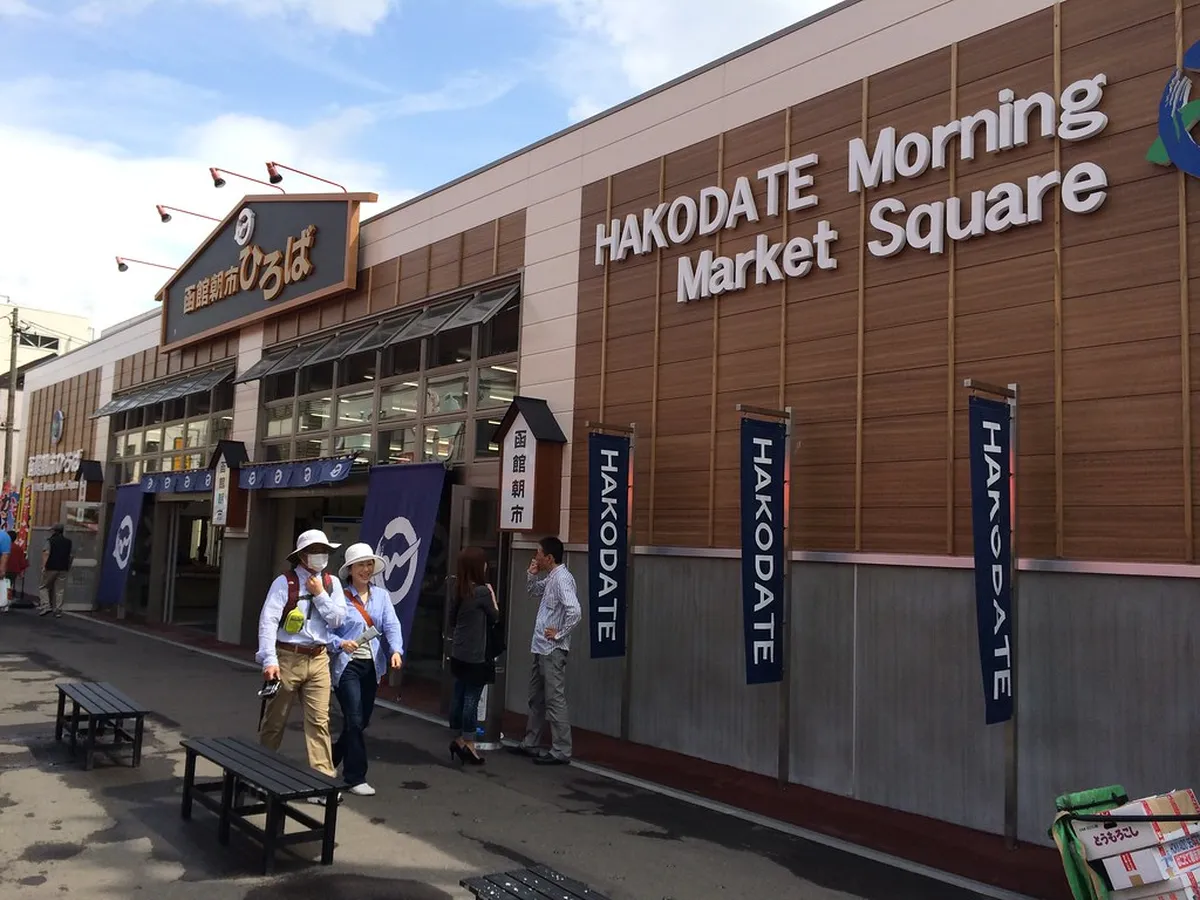
Hakodate Morning Market, also called Asaichi, sits a 4-minute walk from Hakodate Station. Turn left after the main exit and the stalls start immediately. More than 250 shops fill the market. A 2014 renovation turned the market's Oshima Dome into Hakodate Morning Market Square, adding a food court serving grilled squid and fresh juice. They sell fresh and dried seafood, produce, and counters serving kaisen don and sushi. Hours run roughly 6:00 AM to 2:00 PM, though individual shops set their own schedules. Weekday mornings tend to be quieter than weekend mid-mornings, when local and tour traffic overlap. Arrive before 10:00 AM if squid matters to the visit; several stalls sell out of their best catch by early afternoon. For deeper stall-by-stall detail, see the Hakodate Morning Market Travel Guide.
- Location: 4-minute walk from Hakodate Station's main exit
- Hours: roughly 6:00 AM – 2:00 PM, shop-dependent
- Best arrival window: before 10:00 AM for squid and top seafood
- Food court: added in the 2014 Hakodate Morning Market Square renovation
Ika Tsuribori: Catching Your Own Squid
Ganso Katsu Ika Tsuribori, the squid-fishing counter, sits inside Ekini Ichiba within the Morning Market. Visitors drop a line into a tank and hook their own squid. Staff then turn it into sashimi within minutes. Aim for the head when hooking; a squid hooked through the body tends to release ink. Pricing tracks the day's market rate. Recent listings put it from around ¥600 per squid and up, so confirm the exact figure at the counter. The counter runs roughly 6:00 AM to 1:30 PM, or until the squid runs out. It closes every third Wednesday from January through June, and again in October and November. Fishing pauses entirely between May 20 and June 1 each year for a seasonal restriction.
- Location: inside Ekini Ichiba, Hakodate Morning Market
- Hours: 6:00 AM – 1:30 PM or until squid sells out
- Price: from about ¥600 per squid, market-rate dependent
- Closed: every third Wednesday, Jan–Jun and Oct–Nov
- No fishing: May 20 – June 1 each year
Donburi Yokocho: Where to Eat Kaisen Don
Donburi Yokocho, or rice bowl alley, is the row of kaisen don counters at the market's entrance. Every shop looks similar from outside. The differences show up in the menu and the season's catch. Mako To Yasube serves a Salmon Ikura Don for ¥1,400, with miso soup and pickles included. Its menu comes in English, Chinese, and Korean. Ikkatei Tabiji is known for two specific bowls: the Ike Ika Odori-don and the Renge-don. The Renge-don is a ten-topping bowl that includes abalone, shrimp, and sea urchin. Sushi Dokoro Hakodate leans toward sushi over rice bowls, with a Hakodate set at ¥3,460. Its akami maguro tuna sashimi runs ¥1,200. Watch for seasonal specials too; Toi-maguro, tuna from the nearby fishing town of Toi, shows up on menus when it's in season.
| Shop | Signature Dish | Price | Notes |
|---|---|---|---|
| Mako To Yasube | Salmon Ikura Don | ¥1,400 | 6:00 AM–4:00 PM, closed Wed; English/Chinese/Korean menu |
| Ikkatei Tabiji | Ike Ika Odori-don, Renge-don | Varies by bowl | Known for the dancing squid bowl |
| Sushi Dokoro Hakodate | Hakodate sushi set | ¥3,460 | Closed Thursdays; English/Chinese/Thai menu |
The Dancing Squid Bowl, Explained
Ike Ika Odori-don gets its name, the dancing squid bowl, from what happens on the plate. The squid comes straight from an in-house tank. It's sliced and arranged over rice while still fresh. Once soy sauce touches the exposed muscle tissue, the sodium triggers a nerve reaction. That reaction makes the flesh visibly twitch and curl. It's a chemical response, not a sign the squid is still alive; the animal has already been prepared before it reaches the table. Ikkatei Tabiji in Donburi Yokocho is the shop most associated with this bowl.
Tourist Favorites vs. Local Gems: Choosing Where to Eat
Donburi Yokocho inside the Morning Market is the easiest choice for a first visit. It sits 4 minutes from Hakodate Station, several counters post English menus, and a bowl costs ¥1,400 to ¥3,460. The tradeoff is crowds; tour groups tend to cluster there from mid-morning through early afternoon. The Honcho area offers a quieter, more local alternative. Reaching it means a streetcar ride rather than a short walk, and menus lean Japanese-only at spots like Hakodate Kaisen Kaijyu. In exchange, dinner-hour izakayas and sushi counters like Sushidokoro Hiroki serve dishes, such as Ogonyaki, that don't appear at the market stalls. Visiting the market at opening, before 9:00 AM, is the simplest way to get Donburi Yokocho's convenience without its busiest crowds.
| Feature | Donburi Yokocho | Honcho / Izakaya Area |
|---|---|---|
| Distance from Hakodate Station | 4-minute walk | About a 10-minute walk, or a streetcar ride to Goryokaku |
| Menu language | English, Chinese, and Korean at several counters | Mostly Japanese, with limited English |
| Typical price | ¥1,400–¥3,460 per bowl | ¥3,460+ for sushi sets; izakaya items priced à la carte |
| Best for | First-time visitors, a quick lunch | Dinner, quieter tables, dishes like Ogonyaki |
Beyond the Market: Dinner and Hotel Seafood
Sakaeya, inside the Morning Market complex at 11-4 Wakamatsu-cho, runs an all-you-can-eat gankan-yaki menu of steamed oysters and scallops. The operator's own listing prices it at ¥3,980 per person for parties of two or more. A single-serving version is available at the same rate for solo diners. Scallop miso soup arrives with the shells still in the bowl. Grilled fish sets — hokke, salmon, and gindara — cover travelers skipping raw seafood entirely. Sakaeya also runs a separate squid-fishing experience from June through November. It finishes with squid sashimi and squid somen, thin-sliced squid served like noodles. Hakodate Kaisen Kaijyu is an izakaya about a 10-minute walk from the station. Fish tanks line the interior, holding live flounder, squid, and octopus that diners order straight from the tank. In the Honcho area, Sushidokoro Hiroki pairs a sushi master with a sake sommelier. Its signature Ogonyaki plate layers steamed sea urchin, boiled abalone, and grilled salmon roe. The dish sits a 1-minute walk from the Goryokaku streetcar stop. La Vista Hakodate Bay sits near the Kanemori Red Brick Warehouse in the bay area. Its Kita no Bancha restaurant serves an all-you-can-eat ikura-don. Guests spoon their own salmon roe over rice.
Ganso Katsu closes entirely between May 20 and June 1 for a seasonal restriction, but Sakaeya's squid-fishing counter operates from June through November, providing continuity for the seasonal closure.
Signature Dishes Worth Ordering
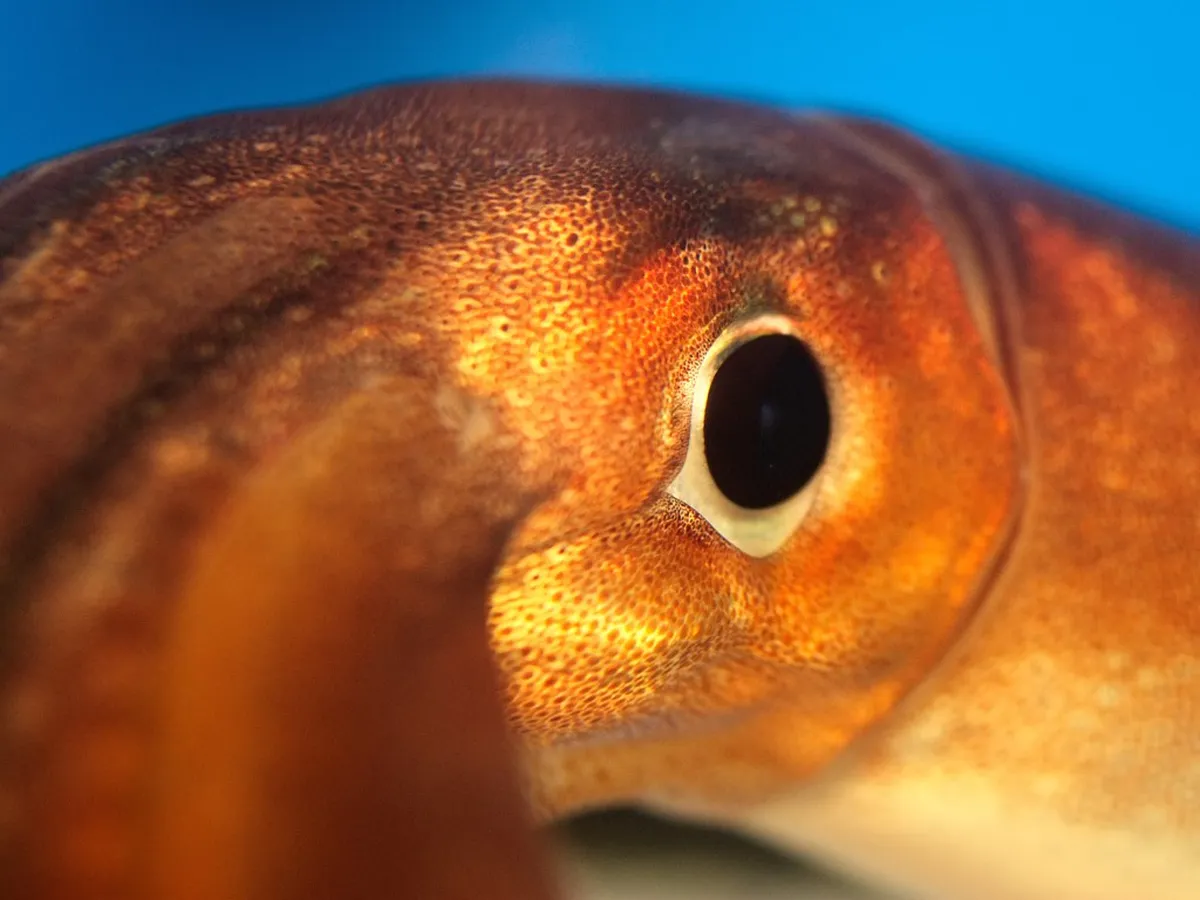
A handful of dishes show up across nearly every counter in Hakodate. Uni, ikura, and scallops top most kaisen don bowls, often piled together for a mixed-topping version. Squid somen is squid sliced into thin strands and served like noodles, usually alongside a dipping sauce. Scallop miso soup often arrives with the shells still in the bowl, the broth built from just scallops and green onion. Ordering a few of these alongside a rice bowl is an easy way to sample the range of Hakodate seafood in one sitting.
Grilled and Cooked Seafood for Travelers Who Skip Raw Fish
Not everyone wants sashimi, and several venues plan for that. Isseki Nicho Hakodate Shiten, inside the Morning Market, grills seafood to order from a display case out front. Scallops and oysters run ¥700 each, and crab runs ¥2,500. Point at what you want, and the counter cooks it in front of you. The shop has no English menu, but Chinese-speaking staff are on hand. Hours run 6:30 AM to 2:00 PM. The counter shares the squid-fishing counter's every-third-Wednesday closures, January through June and again October through November. Ordering at Isseki Nicho works best early too, since the display case empties along with the rest of the market. Sakaeya's grilled hokke, salmon, and gindara sets, plus its shell-on scallop miso soup, cover the same need outside the market. If squid and seafood bowls aren't the goal, the 4 Best Places for Shio Ramen in Hakodate: A Local Eating Guide covers the city's other signature bowl.
Kaisen Don Prices and Timing Mistakes to Avoid
Budget roughly ¥1,400 to ¥4,000 for a seafood rice bowl in Hakodate. Squid-fishing and grilled add-ons run separately, from about ¥600 for a single squid to ¥3,980 for Sakaeya's all-you-can-eat gankan-yaki. The most common mistake is arriving late. Shops start selling out by mid-morning, and squid disappears first. A second mistake is planning squid fishing during the May 20 to June 1 restriction, when Ganso Katsu Ika Tsuribori pauses the activity. A third is forgetting the every-third-Wednesday closures at both the squid-fishing counter and Isseki Nicho Hakodate Shiten. To reach the Honcho and Goryokaku dining spots, use Hakodate's streetcar line rather than walking from the station. Pair the seafood crawl with sights covered in the Hakodate attractions guide. Route a sweet stop through the 6 Best Desserts in Hakodate: A Hokkaido Dairy and Sweets Guide afterward. For a quicker, cheaper meal between market visits, the local fast food guide covers the city's counter-service options.
Freshly caught squid shows transparent clarity, not opaque white, but shops sell out of these pristine specimens first; arrive before 10:00 AM to inspect for that glass-like appearance.
| Item | Price |
|---|---|
| Kaisen don, Donburi Yokocho | ¥1,400–¥3,460 |
| Ika Tsuribori squid | From ¥600 |
| Sakaeya gankan-yaki (all-you-can-eat) | ¥3,980 per person |
| Grilled scallop or oyster, Isseki Nicho | ¥700 each |
| Grilled crab, Isseki Nicho | ¥2,500 |
How to Avoid Cruise-Ship Crowds at Hakodate Morning Market
Weekdays are usually calmer, but the cruise calendar matters more than the day of the week. Ships calling at Hakodate Port can send large tour groups toward the Morning Market after breakfast.
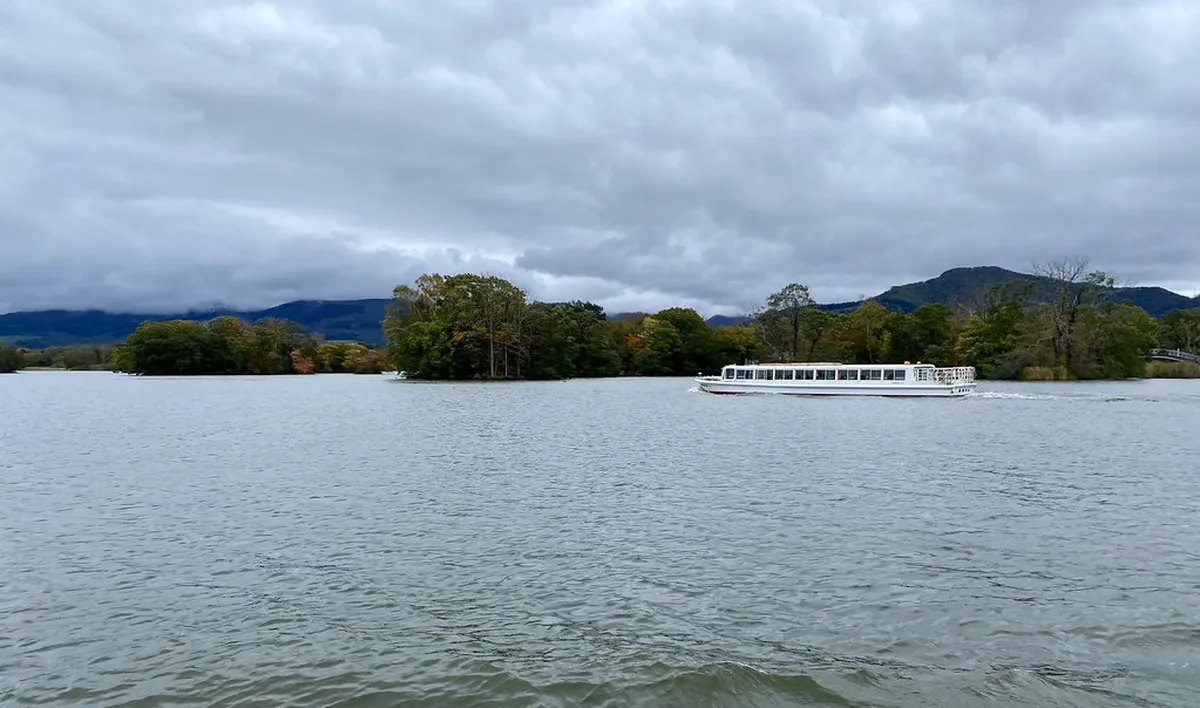
Check the port’s published cruise schedule before choosing a market morning. On ship-arrival days, reach Donburi Yokocho or Ekini Ichiba between 6:00 and 8:30 AM. This improves the odds of finding available squid and getting a counter seat before organized tours arrive.
- Visit Ika Tsuribori first because the live squid supply can run out.
- Eat at Donburi Yokocho before browsing the produce and dried-seafood stalls.
- Use Hakodate Morning Market Square for grilled food if the rice-bowl corridor has queues.
- Return near 1:00 PM for shopping, but expect fewer seafood choices as stalls approach closing.
If a cruise call coincides with a weekend, early arrival becomes especially important. Travelers with flexible schedules should choose a non-call weekday for quieter aisles and shorter restaurant waits.
Frequently Asked Questions
When is the best time to visit Hakodate Morning Market for squid?
Arrive before 10:00 AM. The market runs roughly 6:00 AM to 2:00 PM, but shops sell out of their best squid well before closing.
What is Ike Ika Odori-don, the dancing squid bowl?
It's a kaisen don topped with squid sliced fresh from an in-house tank. Soy sauce triggers a muscle reaction that makes the flesh visibly move. The squid itself is already prepared, not alive.
How much does kaisen don cost in Hakodate?
Expect ¥1,400 to ¥3,460 at Donburi Yokocho counters like Mako To Yasube and Sushi Dokoro Hakodate. Sakaeya's all-you-can-eat gankan-yaki runs ¥3,980 per person for two or more.
What can travelers who don't eat raw seafood order?
Isseki Nicho Hakodate Shiten grills scallops and oysters at ¥700 each and crab at ¥2,500. Sakaeya also serves grilled hokke, salmon, and gindara sets alongside its shell-on scallop miso soup.
Can you go squid fishing at Hakodate Morning Market year-round?
No, not year-round. Ganso Katsu Ika Tsuribori closes every third Wednesday from January through June and October through November. It also pauses entirely from May 20 to June 1. Sakaeya runs a separate squid-fishing experience from June through November.
Which Donburi Yokocho shops have English menus?
Mako To Yasube posts menus in English, Chinese, and Korean. Sushi Dokoro Hakodate posts English, Chinese, and Thai menus. Isseki Nicho Hakodate Shiten, the grilled-seafood counter, has no English menu but Chinese-speaking staff.
How do you reach the Honcho dining area from Hakodate Station?
Take Hakodate's streetcar line toward Goryokaku. Sushidokoro Hiroki sits a 1-minute walk from the Goryokaku streetcar stop.
Free: The Hakodate Essentials guide
Top things to do, where to stay, a perfect day plan, getting around, and the best time to go — a Hakodate mini-guide you can take offline.
You might also like


Continue reading
More guides you'll find useful