Hakodate Tropical Botanical Garden Guide: Monkeys, Hours & Access
Planning Hakodate Tropical Botanical Garden? Get opening hours, the ¥300 fee, how to get there, and when the monkeys bathe in the hot spring.
On this page
Last updated November 2026: Hakodate Tropical Botanical Garden is a modest add-on for most of the year and a strong winter stop. A warm greenhouse, bathing macaques and the Yunokawa Onsen district all fit into one visit. Adult entry is ¥300, and competitor guides suggest an hour or more inside. If you are still choosing what to fit in, start with our guide to Hakodate's main sights.
Is Hakodate Tropical Botanical Garden worth visiting?
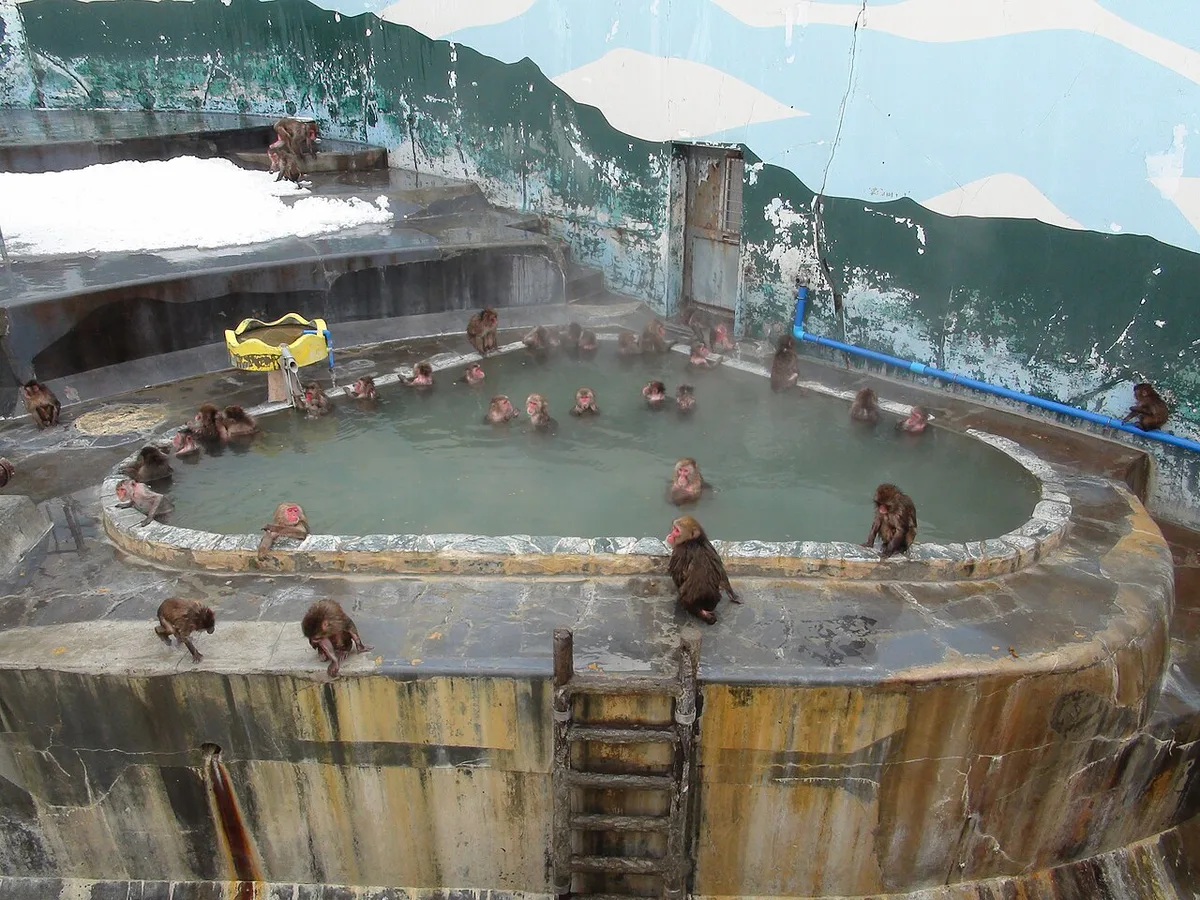
In winter, yes. Between December and around Golden Week, one stop gives you a heated greenhouse, Japanese macaques soaking in an outdoor hot spring and a footbath. Garden staff, quoted by MATCHA, put the greenhouse at around 3,000 plants. Domingo lists about 300 species. Hakodate City opened the garden in 1980, according to the mytabi guide. Outside winter it becomes a smaller, family-oriented stop. Budget an hour or more as a floor. That figure is a competitor estimate, not an official one, so add time for the footbath and the monkeys.
- Prioritize it if you travel between December and early May and want a warm indoor refuge from snow.
- Prioritize it if you travel with young children who will use the playground, the sandbox and, in summer, the water plaza.
- Skip it if your trip is only a day or two and you have not yet seen Goryokaku or Mt. Hakodate.
- Skip it if you expect guaranteed monkey bathing, because animals follow their own schedule.
Hours, admission and closed days
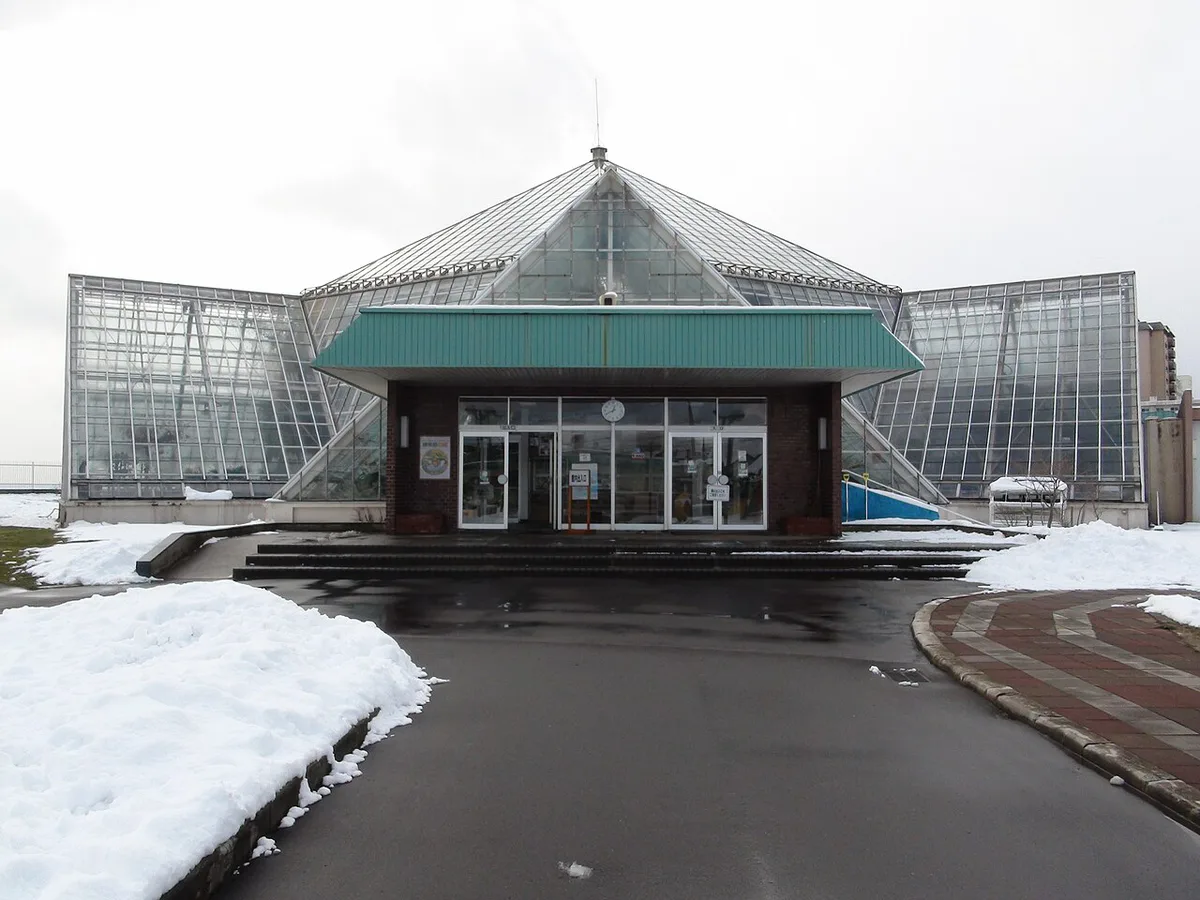
Secondary listings give April to October hours of 9:30 to 18:00. From November to March the garden closes earlier, at 16:30. It is closed from December 29 to January 1. General admission is ¥300, elementary and junior high students pay ¥100, and preschool children enter free. Those figures come from competitor listings dated to 2026, so confirm them on the garden's official information page before you go. One listing gives the phone number as 0138-57-7833. The address is 3-1-15 Yunokawa-cho, Hakodate.
General admission is ¥300, so a visit covering the greenhouse, footbath and monkey area still fits the hour-or-more estimate.
| Item | Detail (confirm officially) |
|---|---|
| April to October | 9:30 to 18:00 |
| November to March | 9:30 to 16:30 |
| Closed | December 29 to January 1 |
| General admission | ¥300 |
| Elementary and junior high | ¥100 |
| Preschool | Free |
How to get there: tram, bus or car
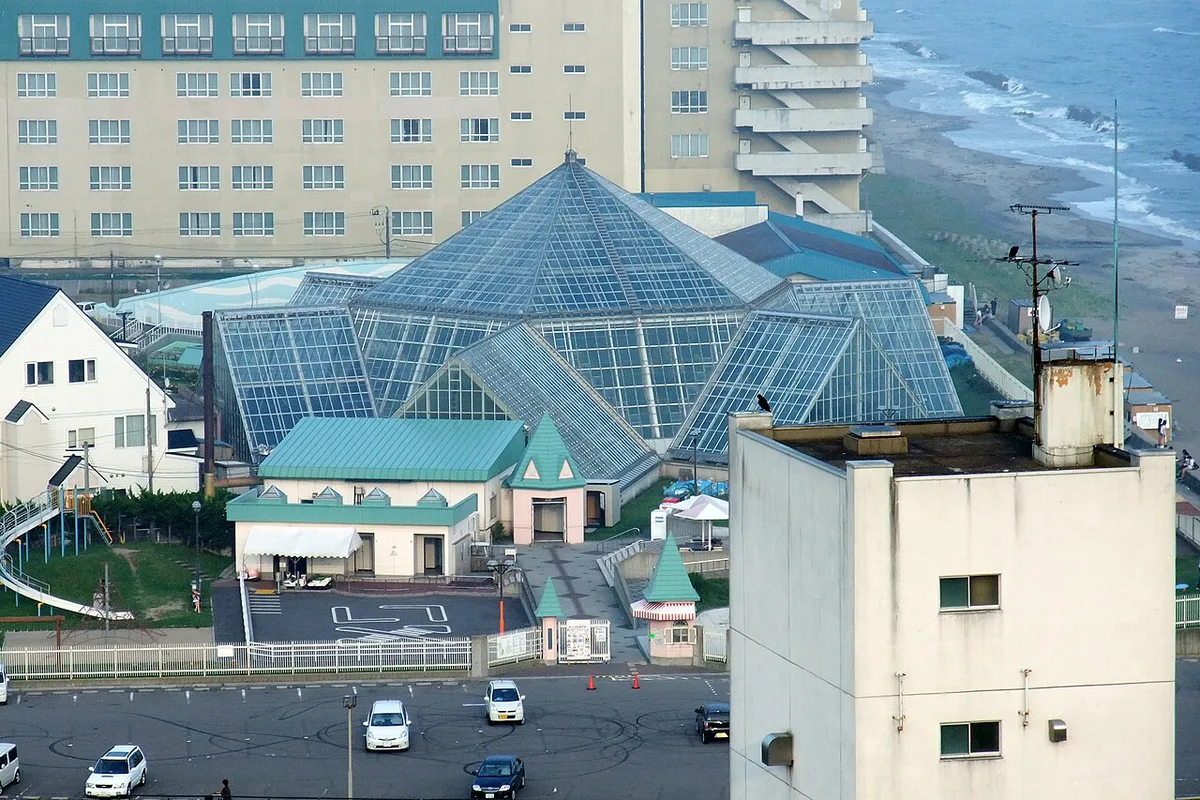
The garden sits in Yunokawa Onsen, not in the city center. Most routes start at JR Hakodate Station, and our Hakodate Railway Station Guide: Access & What's Nearby covers the arrival side. The city's official train information is a good starting point for transit. By car, Domingo gives about 15 minutes from the station. Parking is free, with about 120 spaces. The tram stop named Yunokawa is about a 15-minute walk away, per Domingo. By bus, get off at Nettai Shokubutsuen-mae and walk about 3 minutes. Sources quote about 30 minutes for both tram and bus, so check which runs more often and what the fare is on the day. Shinkansen arrivals can use the Shin-Hakodate-Hokuto Station guide for the onward leg. Airport distance is unverified, so check it locally.
Free parking with about 120 spaces suits a snowy-day drive from the station, which takes about 15 minutes.
| Route | Approx. time | Walk at the end | Winter practicality |
|---|---|---|---|
| Tram to Yunokawa stop | About 30 min (check) | About 15 min | Icy sidewalks possible; wear boots |
| Bus to Nettai Shokubutsuen-mae | About 30 min (check) | About 3 min | Shortest walk in snow |
| Car or taxi from Hakodate Station | About 15 min | None; free parking | Drive carefully on snow |
| From Hakodate Airport | Check locally | Check | Check on arrival |
The greenhouse: what you will actually see
Glass walls let in daylight, and the temperature jump at the door is obvious in January. Inside, the collection includes cacti of varied sizes, fruit trees, bananas, papayas, mangoes and bougainvillea. MATCHA also mentions turtles near the entrance. A small event room with a stage hosts lectures and seasonal events. It doubles as a rest spot. Dress in layers that come off easily. Camera lenses may fog when you step inside from the cold, so wait a minute before shooting.
The bathing monkeys: season, odds and tips
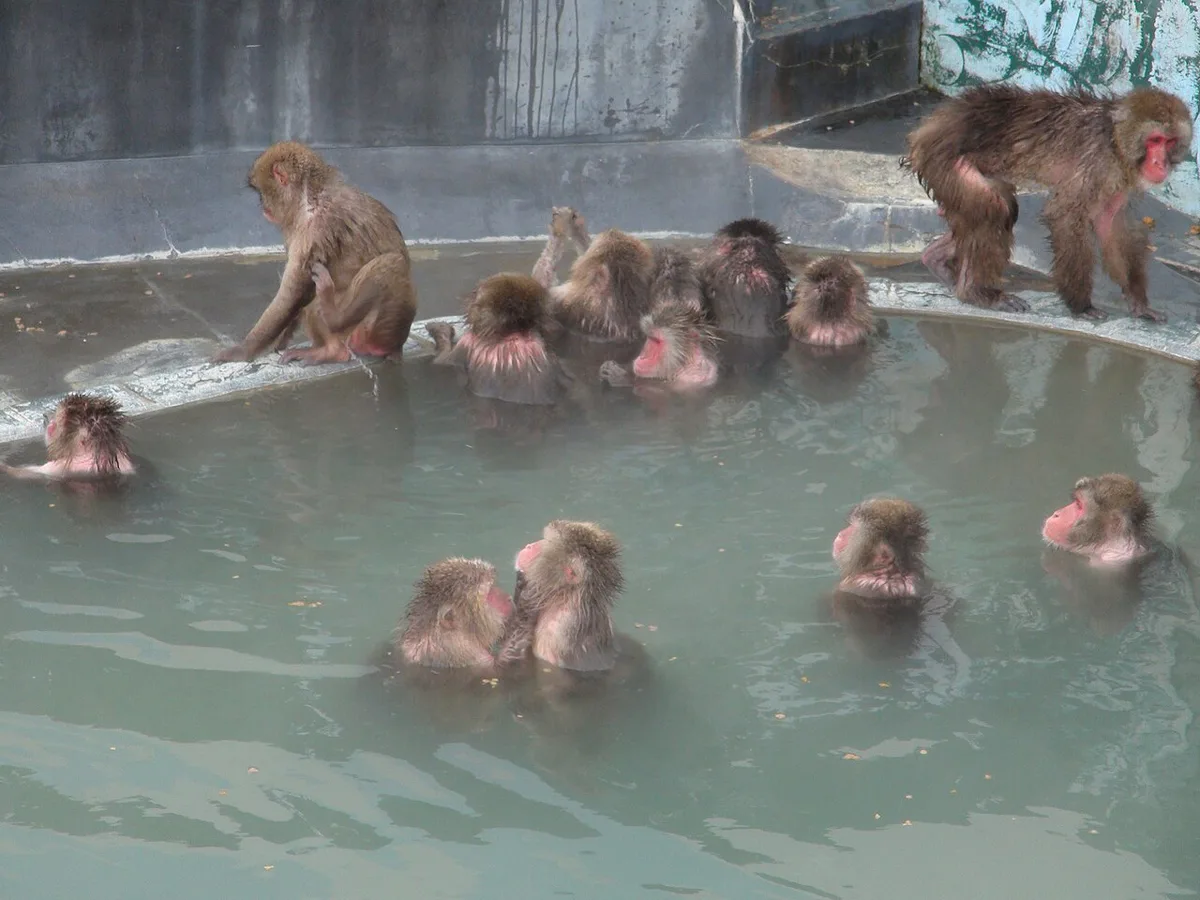
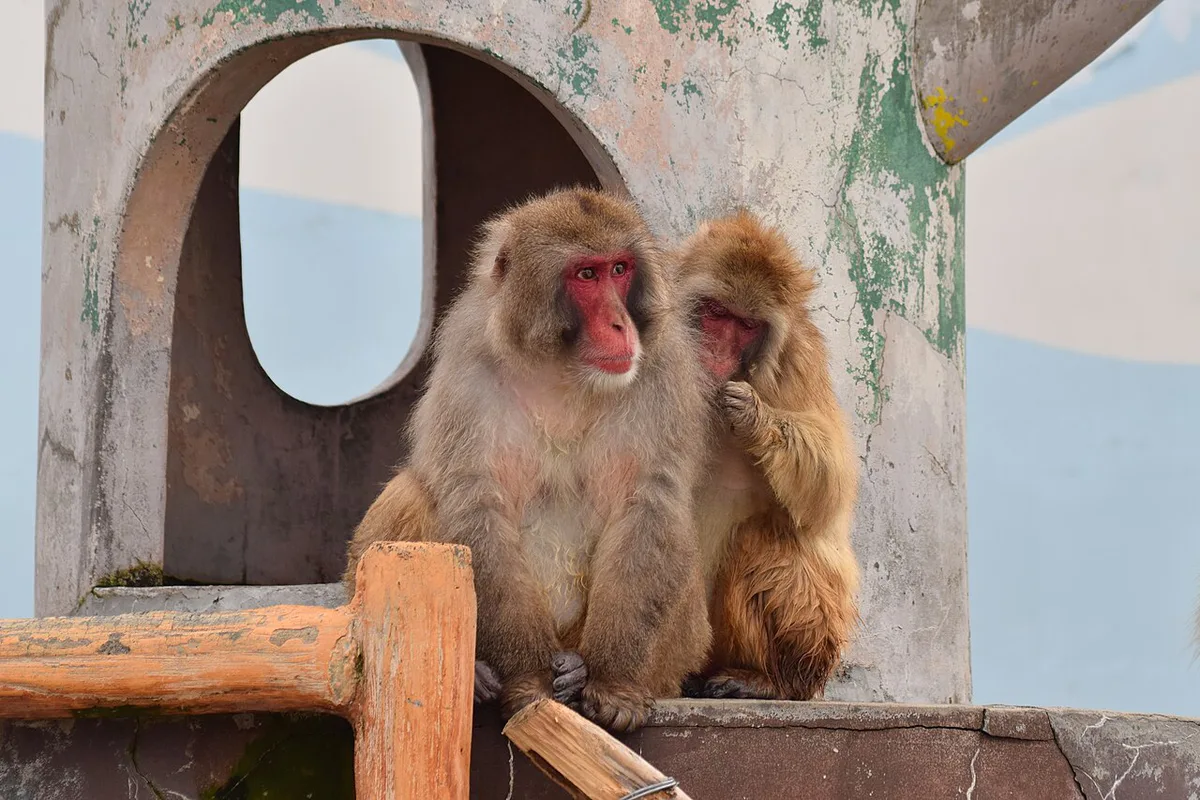
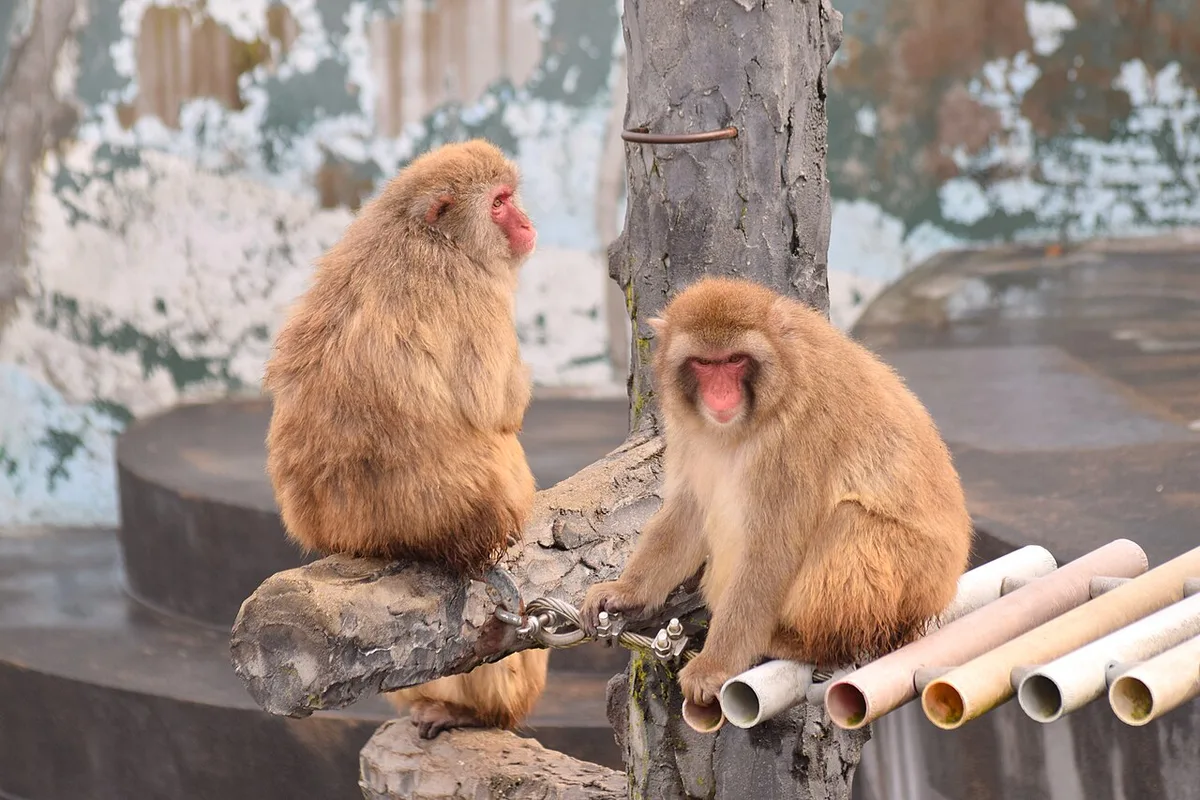
Competitor sources agree on a winter season that runs from December to around Golden Week in early May. MATCHA gives December 1 as the start, while Domingo says December. MATCHA also warns that the hot spring is drained when a baby is born. Bathing may then be off for a while. Because these are animals, no source can promise a soak on your day. Colder days may suit the idea better than mild ones, but that is a reasonable guess, not a measured fact. Call the garden on 0138-57-7833 or check the official page the morning you plan to go. Arrive well before the 16:30 winter closing.
Best time to visit by season
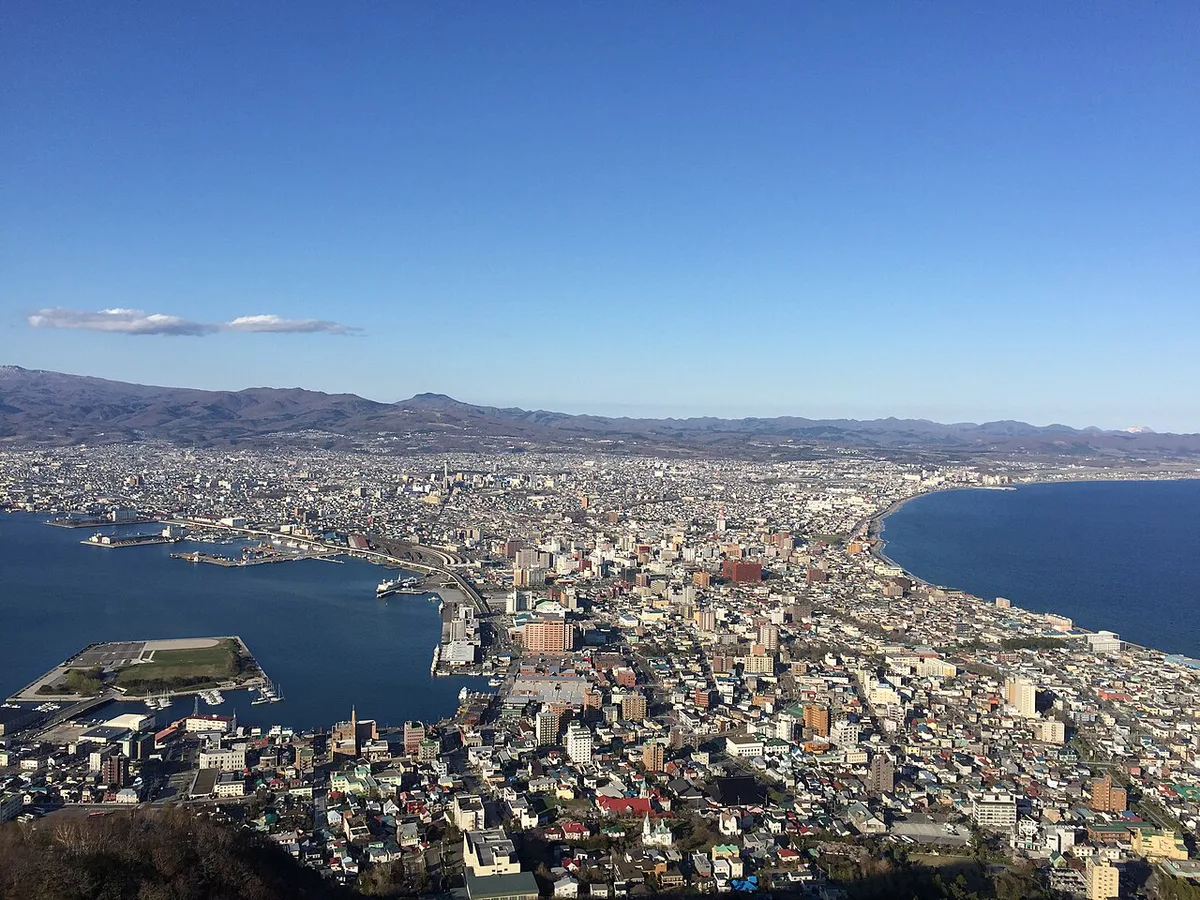
Winter is the headline season. Summer offers longer hours until 18:00 and the water plaza. Shoulder months give you the greenhouse and outdoor beds without monkeys. For wider weather planning, see our guide to the Best Time to Visit Hakodate: Essential Seasonal Tips (Apr, Oct).
| Season | Monkeys | Closing time | Best for |
|---|---|---|---|
| December to early May | Likely, not guaranteed | 16:30 (November to March) | Warm refuge, macaques, footbath |
| April to October | Not in the hot spring after Golden Week | 18:00 | Longer visits, outdoor gardens |
| Summer | No | 18:00 | Water plaza and playground with kids |
| Late autumn | Season starts in December | 16:30 from November | Quiet greenhouse visit |
Footbath, playground and water plaza
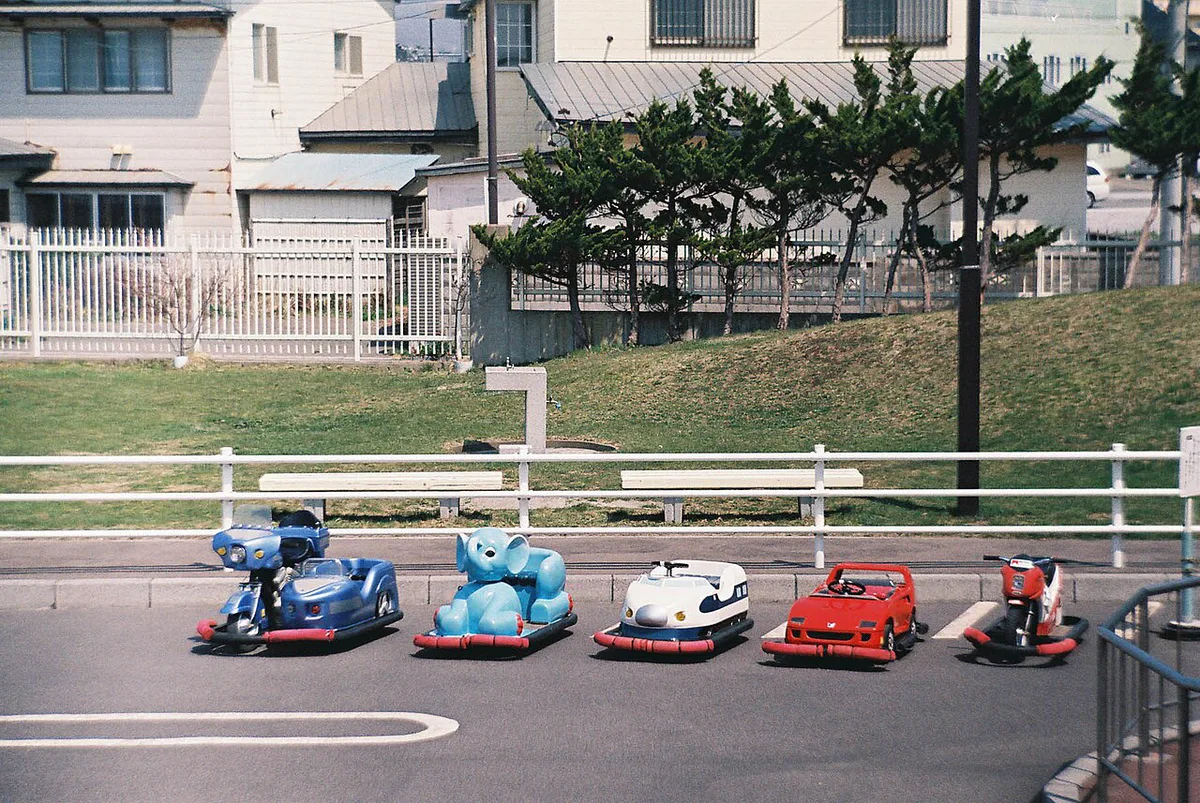
A roofed circular gazebo with a footbath faces the monkey area. It uses water from the Yunokawa Onsen source, and Domingo says visitors can use it freely. Outside the greenhouse, children get a sandbox, battery-powered cars and other playground equipment. In summer, the water plaza opens for splashing. Families with small children can easily fill an extra hour here. Solo plant lovers can skip all of it and stay in the greenhouse.
Plan your half-day: garden plus Yunokawa Onsen
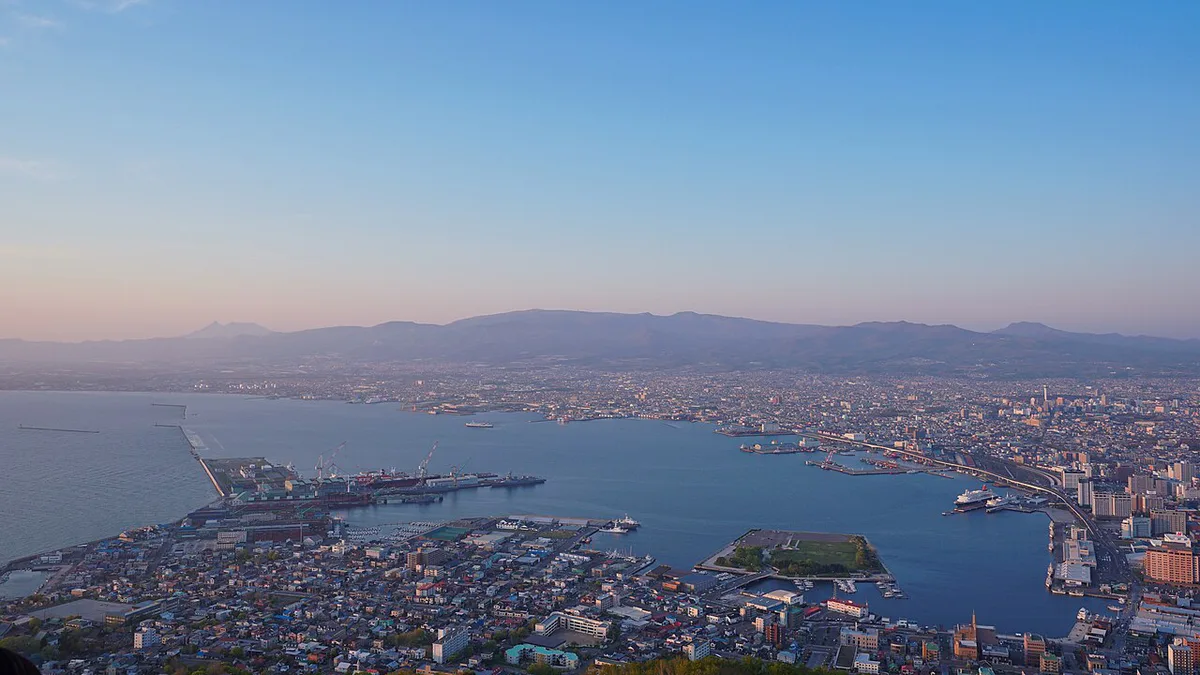
Sources name Yunokawa Onsen, Yukura Shrine, the Yunokawa tram stop, the Hakodate Airport information center and Hakodate Gourmet Port as nearby. Check distances on a map. In winter, go garden first. The garden shuts at 16:30, so arrive by early afternoon and spend about 1 to 2 hours. Then soak in an onsen or visit the shrine as the light fades. In summer, flip the order. Bathe first, then visit before the 18:00 closing. For more time, our 9 Best Day Trips from Hakodate (2026 Travel Guide) list has longer options.
Where to stay nearby
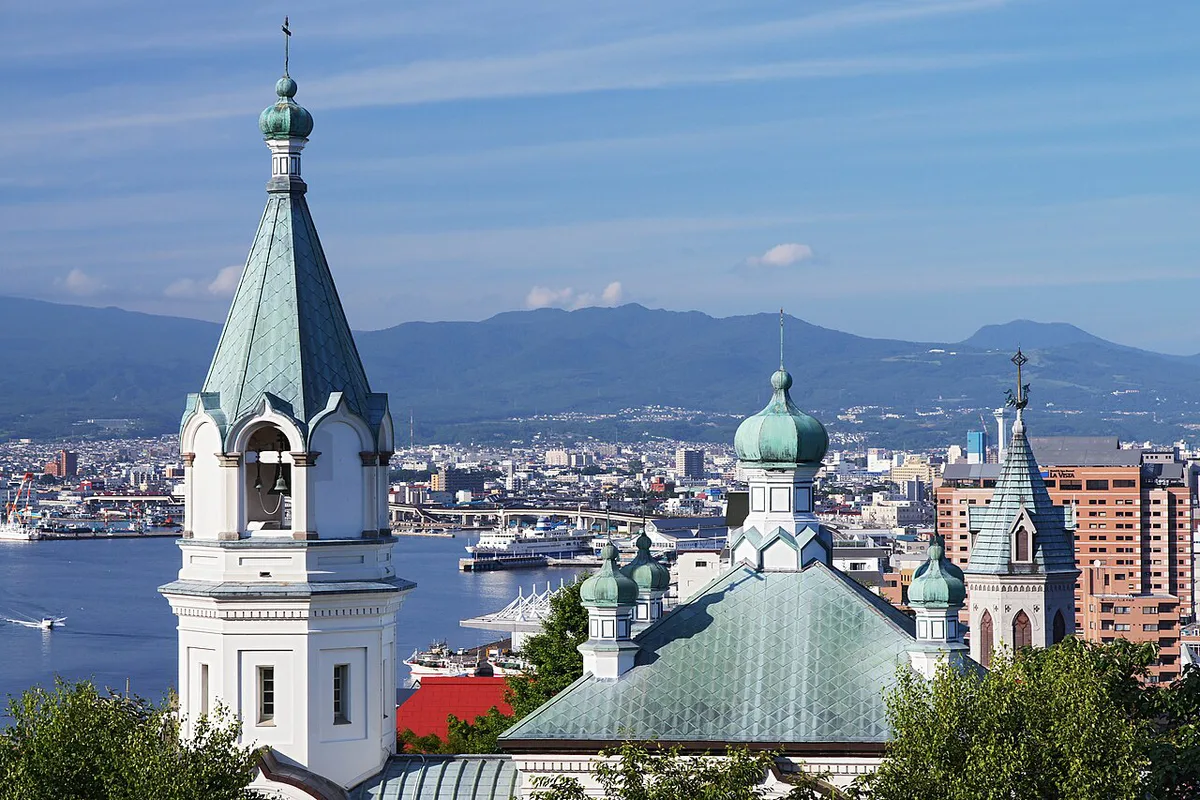
Staying in Yunokawa Onsen puts you close to the garden and the hot springs, so you can bathe after your visit. A station-area base is better for the tram and the city's main sights. Our 10 Best Hakodate Hotels for Every Traveler (2026) guide compares both areas. For a broader trip frame, see the Japan Travel Guide: Plan Your Trip with Expert Tips & Itineraries.
Mistakes to avoid
Most problems come from timing and clothing. Arriving after 16:30 between November and March means the greenhouse is closed. Going between December 29 and January 1 means the gates are shut. Expecting the monkeys to bathe on demand sets up disappointment. Winter boots matter on the walk from the tram stop, which Domingo puts at about 15 minutes. Last, do not assume the garden is walkable from the city center. It sits in Yunokawa, roughly 15 minutes from JR Hakodate Station by car.
Frequently Asked Questions
Does Hakodate have onsen?
Yes. Yunokawa Onsen is one of Hakodate's best-known hot spring districts, and the botanical garden sits inside it. Visitors can add a footbath at the garden or bathe at a nearby onsen.
Free: The Hakodate Essentials guide
Top things to do, where to stay, a perfect day plan, getting around, and the best time to go — a Hakodate mini-guide you can take offline.
You might also like

Continue reading
More guides you'll find useful