Romancecar to Hakone: Tickets, Time, Cost & Seat Guide
Plan the Romancecar from Shinjuku to Hakone-Yumoto: travel time, fare and surcharge logic, seat tips, Free Pass math and when the Shinkansen or driving wins.
On this page
Last updated November 2026: the Romancecar to Hakone is Odakyu's all-reserved limited express from Shinjuku to Hakone-Yumoto, about 85 minutes with no transfers. Budget roughly ¥2,310 one way for base fare plus surcharge, and confirm it on Odakyu's official Romancecar page. Reserve through e-Romancecar, then use the comparison table below to decide against the Shinkansen.
Romancecar to Hakone at a glance
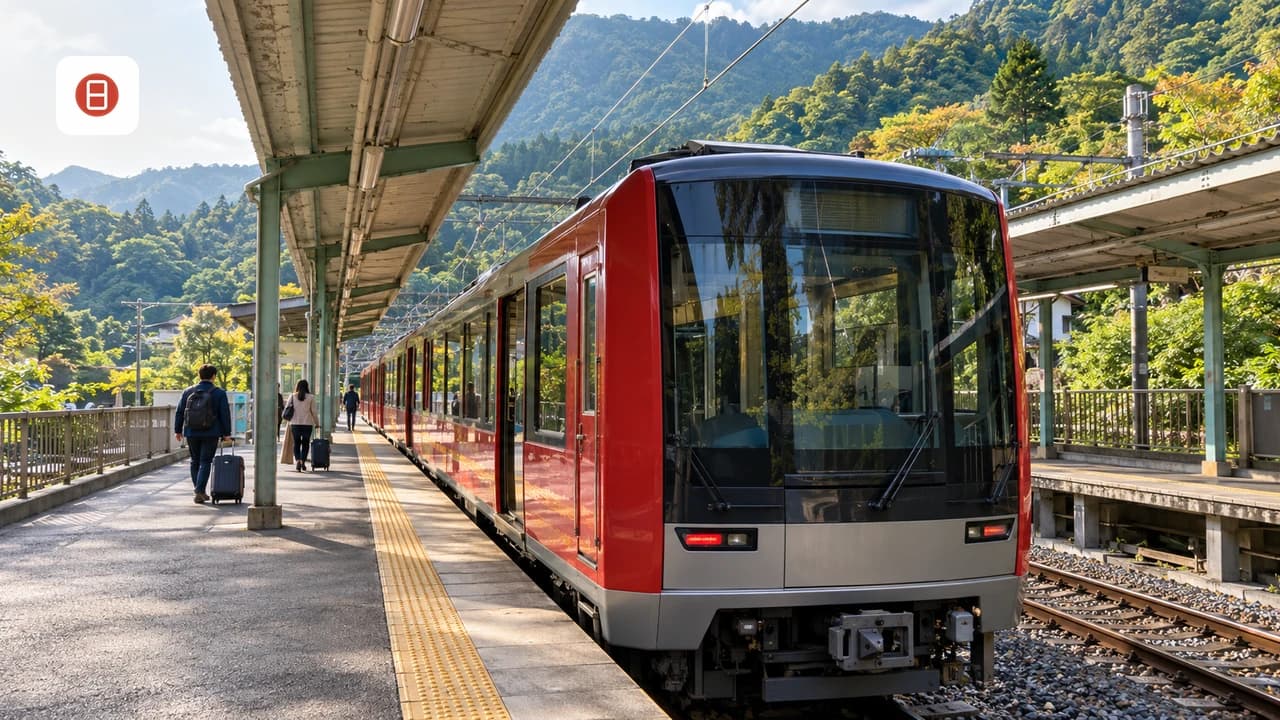
Odakyu runs the Romancecar as a limited express from Shinjuku Station to Hakone-Yumoto. Every seat is reserved, so you need a seat ticket before you board. Guides published in 2026 put the ride at roughly 85 minutes. Starting from Shinjuku, that makes it the default choice for most visitors. Leaving from Tokyo Station changes the math, because the Shinkansen to Odawara takes about 35 minutes. Confirm every figure on Odakyu's pages before you book.
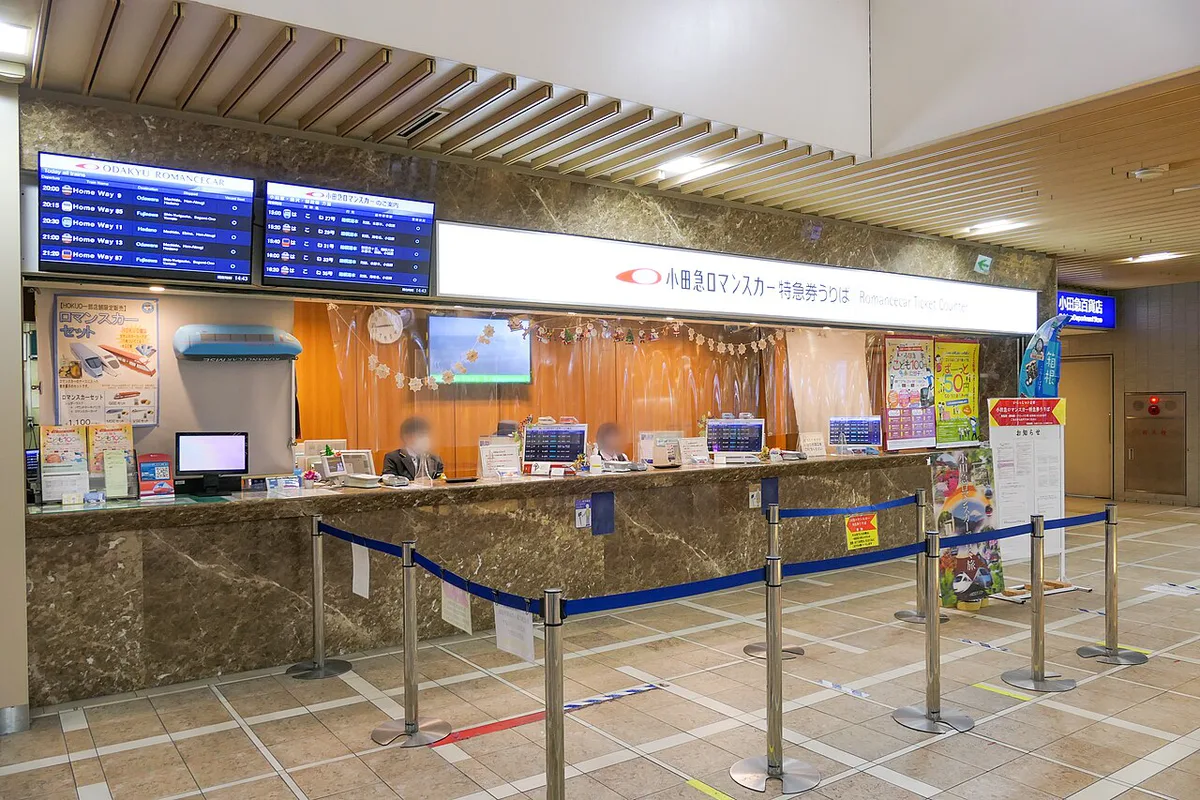
- Route: Shinjuku Station to Hakone-Yumoto, operated by Odakyu Electric Railway
- Time: about 85 minutes (verify against the current timetable)
- One-way cost: about ¥1,110 base fare plus about ¥1,200 surcharge
- Booking: e-Romancecar, the Odakyu Sightseeing Service Center in Shinjuku, or station machines
- Verify on Odakyu: fares, booking window, model on your departure
Is the Romancecar worth it? Romancecar vs Shinkansen, Odakyu Express and driving
Romancecar wins on simplicity from Shinjuku. You sit in one reserved seat and change nothing before Hakone-Yumoto. Shinkansen looks faster on paper, with about 35 minutes from Tokyo to Odawara. Add about 15 minutes on to Hakone-Yumoto, plus the transfer and a separate JR fare. Driving takes roughly 90 minutes via the Tomei Expressway and Odawara-Atsugi Road. Parking and traffic become your problem. Slower non-reserved Odakyu trains may exist for budget riders. Verify routing and transfers in Odakyu's timetable before relying on one.
Starting from Tokyo Station, the Shinkansen route still needs about 15 minutes after Odawara, so count that stretch before comparing it with the 85-minute Romancecar.
| Option | Time | Transfers | Luggage | Seat certainty | Best for |
|---|---|---|---|---|---|
| Romancecar | About 85 min | None to Hakone-Yumoto | Racks and small spaces; not built for big suitcases | Reserved seat | Most visitors starting at Shinjuku |
| Shinkansen plus Hakone Tozan | About 35 min to Odawara, about 15 min onward | Yes, at Odawara | You carry bags between platforms | Check JR seat rules | Starting at Tokyo Station |
| Slower Odakyu service | Check Odakyu timetable | Check Odakyu timetable | Check Odakyu timetable | Unreserved; not verified | Riders trading time for a lower fare |
| Driving | About 90 min | None | Boot space | Not applicable | Groups with a car already |
How much does the Romancecar cost?
Two charges stack up on a Romancecar ticket. Base Odakyu fare runs about ¥1,110. Limited express surcharge adds about ¥1,200 for a standard seat. Total comes to about ¥2,310 one way, a figure from 2026 third-party guides rather than Odakyu itself. Compare it against current Odakyu fares before you budget. Double the one-way figure for a round trip. A Free Pass reportedly covers the base fare, leaving only the roughly ¥1,200 surcharge each way. A pass pays off only when you add several Hakone Tozan Railway, cable car, ship or bus rides. For one return ride and little else, plain tickets may cost less. Our Free Pass price breakdown lists the current pass price and covered lines. Front observation seats carry the same surcharge, according to one guide.
How to book Romancecar tickets
Three channels exist, and each suits a different traveler. Online, e-Romancecar is Odakyu's English reservation site. In Shinjuku, the Odakyu Sightseeing Service Center can sell tickets and the Free Pass together. Station machines near the Odakyu platform also sell seats in English. One guide reports a booking window of one month ahead, opening at 10:00 JST. Confirm that rule on Odakyu's booking information. Same-day tickets exist, but popular departures may be sold out. Resellers also offer QR-style tickets. Ask what Odakyu itself says about third-party tickets before paying a markup. Buying the outbound and return seats together saves a stressful evening at the machines.
- e-Romancecar: best for front observation seats and weekend departures
- Odakyu Sightseeing Service Center, Shinjuku: best if you want the pass in the same visit
- Station machines: best for flexible, same-day plans on weekdays
Timetable, travel time and which departure to pick
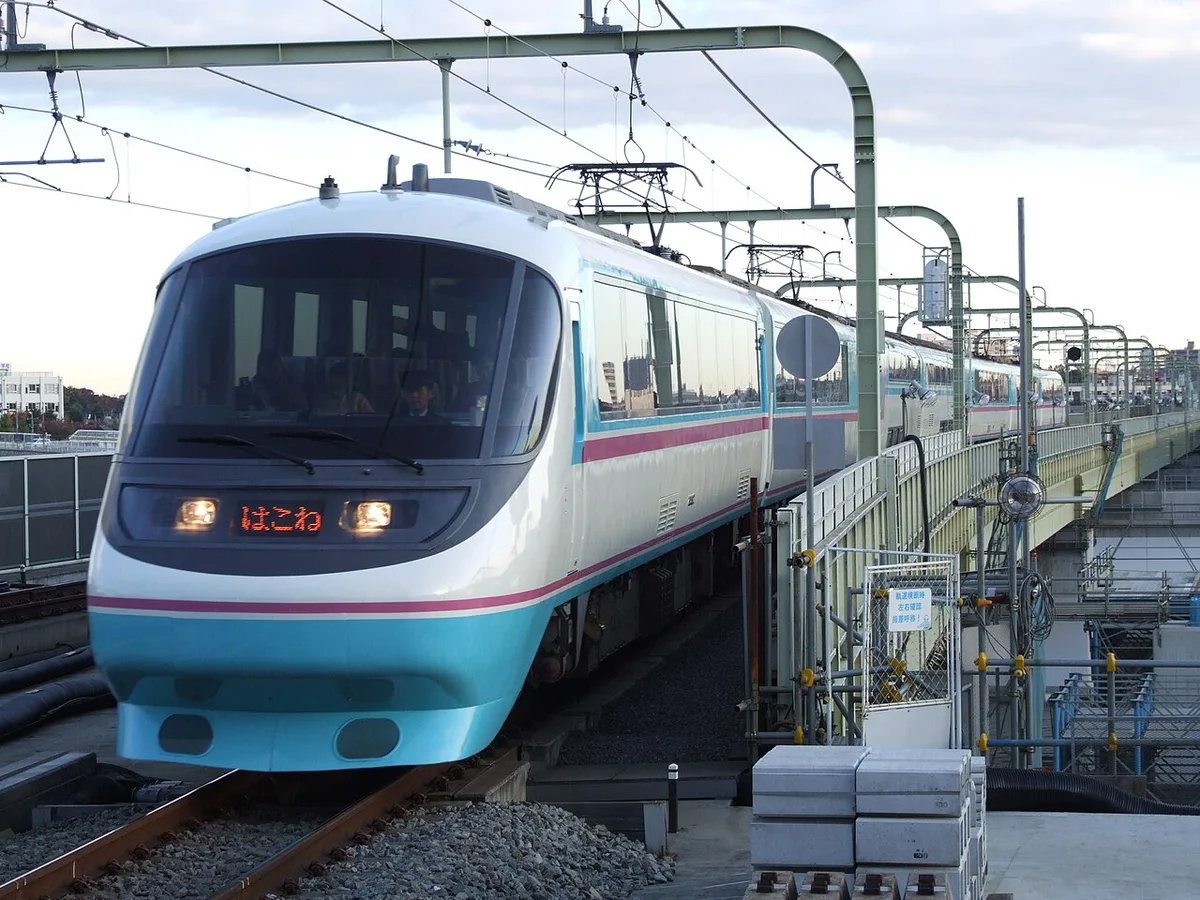
Plan on about 85 minutes for a standard run. Older articles quote 73 minutes, a 2018 figure, so treat it as stale. Return trips are the pinch point. Sunday afternoons and holiday evenings sell out fast. One guide reports departures between 14:00 and 16:00 as lighter than the 17:00 to 19:00 rush. Reserve your return seat when you buy the outbound one. Hakone-Yumoto has souvenir shops and bakeries, which makes an early arrival easy to fill. Check Odakyu's timetable for exact departure times on your date.
Booking reportedly opens at 10:00 JST one month ahead, which gives the 17:00 to 19:00 Sunday rush a head start.
Which train and seat? GSE, EXEα and the retired VSE
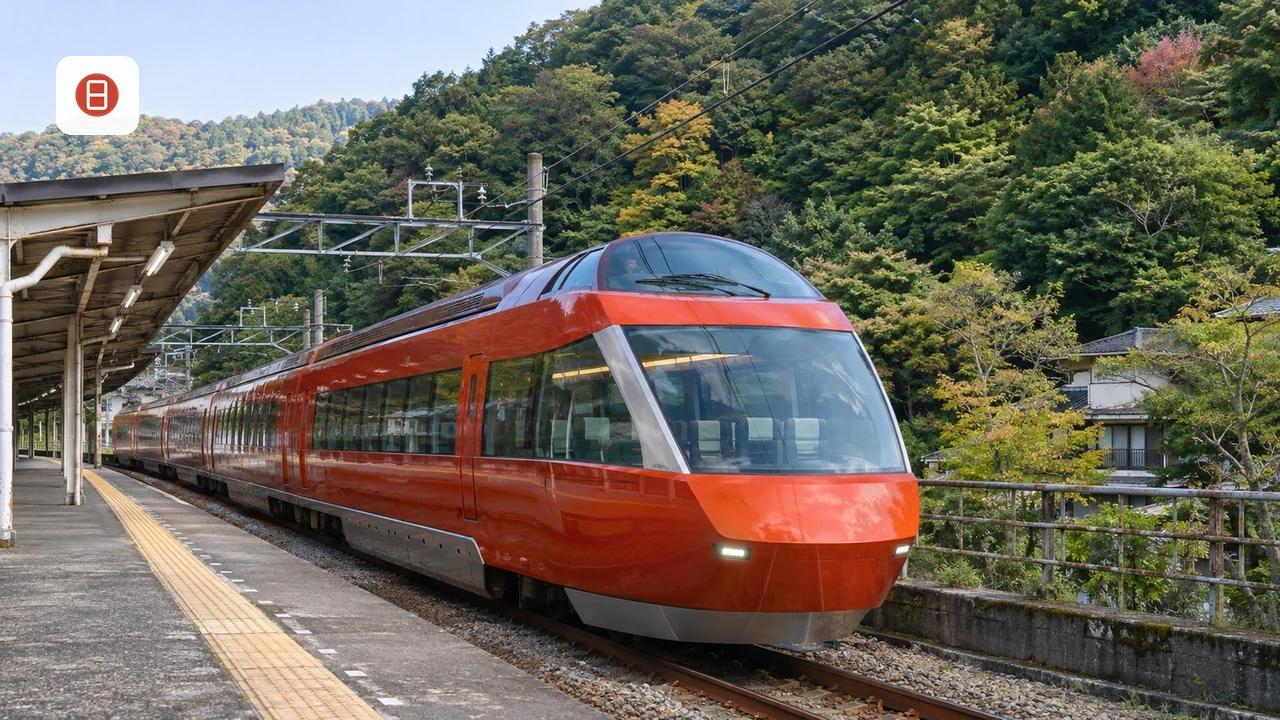
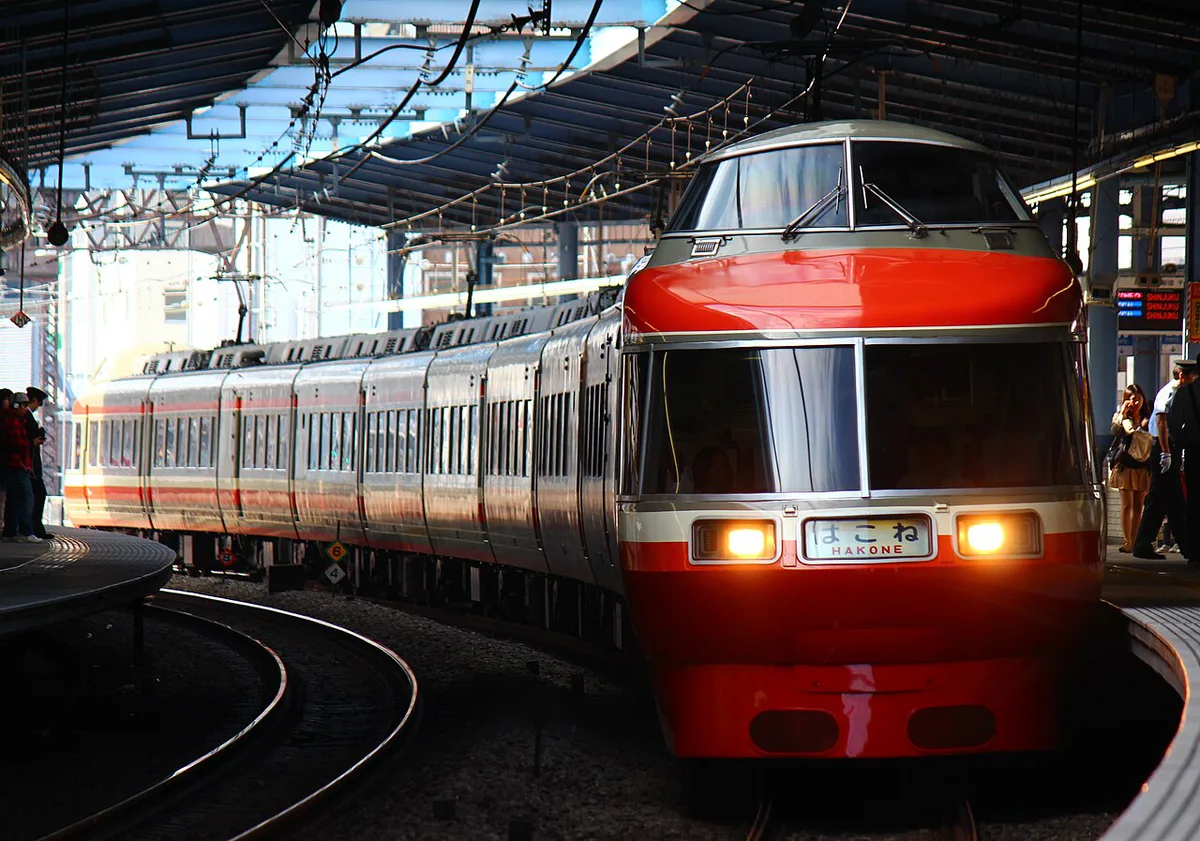
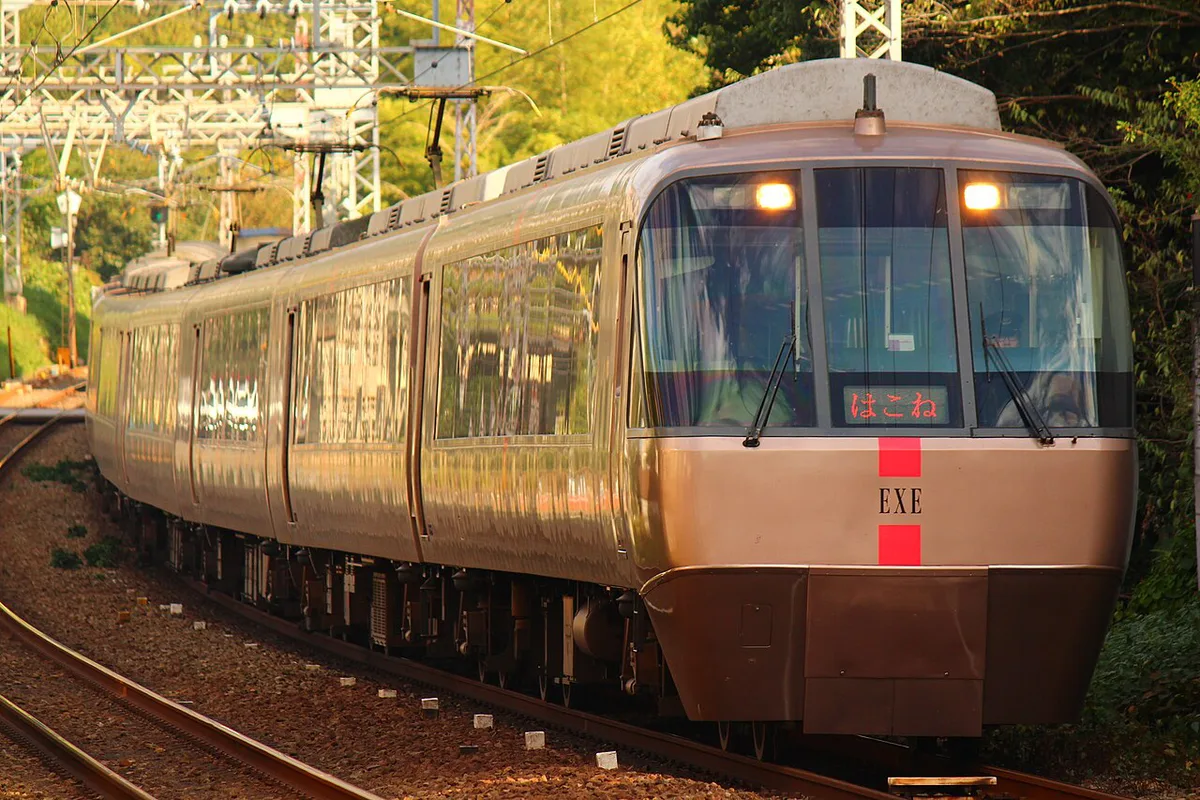
GSE (70000 series) launched in 2018 and has a front observation seat behind a large glass wall. EXEα (30000 series) is quieter and seats more people, but lacks the dramatic windows. VSE (50000 series) was reportedly retired from regular service in 2023, so do not plan around it. For front seats, book the moment your window opens. Weekday departures usually have better availability than weekends. If front seats are gone, a regular GSE window seat still gives a wide view. You cannot choose the model when you reserve, so check which train your departure uses.
What you'll see from Shinjuku to Hakone-Yumoto
Shinjuku to Machida takes roughly the first 30 minutes. You pass western Tokyo suburbs, which are more daily life than scenery. From about minute 30 to minute 65, between Machida and Odawara, the train crosses Kanagawa Prefecture. Rice paddies, small rivers and distant hills open up. On clear days, Mount Fuji may appear to the west. We could not verify which side of the carriage faces Fuji, so do not pay extra for a side. The final 15 minutes from Odawara to Hakone-Yumoto follow the Hayakawa River. Forested slopes close in and the train slows through tight curves.
Best season to ride the Romancecar
Late October through November is the busy foliage period, so book early. Early April brings cherry blossoms, with riverbank color reported along the Hayakawa River. June rainy season can hide the mountains. July and August are usually cooler in Hakone than in Tokyo. December through February tends to give the clearest chances of Fuji. Treat these as typical tendencies, not guarantees.
From Hakone-Yumoto onward: connecting to your itinerary
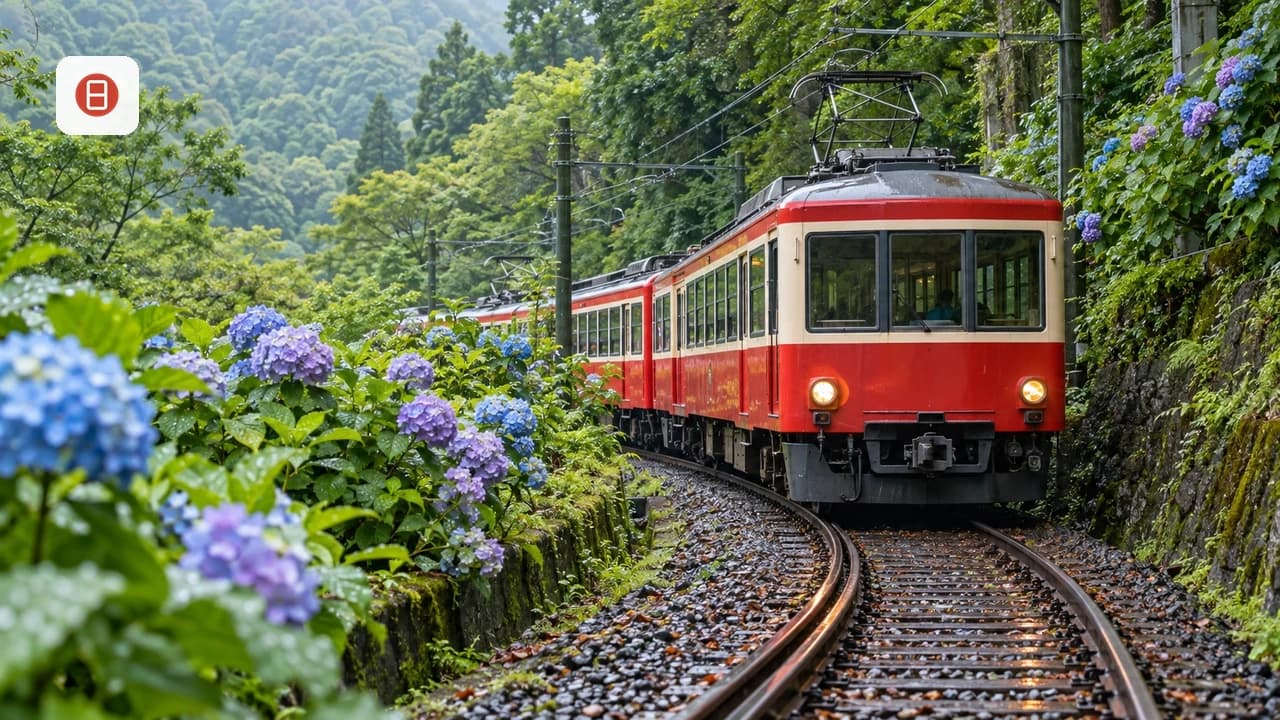
At Hakone-Yumoto, you switch to the Hakone Tozan Railway. From there the classic loop links railway, cable car, ropeway, Lake Ashi cruise and bus. Owakudani and the Hakone Open-Air Museum sit on that route. Read our guide to what to do in Hakone for stop-by-stop ideas. Staying overnight? See Hakone's onsen options for a soak after the ride. Short on time? Our Tokyo day-trip plan fits the train times above. For regional context, the Fuji-Hakone-Izu National Park overview covers the wider area. The old-road Amazake-chaya tea house suits a slower second day. Local Hakone tourism information lists current loop details. Luggage needs a plan, because the train is not built for big suitcases. One guide suggests forwarding bags to your hotel, so ask your hotel whether it offers that.
Common mistakes to avoid
Most problems come from five avoidable slips. Each one costs time on a trip that already runs about 85 minutes each way. For broader planning beyond Hakone, start with our Japan planning overview.
- Not reserving the return seat: Sunday afternoons and holiday evenings sell out quickly
- Assuming the Japan Rail Pass covers it: Odakyu is a private railway, and one guide says the JR Pass does not cover Odakyu services
- Boarding the wrong car: match the car number on your seat ticket to the platform markings
- Tapping an IC card at the exit out of habit: check Odakyu's fare guidance, since one traveler reported paying twice
- Skipping a luggage plan: decide on racks, forwarding or lockers before Shinjuku
Plan a Hakone Day Trip or Overnight Around the Romancecar
A day trip works best when you reserve both Romancecar legs before leaving Shinjuku. The ride takes about 85 minutes each way, so transport alone uses nearly 3 hours of the day. Start early if you want time for the Hakone Tozan Railway, Owakudani, Lake Ashi, or the Hakone Open-Air Museum.
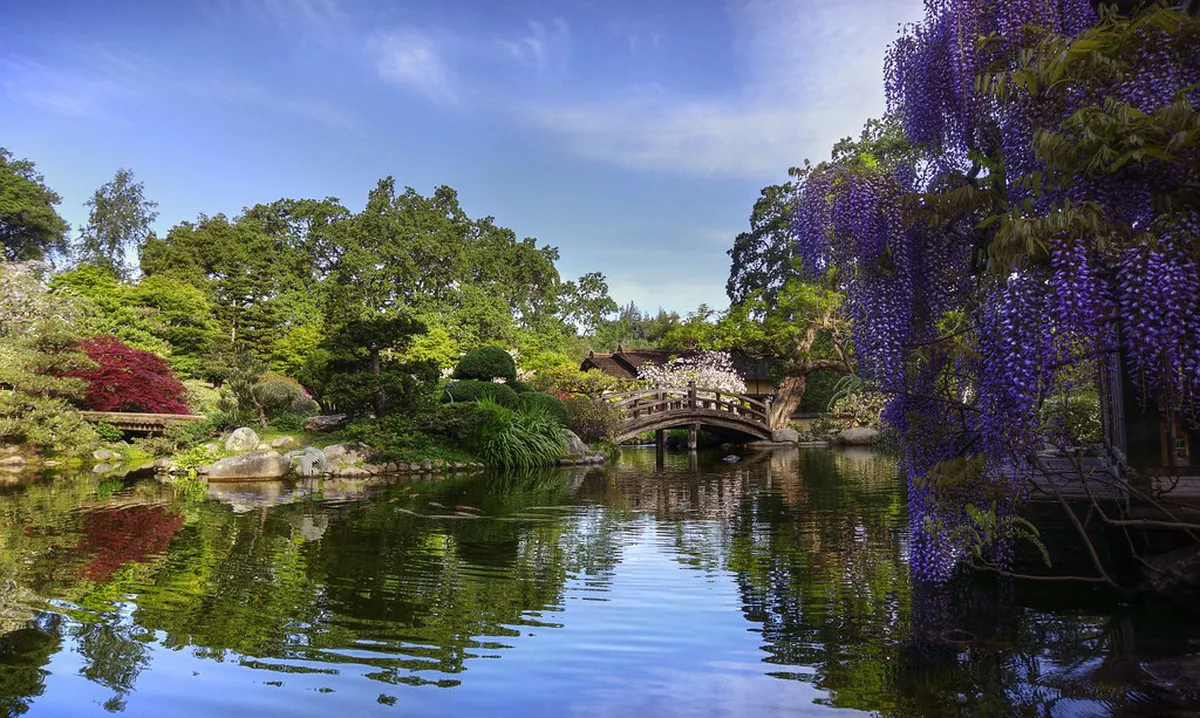
For a day trip, choose a return that leaves enough margin for queues and weather delays. One guide identifies departures from 17:00 to 19:00 as the busiest on Sunday and holiday evenings. Departures between 14:00 and 16:00 may be less pressured, but check the current Odakyu timetable.
An overnight stay changes the pace. Take an earlier train, leave larger luggage at your hotel if it offers forwarding or storage, and use the second day for the old Tokaido road or an onsen. You can then avoid treating every Hakone transfer as a race back to Shinjuku.
Free: The Hakone Essentials guide
Top things to do, where to stay, a perfect day plan, getting around, and the best time to go — a Hakone mini-guide you can take offline.
You might also like


Continue reading
More guides you'll find useful