

Fuji-Hakone-Izu National Park Guide: Which Area to Visit
Choosing between Fuji, Hakone, Izu and the islands? Compare each area by time, access and fit, with Hakone planning tips and seasonal advice.
On this page
Last updated November 2026. The fuji-hakone-izu national park is four separate areas, not one destination: Mount Fuji and the Five Lakes, Hakone, the Izu Peninsula and the Izu Islands. Hakone suits first-timers and short trips from Tokyo, Fuji suits mountain views or a climb, and Izu rewards a longer coastal stay. Start with our Hakone sights hub if you only have a day or two.
Fuji-Hakone-Izu National Park at a Glance: Four Areas, One Park

Park boundaries cover four regions. Yamanashi, Shizuoka and Kanagawa prefectures hold the mainland areas, and the Izu Islands sit offshore to the south. Per the official national park page, check the exact designation details before quoting them. Fuji-Hakone began as a park in 1936, Izu joined in 1955 and the islands followed in 1964. Mount Fuji itself has been a UNESCO World Heritage site since 2013. Treat the table below as a first filter, and confirm every timetable with the operator.
| Area | Best for | Time needed | Access from Tokyo | Main trade-off |
|---|---|---|---|---|
| Hakone | Onsen, lake views, museums, first trips | One day, better with one night | Odakyu Romancecar is the classic route | Crowds at peak hours; Fuji may be hidden by cloud |
| Mount Fuji and Fuji Five Lakes | Close Fuji views, summer climbing | Two or more days for a climb | Check bus and rail operators | Climbing is seasonal and weather-driven |
| Izu Peninsula | Coastline, seaside onsen, slower travel | Two to three days | Check rail and bus operators | Long transfers between towns |
| Izu Islands | Diving, remote scenery | Several days | Ferry or flight only | Schedules depend on sea and weather |
How to Choose Your Area
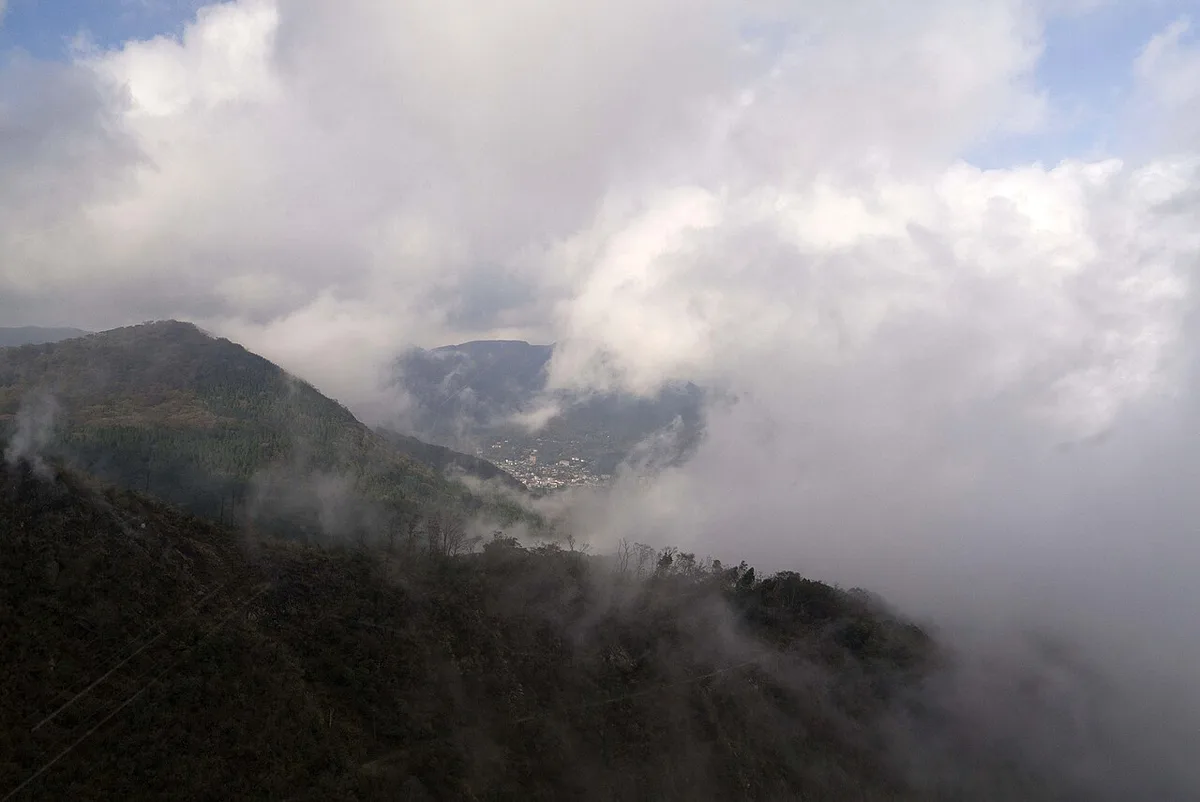
Start with your time, not your wish list. With one day, pick Hakone. With three days, pair Hakone with either the Fuji Five Lakes or the Izu Peninsula, not both. With five days or more, add a second region and accept slower pacing. The Izu Islands are a separate trip, since access depends on ferry or flight schedules. Check those before you book anything else. Choose by goal as well. Want onsen and a loop of sights? Hakone. Want Fuji as the main event? The Five Lakes. Want coast and quiet? Izu.
Hakone: The Easiest Entry Point from Tokyo
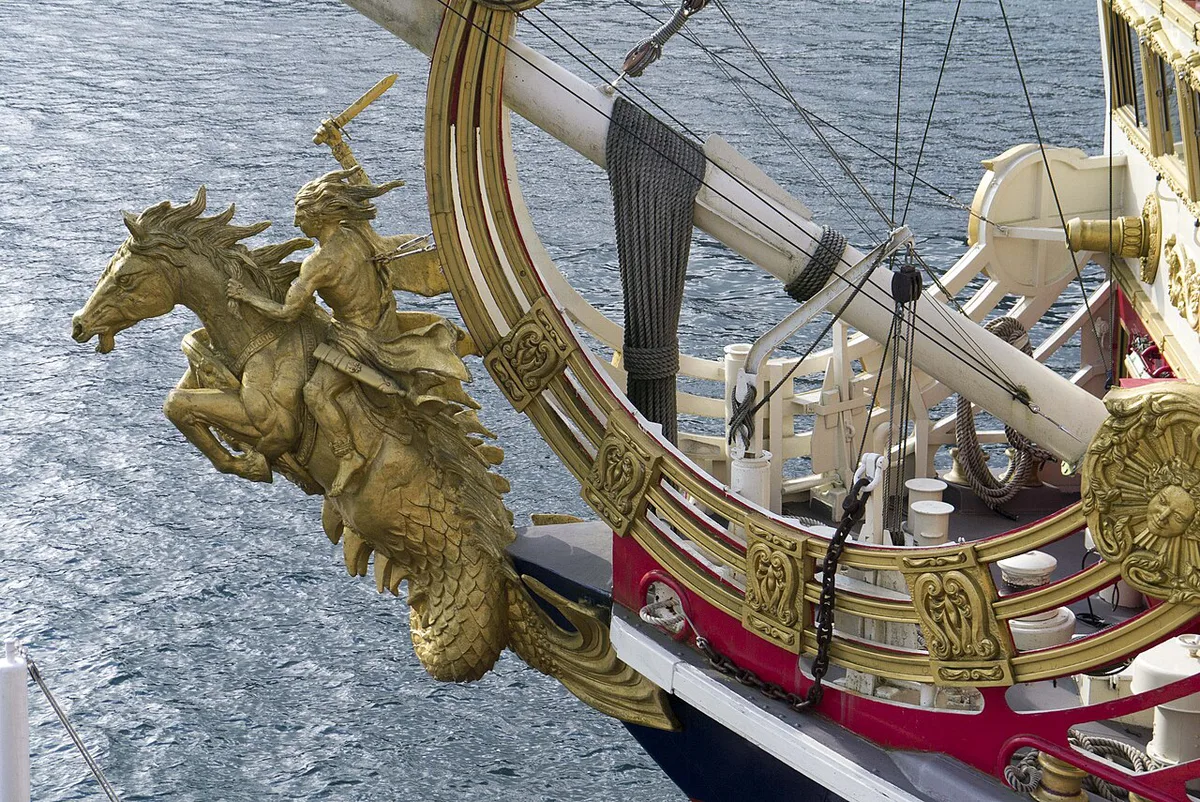
Hakone is the practical base because the rail, bus, ropeway and cruise links are built for visitors. Our Hakone Day Trip Itinerary from Tokyo: Plan Your Perfect Day plan shows what fits in one day. Overnight stays make sense if you want an onsen evening and an early look at Fuji before clouds build. Odakyu lists its Romancecar service as the limited-express option from Tokyo. Our Romancecar to Hakone: Tickets, Time, Cost & Seat Guide covers seats and timing. A typical loop links Lake Ashi, Ōwakudani and an onsen stop. Lake Ashi is the anchor for Fuji views on clear days. Ōwakudani is a volcanic valley with active fumaroles, and access can close when gas levels rise. Hakone Shrine and the Hakone Open Air Museum are further stops if you have spare hours.
- Day trip: Romancecar out, Lake Ashi cruise, Ōwakudani, then back before evening.
- One night: add an onsen inn and a slower second morning.
- Cut first: museum stops, then Ōwakudani if gas advisories apply.
Mount Fuji and the Fuji Five Lakes: Viewing vs Climbing
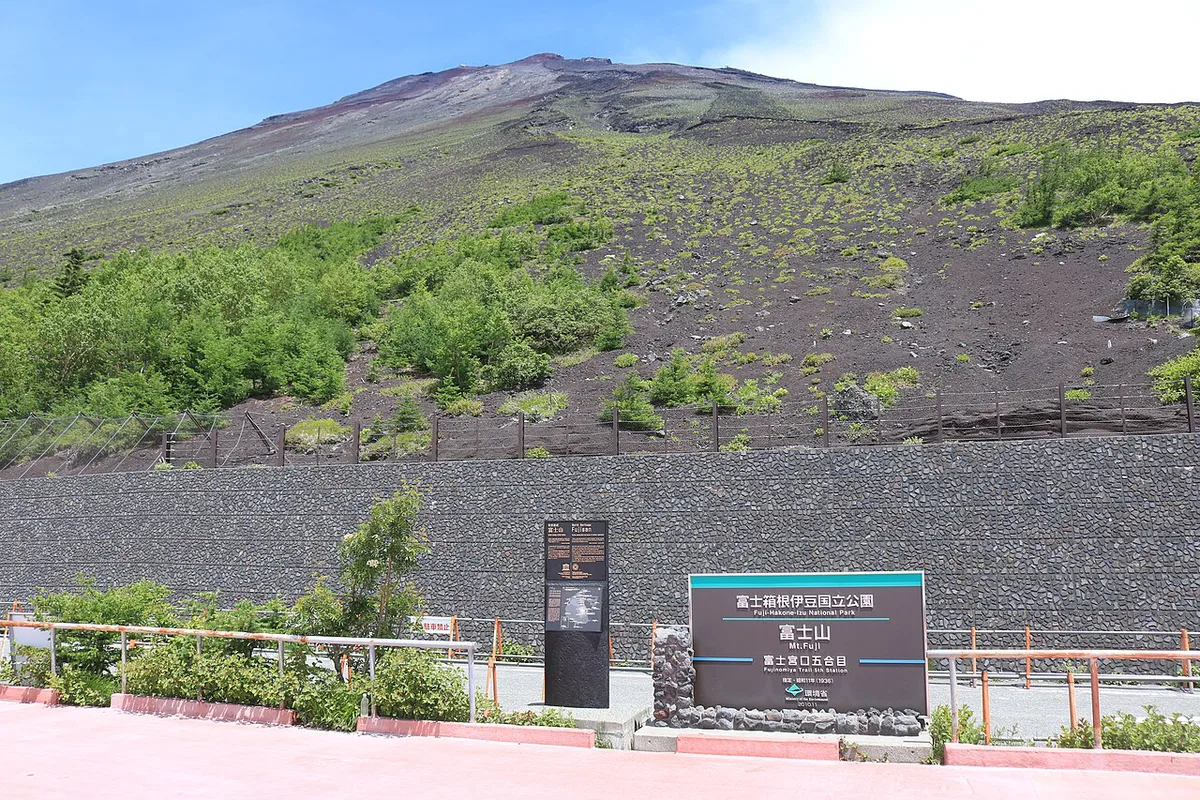
Separate these two goals before you plan. Viewing needs clear air and flexibility. Climbing needs a season, a trail and a reservation check. The Five Lakes are Kawaguchi, Yamanaka, Sai, Shoji and Motosu. Lake Kawaguchi is the most visited for reflections of the mountain. The usual climbing season runs from about July to September. Trails include Yoshida, Subashiri and Fujinomiya. Season dates, reservation rules and fees are set by the Yamanashi and Shizuoka authorities and can change. Check the official climbing sites for the current year. Dress for cold and altitude even in summer, and turn back if weather worsens. If you only want a photo, Hakone's lake shore and the Five Lakes both work, and both depend on cloud cover.
Izu Peninsula and Izu Islands: When They Are Worth the Extra Time
Izu suits travelers who want coast over mountains. Jogasaki Coast offers cliffs and coastal walks, and Atami is known for its hot springs. Distances between towns are long, so pick a base rather than hopping. The Izu Islands are for divers and remote-scenery seekers. Access is by ferry or flight, and sea conditions can cancel sailings. Leave buffer days and check operator schedules before booking lodging.
Plans of 5+ days can cover Hakone, the Five Lakes and Izu, but islands need ferry or flight slack beyond that.
Onsen, Hiking and Cultural Stops
Hakone is the strongest area for onsen in this park. Read our Hakone onsen guide for bathing choices. Rules are consistent: wash before entering, no swimsuits in traditional baths, and some places restrict tattoos. Ask the inn or bathhouse before you go. For history, walk a stretch of the Old Tokaido Road, the old route linking Kyoto and Edo. Our amazake-chaya tea house guide covers the classic rest stop along it. Wear sturdy shoes, because stone sections get slick after rain.
Best Time to Go and Seasonal Trade-Offs
No season guarantees a Fuji view. Mornings tend to be clearer than afternoons, so schedule viewing stops early. Winter air is often clearer. Autumn brings foliage around Hakone and the Five Lakes. Spring brings cherry blossom. Summer is climbing season and beach season on Izu, and also the busiest. Pick by goal.
| Goal | Best season | Trade-off |
|---|---|---|
| Clear Fuji views | Winter, early mornings | Cold; some lake activities slow down |
| Autumn color | Autumn in Hakone and the Five Lakes | Weekend crowds |
| Climbing Fuji | July to September | Crowds; check official dates |
| Beaches and diving | Summer on Izu | Heat and high demand |
Sample Itineraries and Getting Around
One day means Hakone only. Two to three days means Hakone plus one nearby area, with Hakone first for ease. Five days or more can add the Five Lakes and Izu in sequence, but expect transfer time to eat a half day each way. Do not promise yourself the whole park in one trip. Build in slack for transit and weather. For rail and bus routes into Fuji and Izu, use the operators' official timetables. For Hakone service status, see the Hakone tourism association.
- 1 day: Hakone loop from Tokyo.
- 2-3 days: Hakone plus Lake Kawaguchi or one Izu base.
- 5+ days: Hakone, Five Lakes, then Izu, with the islands as a separate trip.
Costs, Passes and Booking Notes
This guide quotes no fares, because passes and operator prices change. Check current figures with the operators before you buy. The Hakone Free Pass guide explains when a pass beats point-to-point tickets. As a rule, a pass pays off on a full loop with several rides and loses value on a short, single-stop visit. Mountain huts, ferries and climbing fees are priced separately by their operators. Book island ferries and onsen inns early in peak season.
Mistakes to Avoid and Safety Notes
Most problems come from planning, not the places. Treating the park as one destination is the biggest. Ignoring cloud cover is next. Check Ōwakudani gas advisories and closures on the day, since they change. Cold and altitude are real risks on Fuji. Still choosing a region? Our Japan Travel Guide: Plan Your Trip with Expert Tips & Itineraries helps you compare.
- Treating the park as one destination.
- Ignoring cloud cover when scheduling Fuji views.
- Climbing outside the official season.
- Leaving no buffer for transit.
- Booking Izu Islands without checking ferry and flight schedules.
Free: The Hakone Essentials guide
Top things to do, where to stay, a perfect day plan, getting around, and the best time to go — a Hakone mini-guide you can take offline.
You might also like


Continue reading
More guides you'll find useful


