Mount Fuji Guide: History, Climbing & Travel Tips
Explore Mount Fuji's rich history, geological wonders, cultural significance, and essential travel tips for visiting or climbing this majestic Japanese landmark.
On this page
Mount Fuji, or Fuji-san, stands as Japan's tallest and most revered mountain. This majestic stratovolcano dominates the landscape southwest of Tokyo. It has inspired artists, poets, and pilgrims for centuries, embodying Japan's natural beauty.
Recognized as a UNESCO World Heritage Site, Mount Fuji offers both stunning views and a challenging climb. Travelers come from around the globe to witness its iconic, snow-capped cone. Planning your visit carefully ensures a memorable experience.
Key Takeaways
- Plan your Mount Fuji visit during the climbing season (July–Sept) for ascents, or cooler months for clear views.
- Explore the Fuji Five Lakes region for the best photographic opportunities and diverse attractions.
- Pack appropriately for varying weather conditions, even at the base of the mountain.
- In 2026 the Yoshida Trail imposes a ¥2,000 fee and a daily climber cap — book huts early and start before the 14:00 gate closure.
Mount Fuji: An Overview
Mount Fuji is an active stratovolcano located on Honshu, Japan. It is the country's highest peak, reaching 3,776 meters (12,389 feet), and it straddles the border between Shizuoka and Yamanashi prefectures. Its perfectly symmetrical cone is a globally recognized symbol of Japan.
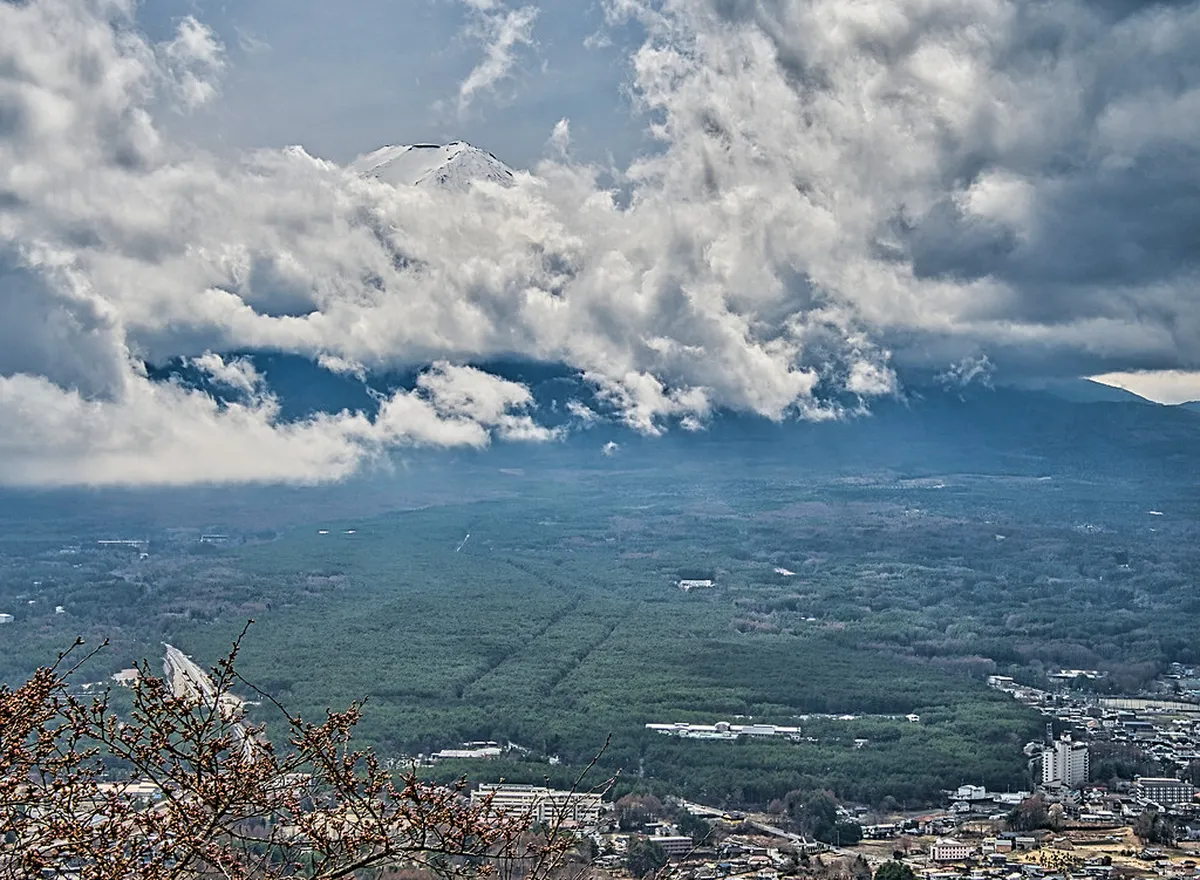
This iconic mountain is part of the Fuji-Hakone-Izu National Park and was inscribed as a UNESCO World Heritage Cultural Site in 2013. It attracts millions of visitors annually — from serious summit climbers to sightseers who come for the views from the Five Lakes. Many prefer to experience Fuji-san from Hakone or Kawaguchiko rather than climbing it.
The mountain last erupted in 1707 during the Hoei eruption, a 16-day event that deposited ash as far as Edo (modern-day Tokyo). Scientists actively monitor seismic activity and gas emissions from the Hoei Crater on the southeastern flank. Despite centuries of quiet, Mount Fuji is classified as an active volcano.
The Geological Formation of Mount Fuji
Mount Fuji is a composite volcano — a stratovolcano — built up over roughly 100,000 years through successive eruptions of lava, pumice, and volcanic ash. Its current form developed in three main stages: the Komitake shield volcano formed first, then the Ko-Fuji (Old Fuji) cone, and finally the Shin-Fuji (New Fuji) cone produced the symmetrical peak visible today.
The mountain sits at a triple junction of tectonic plates: the Amurian Plate, the Okhotsk Plate, and the Philippine Sea Plate. This plate geometry creates the volcanic pressure that built Fuji-san and continues to fuel minor seismic activity in the region. Volcanic activity also created the Aokigahara forest (the Sea of Trees at the northwestern base) by spreading lava across the landscape after an 864 CE eruption.
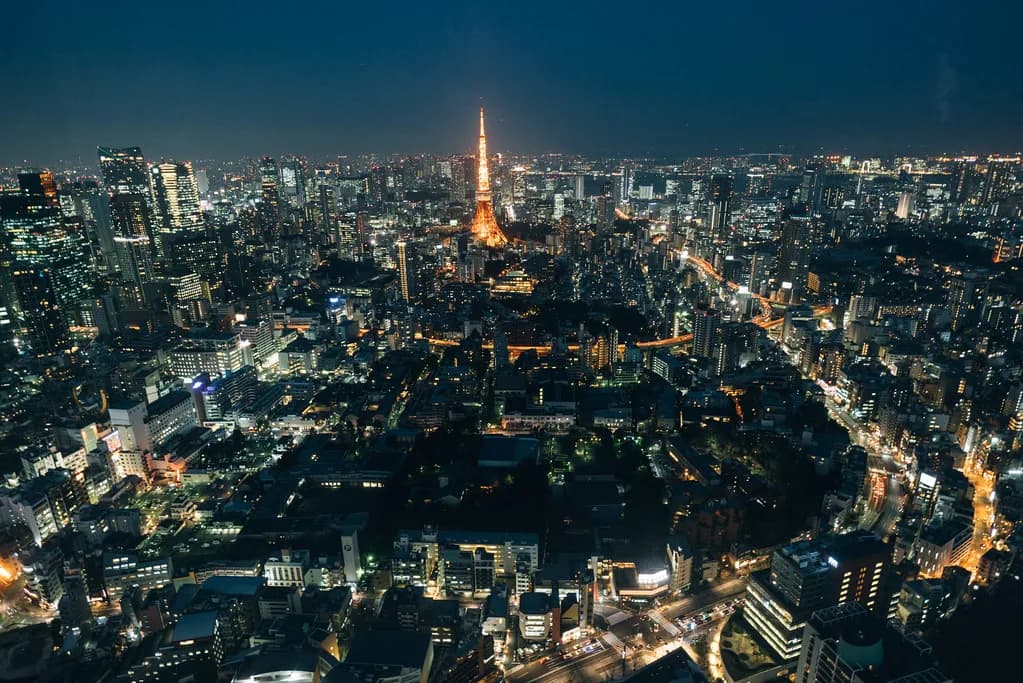
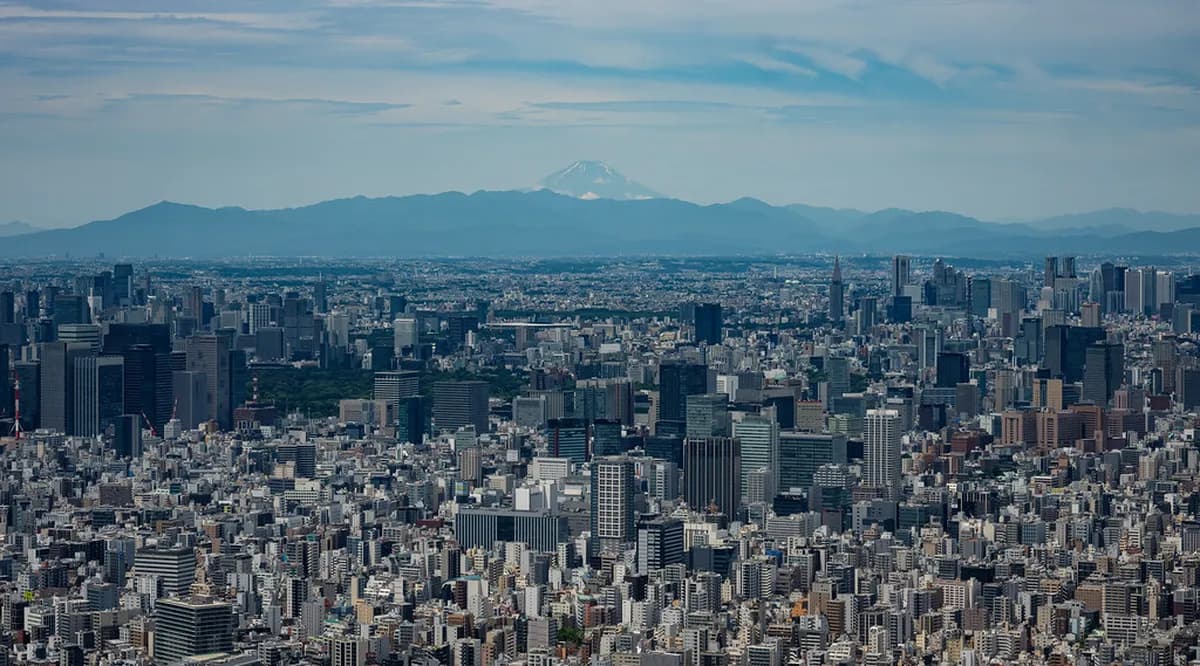
The base circumference of Mount Fuji spans roughly 125 kilometers, and the mountain's volume is enormous. Its distinct conical shape — the result of symmetrical lava layering — makes it visible from Tokyo on clear days, approximately 100 kilometers to the northeast. This visual dominance over the surrounding lowlands is what gave it such enduring power in Japanese art and religion.
Cultural Significance and Symbolism of Mount Fuji
Mount Fuji holds profound spiritual importance in Japan. Followers of Shugendo — an ascetic mountain religion — climbed its slopes for centuries as an act of devotion. The legendary practitioner Hasegawa Kakugyo (1541–1646) reportedly ascended the summit more than 100 times, inspiring the Fuji-ko pilgrimage confraternities that built shrines and monuments around the mountain. The Tokugawa shogunate later banned some of these groups for fanaticism, but the tradition of climbing as pilgrimage persisted.
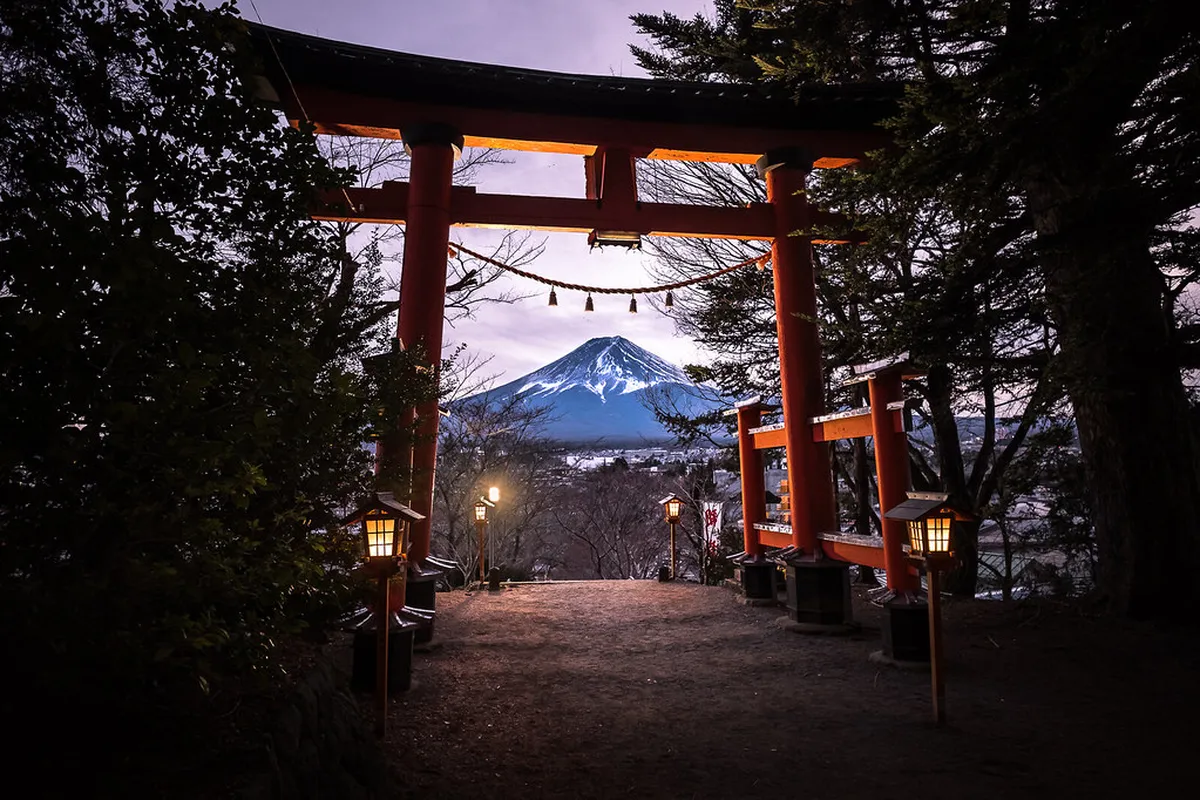
The Fuji-san Hongū Sengen Taisha shrine complex — with its main shrine in Fujinomiya at the mountain's base and inner shrines at the summit — remains the spiritual center of Fuji worship. Pilgrims still ring a bell at the summit crater rim as an act of devotion. Between 200,000 and 300,000 people climb Fuji each summer, and for many Japanese climbers the ascent carries explicit spiritual meaning.
Mount Fuji also anchors Japanese visual culture. The Edo-period woodblock prints of Katsushika Hokusai — particularly the "Thirty-six Views of Mount Fuji" — depicted the mountain from dozens of angles and locations across Honshu, training an entire civilization's eye to recognize its silhouette. Hokusai's influence extended to Western artists: Vincent Van Gogh studied his compositions, and Claude Debussy was inspired by "The Great Wave." That cultural reach is why Mount Fuji's image appears on everything from the old ¥1,000 note reverse to corporate logos.
Climbing Mount Fuji: Routes, Regulations, and What to Expect
The official climbing season runs from early July to mid-September, when trails are staffed, mountain huts operate, and emergency services are available at the 5th stations. Outside this window, heavy snow and extreme cold make summit attempts dangerous without alpine mountaineering experience. You can find complete route details in our dedicated climbing Mount Fuji guide.
- Yoshida Trail — starts at the Fuji-Subaru Line 5th Station (2,305 m) on the Yamanashi side. The most popular route, with the highest density of mountain huts. Ascent 5–7 hours, descent 3–5 hours. This is the default route for first-timers.
- Subashiri Trail — starts at the Subashiri 5th Station (1,960 m). Quieter than Yoshida and passes through forest on the lower slopes before merging with the Yoshida route above the 8th station. Ascent 6–8 hours, descent 3–5 hours via the soft-sand Sunabashiri section.
- Gotemba Trail — starts at the Gotemba 5th Station (1,440 m) on the Shizuoka side. The longest and most strenuous route, with a low 5th-station elevation meaning you climb more vertical. Ascent 7–10 hours, descent 4–6 hours. The sandy Osunabashiri descent is famously fast.
- Fujinomiya Trail — starts at the Fujinomiya 5th Station (2,380 m) on the Shizuoka side. The shortest route to the summit but also the steepest. Ascent 5–7 hours, descent 3–5 hours. Limited huts compared to Yoshida.
All climbers face genuine physical demands: expect temperatures near the summit of 5–10°C even in August, wind gusts exceeding 50 km/h, and altitude sickness above 3,000 m. Ascend slowly, hydrate consistently, and rest at mountain huts rather than pushing through overnight in one continuous effort. Essential kit: layered warm clothing, waterproof jacket and trousers, headlamp, trekking poles, and a minimum of 2 liters of water.
2026 Climbing Regulations: What Changed
Mount Fuji's overtourism crisis led Yamanashi Prefecture to introduce strict management measures on the Yoshida Trail starting in 2024 — and these rules are permanent for the 2026 season. Every climber on the Yoshida Trail pays a mandatory ¥2,000 conservation fee at the 5th Station gate. A bollard barrier closes the trail to new departures at 14:00 daily from the 5th Station, preventing bullet-climbs (ascending and descending in a single overnight rush without proper rest). A daily cap of 4,000 climbers on the Yoshida Trail is enforced; once that number is reached, access closes for the day regardless of time.
In practical terms this means: arrive at the Fuji-Subaru Line 5th Station before 14:00 if you plan to ascend, book mountain hut accommodation well in advance (many huts fill by April for July/August dates), and consider the Fujinomiya or Subashiri trails if the Yoshida cap is reached. The Shizuoka-side trails currently have no cap, though Shizuoka Prefecture is assessing similar measures. Plan your 2026 climb with these restrictions in mind from the moment you book transport.
The Best Times to Visit Mount Fuji
The ideal time to visit depends on what you want to experience. The official climbing season (early July to mid-September) is the only practical window for a summit attempt. Outside these months the trails close, huts shut, and snow accumulates rapidly above 2,000 m. If climbing is your goal, mid-July to late August delivers the most reliable weather, but also the largest crowds. Learn more about timing your trip in our best time to see Mount Fuji guide.
For photography and viewpoint visits, winter (December to February) produces the clearest conditions. Cold, dry air from the northwest strips away humidity, and you can frequently see Fuji's snow-capped cone from Tokyo or the Chuo Expressway. The mountain looks its sharpest on a cold morning following a northerly wind. However, most facilities around the lakes may be reduced or closed in deep winter.
Spring (late March to early May) pairs the snow-capped summit with cherry blossoms at Chureito Pagoda and along Lake Kawaguchiko's northern shore — this combination is probably the most-photographed Fuji composition in the world. Autumn (October–November) delivers vibrant foliage around the lakes and typically clear skies before the first winter snow. Both shoulder seasons offer good visibility with far smaller crowds than July and August.
Avoid the rainy season (mid-June to mid-July): overcast skies hide the summit for days at a time and the mountain can be entirely invisible for a week or more. Golden Week in early May brings large domestic travel crowds and elevated hotel prices around all five lakes.
Fuji Five Lakes and Hakone: The Region Around the Mountain
Mount Fuji is the center of a wider travel region that most visitors explore over two or three days. The Fuji Five Lakes (Fujigoko) — Kawaguchiko, Yamanakako, Saiko, Shojiko, and Motosuko — sit at the northern base of the mountain in Yamanashi Prefecture. Lake Kawaguchiko is the most accessible and popular: the northern shore looking south across the water gives the reflection shot that anchors virtually every Fuji calendar and travel poster. The lake is a 10-minute walk from Kawaguchiko Station on the Fujikyu Railway from Otsuki.
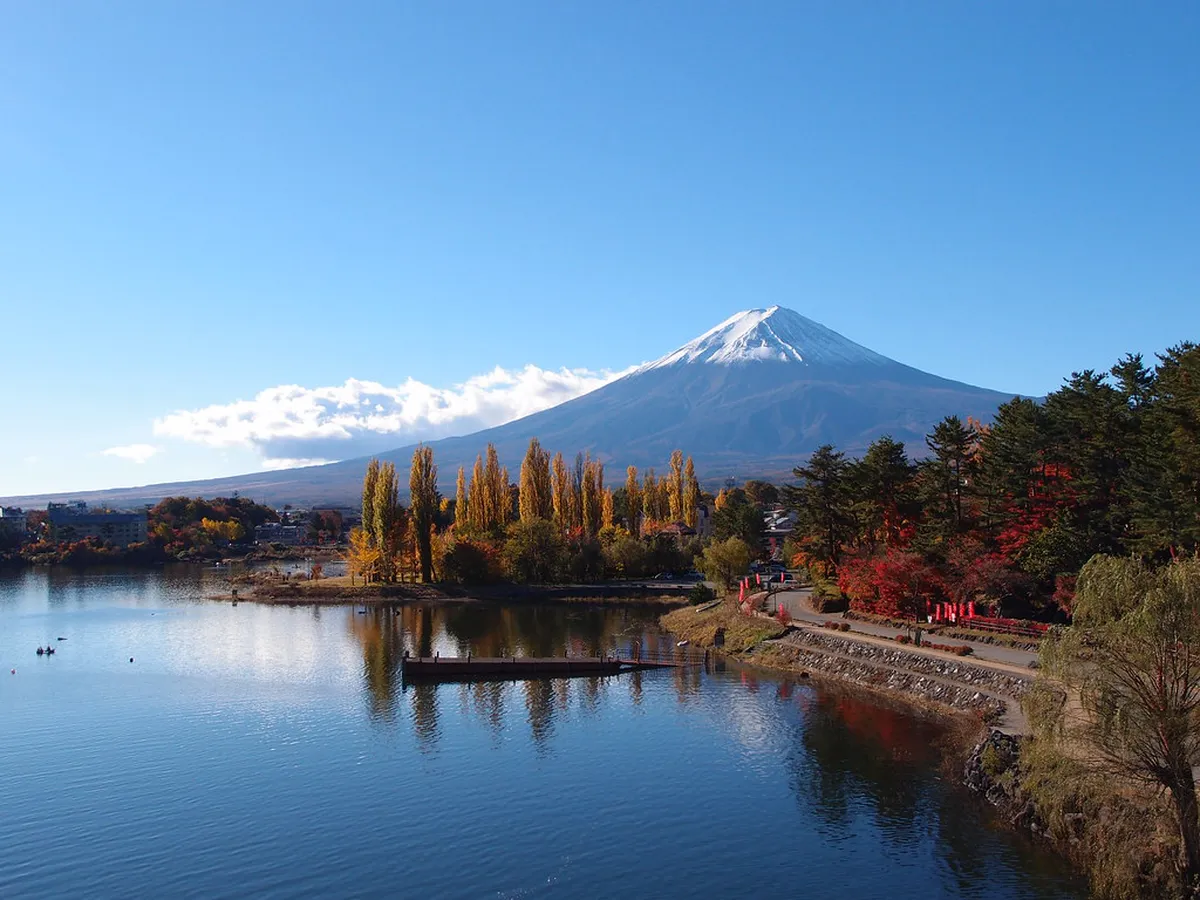
Lake Yamanakako is the largest of the five and sits closest to the Yoshida Trail 5th Station — useful if you are combining sightseeing with a climbing day. Lake Motosuko, furthest west and least visited, is the source of the old ¥1,000 note's reverse side image. Saiko offers the Narusawa Ice Cave and Fugaku Wind Cave, both accessible year-round and free with a combination ticket (around ¥500 per cave). The Fuji-Q Highland amusement park near Kawaguchiko is a popular side trip, particularly for the roller coasters with Fuji views.
On the Shizuoka side, Hakone is the natural pairing with a Fuji visit. The town sits inside a volcanic caldera with its own active vents, hot spring ryokan, and a famous ropeway across the sulfurous Owakudani valley with Fuji views on clear days. The Hakone Open-Air Museum and the MOA Museum of Art in nearby Atami round out a culture-heavy itinerary. The standard loop is Tokyo → Kawaguchiko (overnight) → Gotemba or Fujinomiya → Hakone (overnight with onsen) → Tokyo by Romancecar. This circuit packs the core Fuji region into two nights without backtracking.
Tips for Travelers Visiting Mount Fuji
Book accommodation in the Fuji Five Lakes area well ahead of your trip. Kawaguchiko fills quickly on summer weekends and during cherry blossom season (late March to mid-April). Budget options near the station include hostels from around ¥3,000 per night; lakeside ryokan range from ¥15,000 to ¥30,000+ per person with dinner and breakfast included.
Transport from Tokyo to Kawaguchiko is most convenient via the Keio Express Bus from Shinjuku Station (about 2 hours, ¥1,800 each way) or by JR to Otsuki then Fujikyu Railway. The Fujisan Station and Kawaguchiko Station area has coin lockers for day bags. For the Shizuoka side (Fujinomiya, Gotemba), shinkansen to Mishima or Shizuoka then local bus is the standard approach. A rental car opens up all five trails and both sides of the mountain but is unnecessary for the Yoshida Trail alone.
Carry cash. The 5th stations, mountain huts, and smaller restaurants and souvenir shops around the lakes are cash-preferred. ATMs inside 7-Eleven and Japan Post accept foreign cards. Weather changes fast above 2,000 m: even base-level sightseers should bring a light waterproof layer in summer. Checking the Yamanashi Prefecture and Shizuoka Prefecture official Fuji webcams the morning of your visit is the simplest way to judge whether the summit will be visible.
Respect the mountain as a sacred site. Littering on the trails is taken seriously by both rangers and local volunteers who run regular cleanup events. The ¥2,000 Yoshida conservation fee directly funds trail maintenance and the mountain hut sanitation system. Pay it without complaint.
Planning Your Trip to Mount Fuji and Beyond
Integrating Mount Fuji into a broader Japan itinerary is straightforward from Tokyo. A Mount Fuji Day Trip From Tokyo Travel Guide is possible if your goal is Lake Kawaguchiko views, but a single overnight in the area is a significantly better use of time. It lets you catch the early-morning stillness on the lake (before tour buses arrive around 09:00) and gives you a buffer if the mountain is cloud-covered on arrival day.
From the Fuji region, most travelers continue to Kyoto (about 2 hours by shinkansen from Mishima) or Osaka (2.5 hours from Mishima). The Japan Rail Pass covers the shinkansen leg from Mishima, making it the natural pivot point on a Tokyo-Fuji-Kyoto itinerary. If you have extra days, the Izu Peninsula south of Hakone offers dramatic coastal scenery and excellent seafood with almost no foreign tourist crowds — a worthwhile detour before heading west.
For planning activities across the country, the Japan Activity Blog covers tours, seasonal events, and regional guides that complement a Fuji-area visit. The Japan National Tourism Organization's official japan.travel site maintains a Fuji-specific guide with live webcam links and current trail status during the climbing season.
Frequently Asked Questions
Which Mount Fuji options fit first-time visitors?
First-time visitors often enjoy a day trip to the Fuji Five Lakes region. Lake Kawaguchiko provides stunning views and easy access to attractions. Consider a bus tour from Tokyo for convenience. For a more active experience, a hike on the lower trails is a good option.
How much time should you plan for Mount Fuji?
For sightseeing around the base, a full day is sufficient for most visitors. If you plan to climb Mount Fuji, allow two days and one night for the ascent and descent. This includes time for rest at a mountain hut. For a deeper exploration of the Fuji Five Lakes area, consider a two to three-day trip.
What should travelers avoid when planning Mount Fuji?
Travelers should avoid visiting during the rainy season in June, as views are often obscured. Also, avoid climbing outside the official season (early July to early September) unless you are an experienced mountaineer. Do not underestimate the physical demands of climbing; proper preparation is key.
Is Mount Fuji worth including on a short itinerary?
Yes, Mount Fuji is definitely worth including, even on a short itinerary. A well-planned day trip from Tokyo allows you to experience its majesty. Focus on key viewpoints around the Fuji Five Lakes for efficient sightseeing. Consider an organized tour for optimal time management.
What gear is needed to climb Mount Fuji?
Essential gear for climbing Mount Fuji includes sturdy hiking boots, warm layered clothing, rain gear, a headlamp, and plenty of water. Bring high-energy snacks, sunscreen, and a first-aid kit. Renting equipment at the 5th station is an option for some items. More details are available on How to Climb Mount Fuji: The Ultimate Guide & Tips for 2026.
Mount Fuji truly stands as a magnificent testament to Japan's natural beauty and cultural depth. Its towering presence offers breathtaking views and a challenging adventure for climbers. The mountain holds deep spiritual and artistic significance for the Japanese people.
Whether you plan to hike its slopes or admire its iconic cone from afar, Mount Fuji promises an unforgettable experience. Thoughtful planning — especially around the 2026 trail regulations and seasonal timing — ensures a smooth journey. Embrace the spirit of this majestic peak during your visit to Japan.
Explore the Mount Fuji Region
Plan every part of a Mount Fuji trip — start with the two best base towns, then dig into climbing, the Fuji Five Lakes, the top viewpoints and the best season to go.
Base Towns & Sub-Regions
Mount Fuji Guides
Free guide: Japan's Hidden Gems
12 under-the-radar places beyond Tokyo & Kyoto — with the best season to visit each and a local tip you won't find in the guidebooks.
You might also like

Continue reading
More guides you'll find useful