4 Best Places for Shio Ramen in Hakodate: A Local Eating Guide
Find the best shio ramen in Hakodate for 2026: four local areas to try it, what sets the clear broth apart, and tips on prices, trams, and hours.
On this page
Last updated August 2026, this guide covers the best shio ramen in Hakodate, focused on shops actually inside the city. It sets aside the well-known tribute restaurant in Tokyo's Ogikubo district, since that shop sits far from Hokkaido. Hakodate's own version stays close to the sea, built on a clear broth of kelp, scallops, and chicken.
What Makes Hakodate Shio Ramen Different
Hakodate anchors Hokkaido's ramen map with a style built on salt rather than miso or soy. A clear broth defines the bowl, simmered from kelp, dried scallops, and chicken instead of pork fat or a thick miso paste. Most bowls also carry a slice of fu, a piece of dried wheat gluten that soaks up broth and turns soft and spongy. That detail sets a Hakodate bowl apart from the miso style tied to Sapporo or the soy-forward broth linked to Asahikawa. Hakodate has long worked as a fishing port, and the bowl reflects that history. Kelp and scallops from the same coastal waters show up across the city's other seafood dishes, not just in ramen. Visitors moving between Hokkaido cities tend to notice the difference immediately, since Hakodate's broth runs paler and lighter than either of those other regional styles. For background on how ramen fits into the wider local dining scene, see Hakodate's food and restaurant guide.
The 4 Best Places for Shio Ramen in Hakodate
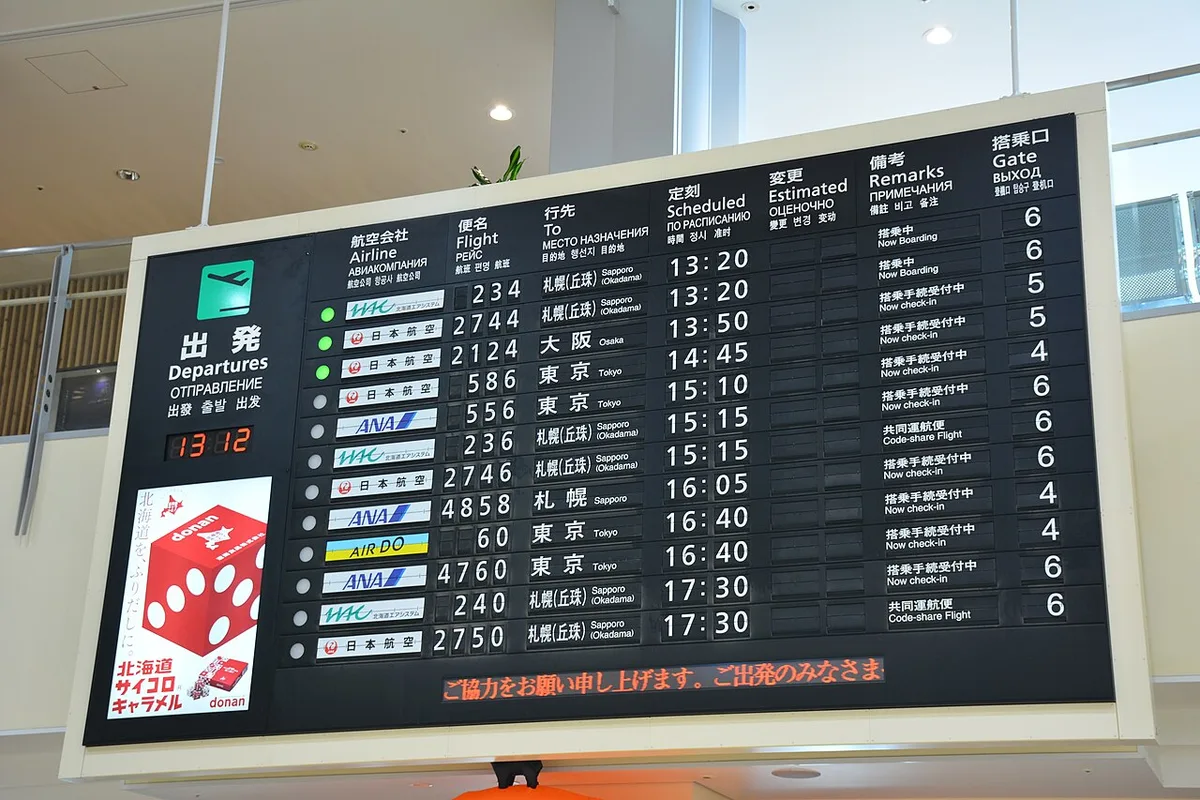
These four areas group Hakodate's shio ramen scene by hub, matching how most visitors already move through the city on foot or by tram. Each one leans toward a different rhythm, from an early market bowl to a later dinner near the fort. Use them to decide where lunch or dinner fits around the rest of a day's plans.
- Near Hakodate Station
- Ramen counters around the station typically stay open into the evening, useful right after arriving by train.
- Because it's a transit hub, expect steady traffic through both lunch and dinner service.
- This makes it a practical first stop before heading further into the city center.
- Hakodate Morning Market
- Counters in or near the Morning Market generally follow market hours and often close by mid-afternoon.
- A shop called Takahashiya has come up among diners discussing Hakodate shio ramen in this part of the city.
- Confirm its current address and hours on a map before heading over, since exact locations can shift.
- Goryokaku Fort Area
- Shops near Goryokaku typically stay open for dinner, unlike the market-area counters.
- Pair a bowl with sightseeing at Goryokaku Fort before or after the meal.
- This area suits a heartier, modern-style bowl after a day spent walking the fort grounds.
- Bay Area
- Bay Area counters sit close to the restored waterfront warehouses, an easy add-on after harbor-side sightseeing.
- Expect a mix of traditional clear-broth bowls alongside modern versions topped with extra Gagome kelp or a soft egg.
- Evening crowds build here after dark, so arrive earlier in the evening if a shorter wait matters.
Gagome Kelp and the Local Ingredients Behind the Bowl
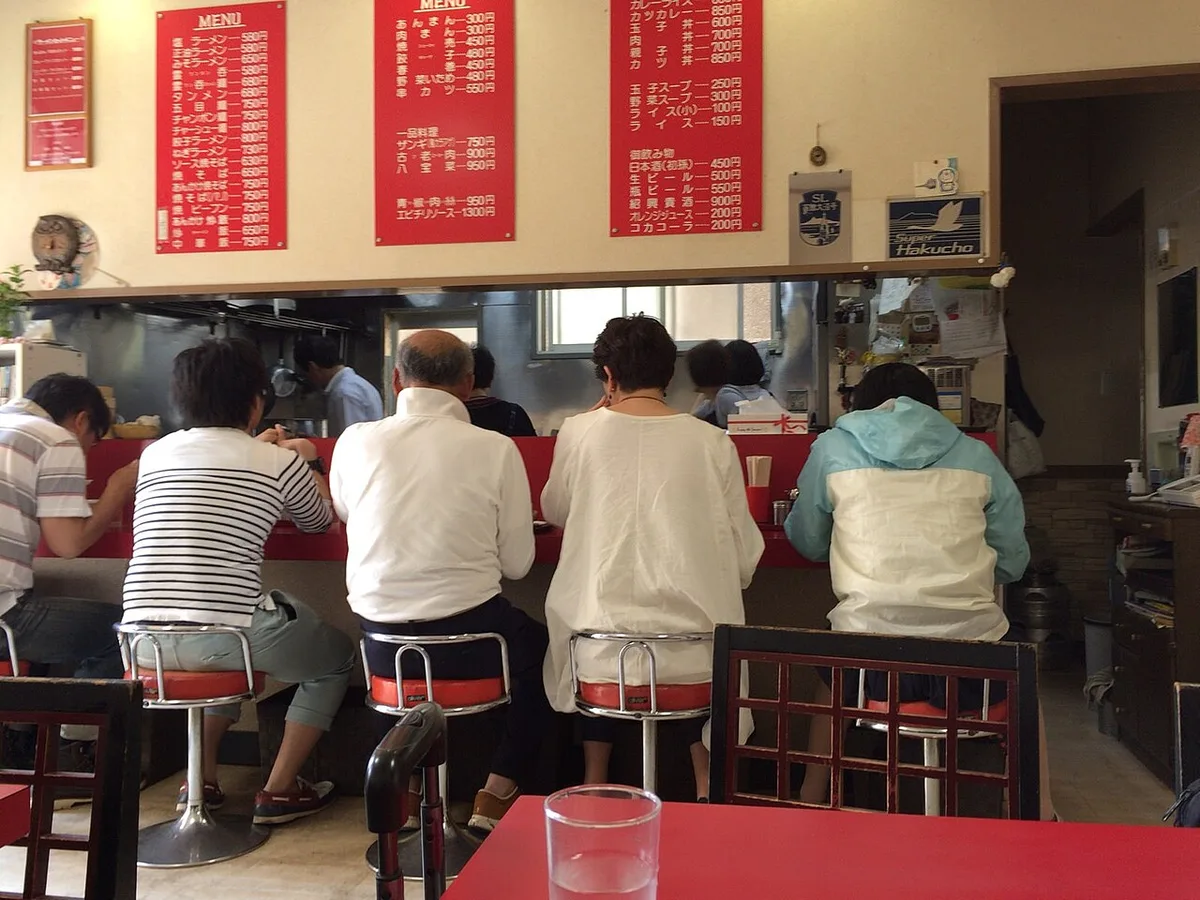
Two kelp varieties shape a Hakodate bowl in different ways. Makombu forms part of the broth base itself, prized for a firmer texture and a natural sweetness that keeps the soup clear instead of cloudy. Gagome kelp shows up as a topping, and it looks like a dry, green tangle before it touches the broth. Once submerged, it turns slick and gelatinous almost immediately. That slippery texture is intentional, not a sign of a poor bowl, and regulars order it as an add-on rather than skip it. Locals point to ingredients like these when explaining why the dish reads as a coastal specialty rather than a generic salt broth. The same waters supply much of Hakodate's other seafood cooking, which is part of why the two overlap on menus around the city. Travelers comparing seafood-forward dishes can also check Hakodate's squid and kaisen-don guide, another specialty built around the same harbor ingredients.
Traditional vs Modern Shio Ramen: How to Choose
Hakodate's shio ramen splits broadly into two styles. A traditional bowl keeps the broth crystal clear and light, finished with simple toppings like chashu, menma, and a slice of fu. A modern or seafood-heavy bowl leans richer, often finished with flavored oil or chicken fat and piled with extra Gagome kelp, scallops, or a soft egg. Choose the traditional style for breakfast or lunch, since it won't weigh down an afternoon of sightseeing. Save the modern, seafood-heavy bowl for dinner, when a heartier meal fits the day better. When in doubt, ask the counter staff to describe that day's shio option before ordering, since small menu changes are common. The table below breaks down the general trade-offs between the two styles, not any single restaurant's exact menu.
| Feature | Traditional Shio Ramen | Modern/Seafood-Heavy Shio |
|---|---|---|
| Broth Clarity | Crystal clear, light | Slightly cloudy, richer umami |
| Primary Fat | Very low, clean finish | Flavored oils or chicken fat |
| Best For | Breakfast or lunch | Dinner or a heartier appetite |
| Key Topping | Chashu, menma, and fu | Extra Gagome kelp, scallops, egg |
Prices, Trams, and Opening Hours in Hakodate
Exact menu prices vary by shop and can shift through 2026, so treat this section as a relative guide rather than a fixed budget. A plain traditional bowl generally costs less than a modern bowl loaded with extra toppings. Each addition, like Gagome kelp, a soft egg, or extra chashu, adds to the base price. Check the menu board or a shop's current listing for the exact figure before ordering. Hakodate's tram network links the station, Morning Market, Bay Area, and the streets near Goryokaku, so most shops sit within a short ride or walk of a stop. Confirm the nearest stop and current schedule before setting out, since routes and timing can change. Arriving slightly before a shop opens also helps avoid the main lunch rush near the station and Bay Area. Building the tram leg into a wider sightseeing route saves backtracking later in the day.
The 4 main ramen hubs peak at different hours: market shops close by afternoon for early lunch, while station counters suit train arrivals, bay area fills with evening crowds, and Goryokaku works best after fort sightseeing.
Mistakes to Avoid When Ordering Ramen in Hakodate
A few habits trip up first-time visitors ordering shio ramen in Hakodate.
As of August 2026, Gagome kelp appears as a premium modern-bowl topping with an intentional slippery texture that first-time ramen diners sometimes mistake for poor preparation, though regulars deliberately order it as an upgrade.
- Treating Gagome kelp as a mistake
- Its slippery texture is by design, not a preparation error, so order it with confidence rather than sending it back.
- Skipping cash
- Confirm whether a counter takes cards before joining the line, since many traditional ramen shops in Japan operate cash-only.
- Confusing Ogikubo's Goryokaku with a Hakodate address
- That shop sits in Tokyo and pays tribute to the Hakodate style rather than serving as a local location.
- Assuming every bowl fits every diet
- Traditional broth typically builds from chicken and seafood stock, so it isn't vegetarian. Ask the counter directly about a specific bowl before ordering.
The Ogikubo Distinction: Not a Hakodate Address
A shop named Goryokaku operates in Ogikubo, a Tokyo neighborhood, and takes its name from the same fort landmark as Hakodate's own Goryokaku Fort. Its owner grew up in Hakodate and built the menu as a tribute to the hometown style. The recipe uses kelp, dried scallops, and chicken to recreate a clear, light broth. That makes it a well-regarded stop for Hakodate-style ramen in Tokyo, but it is not a shop inside Hakodate city. Search results often blur that line, since both places share the same name and the same regional style. Anyone actually visiting Hakodate should look at the station, Morning Market, Goryokaku Fort, and Bay Area shops covered above instead.
Beyond the Bowl: Pairing Ramen with Hakodate's Food Scene
A shio ramen stop fits easily into a longer food-focused day in Hakodate. For a faster, more casual bite between sightseeing stops, Hakodate's local fast-food scene offers a quicker contrast to a sit-down ramen counter. Round out the meal with a stop at Hakodate's dairy and dessert shops, a common way to close out a ramen lunch before continuing to sightsee. Together, these stops turn one bowl of shio ramen into a fuller sense of how the city eats, without adding a full second meal. None of them require a reservation, so the order of the day can stay flexible.
Which Tram Stops Serve Hakodate’s Main Ramen Areas?
Hakodate-Ekimae is the most convenient tram stop for ramen near Hakodate Station and the Morning Market. The market stands a short walk west of the station, so no tram transfer is needed after arriving by train.
Use Uoichibadori or Jujigai for the Bay Area and the Kanemori Red Brick Warehouses. Check the shop address before leaving the tram, since restaurants are spread across several waterfront blocks.
- Hakodate-Ekimae: station and Morning Market counters.
- Uoichibadori or Jujigai: Bay Area restaurants and warehouse sightseeing.
- Goryokaku-Koen-Mae: shops around central Goryokaku, followed by a walk or local bus for the fort itself.
Morning Market counters are busiest around breakfast and lunch, while Bay Area queues often build during evening sightseeing hours. Goryokaku restaurants can become crowded after visitors leave the fort. Allow extra time during weekends and Japanese holiday periods. Check same-day opening hours before traveling, because independent ramen shops may close after selling out or take an irregular rest day.
Frequently Asked Questions
What makes Hakodate shio ramen different from Sapporo miso or Asahikawa shoyu ramen?
Hakodate's version centers on a clear, light salt broth built from kelp, scallops, and chicken. That's a contrast to the miso base tied to Sapporo or the soy-forward broth linked to Asahikawa.
Is the Goryokaku ramen shop in Ogikubo the same as eating shio ramen in Hakodate?
No. Goryokaku in Ogikubo sits in Tokyo and was opened by a Hakodate native as a tribute to the hometown style. Travelers actually in Hakodate should look at shops near the station, Morning Market, Goryokaku Fort, or Bay Area instead.
What is Gagome kelp, and is the slippery texture normal?
Yes, the slippery, gelatinous texture is normal and intentional. Gagome kelp starts as a dry tangle of green strands. It turns slick once it hits hot broth, and locals treat it as a delicacy rather than a flaw.
Do Hakodate ramen shops near the Morning Market stay open for dinner?
Not usually. Shops in or near the Morning Market tend to follow market hours and often close by mid-afternoon. Counters near the station or Goryokaku Fort typically stay open later, into the evening.
Should travelers carry cash for ramen in Hakodate?
It's worth confirming before ordering. Many traditional ramen counters in Japan, including older shops in Hakodate, operate cash-only. Check payment options at the door or on a current listing before joining the line.
What's the best time of day to eat shio ramen in Hakodate?
Late morning suits market-area shops best, before their mid-afternoon close. Evening works better near the station or Goryokaku Fort, where counters serve dinner.
Is shio ramen in Hakodate suitable for vegetarian travelers?
Usually not, since the broth typically builds from chicken, kelp, and seafood stock. Ask a specific counter directly about their broth before ordering, since recipes and substitutions vary by shop.
Free: The Hakodate Essentials guide
Top things to do, where to stay, a perfect day plan, getting around, and the best time to go — a Hakodate mini-guide you can take offline.
You might also like


Continue reading
More guides you'll find useful