

Himeji Anago Restaurants: Where to Eat Saltwater Eel in 2026
Where to eat Himeji anago restaurants: Yamayoshi's 14-seat lunch counter, sushi at Himeji Sushi-Ichi, and kaiseki near Himeji Castle, with prices and timing tips.
On this page
Last updated August 2026: Himeji anago restaurants cluster within a short walk of JR Himeji Station and Himeji Castle. Anago, saltwater conger eel from the Seto Inland Sea, is leaner and milder than the freshwater unagi most travelers already know. This guide sorts the city's best-known shops by budget, wait time, and castle view, from a fourteen-seat lunch counter to kaiseki dining.
Anago vs. Unagi: How Himeji's Saltwater Eel Differs
Anago is saltwater conger eel, caught in the Seto Inland Sea just south of Himeji. Unagi is freshwater eel, and most of the unagi served in Japan today comes from farmed stock rather than wild rivers. Its texture runs leaner and softer than unagi's, with a milder sweetness instead of unagi's heavier, oilier char. Himeji kitchens typically steam anago first, then finish it with a light grill rather than a heavy kabayaki glaze. Some menus specifically flag natural, wild-caught conger eel from the Seto Inland Sea. That detail is worth checking if the fuller, more prized version of the fish matters to you. Order a small anago dish before committing to a full set if you are used to unagi's richer flavor.
Anago Dishes to Order Around Himeji Castle
Most Himeji anago menus build around a handful of core preparations. Anago meshi, also called anago don, is the standard order. It layers eel over rice, usually with a side of clear soup. Some kitchens finish the eel with a light grill for a firmer bite, while others steam it fully for a softer, almost custard-like texture. Anago tempura shows up as a crunchy side order at several counters. Sushi-focused restaurants serve anago as nigiri instead of a rice bowl, letting the eel's flavor stand with less sauce.
- Anago meshi / anago don: grilled or steamed eel over rice, the most common order.
- Anago wappa: a mixed set pairing steamed, grilled, and simmered eel in one box.
- Anago no nigiri sushi: eel served as sushi rather than a rice bowl.
- Anago tempura: a crunchy alternative for texture contrast.
Where to Find the Best Himeji Anago Restaurants
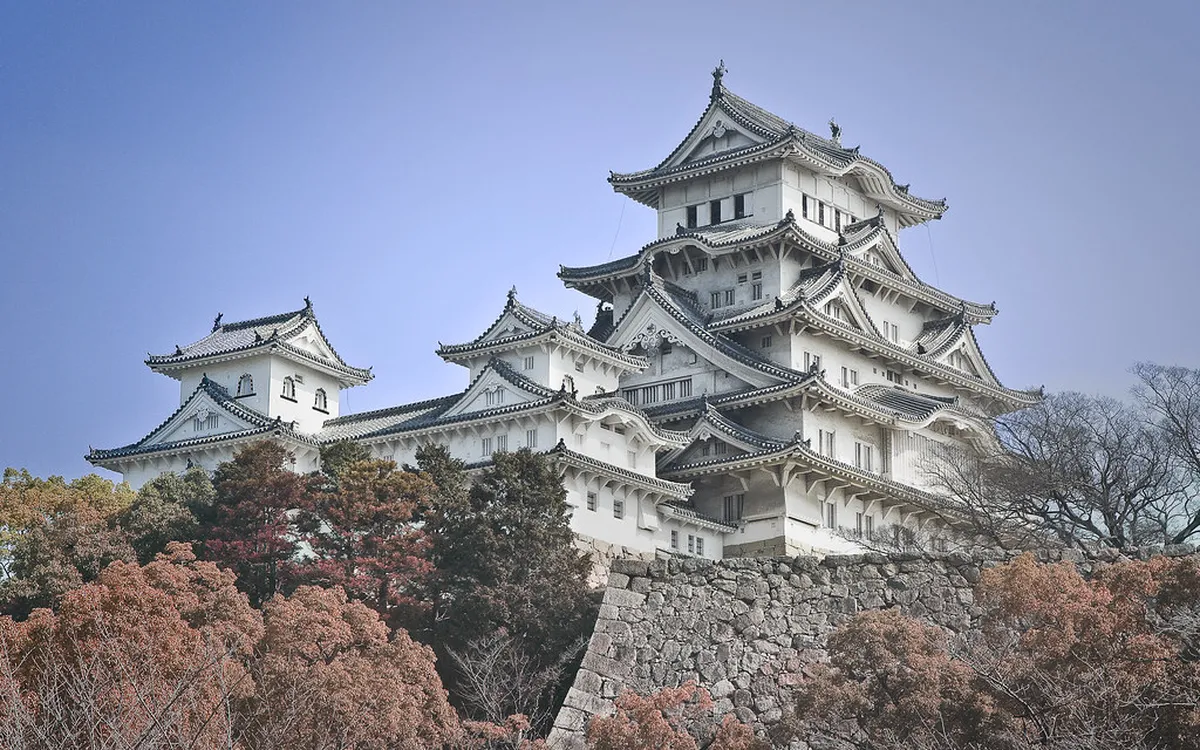
Five restaurants define Himeji's anago scene, from a fourteen-seat lunch counter to reservation-worthy kaiseki. Each takes a different approach to the same fish, from grilled rice bowls to full tasting courses. The table below sorts them by walk time, hours, and average price, and full profiles follow for each pick. Choose Yamayoshi or Senzankaku's lunch set for speed. SORA NIWA works best for a castle view. Sushi-Ichi and Kiyose Sasama suit a slower, higher-budget meal.
| Restaurant | Best For | Walk from Station | Hours | Average Price |
|---|---|---|---|---|
| Sumiyaki Anago Yamayoshi | Quick lunch, eel specialist | ~5 min, JR Himeji Station | 11:00-20:00 daily (L.O. 19:30) | ~¥2,000 |
| Himeji Sushi-Ichi | Anago as sushi | ~15 min, JR Himeji Station | Lunch 11:30-13:30, Dinner 16:30-22:00; closed Sun | Lunch ~¥4,000 / Dinner ~¥12,000 |
| Kiyose Sasama | Kaiseki + Harima sake | ~6 min, JR Himeji Station | 18:00-00:00; closed Sun & holidays | ~¥12,000 |
| SORA NIWA | Castle-view dining | ~7 min, JR Himeji Station | Lunch 11:30-15:00, Dinner 17:30-21:30 | Lunch ~¥4,000 / Dinner ~¥5,000 |
| Yakiniku Senzankaku | Groups, mixed tastes | ~5 min, Sanyo Himeji Station | Lunch 11:00-14:00 (Wed-Sun), Dinner 17:00-22:30 | Lunch ~¥1,000 / Dinner ~¥4,000 |
Sumiyaki Anago Yamayoshi: The Quick Lunch Pick
Sumiyaki Anago Yamayoshi sits at 301 Ekimaecho, about five minutes on foot from JR Himeji Station. The dining room holds just 14 seats, and lines of eight or more people are common around midday. Arriving closer to 14:00 for a late lunch cuts the wait noticeably, since the worst of the noon rush has usually passed. Two set options come up often. Yamayoshi teishoku pairs grilled anago rice with soup and side dishes. Anago meshi don keeps it to just eel and rice instead. Sauce stays light, a teriyaki style with a touch of wasabi that lets the anago's flavor lead. Portions run small enough that regulars often order a second serving before finishing the first bowl. Anago wappa, a mixed set, pairs steamed, grilled, and simmered eel in one box. A glass panel separates the kitchen from the counter, so the grill is easy to watch. English and Chinese menus are available, useful given that most staff communicate primarily in Japanese. A takeaway counter at the front sells anago meshi, anago sushi, and anago wappa to go, a practical option if the seated line runs long. Yamayoshi keeps the same 11:00-20:00 hours, last order 19:30, every day of the week, and it appears on the official Himeji dining guide.
Yamayoshi's 19:30 last order arrives 30 minutes before its posted 20:00 closing, exemplifying a pattern across Himeji anago restaurants where final orders typically precede posted closing by 30–60 minutes.
Himeji Sushi-Ichi and Kiyose Sasama: Sushi and Kaiseki Options
Himeji Sushi-Ichi is about 15 minutes on foot from JR Himeji Station. The route heads toward the castle, then turns left at the sixth corner before Prefectural Road 62. Anago no ate, plump steamed conger eel finished with a house sauce, and anago no nigiri sushi are the standout orders here. Its storefront carries a large noren curtain, and counter seats suit solo diners or couples who skip the private rooms. Lunch runs 11:30-13:30 for around ¥4,000. Dinner runs 16:30-22:00 for around ¥12,000, and the restaurant closes on Sundays. Four private rooms accommodate two to twenty-five guests, useful for a family group splitting off from a longer castle day. Kiyose Sasama, a six-minute walk from the station near the Shirogane West intersection, takes a broader kaiseki approach built around seasonal Seto Inland Sea ingredients. Sashimi assortment and hassun appetizer platter showcase Seto Inland Sea seafood beyond just eel. Its eight-seat ground-floor counter puts diners next to the owner-chef. Upstairs tatami rooms expand to fit up to twenty guests once the sliding doors open. A dinner-only service runs 18:00 to midnight, averaging roughly ¥12,000. Both restaurants suit an evening budget closer to fine dining than to a quick eel bowl.
SORA NIWA and Yakiniku Senzankaku: Castle Views and Group-Friendly Alternatives
SORA NIWA occupies the sixth floor of the Miki Building, about seven minutes on foot from JR Himeji Station. Large windows face Himeji Castle, and the kitchen blends Japanese and French technique rather than serving anago as a sole focus. Lunch runs roughly ¥4,000 and dinner about ¥5,000, with last orders at 13:30 and 19:30. Its schedule varies by weekday, so confirming that day's lunch and dinner windows before heading up is worth the extra minute. Yakiniku Senzankaku, a short walk from Sanyo Himeji Station, is primarily a wagyu grill rather than an eel specialist. Premium cuts like top sirloin and jou tan, a prized cut of tongue, headline the menu for diners who want beef instead of eel. Groups with mixed preferences do well here, since a lunch set runs around ¥1,000 and dinner around ¥4,000. A Special Hormone Nabe hotpot is also available for takeout, useful for travelers heading back to a hotel room for the evening.
Anago Restaurant Costs and Timing Near Himeji Station
Budgets split roughly into three tiers around Himeji's anago restaurants. A quick lunch bowl costs somewhere between ¥1,000 and ¥2,500, fine for a single meal between castle stops. Casual dinner sets run closer to ¥4,000-5,000 at places like SORA NIWA or Senzankaku. Fine dining kaiseki at Himeji Sushi-Ichi or Kiyose Sasama runs from roughly ¥12,000 per person. Most of these restaurants cluster in the shopping arcades connecting JR Himeji Station and the castle entrance, including Miyuki-dori and Omitemachi. Nearly every option on this list sits within about fifteen minutes' walk of Himeji Castle. That makes an eel stop a small detour on a castle day, not a special trip. This is a lunch-heavy food culture, and several anago specialists close by 20:00. Plan an eel meal before or shortly after castle visiting hours, rather than as a late dinner.
SORA NIWA's dinner about ¥5,000 overlooks Himeji Castle—a castle-view option typically confined to ¥12,000 fine-dining prices elsewhere, making this the sole casual-budget gateway to the landmark view.
| Budget Tier | Price Range | Example |
|---|---|---|
| Quick lunch bowl | ¥1,000-2,500 | Yamayoshi anago don, Senzankaku lunch |
| Casual dinner | ¥4,000-5,000 | SORA NIWA, Yakiniku Senzankaku dinner |
| Fine dining kaiseki | ¥12,000+ | Himeji Sushi-Ichi dinner, Kiyose Sasama |
Mistakes to Avoid at Himeji's Anago Shops
A few small missteps can derail an anago meal in Himeji. Expecting unagi's heavy, oily richness is the most common mistake. Anago is leaner instead, so a rice bowl can feel light on eel. Ordering a double eel portion fixes that if the ratio feels thin. Last order often falls 30-60 minutes before the posted closing time. Check L.O. hours before walking over late in the day. Skipping the side dishes is another easy miss. Crisp anago bone crackers and a bowl of clear dashi soup round out the meal, and these are usually included or available as a cheap add-on. Closed days catch travelers off guard too. Himeji Sushi-Ichi and Kiyose Sasama both close on Sundays. Yamayoshi has no closed days at all.
- Do not expect unagi's oily richness; anago is leaner and milder.
- Confirm last order (L.O.) time, typically 30-60 minutes before closing.
- Order a double eel portion if the rice-to-eel ratio feels too generous toward rice.
- Try the anago bone crackers and clear dashi soup as sides, not just the main bowl.
- Check the day of the week: Sushi-Ichi and Kiyose Sasama close Sundays; Yamayoshi does not.
Pairing Anago with Harima Sake and Planning the Rest of Your Day
Kiyose Sasama pours a sake list built mostly around Harima-area breweries, a natural match for anago's mild sweetness. That regional detail sits inside the broader Himeji sake and evening food guide, worth checking if the evening plan includes more than one stop. Travelers stuck in Yamayoshi's midday line have two easy backups nearby. The Himeji eki soba guide covers standing-counter noodles inside the station itself. Nearby, the Himeji almond toast cafes work as a coffee stop while the queue moves. Building the eel stop around castle opening hours, rather than dinner service, keeps the itinerary simple. Day-trippers from Osaka or Kobe can treat lunch as the anchor point, since every restaurant on this list sits within an easy walk of Himeji Castle. If the day includes an oden option instead, the Himeji Oden Guide: Ginger-Soy Style, Where to Eat, and How to Order stays within the same arcades. Most of these restaurants sit inside the walking loop covered by the Himeji attractions guide. Eel and castle sightseeing fit into one afternoon from there. For the rest of the city's specialty dishes, the Himeji food guide maps out what else to eat around the castle.
Frequently Asked Questions
What's the difference between anago and unagi in Himeji?
Anago is saltwater conger eel from the Seto Inland Sea, while unagi is freshwater eel, mostly farmed today. Himeji kitchens usually steam anago before a light grill finish, rather than the heavier kabayaki glaze typical of unagi restaurants.
Which Himeji anago restaurant is best for a quick lunch?
Sumiyaki Anago Yamayoshi, about five minutes from JR Himeji Station, is the fastest option for a rice bowl or set, with lunches averaging around ¥2,000. Its 14 seats mean lines form at midday, so a 14:00 arrival usually cuts the wait.
Do Himeji anago restaurants take reservations?
Reservations are listed as available for Himeji Sushi-Ichi, Kiyose Sasama, and Yakiniku Senzankaku through booking platforms. Sumiyaki Anago Yamayoshi and SORA NIWA are typically walk-in, so plan around Yamayoshi's midday queue in particular.
How much does anago cost in Himeji?
A casual anago rice bowl runs about ¥1,000-2,500 at lunch-focused spots like Yamayoshi. Kaiseki-style dinners built around anago and other Seto Inland Sea ingredients, at Himeji Sushi-Ichi or Kiyose Sasama, run closer to ¥12,000 per person.
Can you get anago as takeaway near Himeji Castle?
Sumiyaki Anago Yamayoshi runs a takeaway counter at its storefront selling anago meshi, anago sushi, and anago wappa. It is a practical option if the seated line is long, or if eel is wanted for a bench meal near the castle grounds.
When do Himeji anago restaurants close?
Most close by 20:00 or shortly after, since this is a lunch-heavy food culture. Yamayoshi's last order is 19:30, SORA NIWA's dinner service ends around 21:30, and Kiyose Sasama runs later, from 18:00 to midnight on nights it opens.
Is anago served inside Himeji Castle, or only at nearby restaurants?
Anago is served at restaurants near the castle grounds, not inside the castle itself. Every restaurant in this guide sits within about a fifteen-minute walk of the castle entrance.
Free guide: Japan's Hidden Gems
12 under-the-radar places beyond Tokyo & Kyoto — with the best season to visit each and a local tip you won't find in the guidebooks.
You might also like


Continue reading
More guides you'll find useful


