

Anago Meshi in Miyajima: Where to Eat Grilled Conger Eel Rice in 2026
Where to eat anago meshi in Miyajima: mainland original Ueno vs. island picks Fujitaya and Mametanuki, plus 2026 prices, timing, and a bento workaround.
On this page
Last updated July 2026, this guide sorts out where to eat anago meshi in Miyajima before the ferry line moves. Grilled conger eel over rice cooked in eel-bone dashi has been the island's signature meal since 1901, and it draws crowds that rival the oyster stalls. Below is the mainland-versus-island split, current 2026 prices, and how to time a visit around the midday rush.
What Is Anago Meshi? Miyajima's Signature Dish
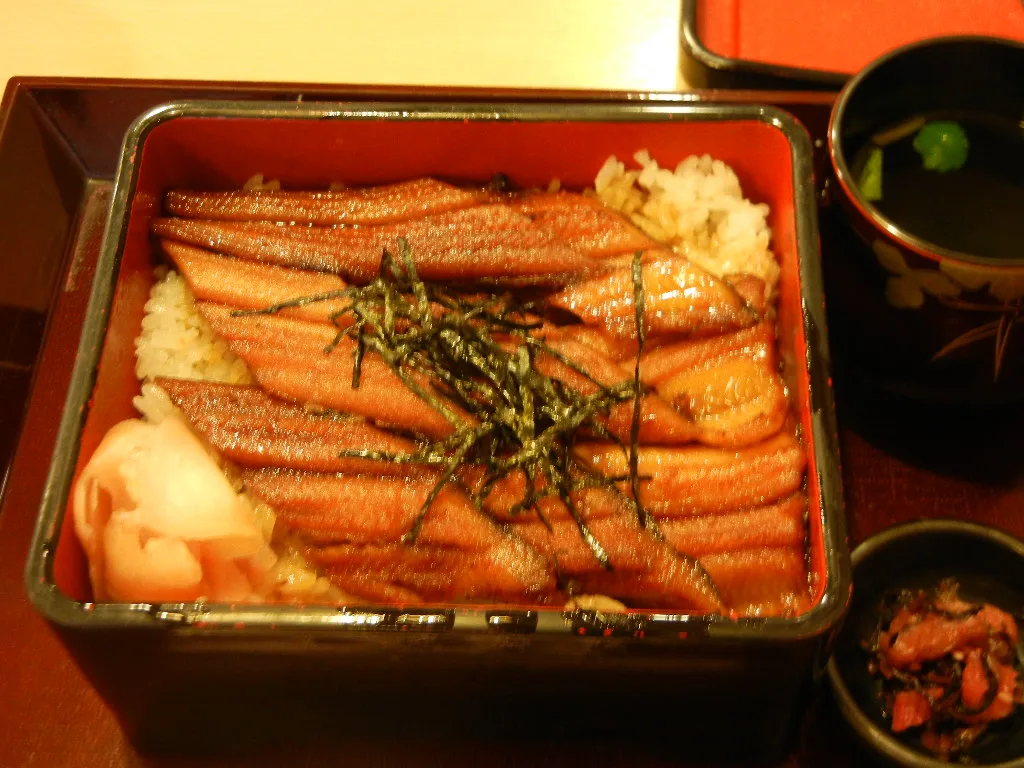
Anago meshi is grilled conger eel served over rice that has been cooked in dashi made from eel heads and bones. That extra step separates it from anago-don, which simply layers eel over plain white rice. For many first-time visitors, it ranks alongside Hiroshima's oysters as the dish to prioritize on Miyajima, since it originated on the island itself rather than the wider region. A broader look at the island's food scene is in the Miyajima food guide. Travelers who want to sample several specialties in one outing can follow the one-day food crawl itinerary.
Why the Seto Inland Sea Produces Miyajima's Anago
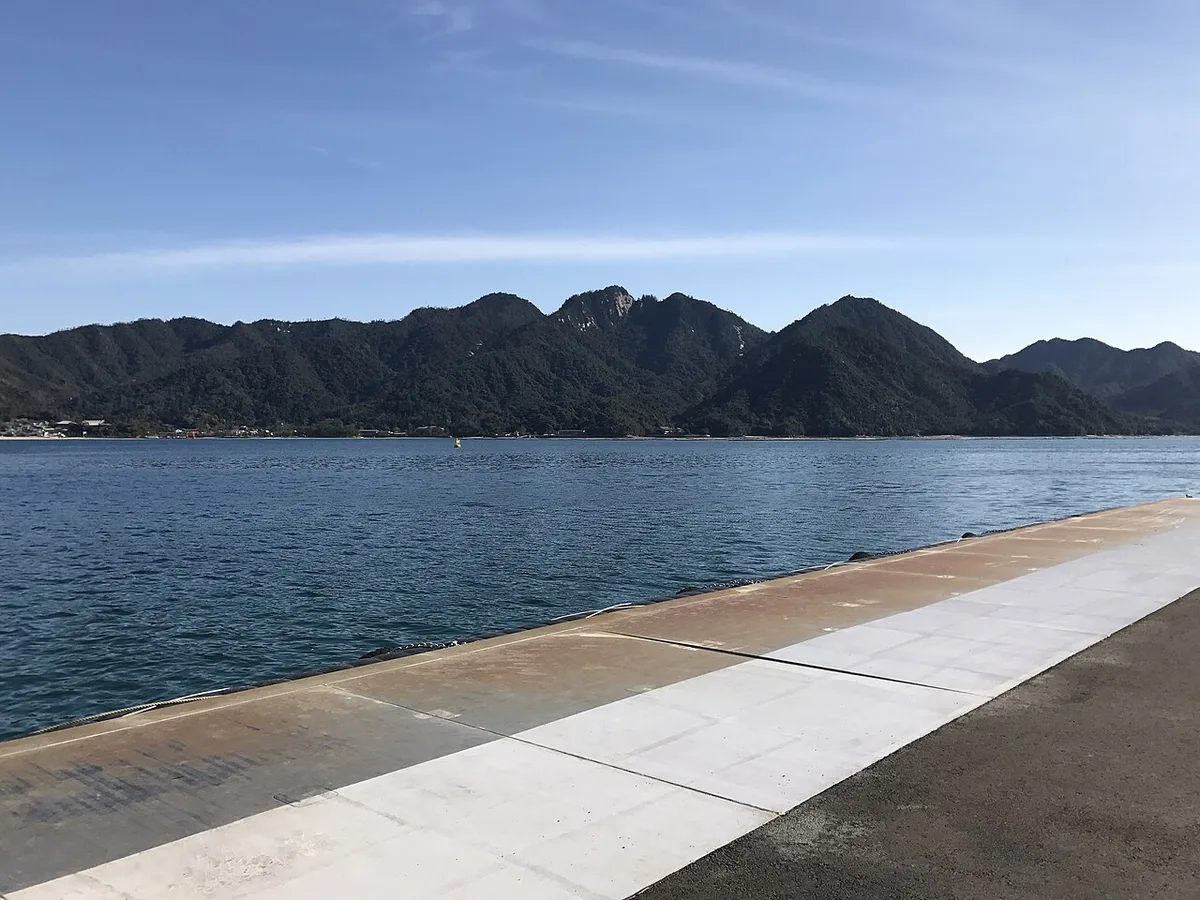
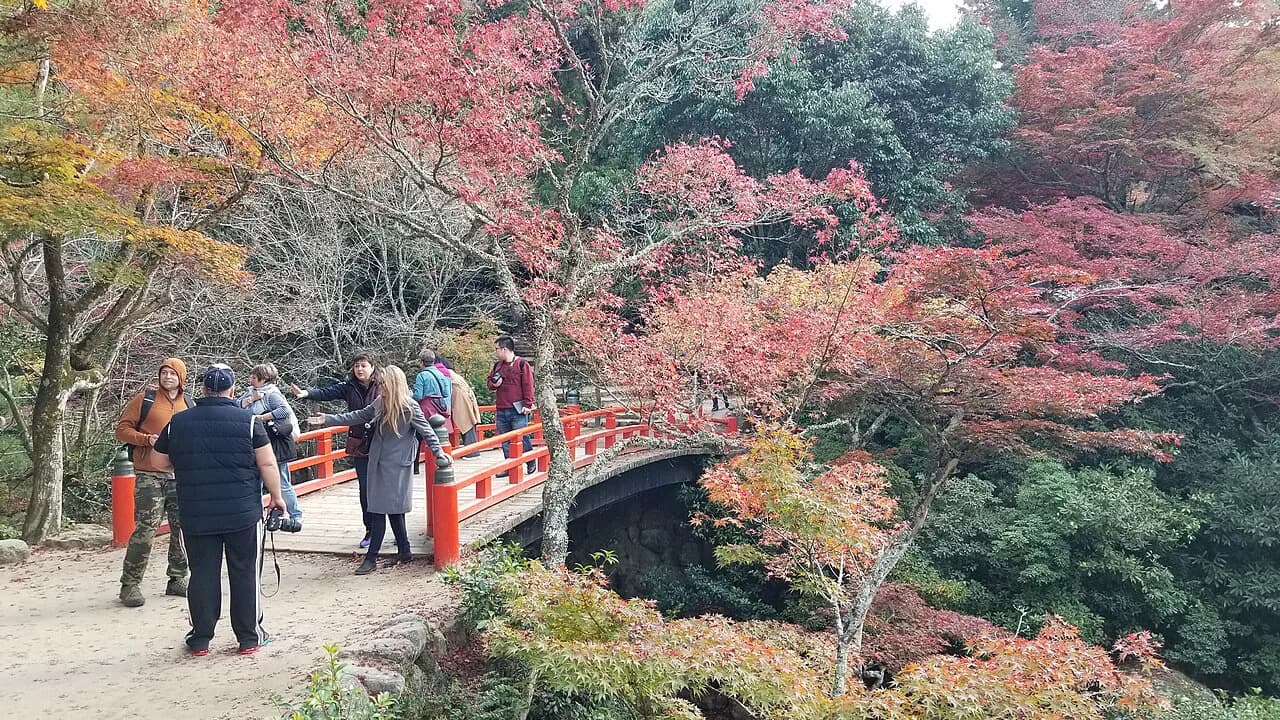
Fast tidal currents around Ono Seto near Hatsukaichi make local conger eel fattier and firmer than eel caught in calmer water, according to Japan's Ministry of Agriculture, Forestry and Fisheries regional cuisine database. Oyster farms in the same waters feed plankton and small fish that conger eel also feed on, which locals credit for the eel's flavor. Anago is available year-round, but that same MAFF listing names July through August and November as the months when the eel carries the most fat. That November window overlaps with peak leaf color at Momijidani Park, so a lunch stop pairs naturally with a walk covered in the autumn foliage guide.
Anago vs. Unagi: What's the Difference?
Anago, or saltwater conger eel, carries less fat than unagi, the freshwater eel used in most eel-rice dishes elsewhere in Japan. MAFF's regional cuisine entry lists it as a source of vitamin A, and it's traditionally eaten in summer to fight fatigue. Preparation style also varies. Kabayaki grills the eel with a sweet soy glaze. Shirayaki grills it plain, a style Anagomeshi Ueno is known for. The result is a lighter dish than a typical unagi don, with a cleaner finish that doesn't sit as heavy after a full bowl.
Miyajimaguchi vs. Miyajima Island: Where to Actually Eat It
Miyajimaguchi is the mainland port town where the ferry to Miyajima departs, not the island itself. It's also where anago meshi began, and where its original restaurant still operates. Anagomeshi Ueno was founded in 1901 by Tanikichi Ueno, who turned a home-style conger eel bowl into the ekiben sold at Miyajimaguchi Station, according to MAFF's history of the dish. Because the restaurant sits on the mainland, its queue deserves a place in day trip planning from Hiroshima, before or after the ferry crossing. If the Miyajimaguchi line runs long, Ueno's only other branch sits in the basement of Hiroshima Mitsukoshi department store, about 15 minutes from Hiroshima Station.
Ueno sits just a 2-minute walk from the ferry pier, meaning you can order takeout bento, board the ferry immediately, and be eating with island shrine views within minutes of ordering.
- About a 3-minute walk from JR Miyajimaguchi Station.
- About a 2-minute walk from the JR Miyajima ferry pier at Miyajimaguchi.
- About a 2-minute walk from the Hiroden Miyajimaguchi streetcar station.
- About 8 minutes by car from the Hatsukaichi Interchange.
- Eat-in service runs 10:00 to 19:00, until 18:00 on Wednesdays; takeout bento is sold from 9:00.
- Tables are limited to a 45-minute sit-down, since demand stays high through the day.
On the Island: Fujitaya, Wada, and Mametanuki
Fujitaya has served anago meshi for more than a century, using a lighter tare than Ueno's shirayaki style. The eel is grilled until the outside turns lightly crisp while the inside stays tender. Arriving right at opening or during the early afternoon lull tends to avoid Fujitaya's midday rush. Wada sources thick-cut eel from the Seto Inland Sea and finishes it with a refined sweet tare. Its rice carries only a light coating of sauce, so the bowl stays easy to finish to the last grain. Mametanuki steams its anago meshi in a ceramic pot at high heat. The texture turns soft enough that a spoon glides through with little resistance, which suits younger diners. It also serves Hiroshima oysters, for anyone pairing both specialties in one stop. Overnight guests can treat one of these three as a dinner rather than a lunch stop; the Miyajima ryokan and hotel guide lists options near the shrine. For a wider spread of island dining beyond eel, the best restaurants in Miyajima guide covers additional options. For snacks between meals, the separate Omotesando street food guide covers the shopping arcade.
Comparing the Big Three: Ueno, Fujitaya, and Mametanuki
These three cover the range of Miyajima's anago meshi styles, from the mainland original to two distinct island techniques. Ueno's price band comes from its Tabelog listing; the other two fall within the general ¥2,000 to ¥3,500 range typical of Miyajima's anago meshi restaurants.
| Restaurant | Location | Preparation Style | Typical Price |
|---|---|---|---|
| Anagomeshi Ueno | Miyajimaguchi (mainland) | Grilled; shirayaki (unsauced) option available | ¥2,000–¥2,999 |
| Fujitaya | Miyajima Island | Grilled with a lighter tare | ¥2,000–¥3,500 |
| Mametanuki | Miyajima Island | Steamed in a ceramic pot | ¥2,000–¥3,500 |
The Bento Workaround: Skip the Line at Ueno
Ueno's takeout bento offers a way around its sit-down queue entirely.
Ordering Ueno's takeout bento is not merely a convenient queue-skip—it's the historical format that made anago meshi famous as an ekiben in 1901, now reimagined as a ferry-side picnic with island views.
- Order a bento at Ueno's Miyajimaguchi counter during bento hours, 9:00 to 19:00 (18:00 on Wednesdays).
- Carry it across on the ferry instead of waiting for a table.
- Eat on a bench or hillside with a view back toward Itsukushima Shrine's torii gate.
- Expect the rice to taste even better after 20 to 30 minutes; Ueno's bento is deliberately lightly seasoned so the rice keeps absorbing flavor from the eel as it cools.
Planning the Meal: Prices, Timing, and English Menus
A few practical details separate a smooth lunch from a wasted afternoon.
- Price: a full anago meshi set typically runs ¥2,000 to ¥3,500 across Miyajima's restaurants, with Ueno's set averaging ¥2,000 to ¥2,999 per Tabelog.
- Timing: arrive by 10:30am, or return during the 2:00pm to 3:00pm quiet window; afternoons can mean long waits or a sellout, especially at Ueno.
- Payment: Ueno accepts Visa and Mastercard plus IC transit cards such as Suica, but not QR code payments, per its Tabelog listing.
- English: multilingual menus, including English, are listed at Ueno, though staff fluency can vary by shift.
- Parking: Ueno has 5 spaces behind the restaurant, about 8 minutes from the Hatsukaichi Interchange by car.
Beyond the Rice Bowl: Other Ways to Eat Miyajima's Eel
MAFF's regional cuisine listing notes conger eel also appears in tempura, rolled sushi, simmered dishes, miso soup, shabu-shabu, and chawanmushi across the region, and as sashimi in some areas near the source. Shiomachisuishi Tsurumi, on the island, serves simmered anago alongside nigiri sushi and local sake, which makes it a slower dinner option rather than a fast lunch stop. For sake pairing beyond that one restaurant, the sake brewery tasting guide lists nearby options. Same-day oyster tastings pair naturally with an eel lunch; the oyster restaurant guide covers where to go. For dessert afterward, the momiji manju guide covers the maple-leaf cake sold throughout the shopping arcade.
Common Mistakes to Avoid
A few habits turn a planned lunch into a missed one.
- Joining the queue after 1:00pm: popular spots can run long waits or sell out by mid-afternoon.
- Assuming anago-don and anago-meshi are the same order: donburi uses plain rice, while meshi uses eel-bone dashi rice, and the flavor difference is noticeable.
- Skipping the takeout bento format: it's the version that made the dish famous as an ekiben in 1901, and it's still sold at Ueno's counter.
- Confusing Miyajimaguchi with Miyajima Island itself: Ueno's flagship sits on the mainland side, not across the water near the shrine.
What to Do Right After an Anago Meshi Lunch
A few nearby stops make good use of the time right after the meal. Itsuki Coffee and other view cafes cut through the richness of grilled eel before continuing toward the shrine. Daisho-in Temple sits within easy walking distance of the restaurant cluster and fits into the same afternoon. Anyone building a longer stay can check the complete Miyajima visitor guide for a full day plan, or the shorter Miyajima attractions list to fit around the meal. Travelers with dietary restrictions should check the vegetarian, vegan, and halal food guide before planning a fish-based lunch as the day's main meal.
Further reading: Miyajima on Wikivoyage · Miyajima on Wikipedia
Frequently Asked Questions
What is anago meshi in Miyajima?
It's grilled conger eel served over rice cooked in dashi made from eel bones and heads, a Miyajima specialty that began as an ekiben at Miyajimaguchi Station in 1901.
Should you eat anago meshi in Miyajimaguchi or on Miyajima Island?
Both work, but they're different locations. Miyajimaguchi, on the mainland, is home to Anagomeshi Ueno, the original restaurant. Miyajima Island, across the ferry, has Fujitaya, Wada, and Mametanuki, each with a different grilling or steaming technique.
How much does anago meshi cost in Miyajima?
Expect ¥2,000 to ¥3,500 for a full set at most restaurants. Ueno's set averages ¥2,000 to ¥2,999, according to its Tabelog listing.
What is the best time to eat anago meshi without a long wait?
Arrive by 10:30am, or come back during the 2:00pm to 3:00pm quiet window. Afternoons can mean a one- to two-hour wait or a sellout at busy spots like Ueno.
What's the difference between anago and unagi?
Anago is saltwater conger eel, leaner than unagi, the freshwater eel used in most eel-rice dishes elsewhere in Japan. MAFF's regional cuisine database lists anago as a source of vitamin A.
Can you get anago meshi as takeout or a bento?
Yes. Ueno sells a takeout bento from 9:00 to 19:00 (18:00 on Wednesdays), which many visitors carry onto the ferry to eat with a view of the torii gate.
Free guide: Japan's Hidden Gems
12 under-the-radar places beyond Tokyo & Kyoto — with the best season to visit each and a local tip you won't find in the guidebooks.
You might also like


Continue reading
More guides you'll find useful


