Vegetarian Food in Miyajima: A 2026 Vegan and Halal Dining Guide
A 2026 guide to vegetarian, vegan, and halal food in Miyajima and Miyajima-guchi, with dashi warnings, shared-fryer notes, and where to eat before 5pm.
On this page
Last updated July 2026, this guide covers vegetarian food in Miyajima for travelers navigating an island menu built on oysters, conger eel, and fish-based dashi. A Hatsukaichi-backed program has pushed island and mainland kitchens to add clearly labeled vegan dishes since 2025. Shared fryers and hidden fish stock still catch unprepared diners, so use the venue list below plus the dashi-avoidance phrases before you order.
The Quick Guide to Vegetarian Food in Miyajima
Miyajima is vegetarian-friendly heading into 2026, a shift driven by a Hatsukaichi-backed program that has pushed local kitchens to add plant-based dishes since 2025. Overseas visitor numbers to the island have grown enough that kitchens built around oysters and conger eel now compete on dietary flexibility too. Kiyomori Chaya, Niwa Cafe Miyama, and Miyajima Ichiwa cover a fast lunch loop within walking distance of Itsukushima Shrine. Before you eat, the island visitor guide covers ferry timing and shrine hours worth planning around. Pair a meal with a stop at the island's main attractions so the day doesn't require backtracking across town. For the wider seafood-forward menu these vegetarian dishes sit alongside, see the Miyajima food overview.
| Venue | Location | Best Meat-Free Order | Shared Fryer/Oil |
|---|---|---|---|
| Kiyomori Chaya | Nishi Matsubara, island | Vegan katsu curry | Yes, for fries |
| Niwa Cafe Miyama | Off Machiya Street, island | Vegan curry and rice (evening only) | Yes, for fries |
| Miyajima Ichiwa | 2nd floor, island | Vegan salad set with konbu-dashi miso soup | Yes, for fries |
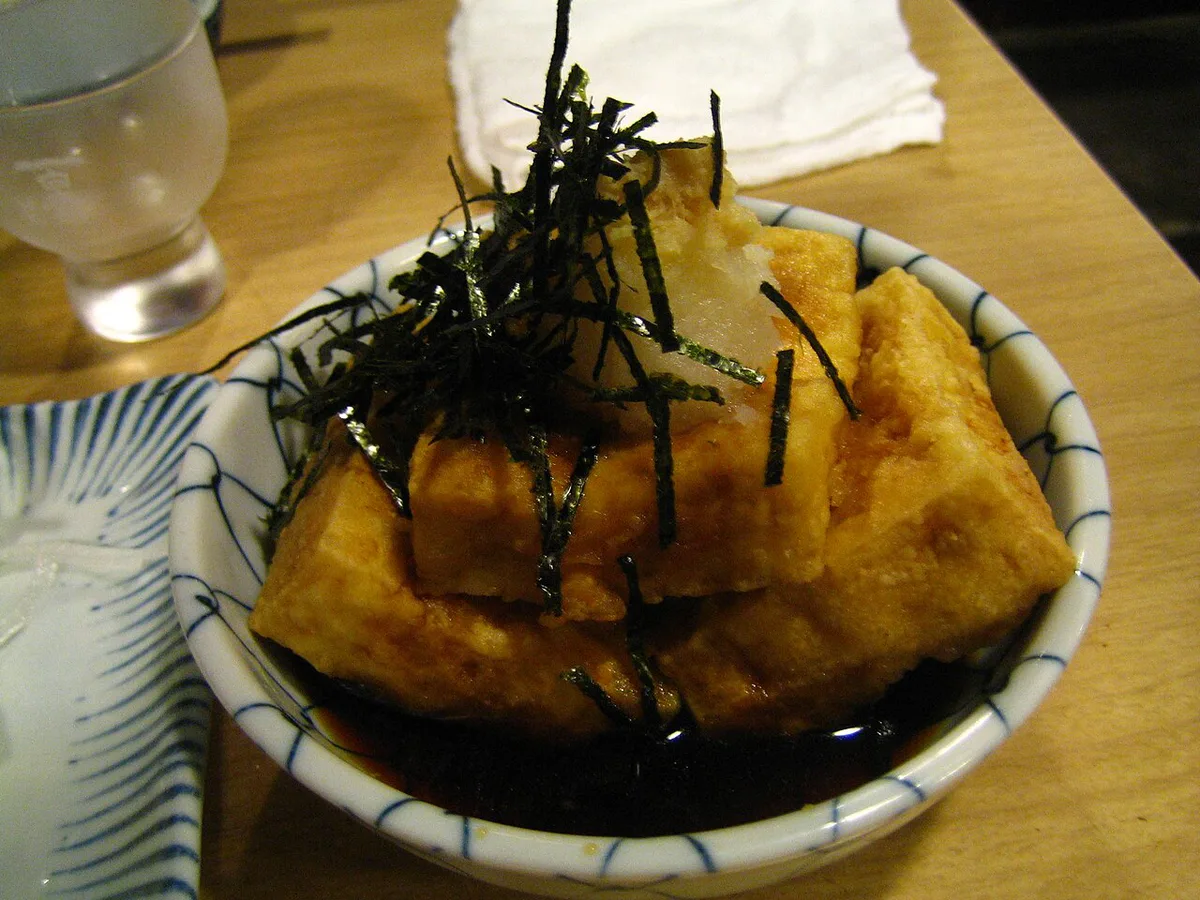
| Yamaichi Bekkan | Island, reservation recommended | Vegetable tempura set, agedashi tofu | Not flagged in current listings |
| Tachibana | Omotesando Shopping Street, island | Cold or hot udon in konbu dashi | Yes, for tempura and fries |
| Okonomi House Wakamiya | Miyajima-guchi, mainland | Okonomiyaki without pork, squid, or dashi (ask ahead) | Ask staff directly |
Vegetarian and Vegan Restaurants on Miyajima Island
Nine venues on the island now handle vegetarian and vegan orders with varying degrees of care. Most sit within a few minutes' walk of Itsukushima Shrine, near the seafood counters covered in the top Miyajima restaurants guide. Travel companions who want oysters or conger eel instead can check the oyster restaurant guide and the anago meshi guide. Ask before ordering anything fried: several kitchens cook vegan sides in the same oil used for oysters or meat. Note the difference between a vegan dish and a vegan-friendly venue: the second may still prepare meat and fish elsewhere in the same kitchen, which matters for cross-contamination beyond the fryer question.
- Kiyomori Chaya: On the Nishi Matsubara sand spit west of Itsukushima Shrine, this family-run spot has long been a favorite for skipping the crowds near the main approach. It added a vegan katsu curry to its menu in February 2026. Request konbu dashi in the udon or soba, and no kamaboko fish cake. Outdoor pine-tree tables near the shrine gate view sit close to the scenery covered in the Momijidani Park foliage guide, and Miyajima's deer will take unattended food from those tables.
- Niwa Cafe Miyama: Reached via a quiet path off Machiya Street, this garden cafe occupies a renovated section of a family-run townhouse. Its vegan curry and rice is served at dinner only, one of the few evening options on the island. Lacto-ovo vegetarian diners get more range here: a four-cheese pizza and several dessert options, both made with dairy and egg. Confirm current reservation requirements before you go, since advance notice has applied in past seasons. For more scenic cafe options beyond this one, see the cafes with a view guide.
- Miyajima Ichiwa: A second-floor set-meal restaurant known for oysters, clams, and sea eel, it also plates a vegan curry and rice set and a vegan salad set with tofu and miso soup made from konbu dashi.
- Yamaichi Bekkan: With more than a decade of experience serving vegan, vegetarian, halal, and gluten-free diners at one table, it offers assorted vegetable tempura, agedashi tofu, and makizushi rolls at lunch. Vegetable nigiri sushi is available with a reservation. Overnight guests can arrange a vegetarian kaiseki dinner through the Miyajima ryokan guide. Call ahead, since lunch seating fills quickly.
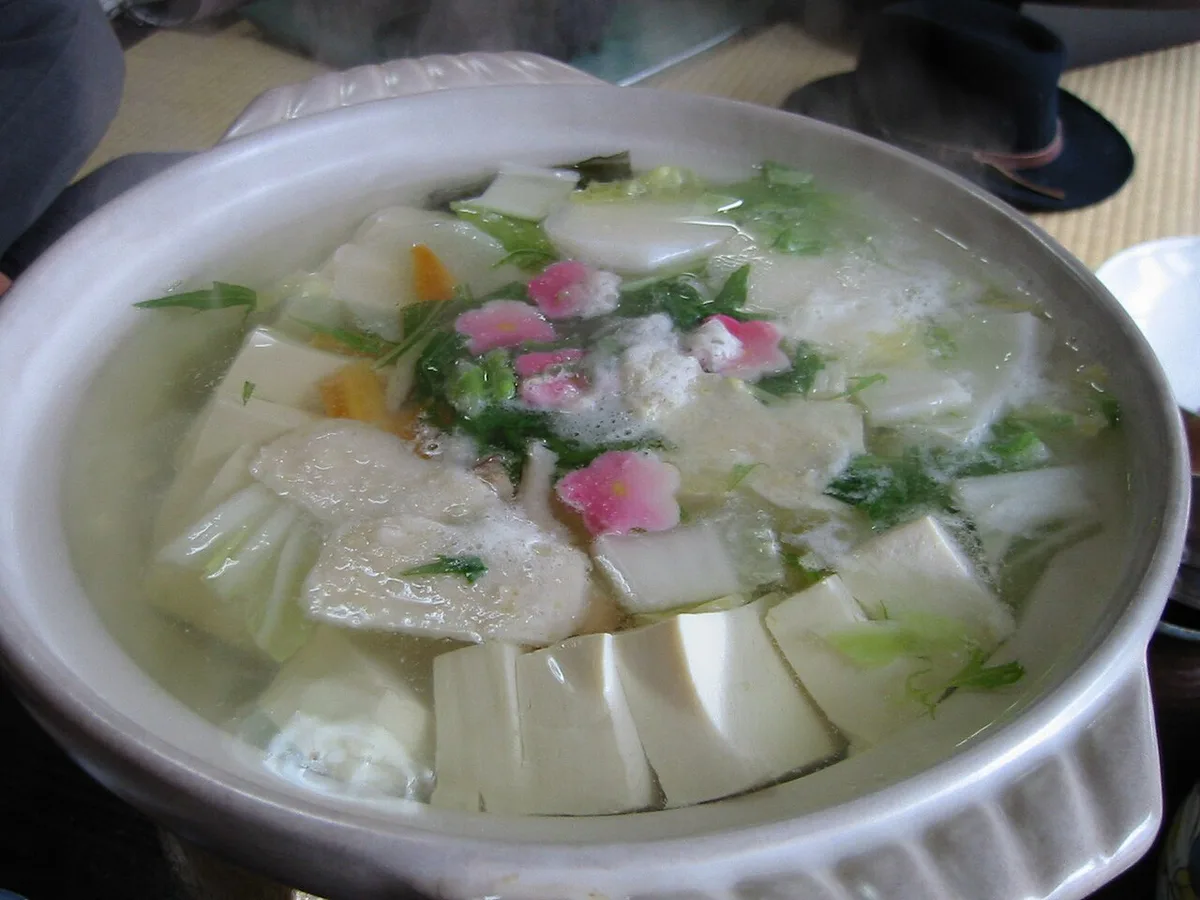
- Tachibana: Nearly 80 years old and set on Omotesando Shopping Street, Tachibana switched to cane sugar and egg-free tempura flour to widen its vegetarian range. Its fries and tempura still share oil with meat items. Order hot or cold udon in konbu dashi with a side of edamame for a fully vegan plate.
- Cuillere Miyajima: One of the only island kitchens open after dark, it serves soy bolognese and peperoncino pasta alongside a baked curry doria made with soy mince.
- Sonoma: A small shop and drink stand near the shopping street, it plates a vegan spinach curry and rice for visitors who can't find a sit-down vegan meal elsewhere on the island.
- Rokkaku Saburo (Hexagon Cafe): A tea house suited to a light snack break rather than a full meal, useful between temple stops.
- Miyajima Mori no Yado: A traditional overnight stay with vegetarian meal options arranged directly with the ryokan kitchen, best confirmed when booking rather than assumed on arrival.
Miyajima-guchi and Hatsukaichi: The Mainland Vegan Options
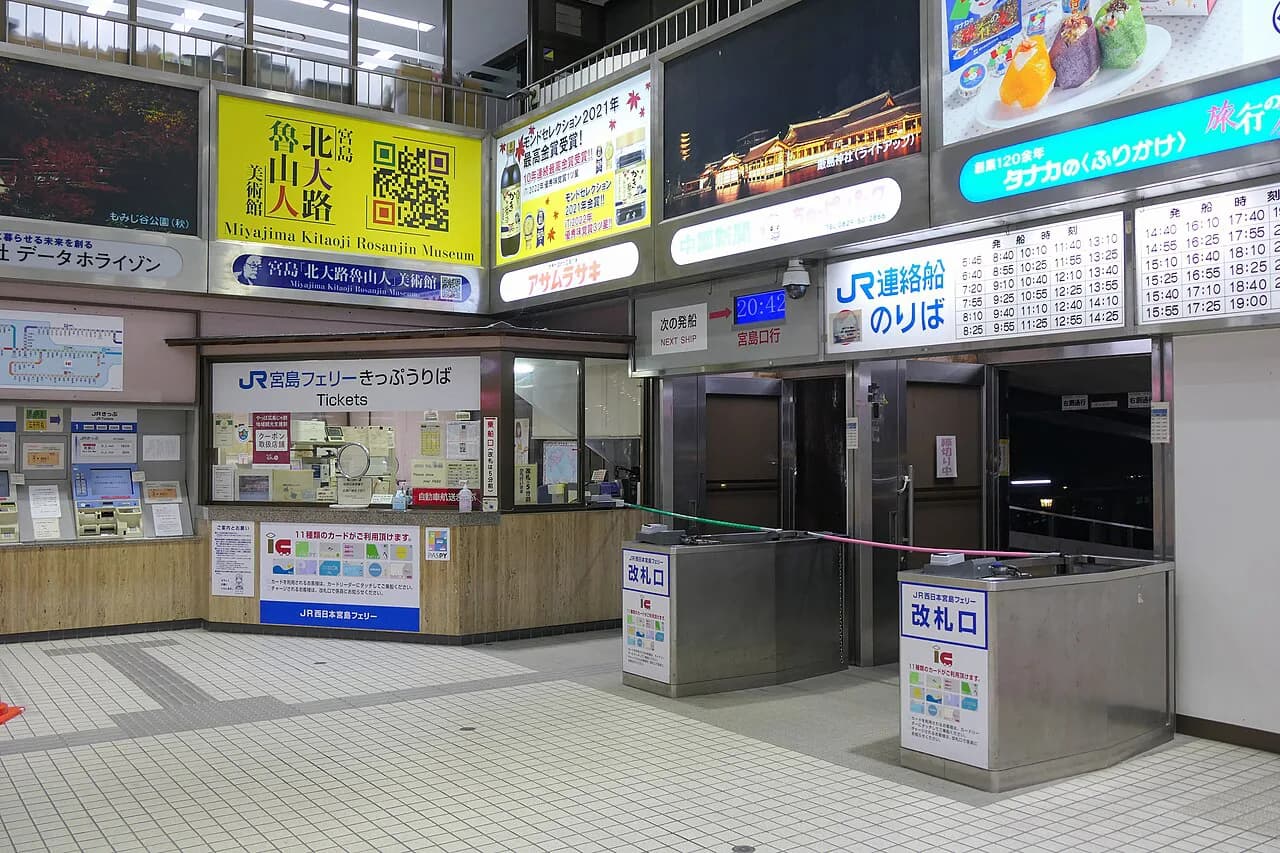
Some of the most reliable 2026 vegan options actually sit on the mainland side of the ferry, in Miyajima-guchi and wider Hatsukaichi. Miyajima itself falls within Hatsukaichi city limits, about 20km west of Hiroshima city, and Miyajima-guchi is the mainland ferry point. Hatsukaichi city has published a Vegan Dining Map covering both the island and the mainland side as part of the same support program; ask at the ferry terminal information counter for a copy. Time a stop here around your crossing: the Hiroshima day trip guide covers ferry schedules and connecting trains.
- Organic Matcha Miyajima: Near the ferry terminal, it serves plant-based matcha treats worth a stop before or after the crossing.
- Cafe & Gallery Kakiozaka: A slower-paced cafe and gallery space for a sit-down break away from the terminal crowds.
- Okonomi House Wakamiya: For meat-free okonomiyaki, ask the cook to leave out pork, squid, and the usual dashi-based sauce. Confirm the batter recipe too, since some versions include fish stock.
- Ryoko no Tomo Honpo: A local specialty shop stocking vegan-friendly gift items, useful for bringing something plant-based home from the trip.
Avoiding the Dashi Trap: Buddhist Cuisine and Key Phrases
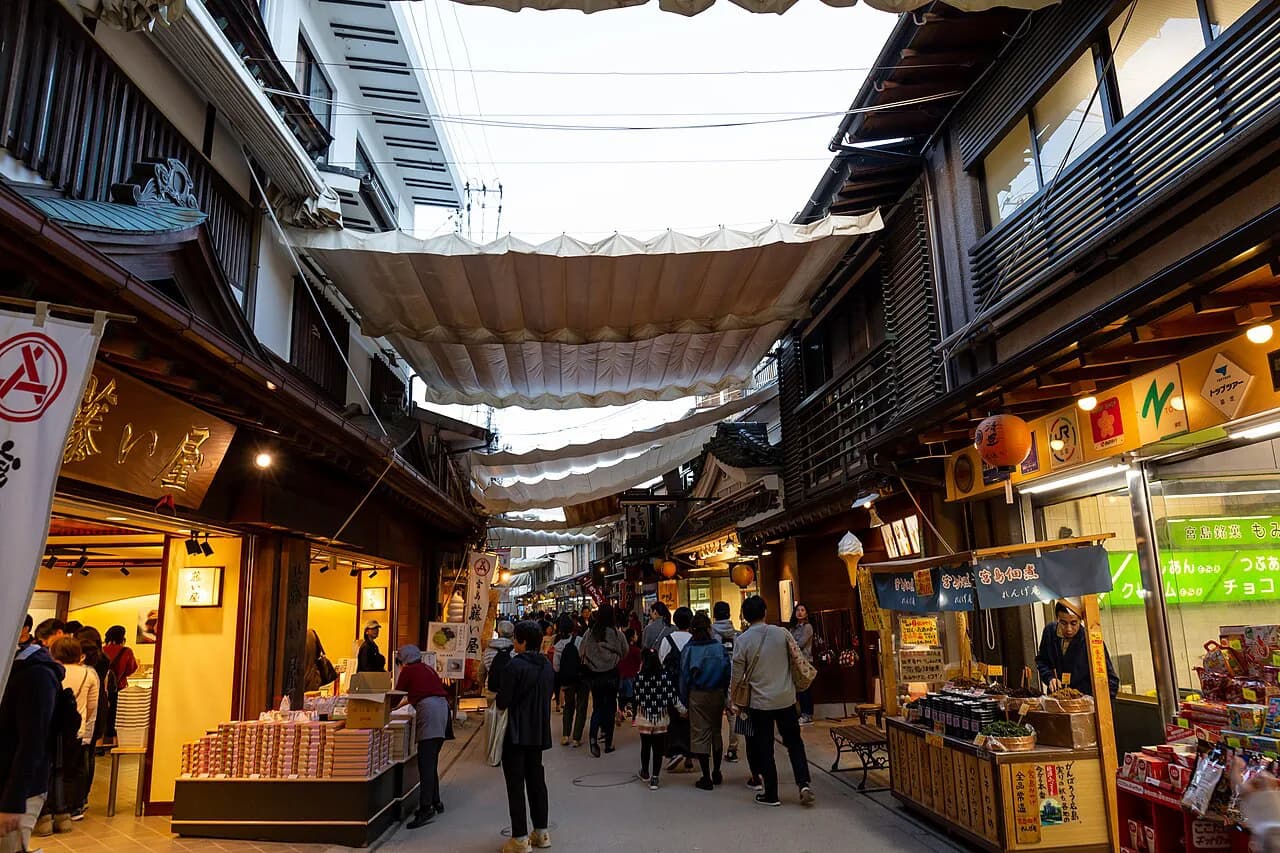
Japanese menus rarely list dashi as an ingredient, even though most broths, dipping sauces, and vegetable tempura sauces start with katsuobushi fish flakes or another fish-based stock. Ask specifically for konbu dashi, made from kelp rather than fish. Reference shojin ryori, the Buddhist cuisine standard that excludes meat, fish, and strong alliums like garlic and onion, since some kitchens recognize the term even without a printed vegan menu. Miyajima's own Daisho-in temple guide covers a site tied to that Buddhist cooking tradition. Momiji manju, the maple-leaf cake sold along Omotesando, is usually vegetarian, but some custard, cheese, or seasonal fillings include egg or honey. The momiji manju guide breaks down which fillings to check before buying. For other snacks sold along the same street, the Omotesando street food guide covers what's available between the ferry pier and the shrine.
- Dashi nashi de onegaishimasu — asks for a dish to be made without dashi.
- Konbu dashi de onegaishimasu — asks for kelp stock instead of a fish-based one.
- Niku to sakana wa tabemasen — states that meat and fish are both off the menu for you.
- Bejitarian desu / Vegan desu — states that you're vegetarian or vegan, useful before ordering set meals.
Halal Dining and Alcohol-Free Sauces on Miyajima
Halal travelers face a second layer of the same dashi problem: many vegetarian-labeled sauces still contain mirin or sake for sweetness. Mirin and sake also turn up in glazes and simmered side dishes that aren't labeled as sauces, not only in the dipping sauces travelers usually think to ask about. Miyajima Resort Hauoli, new for 2026, is one of the few island venues that flags sauces made without mirin or other alcohol. Ask directly at any restaurant whether a dish's sauce is alcohol-free, since it's rarely stated on the printed menu. Cross-contamination in a shared kitchen is a separate concern from the alcohol question, so confirm both before ordering rather than assuming one covers the other.
Costs, Hours, and Timing a Meal Around the Ferry
Miyajima sits about 20km west of Hiroshima city, a short ferry crossing that still shapes the island's dining hours. Most island kitchens close for the night early, some by around 5:00 PM, so plan a sit-down vegetarian lunch rather than counting on dinner. Eating by early-to-mid afternoon avoids the stretch when Omotesando's kitchens start closing one by one. A vegan curry set on the island runs in a similar range to a bowl of anago meshi at a neighboring seafood counter, so budget for a standard Miyajima lunch rather than a premium one. Check the menu board posted outside each restaurant for exact current pricing, since amounts can shift with ingredient costs. For a full walking sequence that times meals around opening hours, follow the one-day food crawl itinerary. Pairing the trip with a drink works too: the sake brewery tasting guide covers tastings that fit a vegan diet, since sake itself contains no animal products. Travelers timing a visit around the annual oyster celebration should also check the oyster festival budget guide for crowd and cost planning.
Many island kitchens close by around 5:00 PM, making lunch the more reliable vegetarian option. The few evening venues like Niwa Cafe Miyama and Cuillere Miyajima fill fast and require advance reservations.
Mistakes to Avoid When Eating Meat-Free on Miyajima
A few recurring mistakes account for most disappointing meals on Miyajima. Avoid these before you sit down, since several are easy to fix with one extra question at the counter.
- Assuming vegetable tempura is automatically vegan. The batter can include egg, and the dipping sauce is usually a fish-based dashi rather than a vegetable one.
- Skipping a reservation for dinner. Only a handful of island kitchens serve evening meals, including Niwa Cafe Miyama and Cuillere Miyajima, and they fill fast.
- Planning a route around Tonkatsu Taiichi. It has been listed as temporarily closed in recent listings, so confirm current status before building a stop around it.
- Assuming a 2026 opening still runs the same menu months later. New vegan additions like the Kiyomori Chaya katsu curry can be seasonal, so confirm before you walk over.
- Forgetting irregular closing days. Several of the newer plant-based spots close on inconsistent schedules, so check the specific day of the week before you go.
Further reading: Miyajima on Wikivoyage · Miyajima on Wikipedia
Frequently Asked Questions
Is Miyajima vegetarian-friendly in 2026?
Yes, on both the island and the Miyajima-guchi side of the ferry. A Hatsukaichi-backed program has pushed more restaurants to add clearly labeled vegan dishes since 2025, though shared fryers and fish-based dashi still require asking questions before ordering.
What is konbu dashi, and why should you ask for it?
Konbu dashi is a kelp-based stock, unlike the katsuobushi fish-flake stock used in most Japanese broths. Asking for konbu dashi specifically is the fastest way to get a genuinely meat-free soup, sauce, or noodle broth on Miyajima.
Are momiji manju vegetarian?
Most standard versions are, but custard, cheese, and some seasonal fillings can include egg or honey. Check the filling list posted at the shop before buying, particularly along Omotesando.
Where can halal travelers eat on Miyajima?
Options remain limited, but Miyajima Resort Hauoli, new for 2026, flags sauces made without mirin or other alcohol. Ask directly whether a specific dish contains alcohol-based seasoning, since it's rarely marked on the printed menu.
What time should you plan a vegetarian lunch on Miyajima?
Aim for early-to-mid afternoon. Many island kitchens close for the night early, and only a few, like Niwa Cafe Miyama and Cuillere Miyajima, serve after dark.
Does the Miyajima Aquarium have food for vegetarian visitors?
The aquarium has an on-site cafe, but check current snack options directly if traveling with vegetarian children, since offerings can change season to season.
What is the Hatsukaichi Vegan Dining Map, and where do you get one?
It's a printed guide covering vegetarian and vegan-friendly venues across the island and Miyajima-guchi, published as part of the local dietary support program. Look for a copy at ferry terminal information points, or ask venue staff whether they carry one.
Free guide: Japan's Hidden Gems
12 under-the-radar places beyond Tokyo & Kyoto — with the best season to visit each and a local tip you won't find in the guidebooks.
You might also like
Continue reading
More guides you'll find useful