Best Time to Eat Crab in Kinosaki Onsen: 2026-2027 Season Guide
Learn the exact Matsuba crab season dates in Kinosaki Onsen, compare Matsuba vs Sekogani, and find out when to book a ryokan crab kaiseki in 2026.
On this page
Last updated July 2026: the best time to eat crab in Kinosaki Onsen is the official Matsuba season, November 7 through March 31. Early November and March bring calmer streets and easier reservations, while the New Year holiday and February snow season bring the heaviest crowds. This guide breaks the season into month-by-month windows, compares Matsuba and Sekogani crab, and explains when to book a ryokan crab kaiseki.
Best Time to Eat Crab in Kinosaki Onsen: The Season at a Glance
Matsuba crab season runs November 7 through March 31, and that window is the best time to eat crab in Kinosaki Onsen. Hyogo Prefecture's Sea of Japan fishing regulations set that window, so restaurants can only serve fresh local catch during those months. Frozen crab is available across Japan all year, but only this window offers Kinosaki Onsen's unfrozen, fresh-caught Matsuba. Fishing boats land the first crabs of the year on November 6. Tsuiyama Port hosts its Snow Crab Festival in mid-November, with food trucks and crab auctions at 248 Tsuiyama, Toyooka. Daytime temperatures at the season opening average around 16°C (61°F), mild enough for an evening walk between onsen baths. Crowds and prices shift noticeably across the five-month season, as the comparison below shows. For the town's broader weather and crowd patterns beyond crab season, see the Best Time to Visit Kinosaki Onsen (2026) guide.
Crab-plan rates begin around ¥15,000 per person in early November and March, when crowds are calmer and reservations easier to secure. Peak season prices more than double during holidays and snow season.
| Period | Dates | Crab Available | Crowd Level | Typical Daytime Temp | Price Level |
|---|---|---|---|---|---|
| Season opening | Nov 7 - Nov 30 | Matsuba (fresh catch begins) | Moderate; Tsuiyama Port festival mid-November | ~16°C (61°F) | Lower, easier to book |
| New Year peak | Late Dec - early Jan | Matsuba, plus Sekogani before its season closes | Highest of the season | ~8°C (46°F) | Highest, book months ahead |
| Deep winter / snow season | Jan - Feb | Matsuba only (Sekogani season ended) | High, especially weekends | ~5°C (41°F) | Premium, especially weekends |
| Late season | March | Matsuba only | Quietest of the season | ~12°C (54°F) | Better value, easier walk-ins |
Matsuba vs. Sekogani: Which Crab Should You Order?
Matsuba crab is the male snow crab and the star of Kinosaki Onsen's winter menus. Legs can span about 70 centimeters (27 inches), packing dense, sweet meat prized by locals and visitors alike. Kani miso, a soft paste from inside the shell, is considered by many diners the best bite of the meal.
Sekogani is the female counterpart, smaller and priced lower than Matsuba. Its draw is the roe: crunchy soto-ko on the outside and creamy uchi-ko within, with a single crab carrying roughly 100,000 eggs. Sekogani's season runs shorter than Matsuba's, typically closing in late December or early January under Hyogo Prefecture's conservation rules. Confirm the current year's exact Sekogani closing date with a restaurant or ryokan before building a trip around female crab specifically.
| Trait | Matsuba (Male) | Sekogani (Female) |
|---|---|---|
| Season window | November 7 to March 31 | Shorter window, typically closing late December or early January |
| Size | Leg span about 70 cm (27 inches) | Smaller, palm-sized body |
| Signature part | Leg meat and kani miso (innards) | Soto-ko (outer roe) and uchi-ko (inner roe) |
| General price position | Higher | More budget-friendly |
Three Ways to Eat Crab in Kinosaki Onsen
You'll find crab served three distinct ways in Kinosaki Onsen, each suited to a different kind of trip. A ryokan crab kaiseki delivers the most complete experience, a seafood-market lunch fits a tighter schedule, and street food keeps things casual between baths. Specific restaurants for each style appear in the crab dining guide. For the full kaiseki experience, the ryokan kaiseki dinners guide covers course structures ryokan by ryokan. Anyone still choosing a base for the season should check Where to Stay in Kinosaki Onsen: Best Ryokan (2026) first.
A ryokan kaiseki dinner takes roughly 2.5-hour, making it impractical for most day trips from Kyoto given realistic train schedules. An overnight stay allows time to experience the complete crab-course sequence without rushing.
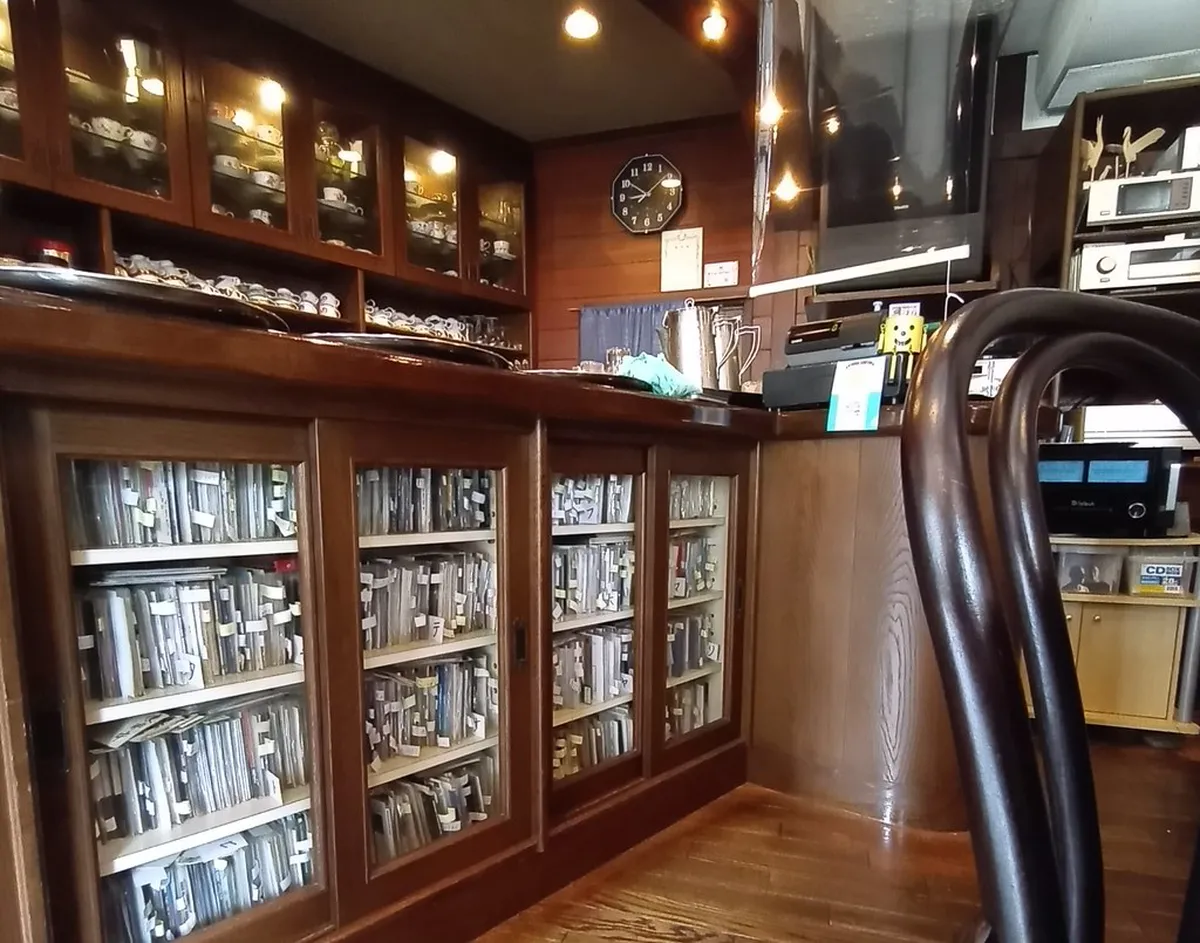
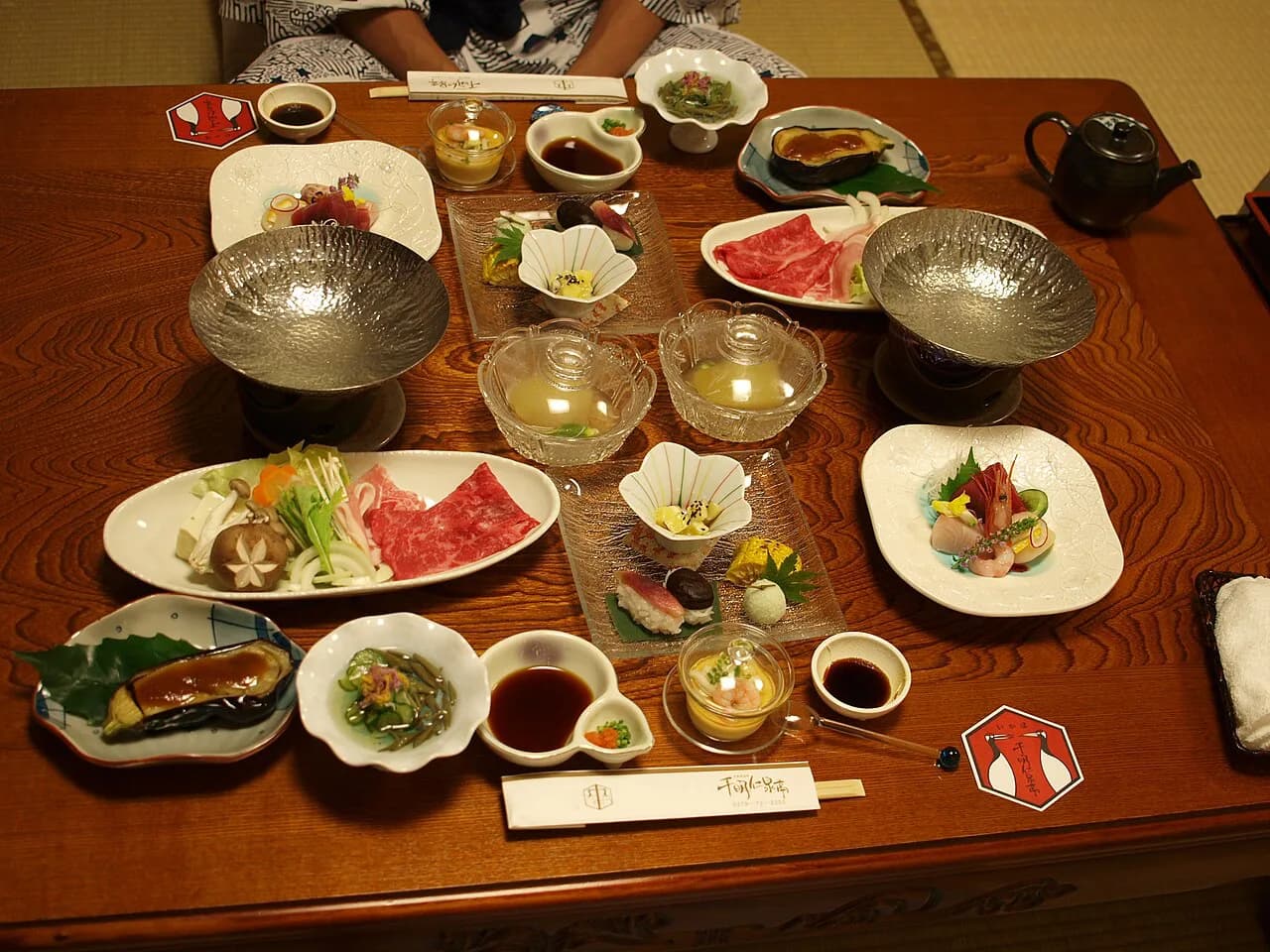
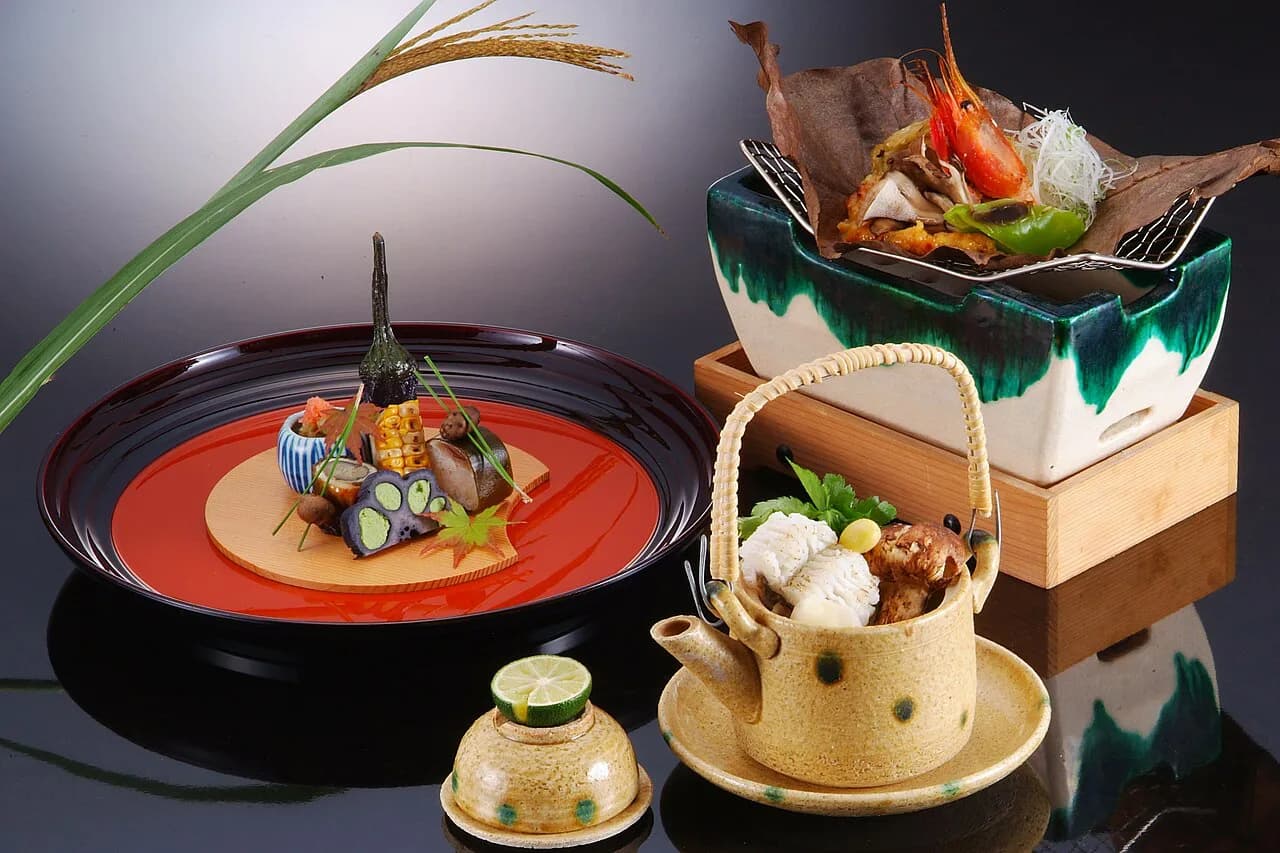
- Ryokan kaiseki dinner: a roughly 2.5-hour banquet with crab sashimi, grilled crab, boiled crab, crab hot pot, and a closing crab porridge, offered by Nishimuraya Honkan and most other Kinosaki ryokans.
- Seafood market lunch: Okesho Sengyo & Dining Room Kaichuen (132 Kinosakicho Yushima) and Inaba Seafood Market (224 Kinosakicho Yushima) both sell live crab on the ground floor for a walk-in meal.
- Reservation-only specialty dinner: Terakawa (113 Kinosakicho Yushima) charters its second-floor room for crab-focused dinners. Contact the restaurant well ahead of your date.
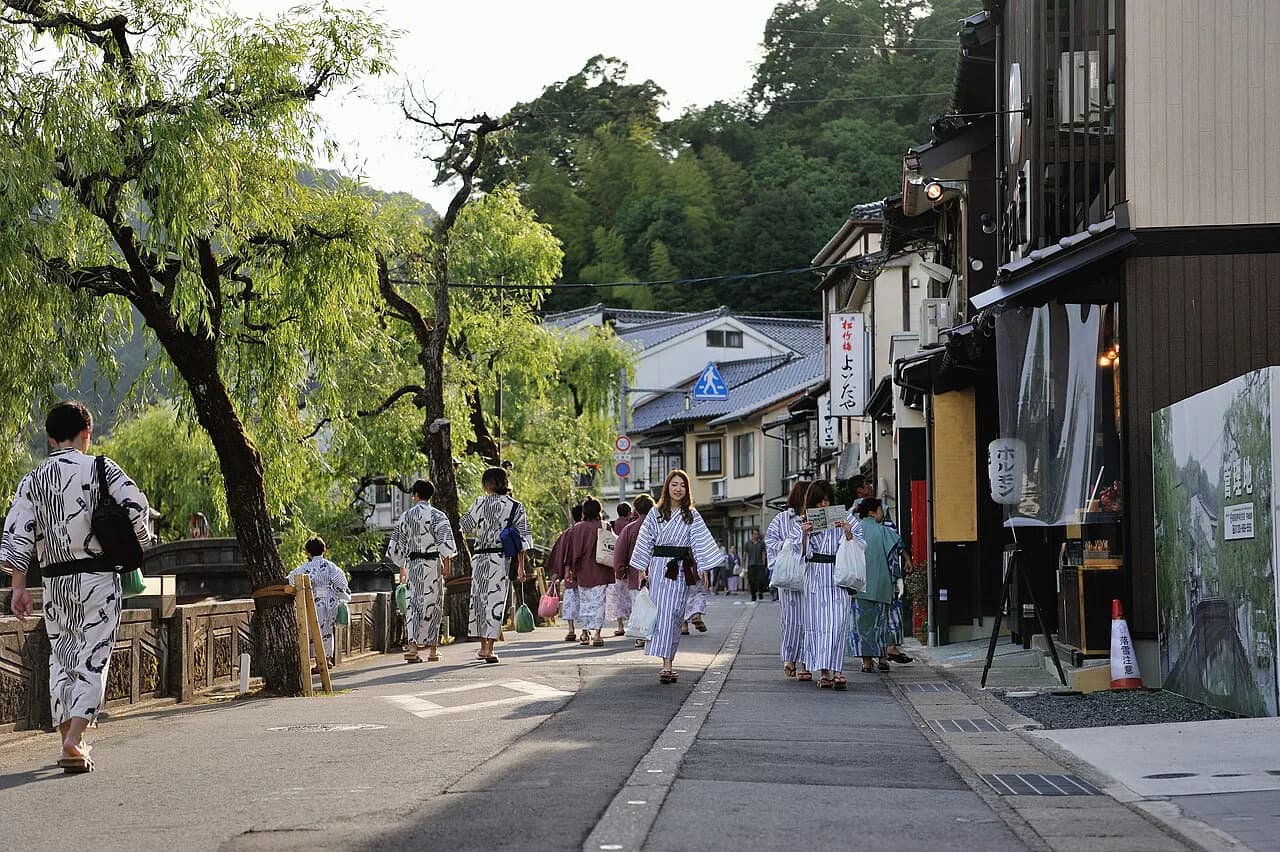
- Street food while yukata-hopping: gift shops along the main canal sell kani-man crab buns and warm crab soup in season. The yukata street food guide lists specific stalls.
What Crab Actually Costs, Month by Month
Exact crab-plan pricing changes every season, so confirm current rates directly with a ryokan before booking. As a general pattern, published ryokan crab-plan rates commonly start around ¥15,000 per person for an early-November or March stay. Rates climb past ¥30,000 per person during the New Year holiday and February weekends, when snow-season demand peaks. A seafood-market lunch typically costs less than a full ryokan kaiseki course. At Okesho Sengyo & Dining Room Kaichuen, you choose a live crab downstairs and eat it cooked upstairs, skipping the multi-course banquet format. Terakawa's reservation-only crab dinner sits toward the premium end of the market, reflecting its chartered second-floor seating. Booking early matters as much as budget: crab-plan rooms at well-known ryokans like Nishimuraya Honkan routinely sell out months before the season's most popular dates.
Planning Your Trip: Reservations, Day Trips, and What to Wear
Reservation policies vary by restaurant, so plan around where you want to eat. Terakawa takes reservations only, chartering its second-floor room for one crab dinner at a time. Okesho Sengyo & Dining Room Kaichuen and Inaba Seafood Market both welcome walk-ins. Their live-crab tanks let you choose a crab and eat it the same afternoon.
A day trip from Kyoto works for a market lunch, but it rarely leaves enough time for a full ryokan kaiseki dinner. Realistic train schedules along the JR San-in Main Line appear in the day trip from Kyoto guide. For the complete crab-season experience, plan an overnight stay so dinner is not rushed by a return train. A fuller schedule around an overnight crab plan appears in the Kinosaki Onsen Itinerary: 1 Night, 2 Days (2026) guide. Transit specifics for that route live in the How to Get to Kinosaki Onsen from Kyoto and Osaka (2026) guide.
Winter temperatures make onsen-hopping in a yukata a different experience than in summer. Daytime highs in January and February typically sit near 5°C (41°F), colder once the sun sets. Bring a coat or haori to layer over your yukata between baths, plus warm socks for the walk between inns. Layering advice for onsen-hopping in cold weather lives in the yukata guide. Packing specifics for the season are covered in the winter crab guide.
Mistakes That Ruin a Kinosaki Crab Trip
A few avoidable mistakes separate a forgettable crab trip from a memorable one. Watch for these before locking in dates and restaurants.
- Arriving before November 7 expecting fresh Matsuba crab: restaurants only serve local catch once the season opens, and frozen crab year-round is a different product.
- Booking a ryokan stay without specifying a crab plan: many Kinosaki ryokans offer standard kaiseki alongside a separate crab-season plan, so ask for the crab plan by name.
- Skipping the kani miso: the paste inside the shell is considered by many diners the best part of the meal, not a garnish to leave behind.
- Assuming Sekogani is available all season: the female crab's roe season closes earlier than Matsuba's, typically by late December or early January, so confirm before planning a trip around it.
- Waiting too long to book Terakawa or a Nishimuraya Honkan crab plan: reservation-only dinners and popular ryokan crab plans fill up months ahead of peak dates.
How to Identify Local Matsuba Crab by Its Port Tag
Look for the colored plastic tag attached to a crab leg before ordering an expensive Matsuba course. Licensed landing ports use these tags to identify where the crab was auctioned. They help distinguish regional, fresh-catch Matsuba from untagged or imported crab.
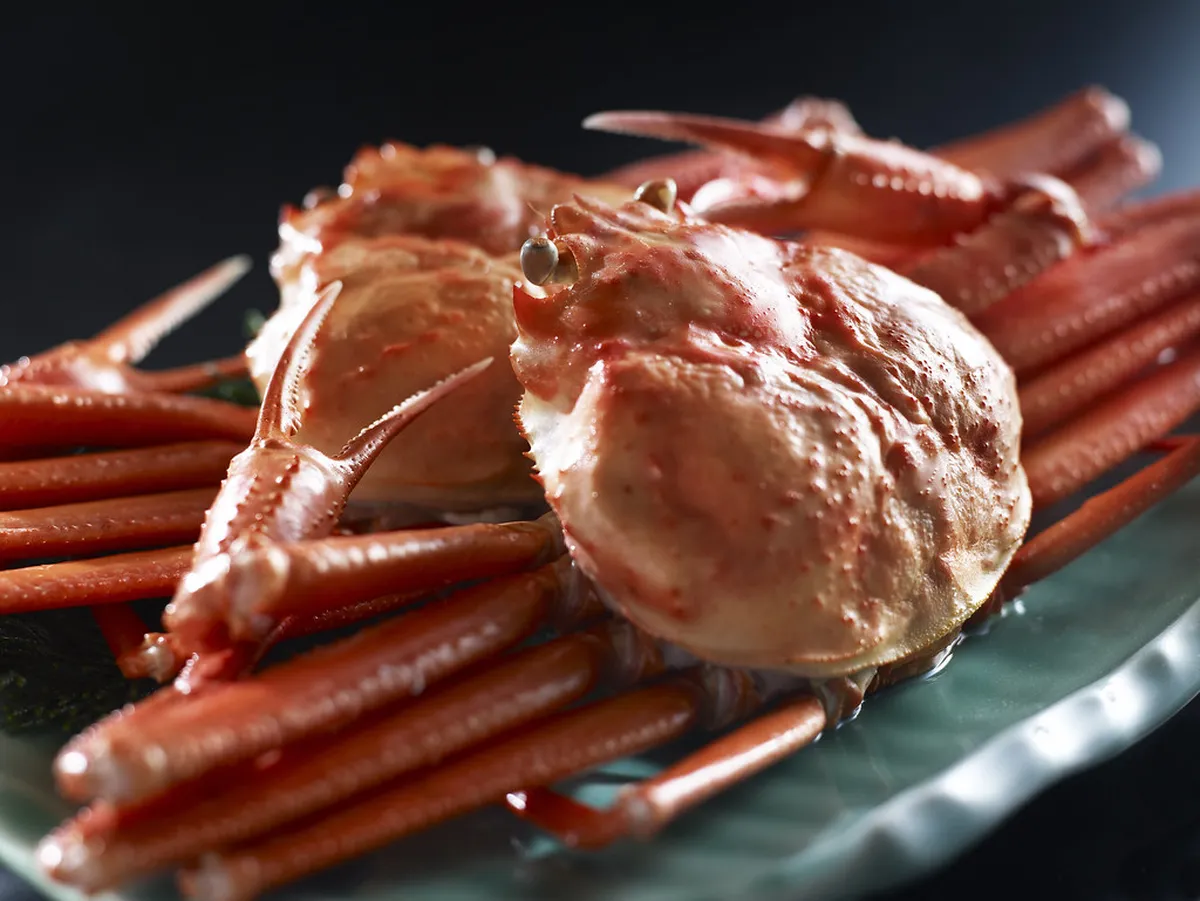
Crab landed at Tsuiyama Port in Toyooka carries a blue tag and is commonly called Tsuiyama-gani. Tsuiyama is near Kinosaki Onsen, making this tagged catch a particularly local choice. The tag should remain attached when a whole crab is displayed or served.
Ask the ryokan, market, or restaurant to show the tag if port origin matters to you. At Okesho Sengyo, inspect live crab before choosing one for the upstairs dining room. Also confirm whether the quoted meal includes a whole tagged crab or portions from several crabs.
A tag identifies the landing port, but it does not explain every quality difference. Size, shell condition, auction grade, preparation, and time since landing also affect the meal.
For the wider city context, see our complete Kinosaki Onsen tourism attractions guide.
Further reading: Kinosaki Onsen on Wikivoyage · Kinosaki Onsen on Wikipedia
Frequently Asked Questions
When exactly does crab season start in Kinosaki Onsen?
Matsuba crab season officially opens November 7 and runs through March 31. The first boats land their catch a day earlier, on November 6, in a ceremonial start to the season.
How far ahead should you book a ryokan crab plan?
Book as early as possible, ideally months ahead, especially for New Year and February dates. Crab-plan rooms at well-known ryokans like Nishimuraya Honkan sell out quickly once the season is announced.
Is a day trip from Kyoto enough time to eat crab in Kinosaki Onsen?
A day trip covers a seafood-market lunch comfortably, but it rarely leaves room for a full ryokan kaiseki dinner. An overnight stay fits the complete crab-season experience better, since dinner runs roughly 2.5 hours.
What is the difference between Matsuba and Sekogani crab?
Matsuba is the larger male crab, prized for leg meat and kani miso. Sekogani is the smaller female crab, valued for its roe, and its season typically closes earlier, in late December or early January.
Can you eat crab in Kinosaki Onsen outside the November-to-March season?
Frozen crab is available in Japan year-round, but Kinosaki Onsen's fresh, unfrozen Matsuba catch is only served during the official season. Outside that window, expect frozen crab or other seasonal seafood instead.
Free guide: Japan's Hidden Gems
12 under-the-radar places beyond Tokyo & Kyoto — with the best season to visit each and a local tip you won't find in the guidebooks.
You might also like
Continue reading
More guides you'll find useful