Honetsuki Tori: A Bone-In Chicken Guide to Marugame and Takamatsu
A practical 2026 guide to honetsuki tori, Kagawa's bone-in chicken specialty from Marugame, with where to eat it in Takamatsu, prices, and wait times.
On this page
Last updated July 2026, honetsuki tori is Kagawa Prefecture's bone-in chicken specialty, a leg rubbed in salt, garlic, and pepper and cooked in a hot iron pan until the skin crisps. Marugame is the dish's home city, but Takamatsu now serves it as the default dinner, a nighttime counterpart to the city's midday Sanuki udon scene. This guide compares oyadori and wakadori birds, explains the cabbage-and-rice-ball eating ritual, and lists where to order a plate in both cities.
Honetsuki-Tori: Marugame's Bone-In Chicken Explained
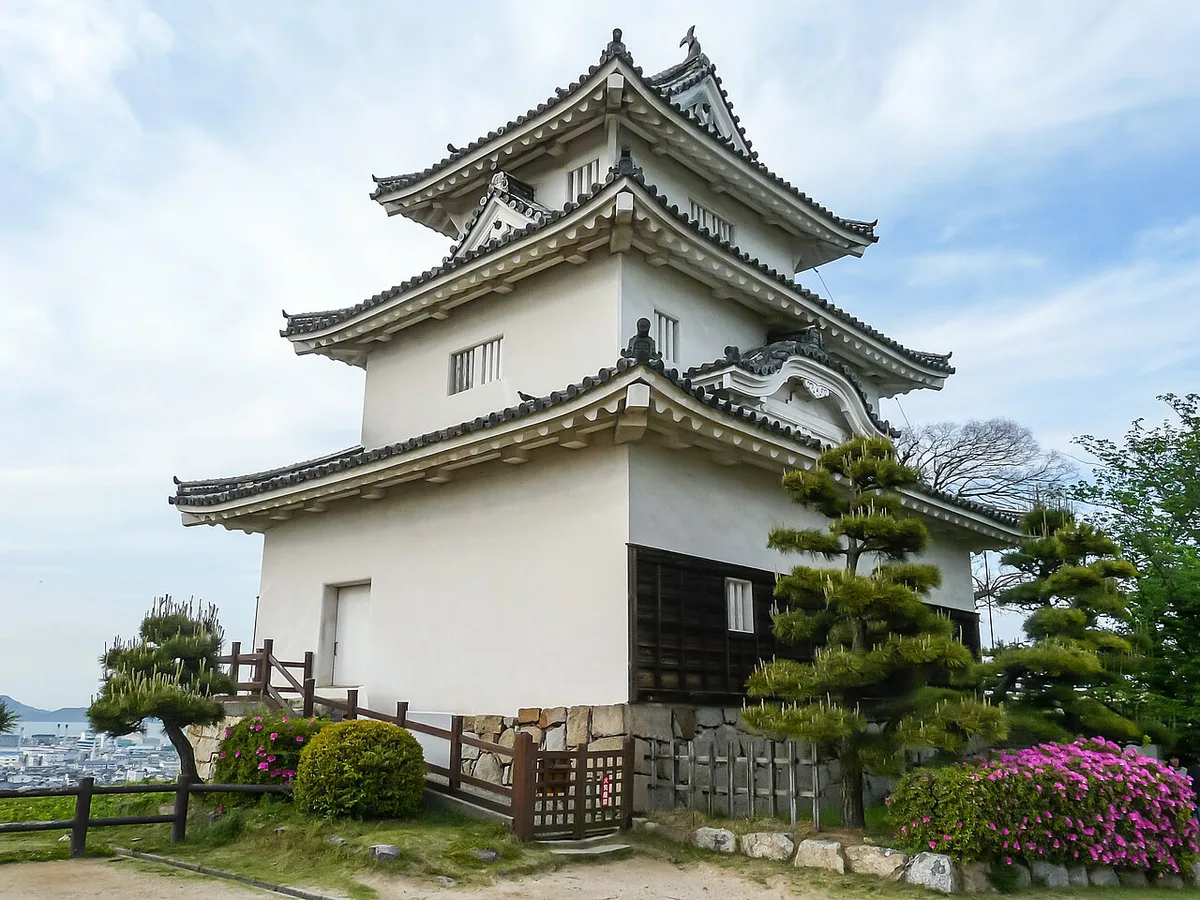
Honetsuki-tori, also spelled honetsuki-dori, translates loosely as bone-in chicken. In Kagawa Prefecture it refers to one specific plate: a whole chicken leg, bone in, seasoned heavily with salt, garlic, and black or red pepper, then cooked in a hot iron pan until the skin blisters and the fat renders out. Marugame, a castle town in Kagawa Prefecture, is where the dish began, and it still carries genuine soul-food status there. From Marugame it spread across the prefecture. Today honetsuki-tori functions as Takamatsu's dominant dinner staple rather than a dish limited to its hometown. Daytime in Takamatsu still belongs to noodles; night belongs to chicken. Kagawa's tourism promotion continues to list honetsuki-tori among the prefecture's defining foods, alongside udon and other Sanuki local gourmet staples.
Oyadori vs. Wakadori: Which Bird Should You Order?
Kagawa's honetsuki-tori menus almost always list two ages of bird: oyadori, the mature chicken, and wakadori, sometimes menu-labeled hinadori, the young chicken. Age changes the entire meal, not just the price. Oyadori has a firm, elastic bite that takes real chewing, with a concentrated, almost gamey depth of flavor regulars order specifically for that intensity. Wakadori is tender and juicy, closer to a classic roast chicken, with crisp skin and a milder finish that makes it the easier entry point for first-time diners. Choose oyadori if jerky-like chew and a stronger flavor sound appealing. Pick wakadori if a familiar roast-chicken texture matters more than novelty. Shops that serve oyadori typically pre-cut it with kitchen shears before it reaches the table, which makes the tougher meat easier to work through.

| Bird | Texture | Flavor | Best For |
|---|---|---|---|
| Oyadori (mature bird) | Firm, chewy, almost jerky-like | Deep, concentrated umami | Regulars and diners who want intensity |
| Wakadori / hinadori (young bird) | Tender, juicy, crisp skin | Milder, close to roast chicken | First-timers, kids, and lighter appetites |
How to Eat a Honetsuki-Tori Plate
A full order arrives on a stainless steel plate, chicken leg in the center and its rendered fat pooling around the edges. Expect a heavy hand with salt, garlic, and black or red pepper. Ask staff for a milder version if the seasoning feels too strong. Two sides make the meal work, and skipping either misses the point of the dish.
- Raw cabbage: order it alongside the chicken; most shops refill it for free, and its crunch cuts the fat and pepper heat.
- Rice balls (musubi): add one once the leg is half gone, then press it into the oil pooled on the plate.
- Dip technique: use both cabbage leaves and rice to mop the remaining oil at the end of the meal, a step regulars consider essential.
Where to Eat: Marugame vs. Takamatsu
Ikkaku is the name most visitors hear first, and its version has become the informal Ikkaku style that other shops get measured against. The chain's roots trace back to Marugame, with its founding often dated to 1952. Its original store sits near Marugame Station, alongside several other long-running specialists worth a stop if you're routing through by train. Ikkaku also operates multiple branches in Takamatsu, so tasting the Ikkaku style doesn't require a trip to Marugame itself. For a wider spread of options, head to the Marugame-machi arcade, where several honetsuki-tori counters sit among other Sanuki local gourmet stalls. Independent izakayas across both cities also serve honetsuki-tori, frequently with shorter waits than the flagship Ikkaku locations, and locals treat them as legitimate alternatives rather than backups. Quality stays fairly consistent citywide, since most kitchens follow the same salt-garlic-pepper base; differences show up mostly in char level and how long a shop lets the skin crisp.
Practical Logistics: Hours, Wait Times, Prices, and Takeout
Honetsuki-tori is primarily a dinner dish. Most specialist shops open in the evening only, though a handful add lunch service on weekends. Popularity creates real bottlenecks at the best-known Takamatsu locations.
Honetsuki-tori waits at popular Takamatsu shops can stretch 60 to 90 minutes on Friday and Saturday nights, but independent izakayas and shops accepting advance reservations provide considerably shorter alternatives.
- Wait times: expect 60 to 90 minutes at popular Takamatsu shops on Friday and Saturday nights; arrive right at opening or plan for a wait.
- Prices: a single leg typically runs ¥800 to ¥1,200, with oyadori usually priced above wakadori because of its larger size and prep time.
- Reservations: where a shop accepts them, booking ahead removes most of the weekend wait; walk-in-only spots reward early arrival instead.
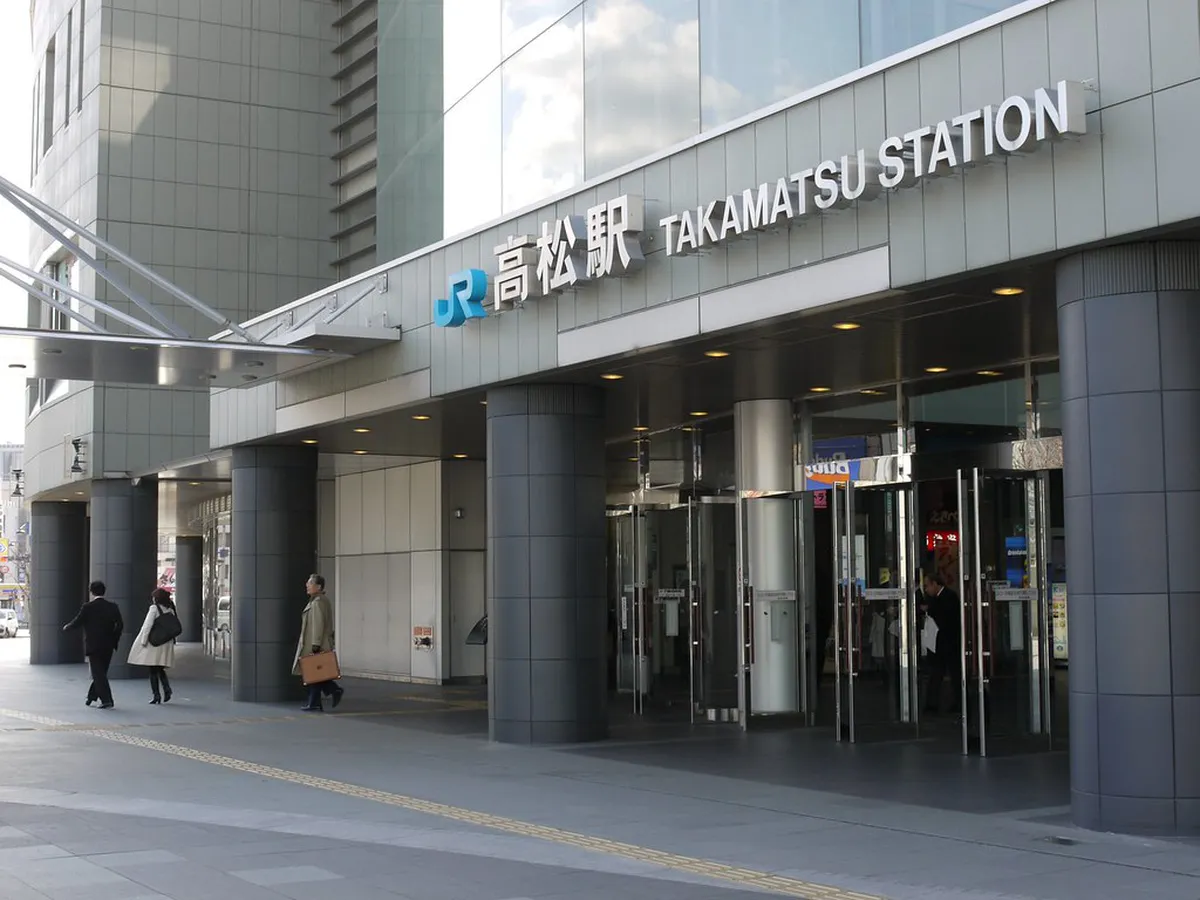
- Takeout: vacuum-sealed honetsuki-tori is sold as a souvenir at Takamatsu Station and at Takamatsu Airport, a practical option if a sit-down wait doesn't fit the schedule.
Pairing Honetsuki-Tori With the Rest of a Kagawa Trip
Treat honetsuki-tori as the dinner anchor of a full Kagawa food day, not a stand-alone stop.
At ¥800 to ¥1,200 per leg, honetsuki-tori serves as an economical yet memorable dinner anchor for a full Kagawa food day, leaving room in the budget for other meals like Sanuki udon, seafood lunch, and desserts.
- Morning: walk Ritsurin Garden before the day gets warm.
- Midday: browse the wider 10 Best Things to Do in Takamatsu (2026) list for a museum or shrine stop.
- Afternoon: pick one route from Day Trips From Takamatsu Travel Guide and time the return for dinner.
- Alternate night: compare honetsuki-tori against Olive Wagyu beef, Kagawa's other signature protein.
- Daytime food: pair the trip with a seafood lunch at Takamatsu's seafood restaurants.
- Something sweet: save room for Takamatsu's cafés and wagashi shops the next afternoon.
- Getting there: check How to Get to Takamatsu: 2026 Travel Guide for train and ferry options.
- Where to stay: confirm a base with Where To Stay In Takamatsu Travel Guide.
See our Takamatsu tourism attractions guide for the broader city overview.
Further reading: Takamatsu on Wikivoyage · Takamatsu on Wikipedia
Frequently Asked Questions
Is honetsuki-tori very spicy?
It is peppery rather than chili-hot. Most versions lean on black or red pepper, salt, and garlic instead of chili heat, so the kick comes from pepper intensity, not spice-level burn. Ask staff for a milder version if a shop offers one.
Can you find honetsuki-tori outside Kagawa?
A small number of branches operate in cities like Osaka and Tokyo. Authenticity stays local, though, and Marugame and Takamatsu remain the places to try it at long-running specialists.
How do you eat the tough oyadori without struggling?
Order it anyway. Most specialist shops pre-cut oyadori with kitchen shears before it reaches the table, breaking the meat into manageable pieces. Expect to still work around the bone, but the shears handle the heaviest cutting.
Is honetsuki-tori kid-friendly?
Wakadori, sometimes labeled hinadori, is the easier order for kids, with tender meat, crisp skin, and a milder chew. Pepper and garlic seasoning is still noticeable, so ask staff to go light on the spice for younger eaters.
Free guide: Japan's Hidden Gems
12 under-the-radar places beyond Tokyo & Kyoto — with the best season to visit each and a local tip you won't find in the guidebooks.
You might also like


Continue reading
More guides you'll find useful