

8 Best Places to Eat Seafood in Takamatsu (2026 Guide)
Where to eat seafood in Takamatsu: Seto Inland Sea sashimi, hamachi rice bowls, and the market stalls, izakaya, and shotengai spots to book first in 2026.
On this page
Last updated July 2026. Knowing where to eat seafood in Takamatsu starts with the Seto Inland Sea, the tidal, nutrient-dense water that Kagawa Prefecture calls its natural fishpond. Restaurants near Takamatsu Station and inside the shotengai arcades turn that catch into hamachi zuke don, sawara sashimi, and market-style donburi. This guide ranks eight places to eat it, from a public market hall near Sunport Takamatsu to reservation-only izakaya deep in the arcades.
The Seto Inland Sea: Why Takamatsu Seafood Tastes Different
The Seto Inland Sea is what Kagawa Prefecture's tourism board calls a natural fishpond. Water temperatures shift with the season, and fast tidal currents between the islands keep the fish moving, which produces firmer meat than slower coastal waters. Spanish mackerel, young yellowtail, sea bream, and octopus all pass through these waters at different points in the year. Takamatsu's restaurants build their menus around whichever is in season. Hamachi no zuke don, marinated yellowtail over rice, is considered the prefecture's signature fish dish. Farmed hamachi from the Seto Inland Sea is available nearly year-round, and it's best from summer into autumn.
8 Best Places to Eat Seafood in Takamatsu
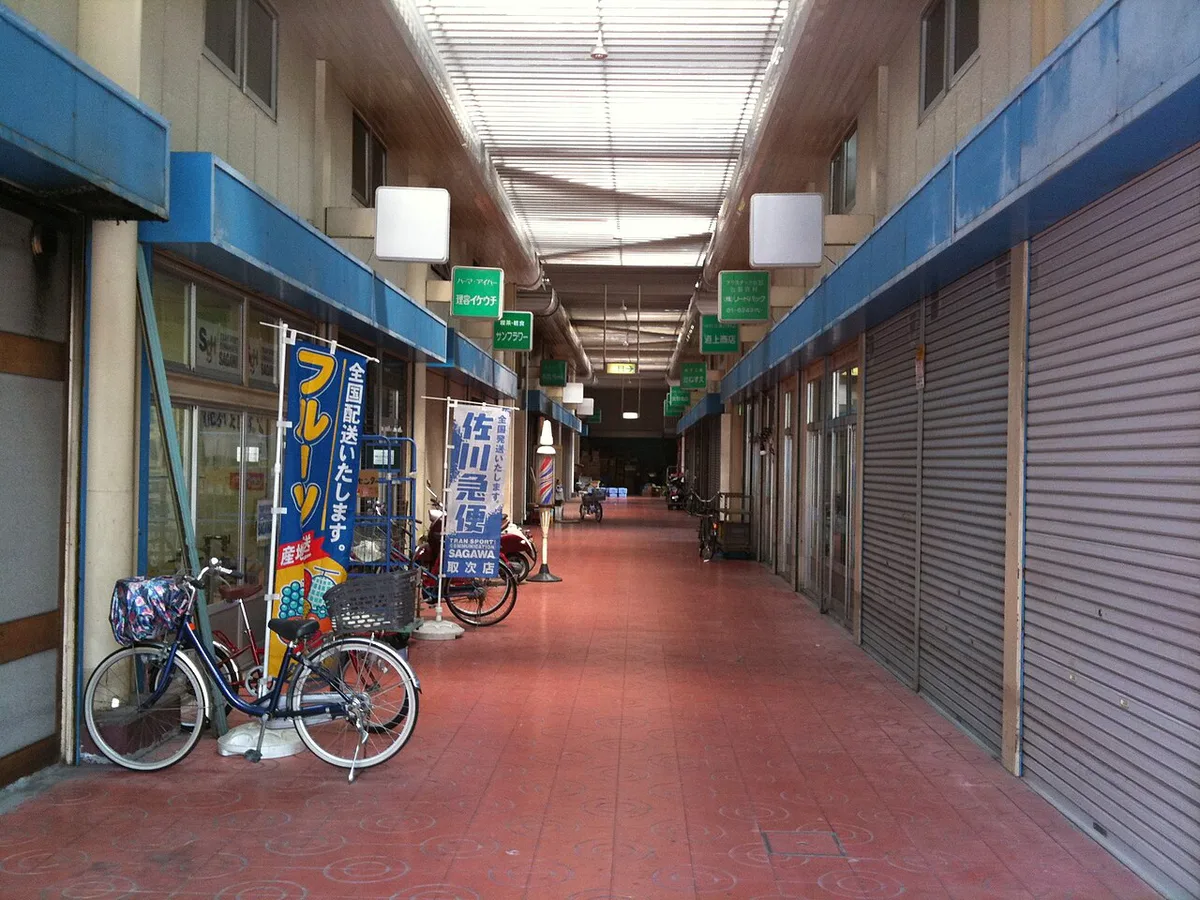
Start near the port for something casual, then move deeper into the shotengai arcades for a sit-down dinner. Shotengai arcades run roughly 1.7 miles (2.7km) end to end, so harbor-side picks sit apart from ones deeper inside. Entries below run roughly casual to reservation-only, not strictly by location, so match the pick to the meal planned.
- Takamatsu Central Wholesale Market: Early-Morning Sushi and Donburi
- The public market area inside the Takamatsu Central Wholesale Market sits near Sunport Takamatsu, a short walk from the ferry terminal. It's the most budget-friendly entry point on this list.
- Counters serve sushi and rice bowls built from the morning's catch, generally in the ¥1,500 to ¥3,000 range that covers Takamatsu's market-style seafood spots. Expect a no-frills, order-and-sit format rather than table service.
- It works best as breakfast or an early lunch, before a ferry to Naoshima or Teshima, and well ahead of the shotengai's dinner-only seafood izakaya further south.
- Gochisoya Kaiba: Upscale Seasonal Seafood Courses
- Gochisoya Kaiba sits at the upscale end of Takamatsu's seafood scene, built around curated, seasonal course menus rather than an a la carte list.
- Course pricing runs from roughly ¥8,000 per person, in line with Takamatsu's other specialized sashimi houses. This format suits a slower, sit-down dinner over a quick stop.
- Reserve ahead for Friday and Saturday nights, when the top-rated seafood izakaya in Takamatsu fill fastest.
- Nagomi Sakaba SAIYA: Sashimi and Local Sake Pairings
- Nagomi Sakaba SAIYA is a local favorite for sashimi platters matched with regional sake pours, closer to the mid-range end of the scene.
- Expect roughly ¥4,000 to ¥7,000 per person, the bracket typical of Takamatsu's standard seafood izakaya with a local sake list.
- This sake-forward format rewards a slower dinner rather than a quick pre-ferry meal.
- Kisetsuryori Dochiraika: Seasonal Small Plates Near the Station
- Kisetsuryori Dochiraika sits near Takamatsu Station, next to the Takamatsu City Museum of Art, and focuses on seasonal small-plate Japanese cuisine built around Kaiseki-style seafood.
- Dinner costs ¥4,500 and lunch costs ¥1,200. Lunch runs 11:30am to 2:00pm, last order 1:30pm. Dinner runs 6:00pm to 10:00pm, last order 9:30pm. It's closed Sundays.
- English menus and English-speaking staff are available, which makes it a reasonable choice for a first seafood dinner in Takamatsu.
- Izakaya Kushikatsu Motsunabe Oguriya: Seafood Plus Izakaya Variety
- Izakaya Kushikatsu Motsunabe Oguriya sits near Kawaramachi Station and mixes sashimi and seafood plates with kushiage skewers and motsu nabe offal hotpot.
- A typical night runs around ¥3,000 per person, toward the budget end of Takamatsu's izakaya scene. It's a good fit for a group with mixed appetites.
- Choose it over a pure seafood house when seafood is one part of the meal rather than the whole point.
- Pikaderiya: Classic Izakaya Seafood Near Kawaramachi
- Pikaderiya, also near Kawaramachi Station, pairs sashimi and Seto Inland Sea seafood with a local sake list and other Japanese cuisine staples.
- Dinner runs about ¥3,700 per person. Service runs 5:30pm to 10:00pm, last order 9:30pm. It's closed Sundays.
- An English menu is available, so ordering doesn't require a translation app.
- Uoichiba Komatsu: Three Floors of Fish-Market Energy
- Uoichiba Komatsu spans three floors with a live fish tank on the ground level and pours only Shikoku sake, no exceptions.
- Order the kawahagi, or filefish, sashimi. Finish with a bone-and-head soup served over Sanuki somen noodles.
- This multi-floor, high-turnover format makes it a reliable backup on a night when the smaller arcade counters are full.
- Umimachi Shopping Street: Casual, Harbor-Side Seafood
- Umimachi Shopping Street is a waterfront arcade near Takamatsu Port, with a more casual, walk-in feel than the sit-down izakaya further inland.
- Port-side seafood spots here offer Seto Inland Sea views, though they tend to draw more tourist foot traffic than the arcade counters further inland.
- It works as a backup when reservation-only izakaya deeper in the shotengai are fully booked on a Friday or Saturday night.
What to Order: Kagawa's Signature Seafood Dishes
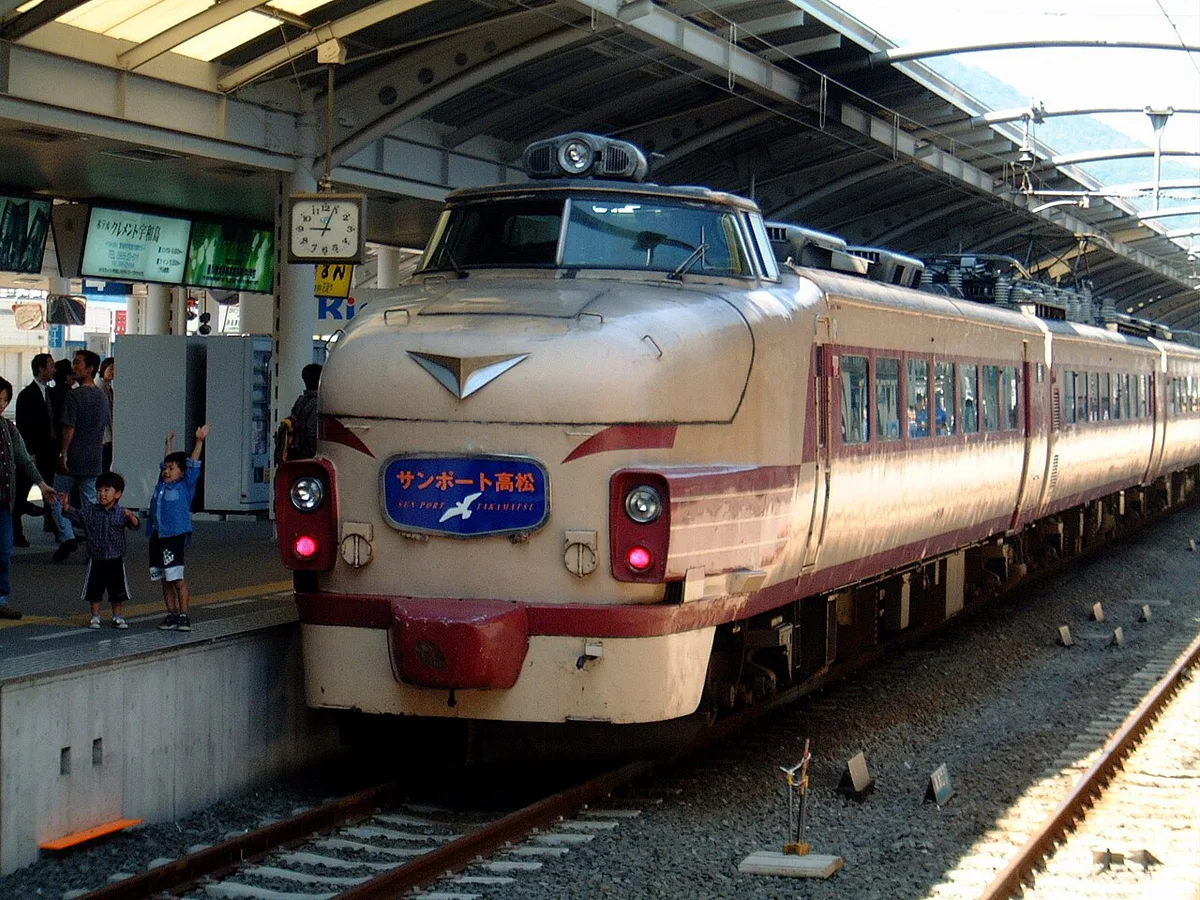
Three dishes come up on nearly every seafood menu in Takamatsu. Order by season for the best version of each, since Seto Inland Sea catches shift throughout the year.
| Dish | Description | Best Season |
|---|---|---|
| Hamachi no Zuke Don | Marinated yellowtail over rice, Kagawa's prefectural fish | Year-round, peak summer to autumn |
| Tai (sea bream) | Served raw as sashimi or cooked into taimeshi rice | Year-round, firm texture from strong currents |
| Sawara (Spanish mackerel) | Sashimi or grilled, a Setouchi spring specialty | Spring |
| Grilled oysters | Sweet, plump oysters from the Seto Inland Sea | Mid-November through winter |
Balancing Seafood With Takamatsu's Other Icons
Seafood is only part of Takamatsu's food identity, and a two-day itinerary rarely fits all of it around one dinner. Noodle shops worth a lunch stop between seafood dinners are covered in the Sanuki udon guide. Kagawa's other signature dish, a whole roasted chicken thigh eaten with the hands, gets its own writeup in the bone-in chicken guide. Shodoshima-raised beef finished on pressed olive lees, a turf option for a night away from fish, is detailed in the olive wagyu guide. Splitting meals across all three keeps a short Takamatsu stay from turning into an all-seafood itinerary. For the full picture of how these fit together, see the Takamatsu food guide.
Avoid the Ferry Trap: Eat Dinner in Takamatsu, Not on the Islands
Most visitors treat Takamatsu as a one-night stopover before a ferry to Naoshima or the wider Art Islands. That's a mistake for dinner specifically. Island food options are more limited, and typically pricier, than what's available across Takamatsu's shotengai and market stalls. Eating seafood in Takamatsu the night before an island ferry, rather than on Naoshima itself, gives access to the full range of izakaya, market counters, and course-menu restaurants covered above. Check the getting to Takamatsu guide for train and ferry timing before locking in a dinner reservation. If Naoshima or another island is on the itinerary, the day trips from Takamatsu guide covers ferry schedules and timing for a same-day visit.
Takamatsu's shotengai spans 1.7 miles (2.7km) with restaurants ranging from ¥1,200 lunch counters to ¥8,000 course menus. Staying for dinner locally gives access to this full price and experience range, unlike island options.
Practical Tips: Reservations, Hours, and English Menus
A few logistics decide whether a seafood dinner in Takamatsu goes smoothly.
Kisetsuryori Dochiraika charges ¥1,200 for lunch but ¥4,500 for dinner. The 1:30pm closure and 6:00pm reopening across Takamatsu's scene means lunch and dinner aren't just different meals—they're separate outings with distinct price tiers and planning requirements.
- Reservations
- Book upscale spots like Gochisoya Kaiba, and mid-range izakaya such as Nagomi Sakaba SAIYA, ahead for Friday and Saturday dinner.
- Walk-ins are easier at market-style counters and at Umimachi Shopping Street.
- Operating Hours
- Many seafood restaurants close between roughly 1:30pm and 6:00pm, so plan lunch and dinner as separate stops rather than one long window.
- Dinner service typically runs until around 10:00pm, with last orders closer to 9:30pm at spots like Kisetsuryori Dochiraika and Pikaderiya.
- English Support
- SAVOR JAPAN-listed spots such as Kisetsuryori Dochiraika and Pikaderiya list English menus, and Dochiraika also lists English-speaking staff.
- Smaller arcade counters may rely on a translation app instead, so download one before heading out.
- Where to Stay for Easy Access
- Hotels covered in the where to stay in Takamatsu guide, near the station or the port, put most of this list within an easy walk.
- For more of what's inside the covered arcades, see the Marugame-machi arcade food guide.
- Pair It With Sightseeing
- Visit Ritsurin Garden in the morning, before the shotengai and market stalls get busy.
- The Takamatsu attractions guide covers what else sits within walking distance of Sunport.
- Finish a seafood dinner with something from the Takamatsu cafes and wagashi guide.
Farmed Hamachi vs. Wild Yellowtail: What You Are Ordering
Hamachi is Kagawa Prefecture’s designated fish and is commonly farmed in the Seto Inland Sea. Aquaculture provides consistent quality, so marinated hamachi rice bowls can appear throughout the year.
Wild yellowtail is more seasonal and may be listed as buri, especially when the fish is mature. Japanese yellowtail names also change with size and region. A menu using “hamachi” does not automatically mean the fish was wild-caught.
Ask whether the day’s yellowtail is farmed or wild before ordering an expensive sashimi platter. Staff may answer with “yoshoku” for farmed fish or “tennen” for wild fish. Farmed hamachi usually has rich, fatty flesh and a reliable texture. Wild buri is most associated with colder months, when mature fish develop more fat.
Both can be excellent choices. Choose hamachi no zuke don for a dependable Kagawa specialty. Choose wild buri when a Takamatsu restaurant identifies its origin and recommends it as a seasonal catch.
For trip-planning details, see Seto Inland Sea - Wikipedia.
Further reading: Takamatsu on Wikivoyage · Takamatsu on Wikipedia
Frequently Asked Questions
Where can you find seafood near Takamatsu Station?
Kisetsuryori Dochiraika sits right next to the Takamatsu City Museum of Art near the station, and the Takamatsu Central Wholesale Market's public market area is a short walk away near Sunport Takamatsu.
Is there a fish market open to the public for lunch in Takamatsu?
Yes. The public market area inside the Takamatsu Central Wholesale Market, near Sunport Takamatsu, serves sushi and rice bowls from early morning through the lunch hours, in the ¥1,500 to ¥3,000 range.
What is the best season for seafood in Kagawa?
Sawara, or Spanish mackerel, peaks in spring. Hamachi, the prefectural yellowtail, is best from summer into autumn. Grilled oysters come into season from mid-November through winter.
Should you eat seafood in Takamatsu or wait until Naoshima?
Eat it in Takamatsu. Naoshima and the other Art Islands have far fewer dinner options, and they tend to cost more than equivalent meals in Takamatsu's shotengai and market stalls.
Do Takamatsu seafood restaurants take reservations, and is English support available?
Reservations matter most for upscale and mid-range izakaya on Friday and Saturday nights. SAVOR JAPAN-listed spots like Kisetsuryori Dochiraika and Pikaderiya list English menus, while smaller arcade counters may require a translation app.
Free guide: Japan's Hidden Gems
12 under-the-radar places beyond Tokyo & Kyoto — with the best season to visit each and a local tip you won't find in the guidebooks.
You might also like

Continue reading
More guides you'll find useful


