9 Best Cafes and Sweets in Takamatsu for 2026
9 best cafes and sweets in Takamatsu for 2026 — retro kissaten, a Ritsurin Garden teahouse, and where to find Wasanbon and Kawara Senbei.
On this page
Last updated July 2026, this guide to the best cafes and sweets in Takamatsu covers nine stops split across retro kissaten, modern coffeehouses, and traditional wagashi shops. Expect Showa-era coffee counters that still allow smoking, a lakeside teahouse inside Ritsurin Garden, and two specialty sweets shops worth carrying home. Each entry below lists the neighborhood, standout order, and payment or smoking rules so you can build a realistic route between stops.
Kissaten Culture vs Modern Cafes in Takamatsu
Takamatsu splits its cafe scene into three distinct lanes, and knowing the difference before you set out saves a wasted walk. Retro kissaten date to the Showa era, and several here opened between 1962 and 1991, run by owners who still hand-roast beans and plate Neapolitan-style spaghetti at lunch. Modern cafes lean toward the region's contemporary art identity, the same wave behind the Setouchi Triennale, pairing minimalist rooms with siphon coffee and fixed lunch sets. A third lane, traditional tea houses, serves matcha and wagashi in settings built for slow sitting rather than quick refills. Smoking is the sharpest divider between the two styles. Several retro kissaten still permit it. Modern cafes and tea houses do not. Check the policy below before choosing a table for kids or non-smokers. This roundup pairs with the wider Takamatsu food scene guide for travelers building a full day of meals around these stops.
9 Best Cafes and Sweets in Takamatsu
This lineup moves from the traditional teahouse inside Ritsurin Garden through Takamatsu's best-known retro kissaten to two specialty sweets shops worth a detour. Each entry notes the neighborhood, standout order, and any smoking or cash-only rule.
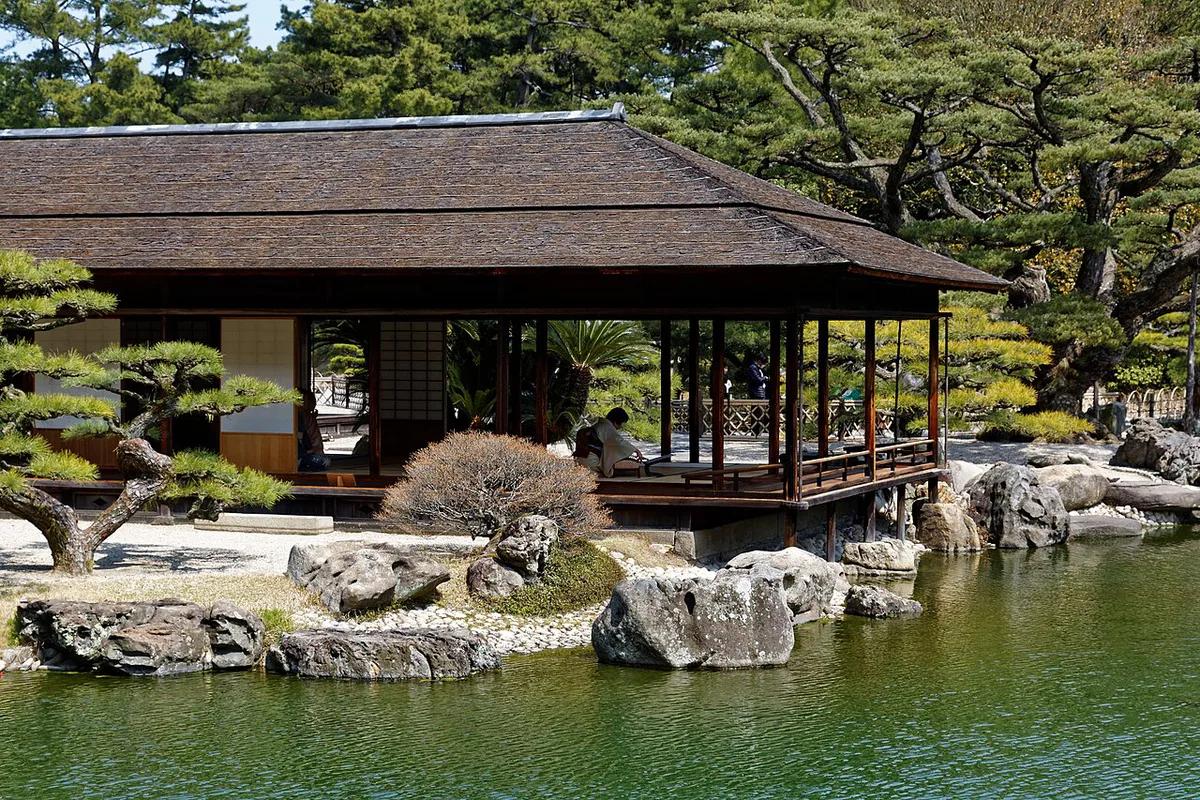
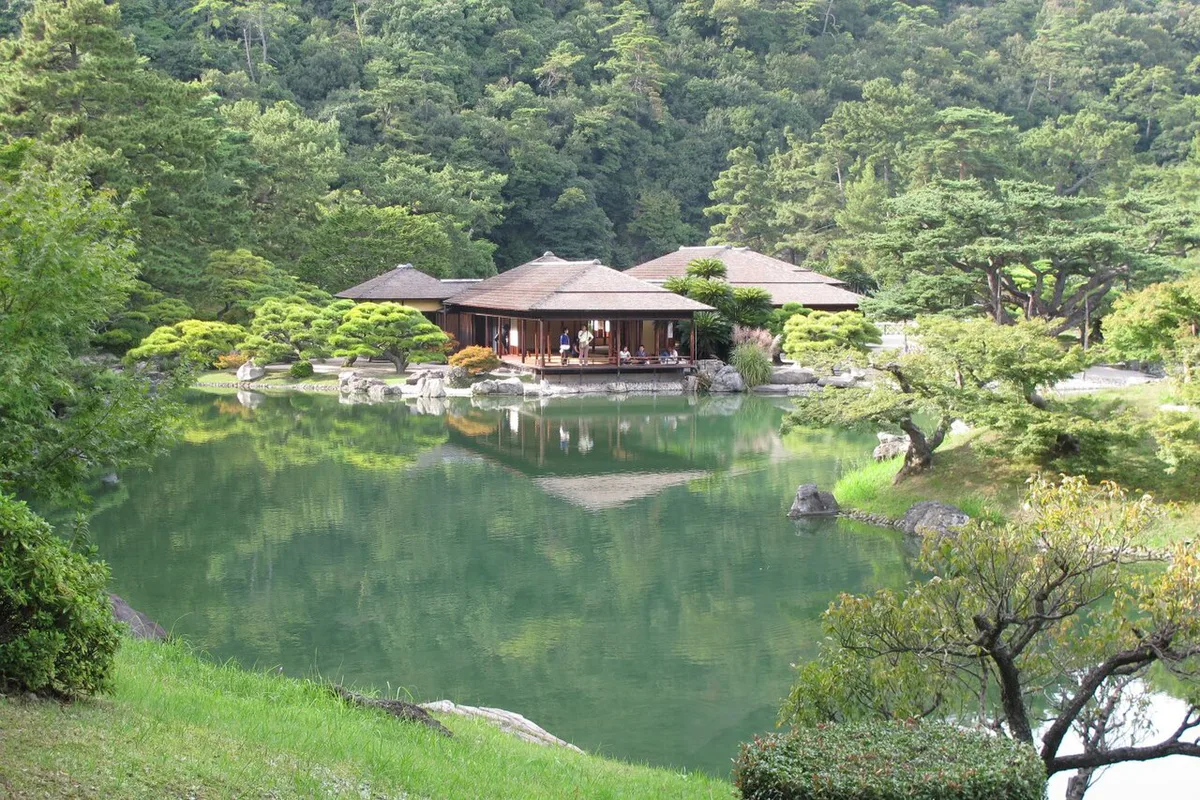
- Kikugetsu-tei, Ritsurin Garden
- This teahouse sits inside Ritsurin Garden, the strolling garden of six ponds and thirteen artificial hills that the Michelin Green Guide Japan rates three stars.
- Order matcha with a seasonal wagashi sweet and take a seat facing South Lake for the view the garden is built around.
- Arrive early on a weekday morning before tour groups fill the garden's main gate.
- Minami Coffee
- Opened in 1975 by an owner inspired by a single cup at Kurashiki Coffee-kan, this Minamishinmachi shop treats beans, roast, and brew method as equally important.
- Staff describe the roast as finished the moment the beans visibly smile, with brew water temperature adjusted by the bean's origin.
- Smoking is permitted throughout, so travelers with kids or a smoke sensitivity may prefer a different stop on this list.
- Shiro-no Me
- Built in 1962 as a prototype for Kunio Maekawa's Japan Pavilion at the 1964 New York World's Fair, this Konyamachi coffee shop at 2-4 Konyamachi has barely changed since.
- Aji stone speakers, chosen by composer Kuniharu Akiyama, still play music through furniture made by Sakura Seisakusho.
- The same shopkeeper, Mr. Baba, has run the counter since opening day and recalls sculptor Isamu Noguchi as a regular visitor.
- Coffee Bizin Fuzuki
- This Kitacho cafe at 828-1 Kitacho opened in 1991 with antique European furniture and coffee brewed from direct-fire-roasted beans and hydrogen water.
- The grilled sandwich and iced Viennese coffee are the two most-ordered items, alongside seasonal-topping pancakes.
- It takes cash plus PayPay or d Barai, and smoking is not permitted.
- Machino Schule 963
- On the second floor of a building at 13-3 Marugamemachi, inside the Marugame-machi shopping arcade, this lifestyle shop pairs a cafe with Kagawa crafts and homewares.
- Lunch is a fixed set with a cake option, and seating opens around midday with a name list out front while you browse the shop.
- Expect a short wait during the lunch rush, since the dining room is small and popular with locals.
- Umie
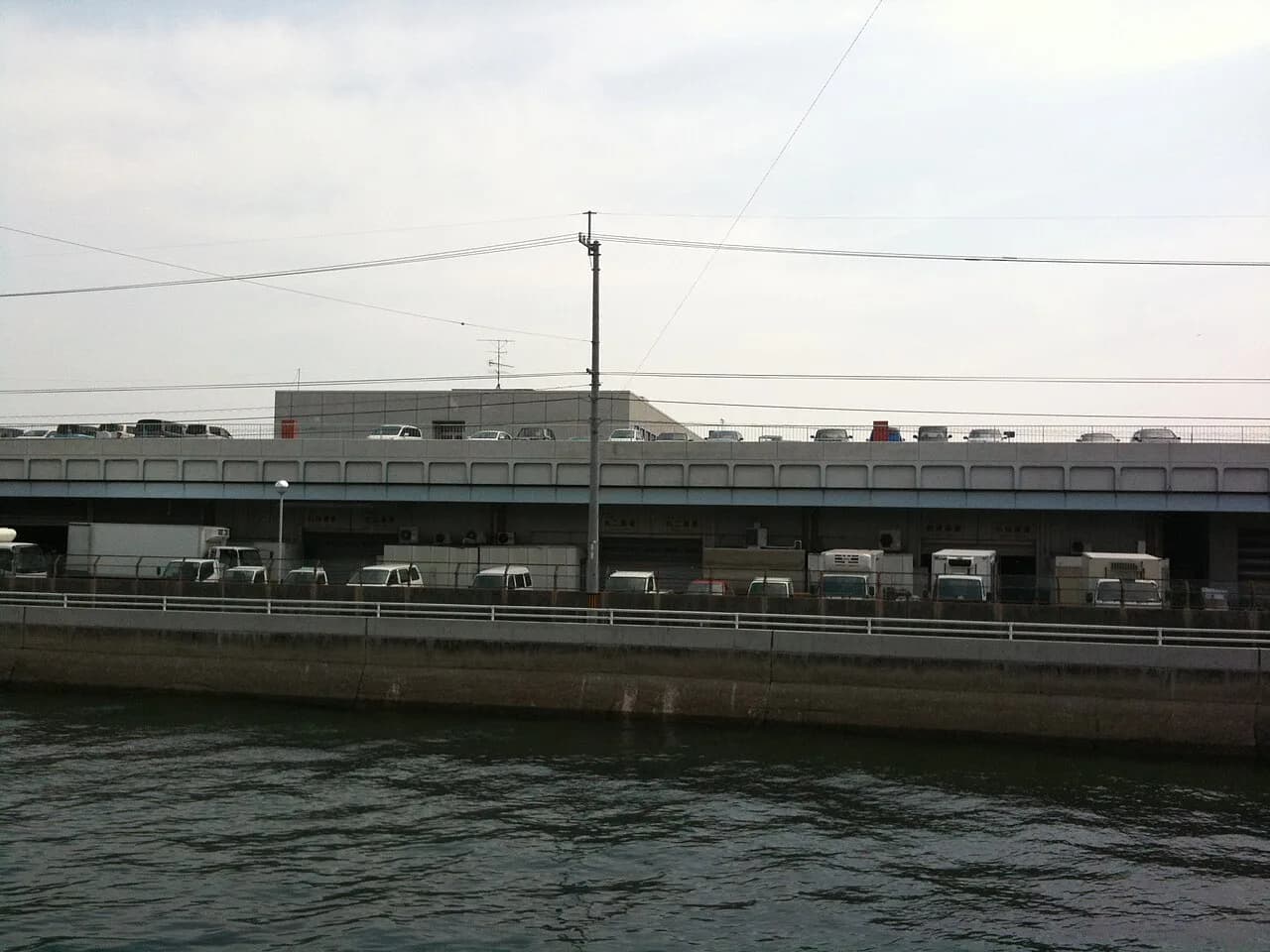
- Set in a warehouse near Takamatsu Port, this industrial-chic cafe pours siphon coffee and serves pizza, curry, scones, and French toast.
- It's a practical stop before ferry day trips toward Naoshima, with the Kitahama boutique block next door for browsing while you wait.
- The cafe gets busy, so register your name on arrival rather than waiting to be seated.
- Hachibankan Coffee
- Opened in 1975 by a couple who previously evaluated coffee beans professionally, this shop at 10-15 Kataharamachi roasts its own green beans in-house.
- The breakfast combo runs all day, and locals often stop in after an early bowl of Sanuki udon for a coffee chaser.
- Smoking is allowed in a segregated area, and it's cash only.
- Kutsuwado (Kawara Senbei)
- This shop specializes in Kawara Senbei, a hard cracker pressed into the shape of a roof tile and a standard Takamatsu souvenir.
- Pick up a boxed set for the flight or ferry home, since the crackers travel well without refrigeration.
- Mitani Seito Hane Sanuki Honpo
- This shop sells Sanuki Wasanbon, a fine-grain sugar made through a traditional multi-step process specific to the region.
- It works dissolved into tea or shaped into small molded sweets, and it makes a compact, shelf-stable souvenir.
Wasanbon and Kawara Senbei: Which Sweet to Bring Home
Both Kutsuwado and Mitani Seito solve the same problem: a compact, shelf-stable Takamatsu souvenir that isn't fresh cake. Wasanbon suits travelers buying for someone with a refined sweet tooth, since the sugar is often shaped into small molded pieces. Kawara Senbei suits a wider audience, since the roof-tile-shaped cracker travels well and needs no serving ritual. Check current stock and seasonal packaging at each shop before you commit, since limited-edition boxes sell out around holidays.
| Sweet | Shop | Best for |
|---|---|---|
| Sanuki Wasanbon | Mitani Seito Hane Sanuki Honpo | Tea-ceremony style gifts |
| Kawara Senbei | Kutsuwado | A durable, easy-to-pack souvenir |
Sequencing Udon, Chicken, and Wagyu with Your Cafe Stops
Kagawa's food identity runs on more than coffee, and a full day out benefits from sequencing it deliberately. Start with a bowl of Sanuki udon before 10am, when the busiest shops sell out of their morning batch. Follow with a retro kissaten coffee to reset before an afternoon of sightseeing. If chicken is on the agenda, Takamatsu's bone-in chicken is typically a dinner order rather than a lunch one. Save Olive Wagyu beef for an evening splurge, then close the loop with coffee and toast the next morning. Travelers staying near the water can also work a stop at a seafood restaurant into the same day before heading back to a cafe for dessert. A Marugame-machi cafe stop also fits naturally between a shopping-street lunch and an early dinner reservation.
Start before 10am when Sanuki udon shops have morning stock, then allow 45 minutes per stop so lingering doesn't force you to rush or miss catching an early train.
Chain Cafes and the Morning Service Tradition
Chains fill a real need for early starts and dependable Wi-Fi across Takamatsu. The table below groups the most useful branches by what they're good for. Most chains accept IC transit cards and credit cards, unlike several retro kissaten limited to cash. Morning service, the local habit of a low-cost toast-and-egg set with an early coffee, is common at both chain and independent cafes. It pairs naturally with an early start toward an early train out of the city, or with an early ferry departure from the port.
| Chain | Where to find it | Good for |
|---|---|---|
| Starbucks | Marugame-machi Festa, Kawaramachi Station, Aeon Mall Takamatsu, Sun-Flower-dori, Youme Town Takamatsu, Rainbow Road | Wi-Fi and familiar seating |
| Pronto | Near JR Clement Inn Takamatsu | An early train departure |
| Doutor | Central Takamatsu | A quick, inexpensive coffee |
| Komeda's Coffee | Takamatsu Sammyo and central branches | A slower morning with table service |
| St. Marc Cafe | Central Takamatsu | A chococro pastry with coffee |
Neighborhood Guide: Marugame-machi, Kitacho, Kawaramachi, and the Port
Where you're staying should decide which cluster of cafes to prioritize first. Marugame-machi's covered shopping street concentrates cafes around retail browsing, including Machino Schule 963. Kitacho holds several retro kissaten within blocks of each other; Coffee Bizin Fuzuki sits at 828-1 Kitacho, close to other long-running coffee shops in the same district. The port area suits travelers staying near the water or catching a ferry, anchored by Umie. Kawaramachi Station is the most central base, close to hotels near Kawaramachi Station and a short walk from Takamatsu's central attractions.
| Neighborhood | Best for | Example stop |
|---|---|---|
| Marugame-machi | Shopping-break cafes | Machino Schule 963 |
| Kitacho | Retro kissaten crawl | Coffee Bizin Fuzuki |
| Port / Kitahama | Ferry-day travelers | Umie |
| Kawaramachi Station | Central base, chain cafes | Starbucks Kawaramachi Station |
Payment, Smoking Rules, and Closing Days to Confirm
Retro kissaten and modern cafes handle payment differently, and it's worth checking before you sit down. Several long-established shops are cash only or cash plus PayPay, and none of the evidence for this list points to widespread card acceptance at kissaten. Smoking rules vary by shop, so confirm before bringing kids or if secondhand smoke bothers you. Closing days differ shop to shop, and Tuesday or Wednesday closures are common among independent cafes in Takamatsu, so check ahead rather than assume daily service. Each retro kissaten below keeps a saved Google Maps pin, useful since several sit on unmarked side streets.
| Cafe | Payment | Smoking |
|---|---|---|
| Minami Coffee | Confirm on arrival | Permitted |
| Coffee Bizin Fuzuki | Cash, PayPay, d Barai | Not permitted |
| Hachibankan Coffee | Cash only | Permitted, segregated area |
| Machino Schule 963 / Umie | Confirm on arrival | Not permitted |
Building a Realistic Cafe Route in One Day
A realistic day covers three or four stops, not nine, since retro kissaten reward lingering rather than rushing. Pair one traditional tea house experience, one retro kissaten, one modern cafe, and one sweets shop for variety without overload. Morning suits Kikugetsu-tei or a kissaten breakfast combo, midday suits Machino Schule 963 or Umie, and late afternoon suits a sweets shop run before shops close. Budget roughly 45 minutes to an hour per stop if you want to sit rather than grab and go.
Further reading: Takamatsu on Wikivoyage · Takamatsu on Wikipedia
Frequently Asked Questions
Which Takamatsu cafe is best for matcha and wagashi near Ritsurin Garden?
Kikugetsu-tei, the teahouse inside Ritsurin Garden, serves matcha with seasonal wagashi facing South Lake. It is the most direct traditional option in this guide.
Which Takamatsu cafes still allow smoking?
Minami Coffee permits smoking throughout, and Hachibankan Coffee has a segregated smoking area. Confirm the current policy on arrival, since rules can change.
What is Sanuki Wasanbon and where can you buy it in Takamatsu?
Sanuki Wasanbon is a fine-grain sugar made through a traditional regional process. Mitani Seito Hane Sanuki Honpo sells it as a compact, shelf-stable souvenir.
Can you pay by credit card at Takamatsu's retro kissaten?
Several retro kissaten are cash only or cash plus PayPay and similar e-money. Modern cafes are more likely to take cards, but confirm on arrival either way.
How should you plan a morning that includes both udon and coffee?
Eat udon before 10am, since the busiest shops sell out of their morning batch. Follow it with a retro kissaten coffee, the way locals pair an early bowl with a coffee stop afterward.
How many cafe stops can you realistically fit into one day in Takamatsu?
Plan on three or four stops rather than all nine, since retro kissaten reward a slower pace. Mix one tea house, one kissaten, one modern cafe, and one sweets shop for variety.
Free guide: Japan's Hidden Gems
12 under-the-radar places beyond Tokyo & Kyoto — with the best season to visit each and a local tip you won't find in the guidebooks.
You might also like


Continue reading
More guides you'll find useful