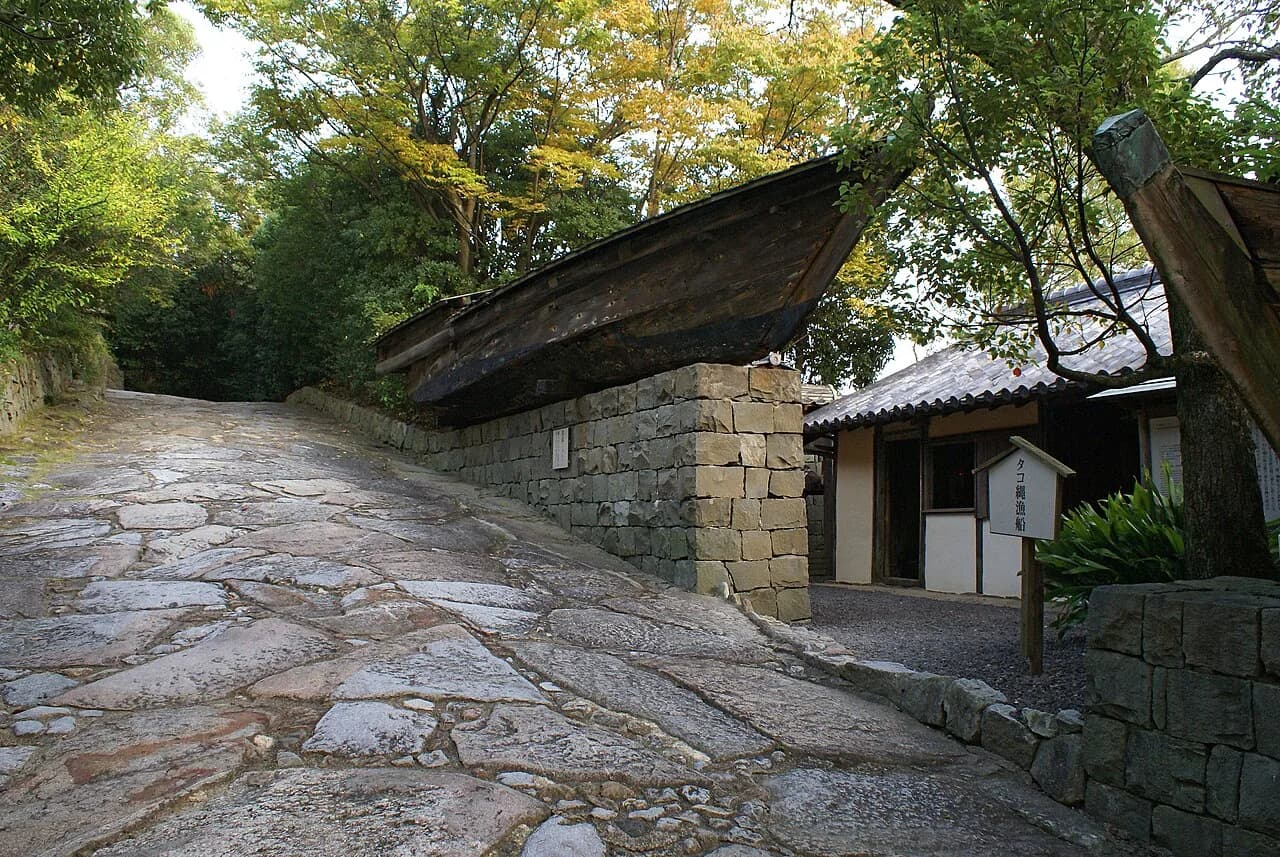
Best Time to Visit Takamatsu: 2026 Season Guide
Find the best time to visit Takamatsu, Japan: monthly weather, crowds, and price comparisons, plus packing tips to plan your Shikoku trip today.
On this page
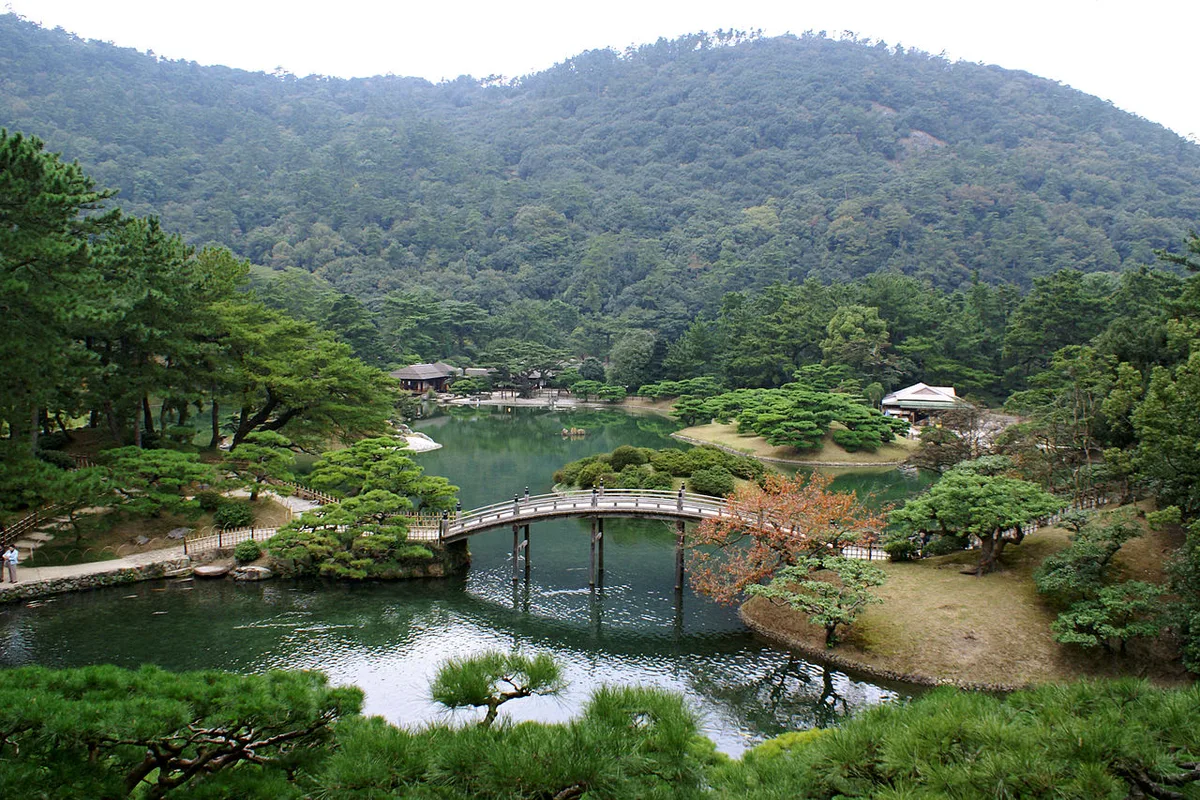
The best time to visit Takamatsu is late March to mid-May, when mild days meet peak garden color. Early autumn from late September to November is the other sweet spot for fewer crowds and cooler air. In late April, Ritsurin Garden's fresh green pines outshine every photo of it online. Updated July 2026 with current Kagawa Prefecture season data.
Takamatsu sits on the Seto Inland Sea as the main gateway to Shikoku island. Spring and fall count as shoulder season here, with thinner crowds than Tokyo or Kyoto. The rainy tsuyu season runs mid-June through mid-July, and typhoons are most likely from August into September. Most travelers should avoid late August, when heat and storm risk both peak.
This guide breaks down weather, crowds, and prices season by season for easier planning. It also flags which weeks close ferries, restaurants, and seasonal attractions across the region. Match the season comparison table below to the months that fit your trip best.
When Is the Best Time to Visit Takamatsu?
Mid-April to mid-May is the sweet spot, with cherry blossoms fading into fresh green pines. Daytime highs run 18-24°C, or roughly mid-60s to mid-70s°F, based on typical Japan Meteorological Agency patterns. Rain stays light before the tsuyu rains arrive, so garden strolls and island ferries run smoothly.
Book hotels six to eight weeks ahead during shoulder months (mid-April to mid-May and late September to mid-November). Advance booking secures better rates and ensures availability before peak periods.
Late September through November forms the second-best stretch, especially the first half of November. Highs cool to 16-23°C, about low 60s to mid-70s°F, as the clear aki-bare autumn weather pattern sets in. Typhoon risk lingers into early October, so track storm forecasts before booking ferry day trips to the islands.
Booking hotels six to eight weeks ahead keeps rates reasonable during these shoulder windows. Golden Week, the last week of April into early May, is the one spring exception with holiday crowds. Outside Golden Week, shoulder-season mornings at Ritsurin Garden feel almost empty before nine o'clock.
Takamatsu Season Comparison: Weather, Crowds, and Prices
The table below lines up all four seasons for a fast side-by-side comparison. Numbers reflect typical patterns from regional climate data, not exact forecasts for any single year. Use it to weigh trade-offs between mild weather, festival timing, and hotel rates.
Summer runs June through August, with Obon holiday crowds peaking in mid-August nationwide. Daytime highs reach 29-34°C, roughly mid-80s to low-90s°F, with sticky humidity most afternoons. Hotel rates climb around Obon week, so early booking matters if you travel then.
Winter, December through February, stays mild for Japan with highs near 9-13°C, about 48-55°F. Crowds thin the most in January, and hotel prices often drop below shoulder-season rates. Clear, dry days are common, though the Seto Inland Sea wind can feel raw near the waterfront.
| Season | Weather | Crowds | Prices | Events | Best for |
|---|---|---|---|---|---|
| Spring (late Mar-May; sweet spot mid-Apr to mid-May) | 18-24°C / mid-60s-mid-70s°F, light rain before tsuyu | Moderate; high only in Golden Week (late Apr-early May) | Mid-range; rises sharply during Golden Week | Cherry blossoms, Golden Week holidays | First-timers, garden lovers |
| Summer (Jun-Aug; tsuyu rain mid-Jun to mid-Jul) | 27-34°C / low 80s-low 90s°F, high humidity | High around Obon week (mid-Aug) | Peaks around Obon week | Obon holiday travel, summer festivals | Festival-goers, heat-tolerant travelers |
| Fall (late Sep-Nov; best late Sep to mid-Nov) | 16-23°C / low 60s-mid 70s°F, clearer aki-bare skies | Low to moderate; thins after November | Mid-range; dips after early November | Autumn foliage at gardens and Yashima | Photographers, comfort-focused travelers |
| Winter (Dec-Feb; quietest is January) | 9-13°C / high 40s-mid 50s°F, occasional cold wind | Lowest of the year | Lowest of the year; best hotel deals | New Year shrine visits, illuminations | Budget travelers, crowd-avoiders |
Pick Takamatsu If You Match These Traveler Types
Not every season suits every traveler, so match your priorities to the calendar. The list below sorts recommendations by common trip goals rather than strict months. Pair it with the season comparison table above for exact date ranges.
First-time visitors usually do best in the mid-April to mid-May window. That period pairs mild weather with blooming gardens and workable ferry schedules. Photographers often prefer November instead, when foliage colors peak near Yashima's viewpoints.
Budget travelers should target January or early February for the lowest hotel rates. Food-focused visitors can travel almost any month, since Sanuki udon shops stay busy year-round. Families with school schedules often lean toward summer despite the heat and humidity.
- Pick spring if you want blossoms
- Mild days, blooming gardens
- Book hotels six weeks ahead
- Pick fall if you want foliage
- Cool air, clear skies
- Best photography light in November
- Pick winter if you want savings
- Lowest hotel rates
- Thin crowds at Ritsurin Garden
- Pick summer if you want festivals
- Obon holiday energy
- Expect heat and humidity
- Pick shoulder weeks if first-timers
- Mid-April to mid-May sweet spot
- Balanced weather and crowds
What to Pack for Takamatsu by Season
Packing right depends heavily on which season you choose for your trip. Layers work best in spring and fall, when mornings and evenings run cooler. Summer calls for breathable fabrics, while winter needs a warm but packable jacket.
Rain gear matters most from mid-June through mid-July during the tsuyu season. A compact umbrella beats a bulky raincoat for humid, changeable summer weather. Comfortable walking shoes help everywhere, since Ritsurin Garden alone covers a large area.
Cold-season visitors need a mid-weight coat, plus a scarf for windy waterfront walks. Sun protection stays useful nearly year-round, since Kagawa gets plenty of clear days. A portable phone charger helps on long island-hopping days with spotty signal.
- Spring packing essentials for Takamatsu
- Light jacket for cool mornings
- Comfortable shoes for garden walks
- Summer packing essentials for Takamatsu
- Breathable clothing and sun hat
- Compact umbrella for sudden showers
- Fall packing essentials for Takamatsu
- Layered jacket for cooling evenings
- Camera gear for foliage views
- Winter packing essentials for Takamatsu
- Mid-weight coat and scarf
- Warm layers for sea wind
What's Closed in Takamatsu's Low Season
Winter and midsummer both trim back certain services around Takamatsu and its islands. Some island ferries reduce sailings or pause entirely outside the main travel months. Planning around these gaps avoids wasted trips to closed piers or shuttered shops.
Ferry schedules reduce from December through February on some Seto Inland Sea routes. Confirm current hours with venues before planning tight island-hopping itineraries to avoid wasted trips.
Ferries on some Seto Inland Sea day-trip routes cut schedules from December through February. A handful of seasonal tea houses and garden boat rides close during the coldest weeks. Some smaller restaurants near Yashima shorten hours once the winter tourist lull sets in.
Always confirm current hours directly with each venue before building a tight itinerary. Booking a guided outing through GetYourGuide can help confirm current seasonal access. Shoulder months rarely have these closures, which is another reason they work well for planning.
Where to Stay in Takamatsu
Takamatsu Station is the best base for most seasons, with trains, buses, and ferries nearby. Staying near the station shortens transfers on How to Get to Takamatsu: 2026 Travel Guide from Okayama or Osaka. Rooms here book up fastest during Golden Week and the Obon holiday week.
Business hotels like Rihga Hotel Zest Takamatsu suit travelers who want comfort near the station. Rooms here tend to sell out first during cherry blossom week in early April. Booking six to eight weeks ahead usually secures a better nightly rate.
Budget-minded visitors often choose Toyoko Inn Takamatsu Ekimae for simple, low-cost rooms. This chain style suits travelers prioritizing museums and udon shops over hotel luxury. Winter stays here often cost noticeably less than the same dates in spring.
Off-peak travelers can often negotiate lower rates, since demand drops citywide in January. For a fuller list of neighborhoods and price ranges, see our Takamatsu accommodation guide. Choosing a season first, then a hotel, keeps the whole trip easier to plan.
For the wider city context, see our complete Takamatsu tourism attractions guide.
Frequently Asked Questions
What is the best month to visit Takamatsu?
Mid-April to mid-May is the best window, based on typical Japan Meteorological Agency patterns. Cherry blossoms fade into fresh greenery, and rain stays light before the tsuyu season begins. Early November is a strong second choice for cooler air and autumn color.
Is Takamatsu worth visiting?
Yes, Takamatsu rewards visitors with Ritsurin Garden, Yashima's sunset views, and easy island ferries. It works well as a quieter alternative to Osaka or Kyoto on a Shikoku trip. Sanuki udon alone makes a short stopover worthwhile for food-focused travelers.
How many days do you need in Takamatsu?
Most travelers need two to three days to cover Ritsurin Garden, Yashima, and Shikoku Mura. Add a fourth day for an island day trip to Megijima or Ogijima. Shoulder season makes this pace easier, since sights stay open longer and lines run shorter.
What is the rainy season like in Takamatsu?
The tsuyu rainy season runs mid-June through mid-July, based on typical regional weather patterns. Expect frequent showers, high humidity, and occasional heavier downpours during this stretch. Many travelers avoid this window in favor of spring or fall instead, when ferries run full schedules.
How do you get to Takamatsu from Osaka or Tokyo?
From Osaka, take the Sanyo Shinkansen to Okayama, then transfer to the JR Marine Liner. The full trip takes roughly two to three hours and is covered by rail passes. From Tokyo, flying into Takamatsu Airport takes about ninety minutes total.
Knowing the best time to visit Takamatsu turns a good trip into a great one. Mid-April to mid-May and late September through mid-November remain the strongest picks overall. Match your must-do list, whether gardens, islands, or udon, to the season that fits.
Whichever month you choose, book key hotels early and double-check seasonal ferry schedules. A little planning turns Takamatsu into an easy, rewarding stop on any Shikoku itinerary.
Free guide: Japan's Hidden Gems
12 under-the-radar places beyond Tokyo & Kyoto — with the best season to visit each and a local tip you won't find in the guidebooks.
You might also like


Continue reading
More guides you'll find useful