Best Time to Visit Onomichi (2026 Season Guide)
Find the best time to visit Onomichi, from Senkoji Park cherry blossoms to Shimanami Kaido cycling weather and Setoda lemon season, before your 2026 trip.
On this page
The best time to visit Onomichi is mid-October through mid-November, when cool dry air makes cycling and temple walks comfortable. Late March to mid-April is the other sweet spot, thanks to cherry blossoms at Senkoji Park. Summer brings heat, humidity, and the tsuyu rainy front, while winter stays mild and quiet.
This guide was last updated in July 2026 with current seasonal patterns and festival dates. Each season along the Seto Inland Sea brings a different rhythm, from spring hanami crowds to winter's quiet lemon harvest. Onomichi's compact, walkable streets mean the right season changes what feels comfortable more than what is open.
Ferry schedules to the islands and the Senkoji Park ropeway both run shorter hours outside peak season. Travelers planning a full sightseeing list can check the Onomichi attractions guide before choosing dates. Booking lodging two to three months ahead is wise for spring weekends and the November Betcha Festival.
Best Time to Visit Onomichi by Season
Spring runs from late March to mid-April, with highs near 12 to 20°C, or mid-50s to 68°F. Senkoji Park is one of Japan's Top 100 Cherry Blossom Spots, with peak bloom in late March or early April. Hikers can pair the blossoms with the Cat Alley and Temple Walk route up the hillside. The Onomichi City Museum of Art sits inside the same park, making it an easy add-on stop.
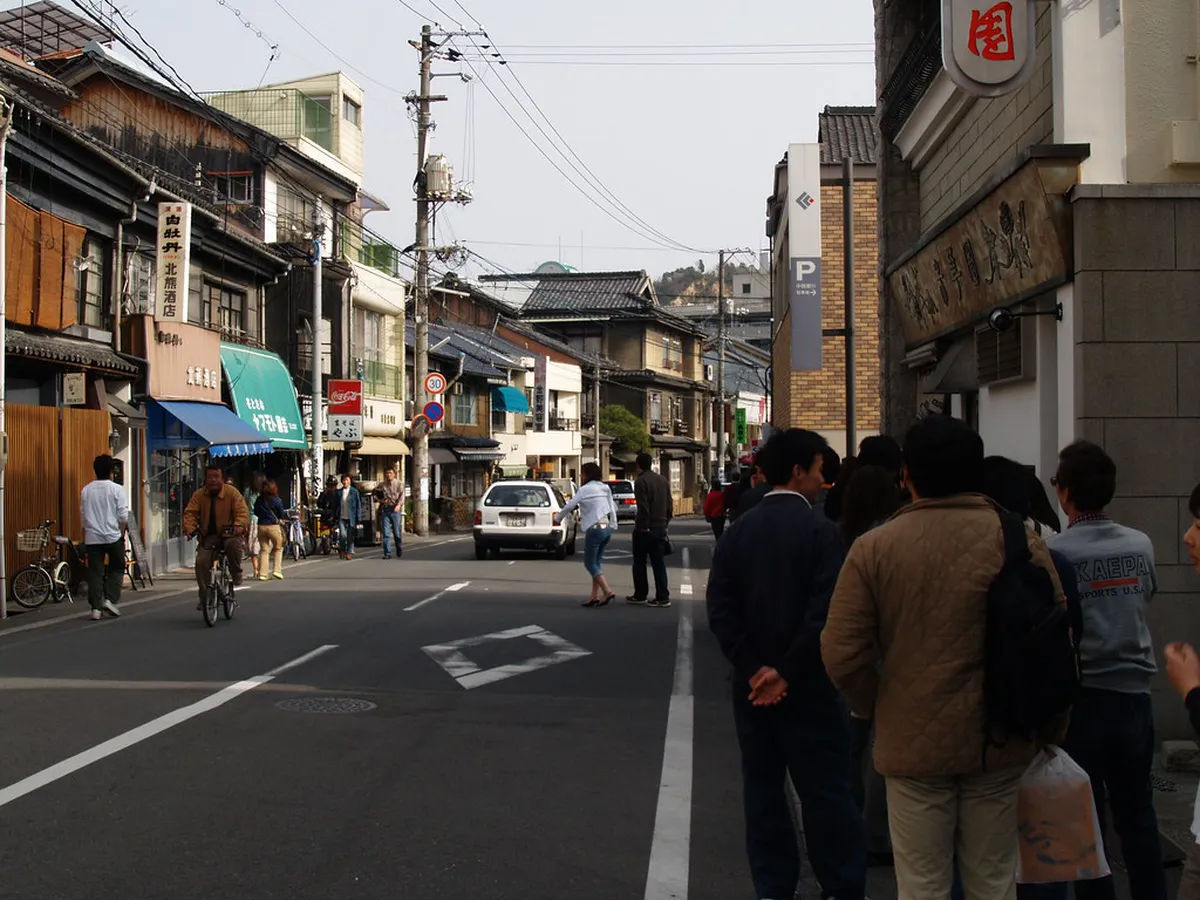
Summer runs June through August, with highs near 24 to 32°C, or mid-70s to low 90s°F. Humidity stays high, and the tsuyu rainy season typically sits over the region from mid-June to mid-July. Early morning is the best window for the hillside temple walk before afternoon heat builds. Typhoon risk rises in August and September, so travelers should watch forecasts before island ferry trips.
Autumn spans late September through November, with highs of 15 to 24°C, or high-50s to 75°F, and lower humidity. Most cyclists consider this the most comfortable season for the Shimanami Kaido cycling route to Imabari. Onomichi's Betcha Festival, a lion-and-demon procession at Sumiyoshi Shrine, usually falls on November 3. Skies stay mostly dry, though morning fog sometimes lingers over the harbor in late October.
Winter covers December through February, with highs around 8 to 13°C, or mid-40s to mid-50s°F, and cool nights. Nearby Ikuchijima enters peak lemon season, when Setoda's groves and roadside stalls sell fresh citrus through February. Crowds thin out, and hotel rates drop to their lowest point of the year. The Senkoji Park ropeway also runs shorter hours in winter, often with a last car around 17:15.
A few island cafés and small guesthouses on Ikuchijima reduce hours or close midweek from December through February. Ferry frequency to some outer islands also drops in the off-season, so check timetables a day ahead. The Senkoji ropeway's last cable car can leave as early as 17:15 outside the spring and summer peak.
Off-season ferry and ropeway closures are unpredictable year to year. Always verify hours one or two days before your trip using the official Senkoji Park website or calling ahead to local tourism offices. Weekday closures for maintenance happen without much advance notice, especially in December and January.
Season Comparison: Weather, Crowds, and Prices
The table below lines up typical weather, crowd levels, and price trends for each season. Use it to match your travel dates with your priorities, whether that is blossoms, cycling, or budget.
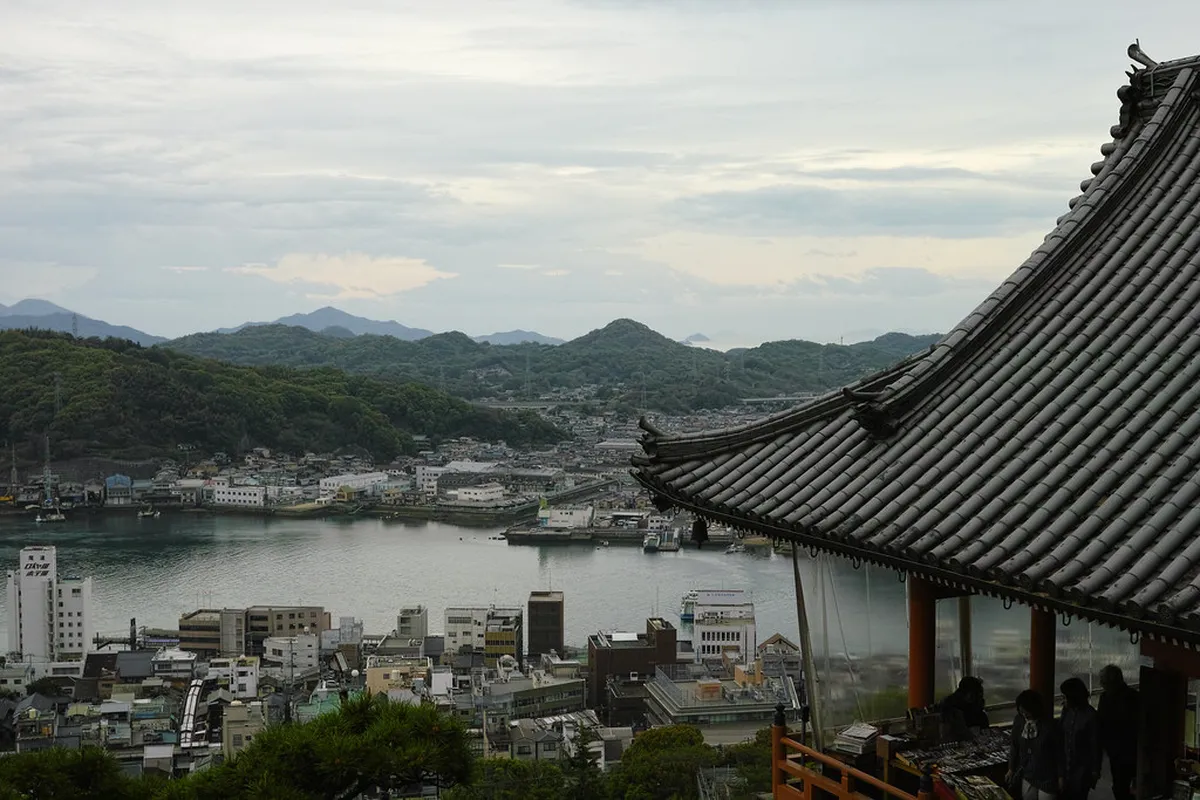
Spring and the Betcha Festival weekend in November see the tightest hotel availability. Booking two to three months ahead helps secure central rooms near Onomichi Station.
Winter offers the widest price swings, since demand drops even though lemon season draws day-trippers to Setoda. Shoulder weeks right after New Year often combine mild weather with lower rates.
| Season | Weather | Crowds | Prices | Events | Best for |
|---|---|---|---|---|---|
| Spring (late Mar-mid Apr) | 12-20°C / mid-50s-68°F | High around hanami weekends | Moderate to high, book early | Senkoji Park cherry blossoms | Blossom photography, temple walks |
| Summer (Jun-Aug) | 24-32°C / mid-70s-low 90s°F | Moderate, quieter mornings | Lower except Obon week | Riverside summer evenings | Early-morning sightseeing |
| Autumn (late Sep-Nov) | 15-24°C / high-50s-75°F | Moderate, busy on Nov 3 | Similar to spring | Betcha Festival, Nov 3 | Cycling the Shimanami Kaido |
| Winter (Dec-Feb) | 8-13°C / mid-40s-mid-50s°F | Low, the quietest season | Lowest of the year | Setoda lemon harvest | Budget trips, lemon season |
Spring hanami (late March–early April) books out two to three months in advance, with the best hotels near Onomichi Station filling by early February. Autumn's Betcha Festival weekend (November 3) also fills fast. For other dates, booking one month ahead usually opens plenty of mid-range guesthouses. Winter shoulder weeks after New Year often combine lower rates with mild weather.
Which Season Is Right for You?
Every season fits a different kind of trip, from photography-focused visits to budget-driven ones. The list below matches common traveler priorities to the best-fit season. Use it alongside the comparison table above for a fuller picture.
- Pick spring if you love blossoms
- Cherry blossom photography at Senkoji Park
- Willing to book hotels early
- Pick autumn if you want to cycle
- Best Shimanami Kaido cycling weather
- Interest in the Betcha Festival
- Pick winter if you are budget-minded
- Lowest hotel rates of the year
- Fresh Setoda lemon season treats
- Pick summer if your dates are fixed
- Flexible with heat and humidity
- Prefer early morning sightseeing only
What to Pack for Every Season
Layers matter more than any single item, since mornings and evenings run cooler than midday. The checklist below breaks essentials down by season.
- Spring season packing essentials
- Light rain jacket for showers
- Comfortable shoes for temple slopes
- Layers for cool mornings
- Summer season packing essentials
- Breathable fabrics and a sun hat
- Portable fan or cooling towel
- Refillable water bottle
- Autumn season packing essentials
- Light jacket for cool mornings
- Cycling gloves for the Shimanami Kaido
- Windbreaker for ferry crossings
- Winter season packing essentials
- Warm layers and a scarf
- Waterproof shoes for occasional rain
- Light gloves for early mornings
Where to Stay in Onomichi
Most visitors base themselves near Onomichi Station, within walking distance of Cat Alley and the temple hillside. Budget guesthouses here run roughly 4,000 to 6,000 yen a night, based on typical listing prices.
The renovated warehouse hotel and café complex Onomichi U2 anchors the waterfront, with rooms from around 15,000 yen. It sits near workshops tied to the Onomichi Denim Project, a local effort turning empty shopfronts into small studios.
Travelers building a longer stay can check the Onomichi itinerary guide for a day-by-day base plan. Cyclists often prefer lodging on Ikuchijima near Setoda instead, closer to the Shimanami Kaido's midpoint.
One well-reviewed option near the coast is Mange Tak Resort Onomichi, popular for its sea views. Rates and availability shift by season, so shoulder-month bookings tend to open up the most choice.
Getting to Onomichi and Getting Around
The nearest Shinkansen stop is Fukuyama Station, about 20 minutes from Onomichi by local JR train. Shin-Onomichi Station also serves bullet trains, followed by a roughly 10-minute bus or taxi ride into the center. The how to get to Onomichi guide covers both routes with current timetables.
Hiroshima Airport sits about 25 km away, roughly 40 to 50 minutes by airport bus or taxi. Flyers connecting through Hiroshima should build in a buffer for the transfer, especially around festival weekends.
Cyclists renting bikes for the Shimanami Kaido should compare options in the e-bike versus road bike logistics guide before booking. E-bikes suit riders tackling the full 70 km route to Imabari in one day.
The Temple Walk itself covers about 2.5 km and links 25 temples across the hillside. Travelers who want local context can add a private walking tour with a local guide instead of navigating solo.
Frequently Asked Questions
Is Onomichi worth visiting?
Yes, Onomichi rewards visitors with hillside temples, a lively harbor, and easy access to the Shimanami Kaido cycling route. Its walkable Cat Alley and Temple Walk pack a full day of sightseeing into a small area. Most travelers pair it with a Hiroshima trip or a longer Setouchi cycling itinerary.
When do cherry blossoms bloom at Senkoji Park?
Cherry blossoms at Senkoji Park typically peak in late March or early April. The park is listed among Japan's Top 100 Cherry Blossom Spots. Weekend crowds build fast during peak bloom, so early morning visits and weekday trips work best.
Is it easy to do a day trip from Hiroshima to Onomichi?
Yes, Onomichi makes an easy day trip from Hiroshima, roughly 50 miles or 80 km away. The fastest route runs via Shinkansen to Fukuyama, then a short local JR transfer of about 20 minutes. Many travelers extend the day with a short Shimanami Kaido cycling loop instead of returning right away.
How long is the Onomichi Temple Walk?
The Temple Walk covers about 2.5 km and links 25 temples across Onomichi's hillside. Most travelers finish in two to three hours, including photo stops. Comfortable shoes help, since several sections climb steep stone stairs and narrow alleys.
Onomichi rewards travelers who match their season to their priorities, whether that means blossoms, cycling, or quiet lemon-season strolls. Shoulder months, mid-October to mid-November and late March to mid-April, offer the easiest balance of weather and crowds.
Check current ferry and ropeway schedules before finalizing plans, since off-season hours shift from year to year. With the right dates locked in, the hillside temples and cycling routes are easy to enjoy at a relaxed pace.
Free guide: Japan's Hidden Gems
12 under-the-radar places beyond Tokyo & Kyoto — with the best season to visit each and a local tip you won't find in the guidebooks.
You might also like

Continue reading
More guides you'll find useful