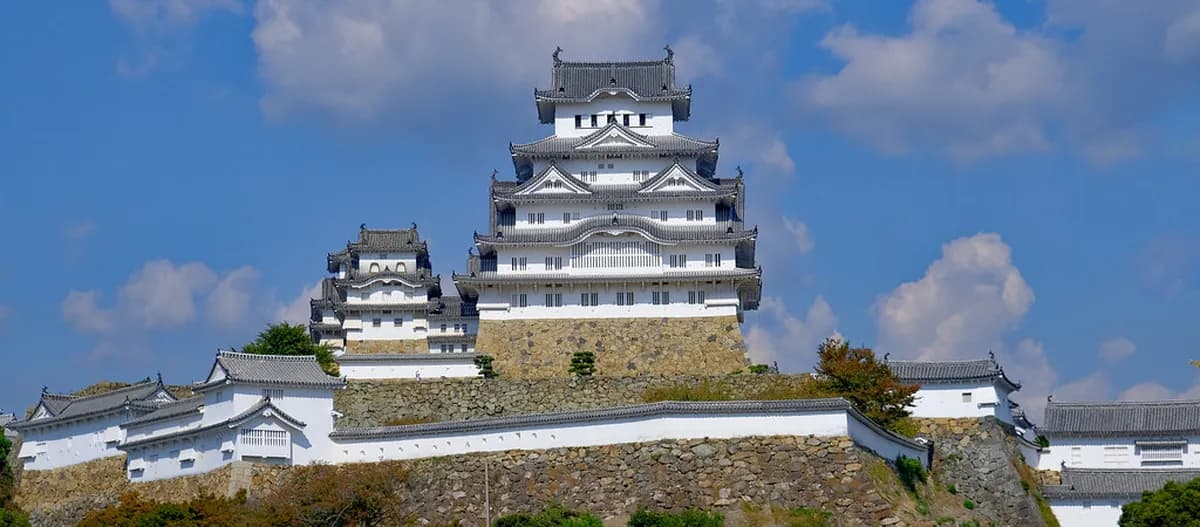
Best Time to Visit Matsuyama (2026): Season Guide
Find the best time to visit Matsuyama with month-by-month weather, a season comparison table, festival timing, and 2026 packing tips for your trip.
On this page
The best time to visit Matsuyama is during the shoulder seasons of early April and late October to mid-November. Spring brings cherry blossoms and mild air, while autumn offers clear skies and comfortable temperatures for castle and temple visits. Both windows avoid the hottest, most humid weeks of summer and the coolest days of winter.
Last updated in July 2026, this guide reflects current festival timing, opening hours, and seasonal pricing patterns. Matsuyama sits on Shikoku's Seto Inland Sea coast, so its climate stays milder and drier than most of Japan. Below, you'll find month-by-month weather, a season comparison table, festival timing, and packing advice for every traveler type.
Matsuyama rewards a well-timed trip more than most Japanese cities, since its top sights follow different seasonal clocks. Matsuyama Castle peaks with cherry blossoms in spring, while Dogo Onsen feels most inviting on cool winter evenings. Understanding both patterns helps travelers pick dates that match what they actually want to see and do.
Matsuyama Weather and Climate by Season
Matsuyama's Seto Inland Sea location gives it a noticeably drier, sunnier climate than Kyoto or Tokyo. Mountains on both sides of the inland sea block much of the rain that soaks other parts of Japan. That quirk makes shoulder-season trips more reliable here than in many other regions of the country.
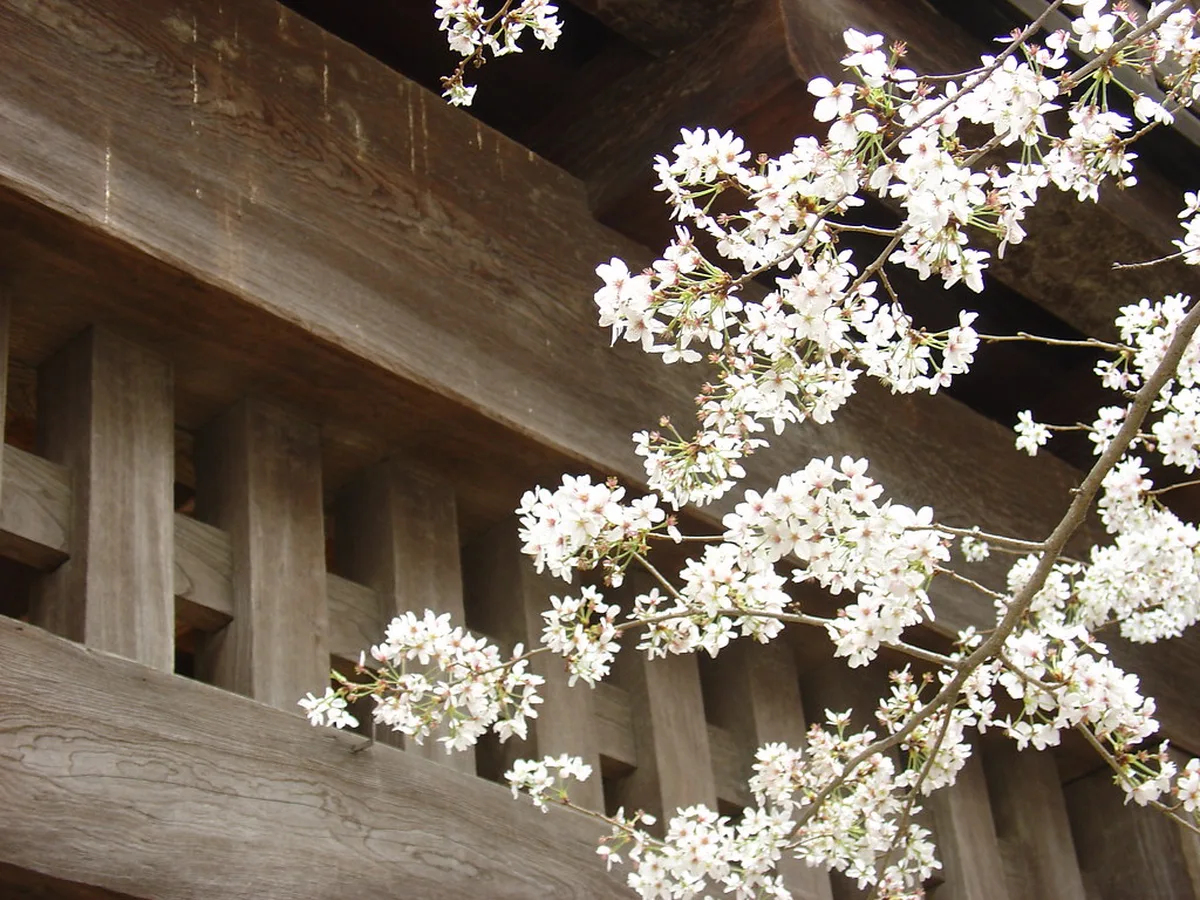
Matsuyama's Seto Inland Sea location blocks rain and creates a drier climate than most of Japan. Shoulder seasons (early April and late October–November) offer peak reliability for clear skies and mild temperatures.
Spring runs from mid-March through May, with the warmest, driest stretch arriving in late April and May. Cherry blossoms at Matsuyama Castle typically peak in late March to early April. Daytime highs reach 15-21°C, or roughly 59-70°F, with cool mornings and comfortable afternoons.
Summer runs from June through August, starting with the tsuyu rainy season from roughly early June to mid-July. Daytime highs climb to 27-33°C, or about 80-91°F, with high humidity that can feel heavier near the coast. Typhoon risk rises from late August through September, so travelers should watch forecasts and build a flexible itinerary. Late July and early August, outside the Obon holiday week in mid-August, tends to have the thinnest domestic crowds.
Autumn spans September through late November, with the driest, clearest air arriving from mid-October onward. Highs settle around 15-23°C, or roughly 59-73°F, making October and November comfortable for walking tours. Foliage at Ishite-ji Temple and the castle grounds usually peaks in mid-to-late November.
Winter, from December through February, stays mild for Japan, with daytime highs of 8-13°C, or about 46-55°F. Snow rarely settles in the city itself, though nearby mountain areas can see a light dusting. Clear, dry days make this a comfortable season for onsen visits and quiet sightseeing.
Season Comparison for the Best Time to Visit Matsuyama
The table below lines up weather, crowds, prices, and events for each season at a glance. Use it to compare trade-offs quickly before picking exact travel dates. Figures reflect typical seasonal climate patterns for the Seto Inland Sea region, not a single year's data.
Spring and peak autumn weekends bring the highest hotel rates of the year near downtown. Matsuyama Castle keeps official hours of 9:00 to 17:00 across most of the year. Hours extend to 17:30 in August and shorten to 16:30 from December through January.
Winter, outside the New Year travel window, offers the lowest lodging prices of the year. Travelers chasing the cheapest fares should target early-to-mid February or late June before schools break for summer. Those numbers come from typical seasonal pricing patterns rather than a single hotel's rate calendar.
| Season | Weather | Crowds | Prices | Events | Best For |
|---|---|---|---|---|---|
| Spring (mid-March-May) | 15-21°C / 59-70°F, mild and increasingly dry | Busy late March-early April for cherry blossoms | Peak-week hotel rates near the castle rise | Cherry blossoms and hanami picnics at the castle | First-time visitors who want mild days and blossoms |
| Summer (June-August) | 27-33°C / 80-91°F, hot and humid; tsuyu rain early June-mid-July | Quiet at temples, busier at Dogo Onsen evenings | Lowest rates outside mid-August Obon week | Okaido street festivals and summer fireworks | Budget travelers comfortable with heat and humidity |
| Autumn (September-late November) | 15-23°C / 59-73°F, dry and clear from mid-October | Moderate, rising for mid-to-late November foliage | Mid-range, higher on three-day weekends | Aki Matsuri mikoshi festival, usually early October | Travelers who want comfortable temperatures and foliage |
| Winter (December-February) | 8-13°C / 46-55°F, mild and mostly snow-free | Lowest all year except New Year travel week | Cheapest rates outside January 1-3 | Dogo Onsen Matsuri, usually mid-February; mikan harvest peaks | Onsen lovers and budget-focused travelers |
Festivals and Local Food Worth Timing Your Trip Around
The Dogo Onsen area hosts the Dogo Onsen Matsuri, usually held in mid-February, with parades and stage performances. Exact dates shift slightly each year, so travelers should confirm the 2026 schedule before booking flights. Crowds stay manageable compared with the spring blossom rush a few weeks later.
Matsuyama's biggest local festival, the Aki Matsuri, usually fills the streets in early October. Shrines across the city carry mikoshi, or portable shrines, in boisterous processions that draw large local crowds. Travelers who want an authentic, less touristy event should plan an early-October trip around it.
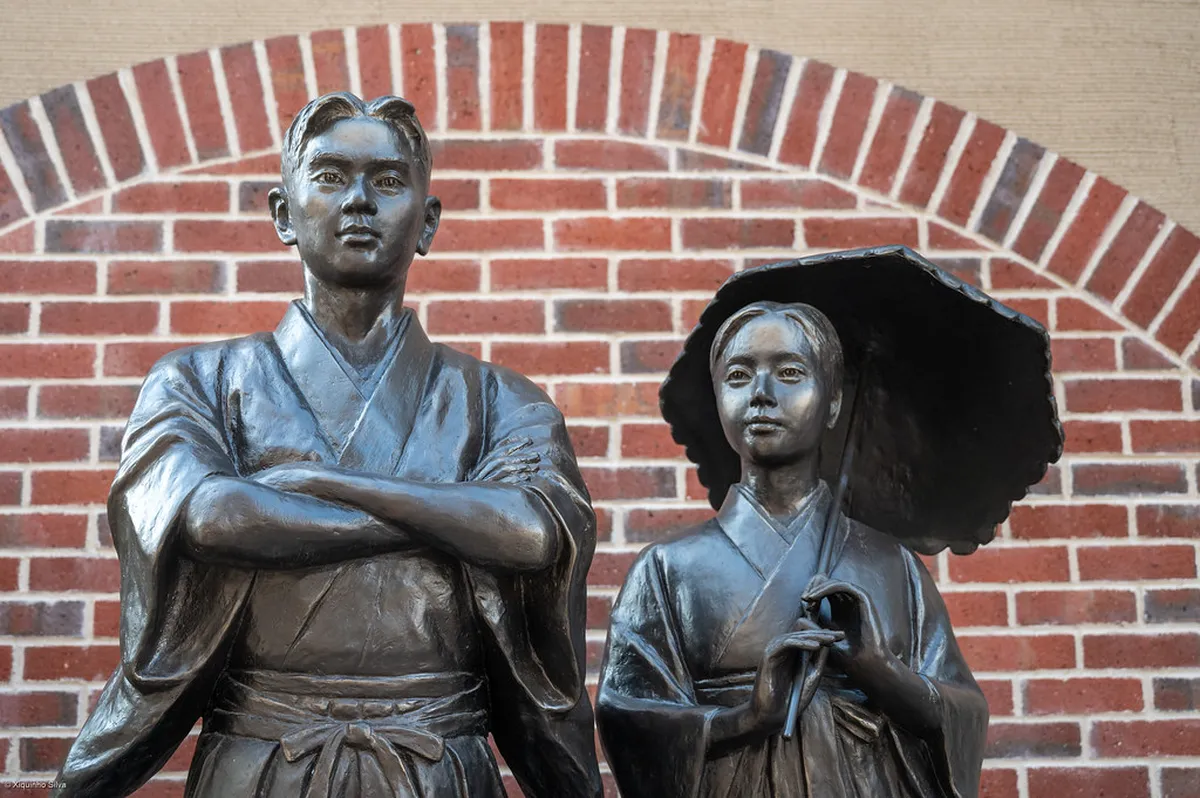
Matsuyama leans hard into its literary heritage from Natsume Soseki's novel Botchan, written after the author lived in the city. The Botchan Karakuri Clock performs a short scene on the hour outside Dogo Onsen Station year-round. A replica Botchan steam-style train also runs short 20-minute loops through the city with a conductor's narration in Japanese.
Ehime is one of Japan's leading mikan citrus regions, and the fruit's harvest peaks from November through January. Fresh mikan juice, mikan ice cream, and citrus snacks show up on menus across the city during those months. Taimeshi, a rice dish with raw sea bream, egg, and soy sauce, stays a year-round specialty.
What's Closed in Low Season
Winter and the rainy season bring the fewest crowds, but also the shortest hours and lightest schedules. The castle's ropeway, chairlift, and tower keep shorter hours, 9:00 to 16:30, from December through January. Many small restaurants and shops around Okaido and Dogo close for two or three days over New Year.
Getting around the region also changes with the seasons, especially for scenic transport options. The Iyonada Monogatari scenic train runs only on weekends and select Mondays year-round, with reservations often selling out weeks ahead. Winter weekday visitors may find it isn't running at all that day.
Ferries linking Matsuyama's ports to nearby Seto Inland Sea islands, like Onomichi, can see reduced winter sailings or weather cancellations. Confirming schedules a day or two ahead is worth the extra step in December and January. Outdoor hanami food stalls at the castle, meanwhile, only appear for the two or three weeks of peak cherry blossoms.
Typhoon risk rises from late August through September. Travelers visiting during these months should watch weather forecasts closely and build flexible itineraries in case of disruptions to transport or attractions.
Which Season Is Right for You?
Weather alone doesn't decide the right season, since budget, crowd tolerance, and interests matter just as much. The list below matches common traveler priorities to the season that fits best.
Booking lead times shift by season too, especially for lodging near the castle and Dogo Onsen. Rooms at popular places to stay in Matsuyama can sell out two to three months before peak weekends. Winter and midweek summer trips rarely require booking more than a few weeks out.
- Pick spring if you want blossoms
- Cherry blossoms at the castle grounds
- Mild days near 15 to 21°C
- Book hotels two to three months early
- Pick summer if you want festivals
- Okaido street festivals and fireworks
- Warm evenings for Dogo Onsen strolls
- Cheapest rates outside mid-August week
- Pick autumn if you want mild foliage
- Dry, clear skies from mid-October
- Aki Matsuri mikoshi festival crowds
- Comfortable temperatures for walking tours
- Pick winter if you want quiet onsen time
- Lowest crowds outside New Year week
- Mild days, rare snow in the city
- Cheapest hotel rates of the year
- Pick early April if you want both
- Late blossoms plus comfortable weather
- Fewer crowds than peak hanami week
- Moderate hotel rates before summer surge
What to Pack for Every Season in Matsuyama
Packing light works well here, since Matsuyama's compact downtown means most sights sit within walking or tram distance. Layers matter more than heavy gear, even in winter, since temperatures rarely drop below freezing.
Pack sandals for the free footbath at 4-30 Dogoyunomachi, Matsuyama, Ehime 790-0842, steps from Dogo Onsen Station. A light rain jacket earns its keep during the tsuyu rainy season from June to mid-July. A warm layer and gloves help on winter evenings, even though snow rarely falls in the city.
- Spring packing essentials for Matsuyama
- Light jacket for cool mornings
- Comfortable shoes for castle paths
- Portable rain cover for showers
- Summer packing essentials for Matsuyama
- Breathable, quick-dry clothing
- Sun hat and high-SPF sunscreen
- Compact umbrella for tsuyu rain
- Autumn packing essentials for Matsuyama
- Light sweater for cool evenings
- Walking shoes for foliage trails
- Light scarf for breezy afternoons
- Winter packing essentials for Matsuyama
- Warm coat for cool days
- Onsen sandals and a small towel
- Gloves for early morning walks
Japan-Wide Holidays That Affect Timing
Golden Week, a run of national holidays from April 29 through early May, lands right after Matsuyama's cherry blossom peak, so it's worth planning around rather than into. Trains, flights, and hotel rooms across Japan fill up fast during this stretch, and the castle grounds and Dogo Onsen see domestic crowds stacked on top of the usual spring visitors. Booking two to three months ahead becomes closer to a requirement than a suggestion if travel dates fall inside Golden Week.
Obon in mid-August and the New Year holiday week bring the same nationwide travel surge described elsewhere in this guide, just with heat or cold in place of blossoms. Travelers who want spring's mild weather without Golden Week's crowds should aim for the first two weeks of April instead, right as blossoms open but before the holiday rush begins. Shifting a trip by even a week or two around these dates can mean the difference between a relaxed castle visit and a packed one.
Frequently Asked Questions
What is the best month to visit Matsuyama?
Early April and late October to mid-November offer the best mix of mild weather and lighter crowds. Spring brings cherry blossoms around the castle, while autumn brings clear skies and comfortable temperatures for walking. Both windows avoid summer humidity and the coolest days of winter.
How many days should I spend in Matsuyama?
Most travelers find two to three full days enough to see Matsuyama Castle, Dogo Onsen, and Ishite-ji Temple without rushing. A well-paced our Matsuyama itinerary also leaves room for a day trip or a relaxed afternoon in Okaido. Add a day if visiting during cherry blossom or festival season.
Is Matsuyama humid in summer?
Yes, summer in Matsuyama runs hot and humid, especially during the tsuyu rainy season from early June to mid-July. Daytime highs often reach 27-33°C, or about 80-91°F, with sticky evenings near the coast. Typhoon risk also rises from late August into September, so flexible plans help.
What is special about visiting Matsuyama in the off-season?
Off-season visits mean quieter temples, shorter lines at Dogo Onsen, and noticeably lower hotel rates. Winter, outside the New Year holiday window, keeps mild, mostly dry days ideal for slow sightseeing. Locals note the castle grounds feel almost empty on winter weekday mornings.
Matsuyama rewards travelers who match their dates to what they want most from the trip. Early April and late October through mid-November remain the safest bets for mild weather and manageable crowds. Budget-focused travelers should look at winter, outside the New Year rush, or the quieter weeks of midsummer.
Whichever season you choose, build in flexibility for Shikoku's occasional weather surprises. A quick check of the current festival calendar before booking flights avoids most scheduling headaches.
For the full city overview, see our complete guide to the best things to do in Matsuyama.
Free guide: Japan's Hidden Gems
12 under-the-radar places beyond Tokyo & Kyoto — with the best season to visit each and a local tip you won't find in the guidebooks.
You might also like



Continue reading
More guides you'll find useful