Where to Stay in Matsuyama: Best Areas for 2026
Compare where to stay in Matsuyama for 2026: Dogo Onsen ryokan, central Okaido hotels, and JR Station, with prices, tram times, and booking tips.
On this page
Matsuyama, Shikoku's largest city, splits into a few compact districts once you compare where to stay in Matsuyama. Each neighborhood has its own personality, from steaming hot-spring baths to bustling covered shopping arcades. This guide breaks down the three main areas so you can pick a base that matches your itinerary and budget.
Dogo Onsen suits travelers chasing a traditional ryokan stay with steaming communal baths. Okaido and Gintengai put you in the middle of the shopping arcades, restaurants, and nightlife. The area around JR Matsuyama Station works best if you are catching an early train or ferry.
Last updated July 2026.
The Best Areas to Stay in Matsuyama at a Glance
Matsuyama offers three practical bases, each connected by a single tram network that loops through downtown. Before booking, it helps to know how close each option sits to Matsuyama's main attractions and the train or ferry terminals.
The quick comparison below covers typical price bands, tram travel times, and who each neighborhood suits best. Use it to narrow your shortlist before diving into the fuller breakdown of each area.
- Dogo Onsen: traditional ryokan and hot-spring hotels
- Wooden ryokan and modern onsen hotels cluster around the historic Dogo Onsen Honkan bathhouse.
- Expect roughly 12,000 to 30,000 yen a night for a room with hot-spring bathing access.
- The tram from Matsuyama-shi Station or JR Matsuyama Station takes about 20 to 25 minutes.
- Best suited to travelers who want a slow, traditional stay with yukata and kaiseki dinners.
- Okaido and Gintengai: downtown shopping and nightlife
- Covered arcades link department stores, izakaya, and karaoke bars a short walk from Matsuyama Castle.
- Business hotels here typically run 6,000 to 14,000 yen a night for a single or twin room.
- The tram stops right along Okaido, making this the most central base in the whole city.
- Ideal for first-time visitors who want restaurants and sights within easy walking distance.
- JR Matsuyama Station and Matsuyama Kanko Port
- Chain business hotels sit steps from the JR platforms and the tram terminus outside the station.
- Rooms average 5,500 to 12,000 yen a night, among the more budget-friendly options in the city.
- This area suits travelers catching an early train to Takamatsu or a ferry from the port.
- Matsuyama Kanko Port, used for Setouchi and Hiroshima ferries, is a separate stop reached by bus.
| Area | Best For | Price per Night | Tram Access |
|---|---|---|---|
| Dōgo Onsen | Traditional ryokan, hot-spring baths | ¥12,000–30,000 | 20–25 min from station |
| Ōkaidō-Gintengai | Shopping, nightlife, first-time visitors | ¥6,000–14,000 | Central location |
| JR Station Area | Budget travelers, early trains/ferries | ¥5,500–12,000 | At station |
Dogo Onsen: Ryokan and Hot-Spring Hotels
Dogo Onsen is Matsuyama's historic hot-spring district, built around the wooden Dogo Onsen Honkan bathhouse. Traditional ryokan and modern onsen hotels line the streets around the bathhouse and its shopping arcade. Staying here usually means yukata-clad evenings, communal baths, and an early soak before breakfast.
Rooms with a private or shared hot-spring bath generally run from about 12,000 to 30,000 yen a night. A cluster of small ryokan and footbaths sits near 4-30 Dogoyunomachi, Matsuyama, Ehime 790-0842, on the hillside above the main bathhouse. Book two to three months ahead for the spring cherry blossoms or the autumn foliage season.
Book several months ahead during peak seasons like cherry blossom time in spring and autumn foliage, as the best rooms fill quickly.
Cheaper business hotels and guesthouses sit closer to the tram stop, a short walk from the bathhouse. Look near 6-7 Dogoyunomachi, Matsuyama, Ehime 790-0842, right where the covered shopping street begins. The tram ride from Matsuyama-shi Station takes about 20 to 25 minutes, depending on the line.
For a full rundown of bathhouse hours, entry fees, and etiquette, check our our Dōgo Onsen bathhouse guide. This area also works well if you plan to walk over to Ishite-ji temple the next morning.
Okaido and Gintengai: Central Matsuyama Stays
Okaido and Gintengai form Matsuyama's covered shopping arcades, lined with department stores, izakaya, and cafes. This downtown pocket sits directly below Matsuyama Castle, reachable by the castle's ropeway or chair lift. Staying here means restaurants, convenience stores, and nightlife are all within a five-minute walk.
Business hotels here typically cost 6,000 to 14,000 yen a night for a single or twin room. Several sit near 3 Chome-3-7 Ichibancho, Matsuyama, Ehime 790-0001, a short walk from the castle's base. Read our the Matsuyama Castle guide before booking so you know which side of the hill suits your plans.
Right along the arcade itself, near 3 Chome-2-46 Okaido, Matsuyama, Ehime 790-0004, you will find some of the newest hotel openings. This is the most central base in the city, with the tram stopping right outside the arcade. It suits first-time visitors who want everything walkable, from dinner to souvenir shopping.
Near JR Matsuyama Station and Matsuyama Kanko Port
JR Matsuyama Station anchors the northern edge of downtown, with the tram terminus right outside. Chain business hotels cluster within a five-minute walk of the platforms and the station's bus terminal. This area suits travelers catching an early train to Takamatsu or a flight from Matsuyama Airport.
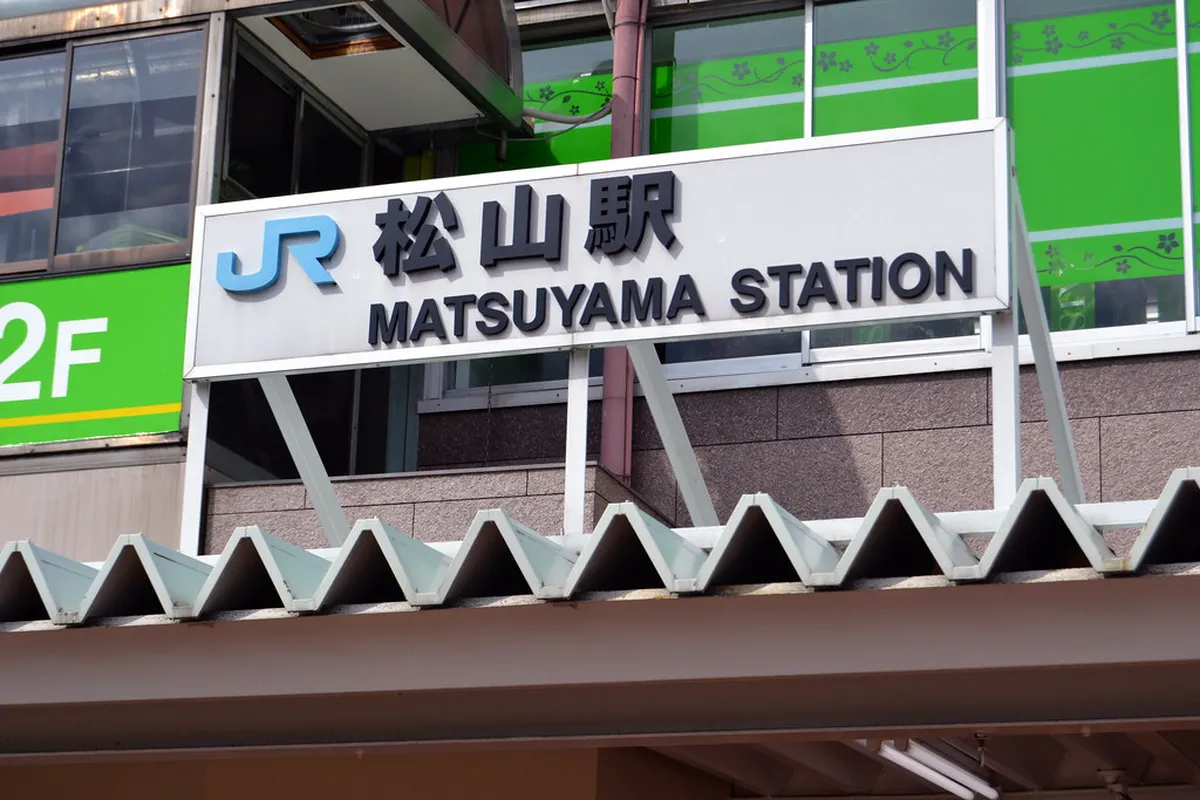
Rooms here average 5,500 to 12,000 yen a night, among the more budget-friendly rates in Matsuyama. Expect smaller, functional rooms aimed at business travelers rather than the ryokan-style stays near Dogo Onsen. Coin laundries and late-night convenience stores make this a practical pick for a one-night stopover.
Matsuyama Kanko Port, used for ferries to Hiroshima and the Setouchi islands, sits a separate bus ride away. Check our guide to getting to Matsuyama to confirm current ferry and train schedules before you book. If your trip starts or ends with a ferry, staying near the station saves you an extra transfer.
Getting Around: Trams Linking Matsuyama's Areas
A single tram network ties Dogo Onsen, Okaido, and both stations together, so no area is truly isolated. Loop Line 5 and several through-routes run every 10 to 15 minutes during the day. A single ride costs a flat 200 yen for adults, paid in cash as you exit.
The ride between Dogo Onsen and Matsuyama-shi Station near Okaido takes roughly 20 to 25 minutes. For full route maps, fares, and the retro Botchan Train option, see our guide to getting around Matsuyama. A one-day tram pass can be worth it if you plan to switch neighborhoods more than twice.
One detail that trips up first-timers is the last tram, which usually stops running around 11pm. If you plan a late dinner in Okaido but sleep in Dogo Onsen, check the schedule before you head out. Taxis cover the gap, but fares between the two districts can run 1,500 yen or more.
The last tram usually stops running around 11pm, so plan late dinners with that cutoff in mind and check schedules before heading out.
Choosing the Right Base for Your Trip
The right neighborhood depends more on your travel style than on any single attraction nearby. Families and first-timers usually do best in Okaido, where dinner options and pharmacies are steps away. Couples and onsen fans often prefer Dogo Onsen, even if it means one extra tram ride each day.
Solo travelers on a tight schedule, or anyone with an early departure, should lean toward the station area. It trims your morning to a five-minute walk instead of a 20-minute tram ride across town. Budget also matters, since station-area hotels often undercut Okaido rates by a few thousand yen.
If you are using Matsuyama as a base for day trips, staying near the station cuts down on dead travel time. Our guide to day trips from Matsuyama covers options like Uchiko that start from the same platforms. One night is rarely enough to enjoy both a hot-spring soak and a full day downtown, so plan for at least two.
Getting to Matsuyama: Train, Ferry, and Flight
How you arrive in Matsuyama can tip the balance between the station area and downtown, so we like to flag it before you book. JR limited express trains connect Matsuyama directly with Okayama and Takamatsu on the mainland side, each run taking roughly 2.5 to 3 hours and arriving at JR Matsuyama Station, which puts station-area hotels closest to hand.
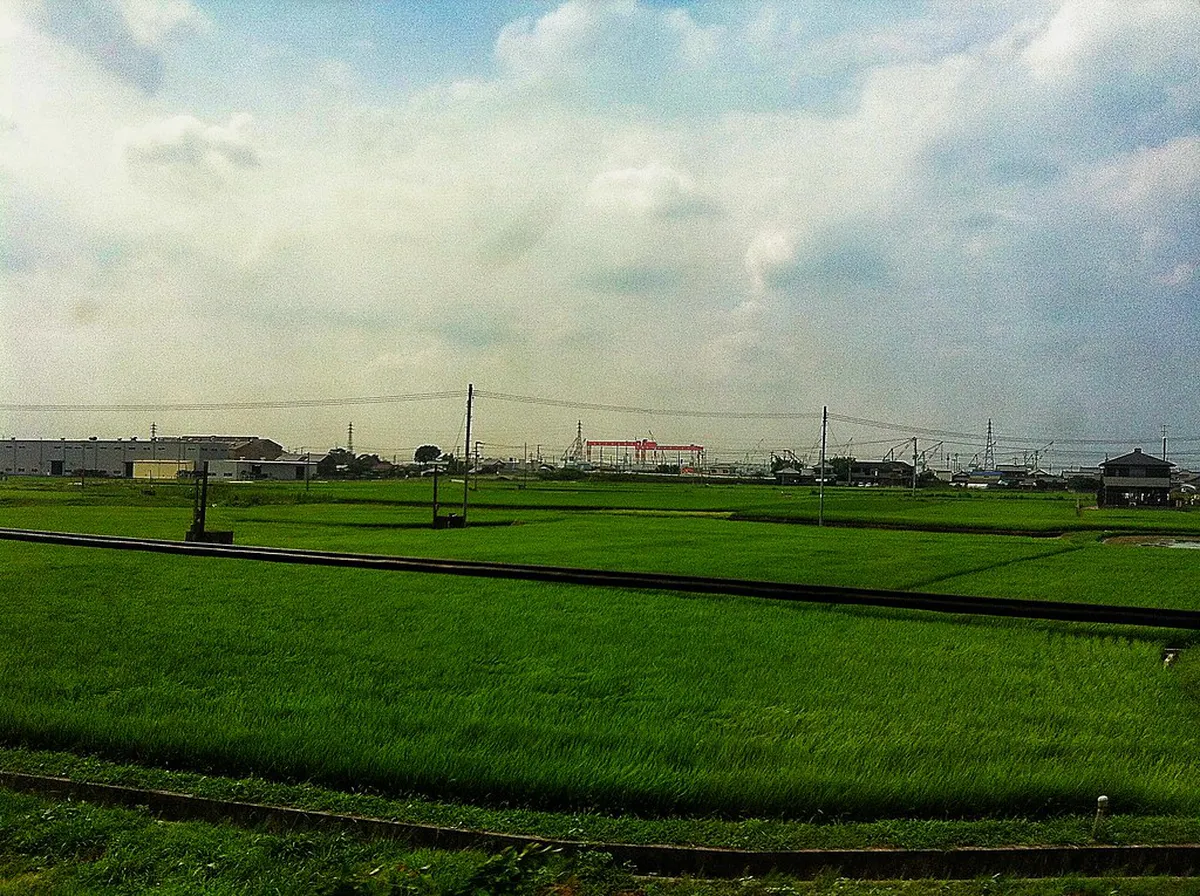
High-speed ferries between Matsuyama Kanko Port and Hiroshima take about an hour, with slower conventional ferries and routes to the Setouchi islands running longer. The port sits a separate bus ride from downtown, so we would build in extra transfer time either way. Matsuyama Airport lies a short drive southwest of downtown, with domestic flights to Tokyo, Osaka, and Fukuoka and a few international routes. Airport limousine buses run to JR Matsuyama Station, on to Okaido, and continue toward Dogo Onsen, so any of the three areas in this guide is reachable without a taxi transfer.
Frequently Asked Questions
Which area is best for a first visit to Matsuyama?
Okaido and Gintengai suit most first-time visitors, since the covered arcades put restaurants, shops, and the castle ropeway within easy walking distance. Business hotels here run roughly 6,000 to 14,000 yen a night. If you would rather soak in a hot spring each evening, Dogo Onsen is the better trade-off.
Is it better to stay near Dogo Onsen or Matsuyama Station?
Dogo Onsen suits travelers who want a traditional ryokan stay and do not mind a 20 to 25 minute tram ride into town. The station area suits anyone catching an early train, flight, or ferry, since hotels sit within a five-minute walk of the platforms.
How do I get between Dogo Onsen and downtown Matsuyama?
A single tram line connects Dogo Onsen, Okaido, and both JR Matsuyama Station and Matsuyama-shi Station. Rides cost a flat 200 yen and run every 10 to 15 minutes, though the last tram usually stops around 11pm, so plan late dinners with that cutoff in mind.
What should I budget for a hotel or ryokan in Matsuyama?
Budget business hotels near JR Matsuyama Station start around 5,500 yen a night, while central Okaido hotels run 6,000 to 14,000 yen. A traditional ryokan with a private hot-spring bath in Dogo Onsen typically costs 12,000 to 30,000 yen a night, more during cherry blossom season.
Where can I find good food near Okaido hotels?
Okaido and Gintengai host dozens of restaurants, from casual ramen counters to izakaya serving Ehime specialties like tai-meshi sea bream rice. Check our our local food guide for picks near the arcade. Most hotels in this area sit within a five-minute walk of several options.
Matsuyama rewards a little upfront planning when it comes to picking a place to stay. Dogo Onsen delivers the slow, traditional soak-and-sleep experience that draws many visitors to Ehime in the first place. Okaido and the station area trade some of that atmosphere for convenience and lower nightly rates.
Whichever area you choose, the tram makes it easy to visit the others for a few hours. Book Dogo Onsen ryokan a few months out during peak seasons, since the best rooms sell first. For everything else on the ground, from the castle to day trips, keep exploring our Matsuyama guides.
Free guide: Japan's Hidden Gems
12 under-the-radar places beyond Tokyo & Kyoto — with the best season to visit each and a local tip you won't find in the guidebooks.
You might also like


Continue reading
More guides you'll find useful