Matsuyama Castle Guide: What to Know in 2026
Plan your Matsuyama Castle visit with ropeway access, ticket price ranges, the Ninomaru Garden, and 2026 hours worth confirming before you go.
On this page
Matsuyama Castle rises above the city center of Matsuyama, in Ehime Prefecture on Shikoku. It is one of only twelve original castle keeps still standing anywhere in Japan. Most of the country's feudal-era castles were dismantled after the Meiji Restoration or lost to wartime bombing. This survivor sits atop Mount Katsuyama at about 132 meters, with views over the city and the Seto Inland Sea.
This guide walks through the castle's original-12 history, the ropeway and hiking routes up the hill, and the Ninomaru Historical Garden below. We also cover ticket ranges, seasonal hours, and the best months for cherry blossoms and autumn color. Pair this visit with Matsuyama's other must-see attractions to build a fuller day in the city.
Last updated July 2026.
What Makes Matsuyama Castle One of Japan's 12 Original Keeps
Construction on Matsuyama Castle began in 1602 under the lord Katō Yoshiaki. Work continued for roughly 25 years and finished under a later lord, Gamō Tadachika. The Matsudaira (Hisamatsu) clan then ruled from the castle for 14 generations, right up until the Meiji Restoration.
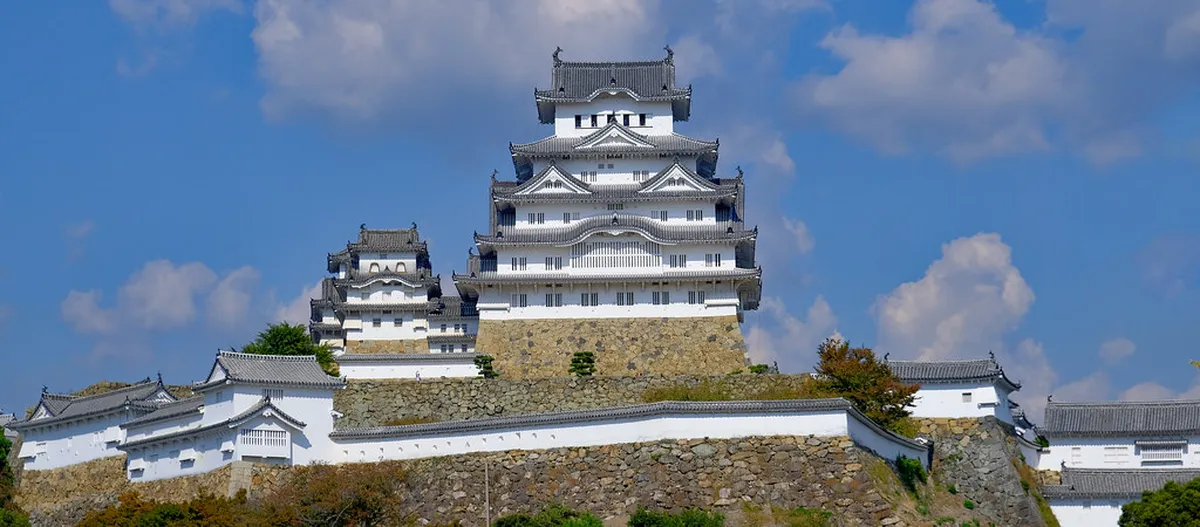
Being one of the original twelve means this keep predates Japan's modern era and skipped a full teardown. After the Meiji Restoration in the 1860s, officials ordered most castle keeps across Japan dismantled to end the old feudal power bases. Only twelve keeps escaped that order and later survived earthquakes, fires, and wartime bombing raids as well. Matsuyama's keep is often cited as the last of those twelve to reach its current form, since a lightning fire forced a rebuild.
Lightning struck the original keep in the late 1700s, and it was rebuilt by 1854, just before feudal rule ended. Matsuyama Castle earned Important Cultural Property status in 1935, and 21 of its structures still carry that designation. That same feudal-era backdrop overlaps with the city's Botchan literary heritage, a detail many castle visitors skip. Note too that other Japanese castles share the Matsuyama name, including Bitchu-Matsuyama in Okayama, so confirm which one a map describes.
Getting to Matsuyama Castle: Ropeway, Lift, or Trail
Most visitors start by riding a streetcar to the Ōkaidō stop in central Matsuyama. From there, it is roughly a five-minute walk to the Shinonomeguchi ropeway station at the base of the hill. Travelers coming from other parts of Japan can check how to reach Matsuyama before mapping out this last stretch.
From Shinonomeguchi, a ropeway car climbs to Chōjagahira near the summit in about three minutes. An open-air chairlift runs alongside it and covers the same climb in around six minutes with single seats. Both options save your legs, though the chairlift feels breezier and more open to the view. From Chōjagahira, expect another ten-minute walk uphill to reach the main keep itself.
Four separate hiking trails also climb Mount Katsuyama, so walkers have real route options. The fastest route from Shinonomeguchi reaches the summit in about 20 minutes, though it is steep in places. A common pattern is to ride up and walk down, so you see the castle's gates and turrets on foot. Drivers can reach the base in about 15 minutes from Matsuyama Interchange and park near Kiyomachi Street before walking or riding up.
- Ropeway from Shinonomeguchi Station
- The ropeway car reaches Chōjagahira near the summit in about three minutes.
- From the ropeway landing, plan on a ten-minute walk to the keep.
- Open-air chairlift beside the ropeway
- Single-seat chairs cover the same climb in around six minutes total.
- This option shares the same landing point and walk to the keep.
- Walking trails up Mount Katsuyama
- Four marked trails climb the hill from different starting points around town.
- The quickest route from Shinonomeguchi reaches the top in roughly 20 minutes.
- Driving and parking near the castle
- The hill sits about 15 minutes from Matsuyama Interchange by car.
- Paid parking lots line Kiyomachi Street on the castle's east side.
| Method | Time to Summit | Notes |
|---|---|---|
| Ropeway | 3 min + 10 min walk | Round-trip ~520 yen; views from above |
| Chairlift | 6 min + 10 min walk | Open-air; same landing; breezier views |
| Walking | 20 minutes (fastest route) | Four marked trails; steep in places |
| Driving | 15 min from Interchange | Paid parking on Kiyomachi Street; walk or ride up |
Inside the Keep and Its Defensive Layout
Inside the keep, the rooms function as a small museum rather than an empty shell. Displays cover armor, swords, and the joinery techniques carpenters used to keep the wooden frame strong. Some visitors even try on samurai armor for a photo before climbing the steep interior stairs.
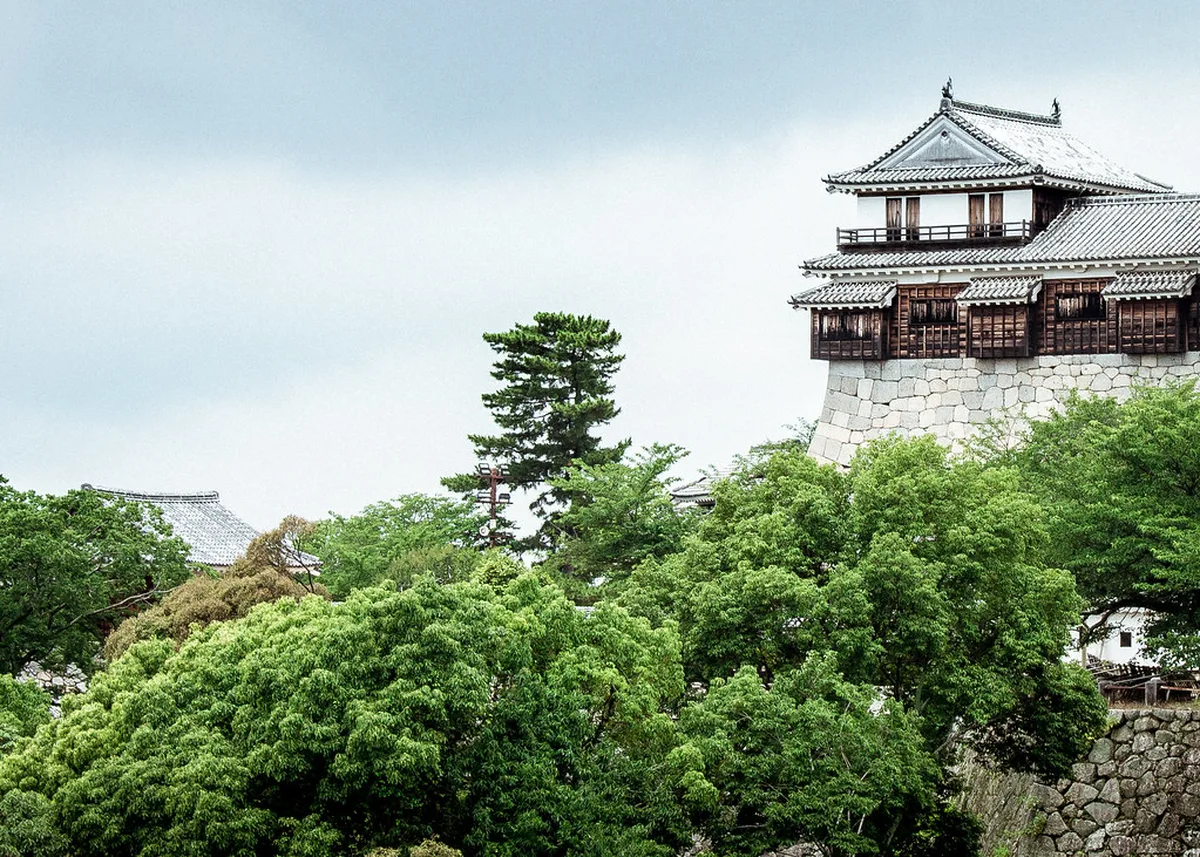
Matsuyama Castle uses a renritsu-shiki, or linked-tower, layout that is fairly rare among Japanese keeps. Covered corridors connect the main tower to smaller keeps and corner turrets around a central courtyard. That wing-like arrangement gives defenders more angles to fire on anyone who breached the outer gates. Historians point to the castle's climbing stone walls, or nobori-ishigaki, as another defensive signature worth studying up close.
Reaching the keep means passing through a maze of gates, corridors, and reinforced stone walls. That layout was built to slow down attackers long before they reached the lord's inner chambers. From the top floor, a 360-degree view opens up over Matsuyama City, the Seto Inland Sea, and on clear days Mount Ishizuchi.
The main keep's interior has many steep stairs and some areas have limited step-free access. Wear comfortable shoes with good grip for the climb.
Ninomaru Historical Garden and Cherry Blossom Season
At the base of the hill, Ninomaru Historical Garden marks where the lord's palace once stood. The palace buildings are gone, but their stone foundations now outline a landscaped Japanese garden. A shallow moat still wraps the flat park area, known as Horinouchi, near the main train route into town.
Admission to Ninomaru Garden runs separately from the main keep ticket and typically costs a few hundred yen. Plants change with the seasons, so the view differs depending on when you walk through. Most visitors pair a slow loop here with the ropeway ride, since both share the same access route.
Cherry blossom season brings about 200 Somei Yoshino trees into bloom across the castle grounds. That bloom usually peaks from late March into early April and has earned the site a spot among Japan's top cherry blossom locations. Autumn foliage offers a quieter alternative from mid-November into early December, so check the best time to visit Matsuyama for either season.
Planning Your Visit: Hours, Tickets, and Timing
The main keep generally opens around 9 a.m. and closes in the early evening, with hours shifting by season. There is always a last admission time before closing, so arrive with a buffer. Ropeway and chairlift hours run on their own separate seasonal schedule, so double-check both before you set out.
As a guide, the main keep ticket sits in the 500-yen range for adults and roughly 100 yen for children. A round-trip ropeway or lift ticket runs around 520 yen for adults and 260 yen for children. A combined ticket covering the keep and round-trip ropeway comes in around 1,000 yen and usually saves a little money. Treat these as planning figures and confirm exact prices on the official Matsuyama tourism site before you go.
Budget about 1.5 to 2 hours for the ropeway ride, the keep, and photos from the top floor. Add another 30 to 45 minutes if you plan to walk through Ninomaru Garden as well. Arriving soon after opening tends to beat tour bus groups that fill the ropeway line later in the day. Wear comfortable shoes, since the keep has many steep stairs and some areas have limited step-free access.
The ropeway and chairlift hours run on a separate seasonal schedule from the keep itself. Always confirm both schedules before you set out, as they can shift year to year.
- Confirm hours before your visit
- Keep hours generally run from around nine each morning until early evening.
- A last admission time applies, so build in extra buffer time.
- Budget for keep and ropeway tickets
- The main keep ticket sits in the 500-yen range for adults.
- Combined tickets near 1,000 yen often work out cheaper overall.
- Plan around stairs and weather
- Expect many steep interior stairs and a hillside walk to reach the keep.
- Pack sun protection in summer and warm layers when visiting in winter.
- Arrive early to beat tour groups
- Morning visits usually mean shorter ropeway lines and quieter keep interiors.
- Weekday visits generally feel calmer than weekend afternoons at the castle.
Where to Stay and What Else to See Nearby
Most travelers base themselves in central Matsuyama, within easy tram reach of the castle's ropeway station. Staying near the Ōkaidō or Matsuyama Station area keeps the castle, shopping streets, and dining within walking distance. For a full breakdown of neighborhoods and price bands, see our guide to the best areas to stay.

Dogo Onsen, one of Japan's oldest hot spring towns, sits a short tram ride from the castle district. Our our guide to Dōgo Onsen covers the bathhouse, its history, and nearby places to eat. Ishite-ji Temple, the 51st stop on the Shikoku pilgrimage, makes another easy half-day addition to a castle visit.
Sea bream rice, known locally as tai meshi, is a signature Ehime dish worth seeking out after a castle visit. Travelers with extra time can pair the castle with a broader look at our the Ehime food guide for restaurant picks.
If you would rather browse specific properties, you can find stays near Matsuyama Castle directly through a hotel search. Booking a few weeks ahead of cherry blossom season generally means more choice and steadier prices.
Frequently Asked Questions
Is Matsuyama Castle's keep original, or was it rebuilt?
The main keep standing today dates to 1854, after a lightning fire destroyed the earlier tower in the late 1700s. It still counts as one of Japan's 12 original castle keeps because it was rebuilt on its historic Edo-period foundation before the Meiji era ended feudal rule. The keep and 20 other structures hold Important Cultural Property status.
How much time should I plan for a Matsuyama Castle visit?
Plan on roughly 1.5 to 2 hours for the ropeway ride, the keep interior, and photos from the top floor. Add another 30 to 45 minutes if you also want to walk through Ninomaru Historical Garden at the base. Arriving soon after opening usually means shorter lines and a quieter climb.
Is Matsuyama Castle the same as other castles with that name?
Not exactly, since several Japanese castles share the name Matsuyama, which simply means Pine Mountain. Ehime's Matsuyama Castle holds a surviving original keep, while Bicchu-Matsuyama Castle in Okayama Prefecture is a separate original-12 castle at a higher elevation. A third site in Saitama Prefecture keeps only earthworks today, so confirm which Matsuyama Castle your itinerary describes.
Is Matsuyama Castle worth visiting?
Yes, since it pairs genuine Edo-period architecture with panoramic views most reconstructed castles cannot match. The ropeway and garden below make the visit easy for a range of fitness levels and travel styles. Combine it with a look at Matsuyama's other attractions to fill out a full day in the city.
Matsuyama Castle rewards visitors with a rare mix of untouched Edo-period architecture and sweeping views over Shikoku. Whether you ride the ropeway, hike a trail, or mix both directions, the view at the top is the same. Set aside at least half a day once you add the Ninomaru Garden and a nearby stop like Dogo Onsen.
Confirm current hours, ticket prices, and any seasonal closures before you finalize your itinerary for 2026. Small details like ropeway schedules can shift year to year, so a quick check saves real time on the day. With that groundwork done, Matsuyama Castle makes an easy, memorable centerpiece for a Shikoku trip.
Free guide: Japan's Hidden Gems
12 under-the-radar places beyond Tokyo & Kyoto — with the best season to visit each and a local tip you won't find in the guidebooks.
You might also like


Continue reading
More guides you'll find useful