Botchan Matsuyama Literary Heritage Guide 2026
Discover botchan matsuyama: Natsume Soseki's 1906 novel, the Botchan Ressha steam tram, and Masaoka Shiki's haiku legacy, with practical tips for 2026.
On this page
Matsuyama, the capital of Ehime Prefecture on Shikoku island, markets itself proudly as Japan's city of literature. Ask locals about botchan matsuyama and they may mention a steam-look tram, a dumpling shop, or a museum built around a beloved 1906 novel. Two writers, Natsume Soseki and Masaoka Shiki, gave this city its literary identity, and their legacy still shapes what visitors see and eat today.
This guide walks through the real people and places behind the name, from a satirical schoolteacher's diary to a slow-moving tourist train. We cover the novel, the museums, the sweets, and the practical steps for building a literary day into your 2026 Matsuyama itinerary.
Last updated July 2026.
Why Matsuyama Calls Itself the City of Literature
Matsuyama earned its literary reputation the hard way, through two writers who left lasting marks on the city. Natsume Soseki taught English here for about a year in 1895, and that short posting later became the setting for his novel Botchan. Masaoka Shiki, born in Matsuyama in 1867, reshaped Japanese haiku and tanka poetry before his early death from tuberculosis.
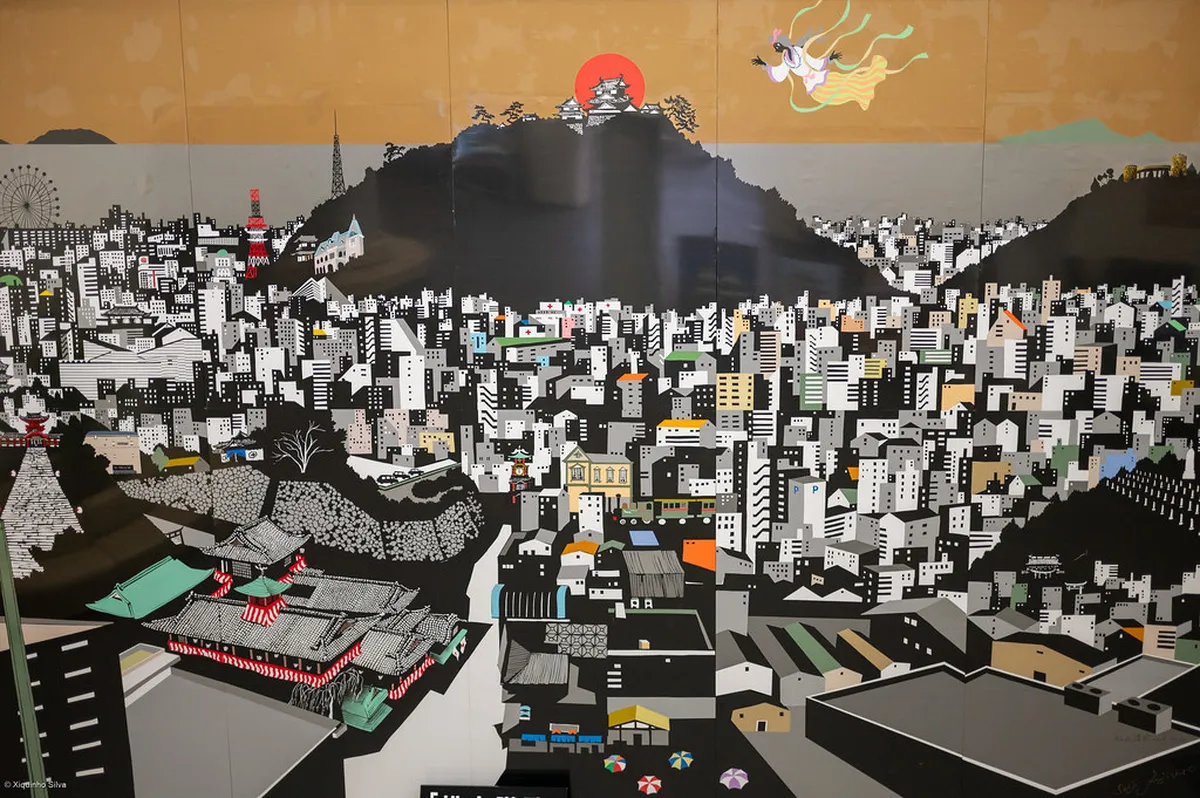
City officials leaned into this heritage decades ago, branding Matsuyama as Japan's city of haiku and literature. You will spot haiku post boxes around town where visitors can drop a poem, plus street signs quoting lines from Botchan. Local shops sell Botchan-branded sweets and souvenirs, and the tourism board leans on the novel in nearly every campaign.
This branding is not just marketing hype, since the city genuinely produced two influential literary figures within one generation. For more citywide highlights, our Matsuyama attractions guide covers sights beyond this literary trail.
Botchan Matsuyama: The Novel Behind the Nickname
The 1906 novel Botchan follows a blunt, hot-tempered young math teacher sent from Tokyo to a fictional countryside school. Readers have long matched that fictional town to Matsuyama, since Soseki taught at the local middle school just before writing it. The story pokes fun at rigid rural customs, gossiping colleagues, and the narrator's own stubborn pride.
Soseki never named the town outright, but locals recognized landmarks like the castle, the hot spring, and the old rail line. Today, botchan matsuyama has become shorthand for this entire literary tourism scene, not just the book itself. Matsuyama Castle, a hilltop fortress with structures dating from the Edo period, appears repeatedly in the novel's descriptions of the town.
If you want to see the fortress that shaped Soseki's descriptions, our our castle guide covers hours and access. Locals still debate exactly which characters were based on real teachers, which only adds to the town's literary charm.
Riding the Botchan Ressha Steam Tram
The Botchan Ressha is a diesel-powered replica of the steam locomotive that once served Matsuyama's original rail line. Operator Iyotetsu runs two routes: Line 1 connects Dogo Onsen to Matsuyama-shi Station through the Okaido shopping arcade. Line 2 continues from Dogo Onsen through Okaido to JR Matsuyama Station and on to Furumachi. The original coal-fired version ran from 1888 to 1954, before Iyotetsu revived it as a diesel replica in 2001.
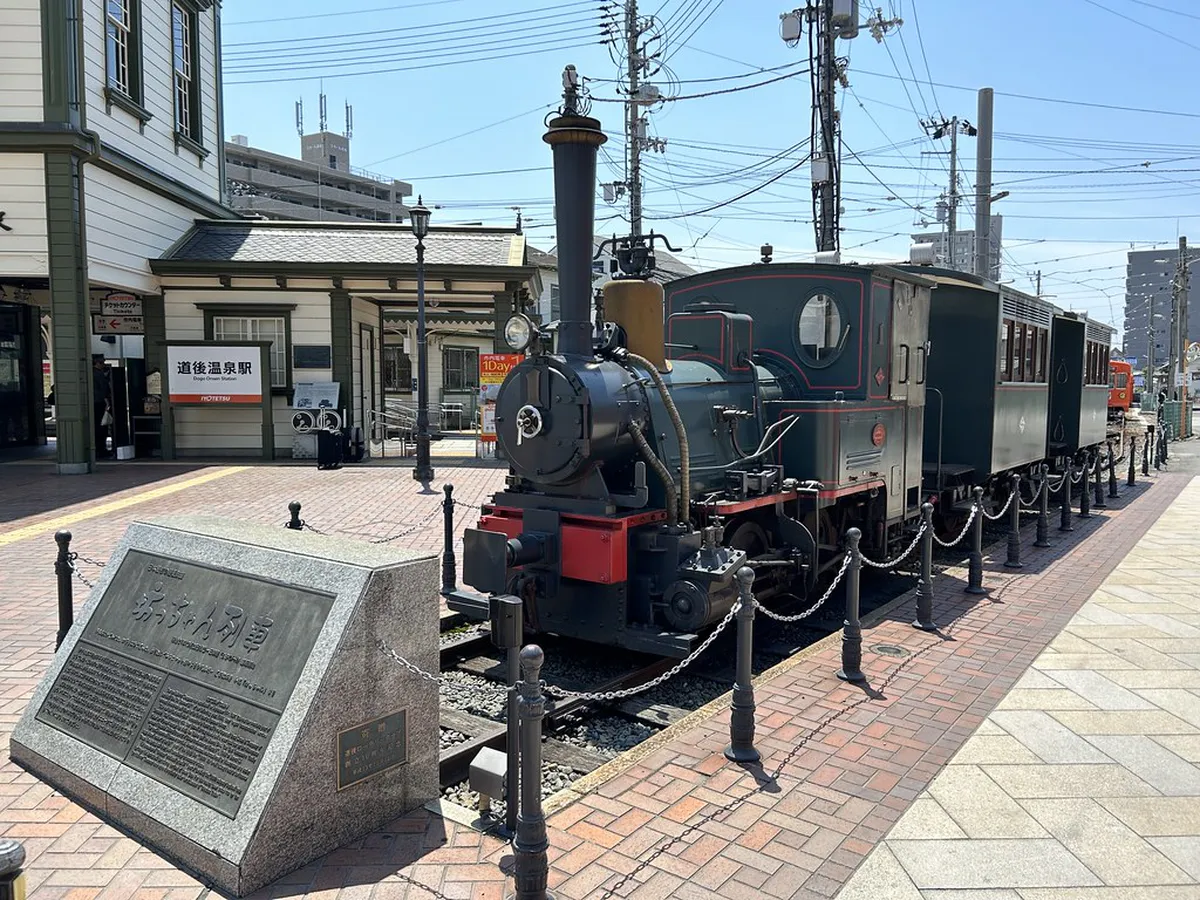
Unlike a modern tram, the little engine cannot simply reverse direction at the end of the line. A built-in hydraulic jack lifts the whole locomotive so the driver and conductor can rotate it 180 degrees by hand. Arrive a few minutes early at Dogo Onsen or Matsuyama-shi Station if you want to watch this shunting routine.
A built-in hydraulic jack lifts the entire locomotive so the driver and conductor can rotate it 180 degrees by hand at the terminus. Arrive early to watch this unique shunting maneuver.
Fares have historically run around 1,300 yen for adults and 650 yen for children on a single ride. At Dogo Onsen, staff hand out numbered tickets from around 8:30 a.m. before boarding begins, so arrive early on busy days. Schedules and fares change from season to season, so check the official Botchan Ressha timetable before planning your ride.
The tram also links neatly into Matsuyama's wider transit network of city trams and buses. For fares and routes on the regular tram lines, see our guide to getting around Matsuyama before you plan your day.
- Dogo Onsen Station
- Eastern terminus for both tram lines, right next to the hot spring district.
- Numbered morning tickets are issued here from around 8:30 a.m. on busy days.
- Okaido shopping arcade
- A shared middle stop on both lines, running through a covered shopping street.
- A convenient spot to hop off for lunch or souvenirs partway through the ride.
- Matsuyama-shi Station and JR Matsuyama Station
- Line 1 ends at Matsuyama-shi Station, close to the castle and central shops.
- Line 2 continues past JR Matsuyama Station on to the Furumachi terminus.
At Dogo Onsen, numbered tickets are issued starting around 8:30 a.m. on busy days. Arrive early during peak seasons like cherry blossom time to secure a spot on the tram.
Masaoka Shiki and Matsuyama's Haiku Legacy
Masaoka Shiki reformed haiku and tanka poetry in the late 1800s, pushing poets toward direct, concrete imagery over old conventions. He and Natsume Soseki met as university students in Tokyo and stayed close friends for the rest of Shiki's short life. Coincidentally, both writers were born in 1867, though Shiki grew up in Matsuyama and Soseki grew up in Tokyo. In 1895, Shiki returned to his hometown Matsuyama to recover from tuberculosis and lodged with Soseki for about fifty days.
That shared stretch of time is said to have shaped small details and character sketches later folded into Botchan. The Shiki Memorial Museum, near Dogo Park, traces his life, his war reporting, and his push to modernize Japanese verse. Exhibits include handwritten manuscripts and everyday items, giving a personal view rarely captured in standard history books.
Since the museum sits so close to the hot spring district, most visitors pair it with a stop at Dogo Onsen. Confirm current opening hours before you visit, since many Matsuyama museums close one day a week, often on Mondays.
The Saka no Ue no Kumo Museum and Botchan Dango
The Saka no Ue no Kumo Museum, designed by architect Tadao Ando, opened in 2007 near Matsuyama Castle. It is themed on Shiba Ryotaro's historical novel of the same name, which follows Shiki and two Matsuyama-born military brothers. The building's spiral ramps and concrete walls make the space itself worth visiting, separate from the exhibits inside.
Botchan Dango is a three-color skewer of mochi, coated in egg-yellow, adzuki-bean, and matcha-green pastes. The treat gets its name from a scene in the novel, where the protagonist gets teased for eating dango in public. Several confectioners near Dogo Onsen and downtown Matsuyama still sell their own version of the sweet today.
Prices for a skewer are modest, generally a few hundred yen, though exact pricing varies by shop and season. Our what to eat in Matsuyama covers where to find Botchan Dango alongside other local specialties.
Planning Your Botchan Literary Heritage Day
A full literary circuit, covering the museums, the tram ride, and a dango stop, takes most travelers a full day. Start early at Matsuyama Castle, ride the Botchan Ressha toward Dogo Onsen, then finish at the Shiki Memorial Museum. Our Matsuyama itinerary guide shows how to slot this literary day alongside other city highlights.
Basing yourself near Dogo Onsen puts the museums, the dango shops, and the tram terminus within easy walking distance. Staying near the castle or central Matsuyama also works well, since the tram connects both areas in under twenty minutes. Our where to stay in Matsuyama guide breaks down neighborhoods by budget and access.
Spring cherry blossoms and autumn foliage add nice backdrops for photos around the castle and Dogo Park. Whichever season you choose, budget at least half a day so you are not rushing between stops.
Getting to Matsuyama for Your Literary Day
Most travelers reach Matsuyama by air, rail, or ferry, then transfer onto the same tram network that later carries the Botchan Ressha. Matsuyama Airport sits about 20 minutes from downtown by airport limousine bus and handles domestic flights, including routes connecting through Tokyo Haneda in around 80 minutes. Coming from Okayama or Osaka, the JR Shiokaze limited express crosses the Seto Ohashi Bridge and reaches JR Matsuyama Station in roughly two and a half hours; book a reserved seat during cherry blossom season or Golden Week. Travelers coming from Hiroshima can skip the mainland detour by boarding the Setonaikai Kisen high-speed ferry from Hiroshima Port, arriving at Matsuyama Kanko Port in about 70 minutes before a short bus or taxi ride into town. However you arrive, both JR Matsuyama Station and Matsuyama-shi Station connect directly to the Iyotetsu tram lines that reach Dogo Onsen and Matsuyama Castle, so you can start the literary trail within minutes of arriving.
Frequently Asked Questions
What is the novel Botchan about?
Botchan is Natsume Soseki's 1906 novel about a blunt, impulsive young teacher sent from Tokyo to a small provincial school. He clashes with rigid colleagues and a gossiping town while sticking to his own stubborn code of honor. Readers still tie the fictional setting closely to Matsuyama today.
Why is Matsuyama linked to the novel Botchan?
Natsume Soseki taught English at a Matsuyama middle school for about a year in 1895, just before writing the book. Locals recognized landmarks like the castle and the old rail line hidden inside the story. That real connection turned botchan matsuyama into a lasting local nickname.
How do you ride the Botchan Ressha train?
The Botchan Ressha runs on regular Iyotetsu tram tracks between JR Matsuyama Station, the castle area, and Dogo Onsen. Board like a normal tram and pay the posted fare, keeping in mind that departures run on a limited daily schedule. Check current times and fares before you go.
Who was Masaoka Shiki and why does Matsuyama honor him?
Masaoka Shiki was a Matsuyama-born poet who modernized haiku and tanka in the late 1800s, favoring plain, concrete imagery. He was a close friend of Natsume Soseki and remains a source of civic pride in his hometown. The Shiki Memorial Museum documents his short but influential life.
Is Botchan Dango still sold in Matsuyama today?
Yes, several shops near Dogo Onsen and downtown Matsuyama still sell the three-color Botchan Dango skewers today. The sweet takes its name from a dango scene in Soseki's novel and remains a popular souvenir. Prices stay modest, usually just a few hundred yen per skewer.
Botchan Matsuyama is more than a marketing phrase, since two writers genuinely shaped how this city sees itself. A single day lets you trace Soseki's fictional schoolteacher, Shiki's haiku reforms, and the dango that ties them together.
Whether you come for the novel, the poetry, or simply the dango, Matsuyama rewards travelers who slow down. Plan your literary route now, and let the botchan matsuyama trail guide a memorable stretch of your 2026 trip.
Free guide: Japan's Hidden Gems
12 under-the-radar places beyond Tokyo & Kyoto — with the best season to visit each and a local tip you won't find in the guidebooks.
You might also like


Continue reading
More guides you'll find useful