10 Essential Stops for an Onomichi Day Trip: Cat Alley and Temple Walk
Master your Onomichi day trip with this guide to the 2.5km Temple Walk and Cat Alley. Includes transport hacks, the lucky stone ritual, and the best ramen spots.
On this page
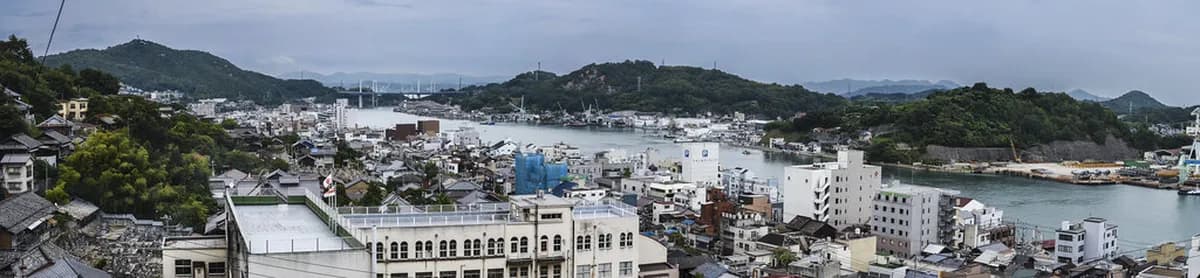
I built this onomichi day trip cat alley and temple walk guide after my third visit to this Setouchi port town in 2026. The plan combines a 2.5km hillside temple route, the famous Neko no Hosomichi cat alley, and a downhill loop that lets you see both without burning your legs out before lunch. Onomichi runs at a slower pace than nearby Hiroshima city, but the vertical layout punishes anyone who arrives without a route plan.
Travelers building a wider Hiroshima itinerary tend to skip Onomichi because the Shinkansen station name does not match the local one. That is the single biggest mistake to avoid. Below you will find the exact logistics, a ropeway-versus-walk comparison, the Fukuishi Neko ritual that locals expect you to follow, and the timing rules that decide whether your sunset shot from Senkoji Park works or not.
At a Glance: 1-Day Onomichi Adventure
Onomichi is a historic Setouchi port city that is compact in the horizontal sense and punishing in the vertical one. The town runs less than 1km along the waterfront but climbs 140m up Mount Senkoji within that strip. One full day is enough to see the major hillside highlights, walk the temple route downhill, and finish with ramen on the arcade.
- Morning 09:00 to 11:30: Senkoji Ropeway up, Senkoji Park observatory, start of the Temple Walk
- Late morning 11:30 to 13:00: Tennei-ji pagoda, descent through the upper temples, Neko no Hosomichi
- Afternoon 13:00 to 16:00: Onomichi Ramen lunch, Onomichi City Museum of Art, lower-temple loop to Jodoji
- Evening 16:30 to 19:00: Hondori arcade browsing, waterfront promenade, sunset at the channel
Logistics: Getting to Onomichi Station vs. Shin-Onomichi
| Route | Duration | Cost | Notes |
|---|---|---|---|
| Hiroshima → Onomichi (JR Sanyo Line) | 75–90 min | ~1,520 yen | Every 30 min; arrive at the correct station |
| Osaka/Kyoto → Fukuyama (Shinkansen) + Sanyo Line | ~2 hrs total | ~9,500 yen | Sakura Shinkansen to Fukuyama, then 20 min local |
| Shin-Onomichi → Onomichi (Bus route 1) | ~15 min | 190 yen | Roughly hourly; if you arrive at wrong station |
| Senkoji Ropeway (one way up) | 3 min | 500 yen | Runs 09:00–17:15; last car up at 17:00 |
| Mukaishima ferry (Onomichi port) | 5 min | 110 yen | Every 10–15 min |
The biggest trap in this trip is the station name. Shinkansen trains stop at Shin-Onomichi, which sits 3km north of the historic waterfront and has no shops, no temple-walk access, and no ropeway nearby. Local JR Sanyo Line trains stop at Onomichi Station, which is the one you actually want, two minutes on foot from the ropeway base and the start of the heritage walk.
From Hiroshima Station, the local JR Sanyo Line runs every 30 minutes, takes 75 to 90 minutes, and costs around 1,520 yen. From Osaka or Kyoto, the fastest combo is a Sakura Shinkansen to Fukuyama (not Shin-Onomichi) followed by a 20-minute local Sanyo Line train to Onomichi; total around 2 hours and 9,500 yen one way. If you have already bought a ticket to Shin-Onomichi by mistake, take Onomichi Bus route 1 from outside the station: it runs roughly hourly, costs 190 yen, and reaches Onomichi Station in about 15 minutes. A taxi covers the same gap for about 1,800 yen.
For day-trippers from further out, our Hiroshima 1-day itinerary from Osaka and Kyoto covers the Shinkansen options and Japan Rail Pass calculations. Aim to arrive at Onomichi Station by 09:00 so you hit the ropeway before the 09:30 tour-bus surge.
The cleanest route is ropeway up (500 yen, saves 40 min and 140m of climbing) and Temple Walk down — free descent through the most photogenic alleys and stone pagodas. The ropeway last car up departs at 17:00; set a phone alarm at 16:45 if you are at the observatory for sunset.
Senkoji Ropeway vs. Walking Up: Which to Pick
The cleanest route strategy is uphill by ropeway, downhill on foot. The ropeway saves your legs for the temple descent, which is where most of the photogenic alleys, stone pagodas, and lucky-cat stones live. Walking up the same route costs no money but adds 35 to 45 minutes of stairs in direct sun, and you will arrive too tired to enjoy the descent.
- Ropeway up: 3 minutes, 500 yen one way or 800 yen round trip, runs 09:00 to 17:15 (last car up departs 17:00). Saves roughly 40 minutes and 140m of climbing.
- Walk up via the alleys: 35 to 45 minutes through residential lanes, free, occasional cat encounters along the lower path, but very limited shade in summer.
- Hybrid (recommended): Ropeway up (500 yen), walk down the Temple Walk for free. Best balance of energy, photos, and time at the top.
The 17:15 ropeway closure is a hard deadline. From late autumn through early spring, sunset at the Senkoji observatory falls before 17:00, so you can shoot golden hour and still ride down. From May through August, sunset is later than 19:00, the ropeway is already closed, and the only way down is the unlit stone path through the temples. Bring a phone torch if you stay late and plan to walk down in any season other than peak winter.
The Temple Walk: A 2.5km Hillside Heritage Route
The Onomichi Temple Walk links 25 historic temples along a cobbled 2.5km path on the south face of Mount Senkoji, and the official Onomichi tourism association publishes the current temple-route map and seasonal opening notes. The full route takes 2.5 to 3 hours at a slow pace including photo stops; the official "Seven Temple Tour" version condenses it to about 3 hours with stamps. Starting at the top after the ropeway and walking down means almost every step is descending or flat.
The four anchor stops to prioritise if you are short on time:
- Senkoji Temple (founded 806 AD, free): The vermilion main hall is built directly into the cliff, with the Tama no Iwa "jewel rock" lit at night. This is the start point if you arrive by ropeway.
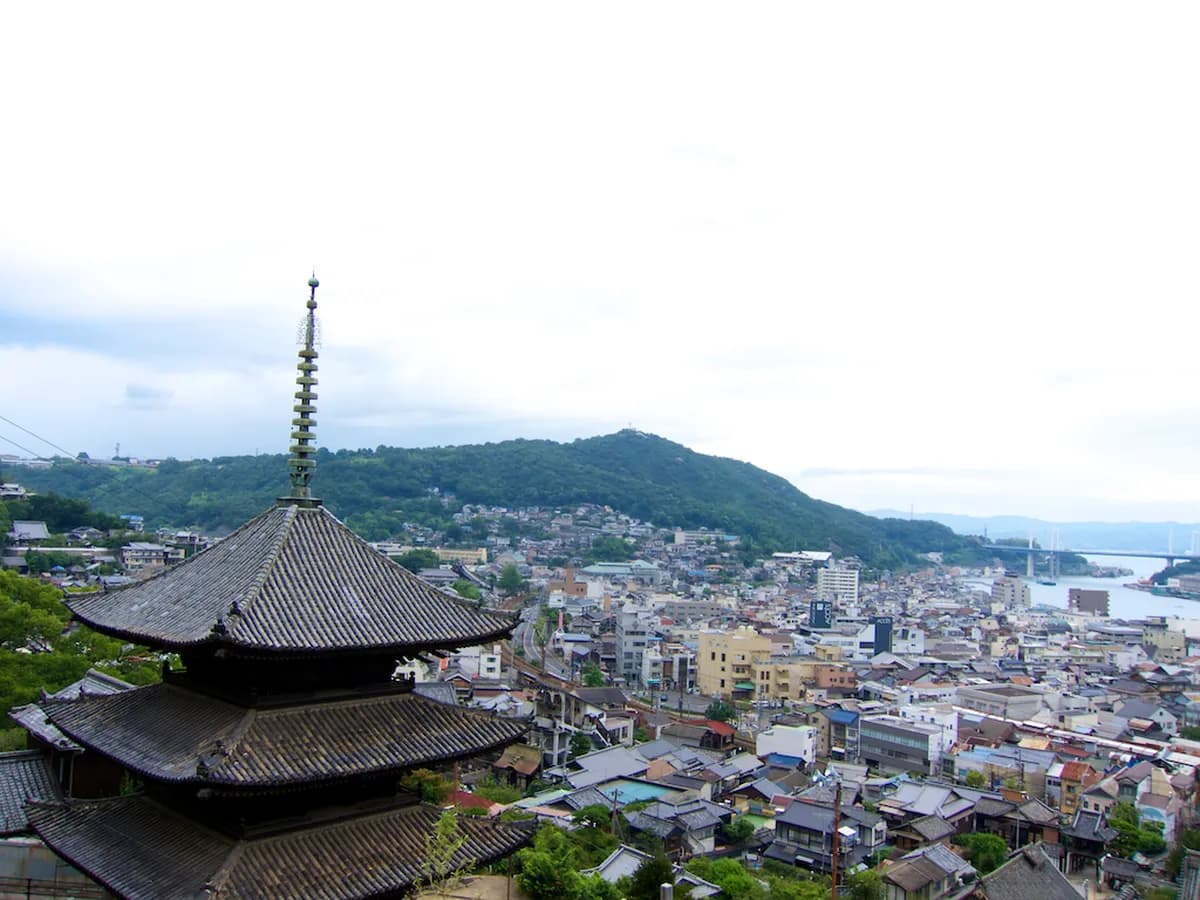
- Tennei-ji Temple (founded 1367, free): The three-storey pagoda is the postcard image of Onomichi and frames perfectly against the Seto Inland Sea.
- Saikoku-ji Temple (8th century, free): Niomon Gate hangs giant 2-metre straw sandals; cherry blossom hotspot in late March.
- Jodoji Temple (free, far end of the walk): Designated National Treasure with a 1327 main hall, usually empty of tourists, marks the eastern terminus near the local cemetery.
Wear shoes with grip. The stones polish slick when wet and several stretches between Saikoku-ji and Jodoji have no handrail.
Neko no Hosomichi: Navigating the Cat Alley
Neko no Hosomichi, "Cat's Narrow Path," sits behind Fukuro-ji Temple at the base of Senkoji Park. It is a 200-metre cobbled lane embedded with hundreds of painted Fukuishi Neko stones and frequented by perhaps two dozen real, free-roaming cats. The alley is free, open 24/7, and easiest to find by following the wooden arrow signs after Tennei-ji on your descent.
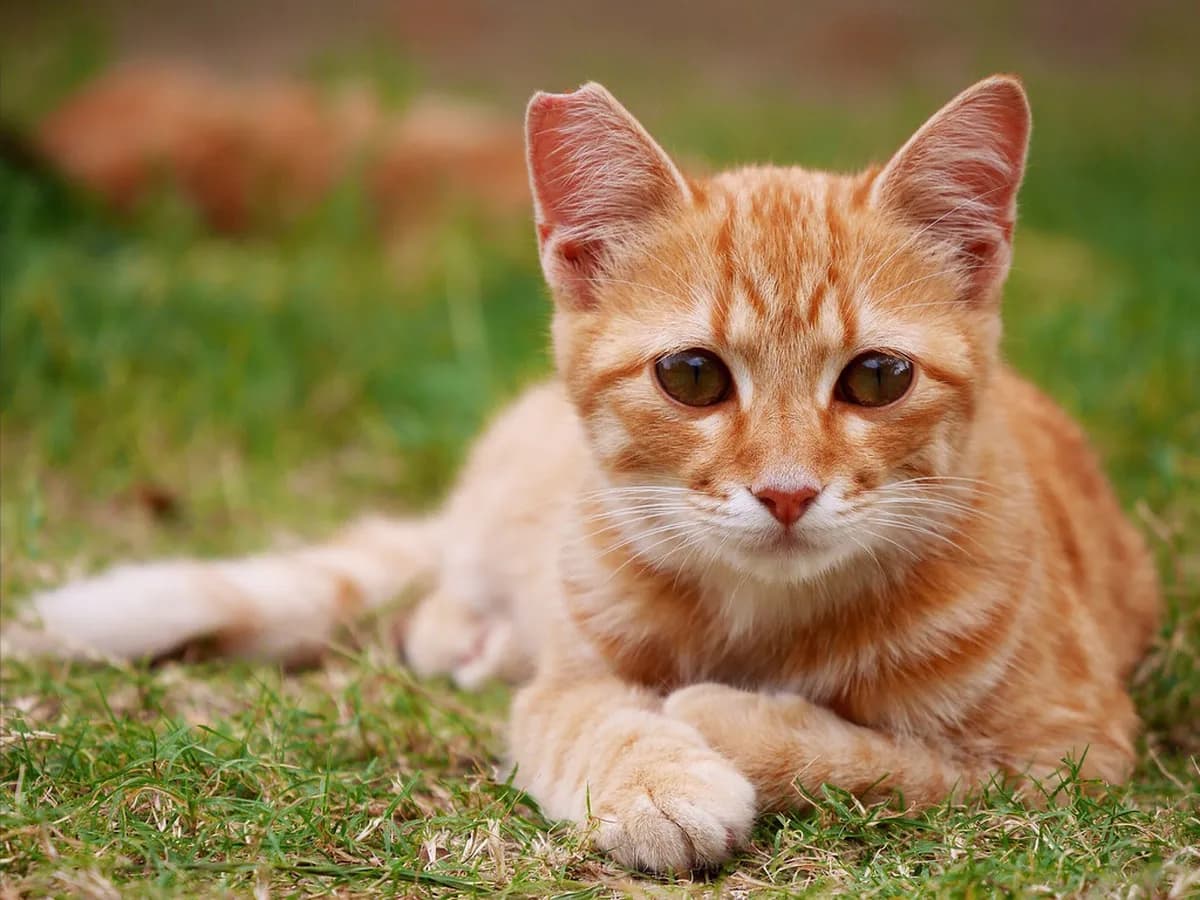
You will not always see live cats. They cluster near the cafes during cool mornings and shaded mid-afternoons, then vanish during the harsh midday sun and any rain. Around 14:00 to 16:00 in spring and autumn is the sweet spot for both real-cat sightings and softer light on the painted stones. Photograph from a low angle and never feed or chase the residents; the local cafe owners watch and will ask you to leave.
The Fukuishi Neko Lucky-Stone Ritual
The Fukuishi Neko, or "lucky stone cats," are river stones painted with cat faces by Onomichi artist Shunji Sonoyama starting in the 1990s. Hundreds of them are scattered along Neko no Hosomichi, tucked into walls, perched on temple steps, and resting on tree roots. The ritual is specific: locate the first stone cat at the alley entrance behind Fukuro-ji Temple, gently rub or touch the head three times, and silently make one wish.
This is not folklore filler. Sonoyama paired the stones with the Maneki Neko Museum he founded inside Fukuro-ji Temple (admission 300 yen, open 09:00 to 17:00) where the broader cultural context is explained. Touching every stone you see breaks the ritual; only the first one at the entrance counts. Skip this and you have walked past the most distinctive single tradition Onomichi offers.
Senkoji Park and the Observatory: Panoramic Views
Senkoji Park sits at the top of the ropeway and forms the highest point of the day. The 2022-renovated observation deck is a concrete spiral walkway giving uninterrupted 270-degree views over the Onomichi Channel, the bridges of the Shimanami Kaido, and the islands of the Seto Inland Sea. Entry is free, and the deck is open 24 hours, though the ropeway-only access closes at 17:15.
The park is one of Japan's official top 100 cherry blossom viewing spots, with peak bloom usually in late March to early April. Stick around for the Kagami Iwa "mirror rocks" with the chains used by training monks, the Meoto Iwa "married couple rocks," and the Tsuzami Iwa "drumming rock," which produces a hollow taiko-like note when you tap it with the installed mallet.
Onomichi City Museum of Art
The Onomichi City Museum of Art sits inside Senkoji Park and is famous online for two reasons: a respectable rotating exhibition program, and a long-running standoff between the museum guards and a pair of local cats who repeatedly try to sneak inside. Photos of the cats being politely escorted back out have made the museum a small global meme, and yes, the cats still try.
Admission runs 300 to 1,000 yen depending on the exhibition; the museum is closed Mondays and reopens 09:00 to 17:00 Tuesday through Sunday. Even if you skip the galleries, the cafe terrace overlooking the channel is a worthwhile 20-minute coffee stop between the temple descent and the alley.
Take the local JR Sanyo Line to Onomichi Station — NOT Shin-Onomichi. Shinkansen stop at Shin-Onomichi, which is 3km north of the town with no ropeway or temple-walk access. From Hiroshima the Sanyo Line takes 75–90 min for ~1,520 yen.
Local Flavors: Onomichi Ramen and Seaside Coffee
Onomichi Ramen has a tighter definition than most regional ramen styles: thin straight noodles, a clear soy-based stock made with small dried fish from the Seto Inland Sea, and a ladle of seabura (chopped pork back fat) on top. Expect 800 to 1,100 yen for a standard bowl. The most queued-for shops are Tsutafuji and Shukaen near the station; both fill from 11:00 and often sell out their broth by 14:00.
For coffee, the cluster of cafes near Onomichi Yokocho and along the Hondori shopping arcade trade in nostalgic Showa-era interiors converted from old shophouses. POUR Specialty Coffee on the waterfront does the cleanest pour-overs in town for around 600 yen. Time the waterfront stroll for 30 minutes before sunset: the regular ferries crossing to Mukaishima island catch the last horizontal light and make for the best frames of the day.
Heritage Stays: When to Sleep Over in Onomichi
A day trip works for the core route, but staying one night unlocks the post-17:15 town when day-trippers are gone and the temples are floodlit. The standout property is LOG, a 1960s apartment block reimagined by Mumbai's Studio Mumbai into a heritage hotel halfway up the hillside. Mange Tak Resort and Hotel Beacon Onomichi are the practical alternatives near the station for waterfront views.
If your budget is flexible, the local trend is renovated kominka houses (traditional wooden townhouses) rented as whole-house stays through the Onomichi Akiya Saisei Project. These run 25,000 to 60,000 yen per night for the whole property and are concentrated along the temple walk itself, so you wake up with the bell rings.
Add an Extra Day: Shimanami Kaido and Mukaishima
Onomichi is the official starting point of the Shimanami Kaido, a 70km cycling route over six islands that ends in Imabari on Shikoku, and a key part of the broader Setouchi region route. Even for non-cyclists, crossing the first bridge to Mukaishima and turning back makes for a satisfying half-day. Rental shops at the port issue standard bikes from 1,100 yen per day or e-bikes from 4,400 yen; both sell out by 10:00 in spring and autumn. Our Shimanami Kaido cycling guide covers the full route logistics.
The walk-on ferry to Mukaishima is the lazy alternative: five minutes, 110 yen, runs every 10 to 15 minutes from Onomichi port. The island has small chocolate factories, quiet beaches, and almost no tourists. It pairs well with a half-day Onomichi visit if your train back to Hiroshima leaves in the evening.
Practical Tips: Timing, Budget, and Crowds
- Best months: Late March to mid-April (cherry blossoms at Senkoji), and late October to mid-November (autumn foliage at Jiko-ji). Avoid early August: high humidity makes the descent unpleasant and most cats hide.
- Worst day of the week: Monday. The Museum of Art is closed and weekday tour buses still run.
- Day trip budget per person: 6,000 to 9,000 yen all in. That covers round-trip local Hiroshima train (3,040 yen), ropeway one-way (500 yen), ramen lunch (1,000 yen), coffee (600 yen), museum (500 to 1,000 yen), and snacks.
- Pro tip on the ropeway: Last car up departs at 17:00, last car down at 17:15. Miss it and the only descent is the unlit temple path. Set a phone alarm at 16:45 if you are at the observatory for sunset.
- What to carry: 500ml water bottle, 100 yen coin for temple offerings, phone torch, real camera if you want sharp Fukuishi Neko close-ups; phone wide-angles handle the panoramas fine.
- Accessibility: The ropeway is wheelchair-accessible, the observatory deck is fully ramped, but the Temple Walk descent has many uneven stone steps with no handrails and is not suitable for wheelchairs or strollers.
For broader trip planning, our best things to do in Hiroshima for first-timers and Hiroshima adventures guides cover what to combine with this Onomichi day trip.
Use our Hiroshima attractions guide to round out your plan.
For related Hiroshima deep-dives, see our Saijo sake town day trip, Kure and Yamato Museum day trip guides.
Frequently Asked Questions
What is the best time to visit Cat Alley?
Visit in the mid-afternoon when the sun is out. Cats are most active and visible when they find warm spots to nap. This timing also avoids the early morning ropeway rush.
How much does an Onomichi day trip cost?
Budget around $40 to $60 per person. This covers round-trip local trains from Hiroshima, ramen, coffee, and the ropeway. You can find more details in this Hiroshima travel budget guide.
Is the Onomichi Temple Walk difficult?
The walk is 2.5km and involves many stairs. Taking the ropeway up and walking down makes it much easier. Wear comfortable shoes as the stone paths can be uneven.
An onomichi day trip cat alley and temple walk is one of the most rewarding single-day experiences in the Hiroshima region. The combination of cliff-built temples, the Fukuishi Neko ritual, and the slow descent through the cat alley delivers a clearer sense of Setouchi life than any other stop in the prefecture. Arrive at Onomichi Station (not Shin-Onomichi), ride the ropeway up before 09:30, walk down through the temples, touch the first stone cat three times, and finish with ramen on the arcade. That is the local route locked in.
Free: The Hiroshima Essentials guide
Top things to do, where to stay, a perfect day plan, getting around, and the best time to go — a Hiroshima mini-guide you can take offline.
You might also like
Continue reading
More guides you'll find useful