Kinosaki Yukata Street Food: What to Eat While Onsen Hopping
What to eat while onsen hopping in Kinosaki: yukata-friendly street food, Tajima beef, snow crab season, and where to eat after the 6 PM dinner curfew.
On this page
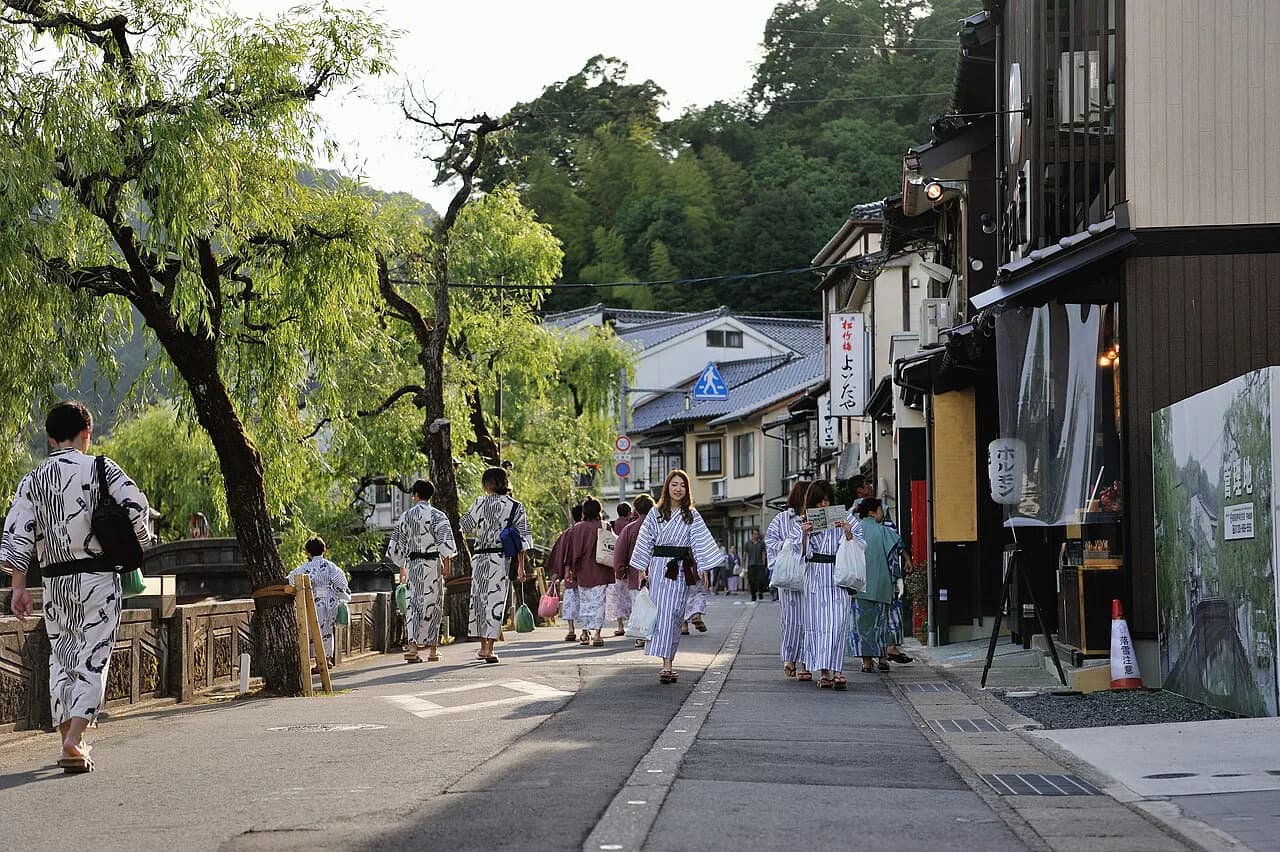
Last updated July 2026: what to eat while onsen hopping in Kinosaki comes down to timing snacks around the town's seven public bathhouses and a fixed 6:00 PM ryokan dinner seating. Between soaks along the willow-lined Otani River, visitors in rented yukata and geta graze on Tajima beef buns, onsen eggs, and crab skewers instead of sitting down for full meals. This guide sorts yukata-friendly street food from sit-down specialties and explains when restaurants actually open, even on Thursdays, when many shops close.
What to Eat While Onsen Hopping in Kinosaki: The One Giant Ryokan Rule
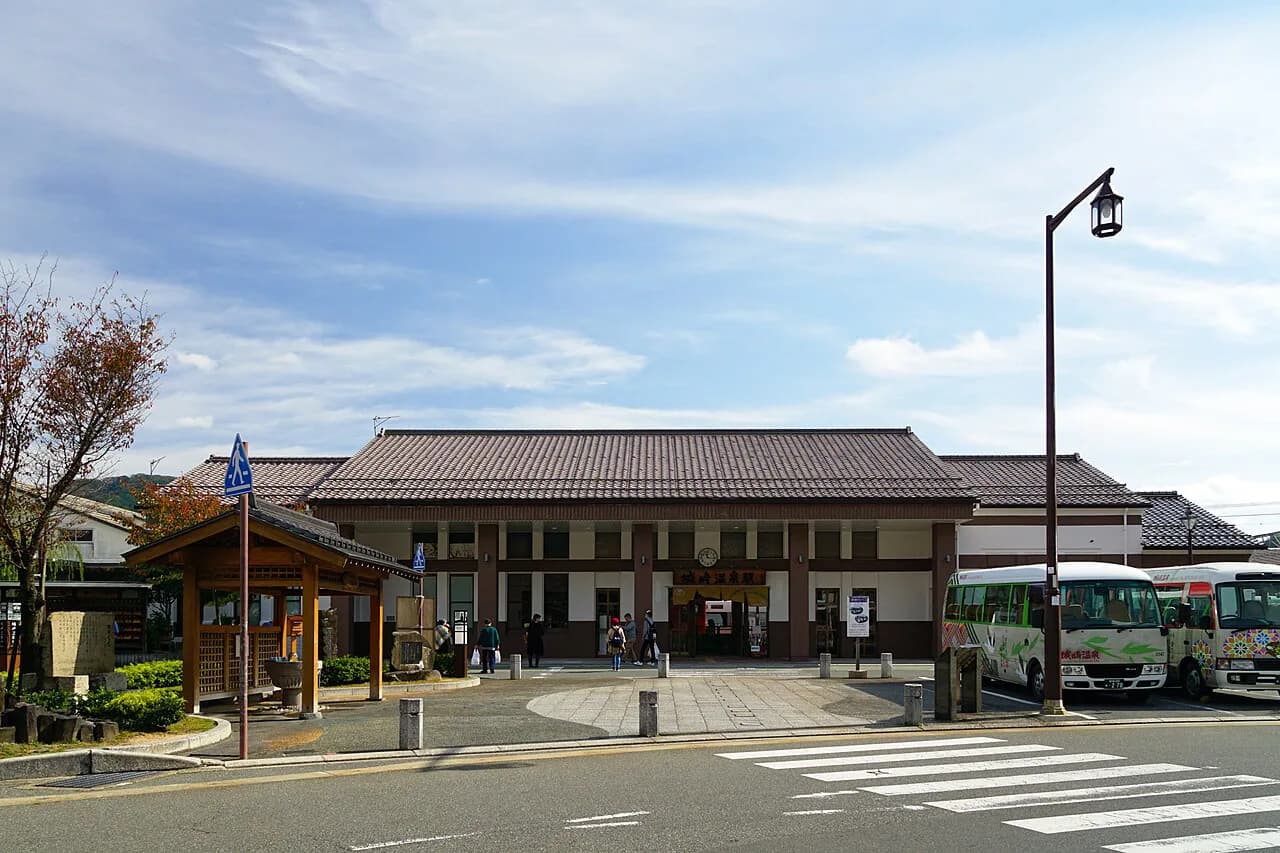
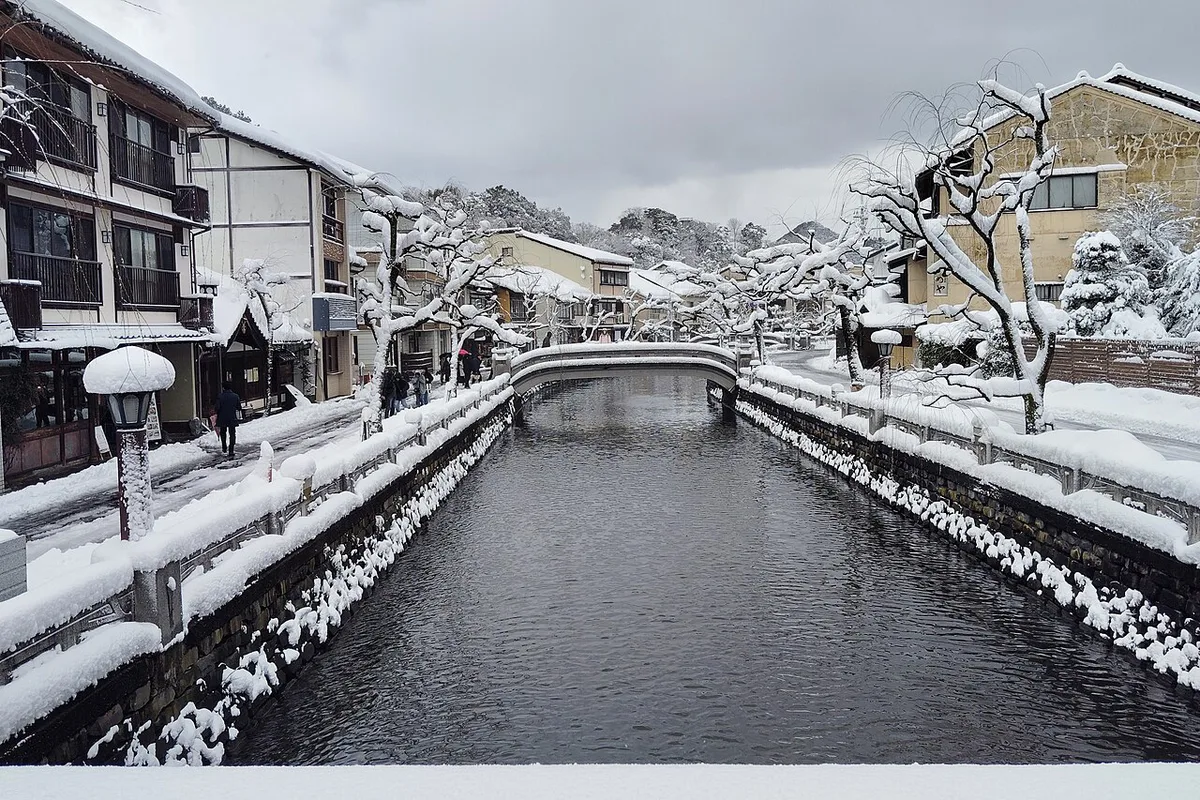
Kinosaki Onsen operates like a single sprawling ryokan spread across one small town. Its train station functions as the entrance, the streets along the Otani River act as hallways, and each restaurant or street stall becomes an extension of the dining room. Guests check into a ryokan, change into a yukata, and spend the rest of the stay moving between seven public bathhouses on foot. Most of the baths run from around 7:00 AM to 11:00 PM. Satono-yu, right by the station, does not open until 1:00 PM, which shifts when the street-food crowd near that end of town thickens. Ryokan breakfast typically runs 7:30 to 8:00 AM, so the first real food rush of the day starts after that, not at dawn. For a full rundown of where all this eating fits into a stay, the Kinosaki onsen food guide covers the wider dining landscape. If pressed for a quick answer, the three dishes worth prioritizing are Tajima beef, Matsuba snow crab, and a basket of onsen-boiled eggs eaten street-side.
Street Food for the Sotoyu Meguri: Snacks You Can Eat in Geta
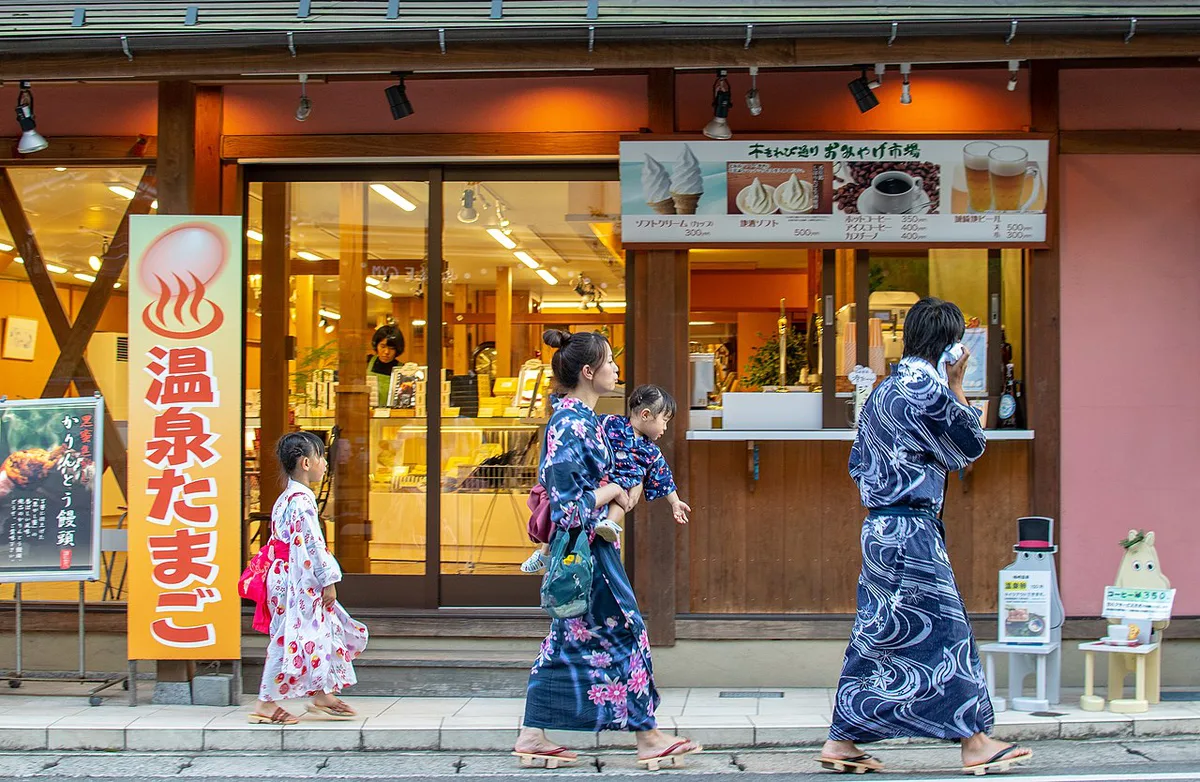
Walking the sotoyu meguri in geta rewards food that survives one hand and a few steps between bathhouses. Several stops along the main street are built around exactly that kind of eating. For tips on wrapping the yukata so it survives an afternoon of snacking, see the yukata dressing guide. Many of these stalls sit near the town's main sights, covered in the 9 Best Things to Do in Kinosaki Onsen (2026) overview.
Ryokan breakfast wraps by 8:00 AM, coinciding with opening hours at Nova and Drip & Drop, allowing visitors to transition directly into street snacking and bath-hopping without a gap.
- Tajima Beef Delicatessen and Teahouse sells beef buns and croquettes meant to be eaten on the move, along with Tajima duck and Tajima chicken.
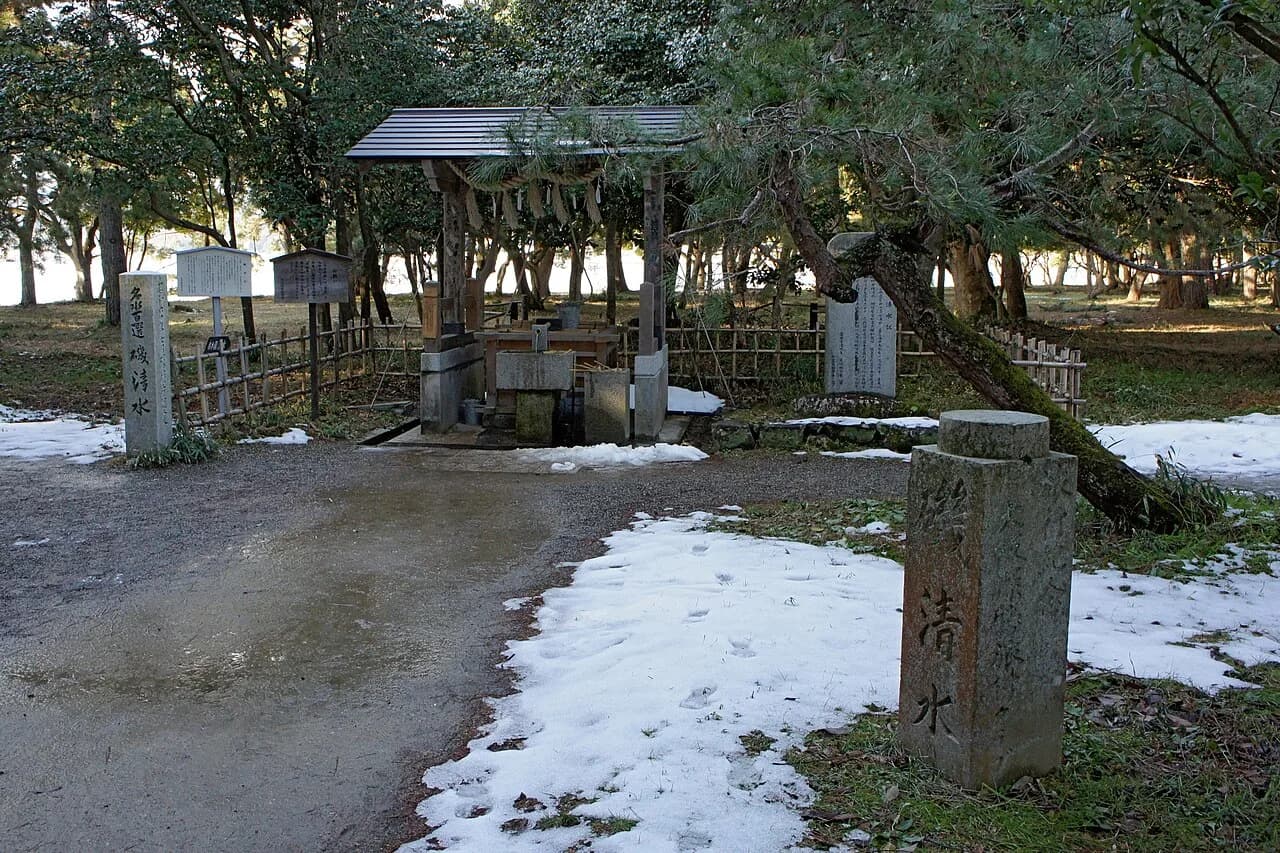
- Onsen tamago near the Yakushi hot spring source is a DIY stop. Crack open a basket of about three eggs, still warm from the source, and eat them alongside soft-serve ice cream.
- Seafood skewers and crab sticks cluster around the Okeshio Sengyo fish market area, a fast option between baths.
- Hasegawa Tofu Shop serves tofu donuts next to its own footbath, good for a seated break with feet still soaking.
- Soft-serve ice cream and warabi mochi round out the sweet stops along the canal.
Sit-Down Specialties: Tajima Beef, Snow Crab, and Izushi Soba
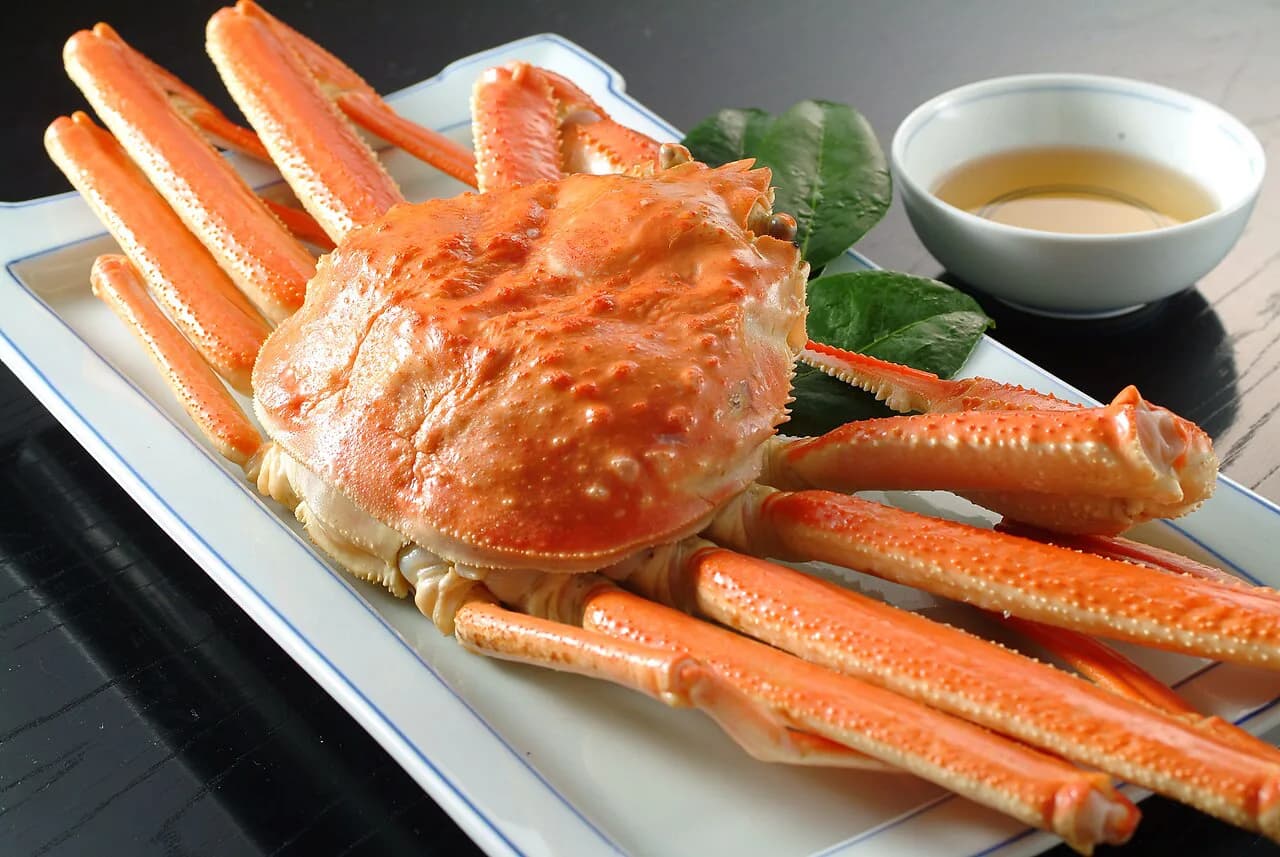
Tajima beef is often described as the direct ancestor of Kobe beef. It comes from cattle raised in the Tajima region of northern Hyogo, some of which is later graded and sold under the Kobe name elsewhere. In Kinosaki, it shows up in a few formats. Matsuba snow crab is the other headline ingredient, in season from November through March. Local izakaya pair it with Kinosaki-brewed beer, a combination often marketed as crab beer. The crab dining guide covers restaurant-by-restaurant detail. A deeper look at the season itself is in the winter crab guide. For the narrower question of which weeks land the best crab, check the best crab season timing breakdown. A third specialty, izushi sara soba, comes from the nearby castle town of Izushi. It is cold soba served across a stack of small plates, a format that traces to the area's soba-noodle tradition.
- Steak plate: a seared cut served on its own, usually the priciest way to try it.
- Donburi: thinner-sliced beef over rice, a faster and cheaper sit-down option.
- Tajima beef sandwich: Burger & Cafe Loco's version, built like a cheesesteak with a French onion soup dipping sauce.
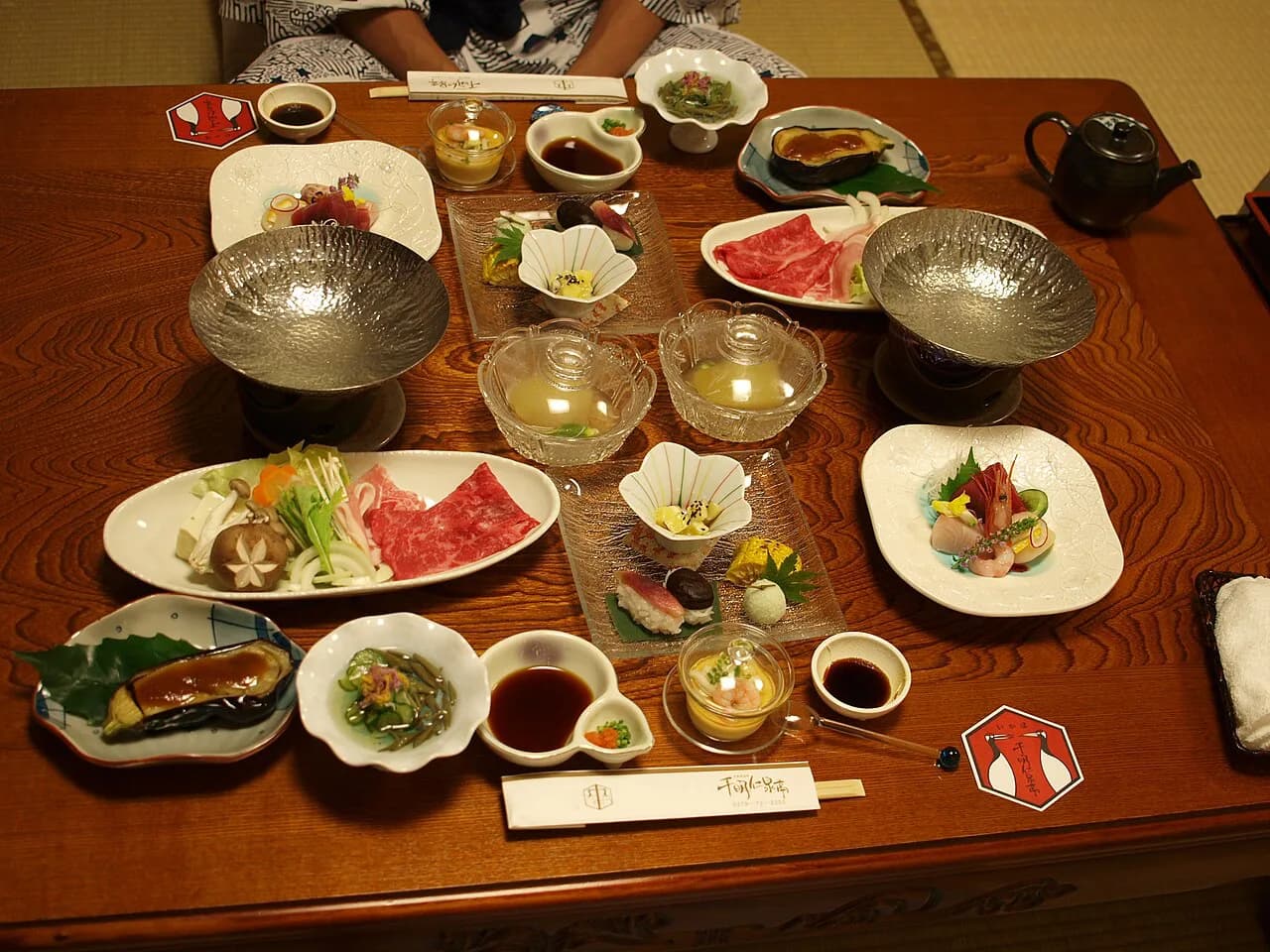
- Shabu-shabu or teppanyaki: common ryokan dinner preparations for guests who prefer beef to crab.
Quick Bites vs Full Meals: Which Fits Your Bath Schedule
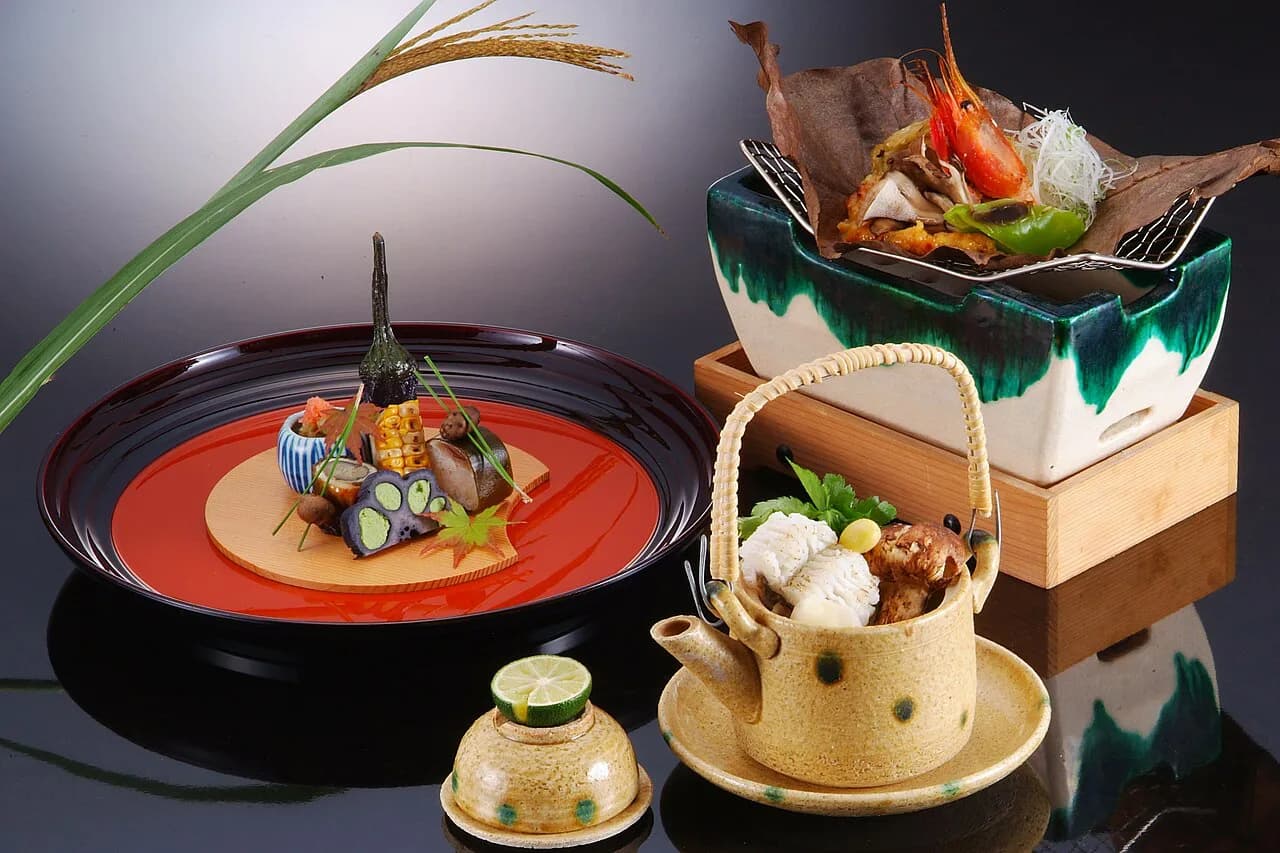
Street food, ryokan kaiseki, and local restaurants solve different problems while onsen hopping. The table below breaks down how each fits around a bath schedule. Ryokan kaiseki dinners are covered in more detail in the ryokan kaiseki dinners guide, including what a typical multi-course spread includes. Picking a ryokan that matches this schedule starts with the where to stay guide.
| Feature | Street Food (Buns, Eggs) | Ryokan Kaiseki | Local Restaurant |
|---|---|---|---|
| Best for | Fueling between baths | High-end immersion | Solo or budget travelers |
| Yukata friendly | Highly — walk and eat | Yes, in-room or dining hall | Yes, standard seating |
| Reservation | Never | Mandatory, 24+ hours notice | Recommended for beef or crab |
| Cost range | ¥300–¥800 | Included in ryokan stay | ¥1,500–¥5,000+ |
The 6:00 PM Dinner Curfew and Where to Eat After
Most ryokans seat dinner at 6:00 PM, and the streets empty out as guests head back for their multi-course meal. Shops that stay open through the dinner hour often close and reopen closer to 8:00 PM once the seating wraps up. Two groups run into that gap most often. Day-trippers catching a later train are one. Room-only guests without a ryokan dinner included are the other. For day-trippers weighing whether to stay overnight or come and go the same day, the day trip from Kyoto guide lays out the tradeoffs. A few spots stay useful during and after that window. A broader list of places that stay open into the evening is in the Kinosaki restaurants guide.
- Gubigabu pours a flight of all four Kinosaki beers and serves Neapolitan pizza and focaccia sandwiches through the evening.
- Bar Seven opens after 8:00 PM with local sake, Kinosaki beer, and cocktails poured by the owner.
- Burger & Cafe Loco keeps a casual Western menu running, including the Tajima beef sandwich, outside the strict ryokan seating window.
Local Sake, Kinosaki Beer, and Coffee Between Baths
Kinosaki Beer comes in four core styles, including a Pilsner, a Stout, and a Weizen, poured as a tasting flight at Gubigabu. Coffee culture in town splits into two distinct moods. Nova, a traditional jazz kissaten near the train station, serves coffee in porcelain teacups against a backdrop of wood-carved jazz figurines, open from 8:00 AM. Drip & Drop Coffee Supply takes a more modern approach, with pour-over and espresso drinks at outdoor tables overlooking the canal, also open from 8:00 AM. For sake alongside cocktails later in the evening, Bar Seven pours from a menu built around the region's sake and beer.
Practical Logistics for Eating in Kinosaki
Most visitors arrive by Limited Express Hamakaze or Kounotori, a trip of roughly 2.5 hours from Kyoto or Osaka, which shapes what time the first bath and first snack of the day actually happen. The getting to Kinosaki guide covers routes and reserved-seat booking. The Yumepa pass most ryokans provide covers entry to all seven public baths, valid for unlimited soaks until around 10:00 AM on checkout morning. Food discounts through that pass depend on individual vendor participation, so confirm at the counter rather than assuming a blanket discount. Geta take some practice. Wear them barefoot rather than over socks, since socks make the wooden soles slide more easily on stone bridges and shop floors. Many shops and restaurants close on Thursdays, so build sit-down reservations around that day rather than arriving to a shuttered storefront. All seven public bathhouses are tattoo-friendly, and that same inclusive approach carries over into the town's restaurants and street stalls. Timing a visit around crab or beef season is worth mapping out before booking. The best time to visit guide covers seasonal tradeoffs in more detail. To slot all of this eating around a real bathing schedule, the Kinosaki itinerary planning guide maps a day-by-day structure.
Visitors typically arrive mid-morning after a 2.5-hour journey from Kyoto, but most ryokans seat dinner at 6:00 PM, creating a compressed first-day eating window between arrival and evening seating.
A Practical Snack Route from the Station to Yakushi Spring
Use the town’s linear layout to avoid backtracking in geta. Begin near Kinosaki Onsen Station, then follow the Otani River toward the ropeway and Yakushi hot spring source.
- Station area: Start with coffee at Nova before joining the bath route. Satono-yu is beside the station but opens later than the other public baths.
- Central canal: Pick up a seafood skewer around the Okeshio Sengyo market area. Stop at Hasegawa Tofu Shop when you want a tofu donut and a seated footbath break.
- Upper town: Finish with onsen tamago near Yakushi spring. The eggs require a short cooking pause, making this better than a rushed stop between reservations.
Eat buns, croquettes, and skewers before entering a bathhouse rather than carrying them onto the premises. Keep sit-down Tajima beef or crab meals separate from the walking route. This leaves both hands free for towels, locker keys, and the Yumepa pass.
Further reading: Kinosaki Onsen on Wikivoyage · Kinosaki Onsen on Wikipedia
Frequently Asked Questions
What is the "one giant ryokan" concept in Kinosaki?
It describes how the town functions during a stay. The station is the entrance, the streets along the Otani River are hallways, and restaurants and stalls act as extensions of the dining room. Guests move between the station, the ryokan, and seven public baths mostly on foot, in a rented yukata.
What time do restaurants close for the ryokan dinner seating?
Most ryokans serve dinner starting around 6:00 PM, and many independent shops along the main street close during that window, reopening closer to 8:00 PM once the seating wraps up.
What street food is easiest to eat while wearing a yukata and geta?
Beef buns and croquettes from Tajima Beef Delicatessen and Teahouse, a basket of onsen-boiled eggs near the Yakushi hot spring source, and soft-serve ice cream are the easiest one-hand options. Save sit-down beef and crab dishes for a table.
When is Matsuba snow crab in season in Kinosaki?
Matsuba snow crab runs from November through March, which is also when local izakaya pair it with Kinosaki-brewed beer as crab beer.
Are shops and restaurants in Kinosaki closed on Thursdays?
Many shops and restaurants close on Thursdays, so plan sit-down meals and reservations for other days of the week when possible.
Does the Yumepa onsen pass include discounts on food?
The pass covers entry to all seven public baths, but food discounts depend on individual vendor participation, so confirm at the restaurant or stall rather than assuming a blanket discount.
Free guide: Japan's Hidden Gems
12 under-the-radar places beyond Tokyo & Kyoto — with the best season to visit each and a local tip you won't find in the guidebooks.
You might also like
Continue reading
More guides you'll find useful