

Himeji Sake Bars and Evening Food: Best Spots and Local Flavors
Find Himeji's best sake bars and evening food after the castle closes. Try 400+ sakes at Kokoromi, high-end sushi, and Himeji oden before the last train.
On this page
Last updated August 2026, this guide covers Himeji sake bars and evening food after the castle's 5:00 PM closing. Day-trippers often rush back to Osaka or Kyoto for dinner, yet the blocks near Himeji Station's east exit hold standing sake bars, oden counters, and kaiseki dining rooms. This guide breaks down where to drink, where to eat, and how to catch the last train home.
Himeji Sake Bars and Evening Food After the Castle Closes
Himeji Castle typically closes its gates around 5:00 PM, and many day-trippers head straight back to Osaka or Kyoto for dinner. That choice skips a compact evening scene that sits within a few minutes' walk of Himeji Station's east exit. Standing sake bars, seafood kaiseki rooms, and casual izakaya cluster along the arcades between the station and the castle moat. Staying two or three extra hours before the last train lets you taste Hyogo sake and eat dishes rarely plated the same way elsewhere. Returning to a bigger city trades that access for a wider restaurant selection, but it also means missing dishes and sake labels specific to Himeji and the surrounding Harima region. For an overview of daytime eating before the sun goes down, see the Himeji food overview. For what to see before dinner, check the Himeji Castle attractions list.
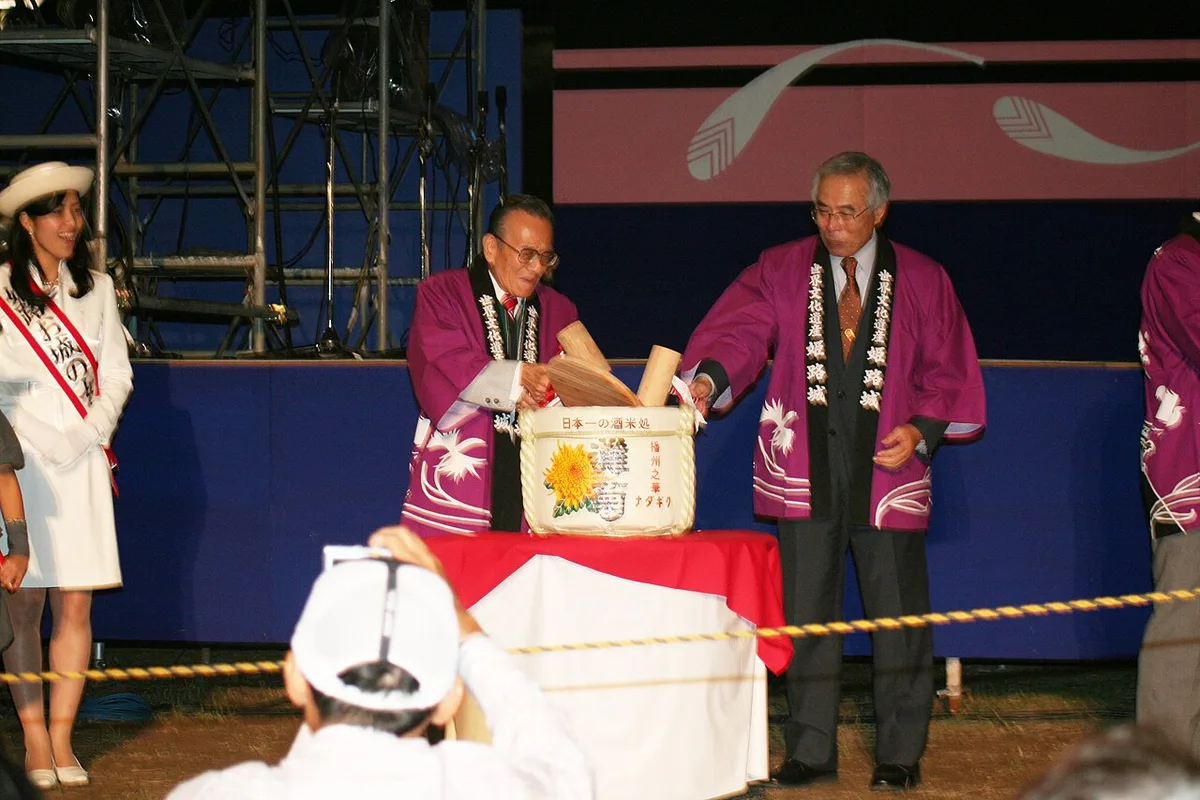
Kokoromi and the Banshu Sake Scene
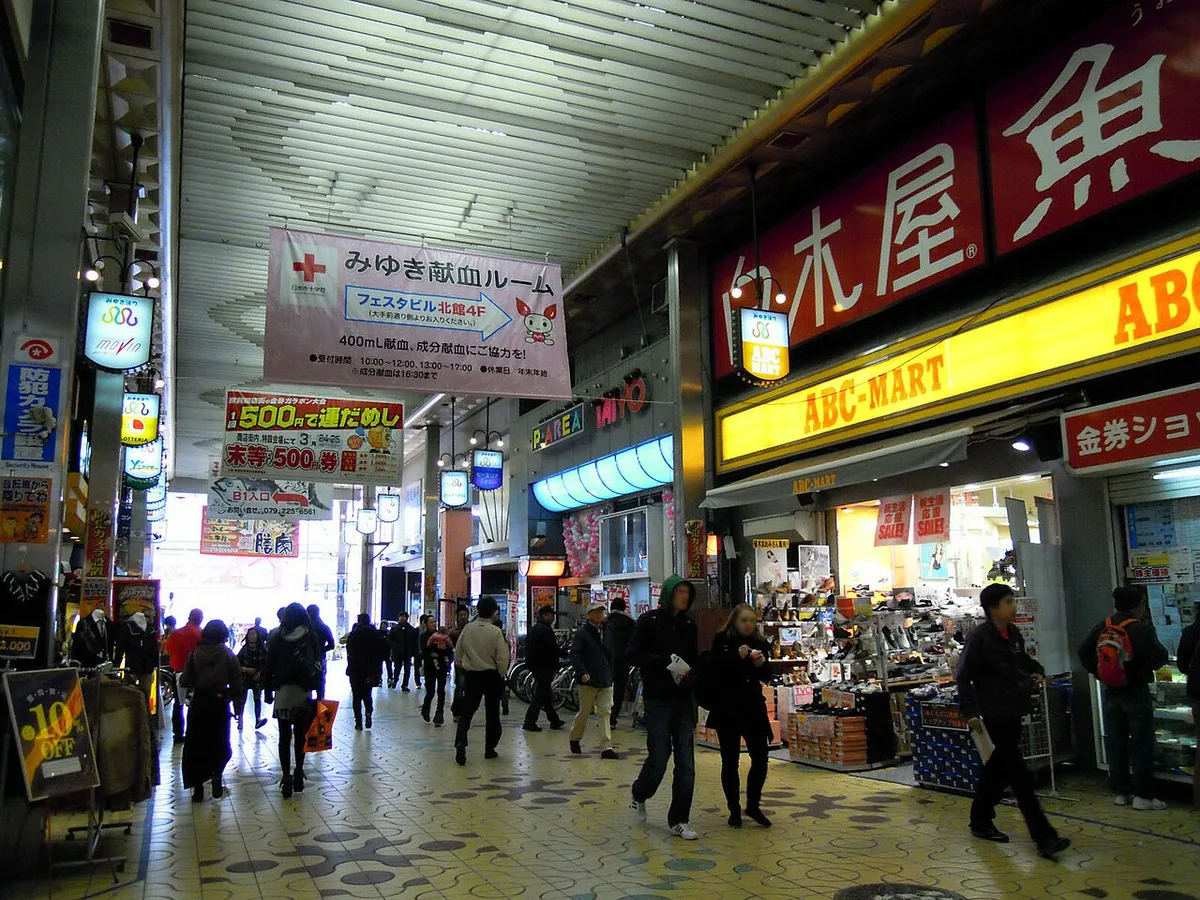
Kokoromi sits inside the shopping arcade beside Himeji Station's east exit, a standing-only bar pouring roughly 400 sake varieties from across Hyogo Prefecture. A touch-screen system lets you search by sake style, region, or brewery name, and numbered bottles line the walls for browsing by label. Pours run about 50ml, priced from ¥200 for entry-level sake up to around ¥500 for premium bottles. Each pour arrives with a bilingual English-Japanese card detailing the brewery and specifications, useful for comparing styles as you go. That selection is large enough that repeat visitors often work through a different region each round rather than settling on one label. Hyogo's sake reputation rests on the Banshu region, also called Harima, the area surrounding Himeji itself. Yamada Nishiki, the rice varietal associated with the region, is a large part of why Harima sake carries the reputation it does among drinkers. Kiyose Sasama, one of the kaiseki restaurants covered below, stocks Harima labels including Yukihikoyama and Ryuryoku alongside sake from other regions. Ordering by brewery name at Kokoromi, or asking a restaurant server for a Harima label, is the simplest way to taste the region specifically rather than sake shipped in from elsewhere.
Premium pours at Kokoromi reach ¥500 each; a three-glass tasting combined with casual dinner (¥4,000 average) totals roughly ¥5,500, half the cost of a single kaiseki seating.
High-End Kaiseki, Sushi, and Seafood Dinners
Reservation-worthy dinners cluster within a short walk of the castle or station, each built around Seto Inland Sea seafood and Harima sake pairings. All four take reservations, and Himeji Sushi-Ichi and Kiyose Sasama fill fastest since both run small dining rooms most weekend evenings. Calling ahead, or booking through a restaurant reservation platform, avoids a wasted walk to a full house.
- Himeji Sushi-Ichi: a 13-minute walk southwest of Himeji Castle; anago nigiri sushi made with steamed conger eel; dinner 16:30-23:00, last order 22:00; average dinner price ¥12,000, priced daily to match the morning's catch.
- Kiyose Sasama: a 6-minute walk from Himeji Station, west of the Shirogane West intersection; assorted sashimi and hassun courses; a Harima sake list including Yukihikoyama and Ryuryoku; open 18:00-23:00 weekdays and Saturday, closed Sunday and holidays; average dinner ¥12,000.
- Nishimuraya Hakurokan: a 15-minute walk from Himeji Castle; crab dishes such as kanisuki hot pot and grilled crab, plus seasonal kaiseki using Seto Inland Sea fish; open 11:30-21:30, last order 20:30, on Sunday, Monday, and Thursday through Saturday; average dinner ¥7,000.
- Kappo Ryokan Shimizu: a five-minute walk from Miya Ko, with Seto Inland Sea views and a 30-year house sauce on its grilled conger eel, called anajyu; open 11:00-21:00 daily; average dinner ¥8,000.
Yakiniku, Izakaya, and Standing Bar Culture
Travelers on a tighter budget or shorter timeline have casual options within walking distance of the station. Standing bars, known locally as tachinomiya, are core to Himeji's after-work drinking culture and worth a stop even for a single quick pour. Kokoromi is the best-known example, but smaller standing counters line the arcades near the station for travelers who want to keep moving between spots rather than commit to one seat all night.
Yakiniku Senzankaku's 22:30 closing gives two hours more flexibility than Nishimuraya Hakurokan's 20:30 last order, so budget-friendly casual dinners often stay open longer than premium restaurants for late arrivals.
- Yakiniku Senzankaku: a 5-minute walk from Himeji Station's central exit on the Sanyo Main Line; wagyu cuts including jo-rosu (premium loin) and jo-tan (beef tongue), plus tsubo karubi and a hormone hot pot; dinner Tuesday-Sunday and holidays 17:00-22:30, closed Monday except holiday Mondays; average dinner ¥4,000.
Himeji Oden, Anago, and Local Specialties
Two dishes define Himeji's evening menu, and both differ from what typically shows up in Osaka or Tokyo. Himeji oden stands out for its ginger-soy topping, a local variation on the simmered dish found across Japan. Details on where to order it live in the ginger-soy oden guide. Anago, or conger eel, shows up across the dinner scene, from Kappo Ryokan Shimizu's slow-grilled anajyu to Himeji Sushi-Ichi's steamed anago nigiri. More spots serving the dish, plus how it differs from unagi, are covered in the anago eel guide. Travelers racing to catch a late train can still eat well at Himeji Station itself. Standing soba counters at the station are covered in the ekisoba noodle guide, a faster option than a sit-down restaurant when the clock is working against you.
Bar Hopping Tours and the Nightlife Streets Near Himeji Station
Travelers who want a curated introduction rather than picking spots solo can book a guided option. A guided Himeji Bar Hopping Tour takes small groups through three local izakayas over three hours, pairing three to four drinks with three to four dishes for about ¥15,000. Sessions run in the evening, either 17:30-20:30 or 18:30-21:30, with English-language guiding and a meeting point at the Daily Yamazaki convenience store by Himeji Station's east exit. Its route focuses on the district around Himeji Station and the castle approach, including standing bars that only locals would otherwise find. Miyuki-dori, the arcade street connecting Himeji Station toward the castle, serves as the main artery for this scene, lined with izakaya, standing bars, and small restaurants down side alleys. Solo travelers and small groups short on time tend to get the most out of the guided format, since it removes the guesswork of which door to walk through first.
The Perfect Evening Route From Castle to Last Train
A single evening is enough to cover the highlights if the timing lines up.
- 5:00 PM: Himeji Castle closes for the day; start the walk toward Himeji Station's east exit arcade.
- 5:30 PM: A tasting flight at Kokoromi, ordering two or three 50ml pours by brewery name.
- 7:00 PM: Dinner — a casual oden and anago counter, or a reserved kaiseki seating for a longer meal.
- 9:00 PM: A second stop at a standing bar near the arcade for a nightcap before heading to the platform.
- Before 10:00 PM: Confirm the last Shinkansen or JR Special Rapid departure and head to Himeji Station.
Sake Bar vs Izakaya vs Kaiseki: Cost and Vibe Compared
Budgets and pacing vary widely across Himeji's evening options, summarized below.
| Option | Typical Price | Vibe | Best For |
|---|---|---|---|
| Standing sake bar (Kokoromi) | ¥200-¥500 per 50ml pour | Standing-only, self-guided tasting | A quick flight before dinner |
| Casual izakaya or yakiniku | ¥1,000-¥4,000 average | Shared plates, casual seating | Groups and budget dinners |
| Kaiseki or high-end sushi | ¥7,000-¥12,000 average dinner | Reserved seating, seasonal courses | Special occasions, couples |
| Guided bar hopping tour | About ¥15,000 for three hours | English-speaking guide, three izakayas | First-time visitors wanting a curated night |
Planning Your Evening: Hours, Last Trains, and Nonalcoholic Options
Himeji's dinner scene runs earlier than Tokyo or Osaka, and several standout restaurants stop taking orders well before midnight. Kiyose Sasama closes at 23:00 and does not open Sundays or holidays, while Yakiniku Senzankaku's dinner service ends at 22:30 and closes entirely on Mondays. Nishimuraya Hakurokan's last order is 20:30, earlier still, so a late-arriving group should call ahead to check whether the kitchen can still seat them. Confirm the last Shinkansen or JR Special Rapid departure toward Osaka or Kyoto before settling in for a second round. Services thin out earlier than travelers might expect from a city this close to both hubs. Skipping alcohol doesn't mean skipping the evening. Kokoromi's information cards let you compare sake without committing to a full pour, and stopping after one taster keeps the night light. The same arcade area has cafe-style stops for a lighter alternative. For a nonalcoholic break with dessert instead of drinks, the almond toast cafes guide covers Himeji's cafe scene near the castle.
Mistakes to Avoid When Dining in Himeji After Dark
A few recurring mistakes are easy to avoid with basic planning.
- Skipping reservations at Himeji Sushi-Ichi, Kiyose Sasama, or Nishimuraya Hakurokan — all three routinely fill on weekend evenings.
- Missing the last train back to Osaka or Kyoto by staying for one more round without checking the schedule first.
- Overlooking standing bars like Kokoromi in favor of sit-down restaurants only, when tachinomiya culture is central to how Himeji actually drinks.
- Expecting a fixed menu price at Himeji Sushi-Ichi — dishes are priced daily to match the morning's catch, so the ¥12,000 dinner average can shift.
- Assuming every kitchen in Himeji closes early — some stop orders by 20:30-22:30, but standing bars in the station arcade typically keep pouring later.
A Banshu Sake Cheat Sheet for Your First Order
Menus at Himeji bars often list sake by brewery or label, not by a simple sweetness scale. Asking for a Harima or Banshu recommendation helps narrow the choice to the local region. Start with a small pour, then compare a second style alongside dinner.
- Tatsuriki: Honda Shoten’s Himeji label, often associated with Yamada Nishiki and a clean, food-friendly profile.
- Nadagiku: A Himeji brewery label worth seeking when you want a distinctly local bottle.
- Yukihikoyama: A Harima label that appears on local restaurant sake lists, including Kiyose Sasama.
- Yaegaki: Another Himeji-area name to look for if you want to compare regional producers.
For grilled anago or sashimi, ask for a dry sake that will not overwhelm the seafood. With ginger-soy Himeji oden, a richer or gently warmed pour can work well. At Kokoromi, use the tablet to search a brewery name, then read the bilingual card before choosing the next glass.
Frequently Asked Questions
Is it worth staying in Himeji for dinner instead of heading back to Osaka or Kyoto?
Staying adds two to three hours before the last train, enough time for a sake tasting flight and a full dinner. The nightlife district sits within a few minutes of Himeji Station's east exit, so no extra transit is needed. Returning to Osaka or Kyoto trades that convenience for a bigger restaurant selection, but Himeji's oden, anago, and Harima sake are specific to the city.
What is the best sake bar in Himeji?
Kokoromi is the standout, a standing-only bar in the station's east exit shopping arcade pouring roughly 400 sake varieties from across Hyogo Prefecture. Pours run about 50ml, starting at ¥200 with premium bottles closer to ¥500. A touch-screen ordering system and bilingual tasting cards make it approachable without much Japanese.
What should travelers eat in Himeji besides sake?
Himeji oden, served with a ginger-soy topping instead of a plain broth, is the city's signature dish. Anago, or conger eel, grilled or served as sushi, appears on menus from casual izakaya to Himeji Sushi-Ichi's ¥12,000 tasting dinners. Wagyu at Yakiniku Senzankaku and crab kaiseki at Nishimuraya Hakurokan round out the higher-budget options.
How late do restaurants and bars stay open in Himeji?
Closing times run earlier than Tokyo or Osaka. Kiyose Sasama stops service at 23:00 and closes Sundays and holidays, while Yakiniku Senzankaku's dinner service ends at 22:30. Standing bars in the station arcade generally keep pouring later, so confirm the last train before ordering a final round.
What if travelers don't drink alcohol?
Every restaurant listed serves full dinners without requiring alcohol, and Kokoromi's small tasting pours make it easy to try just one and stop. The station arcade also has cafe-style stops for a dessert-focused break instead of a bar.
Do dinners in Himeji need a reservation?
High-end spots do. Himeji Sushi-Ichi and Kiyose Sasama both average ¥12,000 per dinner and regularly fill on weekend evenings, so booking ahead is worth the effort. Casual options like Yakiniku Senzankaku and the standing bars near the station are easier to walk into without a reservation.
Free guide: Japan's Hidden Gems
12 under-the-radar places beyond Tokyo & Kyoto — with the best season to visit each and a local tip you won't find in the guidebooks.
You might also like


Continue reading
More guides you'll find useful


