Hokkaido Farmers Markets and Farm Restaurants: Tokachi, Niseko and Rusutsu Guide
Plan a Hokkaido farmers markets and farm restaurants trip: Tokachi's Komugibatake, Rusutsu's ¥100 produce, Niseko Green Farm, seasonal crop timing, and car logistics for 2026.
On this page
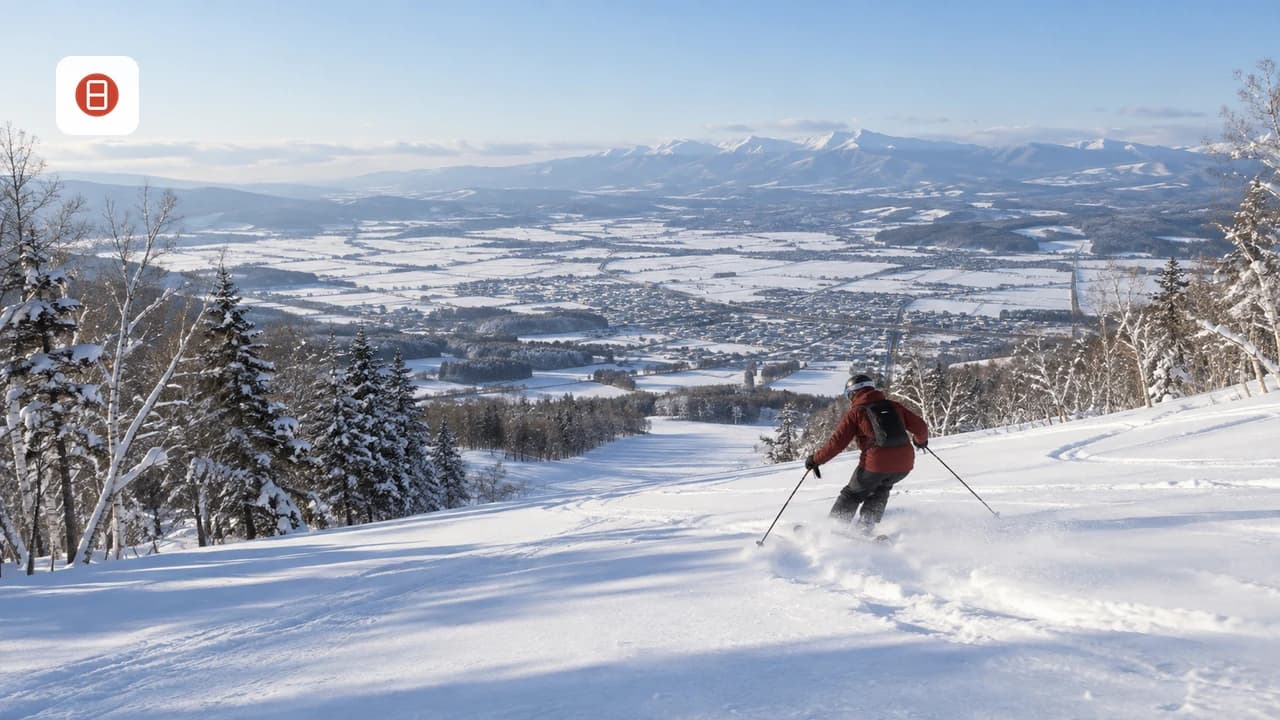
Last updated August 2026, this guide maps Hokkaido farmers markets and farm restaurants across two hubs: Tokachi around Otofuke, and the Niseko-Rusutsu corridor near Mt. Yotei. Volcanic soil and a short, intense growing season push produce from field to plate within hours. Many of the region's strongest markets operate as Michi-no-Eki roadside stations rather than standalone stalls, and shelves often thin out well before lunch.
Hokkaido Farmers Markets and Farm Restaurants by Region
Hokkaido's farm-to-table scene splits into two practical hubs for travelers. Tokachi Plain farming, centered on Otofuke, covers grain, beans, and dairy country built on soil enriched by the Otofuke River. Farther west, the Niseko-Rusutsu corridor near Mt. Yotei covers organic vegetables and mountain-view dining, closer to the island's ski resorts than to the Tokachi flatlands. Direct-sale culture, known locally as chokubaijo, lets farmers sell straight to visitors at stalls, roadside counters, and restaurants attached to their own fields. Many of the region's strongest markets are Michi-no-Eki, official roadside stations built for drivers that double as community produce hubs. Some mix retail produce with attached restaurants and craft counters, while smaller direct-sale stalls sell only what farmers bring that morning. Treating a Michi-no-Eki as just a bathroom break skips some of the best shopping in the region. Otofuke's tourism promotion groups five such stops into one green-tourism circuit, covered in the next section. A separate food guide covers the island's broader restaurant and dish landscape beyond this farm circuit.
Tokachi and Otofuke: Grain, Bean, and Wheat-Field Dining
Otofuke sits at the center of the Tokachi Plain, and its food economy runs on beans, wheat, and sugar beets. Fields here run flat toward the Hidaka Mountains, broken only by windbreak trees and grain silos. Local green-tourism promotion groups five stops into the town's core farm-food circuit, mixing a roadside market, direct-sale stalls, and sit-down farm restaurants.
- Michi no Eki Otofuke: a roadside station and specialty center. It sells cooked beans, fresh bean products, and sweets made with Otofuke soybeans, plus wooden crafts and Tokachi obsidian stonework. The Otofuke taste set pairs canned beans with local udon, and a second-floor restaurant serves all-you-can-eat Chinese food.
- Ra Ra La Marche: vegetables grown and sold directly by Otofuke farmers, harvested from the nutrient-rich soil along the Otofuke River. Selection changes with the harvest, so weekday mornings tend to show the widest range.
- Kinokko Farmers: a direct-sales stall in the Kino district selling broccoli, spinach, swiss chard, mizuna, and herbs. Mornings get busy with producers and regular buyers trading harvest updates. It is one of the few markets in Tokachi open year-round, including winter, when it stocks greenhouse spinach and other leafy greens.
- Komugibatake, meaning wheat field: a farm restaurant next to Tokachigawa Park, about 10 minutes from Tokachigawa Onsen according to Otofuke's tourism listings. Wheat and sugar beet fields surround the shop, with views toward the Hidaka Mountains.
- Muroji: a renovated pioneer-era farmhouse serving hot pot and small dishes built around Tokachi ingredients. Original plasterwork and furniture from an earlier generation give the dining room a preserved, lived-in feel.
Closing the Loop: Dairy and Winter Eating in Tokachi
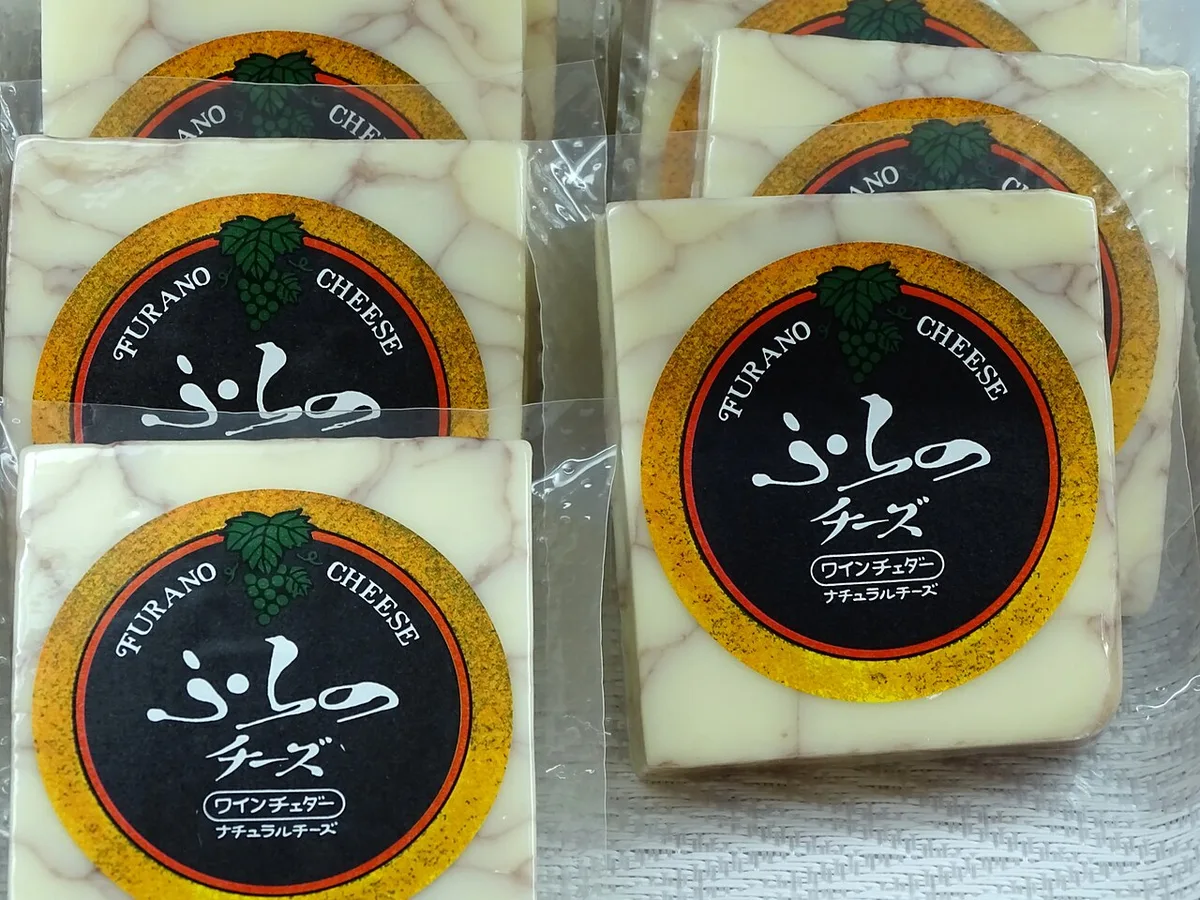
Tokachi's dairy farms sit alongside these grain fields. A dedicated dairy and cheese trail details creameries within the same drive, useful for pairing a Komugibatake lunch with a cheese-tasting stop. Kinokko Farmers' winter stock connects to a wider pattern of cold-season eating across the island. A separate winter cuisine guide covers what else is on the menu once snow settles over the Tokachi Plain.
Niseko and Rusutsu: Organic Produce and Farm-to-Table Dining
Rusutsu and Niseko sit on the opposite side of the island's food map from Tokachi, closer to Mt. Yotei and the ski resorts. Two stops anchor this hub, one for shopping and one for a full farm experience:
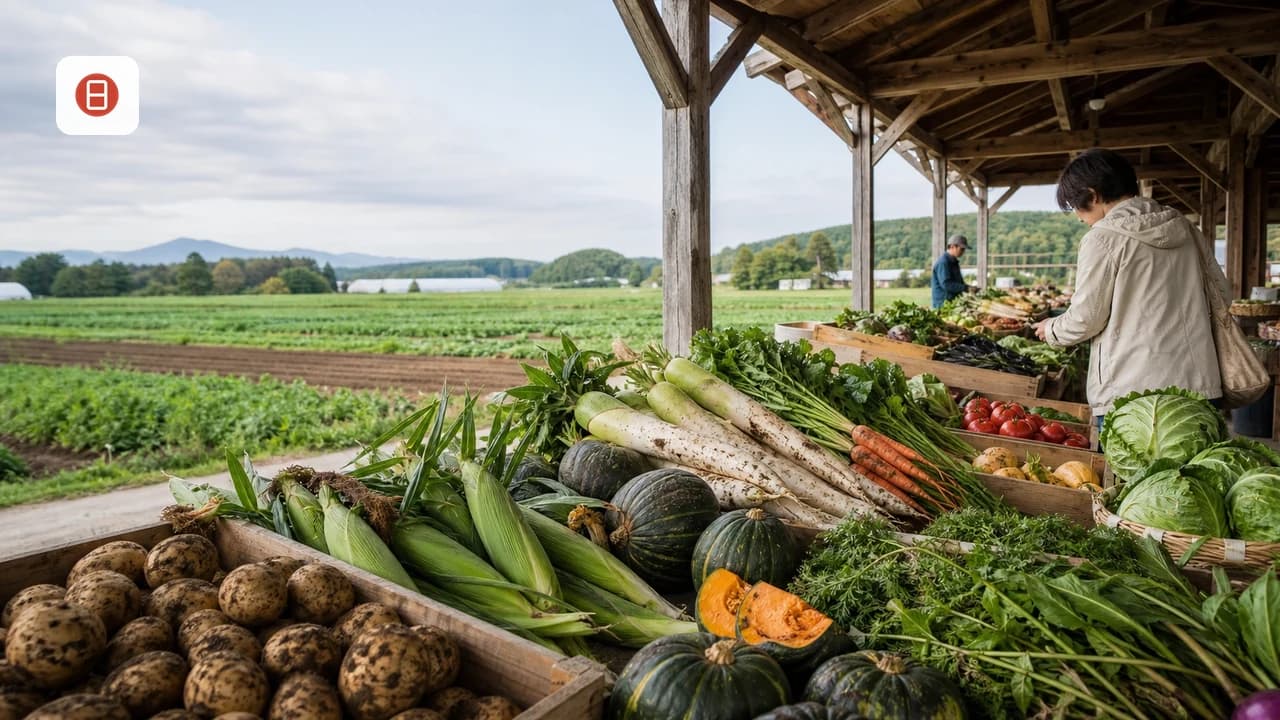
- Rusutsu Farmers' Market: posted hours run 9:00 to 17:00 daily, about a 10-minute walk from the resort area at 127 Rusutsu, Rusutsu-mura, Abuta-gun; confirm current hours before visiting. Shelves carry daikon, green, white, and purple asparagus, and potatoes. Cabbages, pumpkins, and onions have been listed as low as ¥100 each, and every item carries a photo of the farmer who grew it. Beyond produce, stalls sell soups, seasoning blends, bread, and cut flowers from individual growers.
- Rusutsu Pizza Do has operated as the lunch counter connected directly to the Farmers' Market; confirm it is still open before planning a market-then-meal stop.
- Niseko Green Farm: an organic farm covering roughly 12 hectares in Kutchan, near Mt. Yotei, founded in 2007, predating much of Niseko's recent growth as a ski destination. The farm has hosted wood-fired pizza-making using vegetables harvested on-site and shipped vegetable boxes from May through October in past seasons, with pricing that varies by box; confirm current-year availability directly.
Timing Your Visit and Budgeting for Farm-to-Table Meals
Morning decides how good your visit turns out. Prime produce at markets like Ra Ra La Marche and Kinokko Farmers tends to sell out by 11:00 AM. Plan farm stops before lunch rather than after, especially during peak summer weeks when demand runs highest. Budgeting differs by venue type. Roadside-station produce runs cheap. Rusutsu Farmers' Market has listed cabbages, pumpkins, and onions as low as ¥100 each, among the better bargains on the island. Sit-down farm restaurants such as Komugibatake and Muroji cost more than a market snack, since they serve full seated meals rather than raw produce. A roadside-station lunch typically costs less than a sit-down farm-restaurant set meal, similar to the gap between a food-court lunch and a proper restaurant meal elsewhere in Japan. Many travelers pair a Komugibatake lunch with a soak at nearby Tokachigawa Onsen, since the two sit minutes apart. Rural stalls are often cash-only. Some run on an honesty-box system with no staff present, so carry small yen notes and coins for unstaffed tables. English signage and support are more limited here than in Sapporo. A translation app or a written address helps at stalls that operate without an attendant.
Rusutsu Farmers' Market operates 9:00 to 17:00 daily, but farm markets across the region like Ra Ra La Marche and Kinokko Farmers tend to sell out of prime produce by 11:00 AM, making early arrival a key strategy for capturing the best selection.

Getting Around: Why a Rental Car Matters
Public transit does not reach most of the farms in this guide. Komugibatake sits about 10 minutes from Tokachigawa Onsen, but only by road, with no direct bus route connecting the two. Niseko Green Farm and Rusutsu Farmers' Market sit a similarly short drive from their nearest resort areas. Michi-no-Eki roadside stations are built for drivers, with parking directly outside, which makes them an easy stop between farm restaurants rather than a special trip. Parking at these stations is generally straightforward since they double as highway rest facilities, though it's worth confirming space for an RV or larger vehicle. Within each hub, a single rental car easily strings together three or four stops before lunch. Booking a car a few days ahead during peak summer and autumn harvest weekends helps, since rental fleets in resort areas can sell out. A dedicated food road trip itinerary lays out driving routes linking these farm stops with other regional food stops.
Hokkaido Vegetable Season Guide: What to Eat When
Crop windows shift which stop to prioritize on a given trip. Arriving in November expecting summer corn wastes a morning better spent elsewhere. Kinokko Farmers is the dependable exception in Tokachi, staying open through winter with spinach and other leafy greens. The table below tracks peak crops by season across the markets covered in this guide.
| Season | Peak Crops | Notes |
|---|---|---|
| Spring | Green and purple asparagus, wild mountain vegetables (sansai) | Early-season stalls fill first at Ra Ra La Marche and Rusutsu Farmers' Market |
| Summer | Corn, melons, tomatoes | Widest variety across every market this time of year; arrive before 11:00 AM |
| Autumn | Potatoes, daikon, pumpkins, sugar beets | Harvest season at Rusutsu Farmers' Market and the Tokachi roadside stations |
| Winter | Greenhouse spinach, processed bean products | Kinokko Farmers is the rare Tokachi market open year-round |
- This calendar covers vegetables only, and exact timing shifts a week or two year to year with weather.
- Dairy products round out the picture through the year, since cheese and ice cream making don't follow the same field-to-table calendar as vegetables.
- A complete seafood season calendar rounds out the island's food calendar beyond produce.
Mistakes to Avoid at Hokkaido Farmers Markets
A few planning errors repeat across Hokkaido's farm circuit. Avoiding them turns a stop at Hokkaido farmers markets and farm restaurants into a full, well-timed outing rather than a rushed errand.
- Arriving after 11:00 AM: prime produce at markets like Ra Ra La Marche and Kinokko Farmers is often already picked over by early-afternoon visitors.
- Expecting summer crops in any season: corn, melons, and tomatoes disappear by autumn, replaced by daikon, potatoes, and pumpkins.
- Skipping Michi-no-Eki because they look like rest stops: Michi no Eki Otofuke functions as the town's specialty center, complete with crafts and a restaurant, not just a bathroom break.
- Assuming card payment works everywhere: many rural stalls are cash-only or run on the honesty-box system, so carry yen in small denominations before heading out.
Frequently Asked Questions
What is a Michi-no-Eki, and why does it matter for farm shopping in Hokkaido?
Michi-no-Eki are official roadside stations built for drivers, and many double as a town's main produce market. Michi no Eki Otofuke sells cooked beans, bean products, and local crafts alongside a second-floor restaurant. That mix makes it worth a proper stop rather than a quick pit stop.
Do you need a car to visit Hokkaido's farm restaurants?
Yes, in most cases. Komugibatake sits about 10 minutes from Tokachigawa Onsen, and Niseko Green Farm and Rusutsu Farmers' Market sit a similarly short drive from their nearest resort areas. Public transit does not reach any of them directly. A rental car lets you combine several stops in one day. A dedicated food road trip itinerary covers route planning between them.
What time should you arrive at Hokkaido farmers markets?
Go before 11:00 AM. Prime produce at markets like Ra Ra La Marche and Kinokko Farmers sells out by late morning, so an early start protects your selection.
Are Hokkaido's farmers markets open year-round?
Most follow the growing season and thin out in winter. Kinokko Farmers in Otofuke is an exception, staying open through winter with greenhouse spinach and other leafy vegetables. Niseko Green Farm's vegetable box delivery has run May through October in past seasons, so confirm current dates directly.
Can you pay by credit card at rural farm stalls?
Not reliably. Many stalls in Tokachi and Rusutsu are cash-only, and some operate on an honesty-box system with no staff present. Carry yen in small denominations before you set out.
How much cash should you bring for a day of market-hopping?
Small yen notes and coins cover most stalls, since change can be limited at unstaffed honesty-box tables. Budget more than expected for impulse buys at ¥100 vegetable bins, especially during peak harvest weeks.
Can you visit both the Tokachi and Niseko-Rusutsu hubs in one trip?
Yes, though each hub works best as its own dedicated day. Farm stops, roadside stations, and restaurants in this guide cluster tightly within each region rather than spreading evenly across the island. Treat Tokachi and the Niseko-Rusutsu corridor as separate legs of a broader Hokkaido trip rather than a single day out.
What does chokubaijo mean, and how is it different from a regular market?
Chokubaijo describes direct-sale farm stands where growers sell their own produce rather than going through a wholesale distributor. Prices reflect that shorter supply chain, which is part of why staples like cabbage and pumpkin can run as low as ¥100 at stops such as Rusutsu Farmers' Market.
Free guide: Japan's Hidden Gems
12 under-the-radar places beyond Tokyo & Kyoto — with the best season to visit each and a local tip you won't find in the guidebooks.
You might also like


Continue reading
More guides you'll find useful