Hokkaido in January: Weather, Snow, and What to Expect
Hokkaido in January: expect deep cold, reliable powder in Niseko and Rusutsu, Okhotsk drift ice, and lighter crowds than February's Snow Festival week.
On this page
Last updated September 2026, Hokkaido in January means the season's deepest cold, reliable powder across Niseko and Rusutsu, and a noticeably quieter calendar than February's festival crowds. Temperatures across the island typically sit well below freezing, ski season is already in full swing, and the Okhotsk coast starts reporting its first drift ice of winter. This guide breaks down what's actually different about January versus the festival month, plus where to base yourself and what to budget in yen.
Hokkaido in January at a Glance
January is Hokkaido's coldest full month and one of its steadiest for snow, but it falls before the island's best-known winter event. Long-range planning benefits from knowing this upfront. Sapporo's winter festival lands in February, not January, so a January visit trades festival energy for open slopes and thinner crowds. For a broader seasonal comparison across the whole year, see how every month compares.
- Weather: consistently below freezing across the island, with the coldest stretch of the year in inland basins like Asahikawa.
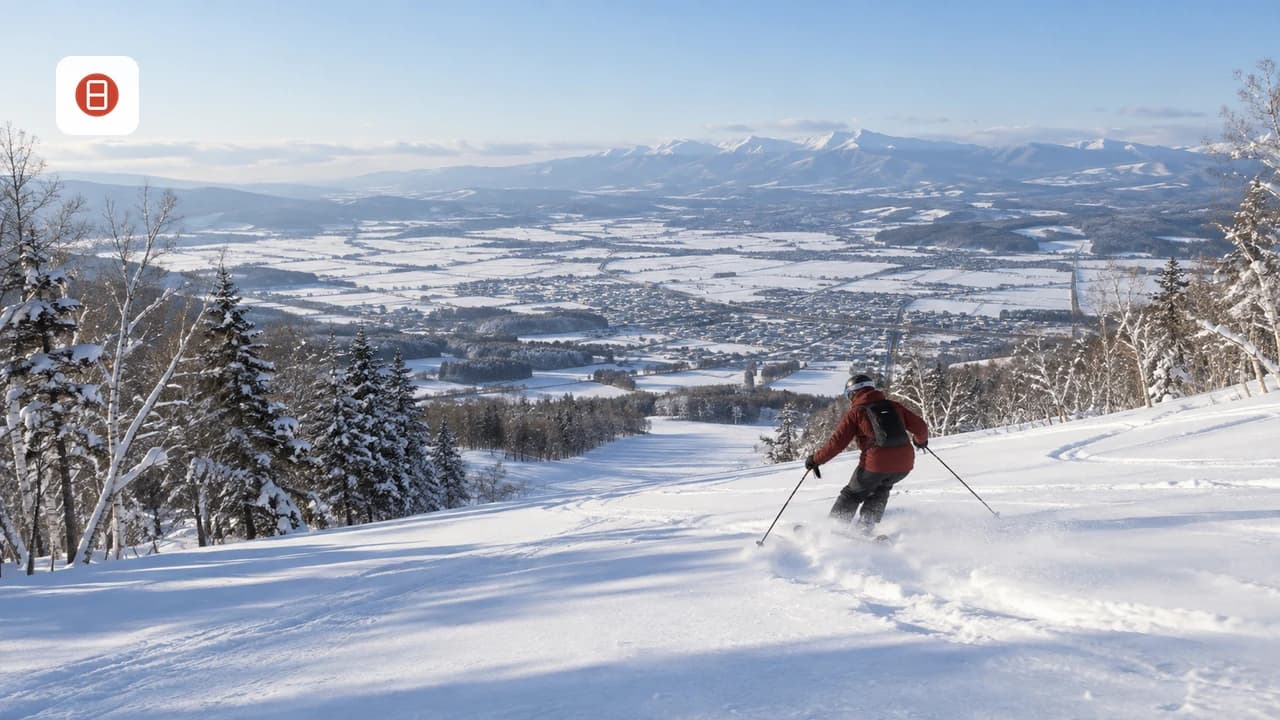
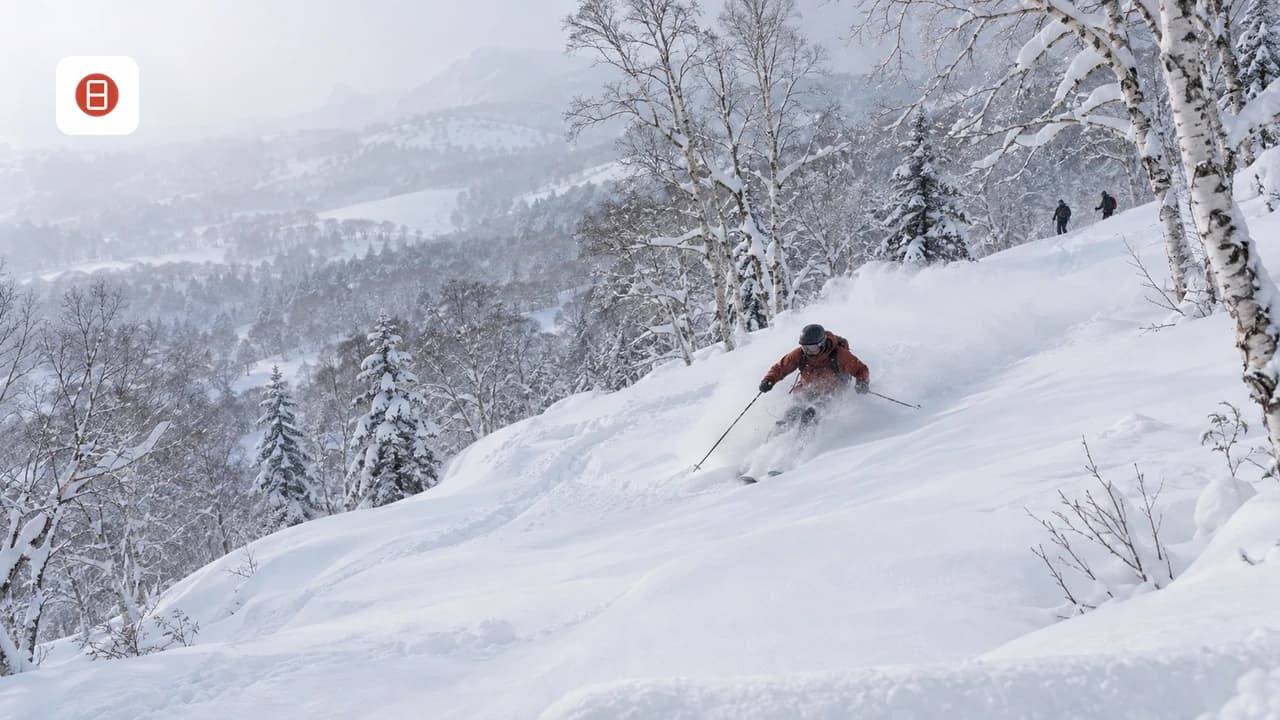
- Snow: ski resorts are already deep into their season, with dependable powder at Niseko, Rusutsu, and Furano.
- Festival: none in January — the Sapporo Snow Festival runs in February, so the month stays quieter.
- Crowds: lighter than the festival week that follows, especially around Sapporo and Otaru.
- Cost: generally lower demand-driven pricing than festival-week rates at Sapporo hotels.
Weather and Snow Conditions in January
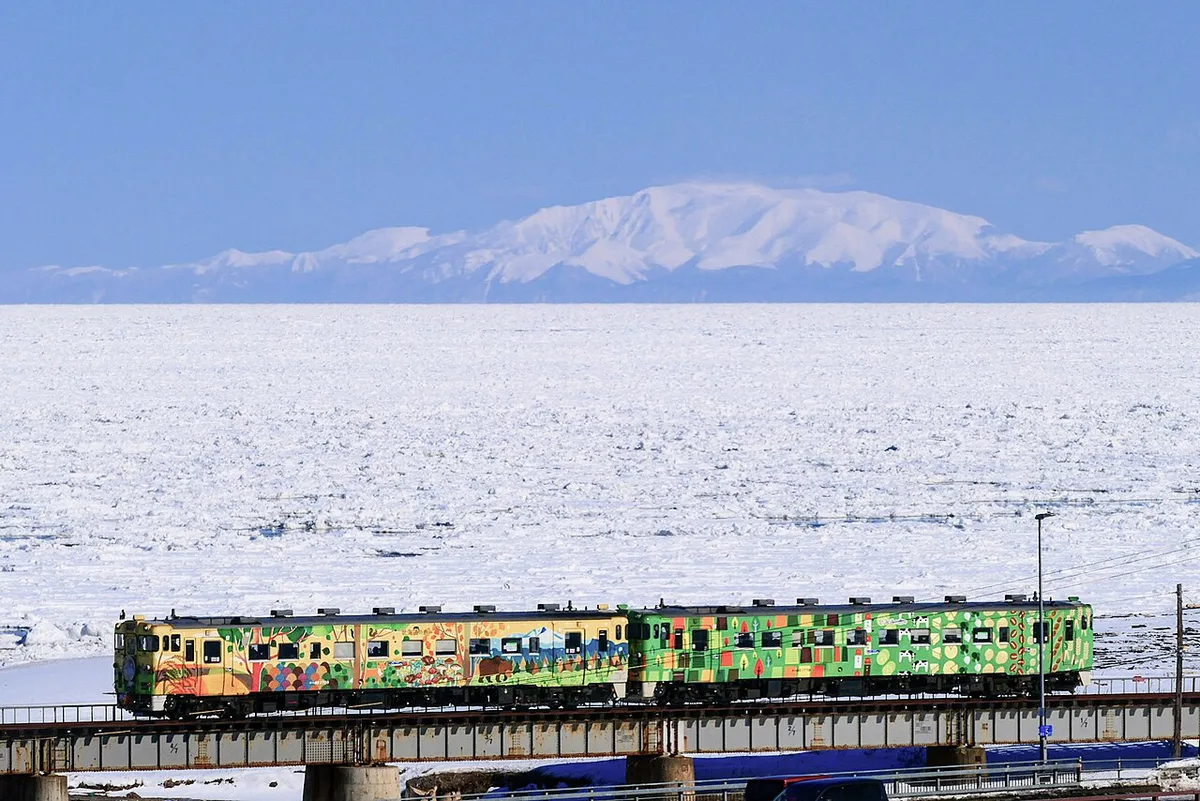
Hokkaido weather in January stays cold across the entire island, with inland basins like Asahikawa running colder than coastal Sapporo. Snow accumulates steadily rather than melting between storms, which is why the island holds some of Japan's most dependable ski conditions this month. Niseko sits close enough to the Sea of Japan, and to cold air moving down from the continent, that its cumulative snowfall can reach roughly 36 feet by the end of the season. Rusutsu and Furano sit further inland along similar storm tracks, so both towns see comparably consistent snowpack through January rather than the hit-or-miss accumulation common at lower-latitude resorts. For a live read on conditions before departure, cross-check current advisories against Visit Hokkaido's official travel guide. Along the Okhotsk coast near Abashiri and Mombetsu, drift ice — known locally as ryuhyo — typically begins appearing offshore in January and builds through February. Exact arrival dates shift year to year with wind and sea-ice conditions, so confirm current sightings and boat-tour schedules before booking a trip built around it. Viewing tours and ice-breaker cruises are the standard way to get close to the pack ice without stepping onto it.
January vs. February in Hokkaido: The Snow Festival Gap
Every major Hokkaido winter guide leans on one event: the Sapporo Snow Festival. That festival runs in February, not January, and it's the single biggest difference between the two months. Recent editions have drawn crowds estimated near two million visitors over the festival's run, which reshapes hotel pricing and street-level crowding across central Sapporo that week. A January trip skips that entirely in exchange for open ski runs, shorter lines at city attractions, and easier same-week hotel booking.
| Category | January | February |
|---|---|---|
| Snow Festival | Not running | Runs in early February — confirm exact week on the official site |
| Crowds in Sapporo | Lighter, easier to move around | Peak, especially Odori Park and Susukino |
| Lodging pricing | Lower demand pressure | Highest of the winter season |
| Ski conditions | Full mid-season snowpack | Comparable snowpack, busier lift lines |
| Best for | Skiing, onsen time, quieter city days | Festival sculptures, ice carving, events |
- Confirm official festival dates before locking in flights, since the exact week can shift slightly year to year.
- If the festival itself is the draw, February's festival guide covers it in full.
- Readers weighing an even quieter, colder alternative can compare against December's colder window instead.
Best Things to Do in Hokkaido in January
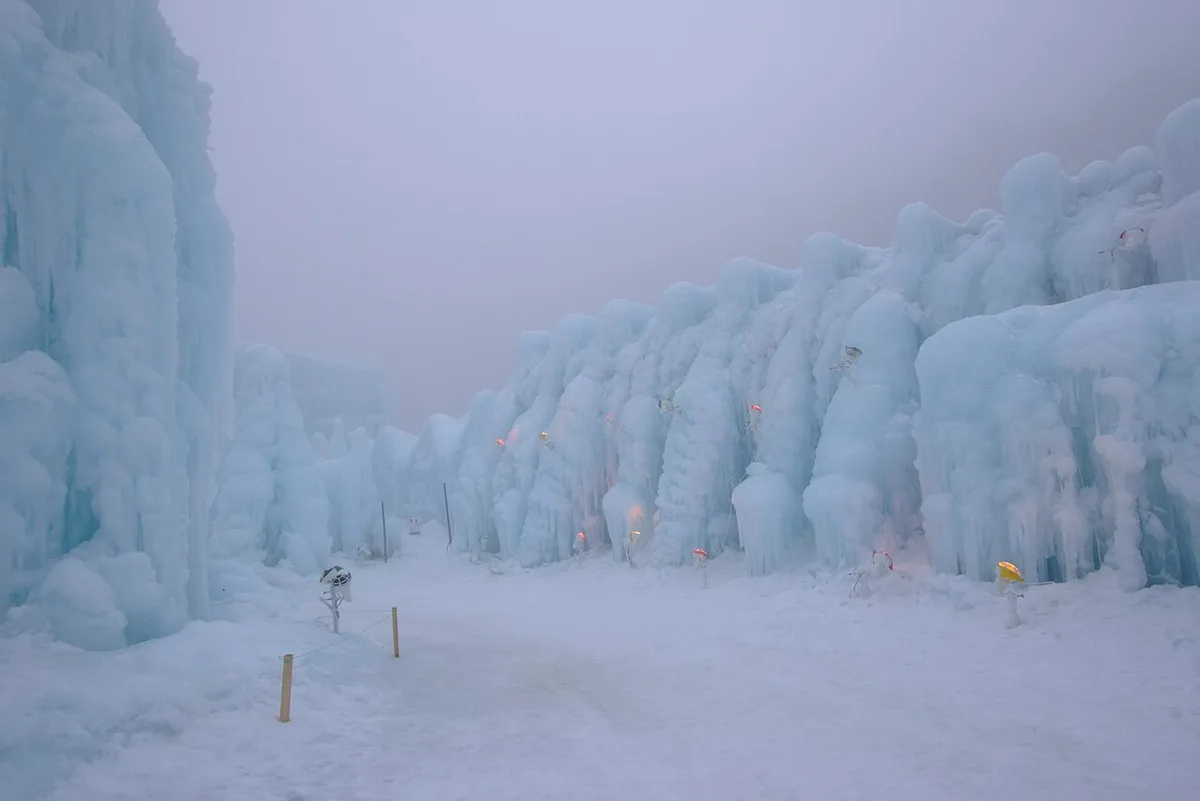
January's short daylight hours still leave room for a full slate of things to do, and a few are worthwhile only this month. Jewelry Ice forms when chunks of frozen Tokachi River ice wash onto the Otsu coast in Toyokoro and pick up a polished shine. The viewing window typically runs mid-January to late February, depending on the year's weather. Tokachi Winter River Cruising near Obihiro runs roughly December through March, putting you close to wintering Siberian swans on the water. Confirm current operating days before planning a trip around it. Asahiyama Zoo in Asahikawa is built around behavioral exhibits that keep more than 150 species active outdoors through winter, including Arctic species like penguins and polar bears. Asahiyama Zoo's winter hours and cold-weather exhibit schedule are covered in a dedicated guide. The Hokkaido Ice Pavilion near Asahikawa keeps its ice hall around -4°F year-round. Icicles built up over more than 40 years line the walls inside. It pairs naturally with an Asahiyama Zoo visit, since both sit in Asahikawa. Moerenuma Park, a roughly 467-acre park in Sapporo designed by sculptor Isamu Noguchi, turns into open snow terrain in winter and works as a quieter half-day stop. Niseko's four linked ski fields — Annupuri, Niseko Village, Grand Hirafu, and Hanazono — are already running on full mid-season snowpack by January. A single Niseko United lift pass covers all four fields, so choosing a base town matters more for convenience than for which mountain you start on. Waiting until February adds Snow Festival energy but also adds lift-line waits and citywide hotel pressure in Sapporo. Skiers who want quiet runs and easy lift access should favor January. Those chasing festival atmosphere alongside their skiing should shift to February and budget for higher rates. Jigokudani, or Hell Valley, in Noboribetsu delivers steaming volcanic vents and short boardwalk trails that stay open through winter. For a full list of cold-weather attractions beyond this January-specific set, see the island-wide attractions hub.
- Jewelry Ice (Toyokoro, Otsu coast): mid-January to late February, weather-dependent
- Tokachi Winter River Cruising (Obihiro): December through March, confirm current operating days
Where to Base Yourself in January
Sapporo works as the default base for a January trip. It's Hokkaido's largest city, with a population near two million, and sits on the main rail network. Sapporo Factory, a shopping and dining complex with more than 160 stores built around the city's former beer factory, works well for an indoor break from the cold. Otaru, Noboribetsu, and the airport all sit within about two hours in most directions. Niseko suits skiers who want lift-served snow outside the hotel door. It sits roughly three hours from New Chitose Airport, with a transfer at Otaru Station, so plan for an unhurried arrival day. Otaru works better as a half-day add-on than a full base. It's about 30 minutes from Sapporo by train, and its canal district and glassware shops are easy to cover quickly. Pair it with the Otaru snow light event guide if the timing lines up. Hakodate sits about five hours from Sapporo by train. That rules it out as a day trip and makes it a dedicated leg rather than a stop on a January-focused base. A dedicated guide on winter in Hakodate covers what changes that far south. Furano, further inland, offers a slower-paced alternative to Niseko's resort scene. A separate guide on Furano's slower pace has specifics on lodging and access.
Costs, Tickets, and Booking Timing
January pricing runs below the festival-week peak, but Hokkaido winter travel still books up months ahead, especially ski-in-ski-out lodging in Niseko. Reserve Niseko accommodation eight to twelve months out if a slope-side stay matters, since the best rooms sell out first. City hotels in Sapporo can typically be booked with a few weeks' notice instead. Expect Niseko dining and lodging to run higher than Sapporo or Otaru, since the resort caters heavily to international ski tourism. Entrance and rental costs stay modest relative to lodging. A few reference points to budget against appear in the table below.
Reserve Niseko lodging 'eight to twelve months out' because the mountain sits roughly three hours from the airport and attracts intense international ski demand.
| Item | Price | Notes |
|---|---|---|
| Sapporo TV Tower observation deck (adult) | ¥720 | ¥100–¥600 for children depending on age; confirm current rate before visiting |
| Onsen Tengoku day pass, Noboribetsu (adult) | ¥2,000 | ¥1,000 for children |
| Taxi, Noboribetsu Station to Noboribetsu Onsen | ¥1,700 | Needed before the 9:00 AM town bus starts running |
| Ski gear rental (boots, skis, poles), per person/day | ¥3,500 | Resort rental counter rate at Tomamu |
- These figures reflect previously published rates and can shift by season, so confirm current pricing directly with each operator before finalizing a budget.
Getting Around Hokkaido in Winter
Getting to Hokkaido starts at New Chitose Airport, which connects directly to central Sapporo by train in about 35 minutes. The flight routing and airport logistics guide covers arrival details in full. Trains handle most January travel well, but winter weather can still cause delays, so build slack into any single-day connection. Approximate journey times between the main bases appear in the table below. Cell coverage stays reliable across Hokkaido's cities and ski towns, though rural stretches between them can drop signal briefly. Setting up an eSIM before departure means maps, translation apps, and train schedules all work the moment you land, without hunting for a SIM counter at the airport in freezing weather. Self-driving is possible but not recommended for a first January trip, since road conditions shift fast with fresh snowfall. Train travel without a car works for nearly every stop in this guide, provided you build buffer time around weather delays.
| Route | Approx. Time | Notes |
|---|---|---|
| New Chitose Airport → Sapporo | 35 minutes | Direct train |
| New Chitose Airport → Niseko | About 3 hours | JR Rapid Airport plus JR Hakodate lines, transfer at Otaru Station |
| Sapporo → Otaru | 30 minutes | Popular half-day trip |
| Niseko → Otaru | 1 hour 20 minutes | Faster than routing through Sapporo, from Kutchan Station |
| Niseko → Sapporo | About 3 hours | Direct options are limited; some travelers book a private transfer instead |
| Sapporo → Noboribetsu | 1 hour 40 minutes | Town bus to Noboribetsu Onsen starts at 9:00 AM; taxi runs about ¥1,700 for earlier arrivals |
| Sapporo → Hakodate | About 5 hours | Not a realistic day-trip distance |
Onsen and Winter Food to Prioritize
Noboribetsu Onsen remains the easiest hot-spring base to reach from Sapporo, and its Jigokudani boardwalk trails stay open through January despite the cold. Choosing between the town's public bathhouses and a ryokan's private bath comes down to budget and schedule. A dedicated guide breaks down onsen town options across the rest of the island. January's coldest weeks also line up with peak seafood season, when crab, salmon roe, and sea urchin show up heaviest on Hokkaido menus. Sapporo's Outer Market, sometimes called the Curb Market, groups roughly 60 stalls selling crab, salmon roe, and sea urchin within walking distance of the station. A separate seafood season calendar covers exact monthly timing beyond this overview. Sapporo's butter miso ramen, built on Hokkaido dairy and a base of sweet corn, is worth seeking out in Ramen Alley's cluster of small counters in Susukino. Asahikawa Ramen Village, north of Sapporo, groups eight ramen shops under one roof for travelers comparing styles in one stop. Beyond ramen, a dedicated seasonal winter dishes guide covers what else to eat this month.
Noboribetsu Onsen's '1 hour 40 minutes' rail journey from Sapporo makes it the easiest hot-spring base to reach for January visitors planning day trips or brief overnight stays.
Mistakes to Avoid in a January Trip
A few planning missteps show up repeatedly in Hokkaido trip reports, and each is avoidable with the right timing.
- Planning around the Snow Festival by mistake: it runs in February, not January, so double-check dates before booking around it.
- Underestimating Niseko's lodging lead time: ski-in-ski-out rooms can sell out eight to twelve months ahead of a January arrival.
- Skipping the 9:00 AM bus gap at Noboribetsu: early arrivals need a taxi, not the town bus, to reach Noboribetsu Onsen from the station.
- Wearing non-winter footwear: sidewalks crust over with packed snow and ice for weeks at a time, and city rain boots won't hold traction.
- Treating Hakodate as a day trip: the five-hour rail journey from Sapporo makes it a dedicated leg, not an add-on.
- Assuming a rental car adds flexibility: winter road conditions and unfamiliar snow tires often make trains the safer, faster choice.
Quick-Reference Itinerary Ideas
A short trip built around Sapporo, Otaru, and one ski day covers the highlights in four or five days without much backtracking. Travelers with more time can extend into Niseko for multi-day skiing or add Hakodate as a dedicated southern leg. For full day-by-day pacing across the whole region, see the multi-region winter route. A broader planning frame that spans beyond winter sits in the full-season routing guide. Readers still deciding on timing should compare this month directly against the wider winter overview before locking in dates.
Frequently Asked Questions
Is January a good time to visit Hokkaido?
January works well if reliable powder and quieter crowds matter more than festival energy. Ski resorts across Niseko, Rusutsu, and Furano are already in full mid-season snowpack, and city crowds in Sapporo stay noticeably lighter than the festival week that follows in February.
Is Hokkaido colder in January or February?
Both months sit deep in winter, and neither is meaningfully milder than the other. January edges slightly colder in most read-outs, though the practical difference for travelers comes down to crowds and pricing rather than temperature.
Does the Sapporo Snow Festival happen in January?
No, the festival runs in early February, not January. Confirm the exact week directly with the festival's official site each year, since dates can shift slightly.
Is Niseko good for skiing in January?
Yes. Niseko's four linked ski fields are already running on established mid-season snowpack by January, well before February's crowds arrive for the festival in Sapporo.
How cold does Hokkaido get in January?
Hokkaido stays well below freezing through January, with inland basins like Asahikawa running colder than coastal Sapporo. Layered winter clothing and proper snow boots matter more here than in most of Japan's other regions this month.
Can you visit Hokkaido without a car in winter?
Yes, trains connect nearly every major stop in this guide without a car. New Chitose Airport, Sapporo, and Otaru sit on well-served rail lines. Niseko and Noboribetsu are reachable too, though each involves at least one transfer. Winter weather can still cause delays, so build buffer time into single-day connections.
Free guide: Japan's Hidden Gems
12 under-the-radar places beyond Tokyo & Kyoto — with the best season to visit each and a local tip you won't find in the guidebooks.
You might also like


Continue reading
More guides you'll find useful