Hakodate In Winter Travel Guide
Plan hakodate in winter with top picks, neighborhood context, timing tips, and practical booking advice for a smoother trip.
On this page
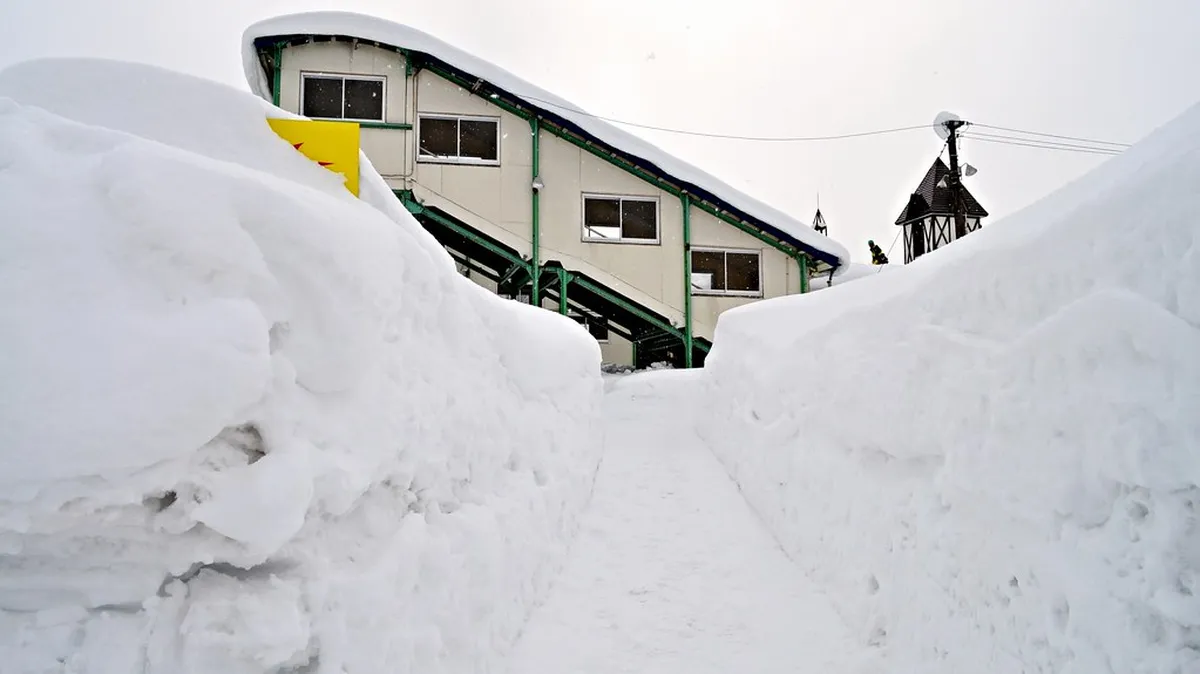
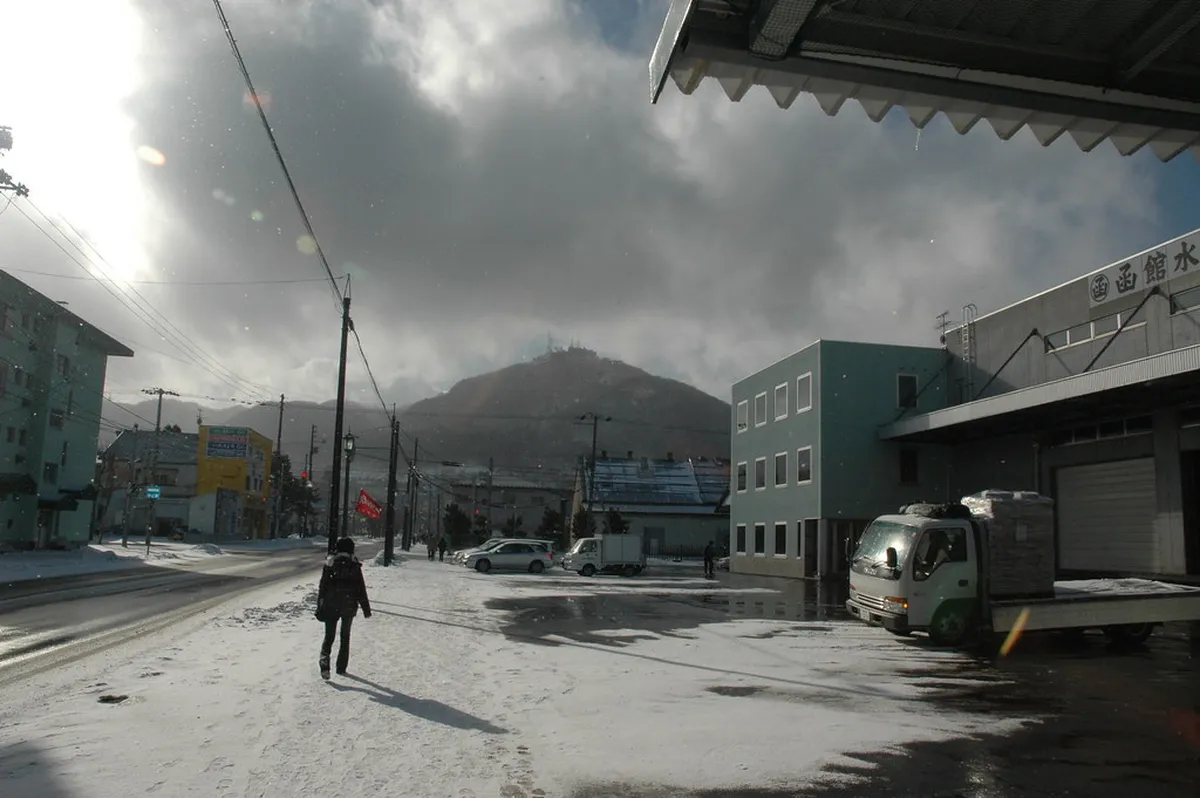
Hakodate in winter is one of Hokkaido's most rewarding cold-weather destinations. The city sits at the southern tip of the island, which keeps it slightly milder than Sapporo, but the coastal wind off the Tsugaru Strait makes the cold feel sharp and immediate. Temperatures run between -6°C and 2°C from late December through February. The best windows for a winter trip are mid-January for deep snow and peak night views, or early December for the Hakodate Christmas Fantasy illumination event along the waterfront.
Crowds are noticeably thinner here than in Sapporo during winter, and that makes a real difference. You get the ropeway mostly to yourself on a clear evening, the morning market without the summer scrum, and a quieter Motomachi to photograph without tour groups blocking the street views. This guide covers the must-see attractions, where to find culture and outdoor activity, practical tips for families and budget travelers, and how to structure a day here so nothing is wasted.
Must-See Hakodate Attractions
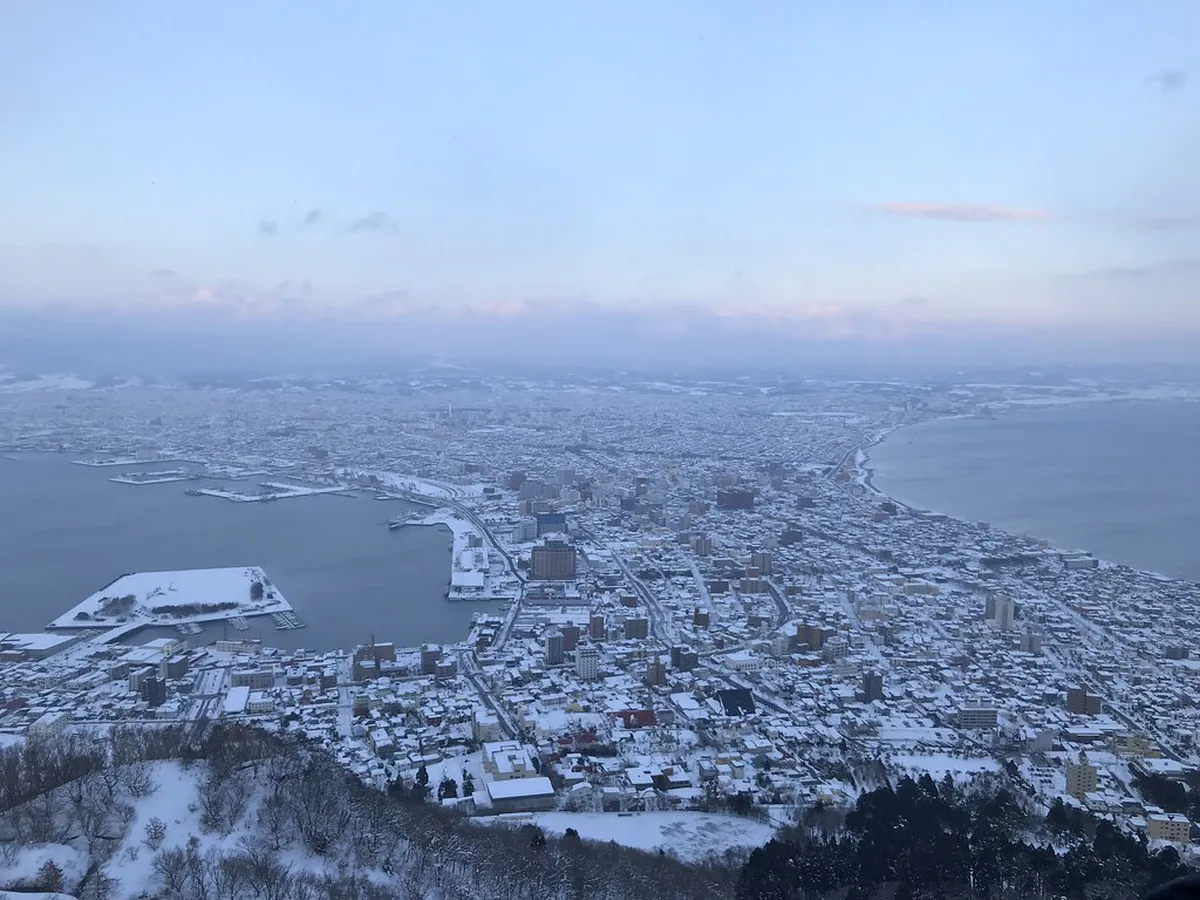
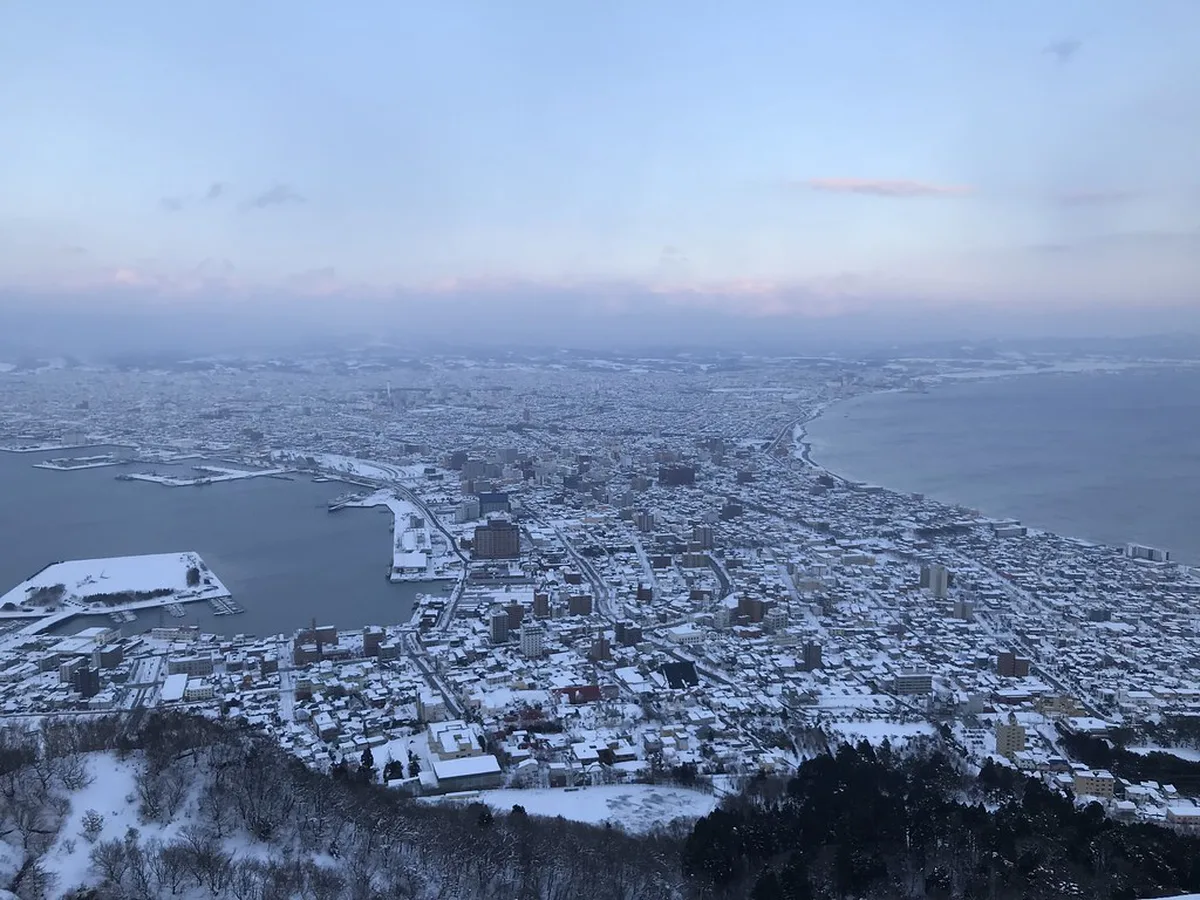
The night view from Mount Hakodate is the city's signature experience and arguably the most compelling reason to visit in winter. At 334 m, the mountain's ropeway lifts you above the city in under four minutes, and the hourglass silhouette of the peninsula glowing against the white snow is noticeably more brilliant in winter than in summer. Snow reflects the city lights, amplifying every LED and street lamp below. Check the ropeway's official website before you leave the hotel — it suspends operations when wind speed exceeds 15 m/s, which happens regularly in January.
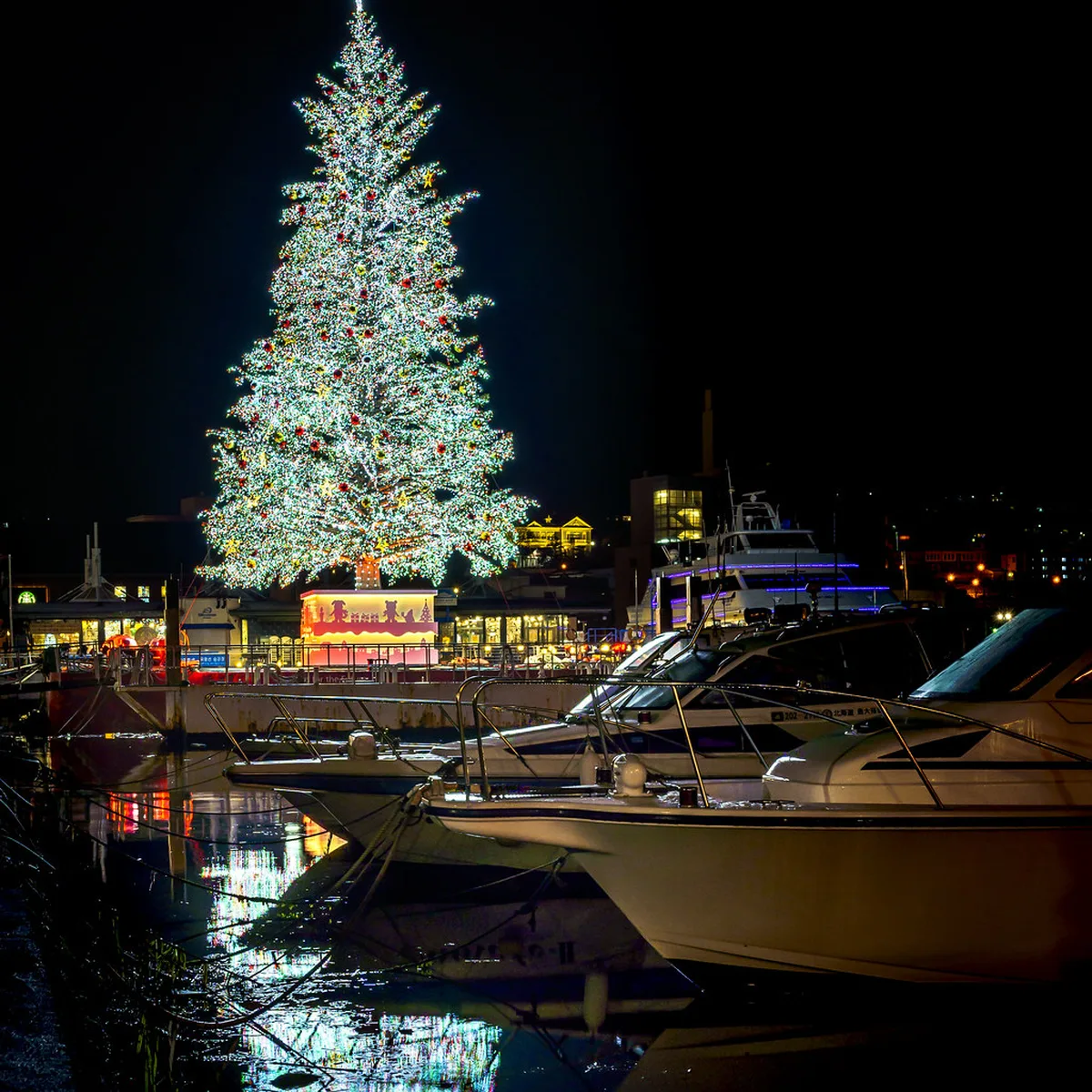
The Kanemori Red Brick Warehouse district along the waterfront is essential in any season but earns its place in winter for its Christmas Fantasy event in December. A giant illuminated tree floats on the harbor, and the warehouses host hot drinks and seasonal goods inside heated interiors. The 1909 Meiji-era brick construction is well lit at night and makes for strong photography against the snow. More details on the complex are available at the Kanemori warehouse guide.
The Hakodate Morning Market opens daily at 05:00 and stays lively until around 14:00. In winter the stalls pivot to crab and sea urchin, and the squid catch from the night-fishing boats arrives fresh each morning. The morning market guide covers current seasonal operating hours, since a handful of stalls do shorten winter hours. A donburi (rice bowl) breakfast here costs roughly ¥1,500–¥3,000 and is one of the best-value meals the city offers.
The Mount Hakodate ropeway suspends operations when wind speed exceeds 15 m/s, which happens regularly during winter months. Always check the ropeway's official website before heading up the mountain in the afternoon — conditions can change quickly in coastal cold. The best window is early evening around 18:00–19:00 when winds typically calm and full darkness has fallen.
Motomachi, the hilly Western-influenced district above the waterfront, is best explored on foot in the morning when the foot traffic is lightest. Hachiman-zaka, the wide cobbled slope that runs straight down to the bay, is the street most photographed in winter. The old Russian and French consulate buildings and the Hakodate Orthodox Church are all clustered within a 10-minute walk of each other. Wear shoes with deep tread — the cobblestones develop a glaze of black ice by late afternoon. Consult a 2-day Hakodate itinerary to plan the most efficient walking route through these hills.
The cobblestone streets of Hachiman-zaka and Motomachi turn dangerously icy by mid-afternoon in winter. The slope is steep, and black ice is nearly invisible on dark cobblestones. Explore this district in the morning when the surface is safest, and consider slip-on crampons (available at convenience stores for ¥500) if you plan an afternoon visit. Do not attempt the slope alone in poor visibility.
Museums, Art, and Culture in Hakodate
Goryokaku Fort is the city's standout cultural site in winter. The star-shaped Western-style fortress, built in 1864 as Japan's first European-design fortification, fills with snow and becomes a clean geometric marvel visible from the Goryokaku Tower observation deck. The tower charges ¥900 for adults and stays open until 19:00. In late January, the fort moat freezes and the surrounding park is often empty — you can walk the embankments without another person in sight.
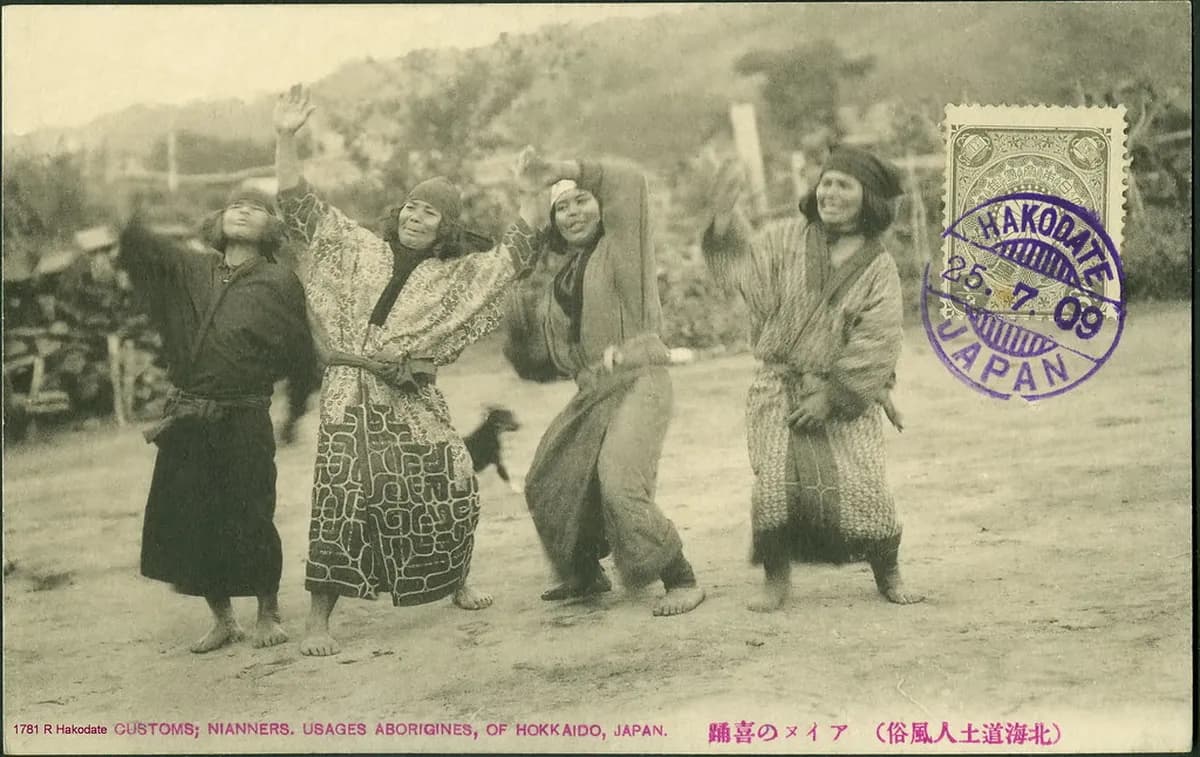
The Hakodate City Museum of Northern Peoples focuses on the indigenous Ainu culture and the history of Hokkaido's Russian and American trade connections during the Meiji period. It is a small but well-curated museum that makes sense of the Western architecture scattered across Motomachi. Entry is ¥300 and the museum stays heated throughout winter. It is directly on the tram route, so there is no need to walk far in the cold to reach it.
The old public hall of Hakodate (Kyū-Hakodate-Kuchō-Sha) and several historic consulate buildings in Motomachi operate as free or low-cost walk-in attractions. Many are illuminated in the evening as part of the Hakodate Winter Illumination running from late November through late March in 2026. The illumination turns the entire hillside into a quiet light installation, and because it is not marketed as aggressively as Sapporo's Snow Festival, the atmosphere is genuinely calm.
Parks, Gardens, and Outdoor Spots in Hakodate
Onuma Quasi-National Park, about 30 minutes north of Hakodate city center by train, is the most underrated winter half-day in the region. The lakes freeze solid by January, and local operators run smelt ice-fishing sessions (kotsunagi-tsuri) directly on the lake surface — you rent a small electric drill, drill through the ice, and drop a line for the tiny silver fish that fry up in minutes. A session including gear and onsite cooking costs around ¥3,500 per person. Snowmobile-pulled sled rides loop around the ice for families with young children (¥1,000–¥1,500 per ride). Neither activity appears in most Hakodate winter guides, but they are genuinely popular with Japanese domestic visitors. Check a day trip to Onuma Park details before booking.
Goryokaku Park itself, separate from the tower, has cleared snow paths for winter walking around the star-shaped moat. The park is free to enter and is used daily by Hakodate residents for morning exercise even in the coldest months. It is a good low-cost option for half an hour outdoors between indoor activities. The Goryokaku tram stop puts you at the park entrance in around 20 minutes from the waterfront.
Yunokawa Onsen, a coastal hot spring district 30 minutes east by tram, provides a different outdoor experience. The baths face the Pacific and the sea water is visible from several open-air pools. A public day-bath ticket at a mid-range inn runs ¥1,000–¥1,500 and requires no reservation. At night, the fishing boats working the squid grounds light up the water offshore — the view from an outdoor onsen bath facing those lights in the cold is one of the more memorable things the city offers to winter visitors. The top Hakodate hotels lists several Yunokawa-area properties with their own onsen facilities.
Family-Friendly and Budget-Friendly Options in Hakodate
Hakodate is one of the more accessible Hokkaido cities for families traveling in winter. The city tram covers the key sights on a single ¥600 all-day pass, meaning you can hop on and off between the morning market, Motomachi, and Yunokawa without repeated taxi costs. The tram runs every 6–10 minutes and is fully heated. Children under 12 ride at half price.
Budget travelers can eat well without spending much. A shio ramen bowl at a local shop costs ¥800–¥1,200. The morning market donburi restaurants compete on price and a fresh crab rice bowl can be had for ¥1,500 if you avoid the shops with large English signage at the market entrance. Lawson and 7-Eleven convenience stores near Hakodate Station sell pork manju (steamed buns) and nikuman for under ¥200 each — useful for keeping warm while walking.
Families with children should time the Mount Hakodate ropeway for around 18:00–19:00 in winter. The queues are short, the light is fully dark, and the snow reflection makes the view its most dramatic. The summit has a heated observation building with a café, so younger children do not need to stand in the wind for long. Hakodate's Christmas Fantasy in December also appeals strongly to families — the harbor tree lighting and free street performances along the waterfront run on weekend evenings throughout December.
How to Plan a Smooth Hakodate Attractions Day
A single well-structured day covers the core of Hakodate in winter. Start early at the morning market between 06:00 and 08:00 — the freshest seafood sells out by mid-morning, and the market stalls are at their most animated at dawn when the boats have just come in. After breakfast, walk or tram to Motomachi and spend the late morning on Hachiman-zaka and the historic consulate buildings. The hill is uphill from the port and the walk up keeps you warm despite the cold.
Early afternoon works well for indoor culture: Goryokaku Tower and the nearby fort park, or the Museum of Northern Peoples if you want to understand the city's history before walking its streets. By 15:00, move to Kanemori Red Brick Warehouse for shopping, coffee, and a warm base while you wait for darkness. The ropeway to Mount Hakodate is best taken around 18:00 after full dark falls in winter. After descending, dinner can be seafood again near the morning market or ramen in the streets near the station.
If you have a second day, dedicate the morning to an Onuma Park excursion and the afternoon to Yunokawa Onsen. The combination of ice fishing and a seaside hot spring bath on the same day is a genuinely satisfying way to experience Hokkaido winter without the Sapporo crowds. Trains to Onuma run every 30–60 minutes from Hakodate Station and take 25 minutes.
| Activity | Where | When | Cost |
|---|---|---|---|
| Night view ropeway | Mount Hakodate | 18:00–19:00 (best window) | ¥1,000–¥1,200 |
| Illumination walk | Motomachi / Hachiman-zaka | Late November–late March evenings | Free |
| Morning market breakfast | Hakodate Morning Market | 06:00–08:00 | ¥1,500–¥3,000 |
| Ice fishing (kotsunagi) | Onuma Quasi-National Park | December–February | ¥3,500 per person |
| Onsen day bath | Yunokawa Onsen | Daytime or evening | ¥1,000–¥1,500 |
| Goryokaku Tower | Goryokaku Fort | Open until 19:00 | ¥900 adults |
Stay Warm in Hakodate
The cold in Hakodate is coastal cold, which is wetter and windier than Sapporo's inland freeze. A windproof shell over insulated mid-layers is more important here than simply adding more fleece. The Tsugaru Strait wind funnels up the streets running perpendicular to the harbor, so Hachiman-zaka and the streets near Kanemori can feel bitterly cold even when the temperature reads -2°C. Waterproof snow boots with ankle support are non-negotiable. Local convenience stores sell attachable crampons for around ¥500 — these slip-on rubber frames with small spikes fit over any boot and prevent falls on black ice.
Kairo (chemical heat packs) are available at every Lawson, FamilyMart, and pharmacy in the city. The adhesive kind stick to your inner base layer near the lower back and provide continuous warmth for 8–12 hours. Keep a spare pair in your pocket for hands when temperatures drop below -5°C. When you need to warm up quickly, the tram is heated and costs only ¥250 per boarding. Many of the old consulate buildings and museums in Motomachi also serve as warm indoor breaks between outdoor sights.
Explore in winter in other cities
Frequently Asked Questions
Is Hakodate in winter worth visiting?
Yes, it is highly worth visiting for its unique illuminations and fresh seafood. The snowy landscapes provide a romantic atmosphere that differs significantly from other Japanese cities. You will enjoy fewer crowds than in nearby Sapporo.
How do I get to Hakodate from Tokyo in winter?
The Shinkansen takes about four hours from Tokyo Station to Shin-Hakodate-Hokuto. From there, a local train reaches the city center in 20 minutes. Flying is faster but can be prone to winter weather delays.
What should I avoid in Hakodate during winter?
Avoid wearing smooth-soled shoes as the sidewalks are often covered in black ice. Do not plan tight schedules because snow can delay trams and trains. Always check the ropeway status before heading to the mountain.
Hakodate in winter offers a serene and visually stunning experience for those prepared for the cold. From the glowing night views to the steaming bowls of morning market ramen, the city rewards adventurous travelers. By following these packing and timing tips, you can enjoy the best of Hokkaido's southern port city safely. Plan your trip between late December and February to see the city at its most magical and snowy peak.
Use our Hakodate attractions hub to plan the rest of your trip.
Free: The Hakodate Essentials guide
Top things to do, where to stay, a perfect day plan, getting around, and the best time to go — a Hakodate mini-guide you can take offline.
You might also like

Continue reading
More guides you'll find useful